In short
The Diary Of A CEO with Steven Bartlett
Episode Summary
Moment 191 - Inside Nike’s Branding Genius: Lessons for Building an Iconic Brand with Greg Hoffman
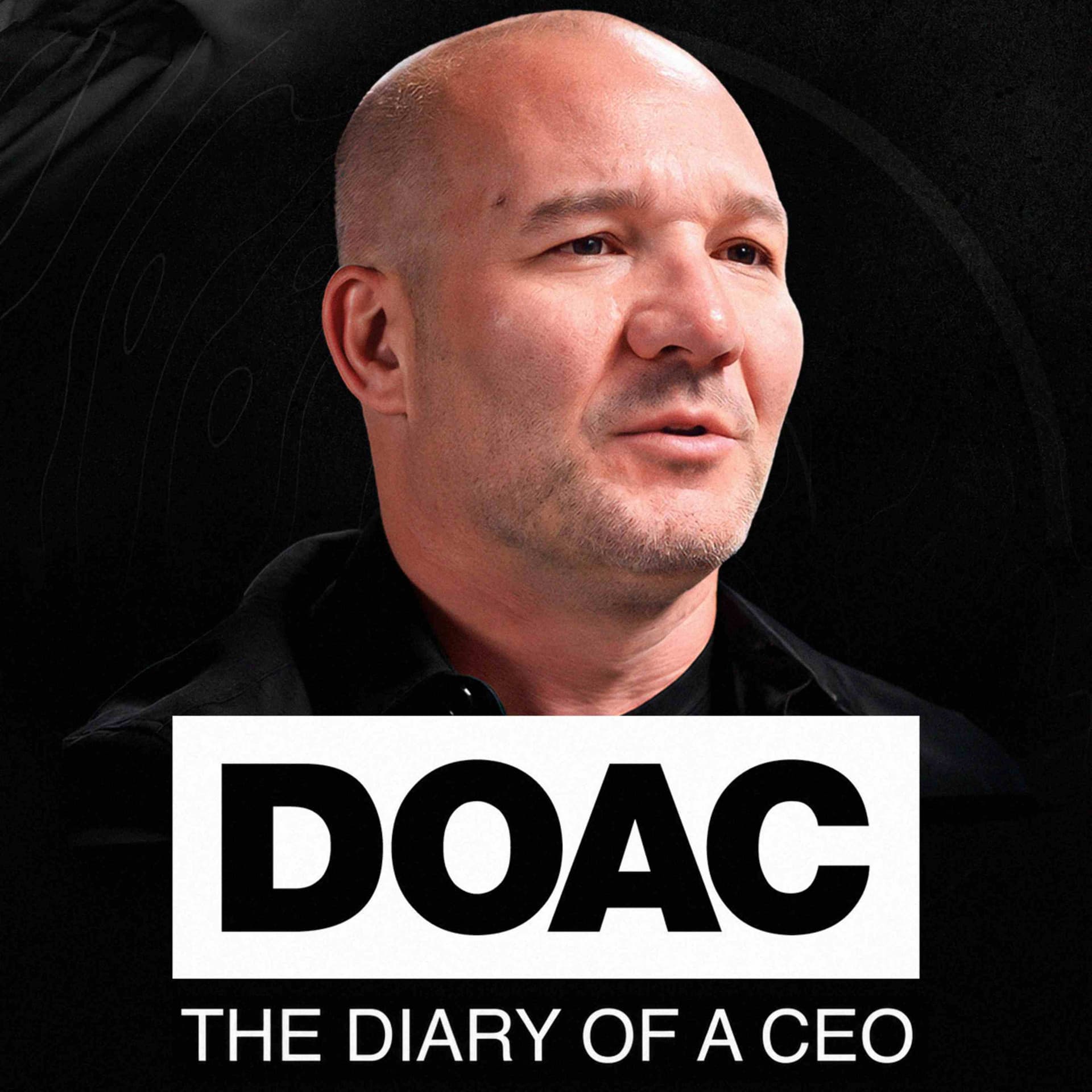
In this episode of "The Diary Of A CEO," Steven Bartlett sits down with Greg Hoffman, former CMO of Nike, to delve into the branding strategies that propelled Nike to global prominence. Hoffman shares insights into creating a strong brand identity, the importance of emotional connections, and the role of creativity in business success.
Key Concepts Discussed
Brand Recognition and Emotional Connection
- Importance of Emotional Stance: Strong emotional stances can evoke powerful connections, though they risk criticism and polarization.
- Nike’s Brand Strategy: Nike embraced athletes who defied conventions, aligning its brand with rebellious spirit while staying true to sports and athletic service.
Authenticity and Brand Storytelling
- Authenticity: Authenticity is vital, as exemplified by small and large brands that impact lives meaningfully.
- Brand Storytelling: The importance of telling the right story authentically and transparently to build a successful brand.
Branding Elements and Creativity
- Brand Elements: The significance of foundational brand elements such as logos, colors, and typefaces in creating strong brand identifiers.
- Creative Tension: Balancing analytical and creative approaches is crucial in fostering innovation and efficiency in branding.
Insights for Entrepreneurs and Podcasters
Building an Iconic Brand
- Finding the Right Story: Identifying and narrating the story that aligns with the brand's values and audience's needs.
- Branding Framework: Creating a cohesive brand framework that enhances storytelling rather than overshadowing it.
Practical Tips for Brand Development
- Intentional Design: Every design choice, from physical settings to brand elements, should intentionally communicate the brand's story.
- Balancing Perfection and Personality: Striving for perfection can sometimes strip away a brand's personality; balance is essential.
Takeaways from Greg Hoffman
- Corporate Responsibility and Growth: Successful brands integrate corporate responsibility into their growth strategy, using their platform to innovate and inspire.
- Role of Creativity: Creativity is not limited to traditionally creative roles; it is a collaborative process that involves right and left-brain thinkers.
Conclusion
Greg Hoffman emphasizes the power of authenticity, emotional connection, and creativity in building a brand that resonates with audiences. His insights offer valuable lessons for entrepreneurs and business leaders aiming to create impactful brands. By understanding and applying these principles, businesses can foster growth and establish meaningful relationships with their audiences.
Additional Resources
- Steven Bartlett's New Book: [Link to Book](https://g2ul0.app.link/DOAC)
- Greg Hoffman: [The Modern Arena](https://www.themodernarena.com/about)
- Watch Episodes on YouTube: [The Diary Of A CEO YouTube Channel](https://www.youtube.com/c/%20TheDiaryOfACEO/videos)
Social Media
- Instagram: [Steven Bartlett on Instagram](https://www.instagram.com/steven)
- LinkedIn: [Steven Bartlett on LinkedIn](https://www.linkedin.com/in/stevenbartlett-123)
Written by AI. May contain mistakes. Listen to the episode to check what was said.
Transcript
Automatic transcript. May contain errors.0:02When you think of the most iconic logo in the world, which brand comes to mind? For me, it's probably Nike. Their former CMO Greg Hoffman knew exactly how critical strong brand recognition was. And in this clip, he shares his tactics on leveling up your own marketing. I have about 40 companies in my portfolio, and when I think about what's worked in terms of marketing, LinkedIn adds stands out. They're also the sponsor of this episode. Here you have access to professional network of individuals who influence your business, with over a billion members, 130 million decision makers, and 10 million C -suite executives.
0:33So you can kill the guesswork and know exactly who you're reaching. If you're ready to make an impact, give LinkedIn ads a try and enjoy this moment on us. Or if you want to get started now, LinkedIn ads is offering a hundred dollar credit to launch your first campaign. Go to LinkedIn .com slash DOAC24 to claim your credit, terms and conditions apply. To create a strong emotional connection with someone else, I'm presuming you have to take a strong emotional stance yourself often. So I'm just thinking about the things that have revoked the strongest emotional connections with anything I do. The things that have evoked the strongest emotional connections with this podcast and its audience are strong emotional stories.
1:10But that when you do that, when you avoid indifference, you are putting yourself in line for potential criticism and attacks, and you're going to polarize people, so people are going to love and hate you. How important has not been for Nike? And how important is it for a person starting a podcast or a business or leading a team or whatever else? For a brand like Nike, it was, look at the athletes that represented the brand early on. I mean, they were all rebels within their own sports. And so this idea of having a maximum within the company that was defy convention. So your values say it's like, yeah, there are going to be things we do with conviction that may be polarizing.
2:04But it is the deep belief we have in those things. And as long as we always relate them back to sport and this idea of serving the athlete, then we're willing to go there. And if we're not clearly tethered to what we say and what we do, then we would deserve the critique and the criticism. So I think you can, for any smaller, large company that's kind of, that's wrestling with this, that maybe wants to kind of go beyond just the transactions and truly move into that arena where you really are having real relationships with your audience, that their affinity for you comes from that fact that they're getting meaningful benefits, whether those are mental or physical, that are allowing them to progress in life.
3:04When you reach that status, I believe indifference isn't an option right now. I believe we need to look to brands that have that level of success. And again, it's not about scale because there's plenty of small brands, you know, mom and pop brands that are doing great things through their business to affect the lives of people underserved communities. But again, so much of what we're talking about is authenticity, even even doing this book, it's like, well, you know, how much social media should I do? And on this platform does that seem like an authentic? And like I, so at the end of the day, because I'm driving people crazy with these questions, is that because, you know, I'm not the most public person, right?
3:52But as long as I speak to from the center and the anchor of the power of creativity in business and its ability to change the world and make that connection clear, and then if people are pissed off about that, then it is what it is. But more often than not, look at some of the most successful brands and they're, it's made their own business successful. It's accelerated their growth. And so that's where I get into this, you know, yeah, our primary goal, certainly for a public company is to drive growth, both from a brand and business standpoint. But more and more, I believe that within that, you have to integrate this, you know, being a great corporate citizen and using your platform to, to, to, you know, provide your innovation and your inspiration to those that quite frankly don't have the access and opportunity to get it.
4:59How do I find which story to tell? Because if I'm, if I'm running this podcast and I'm thinking, okay, I need to do the logo, the brand, I need to position it in a way that's going to be, this is typically the way the brain thinks. It's trying, it's, the outcome is success and it's trying to figure out which story to tell to get me to success. So, how do I make this podcast successful? How do you go about knowing where and how to find that story in your business brand team, whatever it is? And which one is the right one to tell to get the outcome I'm looking for, which is success? The success to me is that it's not overly packaged.
5:34The success to me is that the transparency and authenticity of the conversations and that there's a rawness to it and that's, that is branding. Sometimes it's the, the lack of design if you will is the very thing that makes something successful. Versus there's a, you know, there's go to, it's always the same questions. And so, that's the one thing I really appreciate about what you're doing is this, again, back to this, this being human as a being human and creating emotion. And part of that is just through the people can, you know, see themselves in you or us. And the, yeah, I mean, that's what I say.
6:33It's less about, sometimes, the traditional aspects of branding, which is I want to make sure the frame of every podcast has the color gold and it must, you know, so, and again, I'm saying this as, as someone who's oftentimes been pretty rigid in terms of, to grow some of these businesses, to own a brand color, if you will, and you pick your, pick your favorite brand. There's a level of repetition needed to build that kind of equity in a typeface, in a color, in a, in a logo. You need to build that brand frame, right? Oftentimes startups almost skip that. It's like, no, go back. It's like, really build your brand identifiers, your brand elements, right?
7:26Because that's your picture frame. And the stronger the picture frame, the more the picture in it is going to shine, the weaker that frame, then you're, the picture within it is kind of, it's just, it's not on a, on solid ground, if that makes sense. And so that's why in the book, I talk about the picture and the frame, and ensuring that the frame never outshines the picture. That's what I'm getting at. It's like, you're, when you're thinking about brand, brand elements and how best to express those through the different platforms, it's the right question, but making sure that they don't take away from the actual storytelling within it, which is the picture.
8:13Which happens a lot. For me, so some things that we do intentionally to try and communicate the, I guess the heart of what we're doing on this podcast, for example, in the branding. So one of the things is we always make sure it feels like home. So it's in, whether in an LA or in London, it's actually shot in my actual kitchen. On a very similar looking table, people actually surprise it looks exactly the same, but we always shoot it at home because I think the conversations we're having are home -lea ones. They're the ones people have at home. They're not ones that we could go to this in a massive studio, but it wouldn't be in line with our values.
8:48The other thing is it's dark in here. So that speaks to the subject matter. Sometimes it speaks to secrets. The other thing is obviously the title of the podcast is The Diary of a CEO and you ask yourself what one might keep in a diary. It tends to be things that are a little bit deeper. And there's all these small things. We even, I mean, we spend many days this week me and Jack debating removing the microphones because it kills what the humanness of authentic communication. So we're thinking about ways where we can have the microphones hanging where we can rub it barrier. And all these small things.
9:19I guess is that the frame? When you think about brand elements, you're talking more about colors and things like that. No, I think that's the frame as well. When I walk into a space, I'm a bit obsessive -compulsive about design and details. When I walk in and I look at the carpet and what type of chairs and the display case and what are the objects and whether I go into a restaurant or the hotel I stayed in last night. I'm soaking all that up, but that isn't the actual experience. That isn't the actual story. You're revealing the story of this podcast through all these elements. That's still the story frame and is where I'm going.
10:07And then the delivery of through your voice and these conversations is what sits within it. But yes, those identifiers, those brand elements play a huge role because every one of them, I guess what I'm saying, what I like about when I walked in is it's like everything was considered. There was nothing arbitrary because what a miss for some brands large and small when they don't have a culture that cares deeply about those details. And I think the best ones do. And certainly when you think of some of the most successful fashion brands, there's just an ethic inside that any detail large or small will be intentional.
11:04So, you know, that's designed, you know, emotionally by design, the word design is really about intention. Be intentional and look to reveal something about yourself through this round table, you know, with the marble top. It's like it all communicates. Trust me, I drive my wife and my kids absolutely mad, right? Because they'd have to live with this guy who's just constantly moving stuff around and, you know, is the clock, is the bookcase like, you know, curated perfectly are the books in the right. So, if I have a problem, it's in some ways that it's, I'm, you know, searching for perfection too often.
11:56And what can happen is you start to strip the soul and personality out of something. And it's been great that I've had people throughout my career to balance that. That's back to this idea of creative tension. Like if there's a two startup founders, you know, it's, I love it when it's someone's, it's someone represents the art and someone represents the science, you know, someone's more analytical in their decision making process. And other is maybe a little bit more non -linear, maybe a little bit more right brain thinking. And I love that tension because when you don't have that, it's like one side starts to kind of creep up.
12:40And that's why I got into, you know, I'm also the branding instructor at the University of Oregon's graduate school of business. And these are, you know, I'm in front of mainly folks that want to become future GMs, entrepreneurs, product developers, you name it, right? And, but I'm there to say it's like, you know, yes, we're going to go through how you create a brand plan and a brand strategy. We're going to do this, but you're also going to work on brand identity. And don't worry about if you you can't, if you don't think you're creative because that's, I just, that kills me when I hear that.
13:15The application of creativity, yes, it's oftentimes reserved for people that have created a fluency through experience and education, whether it's an architect, a coder, etc. But the creation, the, the, the, the inception of an idea, we can all participate in that like the brainstorming of an idea. We can all participate because what happens oftentimes is people say, well, I can't draw, I'm not creative. It's like, well, that's, that's only part of the equation. You know, I've, I've done, I don't know, a couple hundred, I've led a couple hundred brainstorm sessions over the years, big and small.
14:01And I've never said at the beginning of the brainstorm session, I want all the non creative people to leave the room right now because we're going to start to concept and be creative. No, it's, again, it's right and left brain thinkers working to deliver, working together to conceive great things.
From the publisher
In this moment, Greg Hofman former CMO of Nike explores how the brand’s bold strategies helped the brand become an iconic global powerhouse. He shares practical lessons on building a strong brand identity, connecting with audiences, and leveraging creativity to drive business success.
Head to https://www.linkedin.com/doac24 to claim your credit.
Watch the Episodes On Youtube - https://www.youtube.com/c/%20TheDiaryOfACEO/videos
Greg: https://www.themodernarena.com/about
Learn more about your ad choices. Visit megaphone.fm/adchoices