In short
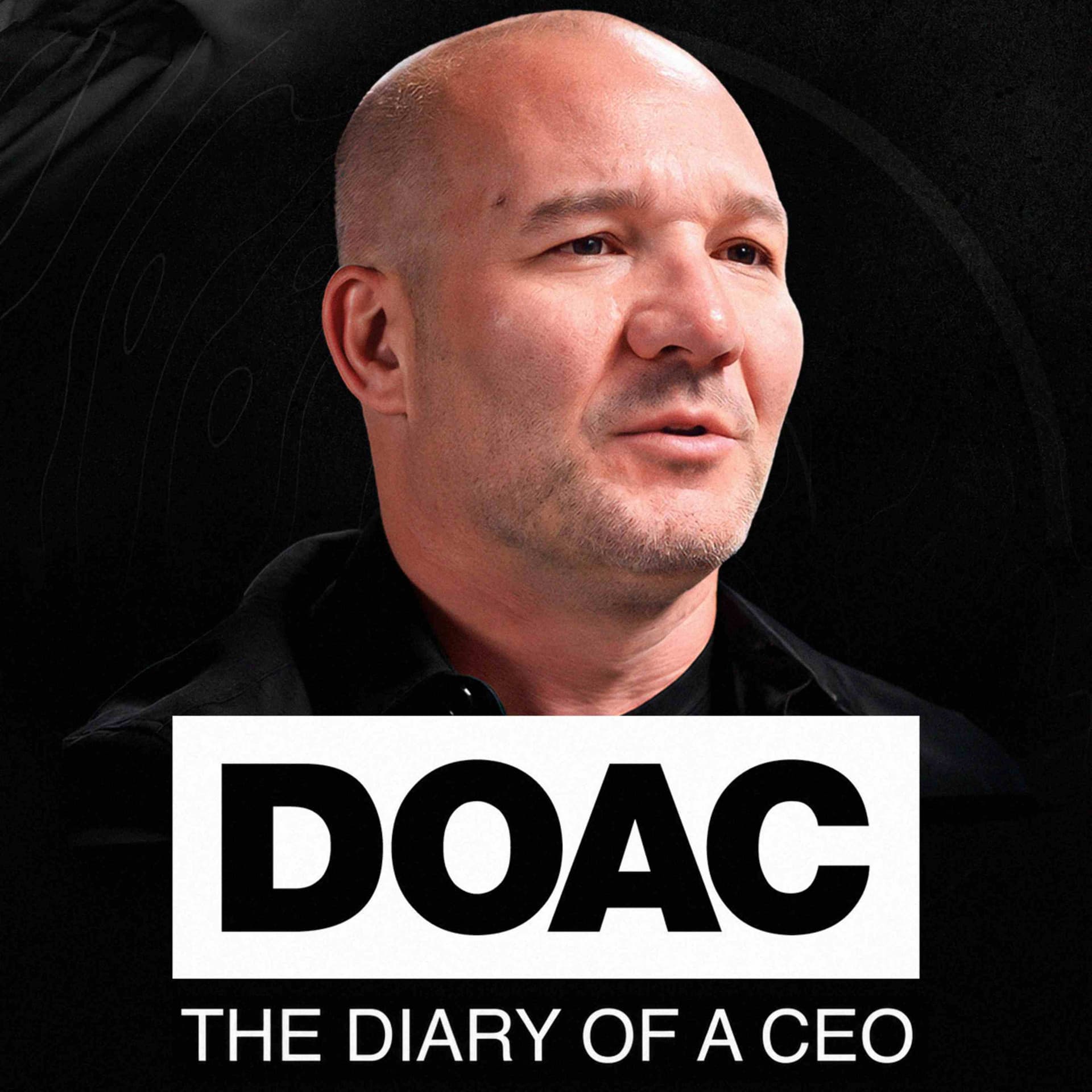
The Diary Of A CEO with Steven Bartlett - Episode 265: Rita Ora
Episode Overview
In this episode of "The Diary Of A CEO," Steven Bartlett interviews British singer and songwriter Rita Ora. The conversation delves into Rita's life journey, from her childhood as a refugee from Kosovo to becoming a global music superstar. They discuss various topics including her struggles with anxiety, her family’s influence, her career, and personal growth.
Key Topics Discussed
Early Life and Family Background
- Immigrant Roots: Rita was born in Pristina, Kosovo, and moved to the UK at the age of one with her family. They fled the war in Kosovo, seeking refuge in London.
- Family Struggles: Her parents had to start anew in the UK, with her father working in a pizza place and her mother, a psychiatrist, having to re-qualify in the UK while battling breast cancer.
The Influence of Her Parents
- Support and Resilience: Her parents instilled in her the value of hard work and resilience, influencing her drive to succeed.
- Cultural Heritage: Rita grew up speaking two languages and experiencing a vibrant household culture infused with music and celebration despite hardships.
Career Beginnings
- Early Start in Music: Rita discovered her talent in school musicals and choirs, supported by a teacher who recognized her potential and encouraged her parents to nurture her musical abilities.
- Internships and Opportunities: She worked as an intern in a recording studio, which led to her being discovered and eventually signed by Jay-Z's Roc Nation at 18.
Career Challenges and Success
- Navigating the Music Industry: Rita discusses the challenges of being young in the music industry, navigating promises and expectations, and the importance of standing out with her own voice.
- Public Scrutiny: She reflects on the intense media attention and the pressure of maintaining a public image while staying true to herself.
Personal Struggles and Growth
- Anxiety and Mental Health: Rita opens up about experiencing anxiety and panic attacks, particularly around her mother's illness and the pressure of her career.
- Therapy and Coping Mechanisms: Therapy has been a significant part of her journey towards understanding and managing her mental health, alongside physical fitness and meditation.
- Finding Balance: Through personal challenges, Rita has learned the importance of self-care and finding joy outside of work.
Relationships and Personal Life
- Marriage: Rita talks about how her marriage to director Taika Waititi has brought stability and a new perspective on life and success.
- Attachment Styles: She reflects on how her early experiences shaped her approach to relationships, moving from self-focused to finding balance and mutual support.
New Album
"You & I"
- Creative Process: The album is described as a rebirth, showcasing her evolution as an artist and a person.
- Themes: It explores themes of self-love, relationships, and personal growth, aiming to connect with listeners on a deeper level.
- Future Aspirations: Rita aims for longevity in her career, inspired by artists who have stood the test of time.
Key Takeaways
- Resilience and Hard Work: Rita's story emphasizes the importance of resilience and hard work, values instilled by her immigrant family background.
- Mental Health Awareness: Her candid discussion about anxiety highlights the significance of mental health awareness and the benefits of therapy.
- Authenticity and Connection: Through her music and public life, Rita strives to maintain authenticity and build genuine connections with her audience.
Conclusion Rita Ora's journey is one of resilience, cultural identity, and personal growth. Her story is not just about achieving stardom but also about navigating the complexities of life while staying true to oneself. The episode provides a deep and insightful look into Rita's life, both in the public eye and behind the scenes.
Written by AI. May contain mistakes. Listen to the episode to check what was said.
Transcript
Automatic transcript. May contain errors.0:00I was on a roller coaster ride. I was living my dream, but then when I'd wake up, it'd be like silent and it wouldn't feel nice.
0:14It's an international pop star which has the most solo female UK top 10 singles in history. Everything I've done is about to disappear. Who is Rita Ora? I came to the UK when I was one. We refuged from the war in Kosovo. There was a sense of having to overwork to prove myself. I was a naive, young, dreamer and that's exactly what you should be at that age. I was backed up by Jay Zee. What about Jay Zee would roll by with a brand new artist? After my first album, everything shot to number one. You know, my life just changed over night. I was looking for things in the wrong places. I just went reggae.
0:59You were really bad. I was drinking and the media were really fine. And I was having the craziest panic attacks. It feels like a weight that you've been carrying for a long, long time. Yeah, I mean, there's nothing that anyone could say when you feel broken that is going to don't believe all the promises that people tell you. What was the advice you needed but didn't get? Oh, man. In life, sometimes the external world will craft your narrative and your story and your identity for you. And often we're told that saying less is more. Now, Rita for much of her life has followed that philosophy. But today, she's decided to say more.
1:53And what you learn from this conversation will be illuminating. It will be inspiring. It will make you understand Rita or the person you've seen and heard about for a decade. But maybe even more importantly, through this conversation, the twists, the turns, and the untold stories of a young woman who was signed 18 by Jay Zee. Crazy, crazy story. You're going to learn something about yourself. I know I did.
2:26Rita. Hello. Take me back. Yeah. Where'd you come from? I am from Pristina, Kosovo in a country called Kosovo. Wow. It's tiny. It's gorgeous. What brought you here? I came to the UK when I was one in 1991. I was born in 1990. And we refugeed from the war in Kosovo. And I've been living in London ever since. Why did your parents choose to come here of all places? I think it was just such an easy route as well. It was close enough to home, but not close. It was also a lot of family and cousins that my parents already knew moved to London. So it was kind of the safest bet for them, I think. And you were one in your siblings?
3:25It was just me and my sister. So I was one and my sister was three years older than me. My brother wasn't born yet. He was born here. Yes, it was just four of us, really. And when you arrived here, I read that you were taken to a care home. So when we first moved to London, not that I remember, probably obviously I was a kid, but my parents obviously asked favors from some existing friends that they already knew here. And we just moved around a lot. It wasn't necessarily a care home, but it just wasn't our home. But it never felt, you know, hard. My parents were really good at kind of still celebrating our birthdays and playing music and, you know, my upbringing was so happy.
4:10And so I was really lucky. We never really saw the struggle. My parents were really good at that. You know, when you first came here, sometimes you hear these stories. And I've sat here with a lot of people who have come here when they were very, very young. I've got one particular friend who's been on this podcast before. She's very successful. She's one of my best friends. She came here when she was a baby as a refugee. When she first arrived here, there was an early like separation event because her parents essentially couldn't take care of her. So they had someone else looking after her. Right.
4:40And then I sat here with Gabel Matte. Do you know who that is? Yeah. He's, I mean, he's one of my favorite people ever. Wow. And he talks about those early moments. You know, kind of a lot of your interviews. I mean, why didn't you see that one? Have you not seen that one? I don't know. I'm sorry. I have to check it out. Please donate me. I know. I don't. I don't worry. I don't know. There's so many of them that I don't expect people to keep up. And I was trying to understand at that early stage when I was reading about your story, if there was a separation event or if your parents had, because I read the word care homes somewhere.
5:08Yeah. Well, it wasn't really a separation. But it was, it was a room given to us by the government, the council, and it was not a council state house. It was just more of like a temporary home. So maybe that's where you kind of got the phrase care home. That's from when I remember it was in L. Scort. And then we actually moved to our council that in West London. And you've lived West London most of your life? And I've been in West London my whole life, yeah. What is it you inherited from your parents in terms of like character for better or for us? And I said that because some of the things that I'm most proud of are things that my parents probably didn't intentionally.
5:51Yeah. Forgive me. That they were, they were, they were things that weren't in the like, how to raise a child world manual. They weren't there. I don't think my parents were doing that either. They were also really young. I mean, you know, I think we're kind of in the same age bracket. But with my parents, you know, they were having kids that like 22, 23, 24, you know, if I'm thinking gosh, having a kid then now that it would be crazy different. But there was a lot that they taught me without knowing, you know, for example, the language was always spoken in the house. So luckily now I can speak two languages.
6:23Now I'm not amazing at it by understanding and can read it and speak it. A lot of resilience, like a lot. That was a big thing in the house, like hard work, resilience, and sort of showing up and sticking by your word, you know, like when you tell someone you're going to do something, you better do it because otherwise that's like a big. It's just sort of a real disrespect. If you're promising someone something and you don't deliver. Yeah. Your mother was a doctor at back in Kosovo? Yeah, psychiatrist, yeah. Great. She's so cool. My dad was actually studied economics. And he was doing that. A lot of accounting stuff and, you know, they moved here and basically had to start again.
7:10So my dad worked in a pizza spot in Nottingham Gate. And my mom didn't work and she started to learn the language. And basically figure out how she was going to get her degrees and things. And then she just had to re -study to get the qualifications. My mother did anyway. I remember that. That was hard. It was hard. Yeah. Well, it was it was a lot because, you know, I was going to school. My sister was going to school. We were living in a council stay in Nabok Grove, which is big up West London. I'll love it forever. But at the time, she was like trying to qualify her English studies, studying psychiatry.
7:54And she was also battling breast cancer. So there was three things. And she was also in her 30s, which is really rare. She was like in her late 30s when she actually got breast cancer the first time. And so there was a lot happening, you know, at once. So yeah, that was my memory of that point. Yeah. At that young age, I think we start to kind of piece figure out who we are and how we're different. I think we start to develop suspicions that we're talented in this way or different in this way or where maybe we have a problem with authority in this way. What did you at that young age? Did you start to figure out anything about yourself and who you are and why you were different or if you were different in certain ways?
8:41Yeah. I mean, parent evening was always an interesting one because my parents at the time could really speak English. So my sister, bless her even to this day, she was always the one that was like helping me with my homework or got to a certain age where she was kind of the one that was helping me with my math homework because my mother could have really do it. So it'd be like, oh, well, Lena, can you read that? All my sister, her name's Elena. Could you do that? Or can you do that? So it was interesting to see like now as adults, how much pressure my older sister actually had. And it was kind of difficult, I would think, for her.
9:18I don't want to speak for her, but I think it definitely felt like we were sort of running the ship while they were kind of trying to collect all the pieces and put food on the table really. So yeah, primary school had a lot of ups and downs. You know, in school, it was super fun. And yeah, and then we did like Cinderella and it was all these really fun like musicals and I would get, you know, I got the Cinderella role in like year five. And that's when I was like, oh, I could do this singing thing. I kind of like this. And that's when I think I really thought, oh, I think I want to be a singer.
9:55So interesting, yeah. How did you, how did you know you were good at it? I didn't. I just got the role. And then I thought, well, I must be good since I got the main role of Cinderella. Did anyone give you any feedback? So someone anyone come to you? Yeah, I did do school quiets. You know, I would go to the school quiets after school. And I love this teacher, her name was Susie. And she really worked me hard and she would really include me in all the choirs and they would do a lot of charity events and things like that. And I would always take a solo and she actually called my parents and said, you know, I think you should really try and hone in on Rita's music talent because I think she's got something special.
10:38And that's sort of where it started. How did your parents receive that phone call because they had traditional parents? Well, my mom was really excited. And so was my dad, but my dad was more practical. I mean, they're kind of old school, you know, my parents are still, they were raised in Kosovo, so it was get married, have babies, you know. And so my mum always was a dreamer, you know, she definitely still is. And she was always like sing for us at parties and this and that. But I think either of them thought I would ever do a job in this, actually sort of. Do it for real. Yeah. When you use the word resilience a second ago, as one of the things that your parents taught you.
11:16Yeah. I'm assuming from that that you mean that they used observed them being resilient as well. They worked really hard. They still do, even though they're getting a bit older and they kind of feel like retirement is close. I think deep down they don't ever want to stop working. But they were so, so real in the sense of being completely open with money and work and my father sort of doing double shifts sometimes and you know, my mum, when she would get stressed, you would really impact us, me and my sister, you know. And we always used to sleep together because I don't know, I guess I don't, didn't want to sleep alone.
11:57So we would always kind of just hear them talking, you know, like mumbling away, we were younger. But it was interesting because it was so nice to have my sister with me. I don't know how I would have done that alone, you know. What coming to the UK and growing up here? Yeah, yeah, yeah, yeah. Just sort of doing that whole thing I explained to you alone. I just, I can't father me honestly. You know, there are some friends I have that have no siblings that have the same sort of story as me that have done it alone. And I'm just kind of like, I don't know. I don't, I just don't know. It's nice when you don't feel, when you have someone else going through the same thing, as you know.
12:39Well, a lot of people as well don't have a situation where they watch their parents kind of like fighting to survive. Yeah. And that's a, that's a, in some respects, quite a traumatic thing to observe. But it also means that there's a certain absence. I can relate to that with my mother like, she was so obsessed with working, that she would sleep in that shop with her little corner shop. Yeah. And it was like watching someone fight to survive. We, I feel like I have a privilege where I'm thinking more about like happiness and fulfillment and one of these next level things. But my mom was like, food on table, you know, attitude.
13:10Yeah. So it was mine. I think that the hard work really does stem from me knowing that I'm, you know, not my blood isn't English, but I feel English. I am English. I mean, I was raised here. This is my home, you know. But there was a sense of having to overwork to prove myself, yeah, for sure. Like I deserve to be here kind of thing. Does that ever stop? No. I mean, I actually asked myself this the other day. I was like, is it enough? But I'm always like, I want more, I want, I want to do it again. I want the next. And it just, I don't think you'll ever go away. I don't think that feeling of me feeling satisfied will ever happen.
14:03I don't know. I love working. You know, I'm really lucky. I do do what I love. It's not like I wake up dreading what I do. But it's more like, yeah, you're right. Like it doesn't. I just don't know if I will ever be like, I did it. You know, I'm always like, okay, so now what? You know, what's next? Is there sometimes when you have a child that came here as a, as an immigrant or came here early and watched their, like watch the, watch the generation above them fight for survival. They almost inherit this feat, this fear of losing it all. And that, I'm thinking about my friend here. The one I said that you remind me of in that her story is very, very similar.
14:38Came here as a refugee when she was young. She is an obsessive alcoholic. Yeah. And I feel like, she called me the other day, in fact, I'm sure she went, I'll have to ask her, I can share this. But she called me the other day and she said to me that, because there was so much insecurity in her childhood, in terms of like things didn't feel secure. Hmm. She's, her work is the only thing that gives her that sense of security. Is an adult, so she's fighting to maintain that. Yeah, I relate to that. It definitely is one of my reasons of purpose, for sure. Which is a blessing, but also a curse, because obviously, if things don't always turn out how you want, it ends up crumbling more of you than you need it to.
15:20Does that make sense? So you kind of feel less than, rather than remembering everything else that you've done, because that one incident, for example, may have not, of gone how you wanted it to, everything's gone wrong. And I think that's something that I've been really working on as well. My therapist, it's called almost sort of like, compartmentalizing things. But because my life is my work, it almost regulated my sense of happiness, which I think sometimes could be really damaging. Especially if you kind of wake up, not feeling good about yourself, you sometimes wake up and you're kind of like, I'm not feeling it today, which is, I think, what everyone goes through, and I definitely go through it.
16:08You know, I've really got to remember, there are other points that bring me joy. That's something I've been really working on, especially in my 30s. Now I'm getting a bit older. Yeah. And when you were, I think you're 15 years old, your mother, Vera? Vera. Vera. Like, Aloe Vera. Same as my grandmother. Oh, cute! It's a rare name. It is very rare. She was diagnosed with breast cancer. And this, from reading through your story, was quite a pivot to it. It seems to be quite a pivot to my moment in your life, even still today, I think. Oh, yeah, it was really hard for me. It was like, I don't know why I always say this, but, you know, I felt like my parents were like superheroes.
16:50Like, they were untouchable, undiable, you know, and I was just almost like, nothing is going to crack them. And then when I sort of saw my mom starting to kind of get weaker and weaker and lose her hair, I was thinking, oh my gosh, they can also die, you know, and it was almost like, what am I going to do? And I took it upon myself to try and find a solution. And obviously, you know, I couldn't. But you never think that all the way through. You're just seeing your mom just kind of really weak. And, you know, I was skipping school and I just, you know, I just went rebel. And it was really hard for me.
17:31You went rebel. Yeah, I just really went the opposite way. And, you know, my parents worked really hard to get me into this school, which was a really famous school and it was a fantastic, still very young theatre school. And it's like, I mean, it was the best times of my life was at that school. But when my parents were, you know, struggling, my mom was ill, I just, I couldn't focus. I just couldn't focus in school. I was just distraught and I just kind of wanted to be with her all the time. But she didn't want us to see her like that. So, you know, she wouldn't take us to her treatments and she'd wear a wig and things like that.
18:11So she wouldn't really kind of, we wouldn't visually see the pain, basically. You were trying to find a cure, you said? Yeah. You were just like, yeah, so weird, right? It's like, I don't know. I think I was just, I think me and my sister almost blamed, I don't know what we were just trying to find the answer. And it's like, obviously, we would have done anything to get our mom out of that pain, you know. So, yeah, we don't really know what we were going to do, but we just went into sort of survival panic mode. Yeah, that was my experience. I was just really struggling with it. It was really hard for me.
18:52Is Rita before that incident different to Rita after that incident? Yeah. Like a fundamental way. Yeah. I just really do appreciate people, my parents more than I did before. So, you know, like every kid, sometimes your parents kind of get in your nerves or you're like, oh, I can't stand them when they do this or that. But I always think like you just don't know when they're going to go. So I've really made it conscious effort to appreciate them more than ever. And if I ever see my siblings or the ones that I love, kind of naturally just react out of instinct or something, I'm like, just remember, you know what I mean?
19:31It's like just that your parents, you don't want that to be the last thing that you say to them. You know, I'm, that's where my head is at now. We cope in a variety of different ways to these traumatic events. Some people, you know, you described becoming a bit of a rebel. Some people, I mean, use work as a convenient distraction. Other people go to therapy and confront it head on. How do you cope? How are you a coper when these kind of things happen in life? How does Rita cope? Work. I just really throw myself into work. Or I try and find a project that I'm really passionate about to just sort of distract.
20:10I'm good at distracting myself for sure. Yeah, I mean, therapy's been an incredible thing that I've discovered, you know, since I was 26, I kind of started. And my mum always would say, you should do it. You should do it. Obviously she doesn't use her sort of doctinus on us, but, you know, she was really adamant on us doing therapy. And then I finally, you know, again, you have to find it yourself. And so I did. And that really helps. But work is something I do really focus and distract myself with. This whole concept of like mental health is quite a new one in our society. Yeah. I read that you started having anxiety attacks and panic attacks and stuff, shortly after your mother's diagnosis.
20:57And that I'm presuming you hadn't had those before. No, I never really understood when people would say, oh, I have the panics or oh, I got such bad anxiety. I was never really kind of like, but then it happened. I think it was the idea of losing the one, the one that I love that kind of put me into panic. I like structure. I like routine. I like trying to resolve situations. So security, I was never really obsessed with. It's weird. I was more obsessed with like me just knowing that I have a routine to go to work. I'm always in fear of losing everything that I've got. I don't think they'll ever go away.
21:47And I actually spoke to somebody who's a very famous actor and you'd never think in a million years that they have that fear. And he said that there's a therapist that just deals with the fear of losing the money, whatever it is that they're obsessed with, or that they love at such a high level. I mean, this person is one of the biggest actors in the world. And so I was like, how this person deals with that? I couldn't believe it. So it's nice to know that it's a common thought, I think, especially if you come from not a lot of money. Yeah, and if you come from a place where you've seen the opposite, but also just the fragility of, I mean, you must have been in and dated with stories when you were a kid of like, I used to be a doctor and now I'm coming to go back to square one again.
22:41Because your father was like a restaurant herb back in Kosovo. So you've kind of seen, even if you weren't there to see it, but you've heard the stories of going from here to here. Hmm. Really quickly, too. Really quickly. It's hard. Yeah, I mean, it is something that I like have nightmares about sometimes. Really? Yeah, because I think now it's not just about me. You know, I think ever since I started, I was always speaking I'd like to think on the majority of people that don't necessarily get the shot that I got, you know, coming from where I'm from being able to live my dream. If I didn't move to the UK, I don't really know why I would be doing.
23:26And so I was always really vocal about my gratitude and sort of like, this is possible. And that's why I work with UNICEF. And I go and do these trips as an ambassador because I see these kids and I really want to kind of put this hope in them. Yeah, that's a massive priority for me. Really, in between the lines, I was hearing like the gratitude, like the with that sometimes comes another feeling, which is like, why me? Hmm. You know, of all the, because you look back at the dominoes that had to fall for you to be here. And you go, oh, why me? True. Why you? That's a good question. Yeah, I guess I, I got something to say.
24:12I think if you have something to say and you can create this following of honesty and and you have this real fan base of people that think that they know you, I think that's something that could live on forever. And I think that's something that I, in Harry, I have this sort of genuine connection that I love people. I genuinely do. I love talking to people. Hence why I got into TV. I do really enjoy communicating and making people feel what I'm feeling or trying to give people a sense of happiness or joy or just kind of being like, you know what? I get that too or oh, she's just like us. Because that's what I was looking up to when I was a kid.
24:54You know, all the singers I loved growing up were super relatable and super transparent. Tina Turner, who has the same birthday as Mesa, I never have met her, RIP Tina, but I always felt so connected to her because I knew everything about her and she was so honest with her story. And so that's sort of the footprint I want to make. I want people to, you know, I know not everyone's going to like me, you know, it's normal. But at least they're going to know the story and appreciate the climb, basically. From that, so the first time you join that choir to when you first get signed, what happens in that period in terms of like the things that you control to make you go from the choir to the record label?
25:45When you look back and go, the reason why I got from there to there was really it comes down to X. Right. What is that X? Showing up. Sure. So the reason why I think I got there is because I interned at a recording studio and I was making people tea and mopping the floors for free and delivering backing vocals for free for people that needed harmonies, Craig David being one of them. And I was there. I was ready. I was available. I was existing within the atmosphere and I was there at the right time. You have to be willing to get up and get out of bed and just be there. You have to show up whether it's like offering your work for a place and knowing you're not going to get paid, but you're going to be amongst musicians or something like that.
26:33Or it's about being heard. And you know, I would sing at my dad's pub. I would I'm on the market working in a sneaker shop and I was controlling the music in the shop. And I would play like a demo of mine. And I would just try everything I could to just sort of be there, be present, be seen. Yeah. What was your aim at that point in terms of if I asked you, you know, what are you going to be when you're older? When you're working in that shoe shop or when you're in timing, did you would you say, I'm going to be Tina Turner. I didn't know what I was going to do. I didn't have a plan. I just was like, I need to figure this out because I left college and my dad was so mad at me.
27:12And I mean, he didn't speak to me for ages. And he just wanted me to have a real secure future, which I understand. But I just I said, dad, just let me do this for a year. And if I can't do it, I will go back to college. And now I'm 31 and I haven't gone back to college yet. It's never too late. Is he okay with it? I think he's okay now. Okay. Good. But I do think that there was a lot of fear circulating around that time of my life because I was like, I have to figure it out. But you know, there was a Steve Jobs quote and it's kind of like if you have a plan B, you're never really going to put your all in plan A.
Read the full transcript
27:51And I didn't have a plan B at all. I was like working in the shoe shop and then going to in turn at the studio and hoping something is going to like figure it out. I don't know. Something was going to happen. And it did. What happened? This A &R lady came in for another artist that was recording in that studio facility. And there was a demo that I lended my vocals on because I needed somebody to sing it. The producer that owned that studio was making music with a lot of other producers and musicians. And he didn't have a vocalist to cover this one song. Long story short, it got around and they were playing this music because they were selling these songs to their artists.
28:38And then somebody said, okay, well, who's singing that? And it was me. And they were like, we want to meet this person. And that's kind of when everything started to click. And that was Jay Brown who works with Jay -Z. And that was the whole introduction to signing to rock nation. And you, I had they got you know, playing you flew out there, you went to some party. I did all of that. Yeah, I did the whole thing. And they signed you straight away. Yeah, they did. They signed me straight. We're kind of like that night. I was exhausted. I flew in from London and it was scary, but it was so exciting.
29:15It was like, everything was happening at once. You're how old? Just turned 18. Yeah. And then I moved to Brooklyn. I went from sharing a room with my sister to having my own apartment in Brooklyn. Like overnight. What was the advice you needed but didn't get at that point in your life? Don't believe all the promises that people tell you. Interesting. What should we do instead? That other than believing the promises we should? I think other than believing in the promises, you should work on what your craft is to make sure that you can stand alone and not need anybody else to help you stand up. That might not mean a straight away number one record.
30:05But at least you have your DNA and that for me is timeless and it can really help you in the longevity of a career. Having a quick one hit obviously is great, but then what? You know, and so that's what I've learned. It's like not everything is going to go shh. And then you're like, I'm good forever because it doesn't work like that. I wanted people to love me as a person and really sort of back me up because they liked me and then came the music and then came the TVs and whatever else that we're doing. But it was just important for people to really feel like they know me. Right. Because I felt like if everything goes bad, at least people will love me as a human, which is a real kind of, I would say, it's an insecurity maybe.
31:07It is a bit of an insecurity sort of factor of wanting to feel wanted, but with music and with entertainment, your job is to really be present for these people and really show up for these people and everyone that's watching and to take them out of their misery. And so sometimes it's not about your misery or about what you're going through. And you've got to really just be selfless. Have you always had that in you that desire to be kind of wanted? If you go back to first 18 years of your life, have you always had that desire to just be wanted and to be accepted? A little bit. Are you smiling? Because I remember it was more about like, I don't know, I guess growing up, I was me and my girlfriends, we were really sort of like flamboyant, with our looks and we would wear makeup and we would wear all these crazy clothes.
32:09Yeah, we did get attention for it. And sometimes it was the wrong sort of attention, but we were just sort of kids figuring it out. But that's why I'm laughing because we were so not knowing. But now thinking back, it was like, we had no idea what we were doing. But that was my first feeling of like, oh, people are liking what I'm looking like. Or they like what I'm wearing or that feels kind of good, you know. And then I go into the public eye and I was sort of like, it's so intense. It's not as controlled as it was when I was walking up and down Port Belmer Market. You know, because we took you talk about that moment of maybe you would have whispered in Rita's ear and told her to like focus on her craft and watch you can own.
32:58So she's not relying on other people. But when you're 18, yeah. And I suspect from where you come from, you just want to kind of please people and you want to just any opportunity as a fucking better than Port Beliro, a two shop. Yeah, I was a naive young dreamer and that's exactly what you should be at that age. I mean, you're not supposed to be anything else. What you want is to just win and you want to do well and you want to impress. And I was backed up by some real big, big people, you know, Jay Z and these huge artists that are timeless and fantastic and I wanted to be as good as them. And so when I was 18, I was like, I would do anything to kind of be at that level.
33:41And everything that was given to me, I was sort of like, let's do it. Let's go, let's go, let's go. Sure, because they must be right and I must be wrong because they're huge superstars and I'm not. So there was that as well that was going on. So interesting because I think even if people aren't in the music industry, they can relate to this in their everyday jobs, which is sometimes we think there's we cannot question authority in any regard and we cannot question if someone's successful and they have a path for us, we should just do what they say and throw that path. But they're not always right, even the big, big guns, you know, like it's it's about your story.
34:20It's, you know, you have your own script that's about to be written out for you and I think now I'm at this point where I wish I knew that because I can really dictate that now, which is really cool. But I think that comes with age. I mean, what are you going to do? You're young. You're not supposed to know all those things. You know, you've got hope for the best. And then from your mistakes, right? Oh, yeah. I mean, I'm not perfect. Everybody knows that. I think I've been a very transparent public figure, you know, and I've never sort of denied or I've always been super honest with my fans and I will continue to do that and sometimes make mistakes along the way.
35:03Because you've had such an extreme career experience, starting at 18, what are some of the universal lessons that you might turn to someone who is a little bit further, a little bit further down the ladder in terms of their career? Maybe they're working in a completely different job. But some of that advice, you said like about questioning authority and people don't always know what's best for you. But in terms of how to be successful. Well, because you would have seen both sides of that coin. Yeah. With those eyes, you've seen why people become successful and why talent is often not good enough for some other people?
35:37Yeah, it's true. Well, you know, I think it's about longevity. It's about being a businesswoman and I think it's really important to get the right team, you know, I've had the same team since I was 16. I don't really like changing people up around me unless I really have to. I like familiarity. I like consistency. Now, it's also about sacrifice. I think I've missed a lot of things, birthdays, family events, funerals, weddings, everything you can imagine for my job. So for example, going on tours, even going to visit things and seeing shows or going to get inspired. And you have to always be willing to work and be consistent in getting inspiration.
36:28That's also a big thing for me. Creatively, I think you have to be wanting to achieve those things. So it's like, oh, I want to do a rock and roll album. Okay. So let's go learn the DNA of rock and roll and do it properly or read a book. I want to be an author of self -care or I want to learn how to I don't know, I do the homework. I'm a big person. I'm a massive nerd in music. You know, I do pop music, but I know a lot and people get really surprised. You know, I do play a lot of different genres and styles and all my inspirations come from me being a nerd and learning music from composers to mixes to producers to who did what behind the scenes.
37:11It's like you have to do the homework and then you have to convince people to do it with you. That's neck another stage. So you're constantly really just working, selling. Yeah, I think especially with everything that you do, you know, it's like 10 ,000 hours. Like I really believe in that theory. You know, that takes 10 ,000 hours to become a master. Yeah, I genuinely do. I do that a lot as much as I can. Are you a confident person? It's an interesting word because it means so much the word confidence, but do you just do you think you're a confident individual? Let me define it. When you think, when you think, set yourself a goal or you fill it with a goal.
37:52Yeah, yeah, yeah, are you the type of person that goes 100 % I can do that? I'm good at being an autopilot confident person. Was I mean? Well, you can just slip into being confident as in masking it as much as you possibly can. Like I'm you won't ever see my face kind of feeling a sense of doubt or insecurity if I'm having to show up as Rita Ora, but I always have it going on in my mind. Do they like this? Am I saying the right thing? Do I look weird? Am I wearing crazy clothes? I mean, I do it because I love it and I go out there and I'm like, this is who I am, but I have the doubts constantly in my mind.
38:35Is it good enough? Is it good enough? Is it good enough? What's your journey with confidence been like? Because people will look at you today and I think they see you on the red car pits and these great outfits and stuff and smiling and pat pat pat pat pat pat. Yeah, yeah, yeah. And they go, oh, she's just born confident. She's just born with it and she's, you know, she's got self -doubt, isn't there a thing for never imposter syndrome? None of that. That's just me. No, I have it all like really intensely, but I do everything in my power to like keep my brain and my heart calm. So my thoughts are going to be there.
39:12I've discovered that and I've accepted that. But now I'm really getting good at controlling where they live. Whereas before, it was really hard for me to do that and that's what therapies really help me do. So I've become really obsessed with my, with working out and being physical and figuring out what I eat and I fast a lot and I do a lot of that. And it kind of keeps me calm. I don't put myself, myself in situations where I'm going to panic. Like, if I don't want to go somewhere, I just won't go. And before I'd be like, oh, I have to do this or I have to do that. And, you know, I think as you get older, you're like, you know what, you don't have to do these things anymore.
39:55And a lot of meditating, a lot of incense and smell, I'm a big smells person. But these are my tools. This is what helps me. I don't journal as much, but I did journal for this album. That's out. And it was great. I mean, would I do it all the time now? But I do more of kind of like voice notes and working out and meditating and eating well. Yeah. That's like my thing. Have you gone on a bit of a journey with understanding how readers feeling? Because I hear the 18 year old that moved to Brooklyn. That seemed to be a person who is very much just listening to the external worlds. Yeah. Impression of how she should be feeling.
40:39You should be happy now. And then it seems through your story that there was kind of a there's been a pivot helped via therapy where you're getting better at understanding how you truly feel in situations. Yeah, but you know, it's still a struggle. You know, I've felt like, I mean, like anyone, when you feel overwhelmed with something, it's like your whole world is falling apart. You know, it wasn't just work. It was everything like my my love life, my friendship with my friends. And I wasn't paying attention to, you know, the ones that really loved me for me. Well, just sort of in my 20s, right after my first album, everything shot to number one.
41:20You know, my life just changed overnight. It was like, okay, let's go. And so, you know, I was just doing that. I was living my dream. I was, you know, going out in my band and, you know, I was just not really checking in with my closest friends and my families. And I just, I lost touch a little bit. I was on a roller coaster ride. And then I kind of brought that back, you know, I did when I in my second album. And now my third album, this this time around, I'm, you know, I'm in a completely different sort of headspace. What was the, how did you know you'd lost yourself? Because we found out, we typically find out after, because of some kind of symptoms.
41:58In the moment, we don't know what was the symptoms that you'd lost yourself. Well, the search of being wanted and being loved by, you know, boyfriends and things like that, there was, what do you mean? It was just sort of like, my 20s felt like I was kind of low alone. And so, you know, I was looking for things in the wrong places, you know, with love. And sometimes it wouldn't be good for me. And people would tell me, and I wouldn't listen. I was eating really bad. I was drinking. And my dad was so, so, so unbored with, you know, helping me. And, you know, I grew up in a pub. So it was like, there was always drinks going on.
42:42And, you know, parties. And I was jumping on the bar and singing songs. And so alcohol was just like a real normal thing in my family. And it was fun. It was, it was just a fun time for me in my 20s. But then when I'd wake up, it'd be like, silent. And it wouldn't feel nice. So yeah, that's what I mean about my messy 20s. It was, it was just a journey. It was like, what anyone would go through though, you know, I've, I've learned to understand that not everyone figures it out in their 20s. That's such an interesting way to describe it. It was silent and it didn't feel nice. So many people can relate to that.
43:18Yeah, yeah, you know, you don't want to live in silence sometimes because you don't want to kind of understand you. So true. Yeah. And so you're kind of like, put the radio on. Got to do something. I don't know. Anyway, that was me. Yeah. But you did something that most people who would say that didn't do, which was then you went and you started your journey in therapy, which is literally the opposite, which is, I'm going to understand me. I don't know if this is a thing, but quarter life crisis. Is that a thing? We've heard that before. Yeah. Is that like a known phrase? Yeah. Well, I've heard it before.
43:55But when I was 25, it was a real weird time for me. It was like my second album was kind of coming out ish. Gosh, I'll never forget this. I was doing the Princess Trust and I've been working with them for a long time. There was one occasion I did it at the Royal Albert Hall. And I was wearing a blue outfit. And I remember Tom Hardy was also in the line to meet our now a king. And I went into that bathroom and my hands was tingling. And I was having the craziest panic attack.
44:38And my tour manager, Rich, who's been with me for ages, I was like, Rich, I need, I need a couple minutes. I don't know if I can do this. I couldn't, I thought my legs were going to give way. And I don't know what was going on. I've met our now king before. I mean, I don't know. I was performing that day as well. I just don't know what happened. I went into the bathroom and I was like, and I mean, I felt sick. I didn't know what was going to go on. And then I got out and I stood in that line. And I just went, and I just met Prince slash King Charles. And I just was not there. It was, but you know, if you look at that photograph, you wouldn't even know.
45:25It was, and then I went out and I sang and I messed up the lyrics and completely got it wrong, but nobody really noticed. But that was when I was like in my, when I was 25 and ever since then, I was just petrified of that feeling again. And I learned that through therapy, that is you get panics from not wanting to get a panic attack. And that's how you sort of drive your panic attacks. That's what happened to me. I was more in fear of feeling like that again, that would put me into the realm of going down that spiral. A lot of people don't, I've got friends, it was some of the stories you've said, remind me of some friends of mine.
46:05And a lot of them don't want to have the conversation with a therapist because they're scared of what it brings out when it brings up. A lot of people say that. Interesting. And it was, that's why I'm linking that to the moment where you wake up and it's quiet. And you know, I don't like the quiet because yeah, but I never really did. There was always music playing. Even when I was a kid, my mum would always have the bg's and Abba and all. There was always noise in my house and the windows were open and the dishes were clacking and clicking. And you know, that was, there was always life happening in my childhood.
46:37And you turn that chapter around in your life, that 25 year old party chapter. Yeah, I haven't had as many of that feeling as I thought I was going to have. And now I know it, I mean, I also wasn't familiar with it. Remember, I didn't have them growing up. And it just hit me, you know, the pressure of being famous and the pressure of meeting all these real sort of incredible people and me not feeling like I was good enough to be there, you know, it just built up on me. What's your relationship like with trust? It comes in waves. Because I was thinking about that experience at 18 years saying about like, kind of trust yourself more.
47:17Trust in work is very slim. What about trust broadly? You said it comes in waves. Trust broadly, I'm very, very trusting, I think, more to a fault. You know, I also, I like to give people chances rather than give them no chances, which sometimes has kind of put me in a predicament. But again, I just see the best in people and I always have and I hope that people do that for other people. That's why I do that, you know. Now with things like, oh, you know, if you do this with us, you know, we can maybe achieve this for you that you've always wanted to achieve in your work life, that is something I'm very questioning with.
47:58Like if you come with us, well, I need to see the proof before I do that. Like big promises. Yeah, I think that's again, maybe something to do with my experience in my work life, you know, it's just I've been disappointed so many times and I've won for anything anymore. Basically. But it's got you far. I mean, yeah, but even that trust seems to have got you to an incredible, incredible place, even if it may be of this hurt you a long way. Yeah, well, because I've made incredible relationships, that's the one thing I'm very grateful for, even if I've been disappointed and sometimes those bridges haven't seen the end, I've created incredible relationships with people that have seen my struggles and have seen me work really hard in a circumstance.
48:51Unfortunately, not get to where it needs to be, but have seen, you know, what really did work hard on that and years down the line, they would call me and be like, I remember that and do you want to do this? And so you just never know why things are happening to you. But you planted seeds essentially. Yeah, I really did and I made really great friends, genuine friendships and I don't really I never really knew what they did and some I did, but it didn't matter. It was just about connecting, connecting is really important. So five years ago was the last time you released an album. What goes into this music?
49:30This because music, music, I see it as like different chapters of your life. It's the same with like books and stuff. It's a chapter of who you are often. Yeah. What are you pouring into your music these days? Like what experiences are you pouring into them? So you know, I've been in the business now for over a decade. So I'm looking at timeless. I'm looking at pop icon. I'm looking at things that can stand the test of time because I'm a 360 entertainer and what does that look and feel and sound like? And so now I'm at that point in my life of like how are we establishing this work ethic that I've done all these years to get to this point and how are we going to become the new Rita Ora pop star in her 30s and enjoy the ride, you know, and really bring people along for the journey.
50:22And so that's what my album you and I is. It's like a rebirth of this incredible position that I'm in of owning my masters, being in charge of my decisions with music and having an incredible team that can see the future. It's about longevity. It's like, okay, well, this is another step to this point. And then hopefully when I'm like in my 50s and 60s, you'll look back and be like, she's still here. You know, that's the goal. That's the aim and the journey of life. That's why I love about Kylie Minogue and Jennifer Lopez. Like these, these women stand the test of time in my opinion and they keep coming back and delivering.
51:05And that is something that I aspire. It's not easy to do that. No, but it's also, yeah, it's not easy, but they've done that by accepting failure. They've accepted failures at certain points in their careers and I've kept going and kept driving and kept driving. And then they're still here. What failure have you accepted? You know, like certain things may be not positioning chart wise as well or making decisions that may have not been right. Mistakes being made or how are you as an individual with dealing with those moments? Like honestly, like when those things happen, how does, if I'm a fly on the wall, yeah, regret is horrible.
51:51You know, I know a lot of people can relate to that, but it feels, you know, I was, I feel broken. Like it makes me feel like everything I've done is about to disappear again, back to that fear of sort of losing everything. And you know, when the world is also looking at you, I don't know, you just, you just break, you just break down, you just get so fearful and, um, you know, all I was thinking about was like my mom and dad because they've worked so hard to get me to this point. And you know, it's not again, it's not just about me, you know, on my boat that I'm keeping a float, you know, I've got my whole family.
52:46And so, you know, you can't help but always blame yourself for everything. And the only way forward is to again, you just have to just keep going, but at the time, you know, you know, you get dragged through hell. It's a lot of Rita. A lot of responsibility, it feels like a weight that you've been carrying for a long, long time. Yeah, because, um, I've always just been myself. I've always just tried to be really genuine. And I've never changed for like who I am. And that's probably why that, that's probably why I do make these sort of, you know, I don't always get it right. Like who does, you know what I mean?
53:40But it makes, I feel more human about that, you know, I'm just a human, you know, at the end of the day. So the media and all the free, the craziness that comes with what I do, I have now learned to really sort of separate that like work life and real life. That doesn't feel like my real life anymore. My real life is having dinner at home and like hanging out with my husband and becoming a stepmom and trying to figure out cook for kids. You know, that's kind of like that, the real life is that for me now. You've been taking care of your family since much younger than anyone should really be, you know, taking care of their families from what I read, um, looking after them, paying for your parents, yeah, house and stuff like that.
54:27Yeah. When you talk about the fear of losing it all as well, it's, it's, and you mentioned your parents, they're which was kind of surprising to me, but it brought me back to what I read about your early years of like feeling like you're almost carrying your family to some degree, not just yourself, but there's a lot of people relying on you. Yeah, I don't know if that's a immigrant mentality. 100%. You know, it's because it's almost like families are big thing for me. We, families huge for us. So it's like when one goes, we're all going like that's just how I was raised. So maybe that is something to do with that, you know, kind of all seeking refuge together is that sense of family.
55:07So yeah, I guess it was, for me, it was a no brainer like it was just what I was, I had to do. It wasn't even like I had a choice in my mind. It was like, well, that's obviously going to happen for my parents. I'm obviously going to get that for them. I didn't think there was any other thing to do. Broken is a strong word. Yeah. It's a really strong word. Do you mean that that word broken? Yeah. Kind of. Yeah, I mean, there's nothing that anyone could say when you feel broken. That is going to put you back together at that point when you're like at your lowest, the only way you can get out is if you start climbing.
55:53I don't, I wasn't hearing anything when I was broken. When were you broken? A couple times. I mean, there's some things that happen behind the scenes or there's obviously public things that you that everybody sees. Of when you know, you get pasted on the covers of magazines and tabloids and things like that and you just feel super violated, you know, but it's something that comes with what you do. It comes with what I do. So it's like a bit of sweet, you know, I've never been a complacent person. I'm not complaining about anything that comes with what I do. It's just something that you have to really work on dealing with because it's going to happen inevitably.
56:39Nobody will ever see the consequences of it though. Like if you just say the word broken to me, I think really like the stuff that's taken you to that place. Yeah, for sure. Of 100 % multiple times. Yeah.
57:01But you remain strong. At least from external perceptions. Maybe that's an incorrect thing because it's you talked about masking. No, I do. I am strong. I am. I think the fact that I'm still here means I'm strong. I mean, I run a business, you know, I've got people that I employ now, you know, and I feel like you can always come back. Never ex anyone out because in my experience, it's like you can really help people that you don't even know you're helping. So yeah, I mean, I'm strong because I'm very inspired again and I'm loving the idea of re -burthing and positioning and owning a business and you know, running a label and being on TV and doing film and doing music as never a break.
57:58So it's like we're always on the go me and my team. Our bags are packed constantly. And so, you know, you have to be strong not for, if it's not for me, it's for them. Re -burthing. Is it reducing the new reta aura? Yes, that's exactly how I feel. It's like a new lease of life. We're on another chapter now. This is the new chapter of reta musically. She's married. It's like, I'm now a stepmom, you know, there's like so much that's going on in my life now that I, it wasn't before, you know, it's cool. How did that change you, married? It didn't really feel any different, honestly. Tyker and I were friends for so long before we got together and he likes to say before we ruined it all.
58:49But it didn't feel any different because it was such a sort of natural progression to our already with standing friendship that it was kind of like best friends getting married. Like, that's what it felt like and we are the same person. We think the same and our lives just really do blend even though they're both crazy. So I think what it's done for me, it's actually made me more excited about achieving things and having new goals that I want to achieve. And I think that we really push each other in that direction. Because home is stable now. Because home feels super stable. Which is a great platform to achieve.
59:31And I felt like it was a real big achievement for me. Yeah. Why? Because I just didn't think that was ever going to happen to me. Because I was never in one place. I was never, I never gave myself the time to all the energy to put into trying to find a soulmate or do that because I was always like, you're either coming on my roller coaster or you're getting off because we're not stopping. And it was really difficult to find somebody that could really manage the pace that my life is in. And then, you know, I met somebody that also lived a life, you know, and has this ability to, you know, be a father and have this creative aspect.
1:00:10And that was really impressive to me. And I was like, wow, you know, somebody can do it all. Here's the thing though. So if you'd met him when you were 24. No, hell. There you go. So it's not really about the person. I think it's about you. It was. I was ready exactly. And this is what my album's also about. It's not about hoping somebody's going to come and fix everything for you because it's not what I stand for. That's not what like I preach. But it is about, you know, you being in the right frame of mind. And I definitely was when I first met him in a, you know, in a different light in Australia.
1:00:46Yeah. You're in the right frame of mind when you're met. Yeah, for sure. Yeah. I'm so intrigued by how our early experiences shape our attachment styles romantically. Yeah. For me, I was, I had no chance of me in anybody. I'm shocked that I have I'm in a relationship now because up until 25 hours, like self sabotaging any interest. Yeah. What did you come to learn about your attachment styles romantically? Like, what did you come to learn about Rita in a romantic relationship? That it's not just about you. Yeah. And I think I can say that now it's thinking back, you know, because my job revolves around me and like, what I do, I thought it was the same in relationships.
1:01:28But it's not, you know, you have to sort of, you have to be willing to be a bit selfless sometimes in relationships to be there for the other person. And I don't think I was. I was very much like, you're doing what I'm doing. All that's it. And that's probably why they all did a workout until now. But I was again, the knowledge, like I never really, and I don't know why I thought that because my parents have the most incredible marriage and relationship, like they support each other so well. But my life was moving so crazy that I just don't think that the other party was parties, etc. were like, ready, I guess.
1:02:09And I just wasn't that wasn't my priority also, by the way. Yeah, I hear that that priority point in fact, because for someone who's so scared of losing it, yeah, it would make sense that they would deprioritize everything else that was a threat to it. That's exactly where my head was at. 100%. It was like, it wasn't a big deal. It wasn't a priority. The way you describe, like, if you don't keep up with this train, you're fucking off it. Right. But that's exactly, no, you know, it's not a good way of thinking, but because I had that fear behind me and driving me, that was, there was nothing that was going to get in the way of that until I got a bit older.
1:02:46And I realized that there's other points in life that are important, Rita, you know, like finding your sense of family and joy amongst the craziness. And that's like my own. Obviously, I had my parents and my sister, but you know, I wanted to sort of create my own thing. Q1 is often when businesses start implementing new systems and processes in hopes of creating efficiencies for the year ahead. And over the course of my career, I've learnt just how crucial having the right systems in places, one which has helped me across many of my investments is net suite. They're also a sponsor of this podcast.
1:03:22Net suite is the number one cloud financial system through their streamlined platform. You'll find all of your accounting financial management inventory and HR in one place. Their technology has been a real game changer, especially for my team at Flight Studio. As over the last year, we've moved out of startup mode and into scale at mode. We no longer have to juggle multiple systems and having everything together has reduced the number of manual tasks and arrows. Over 41 ,000 businesses have chosen to future proof their business with net suite. So if you'd like to learn how it can help your business, head to net suite dot com slash Bartlett and free download the CFO's guide to AI and machine learning.
1:03:58That's net suite dot com slash Bartlett. Rita believes that now she is married. The press now report on her in a different way. Maybe they're having a crisis meeting at the moment. Why did you say that? Because now it's less about like, oh, Rita, see, well, it's like, I feel like now they don't know what to say. It's hilarious. Because I do believe that. I think now everybody's understood and seen this sort of transition. I think that I don't know what they bought goes on in those tabloid offices. But I do feel like there's been a shift in the narrative now because they've also exhausted and gone every single route on me that I feel like now they're like, all right, let's just give it to her.
1:04:42She's calmed down a bit. Did that ever bother you? Honestly. Yeah. On a human level, I think this is important because people don't understand that the things written have a real human consequence further down the line on the individual. Because obviously, if you then react to it publicly, that's a new story. I mean, anything you do, it's like a story. You know, I just, I've learned over the years that less is more. And if you would like to connect or kind of explain your side of things, you know, you do it through art. And so with me, what I've learned is I do it now with my music. And so I tell my story through my songwriting and through videos or things like that.
1:05:33And your husband, he's an Oscar -winning director. So you've worked on some of the music videos with him. Yeah. What's that like working with you? Has been amazing. You know, not me. I'm also a fan of his, you know, so it wasn't just like, I'm working with him. Let's just go for it. You know, I understand, you know, I've being lucky to work with him. I mean, I know he's my husband, but I don't take it for granted, you know, like he's written some of my favorite films in JoJo, Rhabar and things like that, you know, those are real iconic, stylistically important films of our time. For me to work with him was fun because I knew he was going to throw things at me, you know, like, do this and do that.
1:06:15And like, that's how he works. It's just like, but there's a beauty to his madness. And I was really honored to be amongst that thing at that night. We did it actually all in a day. I'm praising you. It felt like a mini movie. It was awesome. Those, I think there's three records that I listened to upstairs. Oh, yeah. Pretty sure those are the three that are coming on the album, you and I, the three singles you've written. Yeah. Yeah. What did you listen to? All of them. Oh, great. So all very different, although it's by significantly different feelings from me, praising you felt very like I wanted to pay.
1:06:47It felt like I'd listen to that in the gym. One of them made me feel a lot more, um, romantically nostalgic. Yeah. What you're talking about. How someone only loves you in a certain situation. Oh, you only love me. That's probably what I've tried to do with this album is kind of take you on the thought journey. So it's like, don't think twice is about kind of knowing you like someone and jumping in, which is the opening track of my album and not thinking and just sort of going with it and seeing where it ends up because you don't know. You always, you know, you think, I can't do this. I'm scared, but you just don't know what's on the other side.
1:07:21And so then you only love me as like that era where you start meeting someone and then you're kind of like, can I tell them I don't want to see other people or is it too soon? Am I going to be crazy? If I tell them, let's be exclusive or like, when is it the right time? Do you only call me when like you've had a couple drinks and you've got that confidence boost? Do you actually like me? It's like all those questions you asked yourself in the beginning. But really, what you want to say is, let's be exclusive and I love you. But you don't want to look crazy. So that's that song. And then it goes through a journey of loving someone and appreciating your friends and self -love.
1:07:59It's not just about one person, it's about you and I. So it could be you and me, me and the fans, you and yourself. So there's a song on there called Girl in the Mirror, which is about really accepting all of your faults and all of my faults, all the things I don't like about myself and parts of my body and every everyone goes through those phases. And yeah, there's all of those kind of personal insights to this record that I think is different to all the other two albums I've put out. And what are you hoping? What's your hopes as you go into this? You're kind of a much more seasoned than you were when you put out the other albums in terms of your experience of this process, the press release, the thing comes out, lots of talk, what's the what's the goal?
1:08:42What are you hoping? Do you know what? I really just hope people feel like they know me. That's all I want. I want people to feel really close to me and connected to me and just feel like they know what they're getting. If they're coming to a rea show, they know they know what they're going to get. Great dance songs, pop bangers, we're going to have a party. We're also going to get a bit emotional. But I really want people to feel like they can rely and depend on me, especially in a sense of music, of kind of really getting away from their problems and their thoughts. That's all I just really want to communicate and connect again.
1:09:18And like I said, reintroduce myself and feel like the girl that they've always known that lives next door to him. Are you driven or are you dragged? I think I'm driven. Yeah, I'd like to say I'm driven. A lot of that actually confidence has come from me working out, like waking up and going to the gym. I would never do that before, especially knowing I have a long day. Now I wake up an hour before that just to work out. I think that's drive because it's also like you're you're already exhausted. You go to sleep and you wake up and you know you have to do it. And after you do it, you feel good.
1:09:57There's never anyone that has met that has worked out that has left me and like, I feel terrible. That's a non -negotiable. Non -negotiables. Like that's I think that's why I feel like I'm driven. What else is non -negotiable in your routine? You talked about meditation a little bit, but is there anything else that's you're like ritualistic non -negotiables? Yeah, finding a good book. Interesting. You're a reader. I've learned to I've joined a little secret book club under a false name. And I love it. And they teach me about books right now. I'm reading tomorrow tomorrow. I've read that book. No.
1:10:34It's fantastic. It's just so good. It's about these like two friends. It's like a it's it's a description of the friendship that you think goes into a love love life fest, but it doesn't. It's all about this specific friendship. And it's so interesting. And Clara and the Sun, which is another great book about this kid who has an AI robot and it sort of like becomes really human like it's really interesting. So yeah, that brings me a lot of kind of joy. And yeah, it's just kind of discovering. Like I love discovering things. I'm always looking for new music, new artists, films that I haven't seen.
1:11:15Like I'm really into sort of discovery.
1:11:20And inspires my creativity. And I'm already thinking the next album and this one's out July 14th. And I'm already thinking about the next one. Your creativity comes from a lot of places, right? I can feel that in you. People for sure. A lot to do with people. And like I'm always interested in people's stories. I mean, like you, you know, you're so good at asking people the right things. And I kind of really like that. I do that in genuine conversations. I have dinners and things like that. Because you just never really know what you're going to get out of it, you know. And so yeah, I continue to do that.
1:11:56So if you want to come to dinner with me, get ready. I'm really busy that day, but I'm joking. I'm joking. I'm sure so. July 14th. Your album comes out. I'm very, very excited. I'm so excited. I'm so happy we were able to do this. And I'm really, really genuinely looking forward to what people are going to get from this album. They're going to get a lot from this album because I can tell that this is, it feels like a, the music is incredibly fresh. I'd have to say that it's diverse, incredibly diverse. There's, there's sounds. I mean, I'm not a music expert, but just when I play music, I love music.
1:12:30So I spend, I always beat my friends in terms of music consumption every year on that Spotify thing. Oh, yeah. Yeah. So, but there's so many fresh sounds that I, I heard through your music. And to hear that five years is actually, I think the distance between albums is also quite useful sometimes because it gives you chance to have a bit of lived experience. And that comes through in your records. I'm married woman. Yeah. And you're in a new chapter. Yeah, but all my albums have kind of taken that bit of time. I've never really backed it back, put out albums. But musically, I'd like to say this is my most artistic album for sure.
1:13:04We have a closing tradition on this podcast where the last guest leaves a question for the next guest and they, they don't know who they're leaving it for. The question that's been left for you. Uh oh. This is quite, I think this is quite a good one for you. Okay. People always shit themselves when we get to this point. But I don't know why I thought my questions were difficult. Question for you is what would you most like to be remembered for when you die? Wow.
1:13:30My work ethic and being a nice person. Those two being like, wow, if you really did that and being really sort of received and everyone saying she was just such a nice jolly person. It brought me to something that I was going to ask her at just that point, which is it appears to me that when I sit here with, um, the fact that you said work ethic, when I sit here with male artists, they rarely, they very rarely say that. Oh yeah, yeah, yeah. That's a whole other conversation. Yeah. It's a whole other conversation, but it's about the double standards around like, maybe it is that, you know, being a woman too at 100%.
1:14:11No, it's not maybe. It definitely is that I think as well, especially with everything is from my experience only in the music industry back. I imagine it does definitely filter into any sort of aspect, you know, being heard, being spoken, being heard on the table, you know, and also not being forgotten. That's another thing. It's like, you don't, you may have done something at some point, and then it could almost be the credits could go somewhere else. And so you have to almost be consistent, I think, as a woman more than ever. To get the credit, you do almost, I guess, yes, and opinionated and it's so much more shocking, I would say, if the woman is more opinionated, I don't know why, but, you know, I don't think in my world, go in anywhere.
1:14:59But I feel really kind of like there's a responsibility for sure, especially for the young girls coming up, I want them to watch this and feel really kind of like inspired by it. I certainly think they will be. And from doing the research, it was really, really illuminating, because I saw, especially that's what I asked the question about that from the choir to getting signed. I saw someone that was really tenacious and felt like they were being, they had a fire at us or something, because when I read about the time you spent in tining and working in the shoe shop and persuading yourself into certain meeting rooms and certain things like that, that's the narrative that I don't think a lot of people would put out there, because it's the reality that goes on behind the scenes, it's the boring stuff, but at the very essence of you, it's really why you're sitting here now, it's that like that hustle that came from that refugee immigrant background that caused you to just to persevere in situations where most people probably wouldn't have persevered and to keep knocking on doors and to keep saying yes and showing up despite the cost.
1:15:57And surviving. Yeah, exactly. Yeah. And the sacrifices you said it yourself. Thank you. It's an incredible thing. You know, thank you. And it means a lot. You met so many people, so I really appreciate that. I do really understand the platform that this gives as well for people like myself that can just really tell their story. So thank you so much for letting me share my story. Thank you for being here. It's an honor to have you and you are exactly where we started this show. To tell those stories of really inspiring young people that are doing incredible, incredible things. Well, you just let me know and I'll come back for sure for sure.
1:16:35Well, let's have a chat after the album comes out because I'm super excited for you. So I'm sure it's going to be received incredibly well because the first three singles that I've had so far are insane. So thank you, fingers crossed. Thank you so much. See you soon, Rita. Take care.
1:17:11Q1 is often when businesses start implementing new systems and processes in hopes of creating efficiencies for the year ahead. And over the course of my career, I've learnt just how crucial having the right systems in places, one which has helped me across many of my investments is NetSuite. They're also a sponsor of this podcast. NetSuite is the number one cloud financial system through their streamlined platform. You'll find all of your accounting financial management inventory and HR in one place. Their technology has been a real game changer, especially for my team at Flight Studio. As over the last year, we've moved out of startup mode and into scale at mode.
1:17:46We no longer have to juggle multiple systems and having everything together has reduced the number of manual tasks and errors. Over 41 ,000 businesses have chosen to future proof their business with NetSuite. So if you'd like to learn how it can help your business, head to netsuite .com slash Bartlett and free download the CFO's guide to AI and machine learning. That's netsuite .com slash Bartlett.
From the publisher
In this new episode Steven sits down with global superstar, Rita Ora.
Rita Ora is a British singer and songwriter who first rose to prominence in 2012 with the number 1 single ‘Hot Right Now’, she released her first album, ‘Ora’ later that year. In 2015, Rita made her film debut in ‘Fifty Shades of Grey’, in the same year she was a coach on ‘The Voice UK’ and judge on ‘The X Factor’. In 2016, she was the host of ‘America’s Next Top Model’ and in 2018 she released her second album ‘Phoenix’. In 2020, she was a judge on ‘The Masked Singer UK’, and a year later in 2021, she became a coach on ‘The Voice Australia’. Rita’s third album ‘You & I’ is available now on all music streaming platforms.
In this conversation Rita and Steven discuss topics, such as:
Her childhood and life before success
How her parents helped her achieve her dreams
How Rita has always felt as if she has to prove herself
Why she is scared of losing everything she has worked for
The methods she has used to tackle anxiety and panic attacks
Why she doubts she will ever feel as if she has ‘made it’
Being open and never denying who she truly is
The sacrifices it has taken to reach the level she is at
How her marriage has changed her life
Her new album and what has inspired it
You can listen to Rita’s new album, ‘You & I’, here: https://bit.ly/3XRlIbY
Follow Rita:
Instagram: https://bit.ly/3pNzDDu
Twitter: https://bit.ly/3DaODym
TikTok: https://bit.ly/3pOSA8J
YouTube: https://bit.ly/3pGohRL
Follow me:
https://beacons.ai/diaryofaceo
Learn more about your ad choices. Visit megaphone.fm/adchoices