In short
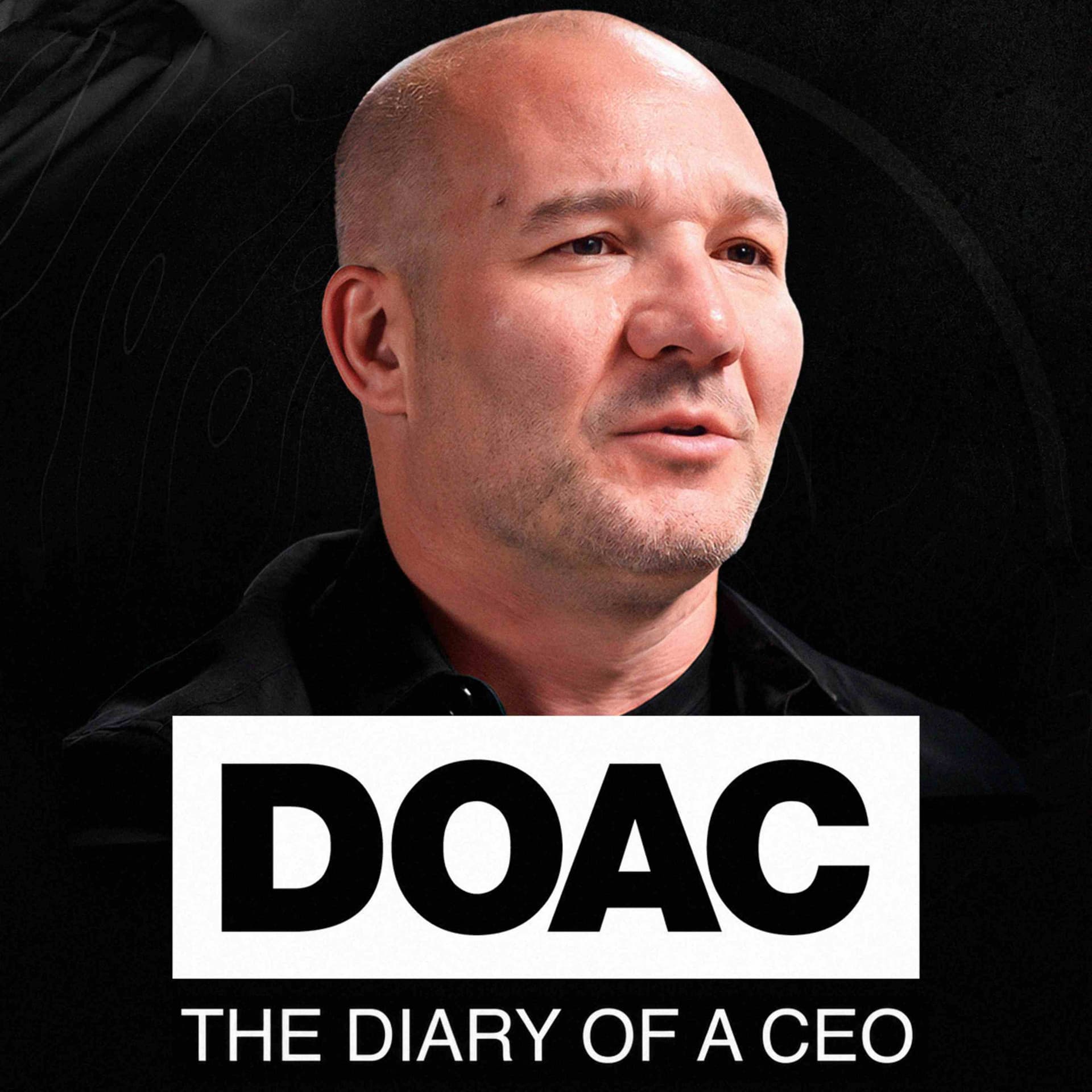
Podcast Episode Notes: The Diary Of A CEO with Steven Bartlett - Episode with Ryan Holiday
Episode Overview
- Host: Steven Bartlett
- Guest: Ryan Holiday
- Episode Title: The Discipline Expert: The 4 Surprising & Easy Habits ALL High Achievers Have! (Based On 2,000 Years Of Research)
- Release Date: [Insert Release Date Here]
- Description: A discussion on how Stoicism, an ancient philosophy, can be applied in modern life, featuring insights from Ryan Holiday, a bestselling author known for promoting Stoicism.
Key Themes and Discussions
- Understanding Stoicism
- Ryan Holiday defines Stoicism as a practical philosophy focused on how to live a good life.
- Stoicism provides guidance on handling emotions, fears of death, and obligations to others.
- Key Stoic figures mentioned include Marcus Aurelius, Seneca, and Epictetus.
- Importance of Discipline
- Definition of Discipline: Ryan reframes discipline from being a painful restraint to a form of self-discipline—aligning actions with personal standards.
- Discipline leads to freedom. It allows individuals to gain control over their lives and choices.
- True freedom is linked to self-control rather than external circumstances.
- Physical and Emotional Health
- Maintaining physical health influences emotional stability. Activities such as exercise create mental clarity and resilience.
- Ryan emphasizes the significance of small commitments to oneself as a means of reinforcing self-discipline (e.g., making the bed, healthy eating).
- Struggles and Challenges
- Life's difficulties are necessary for growth and strength. Embracing challenges can lead to a stronger, more resilient character.
- Ryan discusses how personal struggles can teach valuable lessons and foster determination.
- Navigating Ego and Identity
- Confronting one’s ego is essential for personal development. Ego can lead to paralysis in decision-making and hinder progress.
- Ryan suggests identifying with the person one aims to be rather than falling into traps of self-deprecation.
- Goals and Success
- Successful people set clear, personal definitions of success and focus on what they can control.
- External validations (like money or popularity) are secondary to personal satisfaction and fulfillment.
- Life’s Transience
- Memento Mori (reminding oneself of mortality) is pivotal in Stoicism. Acknowledging death can motivate people to live meaningfully.
- Ryan reflects on how acknowledging life’s finite nature can enhance daily gratitude and prioritization.
- The Role of Writing
- Writing is seen as a transformative practice that clarifies thoughts and solidifies understanding.
- Ryan discusses how writing helps in processing and articulating complex ideas.
- Stoicism and Relationships
- The Stoic perspective on relationships emphasizes personal responsibility for one's emotions and reactions.
- Effective communication and understanding in relationships can be derived from Stoic principles.
Key Takeaways
- Four Cardinal Habits of High Achievers:
- Discipline leads to freedom.
- Physical Challenges enhance mental resilience.
- Commitment to Self builds trust in one's abilities.
- Emotional Awareness is crucial for personal growth.
- The Value of Reflection: Regular reflection and journaling help integrate Stoic principles into daily life, fostering personal accountability.
- Perspective on Challenges: Difficulties are opportunities for growth rather than just setbacks.
Conclusion Ryan Holiday's insights on Stoicism provide a profound framework for understanding discipline, personal responsibility, and the nature of success. By applying these ancient principles in modern contexts, individuals can cultivate a more resilient and meaningful life.
Useful Links
- Ryan Holiday’s Books: [Link to Purchase]
- Follow Ryan on Social Media:
- [Instagram](https://bit.ly/3OKINJf)
- [Twitter](https://bit.ly/45msTvI)
- [TikTok](https://bit.ly/3OJK2IN)
- [YouTube](https://bit.ly/45Aa0Fk)
Follow Steven Bartlett
- [Instagram](https://www.instagram.com/steven)
- [LinkedIn](https://www.linkedin.com/in/stevenbartlett-123)
- [Podcast Link](https://beacons.ai/diaryofaceo)
*Note: This episode highlights the timeless relevance of Stoicism and encourages listeners to embrace discipline as a pathway to a fulfilling life.*
Written by AI. May contain mistakes. Listen to the episode to check what was said.
Transcript
Automatic transcript. May contain errors.0:00Right now, with the Home Depot, you'll find storage solutions made to fit your needs. Grab an HDX Tough Tilt to protect your tools, or keep your sports equipment contained with reinforced snap fit lids, or stack up and make better use of your space with bins and totes built to last. Whatever your story, we've got the gear to keep it organized and protected at the Home Depot. How doers get more done? I can help you get more of what you want, create the highest form of discipline, how not to care about what other people think. That's the meaning of life right there. So, Ryan Holiday, the modern day philosopher King, whose books have sold more than 4 million copies all across the world, is helping people to live better, more in for lots.
0:49We live in a time where we procrastinate. It's totally screwed up. Why do we not prioritize our health? Why do we not do the stuff that we know we should do? It's because we think we have forever. But the reality is you do have a terminal diagnosis. And to live in rejection of that fact is to waste your life. So how do we change that? It takes a lot of courage and it takes a lot of discipline. Discipline is the ability to do hard stuff that you don't want to do for benefits way down the line. And there's almost no one who is successful in life who does not have that form with discipline. Like if you can cultivate that, you're gaining freedom that a lot of people have never even tasted.
1:27But it's very hard to be disciplined as you're stuffing your face or if you feel like garbage. You need struggle. So do something physically difficult every day. A strong mind and a strong body. You have to have both. So what do you say to those people that find themselves completely absent of apparent discipline? It's such a critical thing that you need as otherwise somebody else determines whether you're good or not. And that's not how you want to go through life. Right. So here's a set of strategies that will help you whatever life has in store for you. First would be...
2:05Ryan, how do you summarize what you do and why you do it? Why I do it as much easier for me to articulate, which is that I get better for doing it. Like we tend to think of philosophy as this thing that you consume, that you read or listen to. But it's actually more of like a discourse. It's a conversation. And so the process of writing about and talking about and researching the Stoics is made me a better person because I've been actually... That is what Stoicism is. It's this process of reading, writing, and debating these ideas. And that's how they sort of get into your bloodstream. And then hopefully in actual situations in your life, you apply that, right?
3:04So why I write about philosophy is to me much clearer. What I would define the philosophy that I talk about as that's a little tougher. I write about an obscure school of ancient philosophy called Stoicism. Maybe people have heard of Marcus Aurelius or Seneca or Epictetus. So these are the big three that we call them. But basically starting in ancient Greece and making its way to ancient Rome, there was this practical philosophy for life. So not theoretical or abstract ideas, sort of unanswerable questions or paradox. That's kind of what we tend to think of philosophy as. Stoicism was like, how should a person live, right?
3:50What is the good life? How do I deal with my temper? How do I deal with the fact that I'm afraid of death? What kind of job should I have? Like what are my obligations to other people? Philosophy in the Stoics sense was designed to be the sort of guide to living and what I do is I am continuing and popularizing. And that conversation, which has been going on for something like 22, 23 centuries. One of the things you've really reframed in a lot of people's minds is the word discipline and what it means. Because the definition of discipline that I understood before discipline is destiny, was this kind of painful restraint despite my urges for the sake of some kind of goal that I have.
4:38Yeah. What is discipline in your definition of the word and what that really means that it's cool? Well, I think it's important to note that the Stoics are talking about self -discipline, right? So discipline is not the marine sergeant telling everyone else what to do, how to be, right? The Stoics are talking about the virtue of self -discipline, which is you have your standards that you selected for yourself, that you are living up to. It's not a weapon that you wield against other people, right? And I think so often when we hear discipline, we think disciplinarian, right? Someone who's really strict, one of the beautiful lines in meditation, Mark's really says, remember tolerant with others, strict with yourself.
5:23And actually that, that itself demands so much more discipline, right? To be like, I never accept being late for me or for other people, right? I work hard. I judge people that are not in shape, right? I expect long hours from everyone that works for me. There's that sort of rigid, strict form of discipline. But I have found in my own journey, my own life, that it actually requires more discipline to go, this is what I expect of myself. And this is how I'm wired. This is how I operate best. And then I understand that other people not only do I not control them, but they have different proclivities, different ways of living, different ways of being.
6:08And that my job is to figure out how to adapt myself to them instead of forcing them to be like me. Mark is really as fascinating. He has this step brother. And there could not be two more different people than Mark is really as, and his step brother, Lucius Ferris. And Mark makes this remarkable decision soon after becoming emperor, which is that he names his step brother. This guy has no blood relation to. He names him co -emperor. The first thing he does with unlimited powers, he gives half of it away. To someone with an almost opposite style of living, being leadership. And in the beginning of meditations, Mark's really talks about his brother like at length.
6:51He doesn't call him his step brother, he calls him his brother. And he says, you know, what I learned from my brother, he says, I'm so grateful to have had this person in my life, a man whose character helped me improve my own. And the point was, I think not only did he have to learn how to practice the virtues of acceptance, flexibility, meeting people where they are, but Mark has had to adjust himself and find the good in this person and not try to make this person just like him or be disappointed and judge mental of this person for not being just like them. And so when we think of discipline, so often it's rendered as this form of rigidity, but I think the highest form of discipline is the ability to adjust and be flexible and adapt.
7:47And the really great leaders, really great people, managed to get stuff out of people who are not like them. They don't write someone off because they don't have the same high standards as them. Or they don't get that person to reach those high standards through force, or bullying or judgment, but through example, through inspiration, through discussion. And so I don't know, I'm trying to render discipline not only in that sense, but I think often also when we think of discipline, we think about it in the physical form. Discipline is running harder, running longer, lifting more weight, working more hours.
8:31That physical discipline is essential and there's almost no one who is successful in life who does not also have that form of physical discipline. And in the introduction, you say discipline gives us freedom, which again feels like that's typically not what people think of discipline. We think of discipline as taking our freedom and making our lives as you say more rigid. Yeah. As you were saying then, like more rigid and less, less choices, less optionality. But in the introduction of your book, you say discipline gives us freedom. Epic Titus is this slave. He's a slave in Neuros Court. And imagine the contrast.
9:05This person has no freedom, completely impoverished, their body, their work, their labor. It's all stolen from them. And then they're surrounded by not just opulence, but power, right? And ambition and fame, right? It is surrounded by the who's who of Rome in life. And Epic Titus looks around and he realizes that he's freer than all these people. And he realizes he's freer than all these people because they're not in control of themselves. They might be legally free, but they're slaves to their ambition or they're slaves to the job they've gotten or their family name or their urges, their temptations, right?
9:50And he realizes that if you're not in control of your, of versions and your desires, right? He says these are the two forces of human life. What you want, what you don't want. If you're not in command of what you do, what you think, it really doesn't matter, you know, what your legal status is, right? You're not as free as you think you are. And I think we've all experienced that. You've met people, probably had them on the show. Enormous bank balances, enormous following, hugely powerful jobs. And then, you know, they're like, sorry, I have a heart out at 1106, you know, or whatever, right? Like they're running from thing to thing, their phone is constantly ringing.
10:38Like they're sitting here, they're the powerful person, but someone's coming whispering in it. Like the assistant is actually in charge, right? Or, or, you know, the wanting, the more, the next thing, the next accomplishment, that's what's really driving them. And so, you know, the Stoics were successful and they did do things in the world. They weren't all like a pectetus, but they understood that if you're not in charge of yourself and your life, like your emotions, your thoughts, you know, what you will do and what you won't do, it really doesn't matter what you can do, you're not free. And when you are in the sway of something, whether it's an addiction, whether it's momentum of your career, whether it's just doing what everyone else is doing, like you're not free.
11:34And so creating structure and rules, it can feel limiting and like you're giving up a freedom, but you're actually gaining freedom that a lot of people have never even tasted. I've been thinking a lot recently about the commitments we make to ourselves and the importance of keeping those commitments. Sure. And I'm thinking, when I say that, I mean, the small things, I'm going to do this. Yeah. I mean, I just do it in Peter's and might say like, I'm going to make my bed or it could be, I'm going to quit, quit drinking alcohol or I'm going to have vegetables instead of, I don't know, pizza, the small commitments we make and the impact they have on the story we believe about ourselves.
12:18Yeah. And I've, I was just thinking, I think it was this morning, or I was going to write something about it, how the size of the commitments we keep to ourselves correlates to the size of the reward, it spits out on the other end. So if we keep big commitments to ourselves in terms of the impact on ourselves, a steam ourselves story, the evidence we have about who we are, it has a correlate to really not even a word, but it has an equally big output. What do you think about that keeping commitments to ourselves? In the road, the Cormac McCarthy novel, the little boys talking to his dad, they're sitting around a campfire and they, they've agreed to like, oh, split everything evenly.
12:55This is what this is they have. The dad gives the son like a little more of a hot chocolate, like he's trying to be nice, and the, the son's upset and, and he says, dad, like you promised, we would split everything evenly and he says, dad, if you break the little promises, you'll break the big ones. I think that's such a beautiful idea, not just as a parent, but as a person, right? It shouldn't matter, you said, hey, I'm going to get up at six. And then the alarm goes off at six, and then he hits news, and he hits news, and he goes, I don't actually have to be anywhere today. I'll just go back to sleep and wake up whenever I think.
13:30Whereas a writer, like writing is not fun, having written is fun. So you're always trying to come up with reasons that you don't have to do it today. But if you build, you're building the muscle either way. You're either building the muscle that says, I do what I say, I keep the commitments that I make, or you're building the muscle that says, I make excuses. I don't do what I say. I can't be counted on, right? And so when we think about discipline, it's really about what promises are you going to keep. And the tricky thing is, you're keeping promises to yourself that nobody even knows that you made, right?
14:12It's not like, hey, you made this commitment. If I don't write this book by this time, like, I have to do this embarrassing thing, or then I'll retire. You know, they're not even, you're not really putting your ass on the line in that sense. But you've said to yourself, you're going to do this thing, and building that muscle is really important. I mean, I do think one of the critical things about having a physical practice is you are building that muscle. That muscle of like, I told myself I'm going to do this hard thing. Now that hard thing is approaching. And am I going to come up with an excuse?
14:52Am I going to give myself a way out? Or I'm going to do it? And then when you do it, now you're in the middle of it. And now you're tired. And there's this voice inside of you that says, well, no one's watching. You can stop anytime you want. Just turn around. Just go back or slow down. It would be easier if you slow down. And the muscle or the part of you, that is able to override that is a really critical muscle. Seneca says, you know, we treat the body rigorously so that it is not disobedient to the mind. And I think about that. I have a cold plunge at my house. And there's supposedly all these health benefits to doing the cold plunge.
15:32You know, it increases your metabolism or circulation. You know, there's all these studies. And they're probably true. I mean, I, they sound like they're true. I'm not a scientist. I have no idea. But to me, all of that is extra. To me, what the cold plunge is is the, it's, it's the sitting down in the thing when I know how cold it's going to be. And I know I'm not going to get used to it or comfortable for at least a couple minutes, right? Like the, the cranking of the knob and the shower is the other version or the, the shower is not warmed up and the forcing the step in before it's cold. That's the, that's the health benefit.
16:16Like that's the thing that you're getting out of it is the ability to do hard stuff that you don't want to do for uncertain benefits or benefits way down the line. Like if you can cultivate that, you're golden. That's where books come from. That's where businesses come from. That's where losing weight comes from. All of it comes from the ability to do that hard thing that you don't want when the, when the rewards are not immediate or instantaneous. And we've all got different size muscles in that regard. Sure. Right. So some of us can't, maybe because we spiral down, we, we didn't keep a commitment to ourselves, which meant that our esteem is lower and then we didn't keep another commitment because of that.
17:00And now our self opinion or our self story of, of ourselves and our ability to do things is so in the bin now that, you know, it seems like we can't keep any commitments to ourselves. We're like so self -deceptive in so many ways. Those people that have really struggled and they've tried, they've struggled, they've struggled, you know, they bought your book because they thought, fuck it, maybe there's like a sentence in here which is going to, going to get me to the gym. Would you say to those people that find themselves completely absent of apparent discipline? I think it's really important when we, when we mess up that we don't identify with that, right?
17:36We identify with the person that we want to be, that we know that we can be, we identify with the thing happening and then we fall off, right? Like in, in, sobriety circles they talk about, like falling off the wagon. I like the idea that the wagon is going and you're either on the wagon or off the wagon, right? And the idea when you fall or you mess up or you make a mistake or you break that promise, like it's still there. Like you can get back on it any time, right? That's kind of how I think about. So instead of going, oh, I'm a piece of shit, I'm spiraling, I'm, I'm worthless. It's, it's like, no, the thing is continued on.
18:14You know, I'm out and running catch up to it. Am I going to start to build those habits again? Or am I going to, you know, write it off? Because it's, it's not there anymore. Do you know what I mean? I kind of try to think about it that way. It's like just because I've had a bad week where I've been over scheduled or distracted or I was sick or whatever and I wasn't writing. That doesn't mean all of us lost. Like I just have to sit down tomorrow or better. I have to sit down now and I just have to do a little bit, right? And that's what starts that process again. It's, it's, it's, it's, it's not this like all or nothing kind of a thing.
19:00And I think when you hear people talk that way, they don't realize, but they're actually, it's actually very convenient to be all or nothing, right? Like that way because it's giving you an out or an off. Instead of going, yeah, I did. I didn't do what I was supposed to do the last seven days. But that doesn't say anything about right now or that doesn't say anything about tomorrow. What's your thoughts on how beliefs are? I think so much, especially recently about where our beliefs come from and how that impacts because our confidence is a belief in ourselves. And then, you know, my discipline seems somewhat connected to my beliefs.
19:41And when we think about flat earth, there's a nerve beliefs in how you change their mind or how I change my mind about who I am. You know, I think a lot about, I think if we can understand how to create belief change, we can control much of our own hardware because my hardware seems to be this kind of identity I now believe about who Stephen Bartlett is. And I'm just kind of following the instruction manual of that belief set. So how do I change that belief about who I am? Yeah, it is funny. Like there's sort of the egotism of like thinking you're better than everyone. And then there's also the kind of egotism that happens where you're like you're just obsessed with how garbage you are.
20:17You know, like you're just you're just thinking about yourself all the time. When really you should just be thinking about what you either are or aren't doing, you know, my friend Austin Clean talks about he says, do the verb instead of trying to be the noun. You know, so like instead of going like am I a writer? Am I not a writer? You know, it's like am I writing? You know, just do the thing. Just do the thing. And you are what you do. Yeah, yeah, do the thing. Makes a lot of sense. And it's funny because there's a two way relationship there. I don't do the things that I don't think I am. Yes, yes.
21:03If you, if you're sense of yourself as someone who's not worth anything lazy, lazy out of shape, ugly, you know, whatever, the stokes talk about how if you make beautiful choices, you are beautiful. And I love that. It's like, hey, am I making good choices? Like am I like I don't think about, you know, is the book coming together? Is it working? Is it brilliant? I just go like I'm I try to try to radically scale down what I am asking of myself day to day. So like it's more am I making a positive contribution today? Like I just try to make a positive contribution every day to what I'm what I'm working on.
21:48So right now I'm editing my next book. And you know, a couple days ago, I was really I wrote this new chapter. I fixed all this stuff. And today I switched the title of a chapter from look for the good and everyone to find the good in everyone, which is a semantic tiny change, but also a transformative change as to what I'm actually arguing, right? And was yesterday's work or today's work a bigger impact on the the project? I don't know, but I know that I made positive headway positive contributions on both days. So I did my job on both days. Sometimes that's really visible and you're moving a lot of stuff around, or you're creating a lot of stuff.
22:46And then other days, you're moving something a millimeter this way. You made positive progress today or yesterday by changing that title. The next half of that sentence is like towards my goal or towards a destination or direction. My question there is how does how does one know the worthwhile direction to be making positive incremental progress in? Well, the Stokes would say that our goals have to be rooted in what we control. So the epictetus is if you only enter contests in which winning is up to you, you will always win. Right? And so when I'm working on a book, if my criteria is how many copies is it going to sell?
23:36How well is it going to be received? How happy is my publisher going to be with it? How fast is it coming out? A bunch of these things well, then success is determined by people other than me. The market, the New York Times bestseller lists, I editor, agent, random factors, you know, but if I'm measuring myself, is this getting closer to the book I set out to write? Is this the best that I can do? Is this meaningful and important to me? You know, I try to I try to root what I'm doing as much as possible in my own standards, my own sense, what's up to me, and then the commercial success, outside reception, all that, it's nice, but it's extra.
24:38And if it's extra, then I can enjoy it. If it's essential, but I don't control it, what I've really set myself up for is potential disappointment because the publisher could go out of business, you know, the market could shift, you could get canceled, you know, who knows what could happen? And so the more you're rooted in, is this your best? I think the happier you're going to be. And then weirdly, you end up actually doing better work because you're focusing all your energy like where it has impact. I'm sure you've seen this where, you know, a clip that you didn't think would do well, crushes.
25:30And then this thing that you were like, this is amazing, it doesn't do well at all. And so, I think it's not that it's random, it's just that you've got to be happy with it. Yeah, and I used to write a lot of quotes that went on the internet. My best performing quite of all time was just it violated all of my preconceptions of what like a good quote was because I just had an argument with my girlfriend this one day six years ago. And I wrote a quote that was like, if we're in a relationship, I want to be your second priority. I want your first priority to be you. And it was went on, it was another couple of sentences.
26:07And that was, that's the thing that went viral around the internet. And it was, it was unconstrained by like my own expectations of what a good quote was or the pattern or the rhythmical, the syllabics that go into a great quote. It just came from a place of like, I really had a shit day that day. Yeah. And my girlfriend argued about me working too much. Yeah. No, and yeah, that's that stuff, that's of humbles to you for sure. When you're like, maybe I don't know really what I'm doing. But what I also want to take from that is like, sometimes stuff that I know, I don't think is good has done extremely well.
26:41And then stuff that I am so, so proud of has not done well. And so I'm, I'm going to trade my definition of what's good or not good based on this fickle algorithm or randomness or whatever. No, like you want to root your sense of whether you're doing a good job, whether you're succeeding, you want to root that as as much as possible internally. This otherwise somebody else determines whether you're good or not. And that's like, that's not a, that's not how you want to go through life. If you're someone running a business today, that means you're probably operating in a world that doesn't sit still.
27:20Tariffs and trade policies are dynamic. Customer expectations shift constantly and the pace of innovation is relentless. So your margin of error is becoming increasingly smaller. Making decisions without full visibility across your business is not only risky, but it inevitably slows down everything. And I see it all the time, businesses with the right ideas, but they're stuck because they're spread across five systems that don't talk to each other. Many of my companies now use our sponsor NetSuite by Oracle, which has an AI -powered business management suite that allows you to see your business more clearly.
27:51Everything from financials to HR to operations lives in one place. So instead of chasing information, you've got it all in front of you. It operates in real time so you can forecast with assurance, spot problems before they even become problems and generally move faster without blind spots. If your business is generating seven figures or more, there's a free ebook that's worth your time reading. It's called Navigating Global Trade, Three Insights for Leaders. And you can download it now from netsuite .com -bottlet. That's netsuite .com -bottlet. I'll link it below. This episode is brought to you by LifeLock.
28:24When you visit the doctor, you probably hand over your insurance, your ID, and contact details. It's just one of the many places that has your personal info. And if any of them accidentally expose it, you could be at risk for identity theft. LifeLock monitors millions of data points a second. If you become a victim, they'll fix it, guaranteed, or your money back. Save up to 40 % your first year at LifeLock .com -slashpodcast. Terms apply. All self -discipline begins with the body. I think so.
Read the full transcript
28:59It's very hard to be emotionally disciplined as you're stuffing your face or if you feel like garbage. If I'm not taking care of myself, if I'm not sleeping, if I'm deferring maintenance, then something stressful comes along. I'm just going to magically step up and be able to handle that. No. When I am fine -tuned and finally fueled, and I'm taking care of myself, I'm in a place where emotionally, I'm much better off. Every morning, I try to go for a walk. I take my kids and we just go outside and go for a walk. I try not to bring the phone. I try not to get distracted. I just try to be present, be outside.
29:51I can tell in their behavior the days when that didn't happen. I'm sure they can tell in my demeanor the days that that didn't happen. Taking care of yourself physically is setting yourself up to thrive emotionally and temperamentally. What did Stoicism say about that? About the importance of keeping yourself in good shape, both cognitively, physically? There's a Latin expression. I won't butcher the Latin, but it's basically a strong mind and a strong body that you have to have both. To just be very well read, very informed or steeped in philosophy, but to be physically weak. This isn't meaning that you have to be able to lift super heavy weights.
30:47The idea is, is like, are you active? Are you in charge? Are you pushing yourself? That carries over and vice versa. Should we be pushing ourselves? Yeah, for sure. Physically. Yeah, having something that gets you a win every day is a very underrated philosophical hack.
31:18I try to run or swim or bike every day. I'm not training for a marathon. I'm not trying to set any records. I'm trying to make a promise to myself and keep that promise. It doesn't matter how badly the writing goes. It doesn't matter what news I just got from my agent. It doesn't matter how my business is doing. It doesn't matter what the stock market is doing. It doesn't matter what mean thing somebody just said about me online. It doesn't matter if my wife and I are getting along. It doesn't matter if the kids are like, if I have something that every day, if I do it, I'm proud of myself for doing it.
32:01I got endorphins from doing it. I got healthier from doing it. I got some time away from the screen or work or sitting in a chair from it. That's hugely important. It's so easy and it's something that's up to you. I've never gone for a run and then not made it back. There's lots of days where I don't want to do it, but I'm always glad that I did it. Almost all great leaders, great athletes, great philosophers have been tough. What do you mean by tough? I mean, they've gone through something. Churchill talked about how he says every prophet, every sort of great leader, a great person. He said they're of society, but then they're sent into the wilderness.
32:56There's some period where their work is unpopular, where their ideas aren't accepted, where they're struggling to make ends meet, or there's a controversy or whatever. Churchill spends like 33 to 39, basically out of public life, sort of persona non grata. He says that it's in this wilderness. He says where psychic dynamite is made. His point is that it's in that struggling in not having everyone listen to you, not getting what you want, not having everything at the push of a button that forces you to really refine what you think, forces you to grow and change and adapt. Steve Jobs's time in the wilderness is when he gets fired from Apple.
33:45He has to go and he starts these other companies and he has to look in the mirror and go, how did I get fired from the company that I started? And so we all have to have that period where we are wrestling with our demons or a demon, and it's in conquering that, changing from that, that we bring back to whatever we're doing. I think a greater sense of purpose and clarity and then hopefully better skills. And those moments make us confront our egos. Yes. Yeah, there's an ego death in losing, being rejected, realizing you're not what you thought you were or it's not going the way that you thought it was going to go.
34:33And you know, ideally you want to learn that earlier and cheaper, you don't want to get to the very top and have it all come crashing down and have to start over. Right? There were probably many times along Steve Jobs's journey where maybe it was a tough meeting or an investor laid out all the issues to his face. There was an article, right? There were many moments where he could have learned that lesson in a way that was less calamitous than getting fired, getting thrown out. Sometimes that's what people need. You know, sometimes you've got to blow your life up, but it's better that you listen.
35:19I've said this before, but it's like life is always sort of whispering feedback to you. And if you don't listen to it, at some point it has to hold you down and scream it in your face. And that's avoidable. How did you tune into that voice, whispering? You know, it's for the Stelx, it was like this kind of nightly or daily conversation with the self. This is the art of journaling. This is what Mark's realist is doing in meditations. This is having a conversation with himself, the most powerful man in the world. No one could tell him what to do, but he in the pages of what's become meditations is going, why do you like this?
36:02Why are you doing this? You know better than this. Remember what so -and -so said. Remember the examples of all these people that you love that have inspired you that you're trying to be like and try to get back on the path and try to define what that path is. And I think a process of really holding yourself accountable somehow, whether it's a journal, maybe it's quarterly meetings with a coach or an advisor or a board of directors. Maybe it's long walks where you think about these things. There's lots of ways to do it, but I think it's the ability to reflect and evaluate and adjust based on this information.
36:41That's what that voice is, right? The information is there. Maybe deep down we know it, but we can be uncomfortable, be painful, maybe it won't work, but you gotta be doing that work. And again, the sort of maintenance is going to be cheaper and easier than the total reputable. This third point, I believe it was of wisdom. I've been asking myself a lot recently. I sit in a have conversations with some incredibly smart people, yourself included. And I gain so much from it. Sure. And I think to myself what I should really be doing is writing more. What has been the value of writing on your life, the unobvious stuff, the unobvious upsides that you've experienced from writing?
37:31Nothing clarifies what you think quite like to do. The practice or the exercise of writing something down. At Amazon, if you want to launch a new project or you're suggesting a change, if you want to call a meeting, you have to write it out. You have to create a written agenda. In some case, you have to write a press release for that thing you're proposing. You have to write like a written pitch for the whole thing. And it's not so much for the communicating it to the other people, but it's also about the forcing you to go through the process of figuring out what you think and why. And the problems with it, the contradictions of it, like being forced to write it down is just so different than it just bouncing around in your head or riffing on it.
38:29There's just something very, very powerful about writing. And anyone that's sat down to write a book, I think you think, well, I know this better than anyone. I'm really excited about it. And you sit down and that kind of enthusiasm or interest, that can get you like the first like 10 pages. And then you just go like, you're just spent. And then you go, well, what comes next and how and how do they build on each other? Like, you have to have a plan. You know, you have to have a system of structure. You have to have solved the whole thing before you can write it. You can't just figure it out on the fly, right?
39:02The stream of consciousness stuff like it doesn't work. And so writing is just really, really powerful. I'm a huge believer in all these other mediums. And I make content in all these other mediums. But I write the ideas first. And it comes from the books. The books is the synthesis of all of it. And then if I'm doing a TikTok or Instagram or an article, it's all broken out from the process of having spent many, many, many hours sitting and thinking about and trying to come up with the best way of expressing this very complicated idea. And you know, the process now, I've been doing the daily stuff.
39:45So I wrote the book in 2015. So it's one page a day. So I wrote 366 in one sitting. And then the day I finished the book, I said, I'm just going to keep going. I'm just going to do one a day that will put out on the email in the podcast. And so I've been doing that every day for eight years.
40:09And that's where my understanding of stoicism, like obviously I knew about stoicism. I'd written books about it before I'd read about it a lot. But the process of having to produce and polish and edit and work on and read and record this one thing every day. One thing every day has been transformed for me as a person. The fact that millions of people have read them now and listened to them and watched them all over the world. That's just like, like even if it was never published, that process would have transformed my life. So in a world where you can easily in two seconds create high res, immediately shareable video, like the ease of that is almost the trap, right?
41:00Writing is hard, and always will be hard. And maybe that's why it's good. In the 800 days there, you've got a lot of data back on the types of things that resonate with people. The subject matter that seems to speak to their most popular sufferings, concerns, anxieties. What have you learnt about the things people are struggling with the most and the answers they seek the most? That's a good question. I don't think about that so much. I try to just follow where it's taking me. And I just try to, I'm just always trying to make stuff. But it is interesting to think that people have had the same problems for 2000 years.
41:41On its face, Marx realizes meditations should be inaccessible, impractical, incomprehensible. Like you have the most powerful man on earth, emperor of Rome literally worshipped as a god, head of the most powerful army, steeped in philosophy and rhetoric and all these ancient ideas, writing probably on the front lines of the battlefield, like with the Roman army in his tent. In Greek, he was writing in Greek to himself, never intending it to be published, probably mortify that it ever was published. And he's writing it for himself, like he's writing notes that are so specific that a lot of them, we don't even know what they mean.
42:32He's like, remember that toll operator in insert province of the Roman Empire or remember that thing that so and so said to you, like a lot of them are kind of notes like that. So we know it wasn't for you and I at all. This is like literally the most specific book you could imagine. And somehow it is timeless and universal. Because as different and strange and surreal as his life and experiences, it's fundamentally not that different than yours and mine. What do those books say about, and what does storcism say about how we confront unexpected crises in our lives that we are clearly not responsible for?
43:22You know, a cancer diagnosis, skiffering, we get fired from work, we, something else bad happens that we were not responsible for. To me, the essence of storcism is the idea that we don't control what has happened, but we control how we respond to what happens. And so Marcus's idea, which I have tattooed on my arm, the obstacle is the way. He says the impediment to action advances action, what stands in the way it becomes the way. He's saying that the impediment to action advances action. The impediment to action advances action. It stands in the way it becomes the way. He's saying that, you know, basically it's like nothing can actually stop us from what we're trying to do because we can accommodate and adjust and adapt to these as we can convert obstacles to our own purposes.
44:12Basically, what he's saying is that stuff happens, stuff we dread having happened, that we did everything in our power to prevent from happening. That's not our fault. It's totally screwed up. It's painful. All of that. But it does happen. And he says, he's basically saying that now that it's happened, what opportunity does it present you? And it doesn't mean, oh, hey, you know, your mother died. That's great for your business. That's not what he's saying. Like, he's not saying, oh, this is wonderful. But he's saying that this tragic, terrible, frustrating, painful thing happened. There are opportunities in that for you to step up, to grow, to be there for other people, to illustrate or demonstrate, the stoic virtues.
45:04In moments of crisis in like business, I always think there's, you have a couple of types of people. See, this room is on fire. Person A, paralyzed with fear, saying nothing. Yeah. Person B screaming. Also unhelpful. We're going to die. Person C, knows the room is on fire. It doesn't need to say the room is on fire. Totally focused on getting out of the room. Yes. And it's like a, it's a different way to handle crisis. Some people just default to practical. Well, maybe there's another person there to extend this analogy, who helps those other people. Yeah. Right. Right. Like the idea, the idea is the thing is happening.
45:39What is it going to draw out of you? Who are you going to be in response to that thing happening? That's what the obstacle is the way it meets. It's not that it's great that the room is on fire. It's that the room being on fire presents you a set of choices. How do I become the person who is going to survive the fire? Because I'm focused not on the fact that the room is on fire. I mean, I'm aware of that. I'm not denying the reality of the burning room, but I'm using my energy on what I can control, which is getting myself and these other people out of the room. How can, is it a practice? Is it like going to the gym?
46:17Some people just seem to have it. You know, childhood trauma seems to play into that as well, because some people just have a pessimistic attitude to things and they worry and panic. But that is kind of the practice, right? What they have been through, they have been in rooms that were on fire before, different kinds of fire. But this isn't a new situation to them, right? And that is one of the things also that we can say to ourselves when we're going through shit, right? Whether it's this pandemic or it's this downturn in your business or it's this employee who stole from you or whatever. You go, this is practice.
46:55This is reps, right? Like I am going to emerge out of the other side of this, a person who has been through things like this. And if you haven't before, if this is the first time, yeah, maybe you won't handle it great, but you will, you can decide to be the person who has learned from that process. I guess the danger is I go through at once and it's so horrific that I avoid all circumstances or environments where I might ever go through such a thing again. Yes. So you have emerged weaker and more fragile for what's for what you've gone through, which is probably not the way to do it. I've said this to people, it's like, hey, we just lived through this massive historical event together.
47:40We're here. We made it. It's not to say anything about the people who didn't make it. What I mean is we got through it. If you would ask that person in March 2020, if they could get through three years of a pandemic, millions of people died, where everything was shut down, where there was political unrest and supply chain and logistic crisis, logistic crises, and everyone had to work from home. And you know, down the list of all that stuff, even just half of it, they would have said like, so I lost everything, right? You know, like it destroyed me, right? I can't, I don't have what it takes to get through that.
48:22But you did, because you didn't get through all of it at once. It was one thing after another, and you adjusted and you adapted and you got stronger as you went. And you just realize as you go through things, exactly what Senika says, like the person who hasn't been tested doesn't know. But when you have been tested, when you have gone through things, you can take from that a sense of your capacities, your capabilities, which are almost always greater than you think they are. And so it's just a way to go through life, you know, you don't want it to be that way. You would prefer that it didn't happen that way, that the things went the way they were supposed to go, but they didn't.
49:06And now they are the way that they are. And now I have to call this person to my office and let them go. You know, now I have to suddenly raise X millions of dollars to keep the business going. If we're going to have any hope of surviving and I've got 30 days to do it. Right? Like the situation is the situation. And what is it going to teach me? How am I going to grow from? How am I going to be better for it? I was watching a video you made about, sort of, what kind of questions do you find yourself frequently asking yourself to help keep yourself on track? Yeah, I mean, the big one that I ask myself the most is apparent is I just go, does this matter?
49:52Like why? Why? Does this thing matter? Like is this thing that I'm about to argue with them or force them to do or feel insecure about? Does it actually matter? Right? And the answer is almost always no. It doesn't matter. It's made up. Five more minutes is fine. Right? In the big scheme of things, I won't care about this. And so I try to ask myself questions that give me perspective, that take me out of whatever my immediate impulse is or insecurity is or worry is or argument is. And I try to get perspective. And I think that's what great questions do is they give you perspective different way of seeing things that you can then hopefully act on.
50:41What do the stoics say about like relationships and romantic relationships and love? I mean, what they say about them, to me, is secondary to the fact that they were also in them. Right? Like, you know, it's one thing to be a philosopher and then it's another to get married to a person who you now live with. Who does things that drive you crazy and you do things that drive them crazy. And you have resentments and you have insecurities and you have compromises that you have to make. Right? I remember my wife said to me one time, this is a great question or a great way of thinking about it. I said she was frustrating me.
51:25And she's kicked back a very stoic idea. She said a person, as she said, I can't frustrate you. She was basically saying like we're responsible for our own emotions. Like she's doing what she's doing. And I am feeling the frustration. I can't make that her fault. Right? And I think about that often, right? Like, she weaponized stoicism against you. Yes, all the time. Her joke is one of us is a stoic and the other writes about stoicism. She's much more naturally these things than I am, I would say. But you know, it's the idea that how you make it work, not in theory, not in your books, is the whole business.
52:12You know, like I think every person has ever been married or in a relationship. You get yourself in these situations where you've decided that being right is more important than being happy or than getting along or... Sounds like Twitter. Moving on. Yeah, right. You're just like, what are you doing? You're putting this thing over the relationship. Twitter is its own set of philosophical issues. You just watch people voluntarily seek out conflict and things to be upset about. Like if they didn't see the tweet, it wouldn't bother them. Yeah. But they picked it up. They're supposed to be having dinner with someone they care about.
52:57They're supposed to be working, supposed to be playing with their kids. But instead, they took up the phone and they scrolled through and the phone, which knows the things that outrage you or the ones that get the most engagement, magically serves up the outrage. And then you are outraged. And you cannot go back to what you are doing until you let this person know, this person you've never met, they are wrong, and you are right. You know, and that is the opposite of philosophy, happiness, the good life. Some Harris said he deleted it from his phone for this very reason last year. He doesn't tweet anymore.
53:35It's not involved in Twitter because he said, when I look at the relationship I had with this device, it was just causing me an happiness. He says every bad thing, every professional crisis I've had started with Twitter. And have you ever once gone on it or any of the apps, whether you spent five seconds or 50 minutes and thought, that was a great use of my time. I'm really glad I did that. You know, you're always a little guilty after, you go, that went back faster than I thought. And again, I'm not saying that there's not a place for these things that they don't do some good. I mean, maybe someone is watching a clip of this thing literally right in this instance.
54:14And that's better than us trying to sit here and pander to one side or incite the other. There's definitely people, some people do it better than other people or worse than other people. But for the most part, how do you create distance and boundaries that separate you from these things? So yeah, I don't have any of them on my phone either. And I don't know the password to the daily stoic or my personal Twitter account. So if there's something I need to say, I can talk to someone who works for me and make sure that gets out.
54:53And then I have enough inputs. You know what I mean? I have enough inputs. I don't need more, I don't need more random people.
55:04This is the most important space that you have, you know, and how protective of it are you? And cultivating a stillness or a space, a distance from that to me is like the most important thing. You've read so much. You write so much. You have the wisdom of a, of someone who is who has lived many, many lives. That's what reading is by the way. You know what I mean? Reading is maybe the only way that you can live multiple lives. Like you think about the millions of people who have done crazy things, groundbreaking things, terrible things, and you think of all that wisdom. It's all there in books.
55:46And you know, it's $10. Sometimes it's a dollar. Isn't it funny how similar the wisdom is though? Yeah, I think the more you read that you come up with some sort of themes of boils down Eastern and Western philosophy, kind of like a horseshoe, you know, they come come tum together towards the ends. But what are those themes? What are the themes of living a good life that I must know? First would be let's say you focus on what's in your control. Like what's up to you? Okay. What does that mean in practice in day -to -day life? So someone cuts me off in traffic? Yeah, somebody you don't, somebody doesn't like something that you did, the weather.
56:27You know, how much of your energy are you spending, emoting about, complaining about, worrying about things that are not up to you? And what do the, is there any particular examples from services and where? Well, Epictetus is like that's our first job in life. Separate things into two categories. Is this up to me or is this not up to me? And it's a resource allocation issue, right? Like if you are focusing your energy, even half of it on stuff that's not up to you, that's half your energy that's not being focused on the stuff you can make a difference on. It's like, I'd be like putting 50 % of the power of your car on the wheels that aren't touching the ground.
57:12You know, like, you want to put it where it's going to get traction. That's the key thing in life. Is this up to you or not? Number two, there's something magical about water and there's something magical about long walks. This is where you find a lot of peace, find a lot of inspiration, find a lot of calmness and stillness. Like, I'm not saying that taking a walk will solve all of your problems. I'm just saying that there's very few problems that are made worse by taking a walk. Same goes for jumping in the swimming pool or the ocean. What is it about those two things that you believe? I mean, look, I think we evolved traveling very long distances.
58:00I mean, some of the oldest evidence of human beings in America are a set of footprints of a mother carrying and setting down, carrying and setting down a child 20 ,000 years ago in white sand of what is now white sand in Mexico. Like, that's just what we've been doing for as long as there have been people. And there's something about the rhythm of it, the movement of it that slows us down, forces us to think, makes us very present. It's just magic. And I think there's a reason that every religious tradition or zen garden has a water fountain or something. There's just something about the sound of water.
58:44It's so true. All of my best ideas either come. Usually in the gym or in the shower. I mean, I don't do a lot of walking because I... We've got it. But in the gym in the shower, I seem to get my epiphany moments. Yes. Taking a break from what you're doing to go do one of those things often unlocks a lot of stuff. Okay. And you have that as a ritual every day. Every day. Every single day. Yeah. I try to take a walk every day. What else are sort of rituals in your life? The daily rituals? So I would add, as a third one, as a ritual, I'd be, I'd say, like, do something hard every day. Like, do something physically difficult every day.
59:26The art of challenging oneself and pushing those limits and boundaries. That is a essential practice and skill that will help you whatever life has in store for you. And is that the third one on this list? Yeah, I mean, that's the third. Okay. Love that one. So do something difficult every day. And that ranges from as small as not eating the cheeseburger to as big as running a marathon. Yeah. I mean, not eating the cheeseburger. I wouldn't put the... I wouldn't go, hey, like, I really challenge myself today. I didn't eat garbage. I would say it's like, here's the positive thing that I did. Right?
1:00:05Like, I lifted it. I lifted heavy rocks. I went for... I did some sprinting. I went for a bike ride. I went for a run. I took a spin class. Whatever it is. The walk doesn't count. The walk is for the mental health. Then you've got to do something for the physical health. Okay, so four, I think we have to put something here about... We are made for each other. Right? The idea of meaning comes from servicing or contributing to the common good. Mark's really talks about the common good, maybe 40, 50 times in meditations. He says, we're put here for other people. Our job is to help others to leave this place better than you've...
1:00:55Leave this place better than you found it. To me, that's the meaning of life right there. So what is the positive contribution? What is the legacy you're leaving? Not how much money did you make? What records did you break? But what is the contribution you are making to the collective? That's meaning and purpose. Quite frankly, your obligation as a human being. Service. And then the fifth one, the fifth one is... I wanted to just pause there and I forgot to ask you for an example on the third one from Stoicism. Of doing something hard? Yeah. Like a... I mean the Greeks trained in wrestling, the gymnasia was the central part of the Roman life.
1:01:44You know, you'd go and you'd train. You know. And what were they aiming at when they were training? What were the means? It's a strong mind and a strong body. Like to not be flabby and lazy and... Not to fight each other or anything, but to... No, but I mean there's something about combat sports. You know, that I think is very primal and probably good for you. You know, just something about the challenge of pushing oneself, not living this sort of sedentary lifestyle. I think that's... You know, whether you're talking about Zen Buddhist practicing martial arts or you're talking about the Romans, you know, practicing wrestling.
1:02:30I think the philosophical tradition is... It's wrong to think of philosophers as soft. I always wonder if there's something innate in human beings that we were designed to need struggle. Like we're designed to... Because if you think about we're in a big building here and with all these... Well, this stuff that humans came up with and the cameras that they are ancestors just struggled forward to create all this stuff. So is it conceivable that they left something in me that says, you too shall struggle forward? Yeah, you are an heir to people who crossed oceans, fought in wars, braved the elements, you know, lived through poverty and depressions, sacrificed, struggled, you know, they did all that and you have that in you, you know, you have that in you.
1:03:29We all do. And he and we are ordering candy on my face. I robot. And going, air conditioning isn't at the exact temperature that I wanted to be in. And number five. Number five across all religious and philosophical traditions. There is some version of the practice of memento -mori that remember you are mortal, that life is short. Talk about top of the list of things that you don't control, right? It is death. And the acceptance and the submission to that fact, the awareness, the urgency, the perspective that that gives you is one of the most essential philosophical practices there is. Like, why do we procrastinate?
1:04:20Why do we not prioritize our health? Why do we not do the stuff that we know we should do? It's because we think we have forever, you know, we think we're invincible. And it's only, you know, in light of a pandemic, call from the doctor, you know, a loved one suddenly going that we get these brief moments of clarity. Oh, wait, shit. No, you can go at any moment. Mark's list is you can leave life right now, let that determine what you do and say and think. Now, if you're saying that in a time where he buried six children, six children, that's how deadly and unforgiving the ancient world was. And he was even then having to remind himself, hey, don't procrastinate.
1:05:12Don't think you have forever, you know, don't take life for granted. And here, you know, when the average lifespan is so much longer, like inconceivably long compared to the ancients where, you know, you might never see someone die in your whole life until you are in a hospital bed. You know, we have, we live, we live in even more of a bubble. You know, we are even more sheltered. We are even more detached from the reality of, of our mortality. As they say, death is the only prophecy that never fails. Like people think about like, well, what would I do if I found out that I had cancer? Like, if you got a terminal diagnosis from the doctor, he'd go, what changes would I make?
1:05:59But the reality is you do have a terminal diagnosis. Like, the second you were born, the doctor knew with a hundred percent certainty that you would die. You just didn't know when, you know, it could be eight years from now, it could be eight decades from now. We don't know. But to live in ignorance or in rejection of that fact is to set yourself up, I think more often than not to waste your life. And so some practice of, hey, time is ticking by now in this very moment. How am I spending it? There's a sound time behind this. Just this there. Oh, yeah, that's beautiful. It sounds to remind me of that very, very fate of all these things, Ryan, what is the, what is the stoic wisdom that you continually struggle with the most?
1:07:01Oh, you know, I think people think that stoicism is about the suppression of emotion. That's what the word stoic means to people, right? Emotionless, robotic, superhuman, etc. I don't think that's it at all. I don't think that's possible. If you're stuffing the emotions down, you're pretending they don't exist. They do exist and they will eventually reveal themselves. You've just deferred it, maybe with some interest attached, right? So for me, like, when I'm feeling something, when I'm having big feelings as we say to my kids, you're having big feelings. Well, why are you having those feelings?
1:07:43What is the cause of those feelings? What does your body feel like? And the practice of going, I'm feeling this, I'm feeling this because I'm feeling as a result of that, an inclination to do and then go, but is that a good idea? You know, that's what I want to do. Like, I've never lost my temper and then afterwards been like, I'm so glad I did that. You know, I always regret it, always, right? I've never forced my kids to do something out of frustration and then been like, yeah, that was definitely the right call. You know, after all, I'm like, yeah, so much more time than I was under the impression we did.
1:08:21You know what I mean? It's like, like, getting this big fight to leave the house and then we get there and then we're like waiting in the car five minutes to go in, you know, or whatever it like, or you're so stressed about missing the flight and then you get there or you don't get there. And neither one of those things is like a matter of life and death, right? So I think for me seeing Stoicism as the practice of understanding the emotion, processing the emotion and then not being a slave to that emotion is the practice of Stoicism that I think I struggle with, but I think when you read the private thoughts of the Stoics, you see that they were also struggling with, you know, people are frustrating, things for annoying, you know, things go sideways, but then how you deal with that, that's what that's what matters.
1:09:23And that's the control you have. Yeah. And it is a practice isn't it? Because we all get frustrated with things. I get frustrated with so many things. Yeah. Because you have high standards, you have expectations, wanting things to be a certain way, needing them to be a certain way. That's like the root of so much of the tension or problems that we have. And the question I ask is why? Why do I need them to be a certain way? Yeah, you don't. You go, I need everything to be a certain way or I won't be able to do what I do. And then you're like, wait, how fragile am I that I can't, I can't adjust, I can't adapt.
1:10:01You know what I mean? Like you, it's because you can want it or request it or you think you should have it. That's what sets you up. But Epic Jesus' thing is he says like, don't want things to be a certain way. I want them to be the way that they are. That is the path to peace. I think that it's like, hey, like if I wake up and I go, I need the weather to be a certain way today. Well then there's a pretty big chance that I'm not going to be happy. I was talking to my friend, his name is Shockest Marty's, the head basketball coach at Marquette. He lived in Texas. He was the head coach at Texas.
1:10:43And weather shift like I said something like, you know, are you more of a hot weather guy or a cold weather guy? You know? And he goes, I'm a dress for the weather guy. And I was like, that is those. I'm right there dressed for the weather. You know? Like, I don't care what it is. I'm good. I'm good either way. I'll figure it out. I love that. And the conflict I have is, the Stoics must have understood the importance of detail and small things. Sure. So, yes. You know, that's why. Yeah. But at the same time, they also understand how that can quite easily rob you of that obsession to detail. Yeah.
1:11:22Yeah. Or like routine is important. This is the order I like to do things. This is when I'm at my best. But what if that routine becomes almost a religion which becomes almost a kind of fragility? You know? That's the problem. Shit. What am I going to do? I need my special socks, you know, or whatever. I can't, no, I need 10 minutes before. And you're like, okay, you know, you're not diffusing a nuclear bomb here. Like, it's going to be fine. Two things can be true at the same time. Yeah. It's better. Well, the Stoics say, um, there's there's such a thing as preferred in difference. So the basically the Stoics are like, if it's in your control, great, it's not in your control.
1:12:15It's not worth thinking about. But they said there's still some things that's better to have than not have. Right? Like, it's better to be rich than poor. It's better for it to be, you know, nice weather, not nice weather. Right? And so the idea is you're going to be fine regardless. Right? So if you can, you know, I am good. I'm addressed for the weather guy. I can thrive in any and all situations. Right? That's the first thing that has to be true. And then the second thing is to be true, which can be true is, but if you ask me what I want, here this, here's the circumstances or situation that if it's in my power, that's what I'm going to choose.
1:12:55I don't need it. I can do great in any and all situations. But if you ask me, do I want it to be cold in here or warm in here? I'm going to tell you the temperature. Because I know that if it gets too hot, then I start to feel warm and then I get distracted. You know, like, you can, you can know what it's nice to have, but not need it. Of all the things that, you know, you've read about in Stoic philosophy and wisdom, fewer lying on your deathbed. And you had the entirety of the world as the audience. And you could just say one thing that you believed would be of most benefit to that audience, to relieve them of their suffering the most, to, you know, to leave them with one last statement from Ryan Holiday drawn from his readings of Stoic wisdom and philosophy.
1:13:47What might be the insight? The last daily Stoic. What I say is sort of last breath. We know Marcus really is sort of last words, his last words in, in meditations are about sort of, hey man, this is the play. It only got three acts. Curtains coming down. Did you do a good job? You know, start talking to themself like that. It's pretty beautiful. And then in real life, he's probably dying of the plague.
1:14:22He's friends are all around him and they're weeping and crying. And he goes, what are you crying about? Like, don't think about me. So think about your, you think about your life. Don't try to, you know, do what you can with the time that you have left. And you could see something like that like, hey, the whole, the one, the one benefit of people dying is the one way that they can go on living after they die. One way they can improve us and help us after they're gone is, is the reminder of the fact that they're not here, which will be true for you at some point. And that's one of the things that the loss of people that we love can do for us.
1:15:19It's like, hey, none of us get forever. The song ends at some point. And so what did you, what did you do with the time that you've got? And the fact that you get tomorrow and I don't is a gift that you should not take for granted. And to your kids? Ooh, I think I would just, I think I'd just say, you know, what I try to just say all the time, which is like, I love you. I'm proud of you. And you're, you're good. You know what I mean? I think, I think it's, it's really easy, especially in today's world, for everything to feel like conditional, you know, that you've got to earn it. And there are things you have to earn in life, you know, but a parent's love, a sense of worth and sort of dignity value.
1:16:20That's, that's, that's in innately intrinsically given thing at birth. Right? And so I don't know, I mean, I might just take one, one extra shot at that. If this, if you are to be successful at that point, when you're laying there on your deathbed, yeah, if you were answer to that question, that, they, uh, positive markets, markets is play. Why am my godson's called markets actually because of markets, uh, but if you had of lived a successful life at that point, what would that mean for you? Yeah. Um, I mean, I feel, I feel lucky in that I don't wake up and think there's all this stuff that I have to do.
1:17:10Do you know what I mean? Like I, I'm not saying like, uh, I've done everything that I want to do, but I'm saying like, with the time that I have had, I have, I have, I have, I feel like I've checked most of the boxes of, you know, reaching the potential that I have, paying back debts or gifts that I was given, um, you know, mastered things, uh, made a positive contribution. It's like I, I, I, I feel I'm good. Do you know what I mean? And so I, I wake up with this sense of living in the bonus that it's all extra, which is nice because I think early on my life felt a lot of pressure. And I was demanded or asked a lot of myself.
1:18:09And the ability to be like, I did it. Um, and now every extra minute or day that I get is, is extra. That's like, that's where you want to get. I think we have a closing tradition on this podcast where the last guest leaves a question for the next guest, not knowing who they're leaving it for. And the question that's been left for you is, what would you do all day if you didn't have to work? And I'm actually going to give you context. First time I've done this. I'm going to give you some context on this. I never tell anybody who's written the question, but this was a long conversation with someone at the helm of artificial intelligence.
1:18:50And at the very end of our conversation, we've reached this point where he believes that in the future and the very near future, because of artificial intelligence, we're not going to have jobs. And I've been wrestling with this idea. So what do we do? Universal basic income? What do people do with their time? Do people need meaning in their lives? And where are we going to find meaning if it's not in struggle? So in a world of, you know, artificial intelligence is running everything. What would Ryan Holiday choose to do with this time? I don't know how, how, I think it's it's, I like that. I don't think I would make that many radical changes in my life.
1:19:29Like, I wake up early, I go outside and spend time with my kids, I take them to school, and I sit down and I write. And I write for me, you know, I write what I am interested in, what makes me better, what challenges me, what I think is philosophically interesting and provocative. And then that goes to someone else who takes it out and puts it into the world, right? Then I, you know, I try to do something hard, challenge myself physically, then I go home, I spend time with my family, I putze around on my ranch that I live on, you know, do some manual labor sometimes. And then, you know, I take my kids and I go to bed.
1:20:17What do you think of chat GPT in these large language models and how they're going to impact writers and knowledge and I think because I could go on there right now and say give me a novel in the style of Ryan Holiday. I mean, I did, I did an email, I asked chat GPT, I said, write a daily stoke email on the subject of change. And I said, write me a daily stoke email on the subject of replaceability. And it did okay. You know, it wasn't as good as what I could do, maybe in 10 years or a year, it'll be better, but I still had to edit it, I still had to refine it. And then also I had the idea to have it do that, you know, the upside down urinal is art because someone decided to put a urinal upside down and said that is art.
1:21:09And so, you know, the intentionality is still the main thing. And then the refining and the polishing and the changing is what makes what the role of the human is. And so I, I haven't seen a ton of change in my life and that I haven't been here for 80 years, but, you know, I remember when Google Books came out and a bunch of authors said it's not the same as going to a library and looking in the book physically, you shouldn't just be able to search books and find what you want. So they continued to do it the way they used to do it. And as younger people took advantage of this thing that saved us time and let us do more, right?
1:21:57And I don't know, maybe it will replace all of us as everyone for all time has, you know, every job has been replaced in some form or another, or maybe it just becomes a tool in the toolkit. And I think the job of a, each of us is to figure out how to use it and not be used by it, you know? Well, let's hope so. Yeah. So I'm so sorry. Yeah. My suspect shall be right. It's at least in the short and midterm, anyway, as you know, often to the future, what the world looks like, probably a bit more pressing issues, but Ryan, thank you for your time. Thank you for having me. This is very cool. This book actually sits on my bedside because my girlfriend is stolen it from me.
1:22:38She's reading it and she's also reading your daily, it's the daily stoke book. She'll be on a silent retreat as I, as we record this and she'll have it with her. Oh, that's amazing. She reads one page every day. I love it. She's Portuguese, so it's helping her with her English as well. But your books have stretched all across the world and reached into so many people's lives in such an incredible way. It's really an important, important thing that you do. I know you know this. You must know this because you must get these messages and people must tell you in the tens of hundreds of thousands. But I've seen firsthand how your work has and your ability to reach back into history and pull out wisdom that's so relevant and important to people's daily lives has had a profound impact.
1:23:17That's a really special thing, Ryan. It's a really special thing. That's very cool. And I know you do it. You know, you pointed it, the self -ish reason. But the consequence of that is so selfless. And I thank you on behalf of all of those incredible people. And it's an honor to meet you as well because these books have been these are ornaments in my household and these are very important parts of my development.
1:23:47So thank
From the publisher
How can a 2,000 year old philosophy change your life in 2023?
In this new episode Steven sits down with the bestselling author Ryan Holiday. Ryan is best known for promoting the timeless life philosophy of Stoicism through his books, ‘Ego Is The Enemy’, ‘The Obstacle Is The Way’, ‘Courage Is Calling’ and ‘Discipline Is Destiny’, as well as hosting ’The Daily Stoic’ podcast.
In this conversation Ryan and Steven discuss topics, such as:
How researching Stoicism has made Ryan a better person
Ryan’s definition of Stoicism
How Stoicism provides a guide to the big questions of life
The ways an ancient philosophy can be applied to the modern world
How 'Meditations' by Marcus Aurelius changed Ryan's life
The timeless questions of the human experience
How Stoicism helps people to navigate in a world of problems
The 4 cardinal virtues of Stoicism
How Ryan has viewed Stoicism differently over his life
The different meanings of discipline
How discipline can lead to freedom
What is true freedom
How exercise creates control over the mind
The importance of keeping commitments to yourself
You are what you do
How to set the correct goals
Setting the definitions of your own success
How taking care of yourself physically sets you up to thrive emotionally
Why we need struggles and difficulty in life
Why we need to confront our ego
How human nature hasn't changed over the course of history
Reading as a way of living multiple lives
What Ryan thinks is the meaning of life
The key pieces of wisdom that cross time and cultures
You can purchase Ryan’s most recent book, ‘The Daily Dad: 366 Meditations on Parenting, Love, and Raising Great Kids’, here: https://amzn.to/3KRHG9C
Follow Ryan:
Instagram: https://bit.ly/3OKINJf
Twitter: https://bit.ly/45msTvI
TikTok: https://bit.ly/3OJK2IN
YouTube: https://bit.ly/45Aa0Fk
Follow me:
https://beacons.ai/diaryofaceo
Learn more about your ad choices. Visit megaphone.fm/adchoices