In short
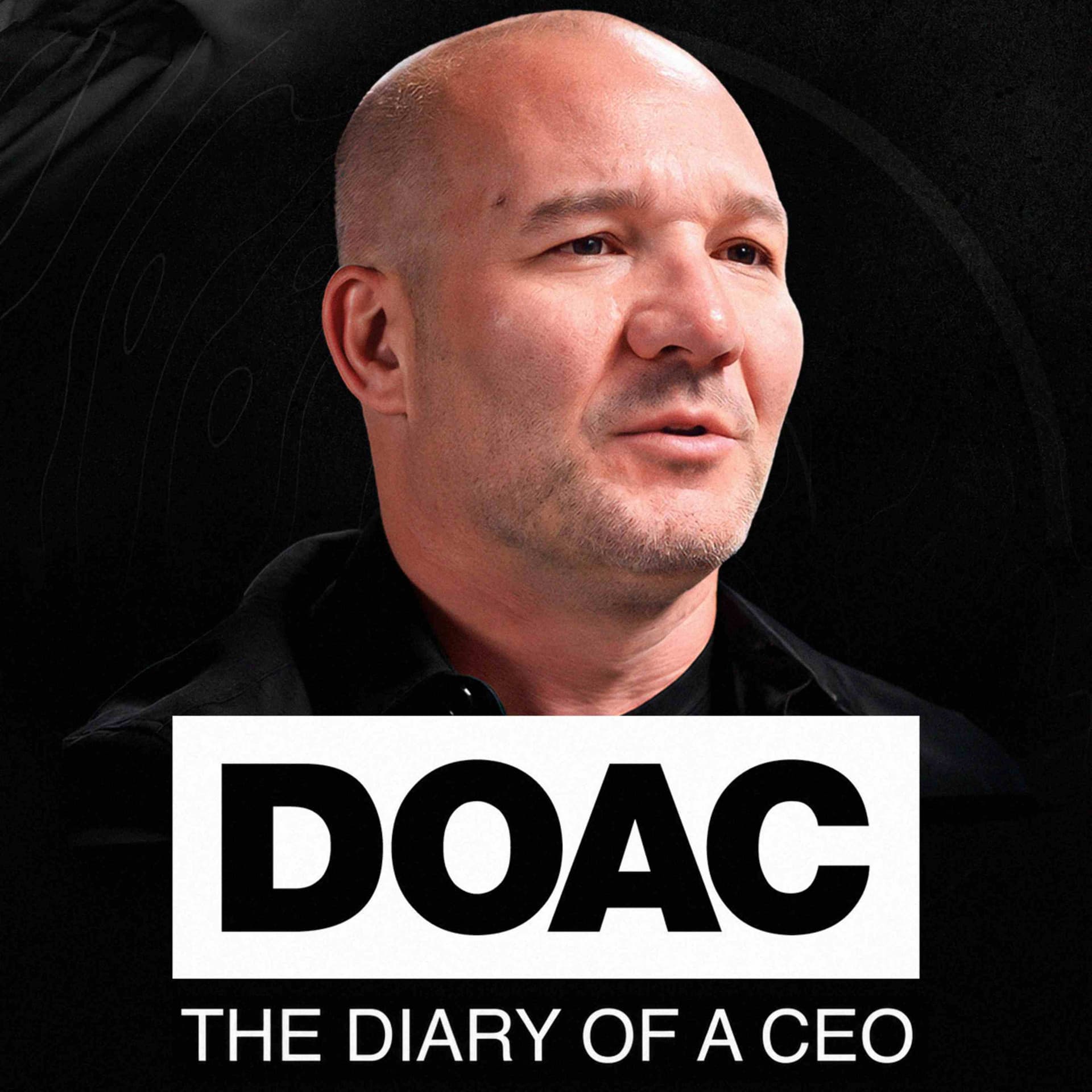
Podcast Episode Summary: Your 1% Boost: Do This To Stop Premature Ageing!
Podcast Overview Podcast Title: The Diary Of A CEO with Steven Bartlett Episode Title: Your 1% Boost: Do This To Stop Premature Ageing!
Guest
Daniel E. Lieberman, Evolutionary Biologist and Author Episode Description: In this episode, Daniel Lieberman discusses the significance of staying active as a means to age well. He explores resistance training, its effects on mental health, and the evolutionary basis for human activity levels as we age.
Key Concepts
Importance of Physical Activity
- Activity as a Key to Aging Well: Staying active is crucial for maintaining health as we age.
- Resistance Training: Essential to prevent muscle loss (sarcopenia) that occurs with aging, which leads to frailty and decreased functional capacity.
- Senescence vs. Aging: Aging is inevitable, but senescence refers to the physiological degradation over time. Physical activity can slow down this process.
Misconceptions about Aging
- Myth of Inactivity: It is a myth that older individuals should naturally be less active; humans evolved to be physically active, even as grandparents.
- Role of Grandparents: Historically, individuals continued working and contributing physically to their families well into old age.
Health Benefits of Exercise
- Mechanisms of Action: Exercise activates physiological processes that help maintain muscle strength, prevent DNA mutations, and reduce the risk of diseases like Alzheimer's.
- Impact on Mental Health: Regular physical activity can alleviate issues like depression and anxiety, countering the mental health crises often linked to inactivity.
Evolutionary Perspective
- Historical Context of Retirement: The modern concept of retirement is unusual; traditionally, people remained active until death.
- Grief and Activity Loss: Loss of a partner or retirement can lead to increased inactivity, which adversely affects health outcomes.
Evidence Supporting Activity
- Harvard Alumni Study: Research showed that alumni who exercised regularly had significantly lower death rates as they aged—20% lower in their 40s and 50% lower in their 60s.
Practical Insights
- Breaking Inactivity Cycles: To counteract the tendency towards inactivity, individuals should find ways to make movement rewarding and necessary.
- Environmental Influences: While genetics play a role in health, environmental factors and lifestyle choices are crucial in preventing diseases.
- Comfort Crisis: Modern conveniences encourage sedentary behavior; thus, individuals must consciously choose to remain active.
Conclusion
- Active Lifestyle as a Choice: The discussion emphasizes that maintaining an active lifestyle is often a choice influenced by environment and motivation rather than genetics alone.
- Need for Compassion: Recognizing the societal pressures and biological instincts that discourage activity can foster a more supportive approach to encouraging exercise in all populations.
Additional Resources
- Listen to Full Episode:
- [Spotify](https://g2ul0.app.link//vMtZ5jnnSQb)
- [Apple Podcasts](https://g2ul0.app.link//jgJ5RiBIAQb)
- [YouTube Episodes](https://www.youtube.com/c/%20TheDiaryOfACEO/videos)
Closing Remarks Steven Bartlett thanks listeners for their support and encourages them to subscribe for more insightful content in future episodes.
Written by AI. May contain mistakes. Listen to the episode to check what was said.
Transcript
Automatic transcript. May contain errors.0:01The Diro of the CEO has brought you by Progressive Insurance. Do you ever think about switching insurance companies to see if you could save some cash? Progressive makes it easy. Just drop in some details about yourself and see if you're eligible to save money when you bundle your home and auto policies. The process only takes minutes and it could mean hundreds more in your pocket. Visit progressive .com after this episode to see if you could save. Progressive casualty insurance company and affiliates. Potential savings will vary, not available in all states.
0:32The more I study the importance of resistance training and the more I study the importance of doing rights especially as you age, the more I start kicking myself for being lazy about that. So now I try to do good to strength work outs out of every week at least and take it more seriously because especially as you age, loss of muscle mass can be really difficult to do. The technical term for that is sarco -pinia. Sarco is the Greek word for muscle and pinia is loss of muscle loss. So as people get older, they tend to lose muscle and when you do that, you become frail and you lose functional capacity and then that starts off a vicious cycle.
1:13Once that happens, then you're less likely to be physically active and then of course when you're less physically active, your muscles begin to waste away more and it's very debilitating. So I think as we get older and I'm getting older, it's more and more important to incorporate that. That's the one thing that I've taken to heart. From what you said there, it sounds like not doing resistance training, not lifting weights as you age almost accelerates aging in any superficial sense. But in a physiological sense, you're increasing the speed of aging. I'm not sure if I'd think about it that way, but I think I kind of reverse it slightly which is that aging is just the clock ticking on.
1:58There's nothing we can do about age, but senescence is the way our bodies degrade as we get older. What physical activity does, in fact, maybe the most important thing about physical activity, is that it slows senescence, especially for certain organs and systems. There are different kinds of physical activities. So there's endurance physical activities, running, walking, etc. swimming, and then strength or resistance physical activities. They have different kinds of ways in which they slow various properties of senescence, which we colloquially call aging. All of them are important. One of the things that's really interesting about humans, in fact, I think it may be the most important thing about this book and you asked about myths earlier.
2:37The most important myth, I think, by far, is this idea that as you get older, it's normal to be less active. And that is just not true. We evolved to be grandparents. We evolved to live. One of the things that's most interesting about humans, maybe, is that we evolved to live about 20 years or so after we stopped reproducing. No other animal does that except Orcas, maybe Killer Whales. But with the exception of Killer Whales, humans have this really weird life history. We evolved to be grandparents. But grandparents in the old days weren't retiring to Florida or I don't know where they'd do in England or whatever, go to New York or whatever, and kick up their heels and play golf or whatever with carts.
3:15Grandparents in the olden days, right? And many cultures still today are working. They're working in the fields. They're hunting. They're gathering. They're getting food for their children and their grandchildren. They're helping with child care. And that physical activity is, you know, that's what their job is to be physically active. But in turn, that physical activity turns on an amazing suite of physiological processes that counter aging. It turns on repair and maintenance processes that not only keep our muscles strong, but also keep our DNA from accruing mutations. Keep our mitochondria numbers high.
3:50Keep the cells in our brain from accumulating gunk so that prevents Alzheimer's and other forms of dementia. I mean, for every system of the body, physical activity has benefits that slow the aging process. And so when you stop doing it, you accelerate, and that's the way in which you perceive, you perceive it as accelerating aging. But really, it's the absence of physical activity, which lets aging run amok. In your first book in 2013, the story of the human body, chapter 12, you said, use this phrase, use it or lose it, basically. We evolved to use or lose our bodies. And I was sat with someone recently and I was trying to figure out why it appears that when people retire or the other instance I've seen is when their elderly partner passes away, it appears as if they don't live much longer.
4:40It's kind of like kind of folklore or something that once you retire, your days are kind of numbered. Yeah, yeah. And I was trying to figure out the evolutionary reason for that, but it sounds like it's kind of what you've explained there. Well, I mean, I think part of that is depression, right? When you lose a partner, I mean, grief and depression, your cortisol levels go up, your immune system goes down. It's really tough on your body. Psychosocial stress plays a serious physiological toll. But also, as you just pointed out, when people retire, they become less active. And that loss of activity has enormous effects on every aspect of our body.
5:23And our minds, physical activity is amazing. Important not just for physical health, but also vital for mental health. And I think a lot of the problems that mental health issues we have today, depression, anxiety, some of them, to some extent, we can attribute that to less physical activity. And as people age, becoming less physically active, again, makes them much more vulnerable to wide, sweet diseases. So would you say we shouldn't retire? Or if you do retire, I mean, retireing is, again, another modern, weird thing, right? Nobody retired in the past. I mean, if you're a farmer, it's like a subsistence farmer in any place, right?
6:01It's not like suddenly you hit 65 and I'm a sudden, you no longer have to work in the fields. You work in the fields until you're dead, right? And hunter -gatherers don't retire. They continue to be physically active until they die, right? Or until they get too sick. So it's a very modern, western concept. And yes, we do pay price for it. But you of course can replace work that you do with challenging, rewarding, fun things to do. The important thing is just not to stop being physically active. One of my favorite studies ever published, without a doubt, is a study done by a guy named Ralph Paffenbarger.
6:37He realized that places like Harvard are fantastic for studying aging because Harvard, like other private universities, never let's go there alumni. So until you die, they're asking you for money on a regular basis. And so he got the Alumni Association, the Harvard Development Office, to let him follow a series of Harvard alumni from several years and keep asking them questions about their physical activity levels and also their diet and whether they smoked and stuff like that and then detract them for 25, 30 years. And what he found was that the alumni, we have to correct it for every factor you could think of, that as the alumni got older, the effect of physical activity on their health outcomes was bigger and bigger.
7:24So alumni who were in their 20s, 30s and 40s, for example, who were exercising you four or five times a week, they had about 20 % lower death rates. By the time they got to their 60s and 70s, the alumni who were exercising more had 50 % lower death rates. So as you get older, so what, and this has been replicated again many times, but what you showed was that as you get older, exercise becomes more or not less important for maintaining your health. I've been thinking a lot about this because I was saying to Jack, my dad is 60 -ish, but he's very, very out of shape, very, very out of shape. And I was in Indonesia and I was with my girlfriend and we were going water -rafting.
8:05So we had to go down this really big hill with all these stairs, it was like 300 meters of stairs. And I remember just thinking, my dad wouldn't be able to do this at his age at 60 and I want to be able to go down those stairs when I'm his age because at the bottom there was a fun activity with someone I loved. And to think that I'll get to a point in my life where not so far away in the grand scheme of things where I won't be able to go up or down some stairs because I'm 60, because of my sort of genetic predisposition as I saw it was quite, was quite sad, but having heard you say that, it really feels much more like a choice than it is genetics.
8:42Yeah, well, we have this expression in my field, which is that genes load the gun, environment pulls the trigger, right? Some of us have genetic predispositions towards being more likely to get diabetes or heart disease or this or that or the other, but our great, great, great grandparents in different environments weren't getting these diseases or they were getting them at much, much, much lower frequencies. And it's not because they were dying earlier, it's because these diseases were less common. So I think we too often blame our genes for many of these diseases or many of these health problems.
9:16And I'm not in any way denying the role of genetics is, but that environment is way more important. And we have control over our environment to some extent. And so if you want to reduce your risk of cardiovascular disease, reduce your risk of diabetes, reduce your risk of Alzheimer's dementia, exercise isn't a magic bullet. It's not going to prevent you from getting those diseases completely, but it lowers your risk quite, quite substantially. And we know why, too. I mean, we have an immense amount of data on why that's the case. For every single one of these diseases, we understand the mechanisms by which physical activity has important mechanistic effects on these diseases.
9:55So there's epidemiological data, there's mechanistic data, there's personal data. The problem is that it's hard to do, right? It takes willpower to overcome the inertia of doing what's completely normal, which is wanting to take it easy, right? I was just flew yesterday from Denver to Boston. And in the airport, these escalators right next to the stairway, right? And the escalator, it wasn't a huge stairway. Everybody's lining up to take the escalator, and the stairs are totally free. So being me, of course, I'm not allowed to take the escalator unless I have to, right? So I run up the stairs, but those people taking the escalator is nothing wrong with them.
10:42They're not lazy. It's just an instinct, right? It's an instinct to take it easy when you can, right? Because we now live in a world where everybody can do that, right? Because we have escalators and lifts and cars and shopping carts and all these wonderful devices to make our lives easier. And now you have to overcome this fundamental basic instinct to take it easy in order to be physically active. And that's basically what exercise is. And so, and furthermore, if you're unfit and you're not really exercising isn't any fun, right? It's unpleasant. You sweat, you get hot, and you get cranky, and it's not that rewarding until you get fit.
11:24And so people hate it, right? And then we blame them for being lazy. But they're actually just being normal. And I think we need to have more compassion towards people who struggle to exercise. Quick one before we get back to this episode. Just give me 30 seconds of your time. Two things I wanted to say. The first thing is a huge thank you for listening and tuning into the show, Week After Week. Means the world to all of us. And this really is a dream that we absolutely never had and couldn't have imagined getting to this place. But secondly, it's a dream where we feel like we're only just getting started.
11:56And if you enjoy what we do here, please join the 24 % of people who watch this channel regularly and have hit that subscribe button. Means more than I can say. And if you hit that subscribe button, here's a promise I'm going to make to you. I'm going to do everything in my power to make this show as good as I can now and into the future. We're going to deliver the guests that you want me to speak to. And we're going to continue to keep doing all of the things you love about this show. Thank you. Thank you so much. Back to the episode. This basic instinct to take it easy, are we evolved to be lazy, take escalator riders?
12:30Well, I wouldn't use the word lazy, but we are evolved to take it easy to rest whenever possible. Right. So we've now got ourselves into a bit of a comfort crisis here because everything in our lives is optimizing us for convenience and ease. Right. Right. And well, it's also, it's, it's cells, right? I mean, comfort. I mean, who prefers to sit in economy as opposed to business class? Nobody, right? Comfort is nice, right? Who prefers shoes that are uncomfortable, right? We, we, you know, comforts, comforts, you know, we love comfort, right? But since one is comfort, necessarily, better for you, right?
13:03I mean, our comfortable shoes actually better for you than going barefoot or this comfortable chair is better for you than we're taking the left better for you than taking the chair. It is a short term or at least it appears to be today. Right. Yes, because we often value the short term benefit over the long term cost, right? That's hyperbolic discounting is the technical term for that. But, but, so we, you know, we live in a world where we, we, we, you know, we pay extra for comfort or we, and we'll, we'll prefer it. But, but now we also live in a world where we have to now go out of our way to be physically active because it's no longer necessary.
13:36And so again, I go back to my original statement, which is that people have all to be physically active for two reasons and two reasons only when it's necessary rewarding. When we don't make it necessary, we need to figure out ways to make it rewarding. And, and that's hard. It's very hard.
13:53If you're someone running a business today, that means you're probably operating in a world that doesn't sit still. Tariffs and trade policies are dynamic. Customer expectations shift constantly and the pace of innovation is relentless. So your margin of error is becoming increasingly smaller. Making decisions without full visibility across your business is not only risky, but it inevitably slows down everything. And I see it all the time. Businesses with the right ideas, but they're stuck because they're spread across five systems that don't talk to each other. Many of my companies now use our sponsor NetSuite by Oracle, which has an AI -powered business management suite that allows you to see your business more clearly.
14:30Everything from financials to HR to operations lives in one place. So instead of chasing information, you've got it all in front of you. It operates in real time so you can forecast with assurance, spot problems before they even become problems, and generally move faster without blind spots. If your business is generating seven figures or more, there's a free ebook that's worth your time reading. It's called Navigating Global Trade, Three Insights for Leaders. And you can download it now from netsuite .com slash Bartlett. That's netsuite .com slash Bartlett. I'll link it below.
From the publisher
In this moment, Daniel Lieberman, evolutionary biologist and author, reveals how staying active is key to aging well. He explains why resistance training can slow muscle loss, how physical activity impacts mental health, and the surprising evolutionary reason humans are built to stay active—even as we age. Lieberman also shares practical insights on breaking the cycle of inactivity and making movement rewarding.
Listen to the full episode here -
Spotify- https://g2ul0.app.link//vMtZ5jnnSQb
Apple - https://g2ul0.app.link//jgJ5RiBIAQb
Watch the Episodes On Youtube - https://www.youtube.com/c/%20TheDiaryOfACEO/videos
Learn more about your ad choices. Visit megaphone.fm/adchoices