
In short
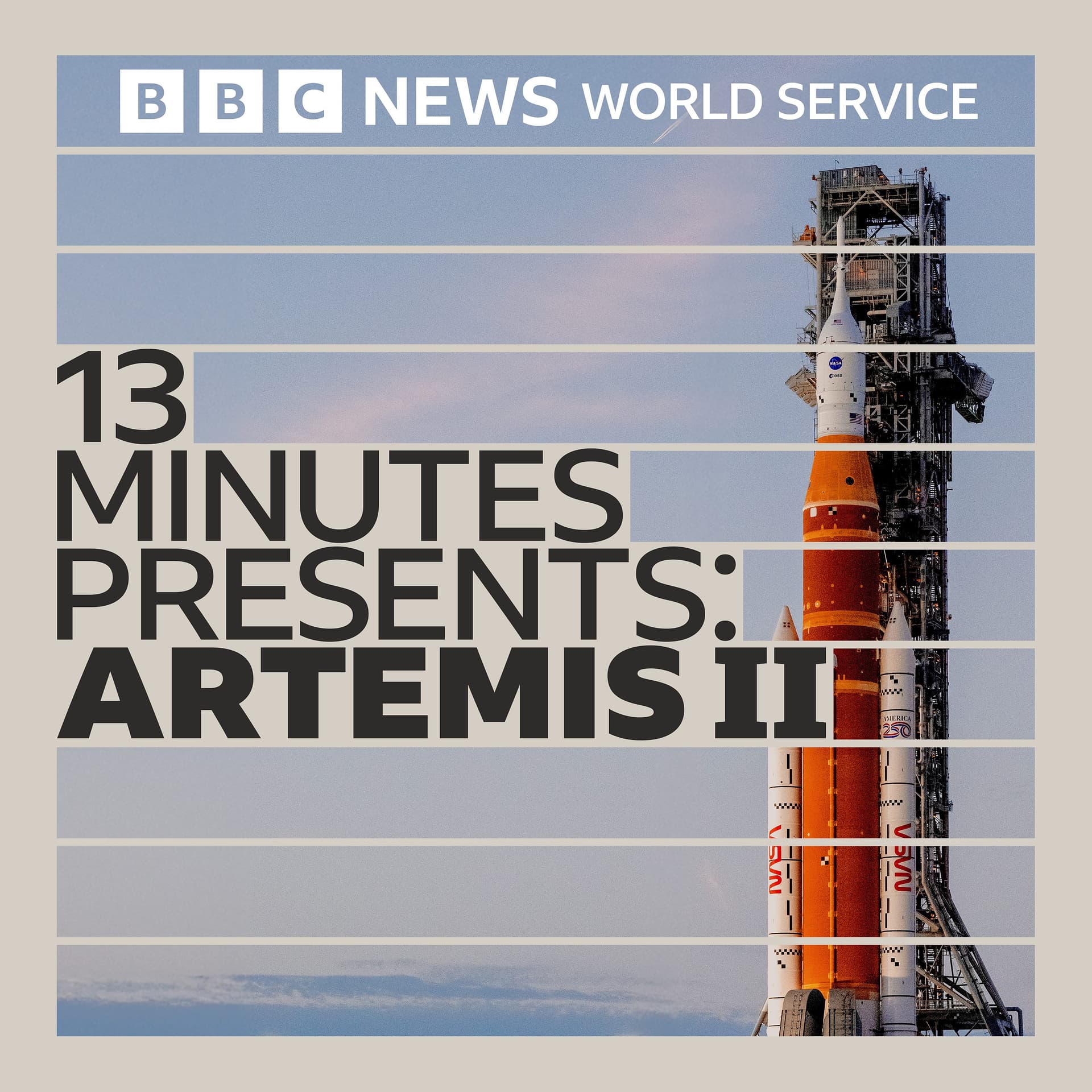
Post-mission discussion of Artemis II and what comes next—crew experiences, technical highlights and issues (toilet vent clog, urine vent freezing), and NASA’s revised roadmap.
Key claims
Artemis 2 proved Orion/SLS and crew operations; early success shouldn’t be overtrusted; Artemis 3 is now a low-Earth-orbit “dress rehearsal” to test docking and the human landing system (HLS) with Starship or Blue Moon; HLS readiness is now “late 2027,” implying schedule slippage; Artemis 4 targets early 2028 and lunar South Pole surface operations.
Notable examples
false cabin-leak warning before translunar injection; solar eclipse “sci-fi” halo around the Moon; re-entry plasma colors and drogues/mains timing; Orion heat shield early indications “better than Artemis 1.”
Guests
Jeremy Hansen (Canadian astronaut, Artemis II mission specialist; first spaceflight; describes sensations, eclipse, re-entry, and consciousness reflections). Also featured: host Tim Peake and space journalist Kristen Fisher, plus Artemis II crew members Tim Peake, Reid Wiseman, Victor Glover, and (briefly) Jeremy Hansen.
Written by AI. May contain mistakes. Listen to the episode to check what was said.
Chapters
Tap a time to open that second in VOThe Crew's Experience Post-Mission
2:06 to 3:38
Discussion on the astronaut's experiences and challenges faced during the mission.
“I've said it so many times, we are bonded forever.”
Deep Dive into Astronaut Reflections
3:38 to 8:30
Exploration of the psychological impacts and emotional responses of astronauts post-mission.
“And I got to say, my favorite thing that I've done since I last spoke with both of you, at 10 p.m.”
Technical Achievements and Future Plans
8:30 to 11:11
Insights into the technical successes of Artemis II and future mission plans.
“And I was like, Dad, no, this is that was the wrong stuff back then when you were flying, perhaps.”
Artemis III Mission Changes
11:11 to 14:02
Details on the changes to the Artemis III mission and its new objectives.
“So this is really great data to be getting this early on.”
Overview of Artemis Missions
14:02 to 14:50
Learn about the current status and future plans for NASA's Artemis missions.
“But then the two will rendezvous in low Earth orbit.”
Challenges of Low Earth Orbit
14:50 to 15:43
Understand the complexities and advantages of docking in low Earth orbit.
“And so we have to caveat what we're saying.”
Artemis 4 and Lunar Exploration
15:43 to 16:50
Discover the objectives of Artemis 4 and its significance for lunar exploration.
“And with so many changes happening, it may be that they just use a dummy on Artemis 3 and save that last ICPS for Artemis 4.”
Exploring the Moon's South Pole
16:50 to 18:57
Learn about the unique features of the Moon's south pole and upcoming missions.
“But parts of them are in permanent sunlight, where you could be at plus 130.”
Design Innovations in Spacesuits
18:57 to 20:03
Explore the advancements in spacesuit technology for lunar missions.
“and lunar regolith, it's an evil substance.”
Reflections on a Successful Mission
21:32 to 22:33
Jeremy shares insights on the success and preparations of the mission.
“I mean, huge congratulations to you and the crew and to the wider team on a flawless mission.”
Show all 21 chapters
Experiences in Space
22:33 to 23:44
Hear about Jeremy's first 24 hours in space and the adjustments he made.
“And I was so pleased I got to see you and give you a hug in Houston.”
TLI and Cabin Leak Incident
23:44 to 25:58
Discussing a critical moment during the mission involving TLI and a cabin leak alert.
“The whole first day, I didn't feel anything, really, I just felt normal, except I was floating around.”
Launch Challenges and Insights
25:58 to 28:00
Jeremy reflects on the launch challenges and his unique experiences of the mission.
“But that was in our minds, the gains were turned way up.”
Experiences of Launch and Separation
28:00 to 29:10
Learn about the unexpected physical sensations and experiences during launch and separation from the upper stage.
“And Reid and Victor answered, and I felt like you were going to answer it too, but then we moved on to the next question very quickly.”
Consciousness and Perspective in Space
29:10 to 31:40
Explore the astronauts' reflections on consciousness and spirituality experienced during their journey in space.
“And the question was, when Apollo 14 astronaut Edgar Mitchell was returning from the moon, he had this really profound experience.”
Public Reaction and Connection
31:40 to 33:40
Discuss the surprising public reaction to the mission and how it fostered a sense of unity and hope.
“You got all this electronic equipment, you know, just centimeters from your head buzzing away with fans.”
Describing the Solar Eclipse
33:40 to 35:50
Hear the astronauts share their breathtaking experiences of witnessing a solar eclipse from space.
“And so I had my solar eclipse glasses on just waiting for the limb of the sun to go behind the limb of the moon and then take them off and describe the corona that I was seeing.”
Re-entry Sensations and Team Dynamics
35:50 to 38:10
Understand the sensations experienced during re-entry and how the crew dynamics evolved throughout the mission.
“And to think that if you had launched on any other day, y 'all would not have seen that.”
Reflections on Future Missions
38:10 to 41:00
Dive into discussions about the next Artemis missions and the importance of adaptability in space exploration.
“I was just waiting for those three mains to come out.”
Desire to Return to Space
41:00 to 42:05
Listen to the astronauts express their eagerness to return to space and the importance of shared experiences.
“So Jeremy, I have to ask, would you go again?”
Reflection on the Artemis Mission
42:05 to 42:52
Hear reflections on the impact of the Artemis mission and community engagement.
“It takes people like you to do that as well.”
Transcript
Automatic transcript. May contain errors.0:00This BBC podcast is supported by ads outside the UK.
0:30Make your travel dollars work harder. Follow Smart Travel on your favourite podcast app. Decisions made in Washington can affect your portfolio every day. But what policy changes should investors be watching? Listen to Washington Wise, an original podcast for investors from Charles Schwab, to hear the stories making news in Washington right now. Host Mike Townsend, Charles Schwab's Managing Director for Legislative and Regulatory Affairs, takes a non-partisan look at the stories that matter most to investors, including policy initiatives for retirement savings, taxes and trade, inflation concerns, the Federal Reserve, and how regulatory developments can affect companies, sectors, and even the entire market.
1:13Mike and his guests offer their perspective on how policy changes could affect what you do with your portfolio. Download the latest episode and follow at schwab.com slash Washington Wise or wherever you listen.
1:33Welcome to the documentary from the BBC World Service. I'm space scientist Maggie Adairing and this is 13 Minutes Presents Artemis II. The learnings. I'm astronaut Tim Peake. Before launch and during the 10-day mission, we brought you daily updates on Artemis II's journey to the moon and back. Listen wherever you get your BBC podcasts. Thank you. This was an unbelievable adventure and it was made possible by this crew and the support of each other throughout the whole thing. I've said it so many times, we are bonded forever. I mean, that's the closest four humans can be and not be a family. Everything we did up there was a four-person activity.
2:16Minimum. Everything. How we ate, slept. flew the vehicle and some of it was in on purpose a lot of it we realized real time when jeremy exercised we were all exercised we had a smoke detector go off on the next to last day i mean you want to get somebody's attention really quick make make the fire alarm go off in your spacecraft when you're still about 80 000 miles from home i just want to say 100 point blank. That was a wonderful toilet. The toilet worked great where we had an issue. And it was, it was an issue for sure is that our primary vent line, which takes, you know, when you go to the bathroom at the end of doing that, you flush the toilet, the toilet flushed just fine.
2:59But then when the liquid went out the bottom of the toilet, it got clogged up in our vent line. First of all, all of the things that was a very intense 13 minutes and 36 seconds. I would tell you, I've never been base jumping. I've never been skydiving, but if you You dove off a skyscraper backwards. That's what it felt like for five seconds. Every time I've been waking up or in the first few days, I thought I was floating. I truly thought I was floating and I had to convince myself I wasn't. That's three of the Artemis crew there, speaking to the world just a few days after our last episode. Safely back on ground at Houston.
3:37And as ever, we are joined by space journalist Kristen Fisher. Hi, Kristen. Hi, Tim. Hi, Maggie. It's great to see you both again. And I got to say, my favorite thing that I've done since I last spoke with both of you, at 10 p.m. the night before, I decided to fly down to Texas to the Johnson Space Center for the crew's first news conference since Splashdown. Literally booked the flight at 10 and was on a 6 a.m. flight. And I'm so glad I did because I was able to ask the crew a question that has just been burning in my mind throughout the mission. Okay, we'll take two more here in the room and then head to our phone bridge.
4:16Kristen, go ahead. Hi, Kristen Fisher. Welcome home. It's been such a joy watching how much this mission has gotten people so excited about space. My question is a little bit deep, so bear with me. When Apollo 14 astronaut Edgar Mitchell was returning from the moon, he had an experience so profound that when he returned to Earth, he devoted the rest of his life to studying the nature of human consciousness. And it's a theme that all four of you touched on to varying degrees at some point during the mission. And so my question is, now that you've been back on Earth for just a few days and had a little bit of time to sit with it, do any of you feel as though you had an experience similar to what Mitchell described, this sense of universal connectedness?
5:06And did you experience somehow a shift in consciousness somehow? Thanks. Yes. Chris, it's a great question. And I'll just, the only thing I can do is just share one quick story when I got back on the ship. I'm not a, I'm not really a religious person, but there was just no other avenue for me to explain anything or to experience anything. So I asked for the chaplain on the Navy ship to just come visit us for a minute. And when that man walked in, I'd never met him before in my life, but I saw the cross on his collar and I just, I broke down in tears. Like, it's very hard to fully grasp what we just went through.
5:46And in these short, you just said it's been a week since we've been back, but it's been a week of medical testing, physical testing, doctors, science objectives. Like, we have not had that decompression. We have not had that reflection time. So I'm basing this on what we saw. And when the sun eclipsed behind the moon, I think all four of us, I turned to Victor, and I said, I don't think humanity has evolved to the point of being able to comprehend what we're looking at right now because it was otherworldly and it was amazing. um the only thing i would add is that beautiful thank first of all thank you for sharing that that was a really special moment i was in the bed right across when the chaplain came in and um the only thing i would add is i am a religious person but everything else is the same um it it was there is something in there and as we start to process i'll have to tell you next week but i haven't had a chance to really unpack it all yet So you heard Reid Weissman and Victor Glover answer my question.
6:44I feel like Jeremy Hansen was about to answer it too, but then we quickly moved on to the next question. So our very special guest for this episode is Canadian astronaut Jeremy Hansen, one of the mission specialists on this mission. So Tim Magge, I'm hoping I can maybe sneak this question into him. I can't wait to hear his answer. And something I thought was really amazing about that press conference is there were quite a few things throughout the mission that were scripted. And you knew that, oh, that's fine, because it's a big moment for NASA. So the words that were spoken, you know, before launch, the words that were spoken at various points in the mission.
7:20But during that press conference, what came across was just the crews. It was a very human response. They were, you know, still trying to process what they had been through, what they had seen. It was obviously a very emotional experience for most of them. And that really was quite surprising to see that kind of raw level of emotion that they were expressing in their answers. But I think that's what made the whole mission so successful. As you say, there's a scripted bit, but you could see them as humans, humans on an amazing adventure. And it enabled us emotionally to go with them. You know, I was talking to my dad, Dr.
7:58Bill Fisher, who flew on the space shuttle STS-51I back in 1985. I was talking to him about his press conference, this mission, and how the humanness, the feelings and the emotions almost eclipsed the technical achievements, which, of course, were so immense. And my dad said, oh, gosh, all this talk of feelings and emotions. He was like, Kristen, that's the wrong stuff. He just couldn't believe that they were talking about mental health and that they needed time to process. His mind just couldn't compute this. And I was like, Dad, no, this is that was the wrong stuff back then when you were flying, perhaps.
8:39But this is the right stuff now in the Artemis generation. But it shows how we've evolved and how, yes, talking about this stuff just makes more people connect to it, really. And perhaps that's a testament to the fact that the technical stuff just works so well as well. You know, we were able to focus on the human element. And everything about this mission was just, yes, they ran into some issues, not with the toilet, as Reid said, but with the valve for all of their, you know, urine to exit the spacecraft freezing. But yes, they ran into some hiccups as we knew that they would. But the fact that everything went as smoothly as it did, I think, was a pleasant surprise to everybody in mission control and the astronauts up in space.
9:24But I suppose this was the point of Artemis 2. Artemis 1 was uncrewed. Artemis 2, we have humans now. And that human element always throws up interesting things. But as you say, it went beautifully. So now, yeah, roll on Artemis 3 and 4. Absolutely. And I feel I have to give a shout out as well to the European Service Module. One of the highlights, I think, you know, from the translunar injection that was just spot on. And there we were waiting for those orbital correction burns that never happened. because the navigation system was so good. So fantastic to see that element of the mission working brilliantly as well.
10:02Yeah, and how about a round of applause for the heat shield? Orion's heat shield that we were all so worried about. You know, we're still going to wait for the official analysis by NASA as to exactly how it performed. But early indications from NASA Administrator Jared Isaacman are that it did perform better than in Artemis 1. and that's very good news for Artemis 3 and Artemis 4 taking place relatively quickly, right? Yeah, I think that change of trajectory, that skip entry, it seems because I was quite worried because I saw the pictures of sort of a heat shield from Artemis 1, but just changing the trajectory really solved the problem.
10:44So it is good here, waiting for more results, but it's really good to hear. Yeah, and it's great to have that redundancy as well. The more data they get And the more kind of re-entry profiles that they try as well will allow them to gather this information that on future missions, they can adjust that re-entry profile as they see fit. And that's going to give them scope to deal with other problems as they may emerge throughout, you know, future Artemis missions. So this is really great data to be getting this early on. And while we're talking about future Artemis missions, I think it's really fascinating to think that, you know, I was just talking to some folks at NASA at the Johnson Space Center a few days ago, and they said, look, the ball's now in Blue Origin and SpaceX's quirk.
11:32We had a successful mission, and now for Artemis 3 to happen, we've already rolled out the core stage of Artemis 3 for the SLS rocket. Our hardware is ready to go. Now the ball is squarely in Blue Origin and SpaceX's court. And just a few days ago on Capitol Hill, Jared Isaacman, the NASA administrator, was testifying about NASA's budget. And he said that those two space companies, the potential human landing system providers, they told him that their landing systems, human landing systems, which is Blue Moon for Blue Origin and Starship for SpaceX, would be ready in late 2027. And that's different from what NASA had been saying just back in February.
12:20Back in February, the target was mid-2027. now late 2027. So already we can see a little bit of slippage in the schedule. I always thought the timescale was a little optimistic. So the fact they're putting in a bit of slippage now sort of makes sense, giving them a bit of breathing space, because turning that around that fast just seems optimistic. Maggie, there's no way NASA or any space company would put forth a timeline that's too optimistic. Never happened before. Well, I think that there's a great point there, Kristen. And now that we have had such a successful Artemis 2 mission and that NASA have this momentum and positivity, it's probably a good time to summarise what NASA's published plans are for the next two Artemis missions.
13:07So when Artemis 3 was first announced, it was billed as the return to the lunar surface, first human landing since Apollo. But space exploration really flows a straight line, as we've just been discussing. And a few months ago, in early 2026, NASA announced major changes. Instead of heading straight for the moon, Artemis 3 will now stay much closer to home. It's become a mission that's going to stay in low Earth orbit, designed to test the rest of the systems that will eventually take astronauts to the lunar South Pole. So in that sense, you can consider Artemis 3 is perhaps equivalent to Apollo 9.
13:42It's a dress rehearsal and it's a chance to test the human landing system. As Kristen, as you said, that could be either SpaceX's starship or it could be Blue Origin's blue moon, but in Earth orbit where help is only hours away, not days away. So the HLS is going to launch independently of Orion. Orion will still launch on the space launch system. But then the two will rendezvous in low Earth orbit. Because before you can trust a spacecraft to take humans to the moon, you need to test it locally. And that for us is low Earth orbit, where the risks are manageable, because it all needs to work flawlessly.
14:19Because it's all about transferring the crew to the lunar lander. So first of all, they need to dock with this. Then they need to check that their life support systems are compatible. And then, of course, you need to transfer the crew who will navigate to the moon's surface. And so Artemis 3, remember, it was originally targeting mid-2027. Now, NASA Administrator Jared Isaacman says that SpaceX and Blue Origin say it will likely be late 2027 before their human landing systems are ready. And as you can gather, there's a lot changing all the time. And so we have to caveat what we're saying. It could change very quickly.
14:57But another advantage of this low Earth orbit docking, rather than doing the docking a quarter of a million miles away to the moon, is that NASA could save one of their upper stages for a future use. So this interim cryogenic propulsion stage, the ICPS, that you need if you're going to go to the moon, you don't need that if you're going to go into low Earth orbit. They only have one left. NASA only has one ICPS left. So they could save that and use it on Artemis 4 and just put a dummy in its place on Artemis 3. Or if they do use the ICPS on Artemis 3, then they're going to need a new upper stage, which is the Centaur 5 for the Artemis 4 mission.
15:42So, you know, Centaur 5 is not ready to go yet. And with so many changes happening, it may be that they just use a dummy on Artemis 3 and save that last ICPS for Artemis 4. So assuming a successful Artemis 3, then the NASA's team's effort will shift to Artemis 4, which is currently targeted for early 2028. And that will actually place boots on the Moon. And Artemis 4 will carry four astronauts to lunar orbit aboard Orion. And waiting for them there, hopefully, will be a fully tested human landing system, either Starship or Blue Moon, placed in orbit by a separate launch. and then the astronauts are going to transfer into that lander just like they would have done on Artemis 3 in practice in low Earth orbit and that lander is going to take them down to the south pole of the Moon.
16:31And it's fair to say the south pole is a region unlike anything that the Apollo astronauts ever explored. They were landing around the equatorial region of the Moon and Maggie you'll probably be able to tell us more about this but the south pole is quite remarkable. It's got some of the highest mountains in the solar system Parts of it are in permanent shadow, and that takes it down to really, really cold temperatures, some as minus 250 Celsius. But parts of them are in permanent sunlight, where you could be at plus 130. And it's hoped that in those cold, dark regions at the south pole of the Moon, that's where the frozen water ice may lie in the darkness.
17:12Yeah, I love that, lurking in the darkness. And that's it. Because they are permanently shadowed, asteroids might have deposited sort of water on the moon in the past, but they won't evaporate because they're sheltered and in 24, well, 24-7, constant darkness. And so once they're there on the surface, they'll spend about a week conducting experiments, collecting samples, testing out new technology, and of course wearing those brand new spacesuits which have been designed and built by Axiom Space. And the whole purpose of these spacesuits is to make them a little bit more comfortable and flexible for surface operations.
17:52Because remember, guys, the whole point of the Artemis program is a permanent presence on the surface of the moon. They want to build a base on that lunar south pole. That's right. And so, Kristen, it's not just Blue Origin and SpaceX that are under pressure here. You know, Axiom are under pressure as well to get that spacesuit ready because these are critical items that are needed. We don't currently have a spacesuit that is ready for a lunar EVA. So we need this suit to work. And it's a brilliant upgrade. When you see that old footage of the Apollo astronauts, it's remarkable what they were doing in those suits.
18:29But you can tell they're hopping around. It's very cumbersome, sometimes falling over, then really difficult to get back up again. So we need a suit where you can bend at the knees if possible, bend at the waist, you can kneel down, you can pick something up. We need gloves that have got much more fidelity where you can actually feel the rocks that you're picking up. And the Axiom suit is designed to give all of that flexibility and to give all of that dexterity in your fingers. But it's also designed to be used again and again and again in that really harsh environment of the lunar surface. and lunar regolith, it's an evil substance.
19:07I mean, the moon has no atmosphere, right Maggie? So for four billion years on Earth, all of our lovely particles of sand have been ground down by wind and by rain and they're lovely and smooth and we can lie on the beach and enjoy it. But if you are lying on lunar regolith, you are lying on shards of horrible glass. Yes, yes, silico, glass. And yeah, pretty uncomfortable, I would think. But yes, it makes the spacesuits vulnerable. But if all goes according to plan, when those astronauts climb the ladder and step onto the moon's surface, it will mark the end of a 56-year gap of human exploration of the moon.
20:02I'm a policeman. I'm a professional. I'm a time lord. I'm the Duchess of York. Once you know them, you never quite forget them. I be in vain. I just am special. Stream the best of British TV on BritBox. Watch for the free trial today at BritBox.com. Today's episode is sponsored by NerdWallet's Smart Money Podcast. Ever Google a money question and end up 12 tabs deep with 12 different answers? This podcast is your shortcut back to clarity. NerdWallet's Smart Money Podcast breaks down financial decisions with a team of trusted journalists. They explain the why behind decisions like investing, home buying, and choosing credit cards with clear research-backed insights.
20:43No jargon, no misinformation. Make your next financial move with confidence. Follow NerdWallet's Smart Money podcast on your favourite podcast app.
21:15cruise joins us now and freshly back from the mission that we've been talking about all series we're delighted to be welcoming to 13 minutes presents canadian astronaut jeremy hansom hello jeremy great to be with you tim it's great that you could join us today and when we last spoke you were in quarantine in houston and um i think it's fair to say we were all pretty excited about the mission that was coming up and something we've just been talking about is just how brilliantly it went. I mean, huge congratulations to you and the crew and to the wider team on a flawless mission. And did you expect it to go so well?
21:53We definitely didn't, we prepared for it to not go well. That's basically, as you know, all we did was prepare for the off nominal. And when it went that smoothly, that was really great. And it gave us a lot of space to kind of just get through the entire experience and do a really good job of the, observing the moon. So I mean, we're all super grateful it went as smoothly as it did. But it is one of the cautions that you have to keep in the back of your head that early success is not always the greatest teacher. And we just have to be really cautious of that going forward. Because it was just so obvious during the mission, there were so many points where it could have suddenly gotten a lot harder.
22:32Jeremy, it's so great to see you. And I was so pleased I got to see you and give you a hug in Houston. Welcome home. I'm just so relieved that all of you are back safe on Earth. My first question to you is about how this was your very first flight to space and the fact that it was such a historic mission. What were your first moments and your first night like in space? A lot of astronauts get sick. A lot of astronauts take some time to adjust. What was your first 24 hours in space like and did you get any sleep? My first space experience is pretty extraordinary. You never know. I really was preparing for the worst from that perspective because it is pretty common to have space adaptation sickness or motion sickness.
23:26And I just kind of assumed I would because one of my roles in the capsule was to get out of my seat right away. And I had a lot of little tasks I had to do. I had to get in a lot of compartments. It meant just changing orientation learning how to fly very quickly in space. And I just thought, man, this is going to be really tough on my vestibular system. But somehow I got away with it. And I was really grateful for my body. And I just felt good. The whole first day, I didn't feel anything, really, I just felt normal, except I was floating around. And I had a big smile. And I was having a lot of fun.
23:56And then I, you know, my first glimpses out the window, I saw the it would have been the Indian Ocean, It was just all water. It was kind of the first thing I saw at the window, and that was pretty spectacular. But I only had a few moments to stare at it and then got back to work. And then the next thing I saw was Australia, and it's just so red and vibrant. And that was really spectacular. And then you've seen the pictures just on from there. Even in that first day before we went to sleep, we'd seen some just absolutely incredible things. And I slept quite well, except it was cold, and it felt like camping the first night.
24:33As you said, the launch went flawlessly. And of course, we were all here on Earth watching with bated breath. But when it came to the translunar injection, there was a possibility that it wasn't going to happen when it did. But when you got that thumbs up, collectively as a group, what did that moment feel like? The fact that you were going to the moon and you were going to the moon for all of us? That's very interesting because, you know, even and I don't think it was that obvious on the loops because we never actually read out loud what we saw on our caution and warning display and what mission control saw on their caution and warning display.
25:09But we were talking about it on the loops. We were both seeing the same thing. And we had this warning that we had a cabin leak suspected 20 minutes to TLI. And, you know, this is one of the things that we train a lot for. And this is a high risk area when you're coming back and getting into those lower altitudes, coming back to Earth for the trans-luter injection, where you go through a lot of satellite bands and a lot of debris bands. And it's one of our highest risk areas for a cabin leak. And so when that warning went off, it was just like, oh, gosh. So we're either going to burn TLI and go to the moon in 20 minutes, or we're about to get in our spacesuits and try to figure out how we're going to find this hole and patch it or survive.
25:47and it would have been at least another 24 hours before we could come home at that point. So we all knew what that meant at that moment. We didn't have to say it. We didn't talk about it. We knew what was at stake in that moment. But that was in our minds, the gains were turned way up. And it turned out to be a false alarm. We didn't have a cabin leak and we went ahead and burnt TLI. And that's a long burn. And when it was done, you just had a sense of, OK, now the spacecraft's good. It's been working well for 24 hours. we're going to the moon that kind of felt that felt it was a unique feeling in my life that must have been must have been a huge relief to get that burn done and think that's it we're we're on our way and jeremy you said about that first day in space you know you were feeling good and seeing those views but we were watching back here and of course it was crazy what you were just doing in that first highly elliptical orbit you you were going out twice as far as geostationary satellites and then hurtling back in towards the Earth, back up to nearly 25 ,000 miles an hour to get you on the way to the moon.
26:48So a crazy first day. When we were talking before the mission, something you said that was really quite interesting was that there was nobody to tell you what was normal. When we fly to the space station, we've been doing it for so many years on the Soyuz and even Dragon now, there's someone to tell you what that's going to be like, what to expect. um so what will you pass on to the crews as to how sls performed on launch and re-entry yeah the things that kind of surprised me not a lot but a little bit was uh the rumbling of the rocket just about probably three or four seconds earlier than i thought um i was expecting to feel it after the rs25s the four main engines lit and i felt i thought we would start feeling it then but i felt it at about t minus eight seconds this kind of rumble came up the rocket and i thought that's a bit early hope that's normal and then uh and then then i then i did feel like a bigger rumble when the rs25 started to come to life and then we jumped off the pad um the other thing that was just interesting was that the simulator did a really great job of simulating the noises of launch from like the sound of the the wind as you're going through max q this this period of highest dynamic pressure on the vehicle it does get really loud the wind is pretty loud in there which was interesting but the simulator had sort of prepared us for it uh the r or the solid rocket boosters those two big white boosters on the side um it the g really tails off when you when they're about to come off the vehicle or you're going to jettison them you really get back to a low g before that happens and we carry them a little longer than than i just it felt different than i expected which was which was interesting and then probably the other thing i mean there's a million things i will tell them but the other thing about uh watch is when we get when you separate from the upper stage it was it was a lot more force than any of us expected and we we just sent back into the floor of the capsule and we were like well either we separated or we exploded one or the other thankfully the former right jeremy i had a chance to ask a question at y 'all's first news conference back on Earth.
Read the full transcript
28:59And Reid and Victor answered, and I felt like you were going to answer it too, but then we moved on to the next question very quickly. So I'd love to get your answer to that question. And the question was, when Apollo 14 astronaut Edgar Mitchell was returning from the moon, he had this really profound experience. And when he got back to Earth. He left NASA and devoted the rest of his life to the study of human consciousness. And so my question was, if you or any of you had felt that you had experienced something similar to what Mitchell did, a shift in consciousness at some point in your journey, and Reed said immediately, yes, Victor said there was something in there, but that he still needed to process it.
29:47What's your answer? I've been dying to know. um i i had uh read um mitchell's book um before um it was a long time ago so i know what you're referring to um i did think about this a little bit before i went and definitely while i was laying or floating in my sleeping bag a few nights you know as i was getting ready to fall asleep um and i would i think this is interesting but you know it's every every person has a personal journey with spirituality or, or, you know, however you want to look at that or consciousness, as you put it. For me, I, I really felt like it wasn't a shift for me. It was sort of like seeing and experiencing with my body, what I sort of already knew was true, is kind of how I would put it, you know, this sense of like the, how majestic it is, the planet and this human experience to be here and you know the opportunity you have to sort of create what you want with it or or not you know and as humans you just when you look at it from out there i know we say this all the time and it's sort of like said so much that this perspective of the blue marble hanging in space that i think we as humans kind of take it for granted but you don't when you're out there and you see it because you're eyes you're like oh gosh that is a pretty precarious um existence that we have there and so i did give that some thought and i did sort of meditate on that when i was in the capsule and my takeaway this is sort of the answer to your question but maybe different than you were expecting was that you don't need to come out 400 000 kilometers earth to figure this out or to understand it or just have that sense of consciousness.
31:38In fact, it's not really the best place to do it because it's a noisy little tin can. You got all this electronic equipment, you know, just centimeters from your head buzzing away with fans. And you probably will do it even better on Earth, you know, sitting under a tree in nature than out there. But you can do it in both places. It's the same human experience, whether you're out there or on Earth. It's funny for me, I'm an astronomer. So gazing out into the cosmos just fills my heart with such joy. But I have a question, because were you surprised by the public reaction and the fact that it was so huge?
32:14And especially that sort of naming of Carole Crater sitting there on the cusp of the moon. Were you expecting the response to that? No, no, absolutely not. We were very focused on our mission and, you know, leading up to it and definitely during it. And we started to get a sense during our calls to family. We had two calls each to family. And once we all had our first call with family, there was this indication that more people were watching. But that's kind of all we took away. And we were like, okay. But then by the second call, which was after the moon, our families were all telling us some version of, I think you guys are going to be surprised by how many people are watching you in space.
32:56and we just had no idea. I mean, there's a camera, you set up a camera and you turn it on, but it's just a camera lens and you're just going about your day and you don't really think many people are watching. It's NASA TV. Sometimes it's pretty dry to watch. And so I guess that was sort of our assumption. But I'm glad that people connected with something as simple as a team coming together and working to accomplish an objective and doing something really hard, but doing it and having a fun time together. and really lifting one another up the fact that people connected with that that very simple example which goes on all over the world every single day i think is it bodes well for humanity just gives me hope that if we focus on the right things we can do better down here it was incredible to to follow back here and to so many parts of the mission that were brilliant one bit stands out for me was during the solar eclipse where i think it was victor who said you know we've just gone sci-fi up here this is we just went sci-fi this has uh it just looks unreal and you could tell that reed he was he couldn't quite capture on the camera what he was seeing with his eyes he was trying to articulate we're just seeing it so better up here um that must have been a phenomenal moment when you when you saw that solar eclipse it really was uh my job for the eclipse was to be in the window without a camera, just recording my observations.
34:23And so I had my solar eclipse glasses on just waiting for the limb of the sun to go behind the limb of the moon and then take them off and describe the corona that I was seeing. And that was spectacular. It's very focused on, you know, just these, the energy from the sun, you know, the corona, if you will. And then I started to look at the bigger picture because the whole moon was out there in the window but i was just very focused on this description and then i sort of like went macro scale and i was just kind of like whoa blown away by the fact that there was this halo around the entire moon which i was not expecting this very uniform halo around the moon but then the black of the moon was so weird like it wasn't just a black and the images you see you see a lot more earth glow and i think our eyes just had not adjusted because we had been looking with the we had the solar eclipse glasses on it was still bright very bright in the capsule and our eyes hasn't adjusted and so for me that black disc in the beginning was black black black but like a shimmery eerie i mean we've just gone sci-fi was the perfect description because it did not look normal it didn't look it didn't look inviting he's like the best i could describe it is there was like this the universe was out there and then there was this halo framing something in the middle and it was black void, but it was just missing.
35:45Like everything, there was like a hole in the universe is kind of what it looked like. Like a black hole. Yeah. Wow. And to think that if you had launched on any other day, y 'all would not have seen that. Yeah. Just incredible timing. Jeremy, wondering if you could also just sort of walk us through the sensations of re-entry and Splashdown because during that first news conference post-Splashdown, I was watching y 'all as they played a video of all the mission highlights. And at Reentry and Splashdown, all of you kind of made a reaction as if you were reliving the moment. Can you walk us through what exactly you were feeling?
36:27Yeah. Okay. Entry in one minute. The thing to me, the first thing is you have this slow onset of G. I saw a rise just sort of slowly float down and come to the bottom of its string. And then the G builds up pretty quickly. I saw the plasma start as like a red and sort of work its way from the nose of the capsule back over the window that I was looking out. And then it got, then the G built up to, you know, we were somewhere in that three to four G range and that you're just not used to that. It feels like a lot, but it's also not hard. It's just you're just laying there it wasn't hard to breathe and it was almost a little bit comforting to just kind of be pushed into the seat and then then there is then the plasma turned to this uh bright blue green and it looked like somebody was what it was flashing and it looked like somebody was welding outside uh to me is what it looked like and i actually put my sun visor down because of how bright it was and at that point you just sort of handed yourself over to the capsule and the physics and the heat shield is either going to work or it's not.
37:31And if it doesn't work, you won't be around long to know it. And so you just, you just sort of, I just tried to enjoy the ride. And then I just did that. Then we lofted back up, the G tailed off, and then we came back in again and the G built up again. And then we had this bobble while we were waiting for the drogues that was interesting. And I thought, I heard the thrusters firing a lot more than, than I was expecting, but it seemed like it was still, everything was still working. and then the drogues came out that is pretty violent and then they cut away and you fall a little bit and then the three mains come out and that's the moment where you know christine and i fist bump sitting beside each other because then you're like i think we can survive the rest of this i think that's gonna work those drogues they seem to go on forever i must admit we all had our heart in our mouth at that point um i mean i think on the soyers it was only about 20 seconds and i I think you guys are about 60 seconds under those drogues.
38:25I was just waiting for those three mains to come out. So it was also great for us to see back here. But I was wondering as a crew, you know, how you progressed during the mission, whether your training was so good that the four of you just, you know, slipped into that routine straight away, or did you get better and better as just how you organized yourself and how you worked together as a crew? Oh, yes, you know the answer. we got a lot better as we went through the mission at just managing life in the capsule. Because as much as you train it on the ground and you have a strategy on the ground, gravity is just way different.
39:00And so up there, you know, and there are things that we had heard about but never actually seen the real flight hardware. And everything is just a little different in space. And so you're constantly overcoming these little challenges and finding the little new life hacks on how to make living a little more convenient up there. So we were still getting better on the final day of the mission. And you could keep learning for a long time on how to live better in Orion. But I'll tell you, it was not too small for the four of us for that mission. None of us had the sense of like, okay, get me back on the planet and get me out.
39:35We talked about, you know, when we were going behind the moon of just doing a little perigee rays burn and doing another lap around the Earth and the moon. We were having a good time. Looking to the future, Jeremy, what do you think of NASA's decision to now add an additional Artemis mission, Artemis 3, to really test out Orion and either human landing system, Blue Moon or Starship? Now having successfully completed Artemis 2, do you think it was the right call or is the right call to add that additional step before a lunar landing? Yes, I feel very strongly that this is a common sense call. What's important in your programs is that you remain adaptable.
40:23And as you learn, you adjust and you take advantage of the assets you have and things that are ready to buy down risk to meet your ultimate objectives. So everything that's happening right now really resonates me as like the right decisions. Not that the previous decisions were wrong. It's just that we know more now. We've learned. We know where certain hardware is at, where our pressure points are. The sooner we fly something again, the more we're going to learn and buy down risk and improve our odds of getting to the surface sooner than later. So it all resonates with me. And like Tim was saying earlier, I'm very interested to contribute the little bit of knowledge that I have to meeting those objectives.
41:06So Jeremy, I have to ask, would you go again? Oh, 100 percent, I would go again. If this were a ride at the amusement park, I would just get right back in line and do it again. I just I had the time of my life. I don't know that I'll ever get to fly in space again, but I would go in a heartbeat if I could. and I'm also very passionate about others having that experience. The more people that can go see these things, and I know you feel the same way, Tim, the better for humanity and the different perspectives and have different people share it. So as much as I want to go again, I also don't want to be greedy.
41:43I want to see others go, but absolutely. I hope we get to the point where it's like we just need more and more people going and I would definitely help out in that vein. we certainly hope to see you up in space again jereby um what a fantastic mission once again huge congratulations um it was a real pleasure to uh share the mission from back down here to talk to you before and to talk to you now so thank you so much for coming on to 13 minutes presents but i'm afraid that's all we've got time for right now so uh thank you again yeah it's my pleasure and you know i'll just reflect back to all of you it's been impressive to me how others have leaned into it and are leveraging the mission to lift up the world and just inspire people.
42:27It takes people like you to do that as well. So I appreciate you for what you're doing with this. Thank you all. Have a great day. Thank you, Jeremy. Welcome home. And as I've heard, thank you, Christian, for joining us. Oh, thanks, Maggie. Thanks, Tim. I'm going to miss y 'all. I'm going to miss talking about Artemis 2 every day. We need to meet again. Thanks, Christian. See you on Artemis 4. Oh, sorry, Artemis 3. You're getting ahead of yourself. Yeah. I'm already going to the moon. There we go. And thank you, wherever you are, so much for listening to 13 Minutes Presents Artemis 2. We have loved having you on the journey and answering all your amazing questions.
43:07So please make sure to follow or subscribe to the podcast as we will have exciting new episodes to come and you won't want to miss them. And that includes a series later this year about the extraordinary story of the Hubble Space Telescope. That's all we've got time for today, so goodbye for now. From me, Maggie O'Darren. And from me, Tim Peake. The producer was Alex Mansfield and the series editor was Martin Smith. And thanks to Hans Zimmer and Christian Lundberger, Bleeding Fingers Music, for our theme music.
43:4113 Minutes Presents Artemis II is a BBC audio science production for the BBC World Service.
43:50Thank you.
From the publisher
Artemis II astronaut, Jeremy Hansen, reflects on the mission, adapting to life back on Earth after journeying to the far side of the Moon, and looks ahead to future Artemis missions. The Canadian astronaut, who first spoke to 13 Minutes from quarantine before launch, answers the burning questions from the team. He describes the moment a hull breach alarm sounded 20 minutes before the Trans Lunar Injection was due to fire. Then we get to the big one – what’s next for the Artemis programme? Season 4 theme music by Hans Zimmer and Christian Lundberg and produced by Russell Emanuel, for Bleeding Fingers Music. 13 Minutes Presents: Artemis II is a BBC Audio Science production for the BBC World Service. Presenters: Tim Peake and Maggie Aderin-Pocock