
In short
Russian social media “digital resurrection” AI videos—family members pay to generate personalized clips of soldiers, often framed as heroes, sometimes dead and sometimes still fighting, to cope with grief and separation.
Guest backgrounds
Lisa Foght, BBC Russian journalist who tracks Russian soldier families and their social-media posts; she previously followed bloggers (mostly women married to soldiers) and then noticed the AI-video trend.
Key claims
Videos use recurring motifs like angel wings, ghostly embraces from the sky, and staged “family photo shoots” implying the war has ended (alternative reality). Russian soldiers are consistently portrayed as heroes; Ukraine is often omitted. Many buyers say the videos don’t help. Some artists are themselves soldiers’ relatives. Foght suggests the trend may reflect distance from the front line and loneliness.
Notable examples
angel-wing protection scenes; a soldier “returning” after the war ends while a woman walks with a stroller; carousel childhood-to-hero transitions.
Written by AI. May contain mistakes. Listen to the episode to check what was said.
Chapters
Tap a time to open that second in VOAI Videos in Russian Social Media
2:12 to 3:07
Exploration of AI-generated videos of Russian soldiers by family members.
“He waves at the camera, turns around, and walks up the stairs.”
Themes of AI Videos
3:07 to 5:26
Discussion of common themes and motifs in AI videos featuring soldiers.
“And I, you know, started following maybe 10, 15 bloggers, mostly women married to Russian soldiers.”
Public Reactions and Comments
5:26 to 7:58
Reactions on social media regarding AI videos and the sentiments expressed.
“And using this picture, they produce this video.”
Creators of AI Videos
7:58 to 9:18
Insight into the creators of these AI videos and their backgrounds.
“And so people basically, these are the family members of the soldiers.”
Interpretations of AI Videos
9:18 to 12:22
Analysis of what these AI videos reveal about feelings towards the war in Russia.
“And I think they really understand the demand and emotions that these other family members are feeling.”
Exploring 'Pesta Babi' and its Themes
14:41 to 16:02
Discussion on the documentary 'Pesta Babi' and its portrayal of Papuan resistance.
“Through Indonesia's state-owned news agency, the military warned that content that has not gone through an official censorship process may contain unbalanced narratives.”
The History and Conflict in Papua
16:02 to 17:56
Insights into the historical context and ongoing conflict in Papua regarding land rights.
“Pig feast itself is a tradition, a festival called Atat Bon in the southern of Papua.”
Government Agricultural Policies in Papua
17:56 to 20:01
Examination of government policies affecting agriculture and indigenous communities in Papua.
“So people in Papua, their land has been taken, their way of life has been decimated because of this.”
Resistance and the Red Cross Movement
20:01 to 21:39
Overview of the Red Cross Movement and the resistance efforts by indigenous groups in Papua.
“Tell me about the impact of deforestation on other parts of Indonesia.”
Casualties and Human Rights Violations
21:39 to 23:50
Discussion on the casualties and violence faced by Papuans due to military actions.
“Unfortunately, the violence that happened in Papua has resulted in a lot of death for the civilians of Papuans.”
Show all 14 chapters
The Impact of Intimidation on Film Screenings
23:50 to 24:59
Exploration of the censorship and intimidation surrounding the screenings of 'Pesta Babi'.
“Like the documentary is about to start, the security of the venue will come and disperse people who want to see it, and they just cancel the movie.”
Curiosity Around Censorship
24:59 to 25:11
Analyzing how censorship can increase public interest in prohibited films.
“And yeah, people still see it on the private screenings.”
Kidnapping and Insecurity in Myanmar
25:11 to 28:00
Investigation of insecurity and kidnappings in Myanmar's tourism sector post-coup.
“Thanks to Lestia Kertopati from BBC Indonesian.”
Kidnapping Allegations in Myanmar
28:00 to 30:00
Explore the complexities surrounding recent kidnapping allegations involving armed groups in Myanmar.
“There were also allegations that regime soldiers were also involved in kidnapping.”
Transcript
Automatic transcript. May contain errors.0:00This BBC podcast is supported by ads outside the UK.
0:30travel dollars work harder. Follow Smart Travel on your favorite podcast app.
1:01And with 10 ,000 plus new arrivals every single day from top designers like Prada, Celine, Louis Vuitton, and Louie Bay, all for up to 90 % off retail, you're bound to find something perfectly on brand to fill that extra closet space with. Plus, this May only, you can get an extra$200 to shop when you sell for the first time. Make room for what feels like you. Go to therealreal.com to start selling and get your extra$200 to keep shopping at therealreal.com. That's therealreal.com. Terms apply.
1:35Welcome to the documentary from the BBC World Service.
1:43Estás escuchando The Fifth Floor.
1:56This is The Fifth Floor, at the heart of global storytelling with BBC journalists from all around the world. I'm your host, Farnak Amidi.
2:12A video on Russian social media shows a man in Russian military uniform at the bottom of a staircase, surrounded by clouds and angels. He waves at the camera, turns around, and walks up the stairs. It's a video made by artificial intelligence, and it's part of a trend that has recently hit Russian social media, where people, usually the family members of Russian soldiers, pay to get personalized AI videos made featuring their loved ones who are in the army. It caught the eye of Lisa Foght of BBC Russian, and she joined me to tell me more about it. Ever since Russia invaded Ukraine, I've been following many family members of Russian soldiers fighting in Ukraine because it's a very interesting group.
3:02Some people even call this group a new middle class in Russia. And I, you know, started following maybe 10, 15 bloggers, mostly women married to Russian soldiers. And then, you know, as you know, it's usually the case with Instagrams that algorithms, they do the rest for you. And then I started seeing those videos. At first, they were mostly videos that you would describe as digital resurrection, where this reel or like a picture would feature a soldier who died fighting in Ukraine with the Russian army, and their relatives would mourn this person. And obviously it shocked me because it is very disturbing sometimes to see something like this.
3:49And then I realized that it's just a small sort of like subgenre of this huge genre of those AI videos. And very often they feature soldiers who are still alive. They're fighting in Ukraine. And there are many different variations of the same sort of like topic of family members mourning their dead relatives or just dismissing them. What are some of the motifs of these videos and common themes? For instance, there's a very popular genre in which a female, usually the one who commissioned this video, appears with a pair of angel wings behind her husband, who's dressed in military uniform, who's a soldier.
4:37And she then proceeds to enfold him with those wings, trying to protect him, which I think is very striking. There are other videos that personally struck me, the ones in which the ghostly apparition of a fallen soldier embraces his family from the sky, from the heavens, which is really popular. Another popular variety depicts a service member riding on a carousel, first as a little kid who's wondering what's going to become of him when he grows up. And then the next frame showing him being dressed in military fatigue, saying you're going to become a hero. Grief, obviously, is one of the most common topics.
5:25And in terms of like how it's done, you send someone a picture of your husband or your father. And using this picture, they produce this video. But as I said, often those videos, they feature someone who's still alive. And then you'd have something that is advertised on Russian social media as a family photo shoot where this person, this soldier is just there with his wife or parents or children. And usually the sentiment behind this is that, you know, because of the war, this family can't be together for Christmas, for New Year's, for example. But you can use AI to make it happen. So they create kind of like an alternative reality.
6:14Every once in a while, you'd come across like a very complicated video, which, yes, follows a pattern of creating an alternative reality where, for instance, the war has somehow ended. And for instance, a woman posting this, she's walking down the street with a stroller and suddenly bumps into her husband, who's back, because the war has ended. When the videos are posted on social media, people most probably are commenting on it. What kind of comments do you see? It really varies because like one thing I also got to add that like something that's very common, you know, like for those very different videos is that Russian soldiers are always shown as heroes.
6:57And Ukraine isn't necessarily mentioned every time. So sometimes it's even hard to say where they are, why are they fighting, what are they fighting for? But again, always a common theme of them being heroes, defending their homeland, protecting their families who are missing them. Right. And very often you come across comments coming from Ukrainians who are shocked to see something like this. And people arguing, you'll see Ukrainian users saying, well, I'm happy that this person is dead. He deserved it. He came to our country and killed our children. And obviously, then a person who posted this video featuring her family member gets incredibly upset and people start arguing.
7:44But very often you see comments from people who are in the same position, whose family members fighting with the Russian army in Ukraine. And then they, you know, try to sympathize. Very often you come across comments of people saying, oh, my God, how do I make a video like this about my father, about my brother, about my husband? And so people basically, these are the family members of the soldiers. or is they order these videos to AI artists or producers? Yes, that's right. So very often people, if they want to do something like this, they have to buy it on the internet. And the prices, they vary.
8:27It can be less than 10 pounds, can be more than 100, depending on how difficult and complicated the video. And of course, the quality, because the quality also varies. You know how it is with AI, because sometimes it's even hard to tell the reality from something being created by AI. And sometimes it's very obvious that it is AI. But I think what I found really interesting that many of these artists selling those videos, offering their services, are also family members of soldiers fighting in Ukraine. And for our piece for the BBC Russian Service, me and my colleagues, we talked to some of these artists.
9:09And many of them are women married to Russian soldiers fighting in Ukraine, some still alive, some missing in action. And I think they really understand the demand and emotions that these other family members are feeling. And did your algorithms on social media actually take you to post similar posts from Ukrainians as well? No. And I thought that was very interesting. I don't think I have a clear explanation for that. But at the same time, when you scroll through, you know, Ukrainian feed on Instagram or TikTok, you do see death, funerals, people mourning their relatives, people missing their relatives.
9:52But it's not AI. And I thought, that's just my feeling, that maybe in Ukraine, people, they prefer to live in this reality. And they have to face death, shelling, Russian strikes every day. For them, it's not just an artificial concept. Whereas in Russia, many of those people, they live very far away from the front line. They watch Russian TV where obviously, you know, you have this conversation about the war in Ukraine constantly, but not necessarily about the cost of this war, not necessarily about what it is to lose someone you love. You don't see, you know, funerals in this like public space.
10:40And I thought that maybe some of these women, they just feel lonely when, you know, their family members die and they don't know how to process these feelings. And this is why they turn to these AI videos. But this is just my guess, of course. It's impossible to know. We asked some of the people who bought those videos, specifically those digital resurrection videos. Yeah. If it helped them. And most of them said, no, it didn't. And Lisa, when you look at these videos, does it tell you anything about how people in Russia feel about the war at the moment? Yes, I think so, because I think some of those videos, you can even interpret them as a quiet protest against the war, right?
11:29When you create a video saying, I wish this war would just end and my husband would come back to me, you're not exactly saying anything against the war. You're not criticizing it, but you're making it very obvious that you want it to end, which some people in Russia would interpret as a protest against the war. But it's impossible to know, of course. At the same time, as I said, those videos, they give you a feeling that most of these people, they don't really want to think about what their husbands or fathers or brothers are doing in Ukraine, that they're, you know, taking part in this invasion of another country where people are dying every day.
12:15This is the kind of narrative that you won't see in those videos, which I also think tells you a lot. Thank you, Lisa Fort of BBC Russian. You're listening to the documentary from the BBC World Service.
12:31So you're running out of closet space. The good news, you don't need to stop shopping. You just need to start selling with The RealReal. The RealReal is the world's largest and most trusted resource for authenticated luxury resale. Whether it's that mini bag that can't even fit your phone or those boots you never fully broke in, The RealReal handles everything from photography and copywriting to shipping and pricing. so you can just sit back, get paid, and make room for things that actually feel like you. And with 10 ,000 plus new arrivals every single day from top designers like Prada, Celine, Louis Vuitton, and Louis Bay, all for up to 90 % off retail, you're bound to find something perfectly on brand to fill that extra closet space with.
13:11Plus, this May only, you can get an extra$200 to shop when you sell for the first time. Make room for what feels like you. Go to therealreal.com to start selling and get your extra$200 to keep shopping at therealreal.com. That's therealreal.com. Terms apply. Spring has sprung and big savings are in full bloom at Menards. Visit Menards Garden Center for everything you need to get your garden growing. Choose from hundreds of beautiful, colorful flowers, lush trees and shrubs, and everything in between. Menards Garden Center is back in bloom. Stop in today to get your garden on. Check out fresh deals happening now at Menards.
13:57Save big money at Menards. 102 miles ago, the oil light came on. 100 miles ago, you noticed. Now, it's time to head to take five. This oil change, fall in love with your car all over again. In just 10 minutes, your dream technician will check your tire pressure, Top off fluids, change your oil, and verify with Carfax exactly what your car really needs. All while keeping you in the driver's seat. Take 5 to stay in your car 10-minute oil change. Save up to 30 % on your next oil change to take 5. $15 value. Valid to participate in locations. Terms and conditions apply. This is The Fifth Floor, and I'm Farina Kami D.
14:40A documentary about deforestation in the West Papua region has attracted criticism from Indonesia's army. Through Indonesia's state-owned news agency, the military warned that content that has not gone through an official censorship process may contain unbalanced narratives. Reports suggest the film Pesta Bobby or Pig Feast has been banned, but the government insists that any cancelled screenings were the result of administrative procedures and not an official ban. The controversy around the film seems to have made Indonesians more eager to find ways to watch it. BBC Indonesian's Lestia Kertopati is with me to explain why.
15:27So, Lestia, before getting into whether this film has been banned or not, and all the nitty-gritty about it, just tell me what the film is about. Pesta Babi, or what you said, Pig Feast, documents how the tribes in Papua resist palm oil, biodiesel, and sugarcane bioethanol projects. And alongside their stories, it also depicts the issues of 60 years of Indonesian military operations related to the exploitation of Papuan land. And why the name Pig Feast? Pig feast itself is a tradition, a festival called Atat Bon in the southern of Papua. This is a sacred tradition, but it's threatened to extinct as it's being abandoned by the young generations.
16:17The pig feast itself, the ceremony itself, it's believed to give blessings to the market day. Pig in Papua, it's also considered wealth. So that's why they have in this title the importance of this peak feast. Lysia, you mentioned 60 years of separatist resistance and conflict in Papua. Tell me more about that. So Papua is a very wealth region in Indonesia. They have minerals, you know, big forests, and there is a lot of mining activities that could be potentially taken from the land. But in Papua, there's a lot of customary lands that's collided with all these mineral resources. A customary territory, usually it's owned by a tribe and passed through generation, but usually they don't have official documentation, the government documentation.
17:20So there's no land certificate whatsoever, but it's been recognized as the land of the tribe. So now also West Papua has become the site of what is sometimes called the world's largest forest conversion project, which is basically deforestation, but on a huge scale. It's a huge scale. So all the companies that come to Papua ended in deforestation of the Papua forest that, like I told you before, is tied to the customary land. So people in Papua, their land has been taken, their way of life has been decimated because of this. So usually when the government come into a tribal land and they want to transform the land into a plantation or a farmland, they will try to relocate the indigenous people out of their land to another piece of land.
18:23And government will try to also give them a new way of life. Usually these tribal groups in Papua have a nomadic way of life. But with the new program from the government, they were, quote unquote, forced to be farmers while it's not their way of life. And that's why without the knowledge of being a farmer, you can't really cultivate a land into a fertile farm. So what happened next is the farm that had been set out in Papua usually failed in the end. Lestia, what is driving this government program? What is behind this? The government said it's for big farms like corn, sugarcane, rice field, but Papua is not actually suitable for that kind of crops.
19:21Our reports a few years back, mostly the farms that have been set out in Papua has failed. Because Papuan forest is not for farming like in Java or Sumatra. And Papua forest is a very old forest and it's really hard to grow it back. And why is the government insisting on creating farmland? Because Jaffa and Sumatra now is already full of farmlands and therefore the government tried to find potentially more farms into another islands in Indonesia. One of them is Papua. Tell me about the impact of deforestation on other parts of Indonesia. What is happening there? Well, aside of land conflicts that happen with the local indigenous people, the deforestation also factors in climate change that happen in Indonesia.
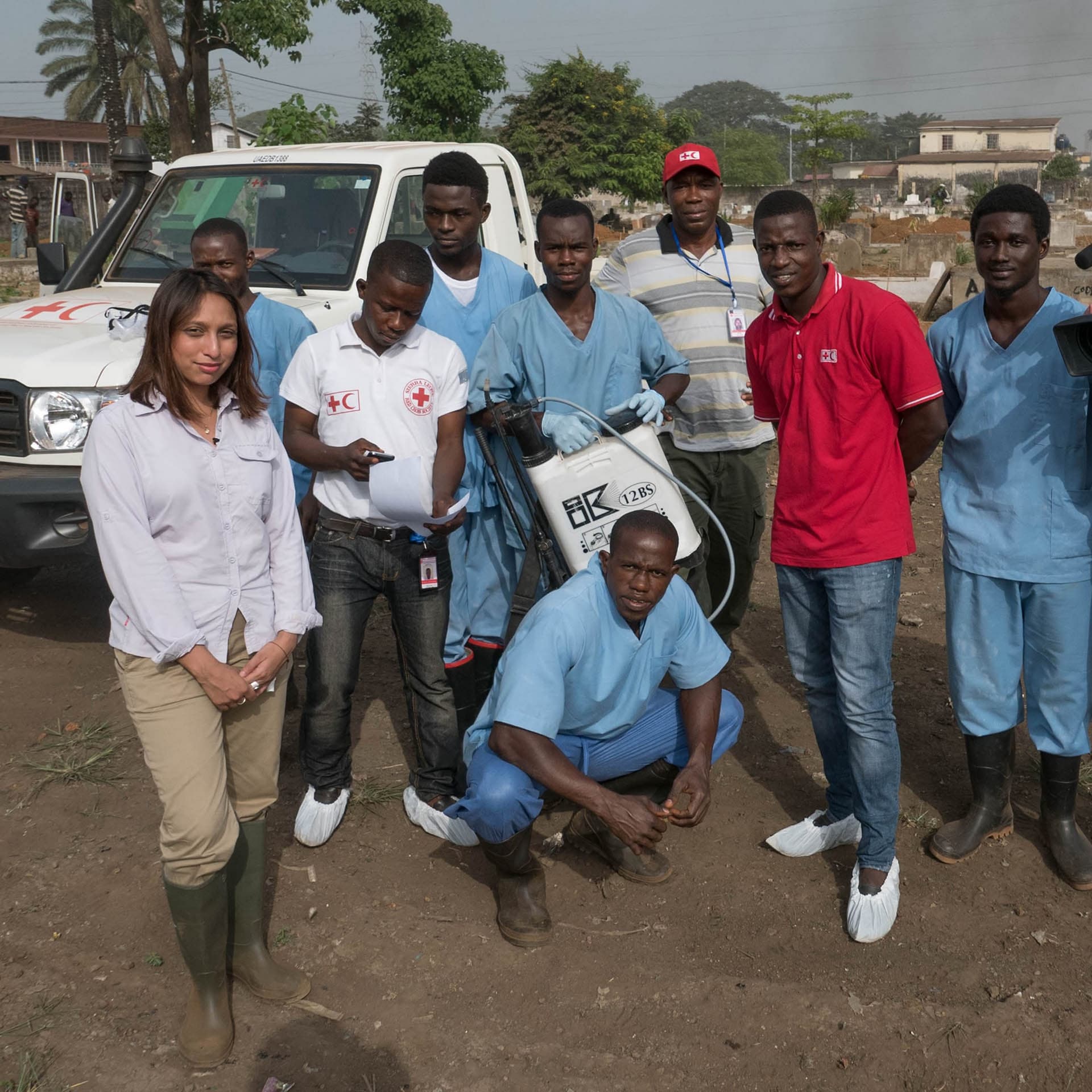
20:21So we have longer dry seasons and when it's in the rainy season, there will be like flooding and there's no forest to hold off the landslides. So more landslides happening. So, Licia, the people in West Papua, they're not happy with this new government program and this deforestation. How are they resisting this program and this policy? They've been resisting for decades. In three regions of southern Papua, they erect more than 1 ,800 Red Cross, symbolizing their resistance. The movement, it's called the Red Cross Movement. And the action is carried out by the indigenous people of Aoyu community and Muyu as well, Malin Anim and Yei community.
21:14They erected this big cross across their land. So people would not come in. Usually people in Papua, when they see this Red Cross, it's been like you cannot enter. So in this whole movement of resistance and the conflict with the government, there has been quite a high number of casualties as well among the tribal people. Yes, that's correct. Unfortunately, the violence that happened in Papua has resulted in a lot of death for the civilians of Papuans. And recently, more than 20 people has died because of the police and military operation in central Papua. And that's a racing protest in not only in Papua, but also in other parts of Indonesia, because the military presence there is really, really heavy.
22:09So the filmmaker, his name is Dandi Laksono? Yes, the director of the film is Dandi Laksono and Cipri Dalle. You actually bought tickets to go watch it. What happened? Yeah, so me and several of my friends, we planned to come to this private screenings of Pesta Babi, of the pig feast. But the venue cancelled our schedule because they're afraid that this could cause criticisms and also intimidation. So that's why it's been cancelled. We're supposed to have the screening this Saturday. So the theatre that you wanted to go watch this film, what was their statement? Did they give you a reason for why, an official reason why it was cancelled?
23:01The venue, it's a public library, so they're afraid there will be intimidations, not only to the venue, but also to people who come to the screening. So that's why for the safety of everybody, they choose to cancel it. So there is this confusion about whether this film has been officially banned or not. The government doesn't really officially ban this documentary film. But the government said, if you want to see it, then go see it. But in the local community, when we want to see the documentary itself, there's a sudden cancellation and then there's intimidation. Even for the past few weeks, there have been like more than 20 cancellations happened.
23:48Also intimidation. When you say intimidation, what do you mean? Like the documentary is about to start, the security of the venue will come and disperse people who want to see it, and they just cancel the movie. One of the cancellation and intimidation that happened is in the University of Mataram. The campus say that the students cannot watch the movie and they send dozens of security to cancel the movie night. But does the Indonesian government ever officially ban a film? No, there's no official banning. Okay. And in the case of this film, Pig Feast, would you say that this intimidation, as you call it, has been successful in deterring people from watching the film?
24:43No, in the contrary, actually. Because of, you know, the forbidden fruit that just tastes much sweeter. Because they say the film is banned, people get curious what makes the government so afraid of a film. So they start trying to get links to see the film through backdoor links. And yeah, people still see it on the private screenings. Okay, thank you very much, Lestia. Thanks to Lestia Kertopati from BBC Indonesian.
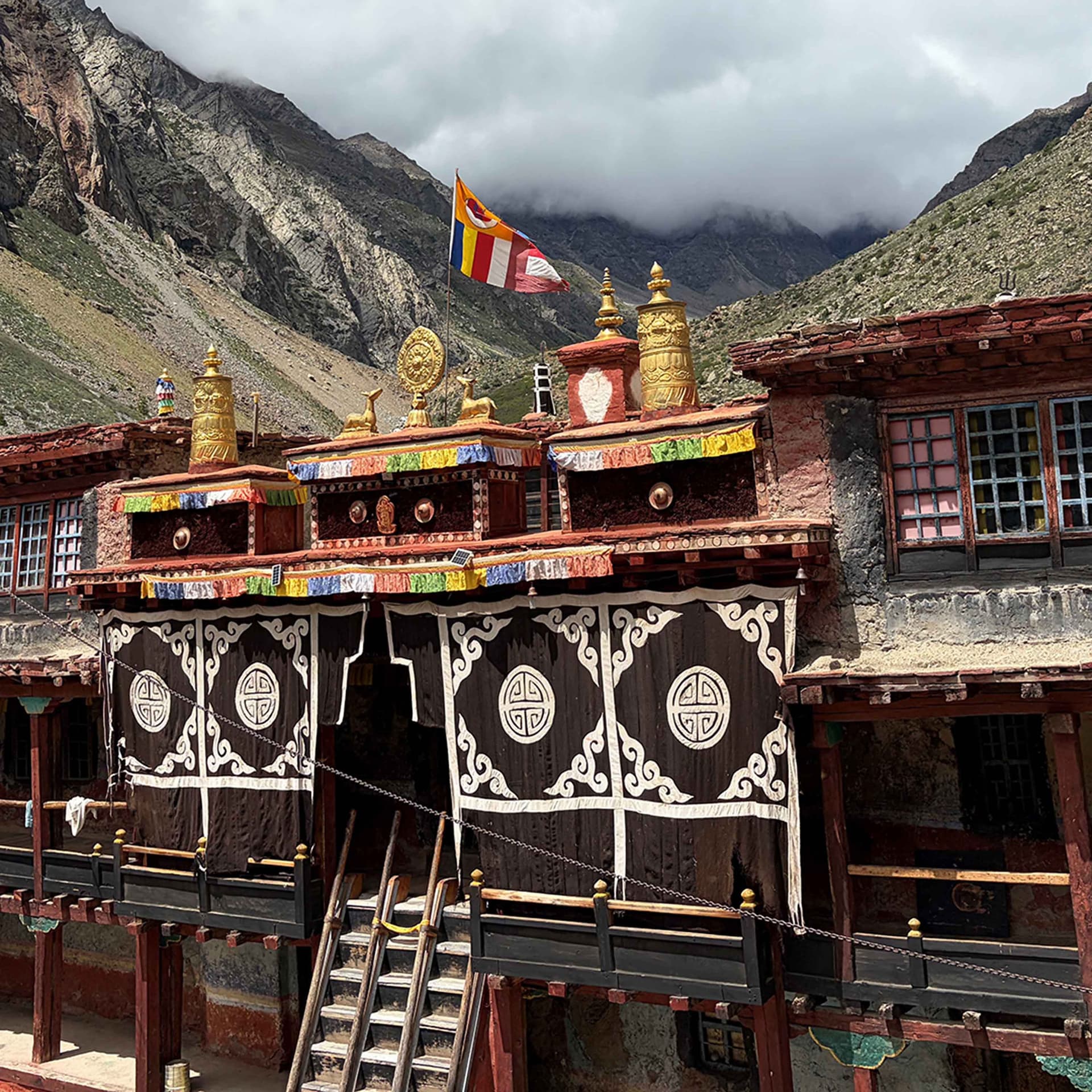
25:22Golden temples, glistening beaches and caves filled with Buddhas are all reasons why someone might want to visit Myanmar. But since the military coup in 2021, tourism in the country has dwindled as insecurity and unpredictability in the country have put people off from traveling there. Incidents of robbery and kidnapping of tourists have been reported in the ancient city of Bagan, one of the most famous tourist hotspots. I spoke to So Win Tan of BBC Burmese to find out more about why this is happening. I first asked him to tell me more about the ancient city. Bagan is an ancient kingdom which existed in central Myanmar from 9th to 13th century.
26:05So at that time, Myanmar kings and people were so rich. then there was a saying that even a widow could donate a temple or a pagoda. So the whole central plain is littered with thousands of pagodas and temples. So it became a UNESCO World Heritage Site. It's also a major attraction for tourists, foreign and locals alike. But since the military coup in 2021, visit to Myanmar by foreign tourists has dried up. So the locals rely on domestic visitors. So these domestic visitors are now targeted. Okay, they're being kidnapped. Yeah, they're being kidnapped. So tell me, who is doing these kidnappings?
26:48So it's really difficult because since a military coup, there are many different groups sprung up opposing the military rule. You know, they hold arms. So there are pockets of those resistant groups across the country. In that Bagan area also, there is a main road which is occupied by the resistant groups we call PDF, People's Defense Forces. Their main aim is to fight against the military rule. But still, there's an allegation, accusations that these PDF groups are involved in stopping the tourists coming to Bagan. And they kidnap them. They ask for ransom. They're making good profit from there, which in a way affects the local economy.
27:31because domestic troublers are quite reluctant now to travel to Bagan. So local people who rely on those visitors, like, you know, the shopkeepers, the roadside sellers, things are very difficult for them these days. So are these kidnappings only for money and ransom or is there some political motivation behind them as well? Both. Like this one local BDF group admitted to that, that they do stop people who they suspect are supporting the military regime and they would interrogate them. There were also allegations that regime soldiers were also involved in kidnapping. We don't know. We can't confirm.
28:07So recent case, just last week, a famous actress and her entourage were traveling that route. The actress kind of stayed behind, so she wasn't kidnapped. An actress from Myanmar? From Myanmar, yes. They were traveling along this route and they were stopped and taken away by an armed group. So we spoke to that armed group and the representative denied that they kidnapped for money, they said they stopped those people and they asked the actresses not to be part of the regime propaganda. So they said that they occasionally stopped and searched their trouble last, but they denied that they kidnapped people for ransom.
Read the full transcript
28:44But the ransoming is taking place along that route where these groups operate. What happened to the actress and her entourage at the end? They were released eventually, But we don't know whether they had to pay ransom to that group or not. They would not say that openly. And why is Old Bagan a place that is particularly being targeted? One of the reasons is the isolation. The road is deserted. There are some small villages along the route, but it's quite isolated. So when the lone kind of car traveling, it's become an easy target. And do the authorities acknowledge that there is a problem in that region?
29:21And what are they doing about it? They don't really acknowledge. For the regime, I think two reasons is that they are too busy fighting. They are facing resistance by so many armed groups across the country. Because there are many places which are lawless, you know. And the other thing is they themselves cannot go after the kidnappers because they are likely to be ambushed or way late. Because they're armed? They're armed, yeah, the groups are. Because the local groups know the kind of terrain. So when the soldiers would turn up, then they would disperse. They would mingle with the other kind of as a villagers.
29:57It's really difficult for them to tackle that as of now. Thank you very much. So Nguyen Tan from BBC Burmese. You've been listening to the documentary from the BBC World Service.
From the publisher
'Virtual farewells' have become a trend on Russian social media. AI generated videos, depicting soldiers who have been killed in the war and paid for by their families, are being produced by AI artists. They show fantastical scenes of soldiers ascending to heaven; portrayals of their family members as guardian angels hovering over the front line; or sometimes little boys imagining a heroic future fighting in Putin's war in Ukraine. Liza Fokht of BBC Russian has been following the trend on social media/.
A documentary about deforestation in the West Papua region has attracted criticism from Indonesia's army. Some reports suggest the film Pesta Babi, or Pig Feast, has been banned, but the government insists that any cancelled screenings were the result of 'administrative procedures' and not an official ban. All the same, the controversy around the film seems to have made Indonesians more eager to find ways to watch it. BBC Indonesian's Lesthia Kertopati had a ticket for a screening this weekend.
Since the military coup in 2021, both international and domestic tourism in Myanmar has dwindled as insecurity and unpredictability in the country has put people off travelling. Incidents of robbery and kidnapping of tourists have been reported in the ancient city of Bagan, one of the most famous tourist hotspots. Soe Win Tan of BBC Burmese explains why this is happening.
The Fifth Floor is at the heart of global storytelling on the BBC World Service, bringing you the best stories from journalists in the BBC's 43 language services. We're here to help you make sense of the stories making headlines around the world; to excite your curiosity and to get to grips with the facts.
Recent episodes have investigated Russia’s youth armies and how they make soldiers of Ukrainian children; featured the BBC team who were the first journalists to the site of the Nigerian school kidnappings and reflected the effects of internet blackouts in Iran, Uganda and India.
If you want to know more about Venezuela’s acting president, Delcy Rodriguez, and the legacy of Hugo Chavez; or how Vladimir Putin’s network of deep cover spies operates; or why Donald Trump signed an executive order granting white South Africans asylum in the US, we have all those stories and more. This episode of The Documentary comes to you from The Fifth Floor, the show at the heart of global storytelling, with BBC journalists from all around the world.