In short
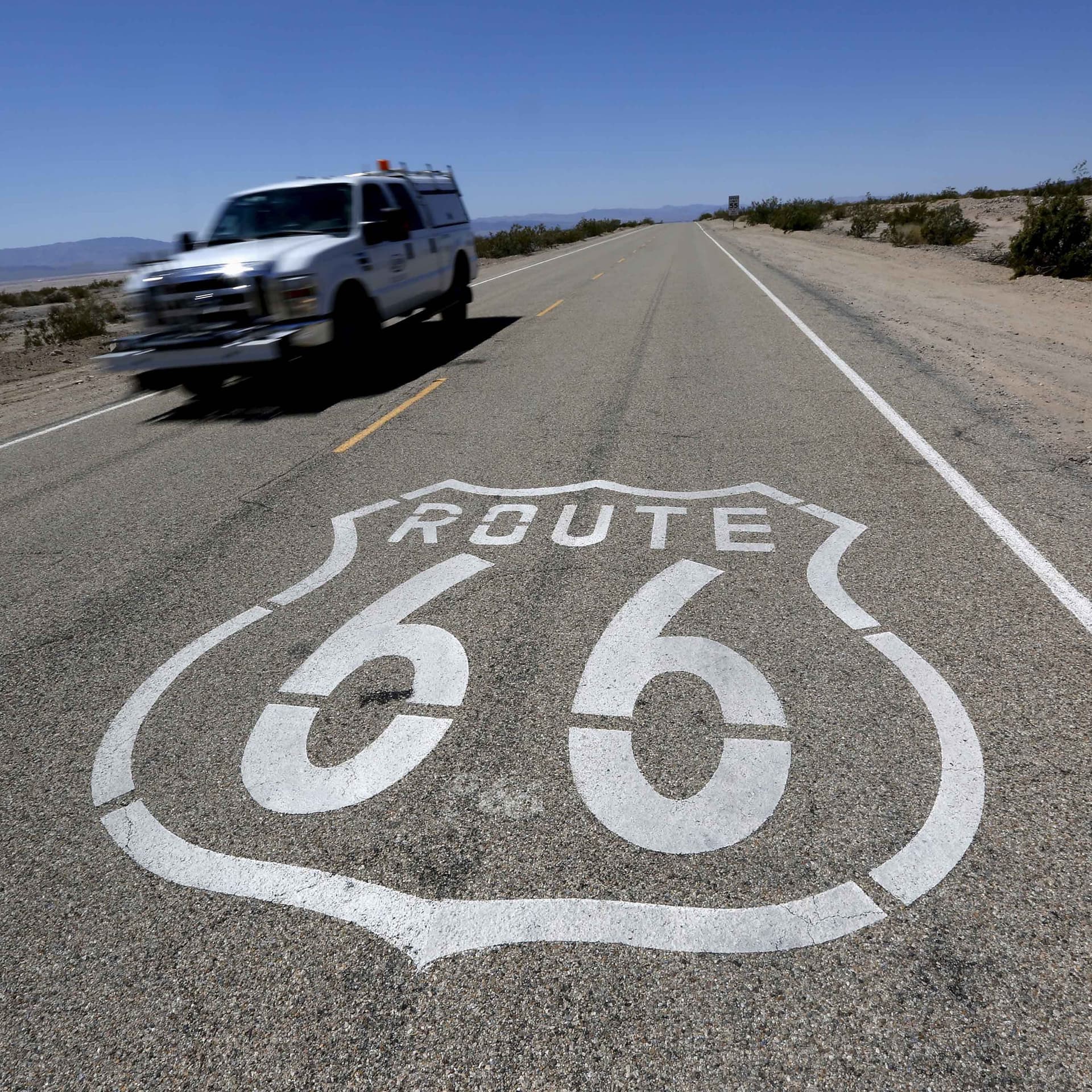
Whether Route 66 towns can survive on nostalgia as the Mother Road turns 100; how centennial-driven tourism affects local businesses, and what happens when sections are erased or bypassed by interstates.
Guests (and backgrounds)
- Roman Rich Dinkala, lifelong Route 66 enthusiast and owner of the Wagon Wheel Hotel in Cuba, Missouri (operating 90+ years).
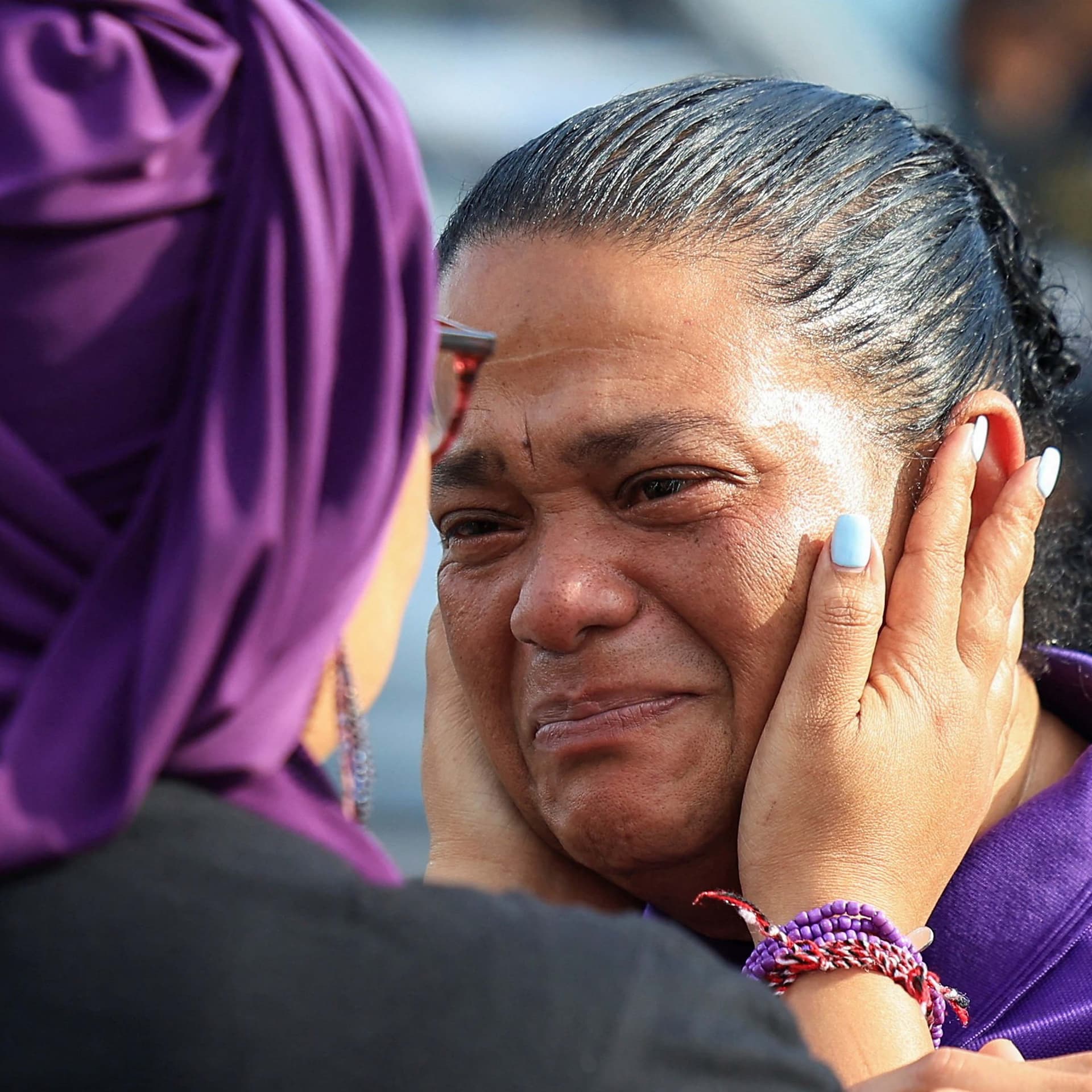
- Jennifer Paris, Route 66 traveler (met with her daughter under the Wagon Wheel neon sign).
- Corey Cart, museum director of the Route 66 Museum in Clinton, Oklahoma.
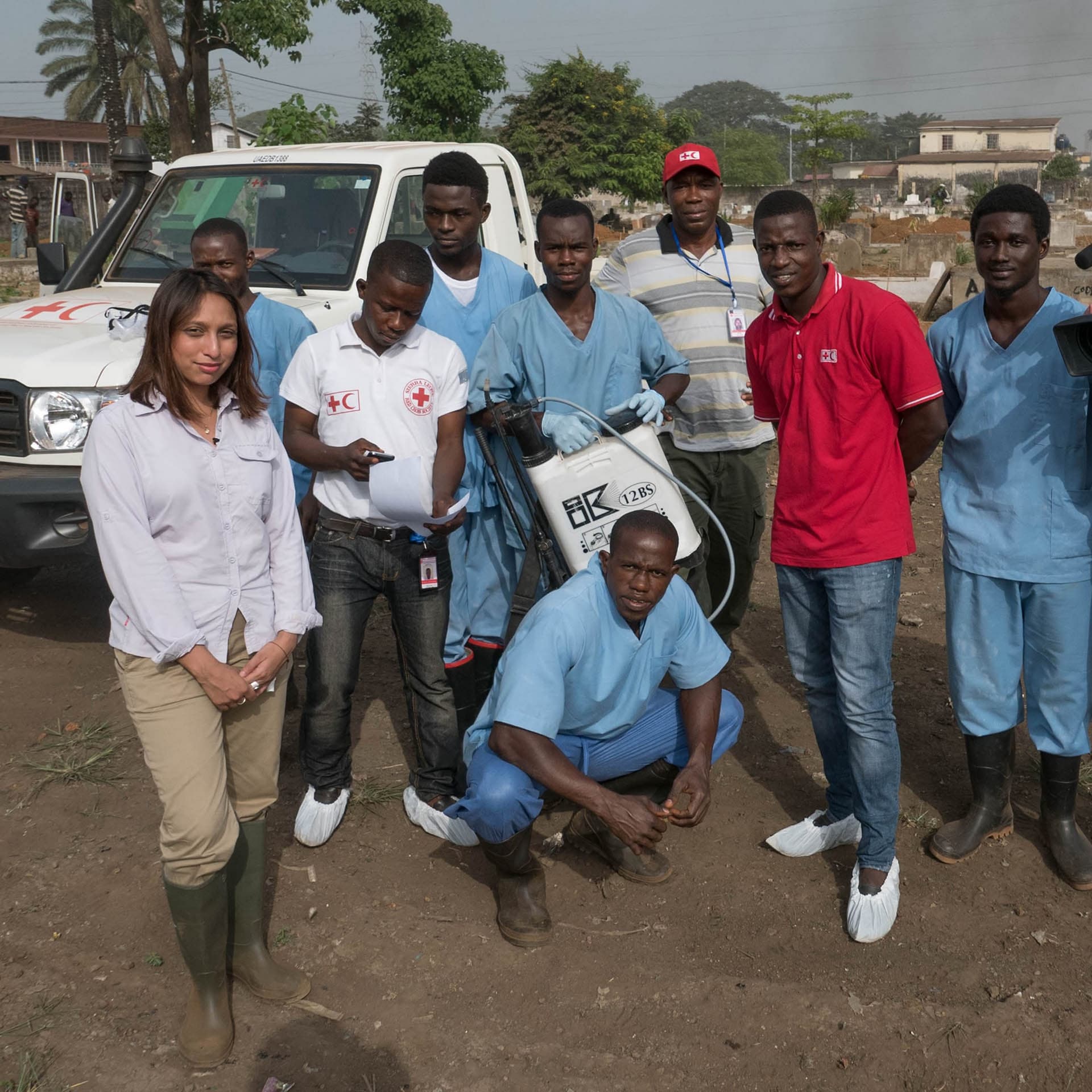
- Angel Delgadillo, 99-year-old barber credited with saving Seligman, Arizona after I-40 diverted traffic.
Key claims
- Nostalgia only helps if visitors stop and spend; centennial boosts sales (gift shops up 300%).
- Route 66 heritage tourism can drive major spending, but there’s no centralized tracking.
- Some towns risk decline as roads and landmarks get replaced or removed.
Notable examples
Wagon Wheel Hotel in Cuba, Missouri; Ribbon Road in Miami, Oklahoma erased; Glancy Motel sign in Clinton to be relit; Seligman’s near-death after I-40, revived through making Route 66 historic.
Written by AI. May contain mistakes. Listen to the episode to check what was said.
Chapters
Tap a time to open that second in VOThe Legacy of Route 66
1:41 to 3:18
Explore the historical impact and nostalgia surrounding Route 66.
“to 1950s holidaymakers chasing a neon getaway and nostalgia seekers of today hunting down memories of yesteryear.”
Cuba, Missouri – A Stop on Route 66
3:18 to 7:56
Meet Roman Rich Dinkala and learn about the Wagon Wheel Hotel's charm.
“And as we'll see, Route 66 continues to provide a source of freedom, adventure, and economic hope for those who live, work, and travel on it.”
Celebrating Route 66's 100th Anniversary
7:56 to 8:54
Discover the significance of Route 66's centennial and its impact on tourism.
“It's been really neat, and especially here in Cuba, they've got all these birthday cakes celebrating not only Route 66, 100-year anniversary, but the 250th anniversary of the United States as well.”
Economic Impact of Route 66
9:50 to 14:00
Learn how Route 66 affects local economies and community engagement.
“Plan your next detour at goturkia.com today.”
The Nostalgia of Route 66
14:00 to 15:02
Explore how nostalgia drives interest in Route 66 towns.
“Gen Zers and those coming behind them, they don't understand what Route 66 is, and it will be gone if we don't utilize the opportunity we have right now.”
Cars and Their Impact on Route 66
15:02 to 16:04
Learn how the film Cars revitalized interest in Route 66 towns.
“You're in Radiator Springs, the cutest little town in Carburetor County.”
Angel Delgadillo's Fight for Seligman
16:04 to 18:22
Discover how Angel Delgadillo saved Seligman from decline.
“The world changed for us here in Seligman.”
The Economic Importance of Route 66
18:22 to 19:56
Understand the economic significance of Route 66 for small towns.
“And at this point I want to tell you I'm so happy that all the business people are in business.”
Transcript
Automatic transcript. May contain errors.0:00This BBC podcast is supported by ads outside the UK.
0:30we do the things we do, and how to make better choices to help avoid costly mistakes. Each episode covers the latest research in behavioral science and dives into themes like the power of self-control, shaping your mindset for success, navigating new beginnings, and why starting over can feel so hard. Listen to choiceology at schwab.com slash podcast, or wherever you listen. How many streaming subscriptions do you have? Is it the same for your business? Avoid it by having all your business on one platform. Try Odoo for free at odoo.com. That's odoo.com.
1:13The Documentary, home of the best documentaries from the BBC World Service.
1:22Hello and welcome to the documentary from the BBC World Service. Today, we're cruising down Route 66. I'll be your host and driver, Victoria Craig. The Mother Road, as the great American novelist John Steinbeck famously called it, turns 100 this year. And in that century, it has served as a gateway to the West for poverty-stricken farmers of the 1930s to 1950s holidaymakers chasing a neon getaway and nostalgia seekers of today hunting down memories of yesteryear. Sales in our gift shop are up over 300 percent, and that's directly because of increased international traffic due to the Route 66 centennial.
2:06The road and the towns that relied on it was left in the dust by the introduction of America's vast interstate network in the 1980s. And though many enthusiasts are trying to save its history and memory, some fear its time may be limited. People are waking up slowly, perhaps not fast enough, but people are beginning to understand our country a little bit better. And with Ross 66, it's a wake-up call. Business owners who are passionate are doing what they can to keep it alive. But how big is the return on that investment? We'll find out on Business Daily, which explores how work and money impact people around the world.
2:49Route 66 is a 2 ,500-mile stretch of concrete and pavement that runs from the bustling metropolis of Chicago, Illinois, all the way to the sandy West Coast shores of Santa Monica, California. The highway was officially decommissioned in the 1980s and replaced by the vast high-speed interstate network that still exists across America today. But individual states still maintain their original stretches of road. And as we'll see, Route 66 continues to provide a source of freedom, adventure, and economic hope for those who live, work, and travel on it. Our first stop is in Cuba, Missouri and the Wagon Wheel Hotel.
3:31Hi, welcome to the wagon wheel. It's been operating here for more than 90 years and still lures road-weary travelers with its iconic red and green neon sign. It's where we meet Roman Rich Dinkala, a lifelong Route 66 enthusiast. He bought this historic Mother Road property, which is his second in April this year. So this is the longest continually running Route 66 motel. This place represents so much. You've got the Ozark stone cottages, which is really indicative of the craftsmanship that we had around the Midwest at the time. These places are neat looking. It's kind of like you own a little time capsule, and people can come here, and they can get a glimpse of what it was like in the 30s and 40s to stay on the road.
4:23Speaking of the people, tell me who is staying at this hotel. The wagon wheel, I think, gets probably the largest variety of people because you have the Ozarks around us. So a lot of people come here who are doing float trips. We float down the river. We use a kayak, a canoe, or pure Ozark style is we use an inner tube from a truck tire. That's a thing. So we get a lot of that. We get a lot of Route 66ers, of course. A ton of international travelers. If we cracked open the guest book from years past, I would probably say over 50 % of the people logging in that guest book are going to be from abroad.
5:00And, you know, being the centennial year, we've got a ton of people here interested that are local and domestic. So that must be good news for a Route 66 enthusiast like yourself and business owner. It's good news for the businesses, and that's what people forget. They poured their passion and their personalities into these places, and that's why people have this romanticism with Route 66. But if you don't stop and spend money at these places, they'll go away, and they have gone away. How important is Route 66 to some of these towns, particularly here in Cuba? I would say Route 66 is probably 30%.
5:37There's a lot of Route 66 spirit here. And, you know, the thing about the businesses is when you slow people down and they get out of their cars, they may decide they need to buy a pair of shoes, need to get a haircut. They're hungry or they need to get a drink of water or whatever. And spending any amount of money is good for the local economy, and that's what keeps Route 66 alive. Do you worry if there isn't more awareness raised, particularly for younger generations, who will eventually be the ones staying in this motel and others? I've been extremely worried about the centennial, that we're going to see a lot of bad decisions, and we have.
6:15The Ribbon Road in Miami, Oklahoma, has been completely erased. This was a road that dated back to 1923. It still had original asphalt on it. The Ottawa County commissioners came in there and tore the whole thing up and replaced it. It's gone. Now, what happens for the next 20 or 30 years is even more concerning because we've already lost so much in the last five or six years. There's nothing I can do about it other than encourage people to get out there and do what you can do. And we get a lot of people from abroad, from other countries, who move here and buy a motel. I've got friends at the Aztec in Seligman, Arizona.
6:55He's from the Netherlands. And I'm so excited to see that. And so I hope more and more people will just take the plunge, try something new, because you only got one life to live. And that's kind of the attitude I've had with these two properties. You know, for like the wagon wheel, you know, people read about it in books. and they see it on documentaries and then they come here for the first time and they get out of their car and they just stand here with their mouth hanging on the floor. Their jaw has dropped and they're looking around in awe and they're like, they can't believe they're here.
7:28And they just walk around slowly taking it all in. I love seeing that.
7:36Indeed, the wagon wheel's neon sign is still a draw for Route 66 travelers like Jennifer Paris and her daughter, who I met under that red and green glow. So we've been on Route 66 and parts of it, in different parts of our life, but I had actually no idea that it was the 100-year anniversary until we started planning a few weeks ago to come on this trip. It's been really neat, and especially here in Cuba, they've got all these birthday cakes celebrating not only Route 66, 100-year anniversary, but the 250th anniversary of the United States as well. So it's pretty cute that those two celebrations have kind of coincided.
8:13Those two anniversaries, it turns out, are helping more people than usual hear the call of the open road.
8:39authors, athletes, and everyday people about why we make the choices we do, and how to make better ones to help avoid costly mistakes. Listen to choiceology at schwab.com slash podcast, or wherever you listen. This advertisement feature is paid and presented by GoTurkiye. This is what most people come to Antalya for. Beach, sun, and not much else. And that's fine. But head inland just a little and you can experience a different kind of Antalya. At Köprüle Canyon National Park, one of Türkiye's most accessible places for adventure sports. And personal favorite spot of local guide Berfin Özçelik.
9:20You can spend your whole day here. First, you should go to the canyon to do a rafting. But there is so much more than that. Yes, it's not just adrenaline that's to be found in these hills. High above the river, the pillars of Adam Rock surround the ruins of Selge, an ancient city that's been here far longer than the rafting routes. Selge is like a gem waiting to be discovered. So it's not exactly what you expected from a day in Antalya, but that's exactly the point. Plan your next detour at goturkia.com today.
9:56You're listening to Business Daily on the BBC World Service with me, Victoria Craig. Today, we're traveling America's historic Route 66 to meet business owners trying to keep the Mother Road alive for the next generation. Several hours west in Clinton, Oklahoma, there's been a boom in visitors to the city's Route 66 museum. The Centennial gives us an opportunity to put our story back into a national conversation and why it matters. That's museum director Corey Cart. It allows us to have a platform to talk about, just like we're doing now, the economic impact on communities. For instance, sales in our gift shop are up over 300 percent in the last 90 days.
10:47And that's directly because of increased international traffic due to the Route 66 centennial. We're also celebrating America's 250th. That's actually playing more into a lot of our visitors. Many of our visitors walking in, they don't even realize it's centennial until we tell them. So I think it's a blessing that the two fell kind of on top of each other. And that is giving us a chance to tell the story to audiences that before have never considered Route 66. Indeed, Oklahoma's relationship to the Mother Road runs deep.
11:31During the depths of the Great Depression in the 1930s, an environmental disaster known as the Dust Bowl swept through America's southern plains. Tenant farmers pushed deep into poverty by severe drought and rapid agricultural modernization were forced off their land. Many of them went west along Route 66, searching for a better life in California. But they faced bitter class prejudice and hostility every step of the way. The early days of Route 66 are not a fun story. Thinking about it in terms of tragedy versus nostalgia. It was built because of a need. It was the very first road really to go east to west, not only across the U.S., but specifically Oklahoma.
12:16Route 66 didn't just bring traffic. It built small business owners. It made them. Then it served a purpose during a depression and a dust bowl, and it represented everything that Oklahomans hated about their life at that time. Where people really want to talk about it is that post-war, when they came back, that open road represented freedom. and Route 66, it just kept reinventing itself for its purpose, and it's still doing that today. So how important now is Route 66 to Clinton's economy, would you say? It definitely drives a huge part of it, not only because we draw so many Route 66 enthusiasts into Clinton because of the museum, but if you look at the amount of restaurants and gift shops and things here in town that are either named after Route 66 or sell Route 66 souvenirs, it is a huge part of it because it gives us a cultural asset that we can talk about.
13:13And there's a lot that the city is doing now to help with that draw, right? There's a lot of new investment, particularly around the centennial. Talk to me about some of that. There's a lot of neon signs being restored and relit. In November, we're going to be relighting the infamous Glancy Motel sign, which was a fixture on Route 66 here in Clinton for the better part of 50 years. The town also is planning a celebration later this year. They have been putting up new sign markers. We have new entryway attractions that have been approved and built. We're getting a new visitor information and welcome center on Route 66.
13:50So the development here, some of it's just not starting. Where a lot of people developed and were ready for the centennial, we're still not done. I'm hoping this allows us to bridge the gap between that generation that grew up and has that connection to Route 66, Gen Zers and those coming behind them, they don't understand what Route 66 is, and it will be gone if we don't utilize the opportunity we have right now. To Corey's point, nostalgia is a very strong draw from many whom I met, including this couple I got to chatting with on my way out of the museum. My parents took us on a trip to Michigan from California in the 60s.
14:31It's really cool to take a little trip to the past and then to remember it's not just, you know, getting to the destination using like I-40, but to come and see these small little towns. It's not just fond memories keeping the mother road alive. I'm Lightning McQueen, the famous race car. We love you Lightning! Pixar's 2006 animated hit Cars captured the nostalgia of the 1950s-era road trip culture for a new generation. It also brought to life feelings of despair for towns left behind when the interstate roared drivers away. Where am I? You're in Radiator Springs, the cutest little town in Carburetor County.
15:16Radiator Springs, where most of the Cars movie is set, is a fictional city. But it's based on many Route 66 towns like Seligman, Arizona. The town of about 450 people now relies on tourism and leans heavily into the Cars fandom. It's been a big success, luring teenagers like Autumn. I've been a Cars lover since I was really little. I have the Tow Meter Crocs and I have the pink t-shirt. And so we decided to go here and kind of discover the origin of cars, and then we're going to drive up to see the Grand Canyon. The reason there's even a town for her to visit is all thanks to one man, 99-year-old Angel Delgadillo, who is widely credited with saving the town from being quite literally wiped off the map after the interstate's introduction in the 80s.
16:09The world changed for us here in Seligman. When our government finished building 100 miles of freeway from Kingman, Arizona to Ash Fork, at about 2.30 in the afternoon, the town died. History says that there was 9 ,000 automobiles using Seligman up and down. They took off to Interstate 40, and the town died for 10 long years. You don't know what it is to be forgotten. It got difficult to put beans on the table. How did you decide to start to try to do something? Because you were a barber here. What were people telling you? I had an idea of how to get the economy back, and that was to ask the state leaders just simply to make Route 66 historic from the 17 miles east of Seligman, exit 139, to the Arizona-California border.
17:12I discussed it with all my customers that would come in. I'd talk about it. It won't work. Really? Nobody believed in it? No one believed me. It won't work. Why? We had to fight the government, and you're not going to win. And as if to prove the work was indeed worth it, one of Angel's longtime customers appeared at the old barbershop store. It's you! You gave me a haircut in 1992 when you were 65. 1992! All the power to you, you're going to see the C-note. So good to see you. I remember. Thank you for being here. Keep on kicking on Route 66. Incredible. I live such a beautiful, beautiful life The people have Gave me more than a lot People call you the angel of Route 66 What does that mean to you?
18:14I accept it very humbly If I hadn't made Route 66 a story or help This town maybe would not exist And at this point I want to tell you I'm so happy that all the business people are in business. They are all newcomers, and I'm glad they're here. We need each other more than a lot of us realize, believe me. Well, driving to Seligman on Route 66, you go through so many towns that did end up like Seligman could have. How important now is Route 66 economically to Seligman? Oh my gosh. Seligman is booming. I have learned it will be the people that will not let it go away. I'm going to put it this way.
19:06The first interviews, I said in my interviews, we have caught the imagination of the world. My wife was the first manager of the gift shop. We only had a few little items selling. And she had a book where people could sign up. The people of America were not using it. Seven out of ten people were international people that were using Route 66. The average person in America takes our country for granted. We are such a young country. We haven't lost our homes through a war like people in other countries have. I think they appreciate more of what we've done here than the average American. People are waking up slowly, slowly, perhaps not fast enough, but people are beginning to understand our country a little bit better.
20:08And with Route 66, it's a wake-up call. Working out the exact economic benefit that Route 66 brings to towns like Seligman is difficult. No single U.S. government agency manages or promotes the route, so there's no centralized database that's tracking its overall impact. However, research from the National Travel Center organization shows the power of heritage tourism. It found that secondary roads like Route 66, if promoted, can drive up to$450 ,000 in visitor spending per mile each year. That's around$280 ,000 per kilometer. Though for remote stretches of road, capturing even a fraction of that is still a constant battle.
20:55With that in mind, wagon wheel owner Rich Dinkala, who we met back in Missouri, has a call to action. If you have any thoughts of coming and seeing Route 66, you better hurry up, because I can't promise you how much we'll be here. The stuff you read about today may not be here tomorrow. I've been doing it for over 20-something years, and I've seen a lot of stuff disappear and vanish. If you have any sort of inclination as to coming here and traveling Route 66, start planning it now, and don't plan for a week or two. Plan for longer than that. To see photos of all of the places we visited in today's trip, you can find me on Instagram at Victoria Craig.
21:36And you can find more of our global business stories and how they affect workers, entrepreneurs and companies over at BBC.com or wherever you get your podcasts. Until next time, I'm Victoria Craig. Thanks for listening to the BBC World Service.
22:19www.smart.com all in one place, so you can invest your way. Visit schwab.com to learn more.
From the publisher
We head west along America's famed Route 66. As the road celebrates its 100th birthday, Victoria Craig finds out whether the pull of neon-drenched nostalgia is still attracting visitors and whether new investment can secure the future of the towns that depend on it.