In short
Podcast Episode Notes: Drugs, Overdose, Hope - North Carolina and Nevada
Podcast Overview Title: The Documentary Podcast Description: A series that uncovers hidden truths and stories at the heart of global events, featuring voices and documentary storytelling from the BBC World Service.
Episode Summary Episode Title: Drugs, Overdose, Hope - North Carolina and Nevada Description: This two-part series explores the current state of the drug overdose crisis in the United States, focusing on the contrasting trends in North Carolina and Nevada. It highlights a significant decline in drug-related deaths in North Carolina and the persistent rise in fatalities in Nevada, largely driven by the fentanyl epidemic.
---
Key Themes & Discussions
The Fentanyl Epidemic
- Overview of the Crisis:
- Drug overdose is the leading cause of death for Americans under 45.
- Fentanyl, a synthetic opioid made in Mexico, is a major contributor to overdose deaths.
- Statistics:
- In 2023: Over 110,000 overdose deaths in the U.S.
- In 2024: A 25% decline in overdose fatalities, translating to around 30,000 fewer deaths.
North Carolina's Success
- Factors Influencing Decline:
- Significant efforts in harm reduction and medication-assisted treatment.
- Increased access to methadone and buprenorphine (opioid use disorder treatments).
- The initiative includes community engagement and public health strategies.
- Personal Stories:
- Testimonies from individuals like Jenny and Kayla who have successfully navigated recovery programs.
- Expert Insights:
- Dr. Nabarun Dasgupta provided insights on drug statistics and treatment methodologies.
- Harm reduction strategies focus on reducing the negative impacts of drug use rather than criminalizing users.
Nevada's Ongoing Struggles
- Rising Overdose Deaths:
- Nevada has seen an increase in drug-related fatalities, particularly in Las Vegas.
- The population growth has outpaced healthcare infrastructure, leading to inadequate support for addiction treatment.
- Addiction Landscape:
- High rates of methamphetamine use alongside fentanyl.
- Dr. Tom Swoboda highlighted the dual challenges of managing both stimulant and opioid addiction.
- Community Programs:
- Initiatives like China Light provide support to individuals living in vulnerable conditions.
- The distribution of naloxone (an overdose reversal medication) has been crucial but is met with skepticism by some local authorities.
Ideas on Treatment Approaches
- Medication-Assisted Treatment vs. Abstinence:
- The podcast outlines differing opinions on treatment methodologies, with some advocating for abstinence-based programs while others support harm reduction.
- Evidence suggests that harm reduction strategies can lead to better survival rates compared to stricter abstinence programs.
Political and Community Responses
- Legislative Actions:
- North Carolina's Governor Josh Stein has been active in pursuing legal actions against opioid manufacturers.
- The impact of settlements from these actions is being used to fund treatment and harm reduction programs.
- Community Involvement:
- Community leaders and law enforcement are working together to promote harm reduction strategies rather than simply enforcing laws against drug use.
Key Takeaways
- Optimism Amid Crisis:
- Although the U.S. faces a severe drug crisis, successful strategies in places like North Carolina provide hope for positive change.
- Need for Comprehensive Solutions:
- An integrated approach addressing both supply and demand is necessary to combat the drug crisis effectively.
- Real-Life Experiences Highlight the Human Cost:
- Personal stories underscore the devastating impact of addiction and the importance of compassion, community support, and effective treatment options.
Conclusion This episode of The Documentary Podcast sheds light on the complex and evolving landscape of the opioids crisis in America, illustrating varying outcomes in different states and the ongoing battle between addiction and recovery. It emphasizes the need for innovative and compassionate approaches to treatment that can adapt to the realities of substance use disorders.
---
These notes encapsulate the critical discussions, insights, and narratives presented in the podcast episode, aiming to provide a comprehensive understanding of the issues at hand regarding drug overdoses in North Carolina and Nevada.
Written by AI. May contain mistakes. Listen to the episode to check what was said.
Transcript
Automatic transcript. May contain errors.0:00This BBC podcast is supported by ads outside the UK. We focus on the part of the internet that most people don't know about. It's called the dark web. Undercover in the furthest corners of the dark web, US special agents are on a mission to locate and rescue children from abuse. Move in now. Police! From the BBC World Service, World of Secrets, the darkest web follows their shocking investigations. Search for World of Secrets wherever you get your BBC podcasts.
0:59and how to make those markets work for you. Follow Merrin Talks Money on Apple Podcasts, Spotify, or wherever you listen. Thanks for downloading the documentary from the BBC World Service. This is a two-part series for Assignment, Drugs, Overdose, Hope. Now, back in early 2023, producer Tim Mansell and I visited Mexico and the US to report on the fentanyl epidemic. What we found was devastating. Fast forward and in 2024 some surprising but very welcome news began to appear about how the number of overdose deaths in the US had dropped quite radically. Wow, I thought, how come? I began to follow the blog of a street drug scientist at the University of North Carolina, Dr.
1:48Nabaron Dasgupta. Once we were commissioned to make this assignment series about the reasons why fewer people were dying, Dr. Knab, as he's often called, was generous with his time and expertise. Ashley Worth at North Carolina's Department of Health and Human Services also offered invaluable insights. In Nevada, where we recorded the second assignment, initial conversations I had with Dr. Carla Wagner and Morgan Green, both in the School of Public Health at the University of Nevada in Reno, gave us plenty of food for thought. So here they are, two documentaries, one theme. Drugs, overdose, hope.
2:27You're listening to Assignment for the documentary on the BBC World Service. I'm Linda Presley. It's a tragic fact that the biggest killer of American adults under 45 is drug overdose. And fentanyl, a deadly synthetic opioid often made in Mexico, is responsible for most deaths. It seems everybody knows somebody. I think I stopped keeping count after 30. After 30? I have at least 30 friends and close acquaintances that I've known to die from opiate overdose, and I suspect most of them were probably fentanyl-related. The statistics are shocking. In 2023 alone, over 110 ,000 Americans lost their lives to narcotics.
3:15Primarily, they died after injecting, swallowing or smoking fentanyl, a drug 50 times more potent than heroin.
3:25But at last, there's a glimmer of hope. After more than two decades of the opioid epidemic stealing American lives, in 2024, the number of fatal overdoses fell by more than 25%. That's nearly 30 ,000 fewer deaths, over 80 lives saved every day. This decline is real. We are optimistic that the fundamental changes that we're seeing will help continue to drive this in the right direction. But it's kind of like we've got the lid on a boiling pot, but we're still at a rolling boil. There's still a long way to go before we'll stop losing people we love. Dr. Nabarun Dasgupta is a street drug scientist at the University of North Carolina.
4:11And we begin our journey in the state capital of Raleigh. That's because North Carolina has seen a decline in the number of drug deaths even more dramatic than the national average. So at the height of overdose fatalities, we were seeing 4 ,200 overdose deaths per year just in North Carolina. With the declines that we're seeing, it is about 1 ,000 to 1 ,500 lives saved who would otherwise have died if the trends had continued. These are big numbers. So what's going on? President Trump has often referenced the scourge of fentanyl and made trade negotiations with Canada and Mexico, dependent on America's neighbours, stopping the drug being smuggled in.
4:55But the decrease in deaths began before this new administration. Two years ago, we reported on fentanyl when the outlook seemed hopeless. Now, we explore some of the factors believed to be instrumental in driving the decline in fatalities. This is the first in a two-part assignment series, Drugs, Overdose, Hope. I come from a good family, but it just doesn't discriminate. Addiction, any class, any race, it can affect anyone. That's Jenny, who you heard, talking about how many friends she's lost in the drug epidemic of death. We meet her early one morning at the Morse Clinic in a leafy suburb of the city of Raleigh, where she's taking medication to treat her opioid use disorder.
5:41Jenny was addicted to heroin. She tried to stop, but withdrawal made her very unwell. Then the killer drug, fentanyl, began to be mixed into the heroin supply. Jenny was terrified. I was aware that it could be in what I was using, but at that point I was in survival mode and I was willing to take my chances to not feel sick. And did your family know all about this, what you were going through at the time, or did you keep it secret? Well, my dad knew. My dad was in law enforcement and I had tried to get clean without medication several times. It wasn't working, and he offered for me to come stay with him, even though he had a really hard time with my addiction because of his history in law enforcement.
6:27And I went and stayed with him, and I was very sick, constantly stomach upset, vomiting, runny nose, runny eyes. It's really hard to describe how bad it is, and I was so desperate that he let me go get something and he what you were in your dad's house and you went out to buy yeah and he sat and waited while I did it and when I came out of the bathroom he looked at me and said I never understood your addiction until now because he saw me go from such a mess to being my normal self looking completely healthy and well after using. And that was when he got on board with, let's do whatever it takes.
7:10Jenny's taking methadone now. Along with buprenorphine, it's a medication used to treat opioid use disorder, stemming cravings, stopping withdrawal, and enabling people to function pretty normally. Both methadone and buprenorphine are opioids, but they don't generally get used as high. In North Carolina, treatment with medication has been a game changer. More than 30 ,000 people were enrolled in 2024, with numbers climbing in 2025. While Jenny gets off to work, we head out to the main reception of the clinic, where at 9am it's quiet. The busiest time is right at like 5.30 to 7, so before work.
7:51Dr Eric Morse is an energetic, committed addiction psychiatrist, and this is one of nine clinics he runs in North Carolina. Most of our folks are working. Most of our folks are working and using, but once they're sober, then, you know what, they show up to work on time every day, which is really exciting. 1446, please come to window one. Behind the reception area, there's a row of three windows, a bit like tellers in a bank. The staff behind the glass dispense the buprenorphine or methadone. I sign here, sign my name here, and then I tell them how much my dose is and give them my number, and then I take my...
8:30Okay. So there it is. It's kind of a ready-colour liquid. Yes. I put water. Why do you put water? Just the taste is very nasty. It's very thick. And that's it. And that's it. And how often do you come? Every day. Every day. And how long have you been on the methadone program here? I've been here for like three months. How's it going? It's going great. Yeah? I feel like a new person. This is a woman who's beginning to take control of her life again after a year lost to fentanyl. Encouraging people into medication-assisted treatment is part of North Carolina's extensive harm reduction strategy. A harm reduction approach to narcotics means promoting policies that reduce the negative consequences of illicit drug taking.
9:21Rather than criminalising users, there's a recognition addiction scars people impacts their communities and their health and, in an era of fentanyl, too often ends with death by overdose. So people come in and they check in here at the front desk and at that time they find out whether or not they have a random urine drug test. That's testing clients who come here for methadone or buprenorphine as part of their treatment to see if they've also consumed drugs bought on the street. When someone tests positive, they'll meet with their counsellor, they can also meet with one of our medical providers, and talk about what's going on with them.
9:59Why are they continuing to use? And how often is somebody testing positive here for opioid use? For opioid use? I would say about half of our patients are still testing positive for opioids. The harm reduction model is such that if you're still using, but maybe you're using once a week and you're used to using three times a day, than if you're playing Russian roulette with fentanyl. And you take a whole bunch of those bullets out of the chamber, your survival rate goes up significantly. So we don't discharge people for using. We want to give them more time, let them figure things out, and eventually they will completely stop using.
10:50And does that happen? And how often does that happen, that people actually completely stop? I would say it's probably about 80, 90%. 80, 90 %? Yeah. Who have been using fentanyl, opioids? Yes, absolutely. The policy of treating those with an opioid use disorder with medication so they're less likely to go looking for illegal and potentially lethal narcotics is contested to reign. An alternative approach to treatment is for addicts to go cold turkey. That is, they stop taking drugs literally from one day to the next, often with painful and distressing withdrawal effects like nausea, vomiting, anxiety and insomnia in varying degrees.
11:30The kind of thing Jenny experienced. Those who advocate total abstinence to treat addiction are a powerful lobby. There are plenty of addiction professionals who feel that way and a lot of them are in recovery themselves and that's how they recovered. And I respect their opinion. I think there are multiple paths to recovery, and I'm not poo-pooing abstinence-based treatment except when you look at the medical evidence. The medical evidence clearly shows that abstinence-based programs, the survival rates with those sorts of programs, is worse than just letting someone use out on the street. Let's unpack that.
12:19Dr Morse is referencing a 2024 study from Yale University. It analysed the risk of death for opioid users if they entered some kind of treatment programme compared to people who didn't get any treatment. The results showed that the chance of a fatal overdose for someone in an abstinence treatment programme was equal to or worse than that for a person who wasn't in treatment. In other words, someone continuing to use illicit opioids like street fentanyl. Not everyone buys the science. I take it nobody warned you about me before you got here. Warned you? At what? I'm very hardcore. I'm really, as far as this is concerned.
13:00Meet Mark Pless, a Republican politician who sits in the House of Representatives in North Carolina. He's sceptical of the figures that show the number of deaths from overdose are falling in his state. Harm reduction initiatives are anathema to him. These are views crystallised, no doubt, by experience. Mark Pless used to be a full-time paramedic. I saw a lot of overdoses. With opioids? Yes, with opioids. People in parking lots. We were waking folks up once and twice a shift, which is a 12-hour shift, because of the opioids that they had gotten a hold of. Representative Pless is dead set against treating opioid use disorder with medications like methadone or buprenorphine.
13:40He believes illicit narcotic use is a choice. A lot of folks don't understand it. They want to think that someone got here by accident, and that is really not true. It's a conscious decision. At a point, whenever folks were taking these narcotics and they were saying, oh, I got this because of a dentist, I got this because of a surgery I had, I got this because of something else, I understand that. But there's a conscious point to where you choose to continue to do that. But that doesn't speak to just how addictive drugs like fentanyl are. You are correct. It does not speak to it, but harm reduction is not a plan.
14:14Harm reduction, I believe, is a bad idea. Harm reduction does not do what they do. It's a philosophy, isn't it? It's how do you stop people dying? You are replacing an addictive product with another addictive product. If you have to take it in order to stay clean, it is still addictive. We've got to figure out how to get people to where they can do better, but we can't leave them on drugs forever. So we have samples here today from North Carolina, from Chicago, Seattle and Michigan. At Dr. Navarund Asgupta's lab at the University of North Carolina, he and his colleagues are testing street drugs sent from all over the United States.
14:54Users want to know that what they're taking won't kill them. Drug testing is another weapon in the harm reduction armory. How it works is that users, far more conscious now of the presence of fentanyl and the possibility of a fatal overdose, deposit a tiny bit of their drug supply with a local harm reduction NGO, which is then mailed to Dr Dasgupta's team for analysis. So we can load up this machine with about 150 samples at a time, and it runs pretty much overnight, every night, to keep up with the demand. Just give us the stats again. How many states? How many samples? So we've analysed close to 14 ,000 samples over the last three years.
15:36from 43 states and serving about 200 frontline NGOs. Dr Dasgupt has been working in this field for more than two decades. He became aware of the opioid epidemic when he took a temporary factory job as a student. Some of his co-workers would share OxyContin pills to get through a day of physical labour. With the eventual acknowledgement these opioid meds, designed as legitimate and effective painkillers, were hugely addictive, government controls kicked in. Many of those hooked on OxyContin couldn't now get a prescription. So they went to the street looking for heroin. Then fentanyl, a synthetic opioid many times more potent, arrived often from Mexico.
16:20And increasingly, fentanyl's been found mixed with other street drugs, not just heroin, but methamphetamine, cocaine, and in fake prescription pills. Four out of ten US adults know someone individually who has died of a drug overdose death. That's just mind-bending that it's that much of society that has experienced direct loss. But there's also better news. When we look at it from a scientific perspective and with data, what we see is actually a demographic shift happening. The younger generation, so specifically Generation Z, are engaging with opioids a lot less. So these are people in their 20s?
16:58Yes, currently in their 20s. Gen Z is using opioids less. They're dying of opioid overdose much less frequently than their parents or their grandparents' generations were at the same age. Well, that's encouraging, isn't it? It is. It's very encouraging. I mean, this is natural. There's a study that's documented that there are 1.6 million children in the United States who have lost a family member to an overdose death. 1.6 million. 1.6 million. The numbers are so huge, it takes you a moment to compute them. Access to drug testing and the increasing popularity of opioid treatment programs have both contributed to the decline in fatal overdoses.
17:41Another critical factor has been the widespread availability of a small portable sachet, a nasal spray that can reverse the effect of an opioid overdose, naloxone. This is as close to a miracle drug as we can ever imagine. It restores people's will to breathe and reverses an overdose within minutes. There's very few side effects and can be administered by anybody in the community. Now, what we have seen with naloxone availability in 2022 and 23 was a major effort by the federal government to ensure that enough naloxone got out to communities. To get it into the hands of people who are most likely to reverse their peers' overdoses.
18:25I'm Greg, I'm the Lead Program Coordinator. Oh, hello, Greg, I'm Linda. Is it hot enough for you here in North Carolina?
18:36Greg Berry, a former drug user, is a coordinator with North Carolina Harm Reduction. We meet him a couple of hours' drive south of Raleigh in the town of Fayetteville on a warm, muggy day, the promise of thunder in the air. The critical thing about naloxone is that, once you know how, anyone can give it to someone who's overdosed. And often it'll be another drug user who's on hand in a crisis. If you look at the evidence in North Carolina, harm reduction programs are responsible for over 16 ,000 peer-to-peer reversals. That's naloxone with naloxone. That is naloxone distribution efforts that have tracked out of the tens of thousands of naloxone units that harm reduction agencies have distributed in North Carolina.
19:20Over 16 ,000 of those units have been reported back to those agencies as being successfully used to reverse an overdose in the community. So potentially that's 16 ,000 people who are here who might not be here. Exactly. But perhaps the widespread distribution of naloxone may not be guaranteed under President Trump's administration. Earlier this year, news organisations reported plans to cut a multi-million dollar federal grant used for distributing naloxone kits and training people, including first responders, how to use them.
20:00We're visiting Fayetteville because it's home to one of North Carolina's innovative harm reduction programmes, one dependent on the cooperation of local police. I'm taking you guys to the Massey Hill neighbourhood area. It's one of the biggest areas in our city that was plagued with the unhoused population, prostitution and some of the drug overdoses that we've seen within the city. So, do you want to introduce yourself, Lieutenant? Yes, I'm Lieutenant Jamal Littlejohn with the Fayetteville Police Department. We're going to make a left. This is a town where the cops aren't only focused on getting drugs off the streets and banging up the dealers.
20:39Officers like Lieutenant Littlejohn are critical to the Law Enforcement Assisted Diversion, or LEAD, program, encouraging drug users to take the road to recovery from addiction. For example, if someone calls 911 because someone's stealing from a grocery store, that's usually where their initial contact comes from. We run their criminal history. We see that most of their history is petty thefts and small misdemeanor crimes. and a lot of times we're able to kind of see that the crimes that they are committing appear to fund whatever addiction that they may have. But so this doesn't mean that the police in Fayetteville are ignoring crime that happens on the street, the selling, buying and selling of drugs?
21:24Not at all, not at all. I can guarantee you that the people that need to go to jail, they do go to jail. but if we can get people the services they need, it actually gives law enforcement more time to deal with the bigger crimes. So why do you do this work, Lieutenant? I love it. I'm very passionate about it. I have an older sister that's 10 years older than me and she suffers from addiction. I grew up with her. I watched her, how she operated as a teenager. I see her now as a 47-year-old woman and it's rough. One of the women on the LEAD programme is Kayla. I was in prostitution and I was theft, larceny.
22:11I had a lot of charges. But because she's done so brilliantly on the programme, her criminal life is behind her. So I just recently got all my charges dismissed. Wow. Yeah. Dismissed? Yes. Gone? Gone. Yes, ma 'am. No criminal record? Nope. Clean. Yeah. Kayla's eye make-up is elaborate, her hair bleached blonde. She's just 21 and LEAD is the seventh drug recovery programme she's tried. This one's worked. Kayla's now training as a nurse. But fentanyl had its tentacles around her gripping tightly for three years. It was kind of like a thing where I didn't know that the fentanyl was in the pill. I felt, like, literally amazing.
22:56I felt my brain just shut off. the voices in my head just completely like went silent. And I thought it was like the best thing I've ever taken in my entire life. So that first time, it was an amazing experience, you say. And what happened after that? It's really a blink because I was so out of it. But after that, I got instantly addicted. I started getting like at least 10, 15 pills a day. A day? A day. Kayla's being treated with methadone for her opioid use disorder. I feel like it would be bad if I wasn't on methadone, but the methadone really helps with my cravings and any thoughts of using.
23:40So the methadone is really what's keeping me from going back. What's the plan? Is the plan to taper off that at some point and to become completely drug-free? Yes, I plan to taper off of it and be completely drug-free. I don't plan on being on this forever.
24:02Look at this. Welcome to the Executive Mansion. Back in Raleigh, we're invited to meet the Governor of North Carolina. Very high ceiling, painted beautiful cream and blue. Lovely, lovely brocade drapes and an enormous chandelier. And we'll be in the library over there. OK, all right. I don't remember exactly when I sued Purdue Pharma, but I would guess 2018. Until recently, Governor Josh Stein was the state's attorney general. He's become a national figure because of his leading role in securing around 60 billion US dollars in out-of-court settlements from the companies that promoted the use of opioid prescription medication, the pills that kicked off America's overdose epidemic.
24:48This is cash that's being divided between and paid directly to American states to fund anti-drug initiatives. And many people told us what a boon it is to have this money when there's so much uncertainty over federal funding in the Trump administration. For Governor Stein, legal action against drug corporations was a no-brainer. We concluded that the pharmaceutical industry, the opioid manufacturers, the opioid distributors, and then ultimately the national retailers all profited from making representations about opioids that were untrue. Manufacturers were saying these were drugs that were more effective at treating pain and not addictive.
25:28And it turns out that neither of those are true. As a result of their marketing, aggressive marketing campaigns, millions of Americans got hooked on opioids. We know what happened next. Street heroin and then the appearance of the killer drug, fentanyl. And it was absolutely devastating. In a bipartisan move as Attorney General of North Carolina, Josh Stein picked up the phone to his counterparts across the US to coordinate legal action against the companies deemed responsible for the opioid crisis. I worked very closely with the Attorney General of Tennessee. And it just so happened there was a Republican Attorney General in Tennessee and a Democratic Attorney General.
26:06I'm Democrat in North Carolina. But we're all caring about our people and we're all willing to fight for them. So as I understand it, North Carolina is going to receive around$1.5 billion from the settlement overall. I mean, how important is that cash for addressing addiction here in the state? I think it's transformative. It has to be spent in one of four ways, which is prevention, treatment, recovery, or harm reduction. Have you been impressed by President Trump's commitment to fighting fentanyl? I think that securing the borders is important for fighting fentanyl. Obviously, there's a lot that comes in from Mexico.
26:46And by the way, 95 % of the people who are arrested for bringing fentanyl into the United States illegally are American citizens. They're the ones who are driving the trucks. And it's worth millions of dollars to these narco traffickers. Yeah, I mean, he's putting an emphasis on the arrest of supply, isn't he, rather than looking at demand, perhaps? You need to do both. I have long been a champion of taking down the drug trafficking networks. There are people who are making millions of dollars peddling poison that is killing our people, and they need to be held accountable for breaking the law.
Read the full transcript
27:21But you have to address demand, because as long as there are people who are addicted to the drugs, there will be somebody to sell them those drugs. And there is life after addiction. So much life. Remember Jenny, whose law enforcement dad witnessed her distress when she was trying to stop her opioid use? So I am working. I have a corporate job. I'm in a good, healthy relationship with my boyfriend. no children we have a dog she's our baby but yeah life is good for the first time and I don't know how long I just feel peace. Back in Dr Dasgupta's office there's a shelf displaying a handful of the thousands of small white boxes that have arrived at the lab containing street drugs for testing.
28:10They're covered in scribbled messages. People write us notes and draw pictures, put stickers. And they say things like, thank you. Thank you for keeping us alive and educated about what we put in our bodies. Thank you for all of y 'all's hard work. Thank you. Thank you. Thank you, it says. And when you get a note like that on one of the boxes that's coming to your lab? It makes you want to come back to work tomorrow. Thanks for staying with us in North Carolina. Next, we're off to the desert state of Nevada. This is the documentary from the BBC World Service.
29:12Search for World of Secrets wherever you get your BBC podcasts. I've spent the last three decades trying to better understand money across the boardroom, the newsroom and the trading floor. That's longer than most podcast hosts have been alive. But even though I've got questions, join me, Merrin's Upset Web, every week for my show Merrin Talks Money from Bloomberg Podcasts, where I have in-depth conversations with fund managers, strategists and experts about how markets really work. And join me for a separate episode where I answer listener questions and how to make those markets work for you.
29:44Follow Merrin Talks Money on Apple Podcasts, Spotify, or wherever you listen. I want to put all the issues on the table that keep me up at night. The Interview, the best conversations from across the BBC. We're coming up against technology companies that are richer and more powerful than many nation states. With the people shaping our world. There are those that believe that the power of law should be replaced by the law of power. The interview from the BBC World Service. Listen now wherever you get your BBC podcasts.
30:20We've been in North Carolina. Now we're in Nevada.
30:29This is the documentary from the BBC World Service. I'm Linda Presley with Assignment and the second of a two-part series from the United States, Drugs, Overdose, Hope. China Light is an organisation supporting drug users living in the underground storm drains of Las Vegas. We walk uncertainly, not sure what we'll find. It's dark and it's filthy. We're wearing head torches as we follow Rob Banghart and his volunteers bringing supplies. Water, snacks and packs of the life-saving antidote for an opioid overdose, naloxone. OK, we're coming back. The United States has seen a dramatic drop in drug-related deaths, especially from fentanyl.
31:12Last year, the number of people who died fell by more than 25%, down from a 2023 high of over 110 ,000 deaths. Last week, an assignment we reported from North Carolina, where far fewer people are dying. This week, we're in Nevada to find out why this is a state that's bucked the national trend. Fatalities last year continued to tick up. There's probably been six or seven deaths in this tunnel alone in the last year or two. Six or seven? Oh, yeah. Shine a Light encourages drug users to start a new life, treatment, stability, a home above ground. We head further in. Above us is the iconic glitzy Caesar's Palace, the casino destination for the world's high rollers.
31:59Down here, we pass one skinny shaft of brilliant sunlight until we reach a man sitting in the dark on a grubby mattress surrounded by his worldly goods. This is Jay. I've been out here for a while. I've seen plenty of drugs and overdoses. The fentanyl thing is terrible. I've seen people overdose on fentanyl and I've seen people die on fentanyl. Jay's known opioid users who've overdosed multiple times, believing the closer they come to death, the better that mind-altering high will be. They're chasing something they can't catch. People brag about that. that they've OD'd 27 times, 15 times. And I try to tell them, you know, at some point when you OD, there's not going to be somebody there to make a phone call or somebody to administer a drug.
32:41That's a wrap. You bet. They don't see it that way. This is how addiction messes with a human brain. There's nothing here that is good. In these tunnels, there's nothing good. Well, I hope you manage to stay connective with Rob and his team. They're always here. They don't let us go far. Yeah, that's where we're at. Yeah. I just have no interest in anything. Where do you go from there? I guess I've seen so much that it just doesn't matter. But there's always hope, isn't there, somewhere? Yeah, I'm sure. Somewhere there's hope? Yeah. Do you have a brother named Scott? Oh, yeah. Rob's trying to get Jay interested in making a change.
33:24He says he has a message from Jay's brother. But for now, Jay's not ready to leave his old mattress in the damp and the dirt to begin the arduous process of getting clean. Jay doesn't use fentanyl, but he knows all about it because he was prescribed opioids in hospital. All your opiate-based pills are all evil because of the fact that if you take them for a couple of days, then your body has to have them, or else you're sick. And when I say sick, like, you're beyond sick. I mean, you'll sneeze, you'll scratch, a diarrhoea. You won't be able to sleep by any means. You'll feel your hair. It's horrific.
34:04Above ground, Las Vegas is one great homage to the seductive power of gambling. In this city, you're never far from the bells and ka-ching of slot machines. In 2024, the number of overdose fatalities in southern Nevada rose to 1 ,257. Homeless people are the visible end of the crisis. But what we know about America's opioid epidemic is that it's affected every section of society, no matter race or class. On one of his off days, we meet Dr Tom Swoboda in the foyer of a swanky casino. He's an emergency room physician and associate dean at Roseman University College of Medicine. And he tells us about the less obvious opioid user population.
34:49We have a lot of patients who are on opiate pain medication here, Oxycodone, Oxycontin, for chronic pain. And these type of pain medications develop tolerance over time. What it means is you need more of these opiate pain medications to get the same pain effect. So they start looking for other things to help with their pain. And they know fentanyl is the same type of medication. So they go out onto the street to find it? Or they know people who know people. So we've come to Nevada because your figures in terms of the numbers of people who are dying from overdose, and especially at the south here in Las Vegas, they don't really seem to be going in the right direction so far.
35:34What's your analysis of what's going on with overdose deaths here? Part of it is the fact that here in Nevada, we've had a really strong population growth, and the health care infrastructure really hasn't caught up with that quite large growth. When I first came to Las Vegas in 1996, we were anticipating one million people living in the Las Vegas area. We thought that was a lot. Now the population's close to two and a half million. And when you look at the difference in the 25 years, the number of facilities that we have, the number of physicians that we have, including mental health providers, including substance abuse counsellors and stuff, we are lacking the coordination of care that is needed.
36:16In terms of the numbers of people who are appearing with some kind of drug problem, what do you see on your average week? So there are certain sections in the city where we see it more often, mainly in the area of downtown Las Vegas and the Las Vegas Strip area. When I'm working in facilities near there, we see it fairly frequently, like one or two per day. One or two per day? Yeah. In the case of fentanyl, they would be too sleepy, maybe not breathing. And we have a lot of stimulant use of methamphetamine here, and it's the exact opposite. They're too crazy and wired. Methamphetamine, known as crystal meth or just meth, is a highly addictive synthetic stimulant.
36:57The days of Breaking Bad, American home-cooked meth, have pretty much gone. These days, industrial quantities of the drug is trafficked into the US from Mexico. In Nevada, we hear often about the crazy wired behaviour Dr Swoboda talks about. And methamphetamine can kill. It increases heart rate and may lead to fatal cardiac arrhythmia. But it's fentanyl that's changing the game for meth users. Come on, guys. China light! China light! China light! Tony, it's you! Underground again with Rob Banghart, we get a lesson in Nevada's perilous drug supply. Tim emerges from the darkness. He uses meth. But when one of the volunteers offers him a pouch of naloxone, the nasal spray antidote for an opioid overdose, he takes it.
37:53It saved my life once. Did it? Yeah. I was handed a foil that I thought was crystal meth and it actually ended up being fat and all that. It was kind of ironic. The guy that saved me was kind of an enemy at the time. Me and him weren't getting along whatsoever. And he seen me in distress and came to the call. It's actually saved my life. I've saved a few people's lives with this stuff, actually. Have you? How many times have you used it? I've used it myself five different times on five different people. Wow, down here? Not down here, just all over. Yeah. Yep. I've done it with homeless people.
38:26I've done it with people there that work very well high-paying jobs. It affects all forms of life, not just one particular class. Luckily, Tim was on a hand to assist. But you have few chances if you overdose alone. In Nevada, more than half the state's drug deaths are unobserved. There's no one there to help. I asked Tim if he uses drug testing kits to check for the presence of fentanyl. I have, yes. I'm testing, usually methamphetamines is where you normally would test, and everything's come up positive for fentanyl. Everything's come up positive for fentanyl? I would say out of, I don't know, we'll say 10 bags at least, maybe three of them will come up negative for fentanyl.
39:07So what do you do if it comes up positive for fentanyl? Do you still take it? Do you take the chance? No, I don't usually take a chance, but I usually just don't accept it. Right. You know, some people, they're too impatient, they just want to get to it now, get to it now, and that can be fatal. Because we're hearing that a lot of meth users are overdosing because they don't realise that fentanyl's there. Yeah, that's exactly right, absolutely. It's happened to me. In Nevada, fentanyl and methamphetamine have become a lethal cocktail. An hour's flight north of Las Vegas, crossing some of Nevada's breathtaking mountain scenery, we arrive in Reno for a meeting with Dr Laura Knight, the chief medical examiner and coroner for the city, Washoe County and its surrounding rural region, a population of nearly a million people.
39:57The vast majority of the overdose numbers that we're seeing here in the north of the state are due to fentanyl and methamphetamine. We're seeing quite a lot of cases where those two drugs are present in combination in the person's blood when we test it after their death. But we're also seeing quite a lot of cases where methamphetamine alone is present. But fentanyl has really driven the increase and fentanyl has driven the small decrease that we're seeing as well. In contrast to Las Vegas and the south of the state of Nevada, Dr Knight's talking about a drop in the number of overdose fatalities in her jurisdiction between 2023 and 2024.
40:3590 fewer deaths year on year. I ask her what she thinks made the difference locally. I think it's hard to say because there's really a combination of factors. The drug supply in the community, the efforts that are going on to reduce harm in our community as well, and just awareness of the population about the fact that fentanyl is in our drug supply and we need to be cautious of that. Some folks, unfortunately, are still looking for fentanyl or abusing fentanyl, but I think there are others probably who are still trying to avoid it because they know the risk of dying. But even so, I think in 2024, 395 people died from an overdose.
41:14That's still over seven people a week in your area. Yes, I mean, it's still a staggering number. I can tell you that in our peak year in 2023, about a third of the cases that had meth or fentanyl present had both. To understand more about methamphetamine use in Nevada, we call on Dr. Carla Wagner at the University of Nevada in Reno. I am a professor in the School of Public Health. I do research on harm reduction and overdose prevention. If you look at the drug use trends and overdose trends in the state, you'll see that methamphetamine has always been contributing to a large share of drug-related harm in Nevada.
41:54It's not a new phenomenon. Methamphetamine has been prevalent in the western United States for many, many years. And I think since 2015 that the deaths associated with meth and opioid use together have increased dramatically. What's going on there? There's a lot of theories about what's going on. There's a lot of reasons that people use methamphetamine and opioids together. Sometimes it's deliberate. People like the way it feels. So some people combine them simultaneously into what's called a goofball because people like the experience of having both the upper and the downer together. It's also possible that people are being inadvertently exposed.
42:31This is what we heard in the Las Vegas storm drains. Some commentators have suggested mixing the two drugs together is a deliberate move by Mexico's cartels to get stimulant users hooked on opioids. But this isn't what Dr Wagner found in a study. The prevalence estimates were about 9 % of the methamphetamine samples had fentanyl in them. So it is possible that some of those stimulant samples accidentally or inadvertently had fentanyl in them through the manufacturing process, through the packaging process, through the trafficking process. But that's the cross-contamination you're talking about.
43:07I think that our data suggests that a large proportion of the fentanyl in the stimulant samples is through cross-contamination. Remember that these are not trained, certified chemists operating in Mexico. Brian Clark, one of the US Drug Enforcement Administration's special agents in charge, doesn't discount either the casual or intentional mixing of methamphetamine with fentanyl. We commonly refer to them as cartel chemists. So sometimes it is a cross-contamination. Sometimes it could also be your local level dealers basically mixing fentanyl with methamphetamine in order to, again, drive addiction and make more profits off of their product.
43:50OK, so that is not necessarily being done by the cartels in Mexico. It could be done once the drugs reach the United States. Correct. The DEA is a federal law enforcement agency responsible for coordinating drug investigations at home and internationally. Brian Clark's impressed by initiatives taken by President Trump's administration to stem the flow of drugs into the US. I believe we've seen an increase of cooperation from our foreign counterparts in Mexico. The DEA and the Department of Justice have had significant indictments on Chinese chemical companies within the recent six months as well.
44:27The ingredients used to make illicit narcotics in Mexico are often imported from China. And then the administration is also taking a lot stronger stance on our borders, increasing the pressure to seize narcotics and stop the flow of fentanyl and others coming into the United States. So what about recent drug seizures? Fentanyl seizures have dropped slightly over these past seven months, but we are seeing an uptick in methamphetamine. Does that indicate that cartels are producing more methamphetamine? Possibly. As we have continued to put more pressure on China to restrict those precursor chemicals, if the cartels are not getting those chemicals to synthesize fentanyl, they may start increasing the methamphetamine production.
45:14In northern Nevada, we're told about a local shortage of fentanyl, although this may predate President Trump taking office. The point is, it could be contributing to the local decline in fatal overdoses. Heather, to the charge desk, please. In the emergency room of the renowned regional medical centre in Reno, Dr John Hardwick says he's treating fewer people who've taken fentanyl. For opioid overdoses, now I see about one per week maybe, and it was about, you know, one per shift. With methamphetamine, I mean, I see it every shift, multiple patients a day, every single shift. I think there is at least some scarcity of fentanyl.
45:52So you're seeing more people switch their behaviour from using fentanyl to methamphetamine, and now we've seen a surge in methamphetamine use. And these are very different drugs. Meth is a stimulant, an upper, and fentanyl is an opioid, a downer, that slows brain activity. But both help satisfy the reward pathway. Both result in a tremendous amount of dopamine surge and can kind of satisfy at least those parts of the reward pathway. And are you seeing the same people over and over again here in the emergency room? Absolutely, especially with methamphetamine. And methamphetamine results in this very cyclical pattern where someone is high on methamphetamine, they come in for acute psychosis.
46:33We treat their acute psychosis and then they leave. And we try to give them wraparound psychiatric services. And then if they don't seek those and they're not using, the come down from methamphetamine results in severe depression and suicidal behavior. And so we see them on both ends where they're either acutely psychotic or acutely suicidal.
46:58So this is 4th. Stephen Markley shows us around Reno. He's someone with a history of drug use. 4th Street is kind of the central hub for a lot of folks who are unhoused. Just because there's a lot of services here, this is where the shelter is. So we're under one of the big concrete flyovers here in Reno. There's somebody sleeping there on the street.
47:24and there's also a man striding uncertainly up the street in raggedy clothes talking to himself he's agitated and upset one of reno's methamphetamine users when you stay up for a few days if you haven't been drinking water eating food getting proper rest that's what causes people to talk to themselves more than like just the meth it's the lack of self-care i never quite It got to that point, but I did have some moments of psychosis when I was using meth on the street. When we talk about the drug crisis in the US, often we're so transfixed by the numbers, the thousands who've died, that the ongoing and life-changing harm done by narcotics is obscured.
48:06Stephen's old life was drug-filled and precarious. He survived six years living in the underground drainage tunnels we visited in Las Vegas. So I ended up going to prison. After I got out of prison, I paroled to Reno because I just needed a change of pace. It took me a long time to really get back into the swing of even wanting to be a part of society again. Stephen went to rehab and he's in recovery now. He has his own apartment and a job at the University of Nevada in Reno. We do various studies. We also help conduct surveys to help us guide how the funding from the opioid settlement gets spent in the community.
48:45The opioid settlement is the cash secured by the state's attorney generals from companies that promoted the use of addictive medication and kick-started America's overdose epidemic back in the late 1990s. As we heard from North Carolina in last week's assignment, a whopping US$60 billion from those out-of-court settlements are being divided between American states.
49:10Around 200 kilometres south-east of Reno on the main highway, connection to Las Vegas is the town of Hawthorne, population 3 ,000. It's a dramatic drive past towering rugged peaks and then a skirt round the vast glassy surface of Walker Lake. In Hawthorne, some of those opioid settlement dollars have been used to buy new police vehicles to support efforts to stop drug running in this part of Nevada.
49:46And we've got somebody else on board. Who's behind you?
49:59In terms of the drugs that are passing through your territory, what kind of drugs are we talking about? Mainly meth. Meth is the biggest drug that we see across the board. And now fentanyl. At a junkyard in Hawthorne, the undersheriff demonstrates how quickly Nora can find the methamphetamine he's hidden on an old car. She's on drive, right? She can smell the odour right now. She's working it. It takes the dog seconds. OK, let her go. So she's working the odour. Boom. Right on it. So she's sitting right next to where the meth was hidden. She's staring at it, so she's waiting for the reward now.
50:38Nora's reward is a well-chewed tennis ball. Good morning, Sheriff. Good, how are you? In his office, we meet the man in charge, Sheriff Bill Ferguson. He sits behind his desk with an antique rifle mounted on the wall behind him. We view footage of the large halls of fentanyl and meth made by his team, and I ask the sheriff if he's noticed any difference since President Trump assumed power. So far, obviously, it's been short, not even a year yet, but we have yet, this year, since the new administration, taken over to have a large fine. So at this time, it appears to be working. But drugs, especially meth, are still very much on the sheriff's radar.
51:27Methamphetamine has been around the 21 years of my career I've been around. We deal with it on a daily basis, whether it's somebody under the influence, somebody stealing something, somebody having a mental health breakdown. So you're seeing this because people are talking about seeing far more cases of psychosis now with the meth that's coming from Mexico. We do, I would say absolutely. The amount of mental health cases that I have in my jail compared to five years ago have quadrupled. At any given time, I would say there's at least 100 different subjects known to us to use illegal narcotics, whether it's heroin, fentanyl or methamphetamine.
52:14Wow, that's quite a large number of people in a small community. It absolutely is. There are moments in Nevada when the scale of the drug epidemic really hits home. This is one of them. Hawthorne's population is just 3 ,000 people. That's one in 30 people in the community taking highly addictive substances. And there have been fatal overdoses here too. The town spent some of the money it received from the opioid settlement on outreach about naloxone, or Narcan, its trade name, the nasal spray that can reverse an opioid overdose. but Sheriff Ferguson struggled with the idea of distributing Narcan.
52:54At first I was hesitant to just provide it to individuals. In my jail I wasn't for just giving it out. To me that's telling people go ahead and continue to do what you want to do which is break the law and use illicit drugs. Now we actually have held opioid awareness programs. May of this year we did a big rodeo and opioid awareness event for the whole community explaining where they can get help for it and passing out Narcan. And so your views changed on that a bit has it? It has I'm still on the fence with it I'm okay with providing that but I think the biggest thing we can do is supply the information on where to get help.
53:41But naloxone saves lives. It's saved thousands of lives probably. It absolutely does but how many times do we have to give the same individual naloxone because they choose to just continue to use? Many would take issue with the sheriff's view that drug use is a choice. I was in Kandahar, Afghanistan in Korongal Valley in 2009 and 10. Jordan's downward spiral with narcotics began in the Marine Corps. They fell. They fell off the top of the vehicle and I ended up sustaining a severe jaw fracture. I shattered my lower jaw into five pieces. And your opioid use disorder started after that? Yes, because they had me on all the opiate medications after the surgeries.
54:26We meet Jordan on 4th Street, where he's staying in one of Reno's sober living facilities. Chatting to him about his history, what strikes me is how terrifying and stressful life is for drug users. The insidious presence of fentanyl means the idea of death isn't abstract. It's pervasive and real. I've had so many people overdose in front of me that I've had to intervene. Fortunately, Jordan was there with know-how and Narcan. I can't count them all in one hand. So how many times do you think you've used it on Friends? Narcan? Probably somewhere in the range of like 20 times, 15 or 20 times, and a combination of CPR and Narcan.
55:09Every time I would resuscitate somebody, even when the medics showed up, I don't know if they died after the paramedics got there. Does that stay with you, that thought, you wonder? I process it a little better after the fact, but most of the times that I ended up successfully resuscitating somebody, afterwards I have an adrenaline dump. I go into a mildly catatonic state. I shake real bad. It's just, it's the same kind of thing as like the fog of war. When things are crazy, things are going wrong, because there's a lot of pressure, because we're, as human beings, we're not supposed to have the power of life and death in our hands.
55:50Jordan's in recovery now. He doesn't use opioids. His story is a potent reminder of the fallout from America's opioid crisis. The lives lost, the trauma born, the immense harm done over decades. Nationally, the trend in overdose deaths is down in the US. But more than 800 ,000 people perished in the years from 1999 to 2023. It's an immense death toll and it's brought profound change. As one of Nevada's medical examiners, Dr. Laura Knight, reminds us. Even on elderly folks who die, we always look to see if they are prescribed opioids. We look at their medical records to see if they have a history of drug abuse.
56:33There's no longer anyone that we would consider safe from a drug-related death. Thanks for listening to this double edition of Assignment for the documentary podcast on the BBC World Service. I'm Linda Presley. The producer was Tim Mansell. The programs were expertly mixed by Hal Haynes. Gemma Ashman is the production coordinator, and Penny Murphy is the editor of Assignment. If you'd like to hear our earlier investigation into fentanyl in both Mexico and the US, you can search Killer Drug where you found this podcast.
57:13We focus on the part of the internet that most people don't know about. It's called the dark web. Undercover in the furthest corners of the dark web, US special agents are on a mission to locate and rescue children from abuse. Move in now. Police! From the BBC World Service, World of Secrets, the darkest web follows their shocking investigations. Search for World of Secrets wherever you get your BBC podcasts.
From the publisher
Drug overdose has killed hundreds of thousands of Americans. Fentanyl – a synthetic opioid mass produced in Mexico and smuggled across the border – drove the increasing number of fatalities ever higher. But there’s a good news story that hasn’t been widely reported… Drug-related deaths fell year on year from 2023 to 2024 by around 25%. In some states, the decline was even more dramatic - North Carolina was one of them. In a two-part series for Assignment, Linda Pressly first visits the state capital of Raleigh to report on some of the reasons why fewer people are dying from illicit narcotics.
But drug-related fatalities haven't fallen everywhere in the US. In Nevada, those mortality statistics have continued to tick up. In the second in this Assignment series, Linda travels to Las Vegas and Reno to find out why this desert state is bucking the trend.
This episode of The Documentary comes to you from Assignment, investigations and journeys into the heart of global events.
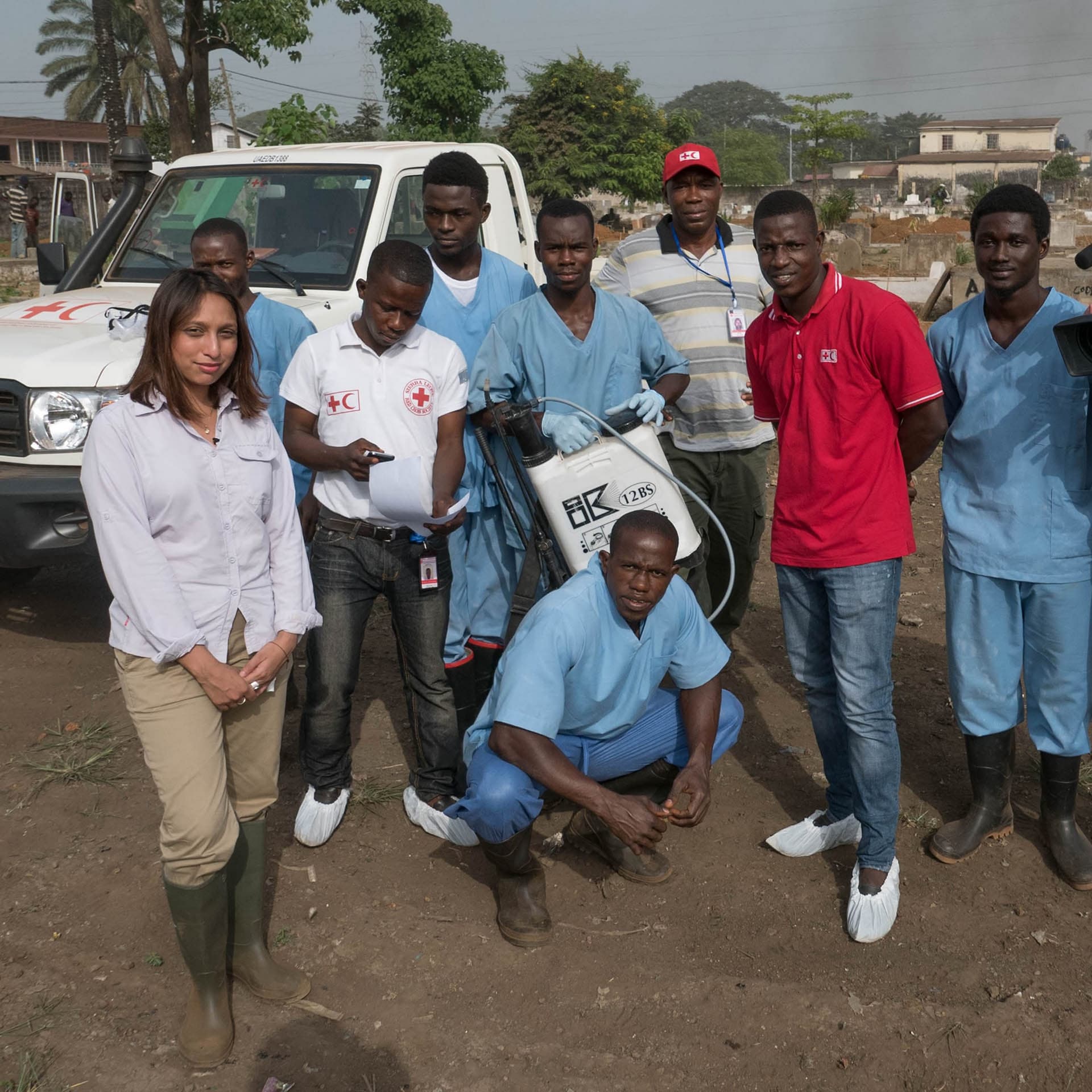
(Image: Kayla, a former fentanyl user and now a client of a LEAD programme (Law Enforcement Assisted Diversion) in North Carolina that diverts substance abusers away from crime. Credit: Tim Mansel/BBC)