In short
Sepsis—how the body’s immune response to infection can cause organ failure and death—why it’s often missed or misdiagnosed, and what global efforts and hospital protocols are doing to prevent deaths.
Guest backgrounds
Tex Kassoun, professor of paediatrics at the University of British Columbia and president of the Global Sepsis Alliance; Clara Francis and Jason Watkins, whose daughter Maud died of abdominal sepsis as a baby; Rosa Mendes, critical care doctor/anaesthesia/internal medicine specialist in Madrid; Regina McAlooney, midwife and epidemiologist in Malawi; Katrina Waite, clinical pharmacology/global health professor in Uganda; Yami Chimwaza, clinical scientist studying patient experiences; Sonia White, midwife and project manager for APT Sepsis.
Key claims
WHO estimates sepsis causes ~20% of global deaths; ~166M cases and 22M deaths globally (COVID-era data); sepsis deaths are concentrated in lower-middle-income countries.
Notable examples
Maud’s story (steroids masked worsening illness); APT Sepsis trial (59 hospitals; 32% reduction in maternal deaths/severe infections); “sepsis code” at Hospital Universitario de la Princesa (faster alarms, oxygen/fluids/antibiotics, quicker lab results; mortality down from 24% to 17%).
Written by AI. May contain mistakes. Listen to the episode to check what was said.
Chapters
Tap a time to open that second in VOUnderstanding Sepsis
1:17 to 2:12
Introduction to sepsis and its impact on newborns and critically ill patients.
“Home of the best documentaries from the BBC World Service.”
The Global Sepsis Crisis
2:12 to 3:30
Discussion on the prevalence and deadly nature of sepsis worldwide.
“Sepsis, a word I'd never really taken notice of before, but in the years that followed seem to be everywhere.”
Historical Context of Sepsis
3:30 to 6:34
Exploration of the historical understanding of sepsis and its recognition in medicine.
“For many years, sepsis was misunderstood.”
Personal Story: Clara and Jason's Loss
6:34 to 11:15
Clara and Jason share their personal experience with sepsis and the loss of their daughter.
“I'd never heard of sepsis at this point.”
Campaigning for Awareness
11:15 to 12:27
Clara and Jason discuss their efforts to raise awareness about sepsis after their loss.
“Since then, Clara and Jason have been campaigning to raise awareness.”
Innovations in Turkish Cuisine
14:00 to 14:27
Explore how young chefs in Istanbul are revitalizing traditional Turkish cuisine.
“As innovators in the kitchen, like Chef Deniz, continue to rewrite the menu.”
Understanding Sepsis Disparities
14:42 to 15:36
Discussing the disproportionate impact of sepsis on lower-middle-income countries.
“sepsis deaths disproportionately affect lower-middle-income countries, something Professor Tex Kassoun saw in the data he gathered with the Global Sepsis Alliance.”
The APT Sepsis Programme
15:36 to 16:49
An overview of the APT Sepsis Programme and its impact on maternal health in Malawi and Uganda.
“So it came at the right time because it was responding to the very, very priority need in terms of maternal health in Malawi.”
Healthcare Workers' Training
16:49 to 17:44
Exploring how healthcare workers are trained to manage and prevent sepsis effectively.
“there are some conditions in medicine and even in obstetrics, There are some situations where anywhere in the world, no matter what you do, the outcome is going to be poor.”
Goals of the APT Sepsis Intervention
17:44 to 18:35
Detailed discussion on the three main goals of the APT sepsis intervention in Uganda.
“women incredibly unwell with infections and sepsis, really difficult to manage, really distressing cases and their outcomes were, you know, very poor in the hospital where we were working.”
Show all 16 chapters
Patient Experience and Insights
18:35 to 20:58
Understanding patient experiences and their significance in the APT Sepsis Programme.
“The target was to prevent these infections, to treat if there's an infection or if there is a proglist to sepsis.”
Impact of the APT Sepsis Trial
20:58 to 22:40
Revealing the significant reduction in maternal deaths due to the APT Sepsis intervention.
“On the ground, it was quickly clear that the work they were doing was having an effect.”
Sepsis Management in Spain
22:40 to 24:11
Exploring the sepsis management strategies in a Spanish hospital and their effectiveness.
“The incredible results of the APT trial show that education and simple health intervention can save many lives.”
Challenges of Sepsis Recovery
24:11 to 26:55
Discussing the recovery challenges faced by sepsis survivors and the ongoing care needed.
“If a patient with an infection has low blood pressure, increased breathing rate or becomes confused, that patient could be developing sepsis and he must go to the hospital immediately.”
Call for Change in Sepsis Care
26:55 to 28:00
The urgent need for improvement in sepsis diagnosis and care in the UK and globally.
“When I took Bobby back to the neonatal intensive care unit that cared for him, there was information about sepsis on every screen and every wall, all part of the Just Ask Could It Be Sepsis campaign.”
The Ongoing Fight Against Sepsis
28:00 to 29:40
Learn about the struggles and motivations behind combating sepsis deaths.
“So it's a continuing struggle to get the wheels of motion turning.”
Transcript
Automatic transcript. May contain errors.0:00Dr Kissoon:This BBC podcast is supported by ads outside the UK.
0:30Dr Kissoon:we do the things we do, and how to make better choices to help avoid costly mistakes. Each episode covers the latest research in behavioral science and dives into themes like the power of self-control, shaping your mindset for success, navigating new beginnings, and why starting over can feel so hard. Listen to choiceology at schwab.com slash podcast or wherever you listen. If you are currently overpaying on software to run your business, remember this number. 10 ,000. That's the number of new businesses that join Odoo per month. Join Odoo today at odoo.com. That's O-D-O-O dot com.
1:16Becky Green:The Documentary. Home of the best documentaries from the BBC World Service. This is the documentary from the BBC World Service.
1:52Becky Green:birth to twin boys, born eight weeks early.
1:55Dr Kissoon:However, in sepsis, the firefighters lose control and instead of stopping the fire, they flood and destroy the whole house.
2:12Becky Green:Sepsis, a word I'd never really taken notice of before, but in the years that followed seem to be everywhere.
2:18Dr Kissoon:The body overreacts to an infection and begins to cause organ failure affecting the kidneys, lungs or heart. It is a very serious situation and a race against clock. Every minute counts to save the patient's life.
2:37Becky Green:Bobby survived but Jessie did not, dying from abdominal sepsis at six days old. As critical care doctor Rosa Mendes says, stopping sepsis is a race against time, often against the odds. But that is beginning to change thanks to an extraordinary global movement to raise awareness and save lives. From the BBC World Service, this is Fighting the Silent Killer. According to the World Health Organisation 20 % of global deaths are caused by sepsis. For every 1 ,000 hospitalised patients they estimate 15 will develop sepsis as a complication of receiving healthcare. It is deadlier than bowel, prostate and lung cancer combined.
3:20Becky Green:And somewhere in the world, someone dies of sepsis every three seconds.
3:27Becky Green:So, how do we stop it? I'm looking at some of the solutions that exist globally. For many years, sepsis was misunderstood. We knew it was something that often appeared towards the end of life. But only in the past decade have we truly understood that sepsis is often the cause of death. In fact, it's been something humans have been grappling with for thousands of years.
3:50Dr Kissoon:Even from the days of Hippocrates, you may hear of blood poisoning. People speak about sepsis. They may speak about hectic fever.
4:00Becky Green:Tex Kassoun is a professor of paediatrics at the University of British Columbia in Canada and president of the Global Sepsis Alliance.
4:09Dr Kissoon:One of the issues over the years were before we had microscopes, we weren't aware of infections. As a genesis of this, we spoke about the bad humors in the air, etc. But when we realized there was infection causing these, the next step was the infections were classified depending on parts of the body, for instance, or what was affected. So you may have pneumonia, diarrheal diseases, you may have malaria, cholera, etc. How diseases were classified. What individuals or people did not realize to some extent was that sepsis was the final common pathway to death and disability from all these infections.
4:54Dr Kissoon:It is when the body's immune response reacts in such a way that it attacked vital organs in the body.
5:01Becky Green:Part of Tex's job has been to understand the data around sepsis to communicate the scale of the problem.
5:07Dr Kissoon:Sepsis in many times was considered a secondary diagnosis causing death. For instance, if you had cancer and you got an infection and died from cancer or trauma, the death was classified as a traumatic death or a death due to cancer. Sepsis was considered in the so-called garbage codes, secondary causes of death. and we were able to ferret that out. If we move ahead until last year, we published an updated paper which incorporated the COVID era and severe COVID is sepsis. So at that time now, we have across the world 166 million cases of sepsis and 22 million deaths. So the previous report showed that sepsis was implicated in one in five deaths in the world and now during the COVID period was one in three.
6:00Becky Green:So now we understand the astonishing amount of lives sepsis takes around the world. How does that help us fight it?
6:07Dr Kissoon:The magic rallies to convey it to the rest of the world, to the general public, to policymakers and politicians, such that something could be done about it. There is no point of saying there is a tsunami coming this way. We know what it is, but we're not moving to higher ground. And I think that that's where we are right now. And And that has been the entire goal of the Global Sepsis Alliance, to end preventable deaths from sepsis. I'd never heard of sepsis at this point.
6:39Becky Green:And obviously hindsight is a wonderful thing. 15 years ago, actors Clara Francis and Jason Watkins lost their two-year-old daughter Maud to sepsis.
6:51Dr Kissoon:Maudie was two and a half when she died. but she was the younger sister of Bessie and she was born in 2008. She was very chilled and happy, relaxed, easy. Cheeky, sang along. Very, just very full of joy and smiles. Late 2010. It was a very, very cold winter. She had a cold over Christmas and like kids get colds every other week. So you're very laissez-faire about it. I took her to the GP, didn't I think, the first time? Because I thought that it might have gone to her chest. That was what I was sort of concerned about. And she said, I'll be fine, you know, it'll go away. Just treat it like cowpaw and that sort of stuff and it should burn itself out, as it were.
7:43Becky Green:But over the next few days, Maud didn't improve and was diagnosed in A &E with croup. My instinct was like, this is quite serious. But then once a consultant says to you, this is what it is, there's no need to worry. I was like, OK. When the symptoms didn't ease, they returned to hospital on New Year's Eve. I took our dog for a walk on the heath and met with some friends.
8:06Dr Kissoon:And when I got back, she had taken a turn for the worst. So this was the afternoon of New Year's Eve. And I could hear her breathing was quite laboured. We just went, OK, this is bad. So we decided to take her to the hospital. So the four of us ran round the corner, jumped in our car and drove back to the air near where we'd been the day before. And she was sitting on my lap. And wasn't well. She was clearly struggling to breathe. Struggling to breathe and losing... Consciousness. ...lose consciousness, so I was trying to keep her awake. I can't believe Bessie was in the car with us. Yeah, I mean, all of this, you're like, wow, this is...
8:50Dr Kissoon:We went straight in. You know, she'd given gas and air and calmed down and the doctor on call there said, oh, it's croup, you know. But to manage to calm her down and we had some form of medication, but it really, it was just gas and air seemed to help. And then slowly she was feeling better. I think they gave her steroids as well, yeah. and I think steroids was the thing that we were to give her if she was feeling bad that day. And so he gave us some more steroids. And she was calm.
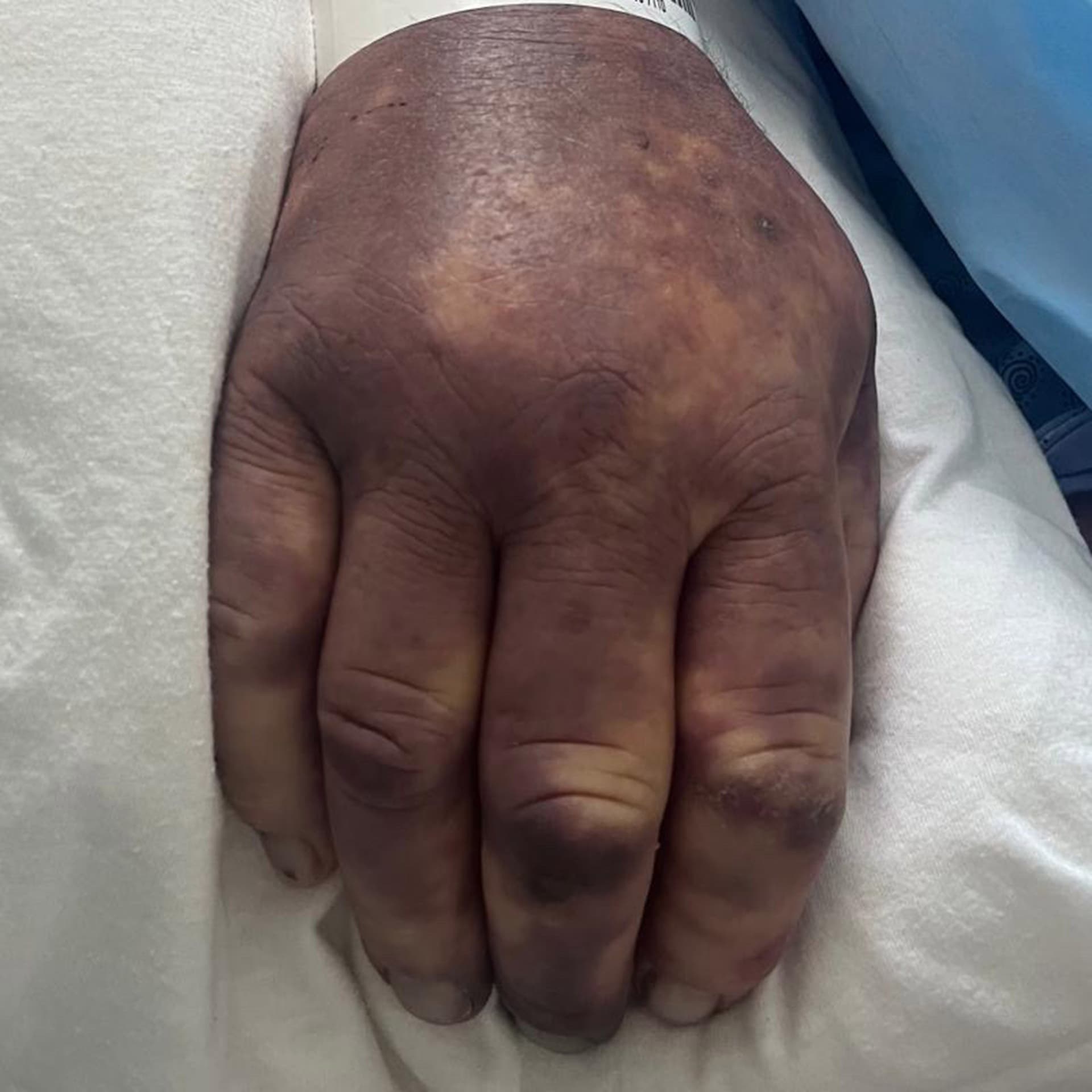
9:24Becky Green:Sepsis starts with an infection, but it can take many forms. In children, the symptoms can include difficulty breathing or breathing very fast, a high or low temperature, pale or blotchy skin, being sleepier than normal or difficult to wake. But Maud was once again sent home. When Jason brought her back from the hospital, she was seemingly back to normal.
9:50Dr Kissoon:I mean, she was running around the kitchen, she was laughing, she was singing, she was eating marshmallows. She was kind of herself, but she'd been medicated and the steroids were masking how terribly ill she was. We were really tired and stressed as well, actually. We'd been exhausted those two days. So when she was better, seemingly better, and we'd done everything we were supposed to, we just fell asleep. And then Bessie and her, Maud, shared a room at the time, and then Bessie came in on his day and said, I can't wake Maud, so I went in feeling a bit weird. When she came in and said she couldn't wake up, I knew my instinct.
10:41Becky Green:I just knew.
10:44Dr Kissoon:It was, yeah, because looking back, you think that remembering it now, I remember it feeling very strange, thinking something's wrong and everything was a bit slow motion. But actually at the time, there was a dread, wasn't there? Yeah. Because things had accumulated so oddly. that something clearly was sort of wrong and I sort of didn't really want to go in. But anyway, I think... And she had died. In the night.
11:15Becky Green:In the night. Since then, Clara and Jason have been campaigning to raise awareness.
11:21Dr Kissoon:I wanted to keep talking about her because as long as you keep talking about her, she's here and alive and existed and campaigning in her name. keeps her present and I think even though we said you know it feels like all the work that we've done has been in vain sometimes you know I we often get messages from from people whose children didn't die of sepsis because they had seen the documentary that we made about her or they had seen, you know, there are signs up in the hospitals now, which I think is a lot of it is due to our campaigning. You know, is it sepsis? So we get emails. So I think she has saved lives, which is an incredible thing.
12:14Dr Kissoon:Of course, there's a part of me that's like, oh, I wish I could write to somebody and say, thank you so much. my child Maud is still alive, but I can't change what happened. So that's the lesson I learned. You know, I was always a very solutions, right, something terrible's happened. How do we fix this? Let's fix this.
12:42Dr Kissoon:Decisions made in Washington can affect your portfolio every day. But what policy changes should investors be watching? Listen to Washington Wise, an original podcast for investors from Charles Schwab, to hear the stories making news in Washington right now. Host Mike Townsend, Charles Schwab's Managing Director for Legislative and Regulatory Affairs, takes a non-partisan look at the stories that matter most to investors, including policy initiatives for retirement savings, taxes and trade, inflation concerns, the Federal Reserve, and how regulatory developments can affect companies, sectors and even the entire market.
13:20Dr Kissoon:Mike and his guests offer their perspective on how policy changes could affect what you do with your portfolio. Download the latest episode and follow at schwab.com slash Washington Wise or wherever you listen. This advertisement feature is paid and presented by GoTurkiye. Istanbul takes food seriously. Very seriously. and Mehane restaurants are where it all comes to life. These traditional establishments are all about community. Shared plates, loud conversations and ruckus served as part of the ritual. But take a small detour and the food starts doing something different. As innovators in the kitchen, like Chef Deniz, continue to rewrite the menu.
14:07Dr Kissoon:In Istanbul, new young chefs like me develop the Turkish cuisine but we don't replace tradition. We give it new life. Because in Istanbul, food never stands still. Old flavours, new ideas. It evolves. Slowly, confidently, one plate at a time. Plan your next detour at goturkiye.com today.
14:36Becky Green:You're listening to the documentary from the BBC World Service. According to the World Health Organization, sepsis deaths disproportionately affect lower-middle-income countries, something Professor Tex Kassoun saw in the data he gathered with the Global Sepsis Alliance.
14:53Dr Kissoon:Sepsis is primarily a disease of the poor and the underprivileged. So 85 % of deaths and cases occur in sub-Saharan Africa and Asia. And now with wars, we know that exacerbate sepsis wars, mass migration, refugees, etc. Climate change, it all plays into it. So I am not surprised that the numbers are rising.
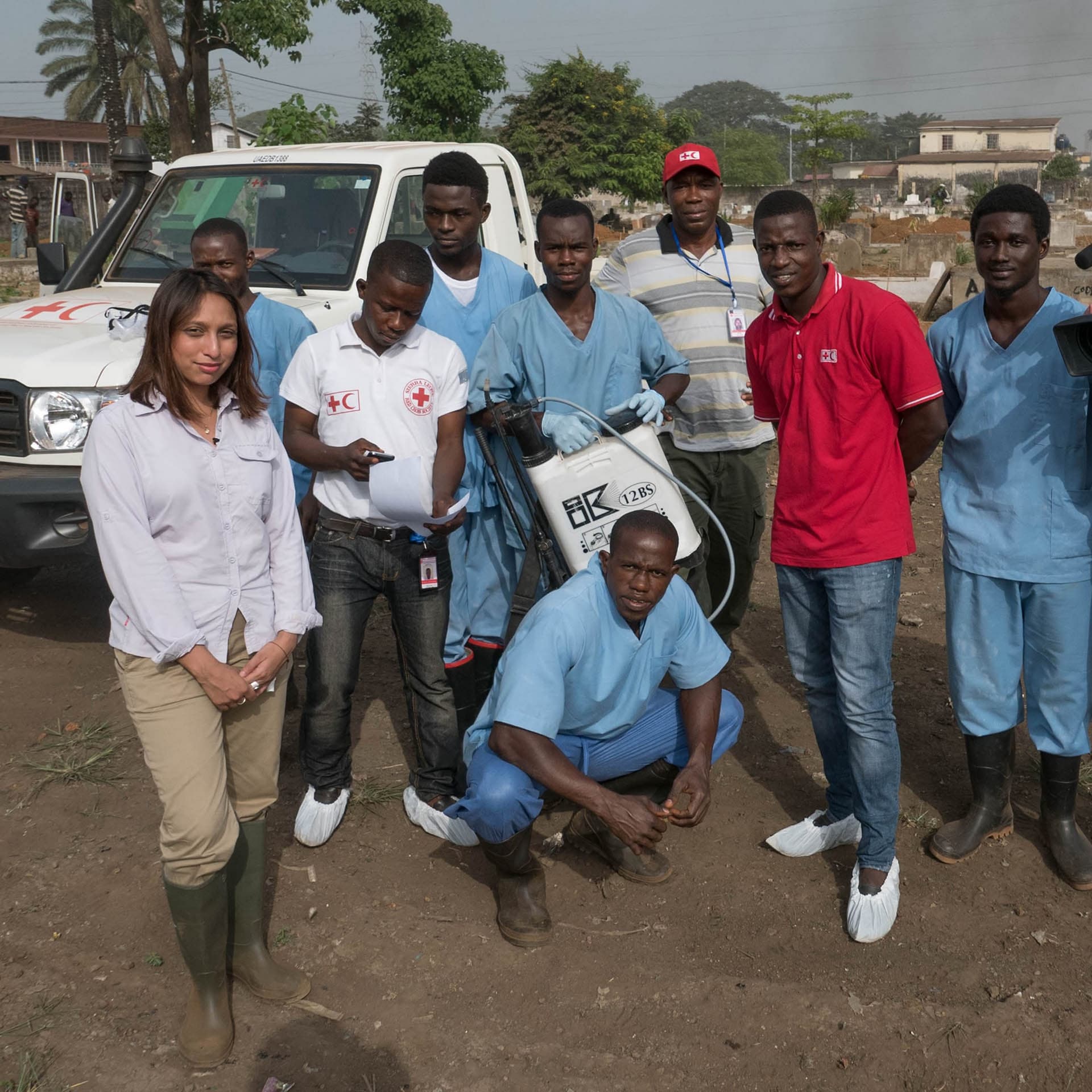
15:19Becky Green:In Malawi and Uganda, a clinical trial developed by the University of Liverpool in the UK and the World Health Organization is doing incredible work to combat those numbers in maternal sepsis.
15:30Dr Kissoon:The number one killer in Malawi for the mothers was actually the maternal infection sepsis. So it came at the right time because it was responding to the very, very priority need
15:43Becky Green:in terms of maternal health in Malawi. Regina McAlooney is a midwife and epidemiologist working in Malawi. She's part of the team at the APT Sepsis Programme, which stands for Active Prevention and Treatment of Maternal Sepsis.
15:58Dr Kissoon:APSepsis is an intervention which was specifically designed for law in limited research countries like Malawi and Uganda. This intervention is targeting the healthcare workers' behaviours in terms of how they handle the patients, how they prevent infections, how they manage infection, how they detect sepsis.
16:16Becky Green:Working alongside Regina is Katrina Waite, a professor of clinical pharmacology and global health.
Read the full transcript
16:21Dr Kissoon:What I really focus on is making sure that everybody that needs medicines has access to the right medicines at the right dose at the right time. and on the APT sepsis project I was leading the Ugandan team. I've been resident in Uganda for about 12 years so it's kind of home.
16:40Becky Green:Having spent more than a decade as a doctor in Uganda, deaths by sepsis were a familiar sight for Katrina.
16:46Dr Kissoon:When you see somebody dying of something that you feel that they shouldn't have to die of, there are some conditions in medicine and even in obstetrics, There are some situations where anywhere in the world, no matter what you do, the outcome is going to be poor. And those situations are difficult and they're tragic. But when you have a young mother dying of something, something quite simple could have prevented that situation occurring. And when you think that that's not just a mother, it's a wife, it's a sister, it's a community member, it's somebody in society. So when we started the project, we had 17 mothers a day in Uganda dying of maternal sepsis.
17:30Dr Kissoon:So for me, it's the sort of injustice that depending on where you are in the world, you may have a much worse chance of surviving than in other places.
17:39Becky Green:The APT programme was founded by obstetrician and global maternal health researcher at the University of Liverpool, Professor David Lassauer.
17:47Dr Kissoon:I really became interested in the problem of maternal infections and sepsis about 20 years ago, working as a very junior doctor in Malawi as an obstetrician and really saw firsthand in a way that I'd never seen anywhere in my UK experience. women incredibly unwell with infections and sepsis, really difficult to manage, really distressing cases and their outcomes were, you know, very poor in the hospital where we were working. And this was just totally shocking to me because I'd never seen this before in my clinical practice.
18:25Becky Green:On the ground in Uganda and Malawi, Katrina and Regina saw the problems in maternity world's first hand.
18:32Dr Kissoon:So basically there were three goals that were the pillars for this intervention. The target was to prevent these infections, to treat if there's an infection or if there is a proglist to sepsis. They should be able to detect airy so that the patient should be managed and then prevent AIDS or other severe morbid that come due to the infections. Three goals, the number one was on hand hygiene. Our focus was to ensure that healthcare workers that are working in maternity or the hand-on-pregnant mothers or after delivery, they should be able to know when to do the hand hygiene according to the WHO guidelines and also how to perform the hand hygiene in order to prevent the cross-transmission of infections.
19:11Dr Kissoon:Secondary on prevent infection as our second goal, what we focused much was to bank on the WHO, the best practices in terms of prevent infection, be it in labor world, in theater, in Guyana Awards where they admit mothers after an abortion, for example, use of antibiotic prophylaxis. We highlighted on the use of antibiotic prophylaxis so that one, they should know when to give the prophylaxis for it to work. And also secondly, in which scenarios, in which conditions should they give prophylaxis antibodies. So on this, we built capacity because many of the ethical workers in these countries were giving antibody prophylaxis, yes, but the timing was not really good or was not according to the standard.
19:53Dr Kissoon:And finally, on the third goal, which was sepsis management, our focus really was to support or to mentor, to train the ethical workers to know how to detect every signs of sepsis. So we introduced a couple of tools, one of which was a vital signs monitoring chart, which was very handy to detect the every signs of sepsis.
20:15Becky Green:Alongside Regina in Malawi is clinical scientist Yami Chimwaza, who's working to understand patient experiences.
20:22Dr Kissoon:The patient journey study came in to really hear from the patient's point of view their experience of sepsis. We wanted to have a better understanding of the lived experience and based on what APT was addressing we were very intentional just to hear the woman's voice and not have it diluted by the health system constraints because if we had asked a woman her experience and then asked the nurse Everything the woman was saying could be countered by a healthcare worker saying yes, but that's because we don't have enough medication or that's because there are not enough nurses on the ward.
20:57Becky Green:The APT sepsis trial began in 2021, conducted across 59 hospitals across Uganda and Malawi. On the ground, it was quickly clear that the work they were doing was having an effect. But when the numbers did come in, they defied all expectation.
21:11Dr Kissoon:I was one of the early recipients of that information and I thought, no, this can't be right.
21:18Becky Green:This can't be real. That's Sonia White, a midwife and project manager at APT Sepsis, and the first person to learn that their work had led to a 32 % reduction in maternal deaths and severe infections in Malawi and Uganda.
21:34Dr Kissoon:I have never worked on a project that worked this effectively in 30 years. so for me it was thrilling it was absolutely amazing I think to see that result and then to get that information out there into the public domain as fast as possible was really key. I mean I cried I was driving to western Uganda we were going out to some of the sites and I knew there was this conference call where the results were going to be unveiled so I pulled it over side of the road and I was taking it on my phone and I had all my children with me and they were like, mummy, what's wrong? And I'm like, I couldn't even speak.
22:17Dr Kissoon:I've never shed tears over an odds ratio before, but because it was just a statistical test to actually see it on paper and realise that we've cut the death rate from maternal sepsis by a third in two countries and we can roll this out and we can actually do what we set out to do and stop women dying of sepsis.
22:40Becky Green:The incredible results of the APT trial show that education and simple health intervention can save many lives. The next challenge is rolling these practices out around the world. And solutions are getting closer.
22:56Becky Green:We visited the Hospital Universitario de la Princesa in Madrid, Spain, where they are working to make sure every potential sepsis case is treated as an emergency.
23:07Dr Kissoon:Buenos dias. I'm trying to learn a little English.
23:11Becky Green:Dr Rosa Mendes specialises in anaesthesia, critical care and internal medicine.
23:17Dr Kissoon:At that moment in Madrid, 20 % of patients with sepsis did not survive. And if they suffer septic shock and develop multi-organ failure, The figure rose to almost 50%. We realised that we needed a better approach in sepsis. And we knew that success in treatment
23:41Becky Green:depended on having well-coordinated response. Rosa and her team introduced the sepsis code. We also knew that in hospitals already
23:54Dr Kissoon:are fast-track protocols for heart attack or for stroke. so we ask ourselves, why not for sepsis?
24:01Becky Green:Educating staff on the signs of sepsis and what to do next.
24:06Dr Kissoon:It's vital to know the warning signs to recognise sepsis quickly. If a patient with an infection has low blood pressure, increased breathing rate or becomes confused, that patient could be developing sepsis and he must go to the hospital immediately. Inside the hospitals, when doctors or nurses suspect sepsis, they press an alarm button on our computer and activate the sepsis code alert. That patient becomes the top priority for the whole hospital, setting in motion care bundles. At the bedside, we administer oxygen, fluids and antibiotics at once. Meanwhile, LAB provides urgent results. and thanks to the new technology, our group can identify the bacteria in just an hour instead of days.
25:00Dr Kissoon:The whole hospital works together to save that single life.
25:05Becky Green:And helping them get the information they need quickly enough to save lives. We have worked hard to provide doctors and nurses the right tools.
25:16Dr Kissoon:automated alerts with the warning signs to recognize sepsis, fast lab results and clear protocols for source control. No clinician can save a patient alone and no one should have to. Getting everyone to work like a well-tuned orchestra was not so easy. We had to change the mindset of the whole hospital. With the sepsis code, we had to learn to think together, to trust each other and to share the care for the same patient. We trained all the clinicians in the hospital to recognise and treat sepsis, to act fast and to do it right.
25:57Becky Green:Like the APT sepsis scheme, the work at the Hospital Universitario de la Princesa led to a substantial improvement.
26:04Dr Kissoon:When we started the program, the sepsis code, in 2015, 24 % of patients with sepsis and septic shock died in our hospital. After a few years, we brought this figure down to 17%.
26:23Becky Green:And working with sepsis survivors opened up a new raft of research.
26:28Dr Kissoon:We also discovered saving the lives in the first few days is not everything. Approximately 20 % of septic survivors faces a long and difficult recovery. They may have severe weakness, some need dialysis or rehabilitations for many months. So our fight today is not only for them to survive, it is for them to recover their lives back.
26:57Becky Green:And things are changing in the UK too. When I took Bobby back to the neonatal intensive care unit that cared for him, there was information about sepsis on every screen and every wall, all part of the Just Ask Could It Be Sepsis campaign. But are things changing fast enough?
27:18Becky Green:According to the UK Health Ombudsman, the body that investigates complaints against the UK's health service, sepsis diagnoses are still taking too long. They say thousands of the 48 ,000 deaths from sepsis-related illness are preventable.
27:36Dr Kissoon:Just to mention lastly, there was the Ombudsman's report, which I think is now about two and a half years old, which stated that basically, and this is an independent report on the care of sepsis across the NHS as a whole in this country, was that nothing fundamentally had happened in the last 10 years. And that is absolutely horrific for us to hear after all our lobbying and work and everybody else's work with UK Sepsis Trust and all these people we talked to that actually, and nothing material has changed. So it's a continuing struggle to get the wheels of motion turning. It's about people misinterpreting, misdiagnosing something as something else and ignoring sepsis and sepsis is the one that comes forward as the really cruel one.
28:23Dr Kissoon:That, for me, hasn't really changed from when we wrote to the hospital saying, we think the system of care is not fit for purpose, and it wasn't. If she'd have come in on a different day and seen a different consultant, it could be a very different story, and she would be alive now and nearly 18 years old. But it shouldn't be a lottery when you take your child in.
28:46Becky Green:As Clara says, the numbers show that here in the UK, there is still a lottery. and all over the world people are still dying, struck by this deadly assassin which sneaks into our bodies when they're at their most vulnerable. This fight can't stop until there are no preventable deaths from sepsis and in making this programme, I've been privileged to meet just some of the vast collective of healthcare workers, researchers and campaigners who I know won't stop until that number is zero. I'll let one of them have the last word, Dr Rosa Mendes.
29:18Dr Kissoon:Every life that we save and every family we support is a small tribute to those we could not save. And this is our motivation. It is what inspires us to fight this silent killer every single day.
29:40Becky Green:You've been listening to the documentary from the BBC World Service. Fighting the Silent Killer was an Audio Always production.
29:49Dr Kissoon:Self-directed investing, trading, full-service wealth management, automated investing, financial planning, thematic investing, retirement planning. Phew. And to think, that's just a small taste of what Schwab offers. Because Schwab knows that when it comes to your finances, choice matters. No matter your goals, investing style, life stage or experience, Schwab has everything you need, all in one place, so you can invest your way. Visit schwab.com to learn more.
From the publisher
Presenter Becky Green lost one of her twins to sepsis in 2018. It is a condition that, according to the World Health Organization, is implicated in one in five deaths worldwide - more than bowel, prostate and lung cancer combined. Sepsis can begin as a simple infection and escalate within hours, overwhelming the body and causing organ failure. It is a race against time that too often goes unrecognised until it is too late. But around the world, that is starting to change. Becky speaks to Dr Kissoon of the Global Sepsis Alliance about how our understanding of sepsis has changed. In Malawi and Uganda, she meets the team behind the APT Sepsis programme. By educating healthcare workers on hand hygiene, infection prevention and early detection they have cut maternal deaths and severe infections from sepsis by 32%. In Madrid, Dr Rosa Mendez explains how a hospital-wide "sepsis code" - mirroring fast-track protocols for heart attacks and strokes - has brought sepsis mortality down from 24% to 17%. This episode of The Documentary, comes to you from People Fixing the World, looking at people and projects trying to make the world a better place.