In short
Hunger and famine risk in Gaza amid Israel’s blockade and war, with accounts of food/water/medicine shortages, malnutrition in hospitals, and limited aid access.
Guests (and backgrounds)
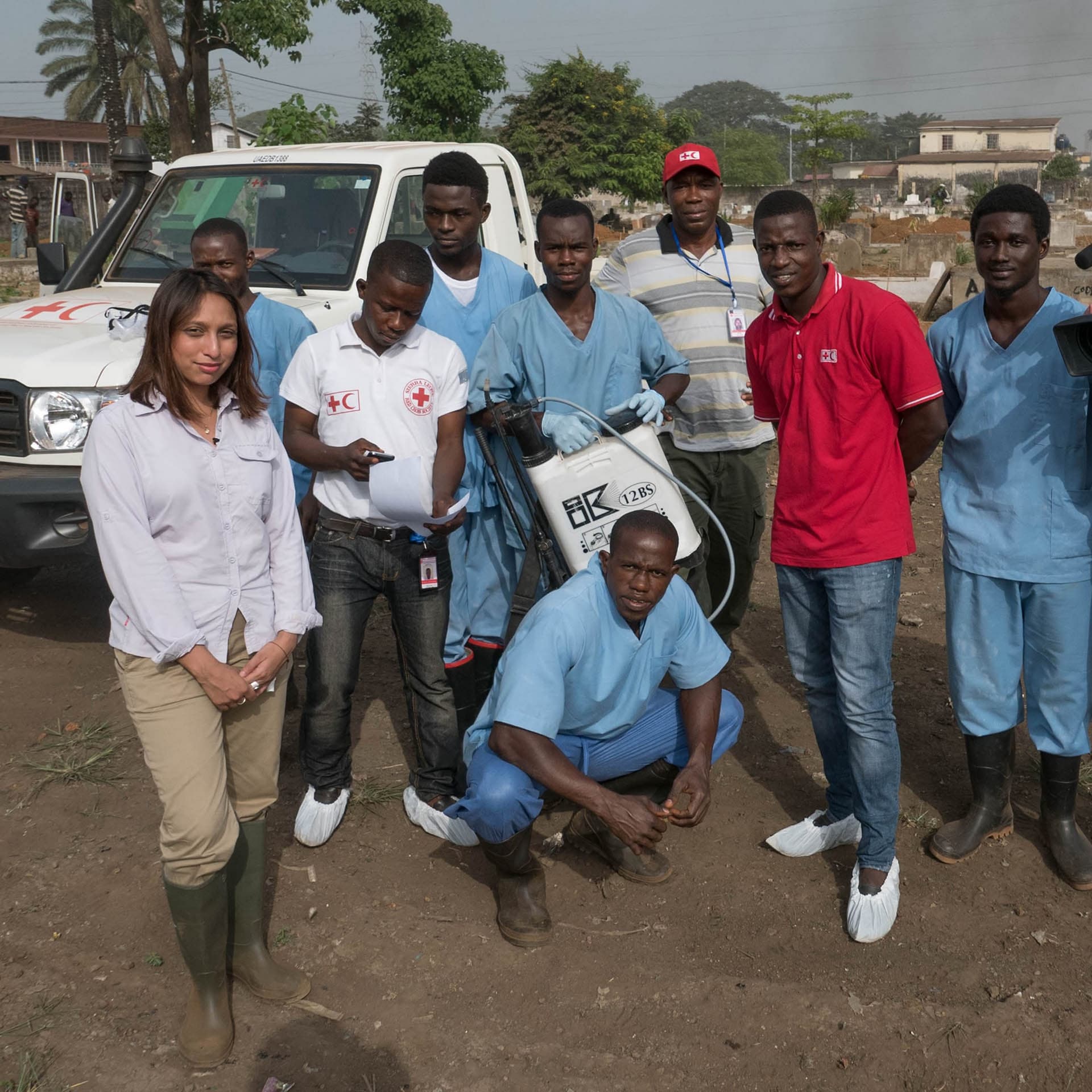
- Gada Uda: freelance journalist based in Gaza City; regular BBC World Service contributor; records an audio diary of a typical day.
- Imad Kudaya: freelance journalist in southern Gaza; works with local radio and provides updates for BBC News.
- Ibrahim Alashi: dentist in Gaza City.
- Dr Mohamed Salha: former director of Al-Auda Hospital (evacuated); now working in Gaza City and Nusayrat refugee camp.
Key claims
- UN-backed experts warn famine worst-case is unfolding; UN SG Antonio Guterres calls it a humanitarian catastrophe.
- Israel imposed a total aid blockade in early March; after resuming, charities say aid is only a fraction needed.
- Residents report looting/price-gouging; Israel says Hamas steals aid; UN says looting is mainly by desperate individuals.
- Hamas-run health ministry: 150+ malnutrition-related deaths; UN warns 320,000 children at acute malnutrition risk.
Notable examples
- Gada describes freezing water, no electricity, no breakfast, markets closed/empty, and families surviving on lentil soup and bread baked on wood.
- Imad describes children asking for food and seeing aid trucks blocked from reaching people.
- Dr Salha: emergency cases rise from 200–300 to 2,000+ malnutrition cases/day; a 9-year-old “skeleton” patient needing tooth extraction but refused due to extreme condition; staff eating only one meal/day.
- Gada’s diary: children with diarrhea from repeated food, severe malnutrition, no baby formula, hospitals crowded with displaced families, and “one meal a day” becoming normal.
Written by AI. May contain mistakes. Listen to the episode to check what was said.
Chapters
Tap a time to open that second in VOSituation Overview in Gaza
0:47 to 2:22
Discussion of the humanitarian crisis in Gaza and the blockade's impact.
“Welcome to the documentary from the BBC World Service.”
Audio Diary: Daily Life Struggles
2:22 to 3:26
Audio diary of Gada, a medical student, detailing life amid starvation.
“extracts from an audio diary recorded during a typical day by Garda.”
Conversations with Journalists
3:26 to 8:24
Insights from journalists Gada and Imad about the dire conditions in Gaza.
“Medical student Gada, and more from her later.”
Personal Stories of Starvation
8:24 to 11:32
Personal accounts of starvation and its psychological effects from Gada and Imad.
“So right now, I started to notice recently that I feel dizzy.”
Aid and Its Challenges
11:32 to 13:20
Discussion about aid delivery issues and the challenges faced by Gazans.
“We don't want our kids, our children to be starved and dying in front of our eyes, and we cannot do anything.”
Conditions in Hospitals
13:20 to 14:00
Gada describes the dire conditions in the hospital due to the crisis.
“But a senior UN official said that although lorries have been looted, it has been by desperate individual citizens.”
Everyday Struggles in Gaza
14:00 to 16:46
Explore the dire conditions faced by families in Gaza, including severe malnutrition and lack of food options.
“I can see the same heartbreaking cases every day.”
A Day in the Life: Medical Challenges
16:46 to 17:53
Hear firsthand experiences from medical professionals navigating the overwhelming malnutrition crisis in Gaza.
“Even the salty water just only reaches our area once a week.”
The Harsh Reality for Families
17:53 to 20:24
Understand the struggles families face in accessing food and the impact on their health and wellbeing.
“there have been more than 150 deaths related to malnutrition since the start of the war.”
Difficult Choices in Medical Care
20:24 to 23:16
Learn about the heartbreaking decisions doctors must make when treating patients amidst resource scarcity.
“They are not eating anything, just only drinking water.”
Show all 12 chapters
The Emotional Toll of War
23:16 to 24:29
Discover the psychological impact of the ongoing conflict on individuals, especially the youth in Gaza.
“So our emergency department in our hospitals, the capacity is only 12 beds.”
Final Reflections from Gaza
24:29 to 26:04
Listen to the concluding thoughts of Gada on her experiences and the yearning for peace.
“Ibrahim and Mohamed, a dentist and a senior doctor in Gaza.”
Transcript
Automatic transcript. May contain errors.0:00This BBC podcast is supported by ads outside the UK.
0:08Hello, Greg Jenner here. I'm the host of You're Dead to Me, the BBC comedy show that takes history seriously. Every episode, I pair up a top historian with a fantastic comedian, and we have a lovely, funny, fascinating chat about a different subject from world history. And in this new series, we're beginning with an epic voyage through the story of Homer, the Iliad and the Odyssey. And that's with Kyle Smith-Bino joining us. And then we'll be learning about Francis Galton and the racist, discredited pseudoscience of eugenics with Desiree Birch. We'll meet many medieval saints in their bone boxes with Rachel Parrott.
0:41So if that sounds like your sort of thing, listen to You're Dead to Me wherever you get your podcasts. Thank you. Bye.
0:57Hello, I'm Mark Lowen. Welcome to the documentary from the BBC World Service. This time it's BBC OS Conversations, where we bring people together to share their experiences. Israel faces growing international isolation over the shocking images of starvation in Gaza. UN-backed global food security experts have warned that the worst-case scenario of famine is currently playing out. It is, said the UN Secretary General Antonio Guterres, a humanitarian catastrophe of epic proportions. Israel imposed a total blockade on aid deliveries to Gaza at the beginning of March, shortly before it resumed its military offensive against Hamas.
1:41The country said it wanted to put pressure on the armed group to release the remaining Israeli hostages. After lifting the blockade, Israel has said there are no restrictions on aid deliveries, which it coordinates, or any starvation. But charities say the aid being allowed in is only a fraction of what's needed. They say Gaza needs to be flooded with supplies to prevent mass starvation. So what is the reality on the ground? The BBC is banned by Israel from reporting in Gaza. But with our conversations, we wanted to try to get a sense of what the two million people living there are experiencing in terms of access to food, water and medicine.
2:21We hear from journalists, doctors and, throughout the programme, extracts from an audio diary recorded during a typical day by Garda. She's a medical student. Here's the first. I wake up after a night filled with terrifying sounds, bombing and the drones that never stopped. My body actually was tired, my heart even more. I tried to take a quick shower, but the water was freezing. There is no electricity, so no hot water, but I had no choice. I had to get ready for my hospital shift.
3:02Sadly, I had to lift without breakfast because here in Gaza, making a breakfast means lighting a fire, using wood, waiting and wasting time. I don't have. Also, the market is closed and there are no goods anyway. We can't store food in fridges because we have no electricity, so we just survive day by day. Medical student Gada, and more from her later. As we've explained, Israel does not allow international journalists into Gaza, and BBC News is among the media organisations that have expressed concern for local journalists working there, who they warn are increasingly unable to feed themselves and their families.
3:44For our first conversation, my colleague Andrew Peach brought together Gada Uda, a freelance journalist based in Gaza City, who's a regular contributor to the BBC World Service, and Imad Kudaya. He is based in southern Gaza. He works with radio stations in the territory and also provides updates for BBC News. For the last 10 days and more, I did not eat any kind of piece of bread except yesterday when I did find a very high price. Cule of a flower is in the market and it was really crazy the price that I did pay because it was about$25, despite of the aid they allowed recently in order to be reaching Gaza.
4:22But, you know, most of the aid is stolen by the thieves here in Gaza. So people do not manage to reach this kind of aid. And a lot of people have been killed as a result of this starvation, according to the Ministry of Health. Well, I agree with my colleague. We had a piece of bread without anything, without any kind of cheese, as usual we ate. Even falafel, the popular food that we have here, the local restaurants, they are running out from this kind of cheap food that we already have. The only thing that we depend on is just the lentil soup or some rice or any beans that we can find it. Regarding vegetables, anything else or a fruit, it's not available.
5:07And if it is available, it's very high expensive prices. prices. We cannot buy it because we have to pay too much commission to withdraw our money. It's a whole process of starvation for the people here. For me and my daughters today, we have only some lentil soup with some piece of bread, that only thing. And it was at 12. And for now, we didn't eat or drink just water, anything after that. So I'm thinking now, what will I provide them like at the evening because they start to feel hungry. I will look for North Gaza and Gaza City, West of Gaza City for something to eat. Maybe I will find some falafel.
5:49Also, we have to buy some bread, which is very high expensive prices also. And we have to make it on wood fire. And it's like a difficult process to do it because it's summer now and the temperature is very high and the weather is very hot for us. What keeps us surviving is the water only. What impact does the diet that you've just described have on your body? We are not the same. This is not our shape. This is not our appearance. We are losing too much weight, more than 10 kilograms. It doesn't mean like we were so fat before this starvation. No. Also, during this war, our access to food, it was very limited.
6:37It's not like before the October 7th. We didn't taste juice for many months. Vegetables, chicken, meat, eggs, which is very important to build our body. Also, it's not available. All of these things which is built, our body is not available. So we lose too much weight and fat from our bodies. I become like almost a skeleton, less maybe 55 now, which is not good for a mother at 40. I didn't reach this weight in my life, even when I was like a teenager or in my 20s. I didn't like myself like this. And I'm waiting the moment of letting the humanitarian aid to enter because I need food to focus, to continue my work and to back healthy again.
7:28Well, I agree with the whole of the points mentioned by my colleague, Hirogada, but I want to say like my shape of body, let me give you a very small statistics. Like before the war, I was about maybe between 75 to 78 kilograms, but right now I think I'm about maybe 60. So 15 to 20 kilograms have been lost from my total body weight. And this has a lot of bad effects and it brought a lot of trauma, psychological trauma to my head. Because right now, all of what I think about, even though I started to see the love of a bread in my dreams, because I fight all the day in order to get and do not manage.
8:08And when I see my mother next to me as the only son for her, she looks to me, you know, giving me very sad looks. I can see that sad tone in her voice. I can see that in her eyes when she tears because she cannot provide me with the food. So right now, I started to notice recently that I feel dizzy. I do not focus a lot. So right now, even though when I walk for a little bit time, I feel so, so tired. So the situation is really horrible. My responsibility as a mother now is I'm looking to their eyes and they are demanding to eat. And most of the time I'm refusing what they are demanding. This is not my duty as a mother.
8:50I have to fulfill their needs. I have, and they are young. They are like between 10 and 12 and they need to build their bodies. Sometimes they ask for some chocolate or candy or any kind of chips. I told them like, I cannot do it for you. I cannot do it for you. And they just like, they had it today of the lentils. That wasn't like the same as before last March. we did a lot of meals together and we were in the same table eating and feeling very happy to share that moment and they still remind me of this all the time mom we want the ceasefire again and we want to feel like we want to go to markets supermarkets to buy whatever we want to eat i told them like i have money but but we cannot buy anything this is what you what you need is not available in the local market.
9:46It becomes a burden on my shoulder now. I cannot do anything for them as a mother, but I try to explain for them the whole situation. But I hope they can understand what I'm saying. But at the end, it's my duty to fulfill their needs. And Imad, the fact that you're experiencing this hardship, like the people around you, in some ways, put you in a very strong position to be able to tell the rest of the world what's going on but it also makes it very difficult to do that well of course it's really difficult when you see those children in front of your eyes dying every day because they cannot find a piece of a bread and we are living in the 2025 thousands of trucks full of food and eight is standing in the other side of gaza egyptian side and they do not have the permission in order to reach and they do not take too much time in order to be reaching the people here just maybe a few hours maybe one two three hours and those are children and a cry in front of me and i'm trying to document the stories of them really hard really hard when i when i see them and i cannot do anything in order to help just i have my own mobile my own devices in order to reach the messages to around the world in order to make their voice audible and that is only what i have in order to paint this kind of a very hard image of the children of Gaza.
11:09And I focus on the children because they're really innocent and they don't have any sense to be under this kind of starvation nowadays. And they can't survive under this kind of very difficult circumstances. However, we are old people. We know how the situation is and we are patient enough in order to wait for a few coming days until this problem is going to be solved. And this is what I hope. This is a heartbreaking situation. We've never witnessed such starvation in our lives. We don't want our kids, our children to be starved and dying in front of our eyes, and we cannot do anything. And we are calling, demanding the whole international community, the whole human rights organizations, just to intervene and to save the people's lives, the innocent people, the civilians, who have no fault in this fighting between Israel and Hamas.
11:59And I hope this will come soon and they can sign a new ceasefire agreement and our people, they can at least continue their life and survive. You know, one of the most difficult images I have on this myself while running behind one of the trucks in order to get a little bit of flour from there with the other hundreds of thousands of people here. I saw an old man, he maybe was about 70 years old. He was crying in front of me and he said, like, please, God, give me enough screen. in order to get my turn, in order to get a little bit of flour. God, I did not feed my family for the last five days, please.
12:35He was praying in his heart and his words to God in order to give him the enough sequence, in order to go to that truck and get a little bit of flour. He was running in the street with his tiny body, with his tears, with his, you know, emotional and heartbreaking words. It was really difficult when I saw him. Imad and Gada, journalists working in Gaza. Just to pick up on what Imad was describing there with the aid deliveries, which are run by the Israeli and US-backed Gaza Humanitarian Foundation, or GHF. Israel has said Hamas is stealing aid, and some Gaza residents have reported that criminal gangs are intercepting and looting aid convoys and then reselling supplies at inflated prices.
13:20But a senior UN official said that although lorries have been looted, it has been by desperate individual citizens. Israeli forces have also been accused of firing on crowds gathered around aid lorries, killing many dozens of people. Israel says its troops have only fired warning shots and that they do not intentionally shoot civilians. Let's hear more from the audio diary of medical student Gadda. Alhamdulillah, finally I reached the hospital. but why? I had to walk about four kilometers till I reach. Can you imagine? Now I am in the mediatric department. I can see the same heartbreaking cases every day.
14:03Children with constant diarrhea from eating the same food again and again because there are no options. Cases of severe malnutrition are everywhere. There is no baby formula in the markets and And many mothers can no longer produce milk because of their own poor nutrition. Now as students, we are looking for a room to get our lecture. So, inshallah, we get one. Unfortunately, we couldn't even find a room for our lecture. The place is full of displaced families and patients everywhere. We sat on the floor. Yes, on the floor, can you imagine? For three hours. No chairs, no coolings, no power because the electricity here at the hospital is only used for surgeries and medical machines.
15:00Now we are searching for something to eat. Finally we found a small falafel sandwich, three tiny pieces, some tomatoes, yeah nothing more costs about five dollars yes five yeah five dollars this falafel sandwich made us feel like the lucky ones because the others had nothing at all since morning it's not just about the prices yes the prices are very expensive but it's about the actual absence of food the markets are nearly empty just a few vegetables with very expensive prices and the same for meals over and over again most families here in Gaza have been living on which we called it al-adass and it's different forms for months now almost every family here in Gaza living on one meal a day yes the almost one meal a day sugars became a luxury no one can afford.
16:01A flour is expensive to about$15. Even when we manage to buy some, each person gets two pieces of bread for the whole day and he became a lucky person if he got it.
16:20Now we will return to the pediatric department to see the cases here. This This case suffered from heat stroke after standing in long lines just to fill salty water. Water we use for washing, cleaning, even cooking because clean water here in Gaza is rare. Yes, rare, very rare. And it needs generators and electricity to purify. Even the salty water just only reaches our area once a week. Gadda recording her experiences of a day in Gaza. This is BBC OS Conversations from the BBC World Service With me, Mark Lowen
17:23We're beginning with an epic voyage through the story of Homer, the Iliad and the Odyssey. And that's with Kyle Smith-Bino joining us. And then we'll be learning about Francis Galton and the racist, discredited pseudoscience of eugenics with Desiree Birch. We'll meet many medieval saints in their bone boxes with Rachel Parrott. So if that sounds like your sort of thing, listen to You're Dead to Me wherever you get your podcasts. Thank you. Bye.
17:52According to the Hamas-run health ministry in Gaza, there have been more than 150 deaths related to malnutrition since the start of the war. That number rises each day. And the UN warned this week that 320 ,000 children are at risk of acute malnutrition and that thousands could die from it. As we've heard already in Gada's audio diary, medical facilities and supplies in Gaza are in a perilous state. Many health centres and hospitals have been damaged or destroyed in the fighting, and basic medicines are hard to come by. We brought together two medical professionals. Ibrahim Alashi is a dentist in Gaza City, and Dr Mohamed Salha is the former director of Al-Auda Hospital, which was evacuated two months ago.
18:39He's now working in Gaza City and the Nusayrat refugee camp. Given their situation, you'll understand that the quality of the lines was sometimes poor. We are dealing with the kinds of patients that are received in our emergency department who is really suffering from malnutrition. So we used to deal with 200 to 300 cases per day, but nowadays we are dealing with more than 2 ,000 cases and we can't deal with this huge number of people who are suffering from malnutrition. Yesterday, just yesterday, we were handling with a boy, about nine years old, a boy. He came with his mother. The boy was a skeleton, you know, no muscle, nothing is found in his body, just bone.
19:24And it is a very catastrophic situation. I had never seen before this boy come out and needs to extract his tooth because he has a dental pain. but I refused to do this operation because the overall health of this boy is very bad and we advised his mother to go to the hospital. And also his mother didn't eat for more than a week. We are dealing with a lot of cases like that in our hospital and also in our primary health centers. Many of these cases, especially pregnant women, also they are suffering from also malnutrition. And also our staff is also suffering. For four days I go and work in our hospital in Nusairat and three of our doctors and nurses are really falling down during the work because they are also suffering and they are not eating from the morning till 6pm.
20:24They are not eating anything, just only drinking water. Tell me about the difficulties in providing for your own family, who you're responsible for, even though they're perfectly healthy? Yes, actually, I have responsible for my wife and also five of my children. Also, mother and sister are living with me. We are a strong family, an empowerment family, but actually we are calm dealing with this situation because I will not go to what is called the GHF association. And also, I will not go to the trucks to bring new food. So I have to buy the food from the market. if it's in the market, but actually we don't have much kind of food.
21:05So just only we have three or four kinds of vegetables and the flour is very expensive. So today we need to spend from 400 to 600 shekels, so more or less like 100 euro to 500, 150 euro. And it's not this amount. Normal family like my family or strong family can spend this amount every day. And also in the market, there is no fruits, no meat, no chicken, no eggs, nothing also in the things that the normal family is needed to prepare the food. So because of that, we only just have one meal in our home. So this meal, it's only like a piece of bread for each one. And if we can buy some of the vegetables for our family.
21:49Like Dr. Mohamed, we arrange our food, one meal a day. The local market here is empty, completely empty, and all the prices have doubled and tripled in price. The whole families here, the prices to them are unaffordable to buy anything. All families here in Gaza are arranging their meals by one meal a day. In our medical point, all medical staff like the doctors and nurses, all of them just one meal a day. and inshallah we will return to our normal life before this war. Here more than 90 % of the people, they are not Hamas, but they are dealing with us like want to deal with Hamas. And they speak that Hamas is stolen the humanitarian aid, but actually who is taking the humanitarian aid, who is the people, the hunger people who is needed food for their children.
22:47And we are not to blame the people who is going there. Even that they are dying or they are injured, but actually because there is no food at their home. So because of that, you can't imagine how to feel when your children ask you about, I need to eat. It's something, it's not easy. Give me a sense of having to make a choice when you've got hundreds of people who need your care as a doctor. How do you decide which ones to treat, which ones to treat first? So our emergency department in our hospitals, the capacity is only 12 beds. When it comes in one time, 70 to 80, so the doctors are selecting the cases who we can deal with, and another case is let them to die.
23:29And it's not easy to deal with these cases. If you can't find medication, you are lucky. If you don't find a medication, it will let you die. My mother is suffering from cancer, breast cancer. But I can't do for my mother anything because here the patient who is suffering from cancer, they will die because there is no treatment in gastrointestinal. And I can't go outside of Gaza, and it's difficult to go outside of Gaza. And actually, how is the life of the people and other people who are suffering from cancer, from other diseases, and there is no one can? People are not just hungry, they are hopeless.
24:09Now, I feel them very well. They are hopeless, feeling very bad, and humanitarian aid now is not effective. We need a real solution, safe and continuous access and the response that matches the scale of the catastrophe we are facing. Ibrahim and Mohamed, a dentist and a senior doctor in Gaza. Before we finish, let's hear the final part of GADA's audio diary recorded at the end of the day. I tried to study under a small emergency light just for an hour. And now I'm turning on the internet. It barely worked. The bombing hasn't stopped all day and the news is always bad. Starveaging is still going on.
24:55But it's now affecting everyone, not just the poor. Even the rich who have money can't find food. Yet there is no serious action to stop it. Our bodies are exhausted physically and emotionally. I sit with my thoughts and feel so bad. Weren't we, the youth, supposed to be the strongest? The ones with dreams and power? Today we are not dreaming about the future anymore. We are just dreaming of going back to the past. If you have a full million gazes today, you're considered lucky. When I look at the internet and see the outside world, it feels like we live in another reality. While the world moves forward, we're going backwards, and that's heartbreaking.
25:49Many people here in Gaza are victims who believe in peace. Why doesn't this war and fighting ever stop? We all just want to live in peace. Good night. Garda recording for us her experiences during a typical day in Gaza. Thank you so much to her and our other guests this week for giving up their time for us. I'm Mark Lowen and you've been listening to The Documentary from the BBC World Service.
26:45The End Odyssey. And that's with Kyle Smith-Bino joining us. And then we'll be learning about Francis Galton and the racist, discredited pseudoscience of eugenics with Desiree Birch. We'll meet many medieval saints in their bone boxes with Rachel Parrott. So if that sounds like your sort of thing, listen to You're Dead to Me wherever you get your podcasts. Thank you. Bye.
From the publisher
Israel faces growing international isolation over the shocking images of starvation in Gaza. Although Israel says there are no restrictions on aid deliveries – which it co-ordinates – or any starvation, charities warn the aid being allowed in is only a fraction of what is needed. The BBC is banned by Israel from reporting in Gaza but, in our conversations, doctors and journalists in the territory tell us how shortages of food, water and medical supplies are affecting them and their families. “We are not the same, this is not our shape, this is not our appearance,” Ghada, a journalist working in Gaza City tell us. We also hear from a medical student who shares her experiences of a typical day in Gaza and her hopes for the future. This episode of The Documentary, comes to you from BBC OS Conversations, bringing together people from around the world to discuss how major news stories are affecting their lives.