
In short
The Documentary Podcast: Episode Summary
Episode Title
'Looking American' to Avoid Deportation
Episode Overview In this episode of The Documentary Podcast, hosted by Faranak Amidi, the focus is on the challenges faced by Brazilian immigrants in the U.S. amid the increased Immigration and Customs Enforcement (ICE) raids during President Trump's second term. The episode also touches on innovative silk-making methods in India and the cultural significance of surnames in Spanish-speaking countries.
Key Themes and Discussions
- Impact of ICE Raids on Brazilian Communities
- Increased Raids: Following the beginning of Trump's second term, ICE raids intensified, particularly targeting states like Massachusetts with significant Brazilian populations.
- Community Response: Brazilians utilize WhatsApp groups as a platform to share vital information related to ICE activities, including:
- Locations of ICE agents.
- Experiences of arrests.
- Strategies for avoiding deportation, such as adopting behaviors perceived as "more American."
- Survival Strategies of Brazilian Immigrants
- Messaging Apps: WhatsApp serves as a lifeline for Brazilians to coordinate and share information about safety.
- Advice on Appearance: Suggestions include:
- Driving American-style vehicles (e.g., SUVs).
- Avoiding the use of Portuguese in public settings.
- Implementing visual cues (e.g., displaying Trump stickers) to blend in.
- Changing Sentiments Among Immigrants
- Evolving Perspectives: Early in the Trump administration, some undocumented immigrants felt secure, believing they were not targets. The recent raids have shifted this perception, leading to feelings of vulnerability among all immigrants, regardless of their legal status.
- Consequences of Detention
- Detention Experience: Upon arrest by ICE, immigrants often experience a lack of communication and support, making it challenging to secure legal defense.
- Potential for Self-Deportation: A growing number of Brazilians discuss returning to Brazil due to fear and uncertainty surrounding their immigration status.
- Comparative Analysis of Silk Making in India
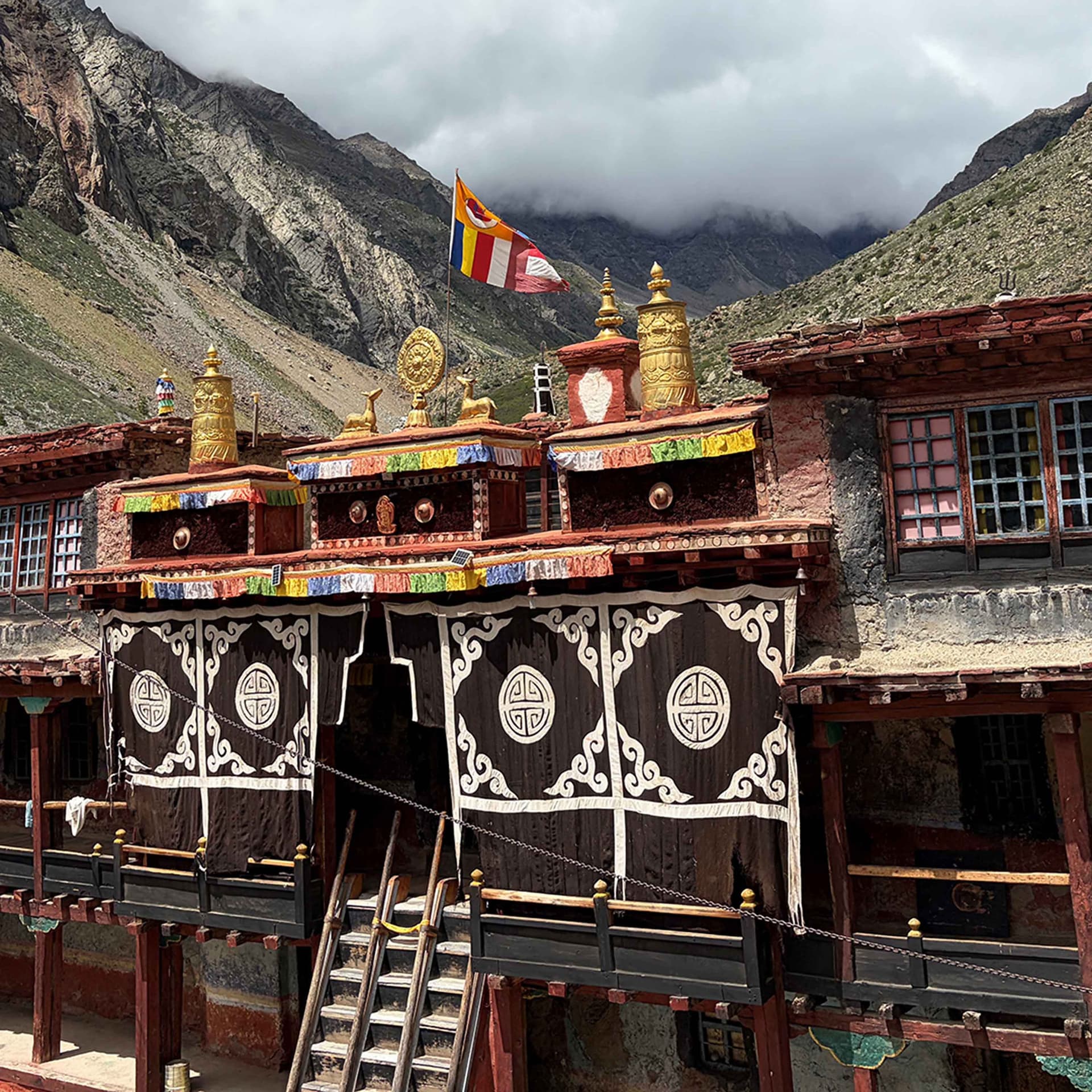
- Innovative Methods: The 'Karuna' silk project in Odisha allows silkworms to emerge before the cocoons are harvested, promoting compassion and reducing loss of life in traditional silk-making practices.
- Cultural Significance: Silk is deeply woven into Indian culture, with traditional silk garments often having familial and historical significance.
- Understanding Spanish Surnames
- Two-Surname Tradition: The episode explores the historical context behind the use of two surnames in Spanish-speaking cultures, attributing it to a mix of heritage and the desire for familial identity.
- Cultural Evolution: The practice is linked to social and legal changes over centuries, illustrating how naming conventions reflect broader societal dynamics.
Episode Contributors
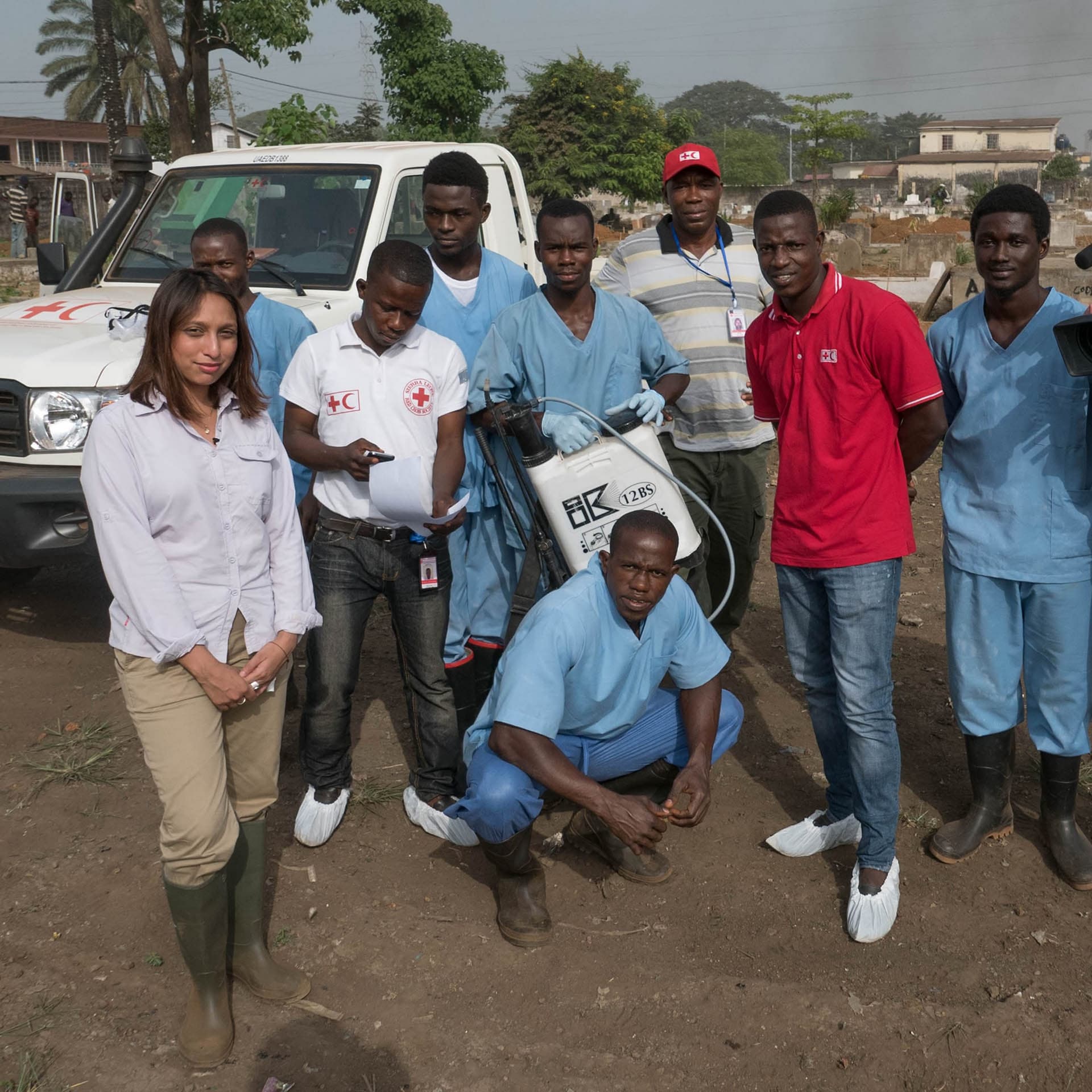
- Vitor Tavares: A journalist from BBC Brasil, who provides firsthand insights into the Brazilian community's experiences in the U.S.
- Shivalika Puri: Correspondent reporting on the Karuna silk initiative in India.
- Paola Rosas: BBC Mundo journalist discussing the historical significance of surnames in Spanish-speaking cultures.
Key Takeaways
- The fear and uncertainty among Brazilian immigrants are heightened due to ICE raids, leading to innovative but desperate measures for avoiding deportation.
- Cultural practices, like silk-making, are evolving towards more humane methods, reflecting a broader awareness of ethical considerations in craftsmanship.
- The two-surname system in Spanish-speaking countries serves as a cultural identifier, blending heritage and identity in a unique manner.
Conclusion The podcast episode sheds light on the intersection of immigration, cultural identity, and ethical practices in craftsmanship, emphasizing the resilience of communities facing adversity. It encourages listeners to consider the broader implications of policies and traditions that shape lives worldwide.
Written by AI. May contain mistakes. Listen to the episode to check what was said.
Transcript
Automatic transcript. May contain errors.0:00This BBC podcast is supported by ads outside the UK. I want to put all the issues on the table that keep me up at night. The interview. The best conversations from across the BBC. We're coming up against technology companies that are richer and more powerful than many nation states. With the people shaping our world. There are those that believe that the power of law should be replaced by the law of power. The interview from the BBC World Service. Listen now wherever you get your BBC podcasts.
1:00Listen on bbc.com or wherever you get your podcasts.
1:07Welcome to the documentary from the BBC World Service.
1:16Estás escuchando The Fifth Floor. The Fifth Floor dinliyorsunuz. Vizim le calo. Tomiha ektai The Fifth Floor, Farnak Amidi Sobat. This is The Fifth Floor, at the heart of global storytelling, with BBC journalists from all around the world. I'm your host, Farnak Amidi.
1:44Does anyone have the phone number of a Brazilian restaurant in Lowell? Brazilians living in the USA use WhatsApp group chats to keep a sense of community. Does anyone know a good Brazilian hairdresser around Brookline? Questions to other Brazilians, comments on the price of flights home. Hey everyone, I need to unlock my English. Does anyone have a teacher to recommend? You know, things that come up when you're living as an immigrant. But in September, the types of messages on these groups changed. They caught a woman and a girl in Milford now with four ice cars. They came in force. May God have mercy on everyone.
2:25Since the beginning of President Donald Trump's second term, there have been increased immigration and customs enforcement or ICE rates all over the country. People help locate Carlos' family. They just got trapped by the ICE in Stoughton. The owner of this car was picked up by immigration earlier today. If anyone knows him, please contact me. I don't even respond to people who greet me on the street anymore. These raids are designed to crack down on people from overseas living in the U.S. illegally. And in September, ICE focused on Massachusetts, where there is a huge Brazilian population. Many Brazilian people living in the U.S.
3:06are there legally, but many aren't. And if they are arrested by ICE, they face detention and ultimately deportation. Vitor Tavares of BBC Brazil has been looking into how the Brazilian communities in the USA have been responding to these raids in Massachusetts. I first asked them, how many Brazilian people live in the United States? I think we need to remember that Brazil is the most populous country in Latin America. But although the number of Brazilians who immigrate abroad is large, the raid is not as high compared to countries like El Salvador or Guatemala. but still many Brazilians do migrate to Europe, to countries like UK, Ireland, but mainly to the US.
3:52According to recent data from the Brazilian government, around 2 million Brazilians live in the US, but the government doesn't specify their migration status, whether regular or not. According to US data, about 800 ,000 Brazilians live in the US. We can estimate how many might be undocumented. And many Brazilians arrive as tourists. But in the last few years, we have also seen many Brazilians crossing the border from Mexico, like the other immigrants from Central America. And once in the U.S., those who immigrate often go to areas where there are already large Brazilian communities, especially in Florida, New Jersey, and mainly in Massachusetts.
4:37So we know that at the moment there is an increased immigration and customs enforcement raids across the US, and you wanted to find out how these raids are affecting the Brazilian community. How did you go about doing that? The Brazilians are obsessed with group chatting on WhatsApp. So it's quite popular among Brazilians. So when the raids against immigrants started to erupt across the country under Trump, we knew those were spaces where people would share information. When the massive protests broke out in Los Angeles in June, we decided it was time to make an effort to get into those spaces.
5:20We did. But our sources weren't in California or in Los Angeles, but in Massachusetts. So in June, those groups started popping up with comments about ICE and protests. But since that wasn't happening in Brazilian areas, there wasn't much sense of urgency or fear. But everything changed at the beginning of September, when the Trump administration launched a new operation in Massachusetts in response to the state sanctuary policies. Interestingly, the public announcement about this operation came on September 7. But two days earlier, those groups already knew something was happening. photos of ICE vehicles and agents on the streets started circulating on those groups, along with stories of people being arrested.
6:09So what sort of information were they sharing in these groups? Faranak, the main thing in these groups is the location of ICE agents. So the day usually begins with good morning messages and people asking if someone saw anything on the way to work. We noticed that some people started getting up earlier to leave home before the sunrise, supposedly to reduce the risk of being caught because the operations began in the early hours. So if you leave your house like 3 a.m., it will be safer. Throughout the morning, there are a lot of pictures and videos of arrests being shared. There are also photos of cars left behind by those who were detained.
6:54Messages like, guys, does anyone know the owner of this car? He has been arrested. And you see someone saying things like, I know his family. I will contact them. Because this network of information sometimes is the only way people find out what happened to a relative or to a friend. Because there's a lack of official information. And people are afraid to call the police, to go to a police station, to report that someone is missing, for example. And I also saw, it's a curious thing, I also saw people from a condominium full of Brazilians in Massachusetts who stayed at home for about two days because there was always a checkpoint right outside the entrance.
7:40So they actually bought a drone to fly around and check if the route was clear before going out to work. So you can see the sense of fear of those communities. Absolutely. And from what I understand, they also share advice on how to look more American. So how do you actually look American? For example, they started riding cars that look more American, like big SUVs. Brazilians are well known for working in construction in Massachusetts. So they often drive vans filled with tools and equipment. And now they are trying not to use those kind of vehicles because they know they are being targeted. Some suggest putting a Trump sticker on the car.
8:28Others advise not speaking Portuguese in public and to always leave the kids at home. I even saw people sharing how to say certain words in sign languages so they wouldn't need to speak at all on the street. Vitor, tell me, what is it about these raids that really scares and worries people? What are they afraid of? Farhanak, I have spoken to a lot of Brazilians in the US since the beginning of the new Trump administration. And in the first few months, I heard a lot of support for Trump's immigration policies, even among undocumented people. What they used to say to me was that Trump was only trying to arrest and deport criminals.
9:11And since they saw themselves as honest and hardworking, they believe nothing would happen to them. But now, especially with this operation targeting the state of Massachusetts, that perception has completely vanished. Everyone now feels they are a potential target, no matter what. Even people who are in the process of regularizing their status are worried because others in the same situation have already been arrested. So one Brazilian told me that they arrest you before even checking your current status. So now everyone is scared. Everyone knows someone who has been arrested. So there is this feeling that is getting closer and closer.
9:54And do we know what happens to them when they are detained by ICE? When people are detained, it's quite common for them to spend just a couple of days in Massachusetts before being arrested to another ICE facility, specifically in southern states like Louisiana or Texas. According to activists that I have spoken to, this is a way to weaken immigrants' defense since it's much harder to find a lawyer in another state that is not the home state of these immigrants. And also, according to those activists, judges in Massachusetts tend to be less harsh on immigration cases. So people feel like they can just vanish from their families and eventually be deported to Brazil.
10:39In some cases, the family will not know where this person is. And Vitor, have these new developments convinced Brazilians to give up on living in the US? Maybe leave, go back to Brazil? So, Farhanak, we don't have numbers on how many Brazilians have self-deported. but yes, definitely something is something on the radar for many people in those WhatsApp groups. Each group has around a thousand members and it's quite common to see people saying that their time in America is over, that they don't deserve to be hunted, that it's time to go back to Brazil. A lot of people is commenting something like that but others feel they need to keep fighting because they have built a life in this country But overall, the feeling is one of sadness of the life they are having right now in the U.S.
11:33And many undocumented people, immigrants who are living basically in the U.S. illegally, have been living there for decades. And of course, many people might say they're here illegally. They shouldn't be here illegally. But what do these undocumented Brazilians say to that argument? They know they are undocumented and they know that in some cases they crossed the border illegally. But they also feel that the country relies on them. Brazilians are building houses in Massachusetts, are painting walls, are cleaning homes. So even though they are not legal and they are not welcome for a part of the American population, they know they are needed.
12:18So that makes them very upset about the whole situation. Thank you, Vitor Tavares from BBC Brazil. You're listening to the documentary from the BBC World Service. I want to put all the issues on the table that keep me up at night. The Interview, the best conversations from across the BBC. We're coming up against technology companies that are richer and more powerful than many nation states. With the people shaping our world. There are those that believe that the power of law should be replaced by the law of power. The interview from the BBC World Service. Listen now wherever you get your BBC podcasts.
13:03America is changing and so is the world. But what's happening in America isn't just a cause of global upheaval. It's also a symptom of disruption that's happening everywhere. I'm Asma Khalid in Washington, D.C. I'm Tristan Redman in London, and this is The Global Story. Every weekday, we'll bring you a story from this intersection, where the world and America meet. Listen on BBC.com or wherever you get your podcasts. We focus on the part of the internet that most people don't know about. It's called the dark web. Undercover in the furthest corners of the dark web. US special agents are on a mission to locate and rescue children from abuse.
13:49Move in now. From the BBC World Service, World of Secrets, the darkest web follows their shocking investigations. Search for World of Secrets wherever you get your BBC podcasts.
14:06This is The Fifth Floor and I'm Farun Akamidi. India is well known for its relationship with silk. It is hard to imagine Indian celebrations and parties without the brightly colored fabric, and the country is the second biggest producer of silk in the world. Most silk-making procedures, however, involve boiling the cocoons with the silkworm still inside. Now, a state in the east of India is pioneering a new way of making silk, which is gentler to the warm. Shivali Kapuri, who reports for BBC in India, traveled there to find out more. So silk has always had a very special place in the Indian culture.
14:51In India, one of our most iconic traditional outfits that is known as saree. And a silk saree in particular is often treated as a family heirloom. So something that is passed down through generations. and I've seen people wearing these silk saris on their wedding day or big festivals or other social gatherings. And for many, silk saris aren't just garments. They're full of nostalgia. I have a friend who recently wore her mother's silk sari for the very first time on a graduation day. And these are just moments where silk becomes more than just a fabric. So in traditional silk making process in India, farmers usually raise silkworms by feeding them fresh mulberry leaves.
15:40And when the womb is fully grown, they're moved onto frames where they spin their cocoons for a few days. And once they have spun into their cocoons, what happens is these cocoons are collected and they're boiled in hot water. This boiling serves two purposes, which is first, it kills the worm while it's inside the cocoon. And second is it also softens the natural gum that holds the fiber together. So this makes it easier to unwind the long silk strands. And from there on, the process of silk production starts where it's sent for dyeing, spinning process, and it's ultimately turned into a proper fabric.
16:29So Karuna Silk is an initiative launched as a pilot project in Odisha by a state government in eastern India. Odisha is well known for its rich silk tradition, that is tasir and mulberry silk, but these typically involve boiling cocoons with the worms still inside. But in Karuna Silk what happens is these worms are fed casterly, and they're cared for throughout their natural life cycle. Instead of boiling the cocoons, the farmers wait and they wait until the moth have fully emerged from the cocoon. And only then are these empty cocoons collected and processed into silk.
17:17So the word karuna means compassion or mercy. I think it's a very fitting name for a silk that is made with the thought of kindness at its core. One of the things that we learned on ground was when we were speaking to these pilot project participants, these were some people who were practicing traditional method as well. And now they're adopting Karuna silk method. And what they told us was that they were very happy that no life was being lost in this silk making process. So I think that really drew them in this process of making silk. So we visited three different locations in Odisha. Our first stop was Patia, where we met a farmer who is involved in taking care of these airy silk homes.
18:10and it was just such a fascinating experience because we were greeted by the sight of these bright yellow, wriggly and spiky worms and they were munching on caster leaves and others were busy spinning their cocoons. A few of my colleagues, they were slightly freaked out by the sight of these insects but I just found the worms so captivating. I had them on my hands and it was just so peaceful to look at it like the way they moved and next we travelled to this village where we met a family of weavers who were also actively involved in the production of Karuna silk and each family member in that household had a role so some of them were dyeing the thread the others were spinning the thread others were sitting on the handloom and it was just very exciting just the sight of everybody involved in that tiny space Our last visit was to a village called Bhagamunda It was a very important site because we met somebody who's known as a master silk reeler So this is a lady who was very generous with her time And she explained to us why she was still practicing the traditional method of making silk And why she hasn't shifted to Karuna silk method and the reason was the lack of infrastructure and the lack of technology that is currently available.
19:37So for Karuna silk you require big spinning machines and that isn't easily accessible and affordable which the government is working on. The silk is shorter because the cocoon it ruptures when the moth emerges. So in traditional making process the silk is longer because the moth is still inside. it's not breaking the cocoon but here it is breaking the cocoon that is why you need a big spinning machine to help with that process so we visited quite a few shops in odisha where they were selling both traditional silk sari and karuna silk sari and what we noticed was the first of all obviously the texture so traditional silk sari it was more shiny it was more smooth and it was giving a bit more luxurious appeal.
20:30Meanwhile, the Karuna Silk Sari, the texture was a bit rougher to the touch and it had a more matte finish, but it still looked beautiful in a more natural way. Karuna Silk Sari was only launched two years ago in Odisha, so it's still early days. But according to what we gathered on ground, I think it has that potential to reach others. That was Shivali Kapuri reporting from India. Names are very important, especially family names. They can indicate where we're from, our religion, and in most cultures, who your father's family is. But in Spanish-speaking countries, most people have two surnames, which got BBC Mundo journalist Paola Rosas wondering why.
21:19She got digging and came up with some surprising and interesting results, which she shared with us. In Spain and in many countries in Latin America, because of all these Spanish infants, we have a given name or maybe two. And then we have two surnames. Traditionally, the first one is your father's first one. And the second one is your mom's second one. It has changed during time. You know, now families can decide which order the kids surnames are going to be. But usually we all have two. So I was checking your BBC email and it's Paola Rosas. So you only have one. No, I have two. I have two. I'm from Spain, so I have two.
22:02I'm very proud of my second one. That is my mom's one. But the thing is, when you live in a country such as the UK or a northern European country or any country where you only have one surname, having two is a bit of a nightmare, a bit of a mess because people don't understand why they're two. So for work, it was just much easier to just give my first surname shorter and easier. But is it mostly common for people to drop their mother's surname? Generally, your mother's surname is your second one, traditionally. I mean, even in Spain, when you introduce yourself to someone, you might give only your first surname, not your second one.
22:42Or you can see many authors, you see the book cover and it's only one surname. But that depends because maybe your first one is a very common one. Maybe your first one is Lopez, you know, and you have a second one that is more distinctive. People are going to remember you better or you like it more. So you might write the second one more or you might give both of them because they sound good as a tandem, you know. So it depends. How did this all happen? How did this two surname thing happen? Because, you know, the father surname is such a patriarchal thing, you know. That's how the names are passed down.
23:18The surnames are passed on. So how did you guys come about with the two surnames? Well, actually researching for this article that we published in BBC Mundo, talking to experts, they told me, well, basically it comes because in Spain, and this is different from many European countries, women never change their name when they married. They always kept their name and we still keep it. So there was always a sense, you know, that you belong to these two branches of the family. You have your heritage with you, you know, your mom's and your dad's heritage. But the thing is also that surnames were not something, and this is really that I found fascinating, you know, researching.
23:58The surnames were not something that was official. It was something that you were known by, mostly for common people, you know. So, for instance, if you were, I don't know, a shoemaker, you might be Pedro Zapatero, Zapatero Shoemaker, you know. Or it could be a personal characteristic, you know. For instance, you were blonde, so you're like rubio, or you're good and bueno, from where you were coming from. Imagine you just moved to another village because you were looking for a job or whatever, and you were coming from Arjona. So maybe you were Paula de Arjona. This is something that you were known by, but it wasn't official.
24:37You could just pick your own. Mostly people picked yours, basically. And the only kind of official thing was the given name. And it was different with nobility, obviously, that you would pick the highest hierarchy surname, let's say. I mean, in families, maybe the kids would pick different ones. So, for instance, this is an example with the Marquise de Santillana, Íñigo López de Mendoza y de la Vega. So it's a very long and real name. And he married Catalina Suárez de Figueroa. They had 10 children and they all have different names. So one was Diego Hurtado de Mendoza y Suárez de Figueroa. Another was Íñigo López de Mendoza y Figueroa.
25:19Another was Pedro González de Mendoza. So each one picked whatever they wanted. And in different order. And in different order. The first, the granddad's from the mom's side. And the second, that's how it worked at the time. Very fluid. In Iran, also, we never had like the official surname came around like 100, 100, 10 years ago. just last century, really. And exactly like Spanish, people were known by their profession, the business they had, or the place they come, or actually a physical characteristic. We have that as well. Or their personality. Like I remember I had a classmate, at the end of her lesson was long tail.
26:03But long tail, dum de raz, in Persian, means someone who's really cheeky. so I was like why do you have that at the end of your surname she's like apparently that's the nickname that my great-grandfather had because apparently he was like really cheeky person in neighborhood so that's that I wasn't coming for people to just change their surname maybe yeah I mean the thing is unless you wanted to pretend you were someone else's kid in a fraudulent way you could just like pick your own it was no official there was no officiality with surname so So when did this all end? Well, it started to settle down, let's say.
26:46I mean, it started with the Council of Trent in the 16th century. That's when the church, the Catholic church, obviously, wanted to have a registry of baptism and marriages and deaths. So they started to have like parish books where you will note down your name and your parents' name. And this was very useful for the Inquisition because they wanted to know your ancestors. They wanted to know that you have pure blood, as they called it. That means that you don't come from converts, from Islam or from Judaism. So if they were investigating you for heresy or something like that, they would check your parents' names and your grandparents.
27:30And that way, with the registry, it was easier to do. and that in the 19th century it was the state who wanted to have a registry to control people so they could pay taxes and they could be conscripted for the army. So they started in the 19th century to have an official civil registry and it was almost at the end of the 19th century where they decided that it was common to have two surnames and that was going to be official. And what about the South American Spanish-speaking countries? When did they adopt this whole thing? After they gained independence, most of them, but because they still have this Spanish heritage in law and in many other things.
28:13And so in most Latin American countries, they also have two, but not all of them. For instance, in Argentina, because they did have a lot of migration from Europe, from Germany, from Italy, from many others. So they have more diversity of surnames in Spain and in the Spanish-speaking countries. We don't have that. Many people are called the same. So that's why having two is useful. But in Argentina, because they have more surname base, let's say, is not compulsory. That was BBC Mundo journalist Paola Rosa Salas. That is to give her correct name, sharing with us the history of why Spanish-speaking peoples usually have two surnames.
Read the full transcript
28:56That's all from me, Ferenc Amidi, and the rest of the Fifth Floor team. Thanks for listening.
29:06You've been listening to the documentary from the BBC World Service. I want to put all the issues on the table that keep me up at night. The Interview, the best conversations from across the BBC. We're coming up against technology companies that are richer and more powerful than many nation states. With the people shaping our world. There are those that believe that the power of law should be replaced by the law of power. The interview from the BBC World Service. Listen now wherever you get your BBC podcasts.
From the publisher
Drone surveillance, sign language and 'looking American' are all suggestions that Brazilian immigrants are making to each other as ways to avoid being deported. Since the beginning of President Donald Trump's second term, there have been increased Immigration and Customs Enforcement or 'ICE' raids all over the country. These raids are designed to crack down on people from overseas living in the US illegally, and in September ICE focused on Massachusetts, where there is a huge Brazilian population. Many Brazilian people living in the US are there perfectly legally, but many aren't and if they are arrested by ICE they face detention and ultimately deportation. Vitor Tavares of BBC Brasil has been looking into how the Brazilian communities in the US have been using messaging apps to respond to the raids in Massachusetts.
In traditional silk making methods the cocoons are boiled, killing the silkworm inside. But a state in western India is pioneering a new way of making silk, where the silkworm is allowed to mature into a moth, and leave the cocoon still alive. It's called 'Karuna' silk, which means compassion. Shivalika Puri who reports for the BBC in India went to go and meet the people who are making this more compassionate silk.
Spanish people and most Latin Americans have two surnames, but why? It’s a tradition that goes back centuries, but it’s not common across most Christian origin countries – which got BBC Mundo journalist Paula Rosas thinking, and digging into the history.
This episode of The Documentary comes to you from The Fifth Floor, the show at the heart of global storytelling, with BBC journalists from all around the world.
Presented by Faranak Amidi.
Produced by Caroline Ferguson, Laura Thomas and Hannah Dean.
This is an EcoAudio certified production.