
In short
U.S.-Iran negotiations amid fears of war, following Iran’s late-2024 anti-government crackdown and ongoing unrest, with a BBC correspondent’s on-the-ground look in Tehran.
Guests/backgrounds
Lise Doucette, BBC chief international correspondent with decades of Iran reporting; hosts Asma Khalid and Tristan Redmond (BBC Global Story).
Key claims
Trump says Iran must either strike a deal or face “unfortunate” consequences; U.S. military buildup and Revolutionary Guard drills (including Strait of Hormuz disruption) heighten war risk. Iran’s deputy foreign minister Majid Takhtaravanshi says Iran will compromise on its nuclear program only if U.S. sanctions are lifted, emphasizing “give and take” and rejecting missile/region-support demands. Iranians interviewed describe economic collapse (inflation ~60%), internet blackouts, and fear of renewed attacks; some want negotiations, others see war as the only “way to save” Iran.
Notable examples
Revolution Square murals; interviews with Dorit (20) and Amir; 47th revolution anniversary protests vs “Marbar Dictator” chants; President Masoud Pezeshkian’s apology; 2,000 pardons that exclude protesters, with some facing death penalty.
Written by AI. May contain mistakes. Listen to the episode to check what was said.
Chapters
Tap a time to open that second in VOIran's Tense Situation
1:38 to 2:49
Understanding the escalating tensions between Iran and the U.S.
“Is time running out for Iran to make a deal with the Trump administration?”
Journalist's Unique Access to Iran
2:49 to 4:23
Insights from Lise Doucette's recent reporting trip to Iran.
“But this month, the BBC's Lise Doucette was able to make that trip.”
Iran's Divided Sentiments
4:23 to 6:23
Exploring the diverse feelings of Iranians about the potential for war.
“And an Iranian journalist sat me down and said, we're a country that we go from extremes.”
Voices from Tehran: Concerns and Hopes
6:23 to 11:15
Interviews with Iranians expressing their fears and hopes amidst crises.
“But I have to say, Asma, this was my first visit ever to Iran where some Iranians, and of course, I can't say how representative it is.”
Commemoration of the Revolution
11:15 to 14:00
Describing the anniversary of the Iranian revolution and its significance.
“There were lots of people that now they aren't here with us and we are upset about that.”
Protests and Government Responses in Iran
14:00 to 18:21
Exploring the Iranian protests and the government's mixed responses, including the Supreme Leader's call to rally support and the president's apologies.
“Death to the dictator, death to Khamenei.”
U.S. Involvement and Iran's Negotiations
18:21 to 19:58
Discussion on U.S. military presence, President Trump's mixed signals about negotiations with Iran, and insights from the Iranian deputy foreign minister.
“And together we're the hosts of the Global Story podcast from the BBC.”
The Complexities of Iran's Nuclear Deal
19:58 to 24:41
Analyzing the tensions surrounding the nuclear deal negotiations and the demands from both Iran and the U.S. regarding sanctions and military concerns.
“calling it a terrible deal and that he would do one better.”
The Aspirations of the Iranian People
24:41 to 28:03
A heartfelt examination of the desires of ordinary Iranians for normalcy, travel freedom, and connections with the global community.
“I remember in January during an interview, one of the many interviews President Trump did, in which he said, I've said many times, I'd like to win and I want to win the end game in Iran.”
Closing Remarks and Guest Acknowledgment
28:03 to 28:25
The hosts express gratitude to the guest and highlight the end of the episode.
“Iran wants to be out of the frames and be a normal country.”
Transcript
Automatic transcript. May contain errors.0:00This BBC podcast is supported by ads outside the UK.
0:30Come on! Get a load of this guy. Ketchup. On a dog. Yeah, we've got thoughts. Too loud? In Chicago, you're gonna hear it. Because nothing here gets built without conversation. Nothing moves without connection. So, if you think you know AT &T, it might be time to rethink that. Because their network has improved, like, a lot. So Chicago can keep speaking its mind with AT &T Wireless and AT &T Fiber. Chicago won't stop talking. Our improved network backs it up. AT &T. Connecting changes everything. AT &T Fiber. Limited availability in select areas. Hi there, I'm Asma Khalid. And I'm Tristan Redmond.
1:08And together we're the hosts of the Global Story podcast from the BBC. For those of you who might be new to our show, we here at the Global Story dive deep every weekday on one big story at the intersection of where the world and America meet. And you can now watch the global story on the iHeart app. Catch every brand new episode every weekday. Just tap into iHeart to start watching. And we hope you enjoy the show.
1:38Is time running out for Iran to make a deal with the Trump administration? On Thursday, President Trump warned... We're either going to get a deal or it's going to be unfortunate for them. He was asked if he'd given Iran a deadline to make a deal. I would think that would be enough time, 10, 15 days, pretty much maximum. He's also surrounded Iran with what he describes as a massive armada. For its part, Iran has previously warned that any U.S. strikes will lead to an all-out war in the region. And it's against that backdrop that the U.S. and Iran are holding more talks this week. These discussions also come as anti-government protesters have been seen back on the streets.
2:23Last month, there was a massive political uprising in which protesters demanded the end of the regime. But the government responded with a brutal crackdown in which thousands were killed. All of this could add up to the biggest test of survival for Iran's Islamic Republic. It's facing ongoing unrest from inside, while also on the brink of a possible war from outside. Now, it's rare for international journalists to be granted access to report in Iran. But this month, the BBC's Lise Doucette was able to make that trip. From the BBC, I'm Osmah Khaled in Washington, D.C. And today on The Global Story, a glimpse of life inside Iran at this crucial moment.
3:12Lise is our chief international correspondent and she's had a long history of covering Iran. She was reporting from Tehran on condition that none of her material would be used on the BBC's Persian service. These restrictions apply to all international media organizations operating in Iran. Iran has been part of my reporting life for many years, many decades in fact. It started in 1989 when I was living in Kabul and in June when news broke that Ayatollah Khomeini, Iran's revolutionary leader of 1979, had passed away. We managed to get to Iran for the funeral and that was my first time there. And I still have such vivid memories of that time sitting down in the former luxury intercontinental hotel now known as the Laleh Hotel.
4:04It was famous, Aspen, that time because it had an American flag on the floor as you walked into the hotel, which meant in order to enter the hotel, you had to walk over the American flag. And as you know, living in the United States, that's showing such disrespect for the flag. But that was part of the whole time then. And an Iranian journalist sat me down and said, we're a country that we go from extremes. We went from the pro-Western Shah, the monarchy, which was toppled in 1979. And then we went to this extremely conservative Islamic Republic. And she said at some point, and remember this is 1989, she said, we will find our middle.
4:46And really in all the trips to Iran since then, including the last one, you really feel it's a country that's been pulling in two directions about where the country will go next. Lise, we're having this conversation at a moment when here in Washington, we are hearing a steady drumbeat of possible war. We've seen the United States military build up forces around the country, possibly preparing for strikes. And it's in that context that you've also just come back from a reporting trip to Tehran. And I want to begin there. Did you have a sense that people are anticipating that the U.S. might really strike their country?
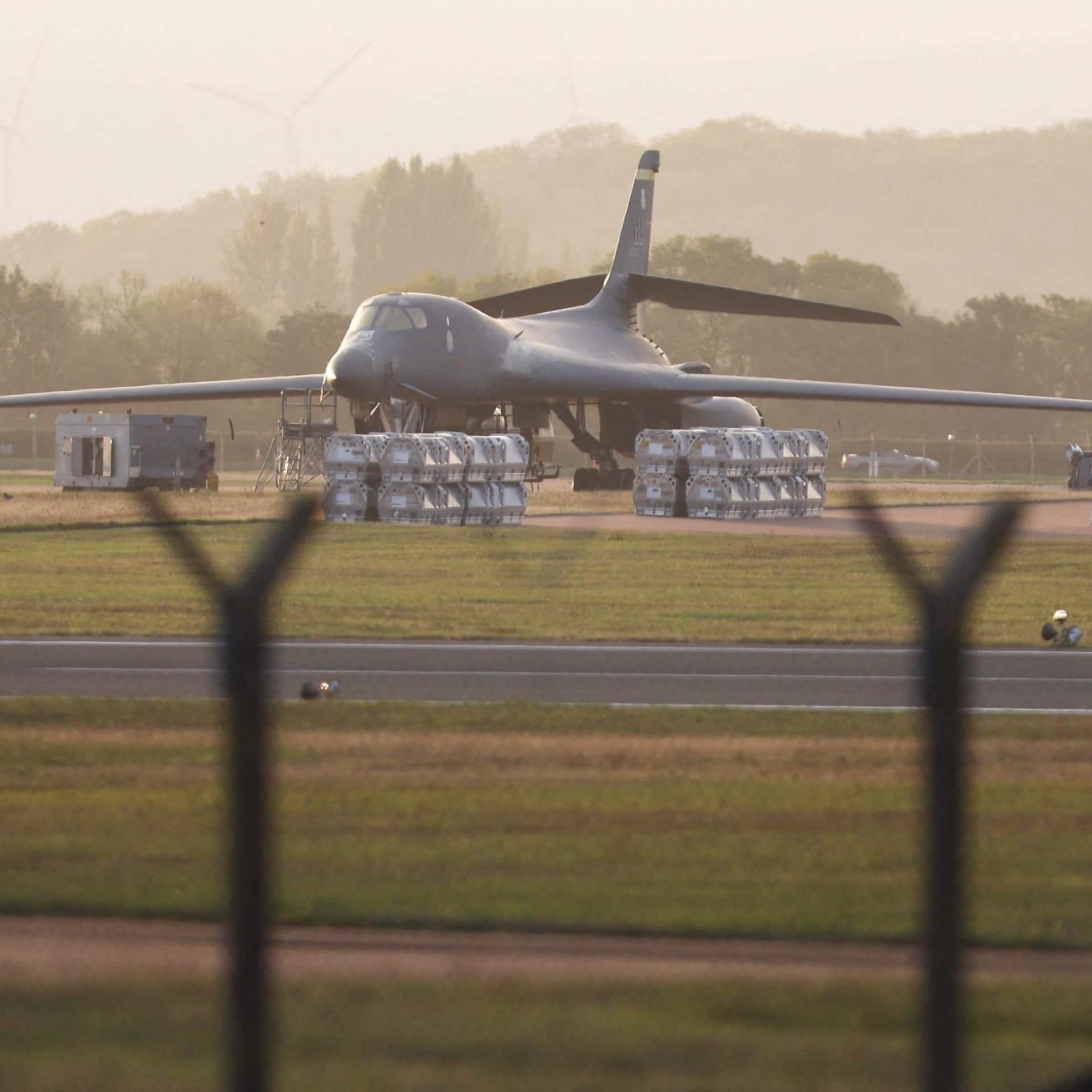
5:28If you can feel the drumbeat in Washington, Asma, you can definitely hear it loudly when you're in the region. As you say, there's been a steady military buildup in the Arabian Sea just off the shores of Iran. And when we were there, Iran's elite Revolutionary Guard Corps also carried out naval drills in the Strait of Hormuz, one of the world's most important and most strategic waterways where a lot of the maritime traffic, including oil tankers, go through. And they even shut the Strait of Hormuz for a few hours, sending a signal, you're preparing for war, but so too are we preparing for war.
6:10And as you know, President Trump has repeatedly said he would prefer a deal. And of course, there's intense speculation as there was in Iran when I was there that will there be a deal or will there be a deadly war? But I have to say, Asma, this was my first visit ever to Iran where some Iranians, and of course, I can't say how representative it is. There were just some people who spoke to us when we asked them about the situation. Some Iranians said to us, no one wants their country to be attacked. But for us in Iran now, we see American military action as the only way to save our country. It gives you a sense of their depth of anger and despair.
6:52People say we have nothing left to lose now. And some did say, I'm really worried about a war. They had a war last year and they saw how civilian neighborhoods were targeted. Civilians were killed in that 12-day war, which, of course, also drew in the United States in the end, who struck Iran's nuclear sites. So they've seen the might, both of the American and the Israeli military. So people were very divided about some fearing a war, some saying, well, we want a war. This is how bad our situation has become. And of course, alongside this buildup of preparations for war is this war of words, each side warning the other of the consequences they would face.
7:34So tell us, Lise, about where you visited on this trip. I want to hear what you saw and how the mood felt to you. Bear in mind, we were there for just a little over a week. We were only in Tehran. Because of the sensitivity of the situation, we're allowed to go to certain areas and not go to other areas. But people would come up to us and say, we want you to hear our voices. We want the world to understand what is happening in Iran. People were ready to tell us what they thought, and very bravely so. Liz, can you tell us about specific places within Tehran that you visited on this trip? Our first stop was in Galab Square, Revolution Square.
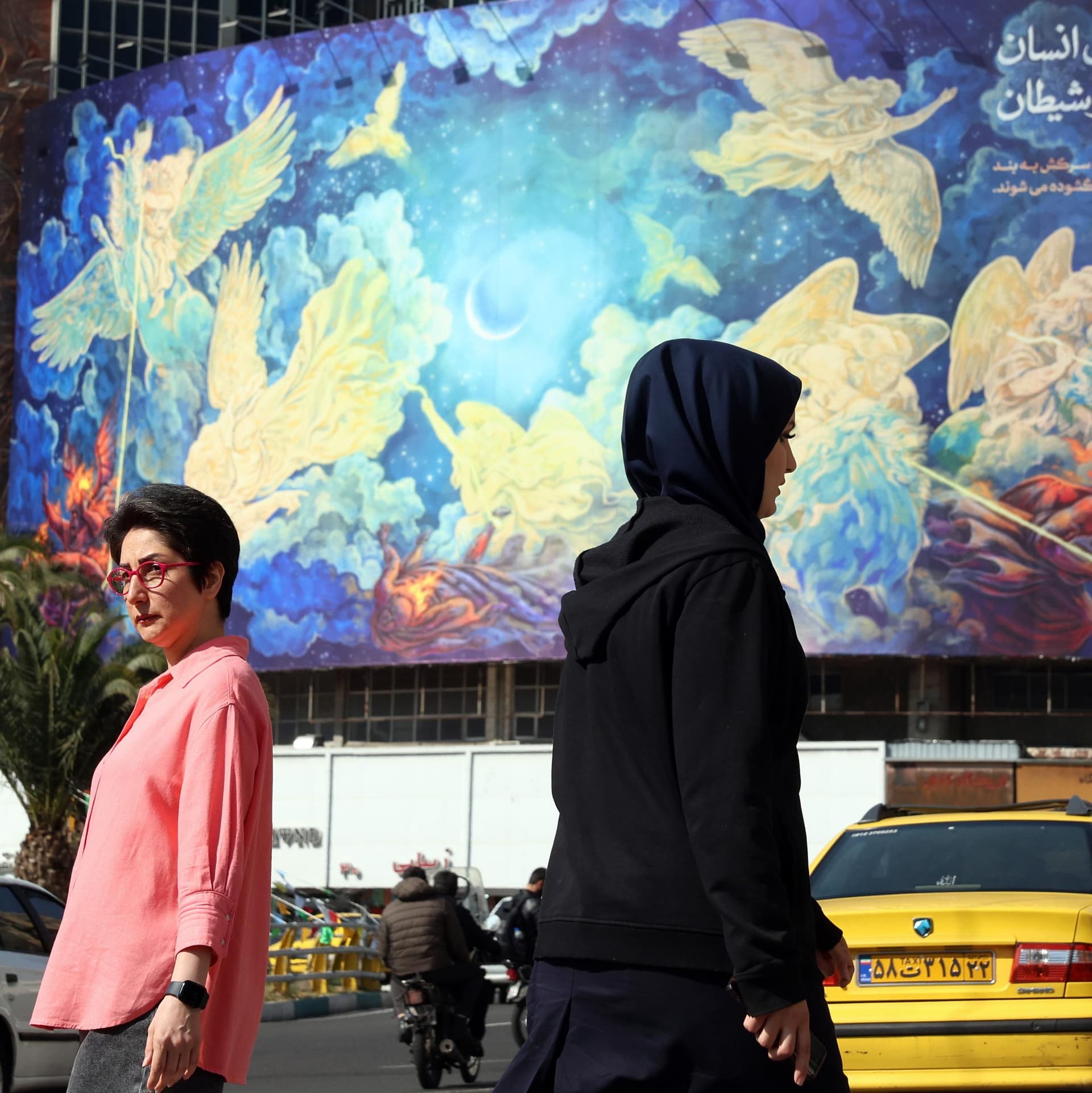
8:14The traffic is brisk, as you can hear. Many people going about their day. where these new painted murals had gone up by the government showing faces of smiling Iranians as if to try to varnish the history of what had happened. And we went into the streets and I asked a very open question. What's the main worry on your mind? And I was stunned by what I heard. Hatarnak, it's dangerous.
8:43She said dangerous. You said dangerous? Okay, we understand, we understand. And it's a very sensitive time. We might hear it more than usual. Hello. What's your first name? I'm Dorit. And how old are you? I'm 20. What's the main worry on your mind these days? I think we're going through a really, really hard time in our country. Everything costs so high. And there's nothing stable right now in the country. And can I ask what you do know about this last month? The last month was really terrible. We went through the blackout of Internet and we could just know nothing about our country and what's happened to people.
9:24And after the connections, we saw a lot of horrible videos and photos from people who were under attack. And everything was so terrible, actually. Do you think it will get better? I just hope that everything doesn't just get worse. Because I think nothing's going to get better, actually. It's such an important time in Iran. What's on your mind now? She's crying. Oh, I'm so sorry. She started to cry. I'm really sorry. I'm really sorry. Did you lose somebody? It has been a month now since I haven't eaten or slept properly. Look at me. I'm young, only 32 years old. Why should I be ravished and look depressed?
10:12What is my sin? What crime did I commit? Why? I swear to God, they kept calling people the protesters rioters, but people were not armed. It really was a snapshot of Iranians in this time. So many of them suffering under the weight, not just of international sanctions, which are strangling the economy, but also years of economic mismanagement and corruption. We talk about a cost of living crisis in so many countries, including the United States, where you are, Asma, and in Britain, where I am. But the crisis in Iran is on a completely other scale. Inflation is soaring at about 60%. And of course, it was the spiraling prices and the real currency in free fall against the dollar that initially sparked this wave of protests in late December.
11:06And then, of course, it spiraled into something much bigger. And so whenever we would talk to people, we'd have a mix of people with economic grievances and people with political grievances. Salaam. Your name is? Amir. Amir. It is a hard time. We are all upset about the situation. There were lots of people that now they aren't here with us and we are upset about that. Because they were killed. Yes. And I have also other concerns too. They say there are possibilities that America is going to attack us. I think people are worried about that. Do you hope that the negotiations between the United States and Iran succeed?
11:52Yes, I do hope that it succeeds. Do you think that would help make your life better? Yes, I think that will make our lives, our economic situation better. Do you worry that there is a very real risk of another war? Yes, I think it can be a very dangerous war. It would be a terrible situation. It's 47 years of the Islamic revolution. What is your message to your leaders then at this time? I think we should hear our people's voices. Leaders and people that are responsible for this country, they must hear what people say and do what people want.
12:43In the midst of all these stalls, a young man stops his motorcycle and starts singing. And it's a very sad song. It's a lament for the people who were killed last month during the protests. I see some people around us as they've started to cry.
13:09Lise, you made this reporting trip to coincide with the celebrations for the 47th anniversary of the Iranian revolution and the start of the clerical rule. What was it like? What did you see? There's never been an annual commemoration like this. Every year they have what's called the 10 Days of Dawn, the period which led into the ushering of the Iranian Revolution. And every night on the eve of the 10th day, there is the fireworks in the air and also the call of Allah, Allah, God is greatest across the city. People taking to rooftops, shouting from windows. This year was different. We listened on our balcony in Tehran and we heard the Allah Akbar.
14:00But we also heard Marbar Dictator. Death to the dictator, death to Khamenei.
14:16People then, from what they believed was the safety of their homes, shouting from the windows, chanted some of the same slogans that they had shouted during those days of protest. So on the 10th day, there is always this rally through the streets.
14:35For the Iranian authorities, this was really meant to be a show of strength, so much so that the Supreme Leader, Ayatollah Ali Khamenei, had called on Iranians to come out in large numbers.
14:51To show the enemy, as he put it, code word for Israel and the United States, who he accuses of inciting the protests, to show them that there was support for the Islamic Republic. And of course, we have no way of knowing, Asma, how many of the people came out because they genuinely did want to support, how many felt they had to show their support, lest there be consequences. There certainly were supporters of the government, But we cannot say if they were all there because they wanted to be there. But they certainly filled the streets. And it was really striking what the president, Masoud Peshishkian, had to say.
15:28In Iran's political system, you have a spectrum from people who are called reformists. And then you have those called the hardliners. That would, of course, would go all the way up to the supreme leader and the hardliners around him. But the president who was elected, Masoud Peshishkian, is regarded as a reformist. And when he addressed the crowds that day on February the 11th, he apologized to the people. He spoke of his shame, although it was never really clear what exactly he meant by shame. The shameful crackdown, the shame in that the people were suffering. And from the beginning of this uprising, he had always said that there were some legitimate economic demands.
16:07And on this day of February 11th, while apologizing, he said, for the government's shortcomings, He said, we are doing everything we can to fix them. And of course, there are others, including the Supreme Leader and the head of the judiciary, who have taken a much harder line, constantly saying there will be no leniency for protesters. They usually, they pardon people during these commemorations. There were some 2 ,000 people have been, were pardoned that week. None of them were the protesters who had taken to the streets. In fact, some of them, we still don't have an exact number, will face the death penalty because they were accused of crimes against God.
16:49Lisa, on that day marking the 47th anniversary of the beginning of the Islamic Revolution, did you meet people who support the current government? And if so, what did they tell you? Well, those who spoke to us, they basically expressed their support for the Islamic revolution, their devotion, their piety, how the Islamic revolution had changed their lives, changed the region. One woman said to us it brought light to her life, to the region and to the entire world. There were protesters who were dissatisfied with the economic situation, and I recognize that. But there were rioters too, who brought chaos and they were supported from outside our borders.
17:39But of course there were a lot of people who didn't show up for that rally, because this year's commemorations coincided a few days apart with the month of mourning after the killings of last month, and then the 40 days of mourning. And for many Iranians, that was a much more important moment to remember and to mourn.
18:17Hi there, I'm Asma Khalid. And I'm Tristan Redmond. And together we're the hosts of the Global Story podcast from the BBC. For those of you who might be new to our show, we here at The Global Story dive deep every weekday on one big story at the intersection of where the world and America meet. And you can now watch The Global Story on the iHeart app. Catch every brand new episode every weekday. Just tap into iHeart to start watching. And we hope you enjoy the show.
18:51When the protests first erupted, we saw President Trump take to social media. He said that the United States was, quote, locked and loaded if Iran suppressed protesters. And yet over the last several weeks, we have seen a series of rather contradictory statements from the president about his intentions with Iran. He has insisted he is open to a deal, that his administration, we do see, is engaged in these indirect talks with Iran. At the same time, as we've said, the U.S. military continues to build up forces in the region. On your trip, I know that you met with the Iranian deputy foreign minister.
19:30I'm curious what he told you about these negotiations and these mixed messages that we all see from the Trump administration. Majid Takhtaravanshi is the deputy foreign minister. He's also a top negotiator. He works very closely with the foreign minister, Abbas Arachid. Both of them played a key role in the negotiations a little more than a decade ago, which led to the landmark 2015 multilateral Iran nuclear deal, which President Trump then pulled out of in 2018, calling it a terrible deal and that he would do one better. So Mr. Takhtaravanchi is someone who knows this file well. We are ready to discuss this and other issues related to our program, provided that they are ready also to talk about the sanctions.
20:17I was really struck by how much he talked about compromises, that they were ready to compromise, to go further than before, as long as the United States was ready to lift the sanctions. Because sanctions, as we call it, illegal sanctions, those sanctions have to be also on the table. One cannot accept the notion that Iran has to do certain things without the other side committing itself to do their share. So it has to be a give and take. That is what compromise is all about. And bear in mind, of course, that those sanctions really are affecting Iranians right across the country, whether they support the government or they don't support the government.
21:00So the Deputy Foreign Minister was adamant that as long as some were lifted, at least, that Iran would be willing to make some compromises on its nuclear program. Are you optimistic a deal can be reached? It is too early to say whether we will reach an agreement. You know, after one round, one cannot say for sure, bearing in mind the fact that we experienced a war in the middle of negotiations. So one meeting is not enough to assure us that the other side is serious. Iran continues to underline that it was in the middle of negotiations with the United States last year. And then just days before what was to have been the sixth round of talks between President Trump's envoy, Steve Whitcoff, and the Foreign Minister Abbas Araqchi, Israel attacked Iran.
21:50And the Iranian authorities believe that that was done with the complicity of the United States. And that means there is absolutely no trust in this process. They don't trust President Trump because he pulled out of the deal. They don't trust him because of what happened in the 12-day war. And they don't trust him now because he sends out so many conflicting messages. When I sat down with Mr. Takhtaravan Chi, the latest remarks from President Trump had focused on it would be the best thing to happen would be regime change in Iran. So is it about regime change? Is that what the military buildup is all about?
22:28Is it about a new nuclear deal? And is President Trump willing just to focus on the nuclear deal? or will he agree with senior members of administration and Israel who say that a nuclear deal is no deal? It has to include Iran's ballistic missiles. Can I clarify, what is it that the Iranians and the Americans actually want out of these negotiations? Because we've seen now these two rounds of talks. It sounds like the Iranians want this to primarily be a nuclear deal. Can you help us contextualize this? We've been trying to read between the lines of the statements from the Iranian side and the American side since this last round of talks, indirect talks mainly in Geneva, ended with both sides vaguely saying that there was progress.
23:17Iran is insistent that it can only be about the nuclear issue, and they're ready to discuss that. That it cannot include ballistic missiles. It cannot include what they would see as their support for their allies across the region. What the critics would say is their arming and support for armed groups across the region, their proxies and their partners. Israel has been the loudest of voices saying you have to include all those other elements in the deal. Marco Rubio, the Secretary of State in President Trump's team, has also been hawkish saying it has to be a broader deal. the message we got from the Iranians is that they believe that the Americans have accepted that for now at least it will only focus on the nuclear file although from what we understand from these talks and the way they are progressing perhaps they'll have to at least be a nod to discussions in the future perhaps in a different regional forum about the ballistic missiles there's still a lot of uncertainty and ambiguity about where the talks lie now and what they're all about And some people see these as basically a bluff.
24:25A bluff by whom? Bluff by America because President Trump will go for a military strike. Some people say they're a bluff by Iran to try to drag out the nuclear talks as long as they can, which leads many to a question whether or not a deal can be done. I remember in January during an interview, one of the many interviews President Trump did, in which he said, I've said many times, I'd like to win and I want to win the end game in Iran. And we still really don't know. And maybe President Trump hasn't even decided what is the end game? Exactly what I was going to ask. What is the end game? Is it just to ensure that Iran does not develop a nuclear weapon?
25:10Iran says it isn't developing it, but it certainly has to prove that it isn't. or is it about regime change? There are those who are saying to President Trump, Iran has never been so weak and this is the moment that you have to strike. As you know, President Trump likes to boast and he would like to be the president who can say, I ended this nearly half century of enmity between the Islamic Republic of Iran and the United States of America. He likes to say that he can do the deals that no one else has been able to do, but we don't know what is the deal he wants to do. I have one final question for you here, and that is that we often hear about the U.S.-Iran relationship through a geopolitical lens, but behind the policy, there's a lot of people.
26:01And so I want to go back to your reporting, Lise, that we began with. You met a lot of people on this trip. What do they want for their future? How to describe it? I would think Iranians want to be a normal country. They want to be able to book a flight to go somewhere in the world and not to have problems getting their visas because they're from the Islamic Republic of Iran. Many Iranians have family abroad. There's a huge Iranian diaspora, as you know. They call it a Tehrangelis in the United States, Tehronto in Canada. So many Iranians lived with this permanent grief that they can't go home to be with their loved ones during moments of celebration and moments of grief, the rituals in their lives.
26:45And Iran, for many years, and this sounds like a cliche, people have said it, but it's true, and people do still say it, is that Iran is one of the most pro-American countries in the region. If you look at the normal population, someone in the government quoted this to me last time and said, the United States in attacking Iran is actually causing Iranians to turn against them. But Iran would like to have a relationship with the world. Some of your listeners may remember, when that deal was signed in Vienna, the nuclear deal in 2015, Iranians took to the streets and squares in celebration. The same streets and squares where we saw this uprising last month.
Read the full transcript
27:28They danced in those squares more than a decade ago, daring to hope that at long last they could be part of the international community.
27:40I remember so vividly on one of my first trips to Iran decades ago, an Iranian lawyer said to me, our life is in the frames. And she pointed to the pictures of her daughters who were in the photographic frames on her tables in her living room. Her daughters had left the country because they felt they didn't have a future, a life in the frames. Iran wants to be out of the frames and be a normal country. On that note, I just want to say thank you so much, Lise, for bringing your reporting and sharing it with us. Thank you. Good to talk to you, Asma. That was Lise Doucette, the BBC's chief international correspondent.
28:25And that's it for The Global Story today. We've got a quick recommendation, by the way, before we go. If you're looking for the latest news from around the world, then check out our sister show, The Global News Podcast. You can find it wherever you listen. And we here at The Global Story, we really love hearing from you all. So if you've got any questions or story ideas for us, you can drop us a note at theglobalstory at bbc.com. Today's episode was produced by Aron Keller, Viv Jones, and Sam Chantaracic. It was edited by James Shield and mixed by Travis Evans. Our studio manager was Mike Regard.
28:59Our senior news editor is Chana Collins. And I'm Asma Khaled. Thanks as always for tuning in and we'll talk to you again tomorrow.
29:31deep every weekday on one big story at the intersection of where the world and America meet. And you can now watch the global story on the iHeart app. Catch every brand new episode every weekday. Just tap into iHeart to start watching. And we hope you enjoy the show.
From the publisher
Tensions between the US and Iran are once again escalating, as President Trump has threatened military strikes if Iran refuses to accede to its demands. Iran has responded with warnings that any US strikes will lead to all-out war in the region. The Iran nuclear talks come as the Iranian government faces the biggest challenge to its survival since 1979. Last month, a protest about the rising costs of living exploded into a nationwide uprising. The response was a brutal crackdown which killed thousands of people. Having returned from a reporting trip to the capital Tehran, the BBC’s Chief International Correspondent, Lyse Doucet, gives us a rare insight into how Iranians are dealing with the aftermath of last month’s protests, continuing economic hardship, and the prospect of a US attack. Producers: Aron Keller, Viv Jones and Sam Chantarasak Executive producer: James Shield
Mix: Travis Evans Senior news editor: China Collins
Photo: Iranians walking in Tehran. Credit: Abedin Taherkenareh/EPA/Shutterstock