
In short
The BBC Global Story episode explains why Miss Universe is surging back into public view, focusing on 2024/2025 Thailand pageant chaos and the business/power struggle behind it, plus how pageants remain culturally relevant outside the West.
Guests
William Lee Adams (BBC journalist; presents Marketplace Morning Report; loves pop culture and runs a Eurovision blog; grew up watching Miss Universe as a gateway to global representation for Asian communities).
Key claims
Miss Universe’s “glamour era” peaked in the late 1990s–2015 under Donald Trump, who pushed commercial spectacle; allegations around Trump include harassment claims by former contestants and public weight-shaming of Alicia Machado (denied by Trump). This year’s drama reflects two rival owners: Mexican businessman Raúl Rocha Cantu (Miss Universe president; bought 50% stake for $16m) vs Thai entrepreneur Nawat Itzaragrasil (spent $2m on Miss Thailand Universe franchise; promotes TikTok/social selling).
Notable examples
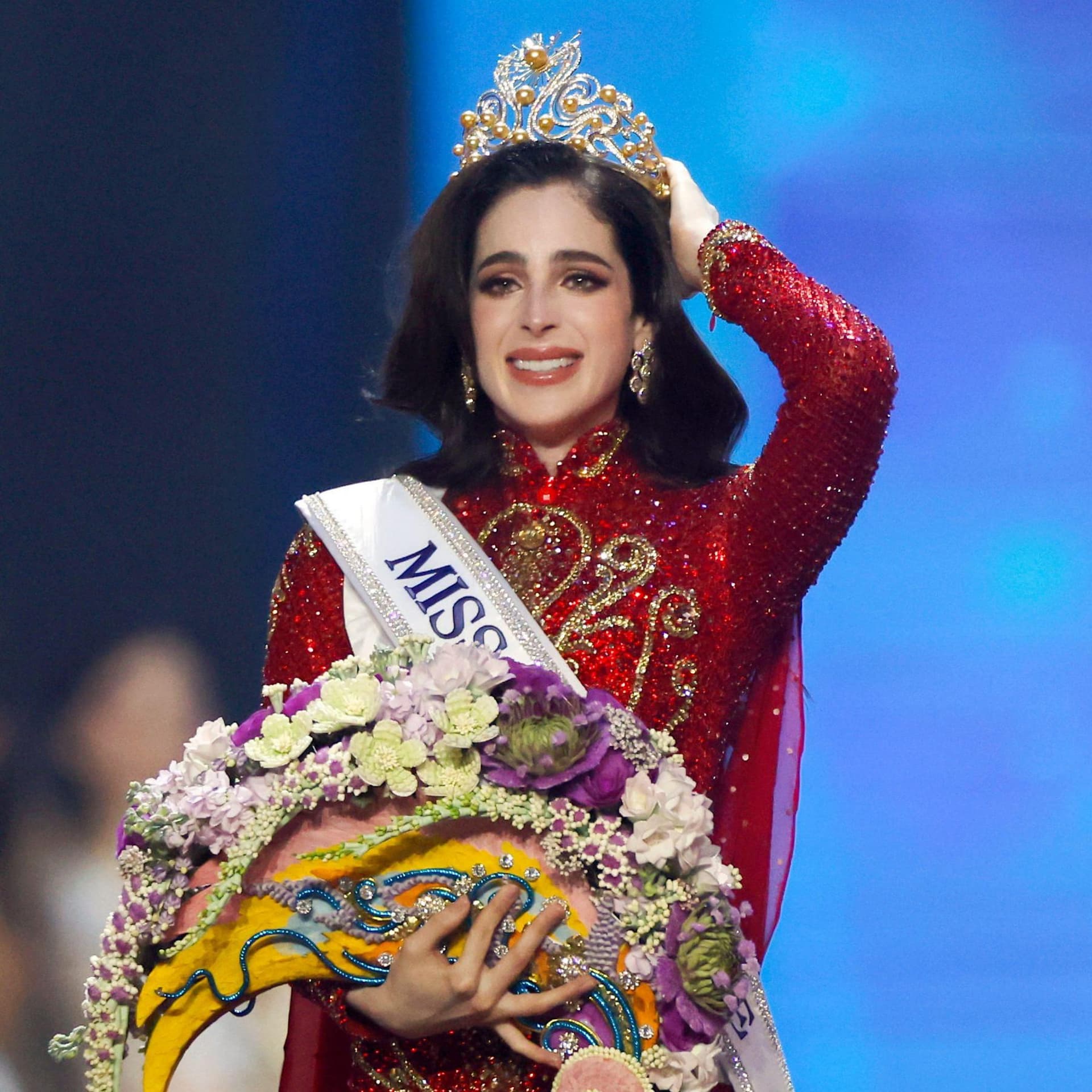
Miss Mexico (Dr. Gabrielle Henry? actually Miss Jamaica fell; Miss Mexico was confronted) was escorted out after a live-streamed clash where Nawat allegedly called her “dummy/damaged” and demanded she promote Thailand; contestants staged a mass walkout; Miss Estonia and Miss Côte d’Ivoire resigned. Judge Omar Harfouche alleged the top 30 was pre-decided (Miss Universe called it a misunderstanding tied to “Beyond the Crown” social-impact judging). Miss Israel said she received death threats after a viral “scowling” clip involving Miss Palestine; the angle changed the interpretation. Miss Norway’s salmon national costume went viral. Miss Universe winner: Mexico.
Written by AI. May contain mistakes. Listen to the episode to check what was said.
Chapters
Tap a time to open that second in VOSetting the Stage for Miss Universe
0:30 to 0:48
Tristan discusses the resurgence of beauty pageants and hands over to co-host Asma.
“And to think, that's just a small taste of what Schwab offers.”
Setting the Stage for Miss Universe
2:27 to 3:02
Tristan discusses the resurgence of beauty pageants and hands over to co-host Asma.
“So from the BBC, I'm Tristan Redmond in London and this is The Global Story.”
Introducing William Lee Adams
3:02 to 3:54
William shares his background and passion for pop culture and pageants.
“We are already recording, it looks like, since I entered the room.”
The Appeal of Pageantry
3:54 to 5:46
Asma and William discuss their childhood experiences with beauty pageants.
“My sisters and I would kind of rate our favorites.”
How Miss Universe Works
5:46 to 7:01
William explains the structure and events of the Miss Universe pageant.
“So the Miss Universe pageant brings together women from all over the world.”
Trump's Influence on Miss Universe
7:01 to 9:02
Discussion on Donald Trump's impact on Miss Universe and its commercialization.
“Can you give us a sense of how he, his involvement in this all shaped the competition?”
The Current State of Miss Universe
9:02 to 9:30
William talks about the recent events and controversies surrounding this year's pageant.
“We don't hear as much about the pageant these days.”
Conflict Between Contestants and Organizers
9:30 to 14:00
Overview of the conflicts involving contestants and how the pageant responded.
“These are two men from opposite sides of the world with different visions of what pageants are and how they can thrive.”
Miss Universe's Response to Controversy
14:00 to 15:21
Learn how the Miss Universe organization reacted to recent viral incidents.
“Okay, so how did Miss Universe respond to all of that?”
Judges Step Down Amid Allegations
15:22 to 17:04
Discover the implications of judges resigning and allegations of rigging in the pageant.
“A lot of disagreements, frankly, about the role of these women in this competition and the ways in which to prove that it is still relevant in 2025.”
Show all 14 chapters
Social Media Scandals and Misinterpretations
17:05 to 18:38
Explore the impact of social media on contestants and public perception.
“Any other stories stand out to you from this year's pageant?”
Miss Universe 2023 Results and Conspiracy Theories
20:51 to 22:40
Uncover the controversy surrounding the winner of the Miss Universe pageant.
“AT &T Fiber, limited availability in select areas.”
Profiles of Competing Contestants
22:41 to 24:56
Learn about the diverse backgrounds and stories of Miss Universe contestants.
“So we haven't actually talked about who the women are who are competing in this pageant.”
The Future of Pageants in a Changing World
24:57 to 27:18
Discuss the relevance of beauty pageants in today's society and their evolving nature.
“They look at women strutting around in swimsuits, being judged oftentimes by men who are the judges, and wondering, well, what is the point of this, and who is this for?”
Transcript
Automatic transcript. May contain errors.0:00William Lee Adams:This BBC podcast is supported by ads outside the UK.
0:30William Lee Adams:And to think, that's just a small taste of what Schwab offers. Because Schwab knows that when it comes to your finances, choice matters. No matter your goals, investing style, life stage or experience, Schwab has everything you need, all in one place, so you can invest your way. Visit schwab.com to learn more. Beauty pageants are back. Or at least they're trying to be. If eyeballs on social media are the metric, then pageants are a hit again. There's been all sorts of action in recent weeks.
1:10It started off with a woman called Ignacia Fernandez, who won Miss World Chile after she sang death metal at the pageant while wearing a ball gown. Then at Miss Universe last week in Thailand, things got un poco loco. A scandalous pageant drama. What's happening? Now the pageant world has gone into absolute meltdown in recent days. The pageant drama that came full circle for the new Miss Universe. OK, hold on to your hats, folks. I'm going to run you through this really quickly. That's Miss Jamaica, Dr. Gabrielle Henry, tumbling down. Miss Jamaica got stretched out after she fell off the stage.
1:51Miss Israel may or may not have given Miss Palestine a sassy look. And then Miss Israel says she got death threats. Contestants staged a mass walkout at the Miss Universe competition. So what's going on? Some of the contestants stormed out of a meeting and it was live streamed to the world. Miss Estonia resigned. Miss Cote d 'Ivoire resigned. There were allegations of pageant fixing and favouritism, which the organisers strongly deny. Suddenly, Miss Universe was everywhere. which is odd because beauty pageants seem to many of us like a relic of a bygone era. So from the BBC, I'm Tristan Redmond in London and this is The Global Story.
2:33On today's episode, how Miss Universe came roaring back and why maybe we should look at beauty pageants with fresh eyes.
2:50Friends, beauty pageants are no place for a middle-aged man like me to be hanging around. So out of respect for these fine institutions, I'm going to hand over today to my co-host, Asma. And are we recording? We are already recording, it looks like, since I entered the room. Wonderful. And to our superb guest, the BBC's William Lee Adams. So my day job is I work at the BBC. I currently present a business program called Marketplace Morning Report. But outside of work, I sort of love pop culture. Now, we've told you before that the BBC's reach is wide. But what you didn't know is that on staff, we have an expert on the Miss Universe pageant, and that's William.
3:28I run a Eurovision blog. I had a guest appearance in Will Ferrell's Netflix movie. Shout out to him. And I love pageants. Yeah. That's huge. You had a guest appearance in Will Ferrell's movie? It's very short. Blink and you missed me. But your boy is there. Gosh. So with that, I'm going to ask Asma and William to take it away. Well, William, we have you on the show today to talk about the Miss Universe pageant, which just wrapped up the other day. And so full disclosure, I grew up watching Miss Universe. My sisters and I would kind of rate our favorites. We loved the outfits. We loved the fashion of it all.
4:05And then it kind of just fell off my radar. And I haven't thought about Miss Universe in a really, really long time. I sort of thought it was dead or just kind of operating on the fringe. But apparently not. because I started seeing a lot about it this year on social media. Honestly, you know, I know it's warm in Thailand, but you would have thought it was snow in press releases. I was updating the Miss Universe website every hour, every day. So, William, it sounds like you grew up watching pageants. When did you develop an interest in pageantry? You know what it is? My mother's Vietnamese, and I grew up in a really homogenous, small town.
4:39And for me, Miss Universe was like this gateway to the world. You saw people from Asia. You saw people from Southeast Asia. And it wasn't the stereotypes that we were used to in mainstream depictions. They were glamorous. They were owning the stage. They were powerful. It was just very aspirational, I guess, is the word I'm looking for. And I'm obviously not a woman. And I would not ever be Miss USA. But it was more the sense of my community. I can see someone of Asian descent, and I can be proud of her. Yeah. I mean, I would say the same. My family's South Asian. And there have been many winners of Miss Universe, many stars from Miss India who went on to become Bollywood stars.
5:19It was this avenue into stardom. That is a great point because we often look at this from a Western point of view. And yes, ratings in the West have declined. But the fact is in other countries, this is one of the few opportunities where they can compete on the same stage with these very rich nations and beat them. Okay, so for the uninitiated, the unfamiliar, can you give us just a summary of what the Miss Universe pageant entails? Sure. So the Miss Universe pageant brings together women from all over the world. These women win their national pageant and then they go to the host city. This year it was in Bangkok in Thailand and they first compete in a series of preliminary events that are not on television.
6:00We're talking swimsuit, preliminary interview, and evening gown. and then the judges tabulate their scores. I should say there were 130 contestants this year, so it's a lot of interviews, bathing suits and dresses to evaluate. And then the night of the live show, they're narrowed down and they have a final question and the queen of the universe is chosen. When would you say was the peak of Miss Universe popularity? Oh, it's a really good question. I want to say from the late 90s until the teens, about 2015, Donald Trump's final year owning the pageant. Back then, of course, we had fewer entertainment options.
6:37Social media was not as omnipresent. People weren't walking down the street watching random videos on their phones. We sort of had this terrestrial TV mindset. And this was one of the big events of the year because there are very few cultural events where everyone around the world can tune in at the same time watching the same show across borders. William, I've heard you mention Donald Trump. He was the longtime co-owner of the Miss Universe organization. Can you give us a sense of how he, his involvement in this all shaped the competition? I think it's fair to say that he really pushed it commercially.
7:14He positioned it as something truly glamorous. It was part of this era of American excess. Toward the end of every show, they would introduce Donald Trump before the winner was announced. And they would cut to a clip showing all the prizes that the winning contestant would receive. And it always had jewelry from big brands like Mikimoto. It was all about money and aspiration. And it really sold. You know, it was really primetime television. But at the same time, there's a dark side to that. In the run-up to the 2016 presidential election, at least two contestants from Miss USA 2001 said that they had been harassed by Donald Trump, that he had entered their changing room, dressing rooms, without permission.
7:58He strenuously denied this for the record, and also any allegations of sexual misconduct. Another example that's gotten a lot of attention is the winner of Miss Universe in 1996. This is when Donald Trump first came into power at the pageant. She was from Venezuela, Alicia Machado, and essentially she gained a lot of weight after she won the crown. Donald Trump staged a press conference at a gym, and he said, I'm going to make her lose weight. She later told journalists, mainstream journalists, that she felt traumatized by the whole experience. Now, she also claimed that he called her Miss Housekeeping.
8:34He called me like Miss Piggy, Miss Housekeeping. A reference to the fact that she's of Latin descent. Donald Trump called you Miss Piggy. Yes, Miss Piggy, Miss Housekeeping. He, of course, denied that. But what we do know and what is publicly available is that he was encouraging her to lose weight publicly. So it sounds like you're saying the glitzy, glamorous days of Miss Universe's popularity were largely under the leadership of Donald Trump. We don't hear as much about the pageant these days. Let's talk about this year's pageant. I wasn't really paying attention to anything at all related to the pageant.
9:12But then I started to see stories that kind of piqued my curiosity. and it seems like what's going on with this year's competition centers around two main characters and the two main characters in this story are actually men. So walk us through that. Who are these two men? Yeah, this is really interesting. These are two men from opposite sides of the world with different visions of what pageants are and how they can thrive. So on the one hand, you have a Mexican businessman named Raul Rocha Cantu. He's the president of the Miss Universe organization, which owns and operates the pageant globally.
9:51He bought a 50 % stake in the company last year for$16 million. So he's on the one side. On the other side, you have a Thai entrepreneur named Nawat Itzaragrasil. And he spent at least$2 million buying the franchise rights for Miss Thailand universe. So that means he gets to run the pageant in Thailand for the next 25 years. Now, Raul, he's more of a traditional businessman. He's a fan of traditional pageants and the ways that they make money. So you broadcast a pageant, you sell sponsorship, you can franchise it to local countries, you can sell tickets to the events. That's how the model works in Latin America and indeed how Miss Universe has typically run.
10:37He views the women, these queens as ambassadors. Their mission is to be out there representing the brand. Now, Nwaut, he's less traditional, much more TikTok. So he actually founded a pageant in Thailand in 2013. It's called Miss Grand International, and it's smaller. But in that pageant, it's all about selling. So if you're competing, you need to be out there pushing products, selling things. He thinks that in this digital age, you need to be omnipresent on social media in people's feeds. And you need to be selling not just yourself, but also beauty products, collagen to help us make some money.
11:12So let's get into the drama of this year. The first big flashpoint that caught my attention was this video that was circulating online of a disagreement that sparked between Nawat, who's the Thai entrepreneur who has been hosting the women on the ground and the Miss Mexico contestant. What was that about? Well, as part of his push to keep Miss Universe relevant in his eyes, Nawat had insisted that the contestants promote Thailand and they promote the sponsors. And he was checking their social media to make sure that they were doing this. So at the sashing ceremony, this is where the women received their sashes that say, Miss Pakistan or Miss Australia.
11:59Oh, which country you are. Okay, okay. It's a big moment. But during this event, which of course Nawat was live streaming on the Miss Thailand Universe Facebook page, he decides to call out Miss Mexico. Okay, Mexico, where are you? My question is, you can post or not. You can work to promote Thailand or not. And say, you're not pushing Thailand as much as you should, and I find that offensive. It's not polite. It's not good. I didn't give you opportunity to talk, please. I'm still talking. Listen, I still keep talking to everybody while you stand up to talk to me. This was very, very awkward at a celebratory event.
12:43If you follow the order from your national director, you are a dummy. It's a little unclear about what he said. She claims he called her a dummy. He said, I called you damaged. I didn't say dumbhead. You are a dummy. I said damaged. You are a dummy. I said damaged, not dumbhead. And he said, I've got a question. Can you promote Thailand or not? Yes or no. And before she could even answer, he called security and had her escorted out of the room. You are not respecting me as a woman. What? No, no, why you stand up? Security. So then dozens of her fellow contestants stood up. Then, in solidarity, a mass exodus, the live stream still running.
13:30Stop. Stop. The reigning Miss Universe from Denmark stood up. To trash another girl is beyond disrespectful. She said, to trash another girl, it's beyond disrespectful, and it's nothing I've ever done. That's why I'm taking my coat and I'm going. Oh my God! Oh my God! That's why I'm taking my coat and I'm going.
13:55Wow. Some intense drama. And that was just at the very beginning, William. This story goes on. Okay, so how did Miss Universe respond to all of that? Well, in its mission statement, the Miss Universe organization says that it strives to, quote, create and provide a safe space for women to share their stories and drive impact. and yet you have this viral incident. So Raul, he was still in Mexico at the time. He filmed a video. He's the co-owner of this all, correct? Exactly. Raul. He puts a video up on the Miss Universe Instagram and says, I will not allow the values of respect and dignity of women to be violated.
14:32And he added, Nawat, stop. And he promised to limit Nawat's role in the pageant moving forward. And what did Nawat do or say after this all? So he posted a series of videos on social media, as he loves to do. And in one video, it was the evening of the drama. And he was very teary. And he said, I'm a human. I am the human sometimes. I cannot control. I have not intended to harm anyone. And he was standing in front of contestants, actually. Miss Mexico was not among them. He said, quote, I had not intended to harm anyone. Because I respect all of you, I am so sorry it's happened. Okay, so there's that viral moment.
15:18There are tears. You see some of the contestants walk out of the room. A lot of disagreements, frankly, about the role of these women in this competition and the ways in which to prove that it is still relevant in 2025. And then the day before the final competition, I hear that two of the judges say they're stepping down. What was that about? Yeah, that's right. The first judge was the Lebanese-French musician Omar Harfouche. Incidentally, Pope Francis had awarded him the title Pilgrim of Peace for making peace between cultures through music. So I think Omar was carrying that banner with him. After all this drama happened, he alleged that the top 30 had been decided before the pageant.
16:02That a different, yeah, this is what he claimed. William, that's huge. It is huge. He is alleging that this competition is rigged. Absolutely. And then we had another resignation. This was from a French football star, Claude Mechalele. He said he was pulling out, but he cited unforeseen personal reasons. He did not elaborate. This allegation that the top contestants had already been chosen, what did Miss Universe say in response to that? Yeah, so they said this was one giant misunderstanding. They run a social impact initiative. It's called Beyond the Crown. It's completely separate from the main competition we see on TV.
16:42It's all about sort of philanthropy and encouraging women to be out there in the world having a social impact. And they say that that's what this other judging was about. They said that there was no wrongdoing. There was no alternate or impromptu jury for the main event. So essentially they said that judge, Omar, had misunderstood what was happening. Okay. Any other stories stand out to you from this year's pageant? Yeah. So I want to point to a social media scandal in brackets between Miss Palestine and Miss Israel. Now, a video was uploaded by, we believe, pageant bloggers. It's unclear where it first surfaced.
17:21But it showed the contestants at a preliminary event standing on stage in their evening gowns looking beautiful. And in one video, it sort of zooms in on Miss Israel and the contestants around her. And the caption and the text would suggest she was scowling. And indeed, she is making a strange face. Miss Palestine was in the row in front of her. So people said, oh, she's scowling at Miss Palestine. She doesn't want her here. They were sort of imbuing this clip with kind of tensions from the real world. Now, Miss Israel then went on social media and said, I'm receiving death threats. People are saying horrible, vile things I will not repeat on this podcast.
18:00And she uploaded the exact same moment from a different angle. And it's zoomed out. And you see, many contestants are making that face. It is not an evil, shady look. It's just model face. It's Zoolander. It's trying to be sultry. But when it's devoid of context, it can be read in a different way. I would argue that Miss Nicaragua, she was the one given the shadiest face. But again, it wasn't directed at anyone. She was just modeling. And it just shows you how in this day and age, when you have more videos being pumped out, when you have more clips coming out, there's more to misinterpret. You mentioned the way that some of these moments are perceived when they're shared on social media.
18:39And I will say to me, this kind of gets at what you were saying is the major tiff between these two men trying to control the future of this pageant. And that is, how do you keep this competition relevant in an era of social media? Because a lot of this drama felt like it was made for Instagram, right? Let's talk about Miss Norway. She was wearing, what was it, a salmon outfit? Norway! This salmon-inspired gown mirrors both the delegates' movements as a baton twirler and the essence of Norway's leading export. This was incredible. For the national costume contest, she walked out in a salmon cape.
19:20It popped open. There was orange roe. And the emcee said, This river runner is a stunner. Norway. And it went viral. That's how you play the game. It's like these moments seem made for social media. Absolutely. And, you know, the dark side of all this is that a snippet never tells the full story. And so it just leads to this avalanche of perceived insult and slight when maybe it's not even there.
19:56Chicago Talks. A lot. Hold on, let me step over here. People are talking too much. We debate about food, deep dish, tavern style, who's got the best beef. We yell across rooms, across blocks, across generations. Yes, nice earrings, Grammy. And now we're doing it on our phones, too. Video calls from the L train, group chats that never shut up. Neighbors texting you the score before your TV catches up. Come on! Get a load of this guy. Catch up. On a dog. Yeah, we've got thoughts. Too loud? In Chicago, you're gonna hear it. Because nothing here gets built without conversation. Nothing moves without connection.
20:34So, if you think you know AT &T, it might be time to rethink that. Because their network has improved, like, a lot. So Chicago can keep speaking its mind with AT &T Wireless and AT &T Fiber. Chicago won't stop talking. Our improved network backs it up. AT &T, connecting changes everything. AT &T Fiber, limited availability in select areas.
21:00Well, let's talk about what happened in the end here this year at the pageant in Thailand. The final results come in, and the winner was...
21:09William Lee Adams:This universe is... Mexico! It was Mix Mexico. That was the woman who was being yelled at in that viral video here that kind of sparked a lot of our curiosity in this year's pageant. What do you make of that? Well, almost instantly, the conspiracy theory started to flow. Some pageant fans said, of course she won. The Miss Universe organization has to paper over the drama. Claudia Scheinbaum, the president of Mexico, had said that Miss Mexico was a symbol of resilience, of empowerment. Nawat himself chimed in on social media. The Thai entrepreneur who had yelled at her in that video. Yes. On his social media accounts, he wrote, quote, a billion words that cannot be said.
21:54And then he also told reporters, this is a direct quote, as for the outcome, we leave it to the viewers at home to judge. People everywhere can make their own assessment. Usually you congratulate the winner. You say, well done. That's amazing. People, pageant fans have also found photos of Miss Mexico with Raul, the Mexican businessman. But of course, it is very likely she met him because she's Miss Mexico. and he runs the Miss Universe organization out of Mexico. So people are just, you know, I don't think for optics, it's good that Miss Mexico and Miss Thailand were both at the top because this battle is between a businessman in Mexico and a businessman in Thailand.
22:33At the end of the day, only the judges, only the owners know what really went down. I just hope that Miss Mexico can wear the crown with pride. So we haven't actually talked about who the women are who are competing in this pageant. Who are these women really? These women come from all walks of life. You know, one of my favorite stories is Miss Universe 2018. The contestant that year from Vietnam, she is from a Vietnamese ethnic minority called the Raid People, R-A-D-E, at very little visibility. and in her community, girls, teens are married off. They don't receive an education. And she left.
23:13She said, no way, I'm going to the big city. I'm going to get an education in finance. She later competed on Vietnam's Next Top Model. She finds herself at the Miss Universe pageant. You know, Vietnam had very little success in this pageant prior to her. And here she was, an ethnic minority in her own country, representing a country that's not done well. And she made the top five. But all of this to say, it's not just moms. It's not just people in bathing suits. I do think that the mainstreaming of the pageants in the 90s and 2000s led to this sort of the stereotype of the beauty queen. You had movies like Miss Congeniality, which played on these tropes that these women are uneducated, these women are shallow, kind of glossing over the fact that typically at these pageants, you will be interviewed, you are going to have to speak.
23:58I think a really good example, and one I often cite with friends, is Miss Botswana 1999, Impule Kwelehobe. She was the first Black African to win Miss Universe, and she did it on Botswana's debut. This was at a time that Botswana had one of the world's highest prevalence rates of HIV. It was around 30%. And she goes to the pageant. She wins. She goes back home. The president welcomes her in the national stadium. And since then, she's continued to advocate for taking care of HIV patients across her country, but also Africa. She spoke at the United Nations. You know, she's not a household name in the West, no.
24:39But in her home country, the people who chose her to begin with, she is someone. We assume, oh, you're Miss Universe, but I've never heard of you. That's not why these women do that necessarily. They do it so they can be spokespeople, so they can advocate for issues and causes that are important to them. I just think there's a lot of judgment, often misinformed, about who these women are. I'm just really, really interested in the idea that, look, as we were talking about this story idea, and I even talk about Miss Universe with friends here in the U.S., I think that there's an element in which this pageant, all pageants, seem a bit anachronistic to people here in 2025 in the U.S.
Read the full transcript
25:22They look at women strutting around in swimsuits, being judged oftentimes by men who are the judges, and wondering, well, what is the point of this, and who is this for? And it sounds like you're saying, well, this pageant remains enormously popular in other parts of the world. I wonder too, what is its popular relevance here in the US? That's a great question. I'm first going to answer this from the gay perspective. You know, so many pageant fans are gay men. When you look at websites run about pageants, behind them is often a gay man. And I have many friends who are involved in these types of websites.
25:57And they always tell me the reason I love pageants is because it's showing what women can be. They're often pushed down in mainstream society. But on that stage, everyone is watching them. They are in control. They have power. The crown becomes armor. This woman has arrived. And I think a lot of gay people live on the margins, feel on the extremes. It's their way to come forward. They say, I can be like her. Similar to RuPaul's Drag Race. It's all about transformation. It's taking the person from the street and making them that powerful, confident drag queen. You know, we were talking earlier about this year's pageant being a sort of battle between this Thai entrepreneur, Nahuatl, and this Mexican businessman, Raul.
26:41And it seems like they have two very different visions of what this pageant is supposed to be. And so if indeed this is a battle over those two competing visions, whose vision would you say is winning? Based on the media commentary, based on all the headlines, I'd say at the moment they're both losing. The fact is the pageant looks like a dumpster fire. Having competition within your own organization isn't going to help. I think that both of them are right, actually. Raul understands that the only way pageant queens will remain relevant is if they do champion empowerment. And if these women are ambassadors for causes that will have an impact in the real world, I think Nwatt is right that the pageant has more competition now from social media.
27:27So he is also right. I do think there is a middle ground. But in this contest where two men are competing for power and influence so off in the way with everything, they need to communicate. They need to figure out how they can blend their visions to keep the pageant profitable, relevant, and empowering.
27:50William, thank you so much for joining us on the show. We really appreciate it. Thanks so much for having me. That was William Lee Adams, senior journalist at the BBC in London. That's it for The Global Story for today. This episode was produced by Zandra Ellen and Hannah Moore. It was edited by James Shield and mixed by Travis Evans. I'm Tristan Redman and my co-host is Asma Khalid. Thanks for listening. See you tomorrow. Cheerio.
From the publisher
Miss Universe 2025 has been rocked by controversies and chaos, from stage falls and contestants storming out, to judges quitting and allegations of vote rigging – which the organisers deny.
The pageant – styled as a celebration of women of all backgrounds and nationalities – has suffered waning international attention in recent years, with many questioning the ideals of femininity it seems to espouse.
Could the drama of this year’s competition get people watching again?
BBC journalist and Miss Universe expert, William Lee Adams, joins us to discuss.
Producers: Xandra Ellin and Hannah Moore
Executive producer: James Shield
Mix: Travis Evans
Senior news editor: China Collins