In short
The HotStart VC Podcast - Episode Summary
Podcast Information
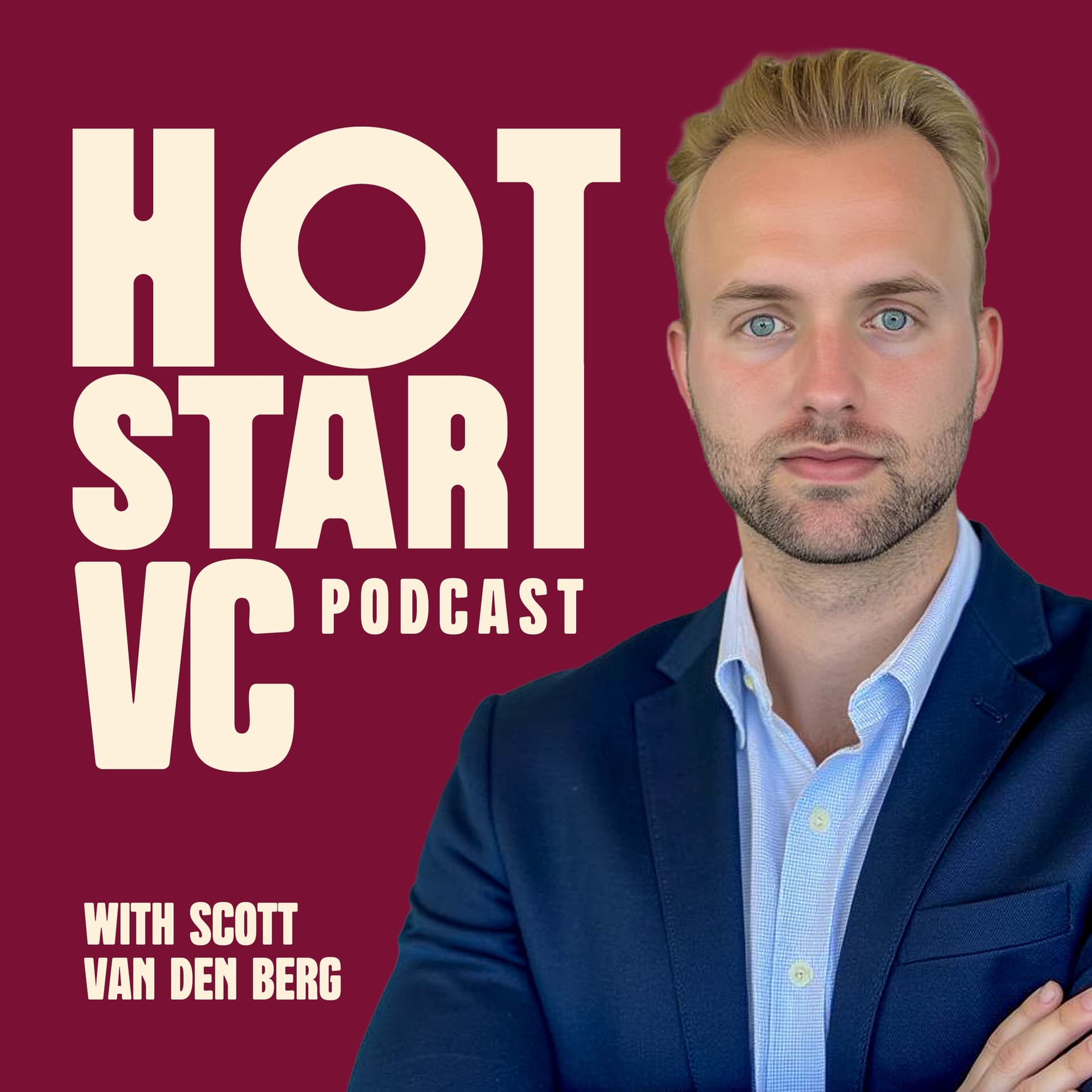
- Title: The HotStart VC Podcast
- Host: Scott Van den Berg
- Guest: Avni Barman
- Episode Title: How Avni Barman Turned Content Into a Venture Capital Advantage
- Description: The episode discusses Avni Barman's journey from a failed tech entrepreneur to a successful content creator and venture capitalist, focusing on building a media platform that empowers women.
---
Key Themes and Discussions
Avni Barman's Background
- Corporate Career: Avni left her product management role in Big Tech to pursue her entrepreneurial dreams.
- Struggles: Faced seven years of failed startups before discovering her true passion for content creation.
Transition to Content Creation
- Initial Motivations: After quitting her job with no backup, Avni began sharing her career journey on social media.
- Realization: Content creation became a viable business model that aligned with her mission to empower women without charging them directly.
Growth of Gen She
- Evolution: Started as a college nonprofit, evolved through IRL conferences, and transformed into a media platform reaching over 1 million women.
- Pandemic Impact: The pandemic necessitated a pivot from in-person events to online community building.
Innovative Investment Strategies
- Real-Time Due Diligence: Utilizes Instagram polls for quick market validation on potential investments.
- Investment Thesis: Focuses on tools and products that help women achieve success across multiple life dimensions—not just career-based.
Changing Landscape of Venture Capital
- "Capital is Not Green" Concept: Emphasizes that founders now require added value beyond financial investment.
- Creator-Driven Tech: An evolution from celebrity CPG brands to tech startups founded by creators, as marketing and attention become key differentiators.
The Importance of Collaboration
- Creator + Operator Model: Avni advocates for the pairing of creative talent with operational expertise in startup ventures.
- The Future of Celebrity Brands: Predicts a shift away from traditional celebrity brands, as social media democratizes fame and influence.
---
Key Takeaways
- Content Creation as a Primary Business Model: Avni emphasizes the potential of content to drive community engagement and serve as a foundation for business growth.
- Community-Centric Approach: Building an audience enables more informed investment decisions and greater community impact.
- Detachment from Outcomes: Aspiring content creators should focus on quantity and consistency in their content without being overly concerned about immediate feedback or perception.
---
Episode Chapters
- 00:00:51 - Welcome and Avni's Background
- 00:01:24 - From Bay Area Tech to Entrepreneurship
- 00:02:30 - The Failed Startup and Accidental Discovery
- 00:03:16 - The Lightning Moment: Content as Business Model
- 00:04:54 - Content Evolution: From Career Tips to Holistic Success
- 00:07:29 - Gen She’s Origin Story: From College Nonprofit to Media Empire
- 00:11:19 - Building the Gen She Ecosystem: Platform, Job Board, and Fund
- 00:14:43 - The Gen She Fund: Investing in the Next Generation
- 00:15:59 - Distribution Strategy: Instagram and LinkedIn Dominate
- 00:20:14 - The Creator Advantage in Venture Capital
- 00:22:46 - The Future of Celebrity Brands: Why the Model is Shifting
- 00:27:09 - Tech Companies as the New CPG: Why Creators Will Win
- 00:32:58 - Advice for Content Creators: Detachment and Authenticity
- 00:35:08 - Closing and Where to Find Avni
---
Conclusion In this episode of The HotStart VC Podcast, Avni Barman shares her transformative journey from tech employee to successful content creator and venture capitalist. Her insights on community-building, investment strategies, and the evolving role of creators in business provide valuable perspectives for entrepreneurs and aspiring content creators alike.
Written by AI. May contain mistakes. Listen to the episode to check what was said.
Chapters
Tap a time to open that second in VOThe Power of Quick Feedback in Investing
0:00 to 0:40
Learn how immediate social media feedback can gauge investment interest.
“If I want to do an investment, I'll like randomly like put some thoughts on my Instagram story and a poll and I'm like immediately I know is there even any real urgency or interest in this.”
Afni Barman's Journey from Corporate to Content Creator
1:21 to 4:15
Afni discusses her unexpected path from a corporate career to becoming a content creator.
“Afni, thank you so much for being on the show.”
Evolving Content and Empowering Women
4:15 to 6:15
Afni elaborates on how her content strategy evolved to empower women in their careers.
“And instead charge you the corporations I wanted to change.”
The Founding and Evolution of Gen XI
6:15 to 9:21
Afni shares the inception and growth of Gen XI as a platform for young women.
“There's so many paths for you to find success on your own terms.”
Transition to a Fund and Community Impact
9:21 to 13:05
Discussion on transitioning Gen XI into a fund and its impact on female entrepreneurs.
“it wasn't really something that was like in my control.”
Building a Powerful Community of Women
13:05 to 14:00
Afni details how she built a community of 1 million women via social media.
“that are in the top 1%, have a lot of income and like to invest as well.”
Leveraging Community for Venture Capital
14:00 to 21:25
Learn how to build a powerful community and leverage it for venture capital success.
“how do we actually navigate this like very difficult thing that doesn't truly have a binary answer in an ever evolving world, right?”
The Future of Celebrity Brands and Entrepreneurship
21:25 to 26:48
Explore the evolving landscape of celebrity brands and the challenges of content creation.
“So not only talking about getting the inbound deal flow and being able to leverage that to put eyeballs on your companies and help them scale, but just more on a personality level.”
Tech and Content: The New Frontier
26:48 to 28:00
Discover the intersection of technology and content creation in modern entrepreneurship.
“I think this is very interesting with your perspective, being in the Bay Area and having that tech background, whereas like in the past, it was often focused on CPG brands.”
Understanding Deep Tech vs. B2B SaaS
28:00 to 28:47
Explore the differences between deep tech and more common tech sectors.
“Like, I think people don't understand that deep tech is still not most tech companies, right?”
Show all 14 chapters
Inspirational Creator Entrepreneurs
28:48 to 30:06
Learn about creators who successfully transitioned into entrepreneurship.
“She spent seven years in MIT, in Harvard, learning everything about aerospace and space law before she actually built that company.”
The Power of Reinvention in Content Creation
30:07 to 30:53
Understand how creators can reinvent themselves in evolving markets.
“So I think creators who do that are the ones who are going to win in the future in this next era because you're going to basically have infinite reinvention power.”
Future Aspirations and Empowering Women
30:54 to 32:45
Hear about exciting future plans for empowering women through a brand.
“I think you probably know her because I saw that you guys followed each other.”
Advice for Aspiring Content Creators
32:46 to 34:23
Gain practical advice on authenticity and consistent output for creators.
“What were your number one piece of advice for content creators?”
Transcript
Automatic transcript. May contain errors.0:00If I want to do an investment, I'll like randomly like put some thoughts on my Instagram story and a poll and I'm like immediately I know is there even any real urgency or interest in this. And I can do that in like under 24 hours, which is like pretty much as fast as a deal can move. I don't know if like other VCs like have that power or like before I even invest in a product, I can talk about them or like make a link to post and see. Is there even an organic fit? Like, can I actually create asymmetric value for this company before I, you know, put all my eggs in that basket? Let me just see if I even have like an Yale mover there.
0:34And then like sometimes I don't and sometimes I do. And then the deal of whether or not domestic is because that much more obvious. So I think what we have the power of data at our fingertips, and it's so unserious and it's so experimental, that just gives us that much more confidence in every deal that we do. Welcome to the Hot Start 3C podcast, the show where we break down how celebrities and creators build billion dollar brands. In today's episode, I'm joined by Afni Barman, the creator and founder behind Gen XI, a media platform and fund that reaches more than 1 million ambitious women. In today's episode, we talk about why Afni walked away from her dream corporate job, how she became a content creator, how she's leveraged content to scale Gen XI, and what the future of creative entrepreneurship could look like.
1:18So without further ado, let's get into the conversation. Afni, thank you so much for being on the show. Thank you for having me. Yeah, can you tell me more about your background and your career before you actually became a content creator? Totally, yeah. I mean, being a content creator is honestly the last thing I expected would happen for me. I grew up in the Bay Area. I grew up to parents of working in tech. I always felt like tech was the place that I would be. When I was in high school, entrepreneurship was something that I was really excited about, especially growing up in a very entrepreneurial place.
1:46So I applied to the Ivy Young Academy at USC, which was a special 20-person program getting a degree in art, tech, and business, aka entrepreneurship. And that's also where I really found my love for building things from zero to one and really understanding like how entrepreneurs think and like how you actually go from like MVP to actually like bring to market. But when I graduated, I had a fat student loan and had to go and get a job like most graduates. So I did what I do best. I went into tech. I was a product manager in big tech for a couple of years before I was like, wait a second, like my dream was to be an entrepreneur.
2:27I have so many ideas and things I'm passionate about and want to build. So I ended up quitting and with literally no idea what I was going to do. Build some product, raise funding, launched that product, hired, did the whole thing. And just a couple months in, I ended up shutting that down, returning the money because I didn't actually feel like that was something that really aligned with like what I was looking for and what I was passionate about. But I just jumped into it because I thought that was the answer. Because when you grow up in the Bay and you're surrounded by all these like incredible tech entrepreneurs, you think that's like one way to succeed.
3:02And that's like the one path to success. So now I'm like almost like a year into putting my job. I have like no money. I have no company. I have no employees. And I didn't really know what to do next, but I had a lot of thoughts and opinions. So I just started yapping on the internet without really knowing what I wanted to do. So started talking about the podcast and like everything kind of just like took off and I started getting reached out to with brands who wanted to collaborate with me I heard me like a ton of money very early in the stage this was like when I like had like 10 ,000 followers like not even and that's kind of when I had this like crazy lightning bolt moment of like wait a second like this is a career there's this word called influencer there's this industry called media I've never been exposed and I don't know about it but it's like a very lucrative place and it does exactly what I've been trying to do for what at that time had been like six years I felt like I was like kind of like trying to build Gen Chi which is what I was truly passionate about was it was the first time I landed on something where I can provide value and help this community that I wanted to help evangelize towards my mission of helping young women in their careers and truly achieving gender parity in the world without charging the community that I wanted to help And instead charge you the corporations I wanted to change.
4:18And so it was just this crazy lightning bolt moment for me where I realized it was like exactly the right business model that fueled my passion and fueled the changes I wanted to see in the world rather than take from it. And when I realized that, that was kind of it. I just locked in full send committed to content and media as being the bread and butter and foundation of like everything I do moving forward. Yeah, I think it's such an interesting story because like whenever, yeah, when you were kind of figuring out what was next for you, instead of just waiting and like sitting down and thinking about ideas, you just started to execute and then the ideas started to come to you.
4:52So I think that's super powerful. Can you tell me more about how your content has evolved over time from that initial podcast to where it is today? Yeah, totally. It's funny that you said that I was like not sitting around. It's like, no, I had tried like five business ideas over the course of seven years. It was like literally like at a point of like rock bottom desperation that I picked up the camera and started yapping completely unaware that this was like a place like that I would solve my problem. So it's just funny that like I literally had like no other options. I tried everything. But it started off with what I what I only think I know is like my story.
5:30So I started just talking about myself, where I grew up, you know, what school I went to, why I made the decisions I made, what I learned at my job, what I learned from being around all these amazing entrepreneurs and just like sharing that and sharing my career journey and sharing the lessons that I've learned. and very much locked in, you know, what it's like to be a woman in tech and like how do you actually like up level yourself early in your career and how do you do that when you don't have a network and when you don't have like privilege and resources and that was something that I think a lot of young women resonated with because it's something that we a lot of young women struggle with and now I actually talk a lot more holistically of like how do you actually become top 1 % as an ambitious woman.
6:15It doesn't have to be tech, right? There's so many paths for you to find success on your own terms. And success also exists outside of your career, right? Like you need to be also healthy. You need to also know how to invest your money. When you make money, that doesn't mean you're successful. You also need to know what to do with it, right? How do you actually go and find like a partner who can keep up with your success and respect you, but also be the love of your life so you like are actually happy? And how do you like find this partner that, you know, up levels your potential and like how do you like have kids and like a family when you're like a rock star in your career right these are all these like much bigger topics that I get to talk about now or almost like have to talk about now right because I can't ignore these topics as someone who's like carving a space in this niche and trying to lead by example but I'm also it's because I'm that's my journey right now and that's what I'm going through I'm no longer going through the like how do I get a job when I was I was talking about that I'm not really going through the like how do I started a business thing when I was I was talking about that I need to now talk about okay like what do you do when you are super successful and you have money like how you go from being like top 10 % to like top 1 % across all pillars of your life and like what does that blueprint look like yeah and how did like sharing your story led to Gen XI so Gen XI started in college actually I started Gen XI as part of my capstone project so part of the really amazing cool thing about the program that I was in was in order to graduate you actually had to start a company so we had like three classes reserved at your senior year just like building this and there was like no curriculum so you just like have like free space to like ID and build so that's kind of where Genchi was born it started off as a non-profit where I was doing these IRL conferences and bringing female mentors and like bringing like a bunch of like research and talks workshops and like fun things to get young or young women into entrepreneurship because I felt like at that time the biggest reason why we weren't closing the gender gap was the people at the top who really formed culture act these companies and really like hire the first 10 hundred people or the CEOs the founders and they're just not enough exposure to young women on like how to actually go build companies that work for them because at the end of the day men and women are different and they require just a ton of different things at every stage of the great right it's like they learn differently they resonate with topics differently they looked up to different people you know and later in their life as well they deal with different challenges right and so you can't speak the same language to the two so that was originally what it was eventually the pandemic happened and so we couldn't like keep up with the IRL conferences we moved into evangelizing chapter programs so we have grown into like 100 chapters around the world and you can like bring Gen Z to your local community and kind of take these first principles and we'd give these e-play books to create these resources for other young women in their community and they could do that.
9:04But at the end of the day, like this was like very difficult for me to scale because I've been like literally had made no money, right? So I couldn't really bring on team members to help me scale it. I couldn't really be in a hundred places as one person. So I kind of like let it run, but it wasn't really a business and it wasn't really something that was like in my control. And around that time as well, I kind of checked out of it as well. I was like really super burnt out and honestly just like emotionally jaded. I felt like it was kind of like a flop and like I couldn't really figure it out.
9:33And by the way, like I had a corporate job throughout this time as well. So it's like I had a lot of energy to give, but like only so much, right? And it wasn't until multiple years later that I had quit my job only to realize that that was still the only thing I cared about and that the only thing I was passionate enough to maybe dedicate my entire life and truly all my resources to figuring out. And so that's kind of when I like did the tech startup route, just do what I know, ultimately to land into Jenshi becoming a media company and me being the first face of Jenshi to where I hope in the future we have tons of other young women who can be the face of Jenshi and show their different stories and their different backgrounds and show that like success for a young woman can exist in several ways but we all share the same first principles of getting there and that's a big reason why we also launched a fund because I think that the next generation of founders are sitting in my audience right now and they're looking to companies on what tools they should use on what products they should like integrate into their lifestyle like and and they're really like looking to these companies and these brands and I want to like double down and invest the brands that are like sharing like building for this audience because this audience needs different things and I want to be not only like investing my capital into those companies but then amplifying those companies through the audience and like have them pioneer these products and services hopefully to one day build my own.
10:59Yeah, it's very interesting because like when you talk about Gen Z, you kind of had the ID first. And although there was some level of passion there, your actually deeper purpose was built later on while you were in your corporate job. And you left that to actually get back to Gen Z. So it's really interesting that you found that burning desire actually later on before you actually even had the ID and the company was built. Right now, the company has evolved. So as you mentioned, it started as this community. Then you build a platform that has different chapters. Now you also have like job boards and you have your own fund.
11:31So can you talk me through the evolution of Gen Z? Yeah. So, I mean, it was just very obvious once we started growing an audience that we had a lot of power on this young 20 something woman who was maybe two, three years in her career, had a ton of purchasing power, right? Is super ambitious, like sees herself as someone doing really big things. and deeply cares about how she gets there right like she wants to be healthy she also wants to have a family she also wants to like make a shit ton of money and like pursue her dream career and pursue her purpose right this person this type of woman not only has a lot of purchasing power but she also has a lot of influence in the world and so a hundred thousand of these women is maybe like a very different type of a hundred thousand because they are impacting the world in a lot of a broader way than maybe just random 100 ,000 people.
12:26And so when we realized that this audience had so much control over like the literal GDP of the economy, it kind of was this natural thing to form a fund. And a lot of it was pretty easy to get like a bunch of LPs on board because this was like a very unique perspective on venture capital. And we also had this really unique advantage to get these products and to get these portfolio founders in the hands of an audience that one has 80 % consumer purchase influence in the world and has money to spend there. They're ready to buy and they're looking for solutions to their problems. Yeah. I assume with the fund, it could be a combination of a fund itself and also a syndicate model because you have a million females that are in the top 1%, have a lot of income and like to invest as well.
13:13So is there that combination? Can you tell a little bit more about that? Yeah, so we do not run a syndicate. I don't have time for that. That's like way too much logistical coordination. But in an ideal world in the future when we're much bigger, like would love to have a syndicate and like bring the community on board with the deals that we're doing. That's definitely the dream. But at the end of the day, like those are the same people we're also investing in. And so I do feel like we're bringing that capital back into the community. And I just think that the best, most efficient way to do that is like again through the fund and like having them involved in other stages whether that's like evangelizing the product or helping us scout deals like bringing deals to us that we're missing or even just like in general participating in the conversation around where we should be putting our money what are the companies and products that we should be supporting and like how do we actually navigate this like very difficult thing that doesn't truly have a binary answer in an ever evolving world, right?
14:10Like the answer 10 years ago is clearly not the answer today. And the answer today is going to be very different from the answer in even two years with the way everything is evolved. Yeah, it's very interesting. And I think like, like the world of democratizing media, what you're actually doing could also be very well applied to venture capital, especially if you have such a powerful community. So let's talk about that community for a second. Right now, the community consists of 1 million women. That's crazy just to say that I loved but also what was your main distribution channel in actually achieving that one million community members yeah great question I mean obviously social media like I could not reach this many women in the world off of like a 10 second video without social media so I think that was like a huge huge realization I had two years ago when I started was no matter how amazing the chapter program is no matter how many conferences I put on like I was not able to have the scale and reach and impact that social media could give me um so for us I think Instagram is the biggest channel because I think just in general we have more like I think Instagram is just a little bit more of like an educational intentional platform than say like a TikTok so I find that majority of my audience is there because majority of them have literally deleted TikTok on their phone and are like not participating in that because they're trying to be very intentional about their time.
15:33I find that less of them like feel that way about Instagram. So that's a huge one. And obviously LinkedIn, right? Like the conversation around how do we like expand and grow in our career, like obviously is centralized on that ecosystem itself. And then it's also a great way for the community to like meet each other. Yeah. And with the funds, you write checks into ventures that directly help your audience rise to the 1%. this is what I've already read on your website so could you elaborate on what that exactly means yes so like it's more like there's a lot of ways that one can go to the top one percent and like the thing is like it could be like the job you have and like how much money you make but like that's not if you're like a billionaire but you have bad health and no family and you're depressed to shit like you are not at the top one percent of like truly life and so that's kind of what we want to invest.
16:25We want to invest in companies that help women get to the top 1%, not just in their careers, but also in wealth, in productivity, in their health, and just in general, their life. And so this product could be anything from like product that helps you like save taxes and like start businesses like part-time, build a website easily, to femtech helping you like freeze your eggs and like invest in family planning to a dating app, right? Does it help ambitious women meet more guys faster and more efficiently, right? It could be anything. All of these things are tools and resources that you can use in your life to get that much closer to being in the top 100%.
17:08Yeah, it's funny that you brought up the dating apps. Like one of my venture partners, she was one of the first employees at Bumble and she's constantly being pitched like dating apps ID. So So I've seen a lot that are now using like data and AI to protect who's your perfect match. So I was wondering if you've seen any interesting companies or have invested in any of them. Not yet, but my eyes are peeled. I think there's something like right around the corner that's going to blow up. Like what does dating look like in this new AI era? But I haven't seen anything yet that I'm fully convinced of.
17:41But again, maybe I'm wrong. Yeah. So yeah, you have definitely like leveraged content to help build your community and also your fund. And nowadays, many other investors and funds are trying to replicate that. One of the most successful VCs that are doing it is Harry Stabbings. And that is he leveraged content to build 20 VCs. Do you think that many more investors and funds are actually going to go that route and going to try to build that built-in distribution? Absolutely. Capital is not green. if your capital is green why would any founder want it especially in this era where you can bootstrap your company so easily and we have so many more resources to get our products from zero to one and one to 100 without needing like millions of dollars of investment capital right like five years ago like that was the only reality to really make it as a founder now like you're seeing zapier hit five billion dollars and they are fully bootstrapped right and it's there's like so many more examples of showing that this is possible.
18:36And so a founder is not going to take your money just because they need money anymore. In this new era, a founder is only going to take your money if you also offer additional value. And our additional value that we offer is like, we can through one post get your first thousand customers. And as we grow, you grow because we are going to keep evangelizing and shouting at your product because we are financially invested to do so as a fund, right? So I just think more and more people are going to catch on to that. I think what Harry Stebbings did so brilliantly was by creating like founder content, he's like attracting the best of the best through deal flow.
19:10But I think that model is going to shift, right? Like you as a VC investing in media for deal flow is actually going to just be table stakes. You can't even like write a single check unless you like have some sort of awareness and presence for deal flow. But that is going to be table stakes. I think the really the best funds are going to build an audience around their thesis, which is kind of what we're doing. And like the bed I'm making, which is like we have this thesis around like what ambitious women are looking for and the tools and resources that help them achieve. And we're going to invest in the companies that are fulfilling that thesis.
19:44Because now on the side, we're building this audience like desperately looking for the answer to this thesis. And so we can just so quickly plug and play and give this portfolio founder and this company infinitely more advantage than another fund who just wrote a check for the exact same amount of equity. Yeah, and I think it's also a game of quality over quantity. So many funds, they're going to just approach it as quantity and see it as a side job. Maybe spend two hours recording a couple of podcasts and that's it. But content is really a full-time job. And that's only how you're able to become successful actually leveraging it.
20:17yeah i always joke and say that like i actually spend because people always like what do you do all day like and like like how much of your time is content and i'm like occam's razor simplest answer is true i'm posting so much it's probably taking majority of my day like it's not it's not what it doesn't look like but the thing is content is very hard building that audience is very hard but you know what's really easy investing in great companies when you have infinite deal flow coming in and two, knowing the right companies to invest in when you're talking to the users of this product all day, every day on social media.
20:55Because every day when I make content, I have to deeply think about what is my audience thinking about? What do they care about, right? So like now I bring that intuition and that insight at every deal that I do. And so it's going to be that much easier to have like a gut check. And like when I do diligence on a deals, it's funny. It's like, yeah, like you You could spend all your time diligencing and building the thesis and finding deal flow and networking. Or you could just make content and then all of that comes for free. Yeah. How would you say that being a content creator has also helped you to become a better investor?
21:29So not only talking about getting the inbound deal flow and being able to leverage that to put eyeballs on your companies and help them scale, but just more on a personality level. social media gives you access and power to data and seconds in a way that like no fund can compete in right if i want to do an investment i'll like randomly like put some thoughts on my instagram story and a poll and i'm like immediately i know is there even any real urgency or interest in this and i can do that in like under 24 hours which is like pretty much as fast as a deal can move i don't know if like other vcs like have that power or like before you invest in a product i can talk about them or like make a link to post and see is there even an organic fit like can i actually create asymmetric value for this company before i you know put all my ends in that basket let me just see if i even have like an yellow mover there and then like sometimes i don't and sometimes i do and then the deal of whether or not domestic is because that much more obvious so i think what we have the power of like of data like at our fingertips and it's so unserious and it's so experimental that just like makes gives us that much more confidence in every deal that we do.
22:36Yeah, that's so interesting because you're basically using your community to perform your due diligence for you. That is information that no other fund has. So I absolutely love that. Let's talk about founders that already have that distribution, which are actually often content creators like yourself or celebrities. You're a content creator, you have leveraged your platform to start and scale a company. And nowadays, so many other celebrities and creators are doing the same. What do you make of this trend? I have so many thoughts on this. Like, I fear I will rabbit hole a little bit. I mean, I think first of all, I think that like the concept of a celebrity is going to cease to exist in the next decade, right?
23:09Like kind of this idea of like anyone can become a celebrity through social media, it kind of like devalues the concept of a celebrity and we have more celebrities. So there's less like importance to like one celebrity or like one celebrity doesn't necessarily have like the ability to like shape and move markets the way like it did 10 years ago when there was like literally five and you were like born into the world and you couldn't really like create or manifest this for yourself right and so I mean that's number one so this concept of a celebrity brand I think is going to cease to exist and maybe celebrity brand is synonymous like influencer brand the second thing I will say is that like it is so fucking hard to make content and to keep up with the consistency of content to stay relevant and to grow and to maintain that influence and power I think it's actually hot take very very difficult if not impossible to also run and operate an incredible amazing company while you're also grinding at that level of content and if you're not grinding at that level of content for your company you're not really like leaning into the true advantage of what the power of content can be for your company and that content creator who is spending full time on that will always beat you in the for you page and in relevancy so i think like instead i think that like i don't want to say content creator, I'd say like the content brain or the content hustle is going to be kind of like your CTO or your like engineer at like a tech company and the importance of that, how it was like 10 years ago.
24:32It's like, like kind of like what YC would say, would say it's like, they don't invest in solo founders. They only invest in solo co-founders. It's like, it is so difficult to do both at the same time. And so in the same ways, I just think that like co-founder archetype is just going to change instead of like your winning advantage, be them being like a 10x engineer I think it's going to be like a 10x creator like someone who like deeply understands marketing and human psychology and is like willing to go all in on that while you well and can like basically co-found it with like an operator who's going to really be and like go and like build this company right and so I feel like that's kind of where the dream pairs are and so I definitely want to want to like build a bunch of my own companies and like manifest a bunch of these ideas that I have and obviously lean into and leverage the audience that I've built to do that, but I definitely will not be doing that alone.
25:20I don't think that's like a great way to set myself up for success. And like even every celebrity brand you look at, whether it's Skims or Rode, like they have an operator at the helm of it, running the day-to-day business so they can truly focus on making great content and like just what it means to be a celebrity, like having relevance in the world, showing up to events, being culturally relevant, like that doesn't just come for free. You don't just exist. Even Hailey Bieber is like probably one of the most the most famous people in the world she doesn't just exist she has to continuously show up to things make videos spark conversation or she will just like die into the abyss of irrelevancy yeah i think you're spot on like as a fund we exclusively invest in brands founded by celebrities and creators so you would assume that i would recommend every celebrity and creator to start their own company but it's actually the opposite i always say that 99 of the celebrities and creators should never launch their own company because being a content creator and being an entrepreneur are two completely different things and if you're going to lean in in being too much of a co-founder and an entrepreneur being in the day-to-day you lose your competitive advantage what gave you the reason to exist in the first place so yeah I think you're spot on and like also with the team like team is the most important criteria of us because yes it's great that you have one of the largest celebrities on board but that person is not going to be answering the emails and that type of stuff so you need an experienced co-founding team of operators alongside the celebrity to really become successful.
26:42And that's why the Skims and the Hayley Beavers of this world, they have been very successful because they have built this team. I also see a natural evolution. I think this is very interesting with your perspective, being in the Bay Area and having that tech background, whereas like in the past, it was often focused on CPG brands. And nowadays, a lot of them are also launching tech companies. So the last two investments that we have made have actually been in tech companies founded by creators. So is this something that you see yourself? And do you think that this moving forward could be an interesting angle for celebrities and creators to explore?
27:12Absolutely. Tech, CPG worked as celebrity brands and content and influence really mattered because CPG, everything was a commodity, right? Like the difference between a poppy and an olipop is not what's inside. It's the packaging, it's the marketing, it's the storytelling and it's the emotional connection you have to it. And so I just think that with AI, the same will be true of tech companies, right? It's going to be infinitely easier every year to build an app. And so if anyone can build the app or the idea, what's really going to win at the end of the day and where you're going to really have defensibility and network effects on this product is going to be marketing, attention, influence.
27:50And so as tech products and software products become commodities in the same way CBG brands are work, we're going to just see the exact same evolution play out there. I think this obviously is different when it comes to deep tech. Like, I think people don't understand that deep tech is still not most tech companies, right? Deep tech is like crypto, maybe like aerospace. A lot more of that stuff is like considered deep tech. It's like still you could argue at that level, like engineering is still probably your bread and butter and like what's going to help you win. But that's like actually not true for 99.9 % of tech companies.
28:27And B2B SaaS is a commodity. It is not like you do not need a 10X engineer anymore to build that kind of company, but you might need a 10X marketer. Yeah, very interesting. I like that you brought up one of the aerospace. There's actually one Disney actress. Her name is Bridget Mandler. And she used to act in Disney and she now actually is the co-founder of a space tech company. But it wasn't by accident, right? She spent seven years in MIT, in Harvard, learning everything about aerospace and space law before she actually built that company. Yeah, her fame and her Disney Channel stuff is not going to help her build that company.
29:01Totally. Yeah, exactly. So are there any creator, founders or creator entrepreneurs that you take inspiration from? Oh my God, such a good question. I think Jay Hoovey, Stan, I think he's like a common example that I definitely think he did like a brilliant job leaning into like the hype cycle of content and like really bringing narrative and storytelling around his product. And then evangelizing creators to kind of continue that as he stepped away from the camera. I think he's really amazing at it. Obviously, Alex Cooper, like best in class, because I think what she's been able to do is like truly evolved to so many different archetypes of a person across so many different brands and companies that she started.
29:43And it works because we all like Alex Cooper and we don't like her for a certain reason. I think how you actually go about and become the niche and actually build your brand and evolve your brand where like you are the most relevant interesting part of every story not the actual story or the topic or the lesson that you're sharing I think is like also something that I think about every single day and I'm trying to figure out how to do that I don't think it's like it looks a lot easier than it is like you can just like like she'll just literally be eating a sandwich and be yapping about nothing something random in her day and it'll get like five million views and some if like me or you were to do that it would get no views it's because that's what she spent like a decade building towards and then knowing how to craft to do that.
30:26So I think creators who do that are the ones who are going to win in the future in this next era because you're going to basically have infinite reinvention power. With AI evolving so fast and just generally everything evolving 10 times faster every year than say the last decade, reinvention is going to be your biggest superpower in this market. And so by becoming the niche, by becoming the point of your brand, you have that power in your hands. Yeah. And I really like that you mentioned evolution. Like, I don't know. I think you probably know her because I saw that you guys followed each other.
30:59But Marina Moglico, like Silicon Valley girl, she started as a language content creator and then she moved to the Bay Area and then she actually got deeply interested into tech and into companies and that type of stuff. And then she started the second channel focused on actually exposing the world to the technologies and talking about it. So she was also able to reinvent herself instead of being stuck in the language learning kind of content box. Totally, totally. It's such a good example. Yeah. What's next for you and what are you most excited about? Yeah, I mean, I just want to grow the brand right now and just reach more and more women around the world.
31:32I think we've barely scratched the surface on our potential and like how many women in the world like still have yet to hear about GenShi. And I'm excited for to get there soon because I have so many ideas and companies and I want to build. And so many companies like I want to invest in and help amplify. I think that there's this true leverage and power that having an audience gives you. And I'm just excited to finally do all the things I've been dreaming about for like more than a decade at this point is like when I really wanted to do all this stuff. And like I'm just excited to kind of go back full circle to the original plan of like how do I like go from 100 chapters to 1 ,000 chapters?
Read the full transcript
32:13How do I bring conferences to every city in the world? How do I like truly have the Gen.C. mission and the message in every home, like every home that has a daughter, every home, every person who has a woman in their starting on their career, like every single one of them knows that Gen.C. exists and like they have a place to go find a blueprint that works for them, for them to achieve success on their terms. And I do think that without the audience, without the platform, I don't have enough leverage and power to truly create the impact that I want to create in the world. I'm just like excited to like eight years later, finally be like very close and just put all the things out in the world that I've been like, you know, mumbling with up in here in my brain for so long.
32:57Yeah. Final question. What were your number one piece of advice for content creators? That is a great question. I think the number one thing is like truly detach from the entire process and the journey. The only thing that's ever helped me grow is my output, like quantity, not the quality. Except it's not just quantity of anything. It's quantity of like just you being yourself and being authentic. And it requires a steep level of detachment and like not caring about what other people think and like how you're going to be represented to really be able to push out your authentic self at such a high output.
33:35And as someone who doesn't really talk that much to people from college and high school and just generally operates like in my little bubble, like my little content universe, is it by design? You know, like maybe it's actually like that way because in order to truly achieve greatness in content, in content, you kind of have to like separate and detach yourself from like what people are going to think of you. And the truth is they will probably make fun of you in the beginning. But then who's going to be laughing when you are finally successful and your content slaps and you're finally big and you now have the leverage to buy whatever you want, build the world that you want to see and just be the person you want to be.
34:16So I think that's probably the hardest part. I think if you can do that, everything is easily learnable. You can learn how to make a good hook. You can get a good editor. Like you can like, you know, whatever, get your hair done like cute. Like if that's what it is. All of this stuff is like very easily attainable. But like to be able to truly detach from the outcome and be able to like push a level of quantity and consistency that you need to make it. I think that is a truly the hardest part. But the best part is that is completely in your control. You just have to decide. Yeah. I think that's great advice.
34:50To end, where can people find you? Yeah. Find me on Instagram, Avni Barman, on TikTok as well and LinkedIn. And also follow Jen Shi, Jen.shi everywhere. And if you want to subscribe to our newsletter and our podcast, I'm sure we can link it in the show notes as well. Yeah, we'll definitely link everything in the show notes. Afani, thank you so much for being on the show. Thank you for having me. Thank you for listening to the Hot Start VC podcast. If you enjoyed this episode, make sure to subscribe and leave a rating or review. It really helps us grow. You can also subscribe to our newsletter at hotstart.vc for more breakdowns on how celebrities and creators build billion dollar brands.
35:25Thanks again for tuning in and we will see you in the next episode.
From the publisher
When Avni Barman quit her dream product management job in Big Tech with literally no backup plan, she had already spent seven years trying to make her entrepreneurship dreams work—launching five different business ideas, raising funding, hiring a team, and ultimately shutting it all down because none of it felt right. But here's the twist: in that moment of rock-bottom desperation with no money, no company, and no employees, she picked up a camera and started "yapping on the internet" about her career journey as a woman in tech. Within months, brands were reaching out offering serious money when she had just 10,000 followers, and Avni had a lightning-bolt realization: content creation wasn't just a side hustle—it was the exact business model that could fuel her decade-long mission of helping ambitious women reach the top 1% without charging the community she wanted to serve. Now, as founder and CEO of Gen She, she's built a media platform and fund reaching over 1 million ambitious women, proving that the best venture capitalists of the next decade won't just write checks—they'll build audiences around their thesis and use data from their community to make better investment decisions than any traditional fund ever could.
In this episode, you'll discover:
Why Avni walked away from a corporate product management role after years of trying to force the traditional tech entrepreneur path—and the exact moment she realized content creation was the answer she'd been searching for
How Gen She evolved from IRL conferences and 100 global chapters into a million-person media platform—and why the pandemic forced a complete reinvention of the business model
How she uses Instagram Story polls to perform due diligence on potential investments in under 24 hours—accessing data and insights that no traditional VC fund could ever replicate
Why "capital is not green" anymore—and how the rise of bootstrapping tools means founders will only take your money if you offer asymmetric value beyond the check
The evolution from celebrity brands to influencer brands to the next wave: tech companies founded by creators—and why software is becoming a commodity just like CPG, making marketing and attention the ultimate moat
Her hot take on why 99% of content creators should NOT launch their own companies—because being a 10x creator and a 10x operator simultaneously is nearly impossible, and the winning model is creator + operator co-founder pairs
Why the concept of "celebrity" will cease to exist in the next decade—as social media democratizes fame and devalues the power any single celebrity has to move markets
Her number one advice for aspiring content creators: "Detach from the outcome and push a level of quantity and consistency that requires separating yourself from what people think—they'll laugh in the beginning, but you'll be laughing when your content slaps and you have the leverage to build the world you want to see"
Chapters:
Chapters
00:00:51 Welcome and Avni's Background
00:01:24 From Bay Area Tech to Entrepreneurship
00:02:30 The Failed Startup and Accidental Discovery
00:03:16 The Lightning Moment: Content as Business Model
00:04:54 Content Evolution: From Career Tips to Holistic Success
00:07:29 GenShe´s Origin Story: From College Nonprofit to Media Empire
00:11:19 Building the GenShe Ecosystem: Platform, Job Board, and Fund
00:11:36 The GenShe Fund: Investing in the Next Generation
00:14:43 Distribution Strategy: Instagram and LinkedIn Dominate
00:15:59 Investment Thesis: Tools to Reach the Top 1%
00:17:44 The Creator Advantage in Venture Capital
00:20:14 Content as Full-Time Job: The Reality of Building Audience
00:21:40 Real-Time Due Diligence: Using Instagram Polls to Validate Deals
00:22:46 The Future of Celebrity Brands: Why the Model is Shifting
00:23:41 The Impossible Balance: Content vs Operating a Company
00:27:09 Tech Companies as the New CPG: Why Creators Will Win
00:31:26 What's Next: Scaling GenShe's Global Impact
00:32:58 Advice for Content Creators: Detachment and Authenticity
00:35:08 Closing and Where to Find Afni
HotStart VC
Subscribe to the HotStart VC newsletter: https://hotstart.beehiiv.com/
Become a HotStart Angel and co-invest with us in celebrity-founded brands starting from $5,000: https://www.hotstart.vc/hotstart-angels/
Check out our fund: https://www.hotstart.vc/
Scott van den Berg
LinkedIn: https://www.linkedin.com/in/scott-van-den-berg-22b534150/
Instagram: https://www.instagram.com/scottvandenberg_/
YouTube: https://www.youtube.com/@scottvandenbergvc
Avni Barman
Gen She: https://www.generationshe.co/
Instagram: https://www.instagram.com/avnibarman_/?hl=en
LinkedIn: https://www.linkedin.com/in/avnibarman/
HotStart VC is a fund that invests in brands founded by celebrities & creators. We're the go-to platform for celebrities and creators launching brands, providing capital, strategic support, and the infrastructure to scale.