
In short
The HotStart VC Podcast: Episode Summary
Podcast Details
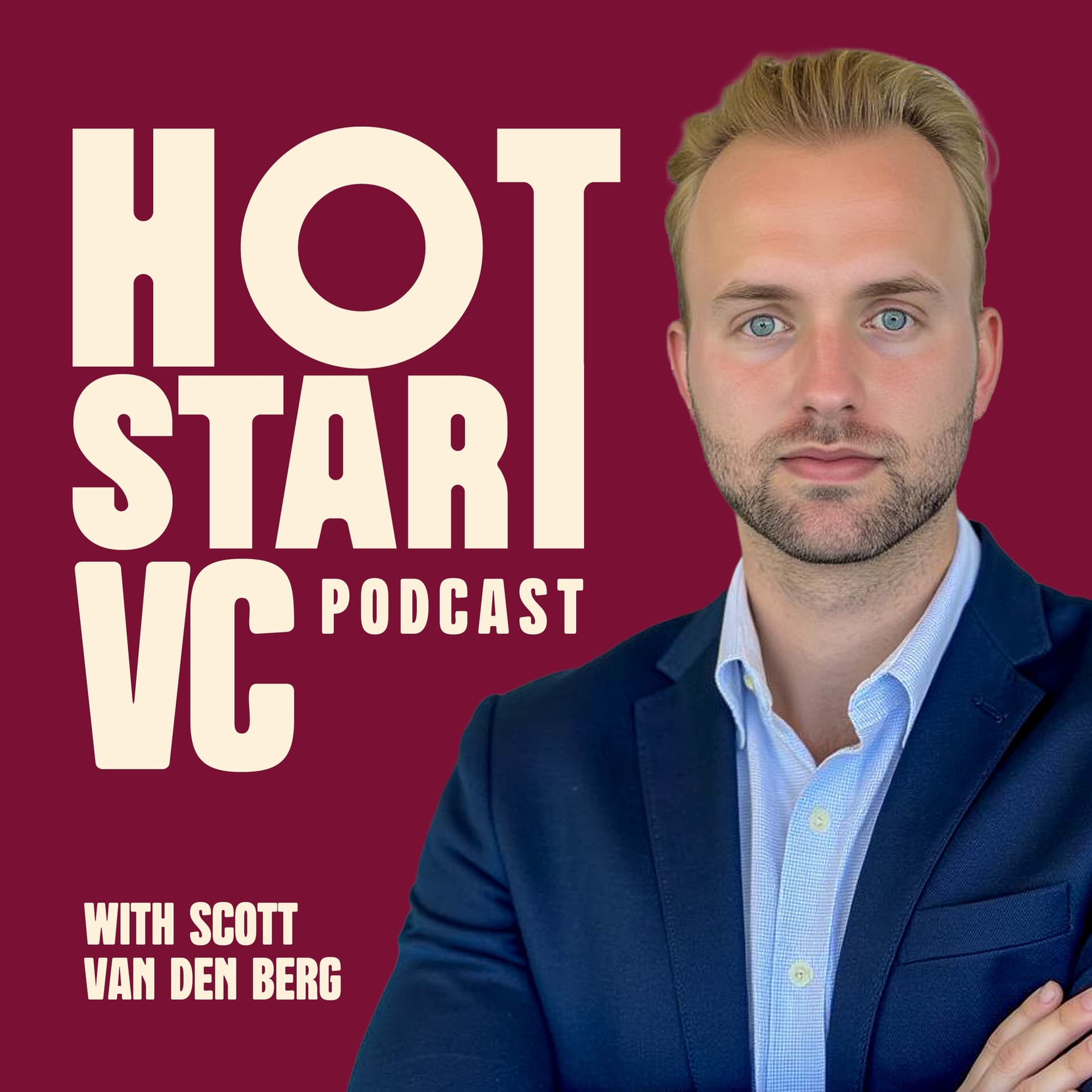
- Title: The HotStart VC Podcast
- Host: Scott Van den Berg
- Episode Title: How Gabriella Murray Built Natics: From 12M Followers to Bootstrapping a B-Corp Skincare Brand
- Episode Release Date: [Insert Date]
- Episode Description: Gabriella Murray shares her journey of building Natics, a skincare brand designed for real-life use, emphasizing her approach to unique product formulations and changing consumer behavior.
Key Takeaways
Gabriella's Journey as a Content Creator
- Early Beginnings: Started creating content on platforms like Funimate and Musical.ly, evolving through various types of short-form content over seven years.
- Monetization: Discovered monetization through brand deals, initially unaware of the financial opportunities in short-form content.
Launching Natics
- Vision and Philosophy:
- Natics was developed to provide skincare solutions that fit into modern, fast-paced lifestyles, rejecting the typical 12-step routines.
- Products like cleansing tablets address the need for convenience while traveling or in unconventional settings (e.g., airport bathrooms, nightclubs).
- Product Design:
- Cleansing Tablets: Portable and easy-to-use, designed to work without traditional sinks or lengthy routines.
- Facial Massage Tool: Moisturizers packaged innovatively as massage tools to enhance skincare routines.
Bootstrapping and B-Corp Certification
- Bootstrapping: Gabriella chose to fund Natics herself instead of seeking early capital, emphasizing self-reliance and control over product quality.
- B-Corp Certification: A commitment to sustainability, ensuring that the brand is built from the inside out with ethical practices.
Changing Consumer Behavior
- Targeting Unconventional Spaces: Aiming to introduce products in environments where people engage in self-care on the go (e.g., gyms, airports).
- Making Skincare Accessible: By placing products in everyday locations, Gabriella aims to normalize skincare routines in non-traditional settings.
Collaboration and Co-founding
- Partnership with Alyssa Yago:
- Engaged another creator, Alyssa, to co-found, bringing diverse audiences and perspectives to the brand.
- Focus on synergistic growth by leveraging their combined influence and different content styles.
Insights and Advice
- Entrepreneurial Mindset: Gabriella emphasizes the importance of building a brand authentically from personal experience rather than through white-labeling.
- Trust and Authenticity: Creators should prioritize building trust with their audience, as the credibility of their products impacts long-term success.
- Advice for Creators: "Just do it" – encourages aspiring creators to act on their ideas without overthinking and to learn from mistakes along the way.
Future Directions
- Retail Expansion: Plans to work with retail partners for broader distribution in 2026.
- Continued Brand Evolution: Intent to maintain a focus on real-world applications of skincare, ensuring products remain relevant and accessible.
Episode Chapters
- 00:00:00 - Introduction
- 00:01:21 - The Beginning: From Funimate to Musical.ly
- 00:02:51 - Content Evolution Over 7 Years
- 00:05:02 - Discovering Monetization Through Brand Deals
- 00:09:03 - Introducing Natics: Skincare for Real Life
- 00:11:35 - Revolutionary Product Design: Cleansing Tablets
- 00:14:15 - Changing Consumer Behavior & Distribution
- 00:20:29 - Owning Your Formulations vs White Labeling
- 00:24:02 - Why Bootstrapping Matters
- 00:29:45 - Building a Creator Collective
- 00:35:08 - What's Next for Natics
- 00:36:14 - Final Advice: Just Do It
Contact Information
- Gabriella Murray:
- [Natics Website](https://trynatics.com/)
- [Instagram](https://www.instagram.com/gabbymurrayy/)
- [TikTok](https://www.tiktok.com/@gabby_murrayy)
- Scott Van den Berg:
- [LinkedIn](https://www.linkedin.com/in/scott-van-den-berg-22b534150/)
- [Instagram](https://www.instagram.com/scottvandenberg_/)
---
This structured overview highlights the essence of the podcast episode, focusing on Gabriella Murray's unique approach to entrepreneurship and skincare within the context of her life as a content creator.
Written by AI. May contain mistakes. Listen to the episode to check what was said.
Transcript
Automatic transcript. May contain errors.0:28I wanted to build something from scratch. in it as well using sustainable ingredients. That's also why we have our B Corp certification, because it kind of forces you to build something sustainable from the inside out. So that's why it's just really important to me doing it that way. Welcome to the Hot Start VC podcast, the show where we break down how celebrities and creators build billion dollar companies. In today's episode, I'm joined by Gabriela Murray, a creator who has built an audience of over 12 million followers across social media. Gabriela recently launched Netix, a personal care company she describes as being engineered for chaos.
1:01We will talk about what inspired her to launch genetics, how she's changing consumer behavior, and why she's taking a very different approach than most celebrity and creator founders in building her company. So without further ado, let's get into the conversation. Gabriella, I'm super excited to have you on the show. Thank you so much for being here. Thank you, Scott. I'm so excited to be here. Thanks for the invite. Of course. So before we talk about your company, I actually want to start with the journey of you being a content creator. So can you take me to those early days when you actually decided to publish your first piece of content?
1:33And what was that type of content? Yeah, sure. I always was really into short form. I actually, I started with, it was this app called Funimate. It was kind of like a Musical.ly at the time competitor. And so on there, they had really cool effects where you can just edit your videos and make them look really cool within the app itself. self and I got started on there I really enjoyed it I got featured a few times it was very similar to how musically was and then with musically I kind of was like well I had a couple friends that were doing it at the time and then I really started to take it seriously and I was like oh I really want to get featured and at the time that was like their for you page to get like seen by everyone and so at a really young age I just really wanted to entertain I loved the idea of being able to make your own videos and get so creative and do whatever you want to do and post it online and And having millions of people see it and just entertain people.
2:25When I was like really young, I used to orchestrate these like with my cousins, like cousin shows for the family. I've always been into entertaining people. So when my mom got me a phone, it was just like a no-brainer for me when social media kind of started there. Of course, I've always been into YouTube as well. I did a couple YouTube videos too. But short form is really what I've been focusing on for the past, I don't know, I've been doing this for like seven years now. So yeah. I love it. And how has your content also evolved in those seven years? Because the type of short form that you put out then is definitely not what you put out now.
2:59Yeah, absolutely. It's definitely evolved with the trends. And I think, yeah, I mean, with the trends, really, back in the day when I first was starting, I just did a lot of editing videos. Like I would too, I would clone myself. So like, it was almost like little music video type things. and no one was really doing it on TikTok at the time and so I was really that was what I was known for back in like 2018 2019 even early 2020 during quarantine I would just do like music video type edit videos and then I switched to like tie-dye I did like arts and crafts kind of stuff then I did lifestyle and then transition behind the scenes content I think it's really important to evolve as a creator just because people get bored of things and especially now I think our attention spans are so short that's why short form is like a conglomerate of success at the moment everyone's trying to do it because we just like these quick hits of dopamine and so I think the evolution of my content and still evolving is is really important as a creator overall but I've tried many different things and I really like to stick to things that I enjoy because I think I find that my audience they kind of anybody in general like you can tell if someone's not enjoying something and you're kind of just like doing it to do it and people don't want to watch that kind of content you want to see something that makes you feel maybe happy or even something you can relate to as well and maybe feel seen in some degree there's different ways but yeah that's kind of how it's evolved for me personally yeah and I think like you you make a very good point because you actually started creating content because you just loved it you you love the game of creating content and I I think the problem nowadays is that a lot of content creators that are starting out, they're doing it for the wrong reasons.
4:48They're doing it to get picked up at algorithm and eventually make money or whatsoever. And like you always have to kind of find out like like what do what you love, like so to say. So what made you realize that being a content creator could actually be more than a passion, could actually turn into a full time job? Yeah, I think when I got my first brand deal, it was, I don't even remember the app. If it was for an app, it was like some sort of like game. And I didn't realize that, I don't know, I thought, if I'm being honest, I really thought that the only way to make money on social media was YouTube.
5:25I knew that a bunch of YouTubers obviously made money through Google ads and stuff like that, but I didn't know that Shortform could pay like that. And so I got my first brand deal with this app. And ever since then, I was like, wow, like I can just work with these brands. I can make videos for them, post it on my page and get paid. I didn't even know that that's really cool. Then you kind of like learn about different managers. You know, you have people, other companies, management companies approach you to help manage your inbox and get outreach through their connections as well for deals and to make money.
5:54I mean, yeah, that's kind of how it started for me, really. Yeah, cool. And before we talk about Netix, like, have you always thought about eventually leveraging the platform that you had to co-found a company or whatsoever? Yeah, I definitely always had that thought just working with other brands as a creative. And, you know, from the outside there, obviously didn't have any pull as to, you know, the type of content I was making. Usually you get deliverable, like set deliverables, and sometimes they give you actual scripts that you have to read. and so I really always wondered about you know taking in taking the bull by its horns and doing it myself and making it on my own brand and creating it from scratch and doing it that way and then being able to have that creative freedom maybe to give to other creators because I always felt like with at least for me um you know getting these briefs from these other brands that I was kind of put in this like box of you know how I can express and and sell the product in my videos And so I was always so curious about the other end of it.
6:54So yeah, I always had that inkling of maybe starting something myself. Yeah. And do you think that that's important for content creators that they actually are launching their own companies instead of always focusing on brand deals or AdSense or whatsoever? Yeah, I think it's a long-term game for sure. If you want to do that, it's definitely not easy. I mean, we'll talk about that too as we go on. But I think if you're if you really want to play the long game, I think it just makes sense. I think if you're really if you're only going to just make content like and that's it and you're not going to branch off and do other things, there's only so much you can do with that.
7:33Like there's only so many things you can do with videos and stuff. And I think it's really important as content creators, we do kind of make our own schedules, especially if you're doing this full time, that you kind of take the time, you know, that we have and to explore different things and avenues. If you see all of the great success stories through other creators and them making brands and even not even just content creators, feedives in general, I mean, like Selena Gomez or Hayley Bieber or you know and you could see how successful that they are and it's inspiring I think so yeah it depends on your goals of course but it also depends on if you're going to look long term and what your goals are long term as well yeah and I think this is also a point that you touched upon was like the evolution of content creators I think that content creators they kind of have to start to compare their career to like an athlete so like they have this 15 year window where they kind of have to set them up for success.
8:30And after 15 years, because maybe you're 20 year old right now and you don't want to create content anymore when you're 40 and be in front of the cameras. But a lot of people are not setting themselves up to actually retire from being in front of the camera and have other income sources. So by actually subsidizing that by launching your own company, you can actually focus slowly more on that and also create hopefully generational wealth. That's the goal. Absolutely. You said it perfectly. So I agree more. So let's talk about your company. So what is Natix and what type of like insight or experience led you to founding the company?
9:05Natix, I built it for real life. I think especially in today's generation and for me personally, I always travel a lot. I think no one really has time, especially right now in this economy for a 12-step skincare routine and going to the bathroom to take care of yourself. And usually generally skincare, you have to go to it in the bathroom. And so this idea really came from my own life. I was constantly filming and traveling and bouncing between different environments. And skincare felt like it just didn't fit into my routine as someone just trying to do everything and just be successful in this economy and stuff like that.
9:42So I think for me, it was really just, and also I grew up with hormonal acne. Like I was on Accutane. I tried everything. I actually, even after school, I would go to my dermatologist's office, like before events and stuff like that to get cortisol injections in my acne because that was the only thing that would help. And I think there were so many complicated prescriptions that would just actually even ruin my skin more. And I, whenever, whenever I went back to the basics, just washing my face with a good cleanser and doing a nice moisturizer, I, my skin would always clear up and I was always pressured into all this, this complicated skincare.
10:22And I always had to go to the bathroom to do it and always took time out of my day. I always had to come to it. And so with Natix, I really didn't want our skincare to require the, the bathroom sink or 30 minutes. I wanted to create something simple, portable, and effective to fit into your life instead of stopping for it. So that's why we created Natix. Yeah. So talk about that portable aspect. What does that actually mean? And how is Natix different from other personal care companies? Yeah, absolutely. We were, I think, we just really were trying to solve the disconnect between skincare and real life.
10:58I think with us, we're really trying to bring skincare to you and meet you where you are. I think, you know, rather than being in a beauty store or living on your kitchen or your kitchen, your bathroom sink counter, we want people to do skin. Like we know that people are doing their skincare in dorm bathrooms or in cars or in airports after or even like in a club after a long night out or at a boyfriend's house. You never know. so i think for us we our products really i think we have cleansing tablets coming out so we have these tablets you pop it's they're in like blister packs you pop one out put it in your hand add a little bit of water if you don't have water near you you can add literally any sort of liquid it will dissolve and foam up and you wash your face with it and then you're done and then we have our moisturizer which we're actually changing the packaging of we're doing a utilitary packaging like skincare utilitary packaging so basically the moisturizer it actually i have one right here but this is this is what it looks like currently and so we're changing the packaging to it's going to be a facial massaging tool that you can use to actually massage your moisturizer in because i know a lot of people especially in the trending skincare right now are using gua shods or facial massaging tools personally i love lymphatic drainage and it's becoming a lot more popular and so we kind of wanted to meet the two together.
12:27Usually I do that with a nice moisturizer, of course. So when you have ours, you put it on your face and then you take the actual packaging and you will use it to actually lymphatically drain your skin and your face. And so it's kind of just about that, trying to make it simple. We also use simple ingredients. We don't have any actives in our ingredients at all. A lot of the popular buzzwords right now, I think are like niacinamide or hyaluronic acid or vitamin c and with our products it's it's just about the basics and we just want to help maintain and support a strong skin barrier because at least personally for me that is when my skin was always the clearest when i just did the basics and also self-care in general i think that's what we're trying to accomplish too when i'm having a rough day i just want to do a face mask and just kind of relax or even just wash my face and put a moisturizer on like it just makes you feel so much better so that's kind of what we're trying to accomplish with natix that i think sets us apart a little bit we're not trying to do seven step skincare routines we're trying to meet you where you are in reality we understand that people don't have time for that and it's just not realistic it's not realistic so yeah i really like that you kind of have innovated on when you use it because like in the last like decades skincare hasn't really evolved yes like we have used like different ingredients or whatsoever but it's kind of this on and off so you focus on your skincare in the morning and before you go to bed so that's it but during the day you're not really focused on skincare and skincare is not something that you turn off and on you actually have to focus like every single day on it that for I think what's interesting and it's also kind of a challenge and I wonder actually how you look at it.
14:13It's that you're actually trying to change consumer behavior and you're also trying to change the purchase moment. So instead of in your beauty shops, you're actually wanting to have your products available in airports, in schools, in bars. And as I mentioned, conceptually it makes a lot of sense because you always want to be focused on your skincare. It's not an odd enough thing. But it also means that you have to change consumer behavior. And people don't like change. People are very slow to adapt. So how are you thinking about changing consumer behavior and how can you actually help consumers adapt to it faster?
14:45Sure. I think step one, I think, is really trying to sell this vision to your everyday person. But also, I really want Maddox to be in airports. I want it to be in gyms. So right now we're working on pitching the airlines. Ideally, I would love to have cleansing tablets in the bathrooms for airlines. I know JetBlue, they have their, when you fly on JetBlue, there's like, I don't know what it's called. Like it's like a middle console section where you walk, anybody can walk up, you grab snacks, you grab waters, whatever you need on your flight to make it more comfortable. We would love to incorporate some sort of cleansing tablets in there or maybe for mint customers they get, because usually they get like little pouches of like skincare and stuff.
15:26We would love to be involved in that, be in hotel bathrooms, stuff like that, in gyms. That's kind of where we're targeting people as well as drugstore. I think CVS is a huge one that we're trying to look into for Q6 or Q26, 2026, not Q6, 2026, because there's a CVS on every corner. So we're trying to just make it accessible. And that's how we're really going to scale, I think, into changing consumer behavior because it's going to be available wherever you are. We're trying to meet the customer where they are in real life, maybe even at nightclub bathrooms. You know how they have like all this spread, usually maybe more in like women's bathrooms.
16:05I'm not sure about men's bathrooms, but in women's bathrooms, they have like the deodorant, the perfumes if you need. They have even toothbrushes. You can brush your teeth at the club. And so just getting in those spaces and I think being there at the front of people's attention. And I think naturally people are going to be curious in general, something new. I mean, I know I am always they see a cleansing tablet there. It piques someone's curiosity. They're like, what is that? You know, how can I fit that into my life? Naturally, people do that because the customer like personally for me, I really want to try new things.
16:36I want to buy. I want to be sold sometimes on things. And I think naturally, if it's in front of you, again, having cleansing tablets be accessible at these places, I think it will naturally shift into changing consumer behavior. And it just works better if you think about it than another cleanser, just like a big bottle you have to take with you everywhere. Well, now you actually mentioned that in the bathroom. If you travel to Asia and you're going to nightclubs, going to the bathroom is one of the most fun experiences. I absolutely do. You literally arrive in a wahala where they also give you massages while you're peeing.
17:11That's a little bit uncomfortable, but you can get candy. You can brush your teeth. You can put a perfume. You can brush your teeth. You can do all these things. For me, it makes a lot of sense that there's also a skincare component there. And I've always been surprised that like that's only like in Southeast Asia, but never like somewhere else in the world. And now I'm thinking about it, like even in the Western world, in some clubs, in nightclubs, in bars, you have these condom machines where you can buy like one condom. So that's kind of already showcasing that you need products, certain products like that.
17:44You're changing the consumer behavior by changing the purchase moment. So I definitely make sense. And I think it fits with your product as well. Yeah, no, absolutely. that's kind of the goal and i think that's when when we talk about long-term growth i think if we if we can position natix in that way and be available in those types of environments i think it's going to go very smoothly um and and i think it's something that people are not going to realize that they they need or or just to feel confident and also just to meet them where they are it just makes sense especially in today's world you know and i think as we're seeing in in different trends as well everything in eastern asia is kind of like coming here especially when it comes to skincare i I mean, MediCube's huge in Korea.
18:24Their trends are kind of transcending here a little bit, especially in skincare. So I think it's a perfect opportunity for us to kind of jump in and take over there. And I really like the portable aspect to it. So can you touch a little bit more about that? Like also talking, for example, about TSA airport security and traditional skincare that you can actually bring with you. Sure. Yeah. I've always had problems with specifically my cleanser trying to take that with me. Usually they're in bigger bottles. And of course, I like to stick to basic cleansers. I don't like anything too crazy. It does break my skin out.
18:57So usually like your Cetaphil, your CeraVe, they come in bigger, bigger packages. And so and they're pumps and then you kind of like it's just like too much. I just it's too much. So in terms of portability with our cleanser, it's literally going to be in blister packs. So think of like gum, but not gum. You can't eat it. It's not gum, but you just pop one out. putting your hand add some water add whatever liquid you have near you usually you have water but if you don't you can add whatever and then it foams up you wash your face with it i mean it's it's it's amazing and in terms of portability you can slide it right into your purse um if you have like a little clutch or something it's not going to take up room um like those other cleansers do and in terms of all of our other products we have a vitamin c on the glow bomb that's a little bit more advanced skincare that's like kind of an accessory to our our moisturizer of course and then our cleansing tablets but everything's going to be under 3.4 ounces so you can tsa like that's their standard everything's travel friendly and it just works and we're trying to again just meet everything where you are and it's just it's just nice to know that i guess there's one skincare brand that you can shop at that you know that you can just take with you anywhere it's just you don't have to think about it because i feel like when you shop other brands and other things even even not just skincare just like personal care in general you always have to think oh my gosh wait can I take this through TSA is it too big you know what I mean so at least with us you know that everything is portable you can take it's TSA friendly travel friendly everything like that nowadays many creators are launching their own companies and like to my surprise not a lot of them have any idea what's in the products that they're selling so often they get approached by manufacturers or brands say like hey we have this white label formulation on the shelves we would love for you to kind of slap your name on it and try to sell it for three times the price you've taken a very different approach like you own all your formulations you are actually manufacturing in america i think you're even a b corp if i'm correct yes so can you tell me more about the approach that you have taken and why that was important to you yeah absolutely i think i've always been one to take on a challenge i think why creators do it that way is because it's easier it's faster it's a lot less expensive and I think for me I didn't want to do it that way I love a good challenge I love building something from scratch I think generally it's just more fulfilling I actually can recall a time in my life where I I really was like I was young I was like maybe eight or something and my dad I wanted to sign up for softball I think it was and I really was just fixated on the trophies.
21:37I don't know, you know, like some weird kid things. Like I just wanted a bunch of trophies on my shelf at one point. And I told my dad and he wrote it down in a notebook somewhere. And I just remember this because I read it recently with. And so it's funny, but he's like, you know, we could just go to a trophy store and just like buy you a trophy. Like we don't need to sign you up for softball. You just want the trophy. And I was like, I said something along the lines of, but it wouldn't really be fulfilling if I just like, I want to earn it. You know what I mean? I want to earn that trophy. I want to play and be good and maybe even get an award of like a medal award for being one of the best on the team.
22:13That's not going to do like I just don't want the trophy without doing the work. I've always had that mentality. And I think this this also I mean, I've been approached by so many brands trying to just slap my name onto something. And I really wanted to build something not only for myself and my needs but also for other people too and I wanted to build something from scratch I wanted a challenge I wanted to take the blessings that I've been the financial blessings of just being able to do what I love and be a content creator and invest it into something else that I can build for not only me but for my family and build for other people as well and so that's really why I went that route and I wanted to build my formulas exactly the way I wanted them.
23:01I wanted to impact people's skin and make an impact on the planet as well using sustainable ingredients. That's also why we have our B Corp certification because it kind of forces you to build something sustainable from the inside out. So that's why it's just really important to me doing it that way. Yeah and I think like you're taking the right approach like quality in the long term always wins and i think creators need to understand that the most important currency that they have is trust it's not follower count it's not engagement rate even it's trust it's why people follow you is because they kind of like you live an aspirational lifestyle and they want to be like you and the more influence you have the more money you can make as an influencer you know so you really need to treat this carefully and i see so many celebrities and creators just pushing out bad products that are sometimes even like harmful for like human and planetary health.
23:53And that's going to have consequences in the long term. And that's why I think it's never good to rush your own company and that you actually should go through all that processes. You've also bootstrapped this company. So can you tell us also what's the importance of that? Like I get approached so many times by creators and they're like, hey, Scott, here's my pitch deck and I want to build this. And I'm like, OK, how much money have you invested in this? And they're like zero. And I'm like, OK, if you're not willing to take a risk on yourself, like why should I take a risk on you? I think it's really important because, again, it kind of comes down to, I don't know, it's weird.
24:23I can't even imagine doing it any other way. Because again, to your point, I mean, why should you take the risk if they're not going to for their own idea, right? Right. And generally, you know, as full time content creators, we're blessed with being able to make our own schedule. And, you know, most of the time we are doing pretty well financially to where we can invest the money. And of course, the time because it does take time doesn't just take money to really invest in ourselves and like our vision. Right. So I don't know. I can't imagine doing it any other way. I think I just wanted to take, of course, like the blessings that I've gotten and that God has given me just to really invest on myself and bet on myself and not just like sell out to some other brand or even, you know, looking for pre-seed and like going really early.
25:17Like, oh, I have this concept. Like, can you fund it? You know, I'd rather do it myself, learn a bunch of things because I feel like I learned. I learned so much, especially in the beginning stages. And I feel like we are still very baby. We are still very early too. And there's so much more to learn. And I think it's just more exciting, I guess, in a weird way. And I might sound crazy, but when it's your own money, I don't know, because I feel like you will never treat an investor's money like you will your own, I feel. And I think that's why I just can't, I would never do it like that. I just would always invest in my company first and then of course look outwards if I need to and yeah I mean it's just more fulfilling again like that's what I like as a person that's just how I am I love challenges and I like to challenge myself and I also love to bet on myself as well and I also love making mistakes too even if I'm burning money at some point it's my money right but I'm learning and I know now you know what I wouldn't have known two years ago so I mean yeah I think that's just what I love about it and I couldn't imagine doing it any other way but yeah no I really applaud you for it and I think a lot of creators and celebrities should actually take a similar approach talking about other celebrity and creator founders like are there any celebrity or creator founder brands that also aspire you or like you get inspiration from I would think I really admire Selena Gomez Rare Beauty I also think Hayley Bieber did a great job with Rode and I'll tell you why I think I love how cohesive that the brand is with road I'm talking even with Rare Beauty too but I think road is I feel like you just know just from the texture the packaging the tone the marketing it how it makes you feel and how purposeful it is it's not super loud it's minimal but it which makes it recognizable and I think that Hailey Bieber did a great job with that she's generally someone that people look to as like maybe like the mean girl or like the popular girl in high school and I think I think it's interesting to always take it back to high school because there's always obviously like you're popular people you're nerds and it kind of generally translates to real life too and I think Hayley Bieber's brand with road is I picture more that on like a clean girl bathroom with you know maybe the girl who's in high school um in or in college and ahead of a sorority or just like super popular whereas like a rare beauty with Selena Gomez I think she did a wonderful job with how mission driven and but without feeling forced I think Selena did a good job of just making everybody feel confident she's all about mental health self-acceptance and there's an emotional layer with that and I feel like the longevity there is great on both ends like they're very different but I think they both did a really good job on executing there and even with Selena Gomez too I mean her music speaks to that right so she has her own story with her music and she she's all about that and then it shows up in in rare beauty and i think that's beautiful and i think and i've never met selena gomez or hayley bieber but i have creator friends that have they're just they just want to talk to you know they they're very involved in their brands and i think that's beautiful i know hayley sold road but with rare beauty in particular creator events i know selena is very approachable and she wants to talk to these creators and she's very involved and you can see that and I think that whenever I step into Sephora and I see Rare Beauty or I see Rodin I feel that energy and it really speaks volume and it's so important and those are really two good examples that I would say they did a very very good job and that's an inspiration for me as well yeah I think like the key word here is authenticity and and that's what i like about your origin stories like where you have been struggling a lot with your own acne journey and like nowadays whenever i see a celebrity or creator launching their own personal care company and just to say like i want every woman to be beautiful although that's a great mission it doesn't really like it's not very authentic because if that's the only mission if it's not born from a personal struggle or like a problem you cannot really authentically talk about it.
29:41So I think that's really important. Yeah, absolutely. 100%. So you've built a massive platform. You have 12 million followers across social media, and that is obviously giving you a very unique advantage in launching your own company because it allows you to put free eyeballs on your company. And that is something that traditional brands have to pay millions of dollars for. But you've actually went one step further because you recently onboarded another creator as part of the founding team. So could you tell a little bit more about that and like what is that person adding to yeah your company in general absolutely yeah so we have an amazing beautiful and genuinely nice and kind creator Alyssa Yago I can speak about her for hours but she she really just got and we'll see and she has six million followers across social media by the way yes yes yes um she really just got what we were we're building with Natix um she was already a fan of our moisturizer before so which was actually really cool because we are a small business so um we saw that she really enjoyed it and i was like wait a second like this is so cool like i'd love to just get her ear and just talk to her i think as as it also another creator would have us creators like speak a different language sometimes and so it was really just refreshing to hear um her take on things and i really uh admired everything that she she stands for and she brings to the table she has a very great creative edge she has very authentic ways to connect with her audience and I think one asset to bringing her on is um I think she's just she's very different from me and but similar at the same time because we were both creators and like I said we we kind of speak the same language but I think with her content it's she's taken a different approach than I have she's more in like the streaming world she's getting into twitch a youtube a little bit more whereas with me it was just kind of short form and it kind of is still right now and so we have very different audiences and I think you know I was my peak per se was more quarantine error 2019 whereas hers is kind of now with the twitch streaming twitch is becoming a lot more popular with kai sanat and everyone there speed and all that and so that's like the new generation um so we have very different audiences and very very different takes on certain things and I I always love to work with people that are very different My co-founder and I are polar opposites.
32:01And that's why we work so well together because I learned so much from him. He learned so much from me. And it's just a great teamwork. And so Alyssa brings that diversity and different thinking there too, even in with her audiences as well. And so I couldn't imagine not having her on board and being a creative in our ecosystem that we've built. But yeah. So yeah. And you see like other content creators taking a similar approach. So if you look at Jake Paul, he recently launched W, which is also a personal care company, but focused on males. He brought on, I think, like six other large celebrities and creators on the cap table as well.
32:35So he brought on like Sean O'Malley, which is more like a UFC fighter. He brought on Ruby Rosa. He brought on Livy Dunn. And all of them have a different target audience. And that really allows you to tap into even more like customers. So I think it's very smart. Do you think that like this is a model that you want to expand on as well? like bringing more creators on the cap table of Natix? Absolutely. I think with any brand that I do from then, I would love that. I think it's such a unique opportunity just to learn from different people. And I think the structure of that deal is really unique too, because it's more long-term and I think doing it that way, it doesn't make it just a brand about me.
33:16Cause that was always with Natix personally. I just didn't want it to be a me brand. I wanted to involve as many people as I could and get everyone, you know, on board and excited genuinely. And yeah, I would love to continue that approach. And obviously Jake Paul is like wildly successful and, you know, he's obviously doing something right there. I think he would say the same thing too. I think it's just a smart move. Yeah. And I think that this is kind of how the evolution of these creative founder brands is going to look like. I still think there's always going to be this creator co-founder, but I think that this person is going to bring on like a group of 10 or 20 other creators to come on as like more of an ambassador on the cap table so they have aligned incentives to actually talk about the company and scale it together.
34:02Absolutely yep I completely agree and I think it's really smart. What is a skill that you learned from being a content creator that has been super useful in actually founding your own company? I think from the very beginning I've always had this entrepreneurial mindset. I literally created and generated an audience from my bedroom so again it kind of comes from starting from absolutely nothing from scratch just an idea in my head and maybe just like growing it out from there um I've always been that way and so when it comes to being a creator I think of the same as my videos I mean you kind of start with an idea then you kind of build out from there and you and I love doing everything myself I edit all of my videos myself I produce everything I come up with the ideas all that and And I just love it.
34:45And it's so fulfilling again. And I think it's very similar. And that's why I kind of steered into that direction of things. So yeah, that's why I love it so much. And I can't see myself doing any other thing. And if it wasn't for content creating, I wouldn't be able to fund this myself, you know, at the capacity that I have been doing it for the past three years. So yeah, super grateful. And it helped me a lot, I think. And what is next for Nettix and what are you most excited about? Sure. Well, we're looking into some exciting retail partners coming up in 2026. I want everyone to feel confident.
35:22I want to promote confidence with my company. I think skincare and self-care in general for me has always made me feel confident. And I know other people can relate to that. And as it's becoming more popular. but that's that's really my goal I want I want people to feel confident when they use our products and feel good about themselves and not over complicate a routine and not yeah I mean and just not feel overwhelmed with skincare because it shouldn't be overwhelming and it always was for me and I don't want people to feel that way um and just feel confident in their own skin and but continue to be successful and work hard because again currently skincare you kind of have to like stop what you're doing and go to it and that's not what we're trying to build with natix we want to naturally integrate it into your life and make you feel confident and good wherever you are and what is your number one advice for other content creators that are thinking about launching their own brands just do it i want to like literally be so cheesy but like don't think about it don't listen to also don't take advice from somebody you wouldn't want to trade places with that's one thing that i've learned because i love to talk to different people.
36:30I love talking to my parents. God bless them. But I've been told multiple times to not do certain things and you just can't. Just do it. Just do it. Learn from your mistakes and it's okay to make them, I think, because that's how you grow. And don't be afraid to make mistakes and just do it. That's my advice. Yeah, I love that. And to end, where can people find you online and follow your journey? Sure. Yeah. My Instagram is at Gabby Murray with two Y's at the end there. And then my Snapchat is gmurray11. And then my TikTok is Gabby underscore Murray with two Y's again at the end. Perfect. Well, thank you so much for being on the show.
37:10Thank you, Scott, for having me. Appreciate it. Thank you for listening to the Hot Start VC podcast. If you enjoyed this episode, make sure to subscribe and leave a rating or review. It really helps us grow. You can also subscribe to our newsletter at hotstart.vc for more breakdowns on how celebrities and creators build billion dollar brands. Thanks again for tuning in and we will see you in the next episode.
From the publisher
When Gabriella Murray decided to take on the skincare industry, she didn't just want to slap her name on another white-label product. Instead, the content creator with 12 million followers bootstrapped Natics from scratch, created her own formulations, and became a certified B-Corp - all while reimagining how we think about skincare in real life. From cleansing tablets that work without a sink to moisturizers packaged as facial massage tools, Gabriella is building a brand "engineered for chaos" that meets people where they actually are - whether that's in an airport bathroom, a nightclub, or the back of an Uber.
In this episode, you'll discover:
Why Gabriella refused to take the easy route of white-labeling and instead spent years developing her own formulations from scratch
How she's changing consumer behavior by targeting unconventional retail spaces like airline bathrooms, gyms, and nightclub restrooms
The real reason she bootstrapped the company instead of raising capital early (hint: it's about more than just control)
Why she brought on fellow creator Alyssa Yago as a co-founder and how having creators with different audiences creates a unique growth advantage
The childhood story about softball trophies that explains her entire approach to building businesses
How her battle with hormonal acne and Accutane led to a "back to basics" skincare philosophy that defies industry trends
Why she believes 12-step skincare routines are unrealistic and how Natics is solving the disconnect between skincare and real life
The strategic approach to becoming TSA-friendly and why every product will be under 3.4 ounces
What she learned from studying Rare Beauty and Rhode that influenced her brand building strategy
Her unfiltered advice for creators thinking about launching brands: "Don't take advice from somebody you wouldn't want to trade places with"
From her early days on Funimate and Musical.ly to building a purpose-driven beauty brand, Gabriella shares the unglamorous reality of being a creator-turned-founder who's betting everything on herself. Whether you're interested in the creator economy, sustainable business practices, or disrupting traditional industries, this conversation reveals what it really takes to build a brand that's authentically different in a saturated market.
Chapters:
Chapters
00:00:00 Introduction
00:01:21 The Beginning: From Funimate to Musical.ly
00:02:51 Content Evolution Over 7 Years
00:05:02 Discovering Monetization Through Brand Deals
00:07:08 The Long-Term Vision for Creators
00:09:03 Introducing Natics: Skincare for Real Life
00:11:35 Revolutionary Product Design: Cleansing Tablets
00:14:15 Changing Consumer Behavior & Distribution
00:18:35 The TSA-Friendly Advantage
00:20:29 Owning Your Formulations vs White Labeling
00:21:32 The Trophy Store Mentality
00:24:02 Why Bootstrapping Matters
00:26:44 Celebrity Brand Inspiration: Rare Beauty & Rhode
00:29:45 Building a Creator Collective
00:32:55 The Future of Creator-Led Brands
00:35:08 What's Next for Natics
00:36:14 Final Advice: Just Do It
HotStart VC
Subscribe to the HotStart VC newsletter: https://hotstart.beehiiv.com/
Become a HotStart Angel and co-invest with us in celebrity-founded brands starting from $5,000: https://www.hotstart.vc/hotstart-angels/
Check out our fund: https://www.hotstart.vc/
Scott van den Berg
LinkedIn: https://www.linkedin.com/in/scott-van-den-berg-22b534150/
Instagram: https://www.instagram.com/scottvandenberg_/
TikTok: https://www.tiktok.com/@scottvandenberg_
YouTube: https://www.youtube.com/@scottvandenbergvc
Gabriella Murray
Natics: https://trynatics.com/
Instagram: https://www.instagram.com/gabbymurrayy/
TikTok: https://www.tiktok.com/@gabby_murrayy
HotStart VC is a fund that exclusively invests in brands founded by celebrities and creators. We’re the go-to platform for celebrities and creators launching brands, providing capital, strategic support, and the infrastructure to scale.