
In short
The HotStart VC Podcast: Episode Summary
Episode Details
- Title: The Business Behind Katy Perry’s Non-Alcoholic Brand | Scout Brisson, CEO of De Soi
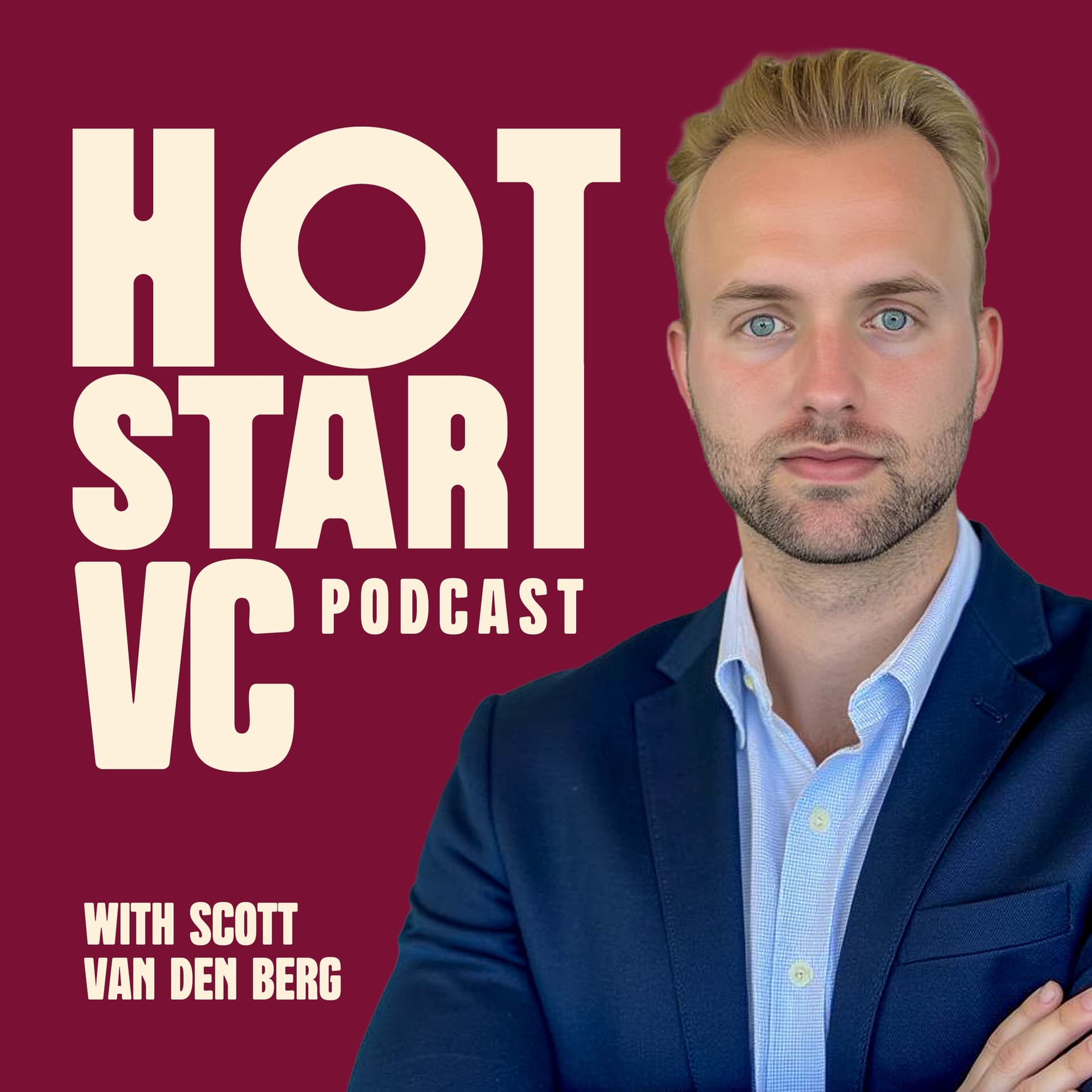
- Host: Scott Van den Berg
- Guest: Scout Brisson, CEO of De Soi
- Description: This episode explores how De Soi, a non-alcoholic cocktail brand co-founded by Katy Perry and master distiller Morgan McLachlan, has become a leader in its category. Scout Brisson shares insights from her journey from a consultant to the CEO of a celebrity-founded brand.
---
Key Concepts and Insights
Founding Story of De Soi
- Collaboration: Katy Perry and Morgan McLachlan met during their pregnancies and connected over a shared interest in sophisticated non-alcoholic beverages.
- Iterations: Before launch, De Soi went through 50+ product iterations to ensure quality and taste, emphasizing the importance of not rushing to market.
Unique Selling Proposition
- Craftsmanship: Morgan McLachlan's expertise as a master distiller lends authenticity and quality to the brand.
- Taste Experience: De Soi aims to replicate the flavors and experiences associated with alcoholic beverages, making it appealing for both non-drinkers and moderate drinkers.
Marketing and Brand Strategy
- Celebrity Influence: Katy Perry’s role goes beyond traditional marketing; her lifestyle and public persona align with the brand's message of moderation, not sobriety.
- Community Building: De Soi fosters a passionate community, offering early access to new flavors and creating strong consumer loyalty.
Retail Challenges and Strategies
- Retail Education: Scout discusses the difficulties in educating retailers about the non-alcoholic category, and the importance of timing in pitches to potential partners.
- Distribution Success: A notable moment was a deal closing during a retail call featuring Katy Perry, showcasing the influence of celebrity presence in business negotiations.
---
Key Takeaways
- Celebrity Co-Founders: The partnership with a celebrity brings unique advantages, such as enhanced visibility and credibility, but should be approached with strategic planning to avoid pitfalls.
- Evolving Marketing Landscape: Traditional influencer marketing is shifting; brands must seek innovative ways to engage consumers, focusing on community and authentic storytelling.
- Product Iteration is Crucial: Continuous improvement and consumer feedback are vital for building a sustainable business, particularly in the competitive beverage industry.
- Strategic Growth: Rapid retail expansion can be risky; brands benefit from a phased approach to scaling to learn and adapt before nationwide distribution.
---
Episode Chapters
- 00:00:00 - Opening: The Celebrity Flywheel Effect
- 00:01:16 - Scout Brisson's Journey to CEO
- 00:02:40 - The Founding Story of De Soi
- 00:04:44 - Why Scout Joined the Mission
- 00:06:58 - What Makes De Soi Different
- 00:10:38 - Building Flavors That Mirror Alcohol
- 00:13:26 - Katy Perry: The Face of Moderation
- 00:15:41 - Leveraging Celebrity for Category Growth
- 00:17:45 - Katy Perry as Visionary Entrepreneur
- 00:19:21 - Evolution of Katy's Role
- 00:23:51 - Common Myths About Celebrity Brands
- 00:26:46 - Breaking Into Retail
- 00:29:49 - The Danger of Going Nationwide Too Fast
- 00:32:07 - Influencer Marketing is Dead
- 00:34:19 - Building Community Beyond Marketing
- 00:36:05 - Fundraising as a Celebrity-Backed Brand
- 00:37:12 - What's Next for De Soi
- 00:38:10 - Advice for Celebrity-Founder Partnerships
---
Conclusion This episode of The HotStart VC Podcast provides valuable insights into the dynamics of launching a celebrity-founded brand in the non-alcoholic beverage market. Scout Brisson’s experience highlights the importance of product quality, strategic celebrity involvement, innovative marketing, and community engagement as pivotal elements for success.
For more insights and updates, listeners are encouraged to subscribe to the HotStart VC newsletter and follow the podcast on social media platforms.
Written by AI. May contain mistakes. Listen to the episode to check what was said.
Transcript
Automatic transcript. May contain errors.0:00I am such a proponent of the flywheel effect of having a talent co-founder running a talent-backed brand, which is if I think about the earliest days of when we launched this business. The types of features that we got from traditional press, I mean, we launched with an exclusive in Vogue. What businesses can talk about that kind of press? And we do new flavor launches. We get exclusive coverage in People Magazine, which drives a ton of conversion. We got to be one of the first brands of the first ever non-alcoholic set at Target. We have a national partnership with Southern Glaciers. Welcome to the Hot Start VC podcast, the show where we break down how celebrities and creators build, build, and other brands.
0:39In today's episode, I'm joined by Scout Brisson, the CEO of The Sois, the non-alcoholic operative brand co-founded by global superstar Katy Perry. The Sois has quickly become one of the fastest growing brands in the non-alcoholic beverage space, known for blending sophistication, flavor and function. We will talk about how Scout was recruited to lead The Sois, why Katy Perry is the perfect ambassador for a non-alcoholic beverage company, even though she's not fully sober, and what it really takes to build and scale a celebrity-founded brand. So without further ado, let's get into the conversation.
1:11Oh, thank you so much for being on the show. Excited to be here, Scott. Long time coming that you finally have a podcast. Right, right, right. Before we talk about the SWOT, could you tell me more about your background? Yeah, sure. I like to describe myself as where strategy meets scrappiness. I started my career in management consulting. I was at McKinsey after I graduated from MIT. So definitely have a lot of the maybe almost like too much analytical rigor, but a lot of anical rigor and training. I left McKinsey and I went to a venture fund with an incubation arm and we were launching brands basically from zero in partnership with Procter & Gamble while I was there.
1:52And so that's where I'd say the like startup itch and founder itch really began for me. And before Desoit, I started my own Better Free Snacking company during COVID. It was a lot of unglamorous entrepreneurship. Certainly, like I was a lot of listening to how I built this in a commercial kitchen during manual labor. But it was it was fun. And I and I caught the bug. And when I left that business in 2021, and that's when I met our co-founders of Diswall, Katie and Morgan, I was just so sold on this like zero to one stage. And I know we'll talk about that. But yeah, my background is a little bit of a winding path to here, but I've definitely been an entrepreneur-shaped face for some time now.
2:33Yeah, I love that. And you already talked about meeting the co-founders of The Soir. So could you tell me more about the founding story of The Soir and how you were initially recruited? Sure. Katie Perry and Morgan McLaughlin are our two co-founders. So Morgan is an award-winning distiller and she's been creating alcoholic beverages for most of her career. And she really came upon the non-alcoholic space first through non-alcoholic spirit proxies and started to tinker around with this idea of creating a ready-to-drink aperitif, which is obviously what DeSois became. And got introduced, like, you know, started thinking about, like, how to bring it to market, got introduced through CAA to Katie amongst, you know, others that they spoke to at the time.
3:18And Katie and Morgan just hit it off right away. Katie, they were both pregnant for the first time. So obviously in a life stage where they weren't drinking alcohol and Katie herself was already a non-alph customer. She was drinking Seedlip. She was drinking non-alph champagne. And actually a couple of years after I was already involved in the business, she sent me the reference photo of like the first ever non-alph champagne that she had had on a, I think it was a long haul flight to Dubai. And I was like, that's a good place to be drinking non-alph champagne. And yeah, they really hit it off and they decided to start creating what was at the time just an idea.
3:53So fast forward about 18 months. By the time that I met them, they had gone through rumored to be like over 50 iterations of some of our original flavors. They had developed the brand concepts, the packaging, set up the supply chain, the website, et cetera, all out of another beverage brands platform because the business was really incubated out of there. But they knew they needed somebody to help bring the brand and quarterback it and get it into market. And so that's, I met them through someone I had worked with at McKinsey. I got introduced and I kind of like took off from there. And that was in early spring of 2021 that I met them.
4:30and then I joined full-time in October that year. Yeah, I love that. And like what drew you initially to that mission? And I assume like getting an invitation to like become a CEO of a company that global superstar Katie Perry co-founded is kind of surreal. Okay, it was definitely a factor of things. And I loved the fact that it was a two women powerhouse and like Katie and Morgan are such powerhouses. I definitely also appreciated coming from a bootstrapped startup, the fact that there was this infrastructure around the business, there was funding already, there were investors, there were clear paths to market because of the platform that Katie has and certainly brought to the table.
5:13I also, it's funny, when I talk about the story, I so often don't talk about my own relationship with alcohol, but I feel like everybody has gone through this, let's call journey of drinking less and finding moderation. And mine is not so dissimilar from a lot of people during COVID who swung to the other side of the pendulum and were drinking too much. And I was like, I have really been enjoying my glass or two of Sauvignon Blanc in the evenings, but also learning at the same time the impacts that it was having on my sleep, for instance. And so it felt like this really natural fit for me because I am and I continue to be the consumer that we're trying to speak to it's a swole and so I got the category from the very beginning too and it's crazy how fast it's grown even in the last four years since I've been involved because I mean some of it we predicted some of it we couldn't have predicted yeah it's funny that kind of COVID had like two types of changes so there were people that started to drink a lot more and there were people that weren't drinking at all so I was actually in that second bucket I didn't drink yeah I didn't drink for the first and the rest of us yeah like I don't know I just didn't feel that I was like because I was living by myself like I just didn't feel like taking shots on zoom with my friends or whatsoever so we had these like meet up with the nine of us online and like my friends were drinking and I was like guys what are we doing here so it's definitely fun to hear both both sides of the coin that's so funny yeah I feel like um part part of my blessing and a curse was we we were living very close to my parents at the time and my mom works at a really amazing wine importer distributor.
6:45So I said I had a hookup. And yeah, as you mentioned, like nowadays the category is very popular and I think you guys definitely have a first mover advantage. But can you tell me more about what makes the Soie different from other non-alcoholic beverage or cocktail companies? You know, one theme I'd say that's really common and appreciated within the beverage alcohol world is the tastemaker story. And that's something that we have a lot of things going for us. I'm obviously biased and I have fully drunk the Kool-Aid, but I think the fact that we have Morgan behind the craftsmanship of our liquids means not only do we have a story that's unique, because to my knowledge, there isn't another non-off brand with that kind of tastemaker behind it, but also we have liquids that really emulate the alcoholic experience that you're looking for.
7:33And so when you look at, OK, now what is a well-saturated set, it's OK, what brands have compelling packaging and value propositions and then which brands have compelling brand stories and founding stories and then which ones have amazing liquids. And I would argue that taste is table stakes. And if you're telling a customer, hey, I'm going to give you a spicy margarita without the alcohol, I want to be able to deliver on that experience. And I think that's something that Diswa really uniquely is able to deliver on. And I think that definitely speaks to what you just mentioned about like before you even came on, like Morgan and Katie, they went to 50 product iterations to actually land on the first product.
8:13And what I see so many times, not even with celebrity brands, but with brands in general, is they just white label formulation. They slap a new name on it and they try to sell it. And even with celebrity founder brands, yes, you now have a celebrity and it might help you sell the first product. But the quality of the product is going to determine if people are going to buy it the second, third or fourth time. And that's actually where you build a real business. So, yeah, I think the focus that you guys have always had on product iteration, whether that's just about the drink itself, but also about the packaging.
8:41I think that's also what really makes these guys stand out. Yeah. And I remember some of the earliest conversations Morgan and I were having because we launched the business direct to consumer and our packaging was really not built for shelf. And as we started to roll out on shelves, it was like, oh my God, you can't see what the flavor is. The text was so small. Like you couldn't read it from, I mean, even like looking at it close up. And we've gone through, on average, probably every 12 to 18 months, we go through a packaging refresh. And part of it, I think, is that you're just getting the categories evolving.
9:18So you're learning more and more like, OK, this is what the set looks like today. Whereas when we launched, there wasn't even a set to look at. But also, I think that's a lot of early stage brands. I mean, it's some of my favorite side of LinkedIn to be on is seeing brands who have evolved their packaging and then their velocities and scale have grown as they've done so. Yeah, that makes a lot of sense. I always love these product like comparison where it's like their first version and that they only did like 500k in retail and then they rebranded it. And now all of a sudden it's like a billion dollar brand.
9:46It's so interesting to see like small, like minor tweaks and how it could have such a big impact. Yeah, and normalizing the fact that it's part of the journey because you sit there and it feels like these crazy big decisions that you're putting all this weight on as an operator, but normalizing, actually, you know, just posted about this the other day on LinkedIn, but normalizing that these like pivots and tweaks and zigzags are part of that journey of getting to, you know, billion dollars, right? Getting to that scale. Yeah. And like I saw this graph where like you're kind of comparing the SKUs that you currently have and comparing them to traditional like liquor beverages.
10:22So you have the Golden Hour, which is like a comparison to Moscow Mew. You have the Purple Loon, which people drink if they love red wine. Why do you think it's important for people that are looking for like a non-alcoholic drink that is still somewhat comparable to its alcoholic counterpart? So when we launched the brand, we launched with three flavors, Golden Hour and Purple Loon, which you mentioned, and then a third, which we don't sell anymore, Champignon Dreams. And then the fourth flavor that we launched was Trey Rosé, which is our take on a non-alcoholic rosé. Then we launched a non-alcoholic spritz, spritz Italiano.
10:57And most recently, we've launched our spicy margarita. Which is fantastic, by the way. I mean, I'm biased again, but it's amazing. You wouldn't believe there's no tequila in it. But we learned that the more direct we could be in telling a customer what they were going to get, if they're going into a store, and I just had this experience the other day, I was in a Total Wine in LA, and there was a woman looking at the non-alk set. And on one side, there were a bunch of non-alk wines, and then there were the non-alks. And I was like, you know, I work in the industry. What are you looking for? And she's like, well, I really want to bring a rosé to my friend.
11:31And they're shopping in that occasion mindset. And so for us, drawing that parallel as directly as we can while still delivering on the flavor experience that somebody's expecting, just minimize the friction to trial and to purchase because it defined what taste am I going to get from this and when should I drink it? Yeah. And I think it also helps to fit it in the social setting. So I think a lot of people, they're always a little bit like, I don't want to say afraid, but there's this social pressure that if you are at a party and you are like standing around there with a glass of water or even with a glass of soda, right?
12:03Imagine that you're standing there with a glass of Coca-Cola or Fanta. You're just like the weird one in the room. Whereas I think with the spicy margarita, for example, if you put that into a nice glass and you put on salt around the glass, Italy is like you're drinking a real margarita and it fits in in the social experience. So do you think that the experience is also an important part here? Definitely. And I think of that in particular as we're expanding more into restaurants and bars and hotels as our next channel to penetrate and experience is everything, right? Because you are at a restaurant, you don't want to be drinking.
12:40You might not want to, as you're describing, call attention to the fact that you're not drinking. So you want to order a mocktail off the menu. You want it to look like your friend's alcoholic margarita. And so I think having both the experience and the setting is really important. in that storytelling around the product. I would definitely love to see the placebo effect of this as well. Like imagine giving this to a couple of my friends. And if you're just in the social setting and there's music, to see if it's going to have any effect. Well, the one thing we haven't even talked about, which is my bad, but the adaptogens in our product too, which help create some of that relaxation.
13:15So yeah, you'll see how much the adaptogens really hit. I love that. Whenever we are like looking to invest in a brand founded by a celebrity or creator, We're always looking for that authentic celebrity product market fit, as we call it. So that basically means is the brand that the celebrity is launching, does it fit with his or her personality, content and audience? Katy Perry is not fully sober. Why do you think that she's still the perfect co-founder for this company? You're right. Katy's not the face of sobriety. I think she's the face of moderation. And I think that's something that makes her perfect for Jussois.
13:50And really, when you look at the stats of not just our brand, but the category more broadly, you have 90 % of customers who drink non-alcohol are drinking alcohol. And so at the end of the day, Katie, like our customers, sometimes she's drinking, sometimes she's not. Sometimes she's taking a month off at a time for dry January, and sometimes it's just a few nights off. And I think that's a really important differentiation because not to say that you can't have a sober founder of a non-alcohol brand. I mean, there are definitely brands out there that are doing quite well. But I think Katie's lived experience is as authentic as it could be to our customers' experience as well.
14:28Yeah, I love that. And I think that one of the things that I've learned from having invested in celebrity-founded brands is that in addition to the current overlap between the celebrity's audience and the target audience of the company, you always have to also think about, can that celebrity bring in new customers into the market? And as you mentioned, the category has been like exploding. So back when the company was founded, non-alcoholic wasn't really on the rise. However, in the last couple of years, people started to experiment with being sober. I think Gen Z is drinking the least amount ever as a generation.
15:00I was reading the news this morning and I saw that Heineken, one of the largest Dutch and worldwide beer brands in the world, they sold almost 5 % less beer in the last quarter. So whereas maybe 15 % or 10 % of Katie's original audience in 2022 when the company was founded was the right target audience for the SWA Right now, that is probably 30 or 35 But if we're talking about hundreds of millions of followers and an increase of 20 % of that That means that she's able to bring in 20 million new customers into the category that could become a target audience or a customer of the SWA So Kate, tell me more about leveraging Katy Perry also to bring in new customers into the category in general.
15:43I think you're spot on because when you're building a new category, it's an education game. Education equals marketing, which equals money, right? So how do you get access to more people at scale without spending more money is really a game of being at a startup, right? And then trying to grow a brand as quickly as you can. This is where I'm, I will speak about this till I'm probably blue in the face, but I am such a proponent of the flywheel effect of having a talent co-founder running a talent-backed brand, which is, if I think about the earliest days when we launched this business, the types of features that we got from traditional press, I mean, we launched with an exclusive in vogue.
16:27What businesses can talk about that kind of press? Some way do new flavor launches. We get exclusive coverage in People magazine, which drives a ton of conversion. We got to be one of the first brands of the first ever non-alcoholic set at Target. We have a national partnership with Southern Glaciers, who's the top wine and spirits distributor in the U.S. And I know for a fact they were looking at hundreds, if not thousands, of brands to consider 2025 or for 2025 and picked only a handful of brands, right? So it becomes this flywheel effect of the types of opportunities and the visibility that you get both with and without Katie being physically apart.
17:12And I think that's the most unfair advantage that you can have in both building a category and building a brand. Yeah. And I think it's very misunderstood because people, whenever they're thinking about celebrity founded brands, they're just thinking about the marketing component. But I always talk about what are the five hidden superpowers, which talks about it can help with fundraising. It can help with PR. It can help with getting into retail. It can help with partnerships. there's so many additional benefits which people just forget about. So I love that you actually highlight them. And also just kind of wanted to go back to Katie.
17:48And to her credit, she saw an opportunity of a rising market and she made a smart early bet on it. And this is not the first time that she has done it. She's also an early investor in Impossible Foods, like one of the companies that's leading the movement of plant-based meats. So can you tell me more about Katie as a visionary and an entrepreneur? Yeah, I mean, this is the thing that I think is one of the coolest facts that you're bringing up is the fact that, and I know, I'm sure Katie has looked at multiple, maybe hundreds of beverage deals and opportunities, right? Because celebrity and beverage is not a new concept.
18:25And it was no up until Dessua. And I think that takes both somebody who understands, again, like I talked about the fact that she is the consumer of this and was the consumer of this category really before most people probably even had ever heard of it, and somebody who's willing to take risks and take place bets. And so that's something that I feel like as, you know, one of the areas that I feel like I really love to work with Katie on is always product innovation and product strategy. And how do we future proof our brand and really think ahead of the curve when it comes to where is this industry going?
19:02And really leaning on her and Morgan to bring some of that creative vision into where DeSpa is going is invaluable, right? Like you can't measure the impact of having somebody like that involved in the business. Yeah. So can you tell me also about her specific role? You already touched about it a little bit. And then also, how has that evolved from day one to today? I mean, the evolution really mirrors the evolution of how our business has grown. So when we first launched, we were primarily focused on building our D2C channel. We have a really healthy and strong subscriber base, for instance. But a lot of the early stuff that, you know, Katie got to be the face of was, I mean, our paid ads, right?
19:44Like every clip we'd start with, here's Katie drinking DeSue backstage, talking about how Purple Loon is her favorite drink to unwind after a show. And then it would go into the adaptogens and the other value props of, you know, you don't want to hang over, you're trying to drink less red wine, here's this drink for you. And so we really were able to use it as a top of funnel awareness, like get somebody to click into this and then push them down and, you know, hit the hammer on all of the other major value props. We did, we started to, as we started to move into retail, we really started to then think about how can we move away from just, you know, social media type of marketing.
20:24And I talked about obviously traditional press, but move that more towards the ways that you would see, again, traditional beverage alcohol companies with celebrities really think about activating their partners. So retail, promoting retail launches. I mean, some of our earliest retail partners, we were creating content with Katie and sharing that to social media. We have point of sale material. Even for instance, we have a program running out with a five case can display that's going nationwide into one of our premier retail accounts that has Katie drinking the product on it. So I think just the channels that you try to activate are going to mirror the channels that are most important to your business.
21:01And then also knowing you mentioned retail, but like knowing that that always is a like cherry on top to be able to unlock the keys to the castle for whatever that that next level up is. If you're starting a natural premium grocery when you go to mass, then when you go to conventional and always thinking of that is like I will never forget one of the retail calls that we had where Katie jumped on the call and it was like she had the coolest sunglasses on. And she was like somewhere international and completely surprised this retail buyer. And it's like, yep, that was a deal closer for us. Yeah, I love that.
21:38Like eventually I always say is that like in initial days, like often these brands are leaning on these celebrities, especially if you're focusing due to C. But eventually you kind of have to graduate them and really build a standalone brand because the best celebrity brands are always supported by a celebrity and not depended on. But I think as a CEO, where you also have targets to hit, it becomes quite enticing if you have such a large celebrity co-founder to say, hey, can you actually push this like Instagram story or whatsoever? So how do you kind of decide when and how Katie should appear in the marketing or storytelling versus letting the product and the brand speak for themselves?
22:13You're spot on. I think the best thing that I can't take any credit for because I joined after the brand had already been developed, but was having a brand and a product that can live on its own. And I'd say the way that we do what you're describing is really like we have to lead with the brand storytelling. So what is the message as a brand that we are trying to communicate? What's our focus? I'll use an example of when we launched Spritz Italiano last year. That was all about a transportive campaign. We wanted people to feel like, I mean, it's aspiration, right? To spend your summer vacation in Europe on the beaches in Capri or in the Amalfi Coast.
22:52And we really wanted somebody to get that experience through sipping Spritz Italiano or showing up at an activation. And so we partnered with a restaurant in L.A. that had this like super Mediterranean feeling, you know, outdoor area to throw a community event. We were really thinking about having the product showing up in like a transportive mailer when we were doing influencers and telling that brand story. And then when Katie was actually in Italy, you know, working, she like had this crazy cool Italian photo shoot that she did with the spritz can. And we remember being on the call with her when we were talking about how we wanted to incorporate the storytelling on her socials.
23:31And she's like, Scout, I woke up in the middle of the night last night and I knew exactly the dress, exactly the shot. And she has this like orange sparkly dress on. And it's just like having that type of incorporation where the campaign was never about Katie. But Katie got to be a part of the campaign. Yeah, I love that. And let's talk about kind of like what people often mistake. So what are like some are the common myths that people have about celebrity founded brands in general? I'd say you alluded to one earlier in the conversation, which I think often people assume that it's going to have less quality, right?
24:08Because they see it as a cash grab. It's like, hey, I'm going to slap my name on something to monetize this platform that I've built through other channels. And I have had so many amazing experiences with celebrity-backed brands that are really product first and brand first. And I obviously, with DeSuo, like having Morgan's craftsmanship a part of the story from day one, I think, and I'm not trying to just like, you know, blow smoke up my own ass here. But it's like, it's really about like having a credible product story and letting that lead so that consumers can see something as like, this isn't just another cash grab.
24:49This is something that was really intentional and thoughtful. And they like brought the expert, they called the experts in, right? They brought the operators and they brought the credible people in that can complement what really, I think, like is already intrinsic in Katie. Anyway, she has this amazing palette and she brought in somebody who can create drinks that speak to her this amazing palette. But I do think a lot of times people look at celebrity founded brands and think they're a cash grab. Yeah. So you mentioned you had great experience with a couple of them. So can you tell me a little bit about which one of the celebrity founded brands are actually the ones that you take inspiration from?
25:23Well, there are so many. Okay, one we were just talking about actually in the office today is another non-op brand bureau who I think has done an amazing job. I talked about it today on my LinkedIn, the partnership that they just did with Happy. Yeah, so cool. I mean, that's another fun like celeb to celeb partnership. But I, in particular, Jackie, who leads up their brand marketing, I love following her on LinkedIn because she's always posting about their marketing sprints that they're doing. And they really have focused on that IRL liquid to lips activation, which is really important as a beverage brand.
Read the full transcript
25:57And then the way that they incorporate their co-founder, Tom Holland, into it, I think is really, really natural. And I was even at an event that they did at the proper hotel in LA that he came to, right? And so I love the way that they do their marketing. And then again, he just gets to be a part of that moment that they've already created. We also love looking at, I think, Home Court. My friend Sarah Yonke runs that brand with Courtney Cox. And I think they do a really great job of like having amazing products, really knowing who they are and have a brand that stands for something. And then also having these like truly unforgettable moments that Courtney gets to be a part of.
26:35Like I will never forget when I think it was a dinner that she hosted her house in Malibu and it was all over my TikTok for you page. And I'm like, that's really cool, but also felt in line with the brand story and brand narrative. Let's go back to the Swa. So you go to market with a relatively new product. So how did retailers like understand this, receive this? Did they immediately understand it and wanted to give you shelf space or did it take a little bit longer? No, there were some. I will give some of them credit that they did understand it right away. And we did have, I think, what is not common, but we had a lot of people reaching out to Cary Dessois.
27:12And some of our earliest partners were because they were in-bounds, not out-bounds. But there were, on the flip side, I mean, there are still retailers who maybe don't understand the category and understand the space. And I tell this story a lot because I think it does kind of illustrate how so much of this is a question of when, not if. But I remember being on a call with one of now our bigger retailer partners. And the feedback was like, I don't get it. I don't get who's drinking it. I don't like the way these taste. Why don't people just water down their whiskey? And we got off the phone. This is being my COO.
27:45And he looked at me and he's like, well, that might have been the worst pitch call that I've ever had. And he has over 20 years of experience at beverage. You know, now that that retailer is a huge proponent of our brand and other brands in the space. And so I don't take it personally anymore because I know I'm like, it's just a matter of, you know, they'll figure it out. And it's just a matter of how we get to play a role in that story. And I think now, more often than not, you see because it's these, you know, these wine and spirits buyers who are, as you mentioned in the beginning, seeing a lot of decline in their core and pre-existing, you know, categories.
28:23And so they see that non-alc is this bright spot of growth. And it's an opportunity, not only growth, but the profit margin is quite good too. So for them, it's not just, okay, I'm seeing revenue growing year over year as we are like 200 % plus in a lot of these accounts. But also there's an opportunity to make money in the bottom line, which is obviously a really important KPI for them. Yeah. And I think this is the exciting thing about the industry, right? Like the Diagos of this world, the Heineken of this world, they're going to looking at acquiring kind of the market share that they're losing to a non-alcoholic drink that are actually taking market share.
29:01Yeah, I think talking about the retailers, you're currently also the number one best-selling non-alcoholic beverage in Target. Is that correct? Yeah, we are the top non-alcohol cocktail brand in the premium space there. So we're definitely, we were one of the, as I mentioned, one of the first brands in that set, which has evolved and grown over time. And they've been really great partners in building the category. I love that. So like in general, you see that a lot of retailers are currently going all in on celebrity founder brands because they kind of know that if these celebrities talk about it, it will drive customers to the store.
29:36And typically they're also going to buy other products. That means that sometimes these retailers like the Walmart and Target, they're giving nationwide distribution to these newcomers. Do you actually think that is a good thing for the newest and latest celebrity founder brands? No, I don't. I think to go nationwide from day one as a brand requires a ton of capital and a lot of luck. I think you have, and we talked about this, right, of you learn so much from packaging iterations, consumer feedback, product iterations. and I think you can be successful. Don't get me wrong. I think you're giving yourself a lot less opportunity to take multiple whacks at something by taking that big of a swing out of the gate.
30:25So I'm a way bigger fan of build big, but do it in such a way that you can support it. Yeah, and you're spot on. So this is actually the first version of Feastables. So it's the first chocolate bar that Mr. Beast brought out and he actually rebranded it already three times and now it's like this. And it has to do with so many things that I actually had to learn in retail. Like initially they came out with this packaging but it doesn't really have recognizable, like something recognizable between the brands. It could be four different companies if you look from afar. Now every company or every bar is like blue and Mr.
30:58B is blue. It also came back to the experience, like the bars were standing up like this and it meant that they were falling all the time and then the chocolate would scatter and now they have a lot more like thicker bars. so also there's like break lines and that type of stuff but they only found out about this by actually putting it into the stores and getting users to try it but if you obviously do an experiment with 400 million people watching yeah that is like it could potentially be harmful for your brand as well so i think that's why it's always better to do like local experiments and once that is a success and you have velocity then you can actually scale it up yeah and i think that This is where discipline plays a really big role because you're right.
31:38You will have opportunities that other brands who have to just build their way to that point normally, you will have those opportunities maybe more at your ready than somebody else. And I have learned the hard way that saying yes to something too big too soon doesn't mean you will be successful. And then you have to learn from that. And maybe you have the opportunity to do it again. And maybe you don't. But I think that's something that you will hear any operator repeat too. is just like figure it out and then scale. Yeah. Recently, you posted on LinkedIn and you said that influencer marketing is that.
32:11Can you expand on that? Of course, my hot take one liner then had another line under it, which said in its traditional sense, at least. So I kept - We don't read that, Scout. We only read headlines here. I would say consumers are really tired of seeing unboxings on Instagram. They're tired of seeing influencer dinners that kind of all look the same and ones that maybe they weren't invited to either. I think that today you have to be a lot more creative when you're thinking about the advocates and the brand ambassadors and the people who are going to be out there truly influencing other people to purchase your product or try your product for the first time.
32:55And the way that we've unlocked it at Tiswa is getting creative about who we define as an influencer. So like we have found, for instance, through several campaigns that there are a ton of micro communities surrounding fitness studios. I mean, I live in L.A. and I can think of three off the top of my head, like Open and Camp and Dominate that have these like really, really sticky communities that the instructors are influencers. The people who go there might be micro influencers, too. And working with them to create content and event moments, activations, that actually creates more UGC that turns into conversion and awareness.
33:32And so I do think that influencer marketing in the way that we knew it is evolving and needs to evolve. Because I think you will spend money sending out mailers that people are kind of bored of looking at, frankly. Yeah. And I don't know if I ever told you this, but one of my venture partners, she's actually a content creator herself. Her name is Alexandra Wilderson. She's like a very big fan of the Swab. And she also told me that she's part of this Swab community where she has like early access to new flavors and she's being invited to share feedback. And also what you mentioned, like you do a lot of like in real life events instead of sending like influencer packages and that type of stuff.
34:11So and even like on your social media channels, like Katy Perry has hundreds of millions of followers, but the Swab also has 100k followers on Instagram. So can you tell me more about building community and how you can actually leverage that to scale your company? Yeah, I love the example that you shared, which is our product squad. And that's something that when you have a DTC native business, you have this advantage of being able to have that direct relationship and conversation pre-built in, right? Like I have, I mean, you have people shipping addresses, you have their email addresses, you can send them as many type form links as you want, which we try not to abuse.
34:46But we did early on. We asked people to opt into giving us product innovation feedback. And we started to do things like we would be launching, for instance, we last year we launched a seasonal flavor St. Moritz meal, which is a winter take on a Moscow meal with cranberry and pomegranate. And we sent out these, you know, blank sample cans that were pre-labeled. And we asked all of our subscriber customers to give feedback on that product before we went to market. And I think you want to build that kind of feeling of like, I'm on the inside of this. Like, I love this brand so much that I want to give it to all of my friends and serve it at my dinner parties.
35:28And I want to be involved in the next product that they're developing. And so we try to bring people behind the scenes as much as we can. And like the same thing now that we're building our brand ambassador network. And it's like, how do we get those brand ambassadors so excited about the brand that they're bringing opportunities to us where Just Walk can activate and can create partnerships in local markets? And that's something that has been surprisingly easy. Like there are a lot of advocates and people who want to represent the brand and are really passionate about either the products or their own story.
36:01Again, their own relationship and journey with drinking alcohol or drinking less of it. Yeah, cool. And talking about like fundraising in general, like obviously you have raised capital for the swap. What was it like to like as a CEO to raise capital for a celebrity founder brand? Do like investors see it as a risk, a move or both? Like I think it's always a part of diligence, right? And I know, I mean, you do this all the time, right? So it's like questions that you get asked are what are their involvement? What value do you see them creating for the business? because this is somebody who has co-founder equity in DeSue, right?
36:37And so they want to understand, like, how can this be something that's accretive at the end of the day? And really, they're asking a lot of questions that I imagine if any strategic buyer is going to come and buy this business, they want to know the answers to that too. And so I think that when the calculus is right, meaning like all the stuff you and I were talking about before, there's still a brand, there's still a product, there's celebrity product market fit, there's authentic involvement there's a path to potential acquisition for the business this is just something that gets to really like add icing on top of that yeah what's next for the swap what are you most excited about we have so many launches coming up and traditionally in retail you've got fall review season for spring resets but then we also have dry january which is our Super Bowl coming up.
37:29So we have one account that I won't name names, but maybe will be launched by the end of this year in time for dry January that we just found out about this week, which is a really big account for us. We've got another two that are coming online as well. So we've got like probably a thousand to two thousand doors that are coming online just in the next like four months. And then we have new product innovation, which is I feel like where I spend at least half of my brain space working on. So that's always really fun. Yeah. If the next product is as good as the margarita, like I'm sold, like sign me up for the, for the pre-sales.
38:03No pressure though, right? Yeah, correct. Correct. Last question on my end. So what is the number one piece of advice that you have for founders who are operating, launching, or thinking about launching a company together with a celebrity co-founder? We have such an amazing partnership. I mean, Kitties, like for For me, coming on board into this brand with Kitties, our co-founder, I feel incredibly lucky and grateful. I think for people who are evaluating it, it's really important that you evaluate it like you would any co-founder relationship. Is this somebody that you want to be in business with for the next five, seven years?
38:39You know, whatever it takes you to get to that outcome. And how do you get the time and the space to be able to evaluate that relationship I think is really important. I think understanding too, like there are, there is a whole world that operates with Katie, right? Like her, I'm so close with her management team. And those are relationships that I've built over the last four years. Get to know the people that are in their lives and are really important stakeholders and decision makers and really can help become as big of champions as the brand as your talent partner is too. And so that's something that I always tell people is just like it's shiny and it's exciting and it feels like it can solve problems or open up doors and it can do all of those things.
39:23And if, you know, if it's your business, like make sure all those pieces are there. I'm sure you've heard the horror story, Scott. I feel like I got very lucky and not experiencing it, but it's a bit, it's a really big decision. Yeah, I always say you have to date before you can get married. And so many times I see like founders, they're able to have this one meeting with a large celebrity and they're like, wow, this person is great. And they have 20 million followers. So if only 5 % of their audience is going to become a customer of ours, we're going to be filthy rich. And I'm like, that's not really how it works.
39:54And then they post two times together with the celebrity. It doesn't do anything. Now you have an unhappy founding team. Now you have an unhappy celebrity. The celebrity is not really incentivized to grow. So you really have to get to know each other on a personal level and you kind of have to date before you can get married, before you're actually going to make that jump. So I love that advice. And I would add to that too, which is like the same way in any co-founder relationship, you would have transparent conversations about what role am I going to play, right? Like, okay, I'm going to be, you know, I'm going to oversee operations or I'm going to oversee the finance or I'm going to be the marketing person or this is my vision for it, right?
40:30This is the vision for the brand. This is how big I want to grow it. I want it to be a company that goes public or a household name before we sell it. You have to be on the same page, too, on what is motivating both of us to be a part of this. And really understanding that at the end of the day, I think, is what creates synchronicity in the relationship. And what motivates you and a celebrity is completely different, right? Because someone that is a superstar, like$10 million is not going to change their life. So you have to talk about that as well. So yeah, Scout, where can people find you? Me personally, I post honestly way too much on LinkedIn.
41:07So find me on LinkedIn if you want to get spammed with content. But I obviously try to be thoughtful about what I'm putting out in the world. And then the brand Drink De Soi, D-E-S-O-I on Instagram. Perfect. Well, Scout, thank you so much for being here. Thank you, Scott, for having me. This was a lot of fun. Thank you for listening to the Hot Start VC podcast. If you enjoyed this episode, make sure to subscribe and leave a rating or review. It really helps us grow. You can also subscribe to our newsletter at hotstart.vc for more breakdowns on how celebrities and creators build billion dollar brands.
41:36Thanks again for tuning in and we will see you in the next episode.
From the publisher
When Katy Perry and master distiller Morgan McLachlan met while both pregnant, they discovered a shared passion for sophisticated non-alcoholic beverages. Now, with Scout Brisson at the helm as CEO, De Soi has become the #1 non-alcoholic cocktail brand at Target and is reshaping how we think about drinking culture. Scout reveals how she went from McKinsey consultant to leading a celebrity-founded beverage empire, why 90% of their customers still drink alcohol, and the surprising ways Katy Perry's involvement goes far beyond just social media posts.
In this episode, you'll discover:
How De Soi went through 50+ product iterations before launch to nail the perfect liquid - and why most brands fail by rushing to market
The real reason Katy Perry is the perfect face for a non-alcoholic brand (hint: it's not about sobriety)
Why Scout turned down massive retail opportunities that other brands would kill for
The hidden "flywheel effect" of celebrity co-founders that goes way beyond marketing
How a single retail call with Katy Perry wearing sunglasses closed a major distribution deal
Why traditional influencer marketing is dead and what's replacing it
The truth about raising capital for celebrity-founded brands and what investors really want to know
How De Soi built a passionate community that gets early access to test new flavors before launch
From navigating the challenges of educating retailers about a new category to building authentic celebrity-product market fit, Scout shares the unfiltered reality of scaling a beverage brand in partnership with one of the world's biggest pop stars. Whether you're building in CPG, curious about celebrity partnerships, or interested in the booming non-alcoholic space, this conversation delivers actionable insights on what it really takes to build a category-defining brand.
Chapters:
Chapters
00:00:00 Opening: The Celebrity Flywheel Effect
00:01:16 Scout Brisson's Journey to CEO
00:02:40 The Founding Story of De Soi
00:04:44 Why Scout Joined the Mission
00:06:58 What Makes De Soi Different
00:10:38 Building Flavors That Mirror Alcohol
00:13:26 Katy Perry: The Face of Moderation
00:15:41 Leveraging Celebrity for Category Growth
00:17:45 Katy Perry as Visionary Entrepreneur
00:19:21 Evolution of Katy's Role
00:23:51 Common Myths About Celebrity Brands
00:26:46 Breaking Into Retail
00:29:49 The Danger of Going Nationwide Too Fast
00:32:07 Influencer Marketing is Dead
00:34:19 Building Community Beyond Marketing
00:36:05 Fundraising as a Celebrity-Backed Brand
00:37:12 What's Next for De Soi
00:38:10 Advice for Celebrity-Founder Partnerships
HotStart VC
Subscribe to the HotStart VC newsletter: https://hotstart.beehiiv.com/
Become a HotStart Angel and co-invest with us in celebrity-founded brands starting from $5,000: https://www.hotstart.vc/hotstart-angels/
Check out our fund: https://www.hotstart.vc/
Scott van den Berg
LinkedIn: https://www.linkedin.com/in/scott-van-den-berg-22b534150/
Instagram: https://www.instagram.com/scottvandenberg_/
TikTok: https://www.tiktok.com/@scottvandenberg_
YouTube: https://www.youtube.com/@scottvandenbergvc
Scout Brisson
De Soi: https://drinkdesoi.com/
Instagram: https://www.instagram.com/drinkdesoi/
LinkedIn: https://www.linkedin.com/in/scout-brisson-558674121/
HotStart VC is a fund that exclusively invests in brands founded by celebrities and creators. We’re the go-to platform for celebrities and creators launching brands, providing capital, strategic support, and the infrastructure to scale.