In short
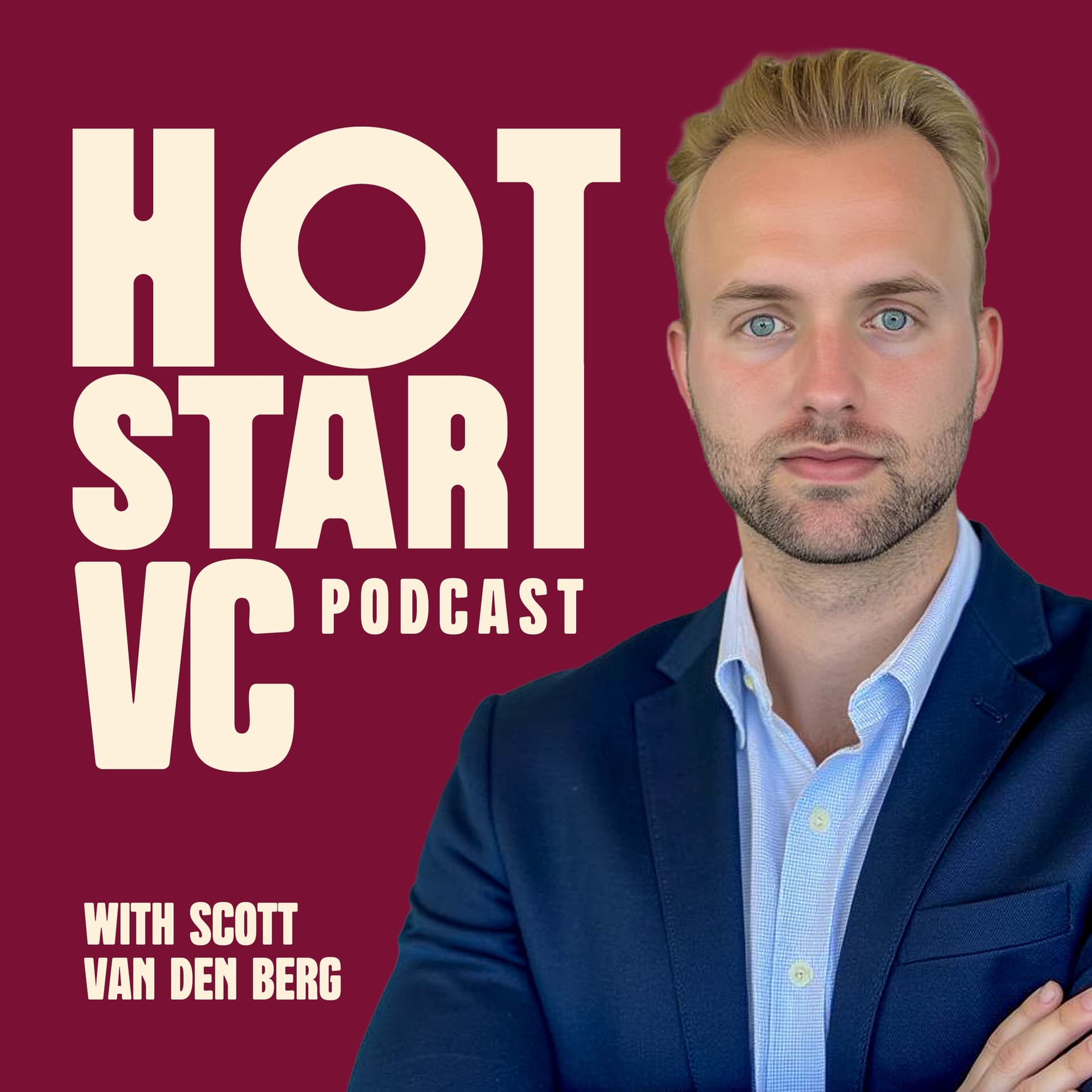
The HotStart VC Podcast - Episode Summary
Podcast Details
- Title: The HotStart VC Podcast
- Host: Scott Van den Berg
- Episode Title: Why This Creator Built a Tech Company Instead of Another CPG Brand
- Guest: Sam Cutler, Founder of Mindful
Episode Overview In this episode, Scott Van den Berg interviews Sam Cutler, a content creator and founder of Mindful, a nutrition intelligence platform. Unlike many creators who typically start CPG brands, Sam opted to bootstrap a tech company focused on wellness and nutrition. She shares her unique journey from selling a single PDF meal plan to building a scalable tech platform without external funding until recently.
Key Takeaways
Creator vs. CPG Brands
- Trends in Creation: Approximately 98-99% of creators launch Consumer Packaged Goods (CPG) brands due to lower barriers to entry and perceived safety.
- Tech as an Opportunity: Sam believes the rise of AI and democratized coding will encourage more creators to venture into tech.
The Origin of Mindful
- Viral Moment: Sam faced backlash from a "what I eat in a day" video on her wedding day, which ultimately sparked the idea for Mindful.
- Validation through Sales: She successfully sold 650 PDF meal plans in one week, validating demand and leading her to consider a subscription model.
Journey of Development
- Scrappy Approach: Sam’s initial steps included using a Squarespace site and a white-labeled app, demonstrating the importance of testing and iterating before heavy investments.
- Focus on Community Feedback: Mindful was built based on continuous testing, community feedback, and the lessons learned from Sam's previous experience as a tech founder.
Mindful’s Unique Offering
- Nutrition Intelligence: Mindful emphasizes qualitative health metrics (like bloating and energy levels) instead of calorie counting, empowering women with real food education.
- Community Engagement: The platform promotes community challenges and gamified programs to keep users engaged and help them share their health journeys.
Growth Strategy
- Organic Marketing: Sam has spent zero dollars on paid marketing, relying solely on organic content to grow her user base.
- Creator Partnerships: Sam plans to expand Mindful by collaborating with other creators to reach different demographics, leveraging their stories and experiences.
Investor Insights
- Stigma Around Creators: While being a creator can open doors, it can also lead to underestimation by investors. Sam embraces this, using it as motivation to prove doubters wrong.
Balancing Roles
- Creator and Entrepreneur: Sam shares her strategy for balancing her content creation and entrepreneurial responsibilities, ensuring her brand deals align with Mindful’s mission.
Chapters
- 00:00:00 - Introduction: From Creator to Repeat Tech Founder
- 00:01:04 - Why Creators Choose CPG Over Tech Companies
- 00:05:55 - Sam's Creator Journey: From Silver Lining Bias to The Fit Fatale
- 00:11:33 - The Viral Wedding Menu: A Career-Defining Moment
- 00:13:50 - From PDF to Platform: Validating Product-Market Fit
- 00:22:19 - What is Mindful: Nutrition Intelligence Over Calorie Counting
- 00:25:57 - The Content Playbook: Converting Followers to Customers
- 00:29:21 - Bootstrapping to Profitability: Zero Paid Marketing Strategy
- 00:31:03 - Scaling Beyond Sam: The Heal in Public Army
- 00:34:27 - Fundraising as a Creator Founder: Underestimated or Advantaged?
- 00:38:22 - Balancing Creator and Founder: Strategic Brand Partnerships
- 00:42:29 - What's Next: Launching the Custom App and Global Expansion
Conclusion This episode illustrates Sam Cutler's innovative approach as a creator-turned-tech founder, emphasizing the importance of community, testing, and authentic engagement in building a successful brand. Mindful’s mission-driven focus on women's health sets a new precedent for creators looking to transition into the tech space.
For further information or to connect with Sam, you can find her on social media:
- Mindful: [Instagram](https://www.instagram.com/mindfulll.so), [Website](https://mindfulll.so)
- Sam Cutler: [Instagram](https://www.instagram.com/thefitfatale/), [Email](mailto:sam@mindfulll.so)
For more insights, subscribe to the HotStart VC newsletter and stay tuned for future episodes!
Written by AI. May contain mistakes. Listen to the episode to check what was said.
Chapters
Tap a time to open that second in VOUnderstanding the Value of Customer Knowledge
0:00 to 0:13
Learn why knowing your customer is crucial for founders.
“What I feel so confident in as a founder is that I know my customer, know the levers to pull, and I've used my own community, my own dollars, my own revenue to test that.”
Creators Choosing CPG Over Tech
0:59 to 2:18
Explore why most creators opt for CPG brands instead of tech ventures.
“I've been looking forward to this conversation.”
The Risks and Rewards of Tech Ventures
2:18 to 3:51
Understand the challenges and opportunities in launching tech companies.
“I was actually just talking about this with someone earlier today, but started by being a creator full time, built my first tech company with my husband.”
Inspiration from Creative Entrepreneurs
3:51 to 5:40
Discover how other creators inspire Sam Cutler's entrepreneurial journey.
“So you have a lot more risk that you walk towards.”
The Evolution of Content Creation
5:40 to 7:48
Learn about the transition from content creation to building a business.
“It's very interesting because you obviously have been a creator for a decade yourself as well and an entrepreneur for even longer.”
Origin Story of Mindful
7:48 to 9:42
Uncover the roots of Mindful and how it evolved from personal experience.
“And I think there's a lot of power to like build those relationships with people behind the screen.”
Launching and Scaling Mindful
9:42 to 14:05
Explore the journey of launching Mindful and its growth over time.
“Can you help me understand, you know, the power that nutrition has?”
The Journey to Subscription Success
14:05 to 16:30
Learn about the initial challenges and successes of launching a subscription service.
“Do I really want to launch a subscription business?”
Validating Demand Before Investment
16:30 to 19:47
Understand the importance of validating demand before heavily investing in a product.
“And then we did that and probably we've had that for about a year and a half.”
Building a Unique Tech Solution
19:47 to 22:12
Discover how to leverage existing resources to create tailored tech solutions.
“We sit every day with our team looking at what piece of content drives the most amount of signups.”
Show all 21 chapters
Mindful's Daily User Experience
22:12 to 25:15
Explore how the Mindful app provides daily meal plans and wellness support.
“Don't try to do everybody else's playbook.”
Leveraging Social Media for Growth
25:15 to 28:00
Learn how to effectively utilize social media to drive user engagement and growth.
“So I kind of think we sit like in the intersection of health tech and ed tech in a way because we're really empowering women with a lot of information, not just on their bodies, but also nutrition education.”
Building a Brand Around Storytelling
28:00 to 29:12
Learn how to create compelling content that captures audience interest.
“And then that video goes viral about these shoes that just like don't hurt your feet.”
From Zero to One: Growing Your Brand
29:12 to 31:04
Explore strategies for leveraging existing audiences to grow your business.
“of our community right now comes from my videos and comes from mindful videos.”
Cultural Considerations in Brand Expansion
31:04 to 33:14
Understand the importance of cultural demographics in product strategy.
“Like I've, I really have the playbook for connecting with women and not just the content that connects with them, but also how to share that story organically.”
Raising Capital as a Creator Entrepreneur
33:14 to 34:34
Gain insights into the challenges and opportunities of funding as a creator.
“There's a reason why women heal together in communities.”
The Divided Creator Landscape
34:34 to 36:48
Discuss the challenges creators face in transitioning to entrepreneurship.
“depends on what stage of investor and how seasoned they are.”
Balancing Content Creation and Business Focus
36:48 to 42:01
Learn how to manage being a creator while building a successful brand.
“I'm completely the same competition is everything for me.”
Building Mindful and Managing Growth
42:01 to 42:30
Learn about the challenges and excitement of building a brand and managing a team.
“I also never had a manager until I built Mindful.”
The Importance of Amplifying Voices
42:31 to 43:36
Discover the significance of sharing diverse stories and experiences in the wellness space.
“So excited about getting this into the hands of our customer.”
Where to Connect with Sam Cutler
43:37 to 44:09
Find out how to connect with Sam Cutler across various social platforms.
“Personally, you can find me, TheFitFatile, on everything.”
Transcript
Automatic transcript. May contain errors.0:00What I feel so confident in as a founder is that I know my customer, know the levers to pull, and I've used my own community, my own dollars, my own revenue to test that. I'm not waiting on money in the door to then see who the customer is or money in the door to see if this type of content will convert. We know that.
0:23Sam Cutler:Welcome to the Hotstar VC podcast, the show where we break down how celebrities and creators build billion-dollar brands. In today's episode, I'm joined by Sam Cutler, a content creator who has been building online for over a decade and who has not just launched one, but two tech companies. Her latest company, Mindful, is the first platform making lifestyle medicine accessible to women around the world through education, community, and evidence-based tools. We talk about Sam's journey from creator to repeat founder, why so few creators choose to build tech companies and are company mindful. So without further ado, let's get into the conversation.
0:59Sam Cutler:Sam, thank you so much for being here. Thanks for having me, Scott. I've been looking forward to this conversation. Well, so you're a creator. And as you know, many creators in recent years have started to launch their own companies. And I would say that about 98, 99 % of them are launching CPG brands. So another liquor brand, another skincare company or whatsoever. you're different. You're a creator that has not launched one, but actually two tech companies. So why do you think that most creators are still kind of gravitating towards CPG brands over launching tech companies? That's such a great question.
1:30And I think that it is probably the lowest hanging fruit. There's a lot of ways to get into CPG and you know this more than anyone. You can just be the name behind something. You can come up with a co-branded product with, you know, brand that's already existing in the space that you're already talking about, go to existing partners. It's a very natural transition to get into CPG if you're already moving product. It's also much safer. Like if you know that you can move X amounts of units of matcha for somebody else, then launching matcha on your own seems like a natural transition. It's what a lot of creators do.
2:04I think the biggest risk with CPG is that there's so much stuff on the market. So why is what you're doing different than the matcha that you already had? And so I have a unique approach because to your point, it's the second tech company I build. I was actually just talking about this with someone earlier today, but started by being a creator full time, built my first tech company with my husband. He was actually my boyfriend at the time. So that was a whole other adventure. Then from that, ended up launching product that was for the Fit Fatale. So my personal brand online, learned so much about the tech side, then learned so much about distribution, fulfillment, actually developing product.
2:44That was all our own product. Then ended up coming back full circle where our core product now and the core thing that I build now, Mindful, is a technology platform with a couple CPG tests. So it's like getting the experience in different areas is so powerful, but understanding what your capabilities are as a creator is also where I think people will end up thriving.
3:03Sam Cutler:And with those reasonings, do you think that this is going to change in the near future? Tech is so expensive. Like if you can do tech smart and if you can scale and we did things very differently, especially with my second tech company, I think that there's a lot of opportunity, especially with AI and AI coding and building. Like there's so much that you can do. You just have to have the right people behind you. And the resources are there, but it's a lot easier to find the resources to support building out CPG and to find brands that say, hey, we want to do this one-off or this spinoff product with you as the creator behind it.
3:37That's a lot easier to find. Going into tech, you're dealing with, are these people capable of building the actual product that I want to build? Because it's never rinse and repeat in the same way that CPG is. There isn't that exact formula when you're doing something new in tech. So you have a lot more risk that you walk towards. You need to make sure that you have the right team. But I think AI will change that in the next few years as we understand developers using AI to build and ship features faster. Creators can get their hands on it, but it's not as fast.
4:10Sam Cutler:Completely aligned with that. I think with the rise of AI and companies like Alovable, where people literally within minutes can build their own MVPs, it's really going to accelerate the whole trend. And I think it makes a lot more sense because the margins are a lot higher. And now if you take away the upfront cost that you in the past had for building tech companies, I definitely see a large trend going towards the creative-founded tech companies. Are there any other creative entrepreneurs that you take inspiration from? There's so many. I've been inspired originally from the first wave of creators that were really bloggers that then adapted to...
4:44I think creators who have been in the game for 10, 15 years, they're so adaptable. And they were making blogs and they were like, hey, I'll get on Instagram. Will anybody pay me for this? And they've just rode all the waves. So I'm continuously inspired. I mean, I was recently on the Skinny Confidential and Lauren and Michael are great examples of creators who have just felt like I will just ride out this wave. And now they're running Dear Media, which is a huge podcast network for other creators. It's like, how do you expand from just who you are to serving who that community is? Because Lauren ended up becoming this beacon of light, this icon for other creators.
5:21So why not naturally end up building something that supports them in their expansion of their own careers? So I really like watching people doing things like that. I think evolving in your role, like that's to me, I want to see people push themselves out of their comfort zone. And those are the creators I like to look to.
5:40Sam Cutler:It's very interesting because you obviously have been a creator for a decade yourself as well and an entrepreneur for even longer. When you initially started with content creation, did you always kind of see that as a way to build an audience and eventually build a company on top of it? Or was that not the purpose at all? I think I always saw building a company from it, to be honest. And when I started as a creator, I was working in luxury retail marketing. It was just the thing on the side. And I knew that it was the gateway to freedom and that it was the future. I saw that firsthand because the rise of bloggers were replacing media.
6:13Media, you know, whether it was talk show hosts at the time or even local celebrities were really what we were leaning on because we didn't have the influencer creator space. And as I saw that shift happening, I recognized that like these will be the voices that we will lean into. I don't think I knew that it would end up being a technology company or anything at all that it's become today. But I understood the power of the attention economy and holding on to someone's attention and directing it in a meaningful way. And like one of the things that always bothered me when I worked in corporate marketing was what am I doing every day that makes a difference?
6:51And so once you hold the power to navigate the attention, you can turn that attention to where you want the difference to go, if that makes sense. So if it is like in our mission, a big part of it is fighting traditional diet culture with mindful and challenging the norms and challenging our conversation as women around nutrition and what that can do for our bodies. that is a big undertaking it's a big mission but shedding that light on it is something that you know you can do as a creator but you can do so much more as building a business behind it and a mission and then having a mission driven business like keeps your team aligned keeps everybody focused so back to your point did i always see that i didn't know where it would go but i understood the power that it could hold if done correctly and if you really have like a tribe of people that believe in you like that you know i hate the word cult but i think the the version of just like, I'm in it.
7:40What are we doing? You know, like I'm here. Your best friends that you call and they say, yes, let's do it. I don't know what we're doing. I don't know who we're mad at. I don't know who we love, but we're in it with you. And I think there's a lot of power to like build those relationships with people behind the screen.
7:52Sam Cutler:And your content is obviously about health and wellness. But in those initial days, was it also about health and wellness? Or like, what was the first type of content you put out? And how did it evolve over time? I mean, horrible. It was like sepia flatlays. But I originally I was actually so to the point, I felt like what I was doing wasn't really serving a purpose. So my very first blog was actually called Silver Lining by us. It was about finding the silver lining. I would interview different founders and what their stories were and their origins. And I would write about it on the blog. I would like, you know, take pictures at different events, etc.
8:24So that was a very early days of me just trying to find purpose. This is like early 20. That eventually turned into the fit fatale and health as I ended up getting or as I continued along in my chronic health condition and trying to figure out what was going on for me. I left the corporate world, dove fully into being a health coach and a creator, health coach just with the purpose of being able to speak more about what was going on in my body and kind of take people on this like heel in public journey. And that's kind of when everything shifted. And I remember I probably had like 15 ,000 followers or something.
8:59And I remember thinking, oh my gosh, everyone's unfollowing me because I was posting cupcakes and like sugary lattes and cocktails. And now I'm talking about, hey, guys, do we like, do we know what we're putting in our bodies? It wasn't as far as it is now. But it was, you know, the early days of that. And I remember thinking, oh, no, maybe it's a really bad idea. Like I'm totally derailing my community. And it was, you know, in hindsight, it was so small in such early beginning days. But you just have to trust your personal story when that's what, you know, drives you. So no, it was absolutely not that.
9:29And then obviously, the Fit Fatal launched as like this place for me to kind a heal in public and people to follow my journey. And that ended up evolving into what is mindful now after kind of healing in public for years. And then women saying, hey, can you do this for me? Can you help me understand, you know, the power that nutrition has? You talk about it so much. Where can I get this? How can I follow it? What meal plans do you have? And that's kind of the origin story of where mindful came from.
9:57Sam Cutler:Super interesting. So let's talk a little bit more about that. So can you maybe like a little bit more in depth talk about what is Mindful and what initially sparked you to actually launch the company other than people asking you like, hey, where can I find the recipes and nutrition plans and whatsoever? So Mindful Today is different than Mindful was when it first started, of course. Mindful Today is a nutrition intelligence platform. So we focus on replacing calorie counting with nutrition intelligence, meaning giving women a deeper understanding of what ingredients work for their body and what that means.
10:29So as you move through different meal plans, community challenges that are all gamified, logging your information to get correlation between how food is reacting and how it actually feels for you, for your individual body. So we really support women across the board, whether that's with hormonal imbalances or just general focus on lowering inflammation or clearing skin to a number of health conditions that women come to us with, autoimmune conditions, COS, very common in our members. We don't diagnose, we don't, you know, give any medical advice. We just give real food and real nutrition and we watch women heal together as a community.
11:05And so they get to have, you know, a personalized experience and we support them by really moving them away from diet culture to a deeper understanding of nutrition.
11:14Sam Cutler:Now that's absolutely not at all how we started. The early days, so back, back, back, you know, through this healing and public journey, it kind of ended up evolving into a lot of what I eat in a days. And those were kind of mini meal plans in their own right across TikTok and Instagram in a big way. And so I was posting a lot of what I eat in a day. One story that is fundamental in our origin story is at our wedding, posting what I ate on my wedding day and that video going absolutely viral all around the world for good and bad reasons. And a lot of people saying like, why are you not eating processed sugar and a bunch of crap on your wedding, etc.
11:51And then some people saying, oh, finally, somebody having a healthy wedding menu. So there was really like a split of the internet. This was before mindful. And I remember, like, that was a moment where I kind of got canceled as a creator. And I felt like, hold on, like, this is about me taking it very personally and thinking that that moment would be the end of my career as a creator. But ultimately, it was really the beginning because what I did was leaned into the women that were touched by this that were saying finally somebody has shed light on eating for your own intolerances or eating in a way that respects your body even on your wedding which in my opinion should be the day you actually care the most but you want to be feeling your best you want to manage anxiety you don't want to be bloated you don't want to feel like crap on those days and so my approach to what I eat in a day was always showing like the unconventional days not just the perfect day at home, but you know, you know, your wedding, like all these days that are much harder to actually just have meal prep and the perfect meals at home.
12:50What if we show that real version? And so that was a lot of my content at the time. What ended up happening from that was I thought my career was over. And my husband was one of the people that really said, like, this is a great conversation. This is the big, like you've tapped into the big conversation. And the big conversation is that we still view eating healthy as diet culture. Diet culture is still so prevalent around the world. This is media that went everywhere and covered by, you know, clickbait, but also by legit news outlets. And that moment was when I kind of had to step out of my space and my safe space and my safe community and say, OK, does this have the power to become so much bigger than me?
13:32And will that risk, although scary, ultimately create a much larger community for me and potentially, I didn't think of business out of it, but potentially something, some type of like conversation. And so that led me to launch Meal Plan PDF, which was just a one-off purchase. I said, okay, all these women are reaching out. They're saying, how can you help me as well? I thought, I can't scale this. I can't take people one-on-one. I don't want to. let's put together a meal plan PDF and so I did that with one other girl who was on my team as a creator we threw it up we thought we'd sell 20 and we sold 650 in a week and everybody right away was saying what's next month right so what's coming up like and then I thought oh my god is this a subscription like is this something I actually and you know we don't talk about it once we see the success at the end like obviously it was a great risk that I took but in the moment And I thought, you know, I'm making great money off of brand deals.
14:27Do I really want to launch a subscription business? Or like, not even a subscription business, but just vocally, like what you say matters. And if I go on and say, hey, every month I'm going to launch new meal plans, that matters. Like I need to hold myself accountable to that because it wasn't subscription just yet. And I remember a lot of friends actually telling me not to. Like people with all my workout platforms saying, don't do it. Like it's horrible. You're going to have to always put up new content. You're going to have to always have something new. And I thought, no, but I really love this.
14:53Like, let's just see. Who cares? I can say I'm not doing it anymore after, you know, five months or whatever. And we did it and we continued to make incredible revenue. And I thought, OK, what if I take every single dollar and put this into turning these recipes into videos? Like this was just a printout PDF. And I turned every single one of these into videos and then we put it on a Squarespace site. Will anyone care? So we did that. Everybody kept coming. The Squarespace site was so janky. Like we were uploading. I remember our team and our team being me and one other girl trying to figure out how to upload the recipes every single month because we'd have to make like a new landing page.
15:27It was horrible. And then we right away figured out this is really janky, but hey, our income this month is like double last month. So something's working, even though it's so hard to navigate and it's really tough for us. So let's try to cut our time spent on it. Then we looked into building an app, which obviously is extremely expensive. And I thought, OK, let's do a white labeled version. before we invest heavily into building a custom app or something. Like as a previous tech founder, right away my mind went, what does this become? Like we can build an app, we can put this into it, but it's, you know, we're talking hundreds, thousands of dollars.
16:02And so, and then, you know, depending on what you end up doing with it. And so we did a white label version, which I think is I would suggest to anybody who wants to. So many people message me all the time. I want to launch an app. I want to do this. There are white label solutions all the time. Do that first. They're going to take, you know, a monthly fee. They're going to take a percentage of your revenue. That's fine. Like test, right? Test at scale. Like see, does anybody want this? Because you're just wasting your money and your time if you don't know that answer definitively.
16:30Sam Cutler:And then we did that and probably we've had that for about a year and a half. And after a couple months on there, we just saw revenue skyrocketing and we thought, okay, there's really potential for us to actually make this a technology platform for us to have a place where women are connecting, they're logging information. You know, the sky's the limit from there. It's where does this take us? You know, what kind of, and this is getting like a little bit further in the horizon. How does this become the main hub for women's health and for centralizing their own data and their information and support them, whether they're at home or whether they're traveling or whether they're on the go?
17:09And so that's really where we're at right now is just shipping the custom builds. And like that was, you know, scaling over the past two and a half years.
17:18Sam Cutler:Yeah, and I think it's such an interesting story. And I actually recommend all creators to do this because so many times I talk to creators and they're like, hey, I want to launch my own company. And I'm like, have you ever sold anything yourself before? And they're like, no, or maybe they did a merch shirt like years ago. And I'm like, well, you need to collect data points because otherwise you have no idea if people actually want to buy what you're selling. and so yes you can raise millions of dollars or you can actually invest 250k to build your own app if you don't know if there's demand so i love your story because you first validated that there was demand by people dming you asking for one-on-one consulting you didn't want to do that then you created one pdf after that one you were like getting questions for hey can i get the for the next month so you validated demand for multiple months for subscription model then you actually built your own white labeled app before you actually invested money in creating your own.
18:10Sam Cutler:So I love that story. And you even see this on larger scale, like Sydney Sweeney, like recently launched her own lingerie brand. But before she did that, she actually did a co-branded line with Frankie's Bikinis because a lot of people are like, oh, most of Sydney Sweeney's followers are males and they don't buy female lingerie. But she did a collaboration with Frankie's Bikinis, who previously collaborated with Kendall Jenner and a lot of other big names, Bella Hadid. And it was the best selling collaboration they ever did. So she showcased through a test that she can actually move product, which gave her a lot of confidence that she could move a similar product, which is lingerie.
18:47Sam Cutler:So I love that whole validation that you went through. I think if you can test, test. And everyone can. It doesn't matter the size of your community. If you have 20 ,000 followers and you want to launch something, lean on that community and see what they want. I mean, And sometimes that test looks like a first version of the product, but sometimes that test looks like a type form. Like just get as much to your point, get as much data, get as much information. And to be honest, like, you know, there's a lot of right now we're in the we're, you know, gearing up to fundraise and to reach the next level with development on the app.
19:23And what I feel so confident in as a founder is that I know my customer, know the levers to pull and I've used my own community, my own dollars, my own revenue to test that, I'm not waiting on money in the door to then see who the customer is or money in the door to see if this type of content will convert. We know that. We've already seen what converts. We sit every day with our team looking at what piece of content drives the most amount of signups. What piece of content drives this particular customer with this problem? How do we now replicate that? I'm just a funnel, right? At the end of the day, I'm the founder and I've become a large funnel.
20:05How do we replicate that with other funnels, with other creators that now become voices for other demographics, whether that's geographically or different life stages of women or conditions, etc.? How do we then use that to, if we want to go into paid ad, which we've spent zero on paid marketing to date. We've bootstrapped the entire thing. We haven't raised anything previous to this round that we're going to be raising. And we haven't actually invested anything in marketing. It's all come from my page. And now the Mindful page on its own has grown quite a bit as well. So when I go and spend that money, I know exactly where it's going.
20:39And I know exactly what it's been doing organically. So I can really hone in on what I want to do with paid marketing or with other influencer, you know, in this playbook. And so that's what companies spend and Fortune 500 companies and these publicly traded companies, they can do that. But as creators, we're going to drive ourselves into a hole trying to figure that out when we actually have the ability to test for free in a lot of cases. Sometimes it's at larger scale. Sometimes it's small within your community. But do that. Like, Sweeney Sweeney was so smart or, you know, her team and her like to sit and say, OK, this is an adjacent product.
21:15It's not the exact one we're launching, which is actually better because then you're not, you know, saturating like the market to the point of the matcha. It's like if you're going to selling a lot of matcha and moving a lot of product for a matcha brand and then you go and launch your matcha, like that's fine. But there's a question of maybe there might be a question of authenticity, but there also might be a question of like why your matcha? Like you just told me this one's amazing. So why yours? So like bikini. OK, now I can go into lingerie. Like that's a really great transition. So I just think like use what you have.
21:44I don't know. Maybe it's just because I'm scrappy and I haven't had a ton of resources like available to me and handed to me. I had this social following that I built and I was like, let's use this, right? Let's use what we have. And I also have an incredibly talented genius husband who happens to be my CTO. So that also helps. You know, it's like, what do you have in your wheelhouse? What's on your team? what's in your benefit as a founder or creator that makes you different, that makes you successful. Use that. Don't try to do everybody else's playbook.
Read the full transcript
22:15Sam Cutler:Yeah. And now focus maybe a little bit more practical. So like, how does Mindful actually work? Like, what does it do on a daily basis for users, etc.? Yeah. So users have meal plans every single day. Everything is video based from a content perspective. So there's coaching. There's also mindset exercises and tools to work through some of your boundaries with food. If you are trying to understand and be more mindful of your eating, we have a number of different exercises, understanding where you feel full, all those different things, as well as coaching, expert guidance, and then video-based meal plans.
22:49So user would go on to the app, they would go through onboarding, share with us, you know, their biggest like journey with nutrition. So again, it might be that they're struggling with fertility or something that they're very aware of. To be honest, most people come to us because of a physical thing like bloating or skin, and then they end up realizing the link between that and a hormonal imbalance or that and a, you know, overall chronic inflammatory condition or autoimmune condition, etc. So it's not always like the awareness piece around the bigger. So as they go through onboarding, we are able to send them to specific programs within the platform tailored to those needs that they're after.
23:29They are given a program to get started with. And we have a number of different programs that layer on top of each other. So our whole thing is that we don't have laps in programs. So you're always like going through a next level. So it's gamified that you would move through a program and then when you're done that, you go to the next one right away. Obviously, you can not do it or pause it or traveling, whatever. But the idea is that there's building consistency over time in a fun way. Everything is gamified through community challenges. So you are tracking your progress. You're sharing it in community.
23:59Some of the actual exercises involve connecting with other people in community and sharing your wins with them or understanding what theirs are so you can support them. So that becomes just from a product perspective becomes like a strong retention tool and it gets really sticky and people love to connect with each other. And ultimately you're logging how your food is making you feel. And we're turning a lot of those qualitative habits into quantitative metrics that wouldn't traditionally be. So your bloating, your skin, your energy, your sleep, all of these things which I think are really important.
24:33Like we have a lot of wearables and it's great to get that data. But how those things feel for you, in my opinion, is actually more important because you can have a wearable come back and say, hey, you're really tired today. But if you don't feel tired because you're actually a different place in your cycle as a woman and your hormones are in a different place, it doesn't mean you shouldn't go to the gym. It doesn't mean you shouldn't, you know, maybe exert yourself that day. So you have to take the science and the data combined with your own learnings and your findings about yourself. And so that's what we really do is aggregate that together to give you the best sort of guidance forward and also give you correlation analysis between the different ingredients that you're eating and how they might not be working for you or how they might actually be working in a big way.
25:15So I kind of think we sit like in the intersection of health tech and ed tech in a way because we're really empowering women with a lot of information, not just on their bodies, but also nutrition education. Because once you learn something, no one can take that away from you. You know, the power of that. Like if you know the benefit of a banana, it's like, you know the benefit of that. You know what it does for you. Calories just locks you into a box that you need to count. And so once you have the information, you're empowered.
25:43Sam Cutler:Well, as the fit for tell, you have built an audience of over half a million followers across social media. And you obviously have leveraged that to get users from Mindful. Do you have any information on kind of like the amount of users that are organically coming through your audience and actually Mindful users versus non-SAM followers? I mean, right now I'm the main channel. So I would say most of our users are coming through us. I can definitely like pull up those numbers if you want to see them just to actually see what channels they're coming from. But they are mostly coming from my pages and the mindful page as well.
26:18So the thing that happens with social media, which is really powerful, is viral content is so common right now. And you can be Jennifer with a thousand followers who mostly post their kids and you post this really funny video with your husband and it goes viral. And all of a sudden you're like, I've had friends text me where this has happened to them and they go, what do I do now? Like, do we need an agent? Am I famous? Like, am I going to wake up with a bunch of followers overnight? Probably not. But what happens with social media is that all of your content is shown to your audience, like your niche core audience.
26:50And it's shown to more of your audience. And depending on how it performs, it's shown to, it's distributed across Discover and a wider audience that's like very similar and might like it. So what we do is we focus on getting the best content for our existing audience and driving people from there. But the best it can perform for our community is how we get to, you know, the wider community. Now, once you get to that wider community, you need to have something that supports them right away. Everything needs – this is how I think of things. You know, hopefully it's helpful for people. In my opinion, everything needs to somehow deliver value and everything needs to somehow convert.
27:28because if you have that video, like my example of, you know, the woman who might just randomly post their kids and then has a video that goes viral and is like, I've always wanted to be a creator. Great. Now what do I do? When they come to your page, even no matter how great that content is or how viral it is, if everything on your page has nothing to do with what that video is about or doesn't deliver value for a reason for them to follow you, their mates save that video and they're never going to follow you. And that doesn't deliver anything. And you also can't capture them. So if you have a piece of content that goes viral, now if that person had a bunch of videos, even if they have like 20 views on them, but they're all about her online shop where she's selling these shoes.
28:03And then that video goes viral about these shoes that just like don't hurt your feet. That's great because they're going to end up on her page and it backs up the story of when it hits, right? Like it finally hits and now you have things that back it up. So everything we do, we think of how do we continue to build that story so that when people land on our page, although we're doing so organically, like I said, it gets shown to other people that aren't core, like, hey, I know who Sam is or I know who Mindful is. I know what Mindful is. When they land on our page, they have a good enough understanding.
28:33And in every single piece of content I put out, you'll see this now as you see my content, Scott, but there's always a CTA. And sometimes that CTA is more salesy, like, hey, we have this new program, join the program. But a lot of the time, the CTA is just to acquire customers or give them a sense of what Mindful is or give them a sense of who I am. So it might be like a free grocery list or it might be a sample bundle of recipes on the app. But what we do is we have something ready for when an audience that doesn't know us or know me ends up on our content that we can capture them. So yes, a lot of our community comes from or all of our community right now comes from my videos and comes from mindful videos.
29:16But we strategically have placed ourselves in a way to acquire those customers either to an email list or directly into the app and also segment them into what their problem set is. So if they don't sign up for the app, I still know that this customer has hormone imbalance. I still know that this customer is focused on their skin and their beauty. So we can continue to speak to them targeted to what they're dealing with. I think any creator that's looking to build a business, make sure, like, don't just half, don't dip a toe in, like go fully in, even if it's for a short period of time and you're not sure if that's what you want to do, fully commit and step into that phase of your life and that role as the founder, the CEO, or, you know, even the owner of that one product.
29:57Because when it hits, you'll have enough backstory for someone that lands on your page to then decide whether they like it or not. And you can sit there and say, oh, I haven't had a viral video. So like, I don't know if anybody really actually wants my product. Just keep creating content around it and And it will happen, in my opinion, but really have like it set up properly, have your many chats set up, have your flow set up. Like that's where you're really going to see if you can actually drive customers.
30:24Sam Cutler:Yeah, and I think the whole goal and all purpose of these creative founder brands is that you have a built-in audience that you can leverage to put free eyeballs on your company. And that can really help you accelerate that zero to one and one to ten phase. and where you can also really use yourself as a guinea pig to figure out what type of content resonates best to turn viewers into customers. And once you nail down the customer persona, and that's obviously something that you have a lot of data now on, now you can actually take a lot of ad budget and deploy it exactly in that type of persona.
30:56Sam Cutler:Let's talk about the 1 to 10 and 10 to 100 phase. So what is your acquisition strategy that is going to go beyond your own socials? I just think we have the playbook. Like I've, I really have the playbook for connecting with women and not just the content that connects with them, but also how to share that story organically. The next phase of growing mindful will look like bringing on other creators that will also share their stories. And at different phases, you know, we've, we've started building out this like heel in public army. And we've talked about this before, but I have been this heel in public voice.
31:31voice. And I have been this person that shared, here's what I eat in a day. And you could literally go back years on my page and see, I look completely different, but I'm still sharing what I eat in a day. And then you'll see, you'll notice how I slowly realize dairy doesn't work for me. Then it comes out of the what I eat in a day. It's like, there's been this sort of playbook of how to share that and how to build trust, really. So our expansion plan with Mindful to go to the next level is really, okay, I did this with half a million followers across all of our community, all of our different platforms.
32:06How do we take this and replicate it and build this for, like I said earlier in this call, but different demographics. So I'm here, I'm Canadian, I live in the US. Great. That's North American demographic. But this is a global conversation. We have members in 120 countries around the world. So culturally, food and diet culture are different in those different communities in different countries? How do we have ambassadors that represent what that means in those different geographic places and our top markets as we look at expanding? How do we also have women in different walks of life, different hormonal phases, right?
32:42I might not resonate so much with somebody who's in college because they're like, oh, great. Yeah, it's easy for you to do that. You're home with your husband in your house, da, da, da. But also I might not resonate necessarily with somebody who's 45 post or perimenopause going into like so that demographic has to be represented by different creators so that's real and different voices so that's really how we plan to expand and own all the different markets within women's health and i think like i think the product is a big piece of that as well building the best product that people trust because i really do feel like our community trusts me they trust our content how do we make that the best experience and how do we make it the non-negotiable for them to need to open every single day multiple times a day so that they are supported in their health journeys and that they're telling all of their friends and their sister and their best friend and their mom and so that becomes this just viral pump of of like hey i'm doing this challenge let's do it together like there's a reason why group fitness classes work.
33:49There's a reason why women heal together in communities. It's that we talk. When we feel good, we talk. And we talk about it and we want to tell people. Let this, you know, basically let women do what they already do in a way that's strategic and supported and let us build the best product that allows them to talk about that. That's really, I think, how we continue to grow.
34:11Sam Cutler:Yeah. And now you have bootstrapped the company, but obviously to execute on improving the product, on the go-to-market strategy, on building your own team. You need capital. Earlier, you already mentioned that you're currently talking to investors. So what has your experience been like raising capital as a creator entrepreneur? Do investors see it as a risk? Do they see it as a moat? Do they see it as both? Definitely both. I think it depends on what stage of investor and how seasoned they are. What's something that's interesting is a lot of investors will say automatically think about the creator economy when they think about me.
34:44I think the creator economy is, you know, a growth engine for us. But we don't build for the creator economy. We're really building in health tech and fem tech. And so, you know, in a lot of ways, it's been a benefit because it can get you in the door, but it does have a certain stigma to it and definitely can have people underestimating you. I don't know if you know Michelle Romanow, but she is an investor. She's also on Dragon's Den, which is the Canadian version of Shark Tank. And she's an investor in our first company. And she posted this morning about women always talking about, you know, I was overlooked because I'm a woman in tech or in startup space.
35:24She had this interesting video that was people underestimate you because the right people, well, first of all, from investment, the right people that believe in your mission, that believe in you will align with it, whether that's because you're a creator, or like whatever you're underestimated for. But she says, I'd rather be underestimated than overestimated, right? And show people what you can do. So I think from a creator perspective, there's this stigma around creators, which is really funny because I think creators have to hustle so hard, especially if you're going to make a decent living and like continue to expand.
35:56But there is a wave of creators that kind of emerged in the pandemic days of, I have a video overnight, I'm famous, and I don't know what to do with it. And now I'm like getting all these brand deals. and I think I'm it. But then there's creators who it looks like that happens, like the Alex Earls of the world, but they've been hustling. Like that is a workhorse. Like she knows what she's doing. Somewhere in between, I think we're seeing like a great divide in the creator space right now with people that have been, that are maybe underestimated and really actually do have the business sense and know what they're doing.
36:27And then we do see people who just want to live like a freedom lifestyle and they might say, hey, I want to build a product. And that's where it's perfect to just like co-brown something like slap your name on it but you'll learn really early on that that's not for you if you know once like pretty quickly once you have to sit in investor meetings or you know ship tech product or whatever it is so yeah I think like it works in my favor in some cases definitely to get in the door it can be held against you but like so what every like everybody has something always held against them you just decide if you're a victim to it or if you're going to, you know, use it to your advantage and let people underestimate you and then prove them wrong.
37:11I always think it's funny if somebody like doesn't want to invest, I'm like, I can't wait till you're sending me the email in five years from now laughing about that conversation we had when you pass on investing and you lost, you know, millions of dollars. So that's how I am. But I'm a competitive person.
37:27Sam Cutler:I'm completely the same competition is everything for me. So even if I get a rejection post for something very, very stupid, I'm like, okay, now I'm going to prove you wrong. So thank you for actually giving me that extra bit of a motivation. Yeah. You just mentioned something very interesting about creators and that's like something very funny about us. Like although we are investors in creator and celebrity brands, we actually say that 98 % of the celebrities or creators should never launch their own companies just because launching a company is so much different than actually just being a content creator.
38:00Sam Cutler:And also now that you're a content creator, that gives you the USP to actually launch your company because you can leverage that built-in audience to put free eyeballs on your own company. However, if you launch your company, you now need to actually focus on doing that. So that means that you can spend less time on actually creating content and you kind of lose your USP, the reason that gave you to exist in the first place. So I'm curious, how do you manage the balance between being a creator and being an entrepreneur focused on building mindful? I have always said to anybody who's a creator, your value is also based off of what else is going on in your life.
38:37Like your pricing, if you're pricing yourself, is based off of what else is going on in your life and pulling you away. So if you're a mom, your time is limited. If you're a founder, your time is limited. If you're a C-level executive, whatever you have going on. If you're a professional athlete or you're doing sponsored deals, like you're not making content all day. So what matters in that is if you want to build something, know that your time is going to be so limited. So align strategically. Like I still do sponsored content and I do partnerships. 98 % of my content, probably 99 % of my content is about mindful.
39:09That's the product I'm selling and that's what I do. But it's not, you know, salesy because it's mindful evolves so organically. I just keep talking about health and nutrition and what I'm eating and, you know, my origin story. And then there's a CTA and then everything comes back to mindful. There's never a post like, hey, guys, I'm the founder of Mindful. Please join today. So it's about like all the content is organically going back into your product. It probably has evolved to like a lot more about it being that story because I've switched a little bit from like strategically from Heal in Public to Build in Public because I think it's really cool to see like the again, the origin story of the creator.
39:45But, you know, you're going to have to step away like from some of those brand deals. But again, that doesn't mean that you're not going to make money off of them. you just have to be really clearly aligned. And now as a founder, especially with me looking at like other people that will have vested interest, every single brand deal that I do has to also be complimentary to Mindful. So you can't afford to say, oh yeah, but they're really going to pay me a lot. So I'll just like kind of throw this under the radar, even though the ingredients don't really align, which is again, not something that I would do, but a lot of creators do.
40:17They preach and preach something. I mean, you talk about this. Sometimes people just like launching a brand that's so misaligned with what we were talking about the JLo example, so misaligned with what they talk about every day. Creators do this all the time. They're like, yeah, maybe the post won't perform that much. Nobody really sees that there's dairy in it, even though I talk about how I don't eat dairy. So you can't do that anymore when you have a brand that you stand behind. You can, but it's going to impact the brand, right? Even brands do this sometimes that don't have a burst in the face of it.
40:46But it will ultimately end up not just hurting you as a creator, end up hurting your brand. So everything you do has to first go through the lens of does Sam, the fit fatale, like this product, believe in it? Do I have time for it? And can they hit these, you know, the fees that are now associated with the fact that my hours and my time going towards this would be pulled away from building a business. And now that's worth more to the point that I was saying originally. So that's the first filter. Then it goes through the filter of would I put this product on mindful? Would I tell people in my community to have this?
41:17Would I align Like if we're in a event, do I want to be next to this brand? And I think of that. Now, a lot of people don't, but I do because my focus is on mindful. And I will walk away from I don't care how much the brand deal is if it doesn't then pass that secondary filter that it has to go through. So I just think that's smart business. But also you have to know what your product is. Like if you're, again, selling matcha and you're going to make a couple thousand dollars off of selling matcha, and then you have a huge deal that might be competitive with that, but they're paying you$100 ,000, Maybe you should probably take that brand deal.
41:49But if you're building a tech company that has the potential to be a billion dollar business, to me, the trade-off's not there to negatively impact that or my role as a founder. So you just have to look at it through that lens. I also never had a manager until I built Mindful. And then I was just like, all right, not do it.
42:05Sam Cutler:It's fun. It's fun to manage the sales side of it when it's just you. But I've handed it off to an incredible team and they build mega brands and mega people so they know what they're doing and they look everything through the lens of Mindful as well. You just have to have those people on your team. Yeah, it makes sense, right? It was the right timing. And yeah, at that moment, you kind of need that extra pair of hands to help you grow as well. So yeah, the final question that I have, what is next for Mindful and what are you most excited about? Launching the new app. So excited about getting this into the hands of our customer.
42:38I'm so excited about getting other women to be the voice of this story and this conversation. I knew right away, back to that origin story in that conversation with the wedding. The fact that that was so global, I knew that that wasn't just my story. Like I'm just one person who's gone through one silo of an experience as a woman, but everybody, so many people have these incredible stories, whether they're trying to heal or they have heals or how nutrition has come into play with what they're dealing with. And so I'm really excited to see those voices get amplified and that conversation just go so far beyond me because I think it's like, that's where you watch it grow.
43:16It's like you have a child and it grows up and you can be the parent that you don't want them to go off to college. You don't want them to excel and succeed. But for me, I view this like business baby as I can't wait for everyone else to get to for it to just grow into everyone else, like leading that story alongside me and hopefully, you know, far beyond me. So that's really what I'm excited about. And then obviously, like from a near future thing is just getting this this new app into into everyone's hands.
43:42Sam Cutler:Yeah. And to end, where can people find you? Personally, you can find me, TheFitFatile, on everything. TikTok, Instagram, YouTube, Pinterest, all the places. And then mindful is mindfulwith2Ls.so is our website. Also our Instagram. All of our social platforms are the same. If you guys want to chat, shoot me an email. Sam at mindfulwith2Ls.so. Super easy. I think you have a lot of creator founders that listen to this. I'm always open to connecting and supporting other people in their journey as well. So please reach out. I will make sure to put that all in the description as well. Sam, thank you so much for being here.
44:18Thank you, Scott, for having me.
44:20Sam Cutler:Thank you for listening to the Hot Start VC podcast. If you enjoyed this episode, make sure to subscribe and leave a rating or review. It really helps us grow. You can also subscribe to our newsletter at hotstart.vc for more breakdowns on how celebrities and creators build billion dollar brands. Thanks again for tuning in and we will see you in the next episode.
From the publisher
When Sam Cutler decided to take on the wellness industry, she didn't follow the typical creator playbook of launching another white-labeled supplement or skincare line. Instead, she bootstrapped Mindful—a nutrition intelligence platform that's replacing calorie counting with real food education—and proved that creators can build tech companies that scale beyond their personal brand. But here's what makes Sam's story different from every other creator-turned-founder: she started by selling a single PDF meal plan for $20, validated demand with 650 sales in one week, then methodically scaled through a janky Squarespace site, a white-labeled app, and finally a custom-built platform—all without raising a single dollar of outside capital until now. This isn't a celebrity licensing deal or a quick cash grab—it's a mission-driven technology business solving real problems for women across 120 countries, built on a foundation of relentless testing, community feedback, and the hard-won lessons from launching her first tech company years earlier.
In this episode, you'll discover:
Why 98-99% of creators launch CPG brands instead of tech companies—and why Sam believes AI will change that equation in the next few years as coding becomes democratized
The viral wedding day "what I eat in a day" video that got Sam "canceled" and nearly ended her creator career—but became the exact moment that sparked Mindful's origin story
How she validated demand by selling 650 PDF meal plans in one week when she expected to sell 20—and why that signal was enough to commit to building a subscription business
The scrappy validation playbook: PDF → Squarespace site → white-labeled app → custom platform, investing every dollar of revenue back into the next iteration before raising outside capital
Why she tells every aspiring app founder to start with white-label solutions first: "Test at scale—see if anybody wants this before you waste hundreds of thousands of dollars"
How Mindful turns qualitative health metrics (bloating, skin, energy, sleep) into quantitative data that empowers women with nutrition intelligence instead of locking them into calorie counting
The "heal in public army" expansion strategy: replicating Sam's content playbook across different creators representing different demographics, geographies, and hormonal life stages
How she's spent zero dollars on paid marketing to date, relying entirely on organic content from her page and Mindful's page—and why that gives her unfair advantages when she finally deploys ad budget
The investor stigma around creator-founded companies and why Sam embraces being underestimated: "I'd rather be underestimated than overestimated—show people what you can do"
Why every brand deal now goes through two filters: Does Sam personally believe in it? And would she put this product on Mindful or recommend it to her community?
Her number one advice for creator founders: "Fully commit and step into that role—don't dip a toe in. When your viral moment hits, you need enough backstory for people to decide if they trust you"
Chapters:
Chapters
00:00:00 Introduction: From Creator to Repeat Tech Founder
00:01:04 Why Creators Choose CPG Over Tech Companies
00:05:55 Sam's Creator Journey: From Silver Lining Bias to The Fit Fatale
00:11:33 The Viral Wedding Menu: A Career-Defining Moment
00:13:50 From PDF to Platform: Validating Product-Market Fit
00:22:19 What is Mindful: Nutrition Intelligence Over Calorie Counting
00:25:57 The Content Playbook: Converting Followers to Customers
00:19:21 Bootstrapping to Profitability: Zero Paid Marketing Strategy
00:31:03 Scaling Beyond Sam: The Heal in Public Army
00:34:27 Fundraising as a Creator Founder: Underestimated or Advantaged?
00:38:22 Balancing Creator and Founder: Strategic Brand Partnerships
00:42:29 What's Next: Launching the Custom App and Global Expansion
HotStart VC
Subscribe to the HotStart VC newsletter: https://hotstart.beehiiv.com/
Become a HotStart Angel and co-invest with us in celebrity-founded brands starting from $5,000: https://www.hotstart.vc/hotstart-angels/
Check out our fund: https://www.hotstart.vc/
Scott van den Berg
LinkedIn: https://www.linkedin.com/in/scott-van-den-berg-22b534150/
Instagram: https://www.instagram.com/scottvandenberg_/
TikTok: https://www.tiktok.com/@scottvandenberg_
YouTube: https://www.youtube.com/@scottvandenbergvc
Sam Cutler
Mindful: https://mindfulll.so
Instagram: https://www.instagram.com/thefitfatale/
TikTok: https://www.tiktok.com/@thefitfatale
YouTube: https://www.youtube.com/@thefitfatale
Email: sam@mindfulll.so
HotStart VC is a fund that exclusively invests in brands founded by celebrities and creators. We're the go-to platform for celebrities and creators launching brands, providing capital, strategic support, and the infrastructure to scale.