
In short
How Google’s shift to AI “agents” could reduce traffic to the open web (“Google Zero”), whether Pope Leo XIV’s AI encyclical can influence AI governance, and a Roblox child-safety/FTC lobbying update.
Guests
Karen Howe, Thomas Germain, Nicky Wolf (BBC “The Interface” hosts). No external guests are interviewed; the episode discusses work by others (e.g., The Verge editor-in-chief; Condé Nast CEO; Google CEO Sundar Pichai; Anthropic cofounder Chris Olá).
Key claims
Google’s AI overviews and agent search will increasingly end user journeys on Google, potentially sending “zero” traffic to many sites, pushing publishers toward paywalls and subscriptions. Pope Leo XIV’s encyclical “Magnifica Humanitas” argues current AI threatens human dignity, calls out power concentration and misinformation, and rejects transhumanism. Roblox faces allegations of unsafe content, grooming/predation, and gambling-like incentives via Robux; child safety groups are lobbying the US FTC.
Notable examples
“glue on pizza”/“eat rocks” AI-overview errors; Google’s real-time “build an app” search example (black holes 3D sliders); Condé Nast CEO expecting zero Google traffic; Pope presenting the encyclical alongside Anthropic’s Chris Olá; Roblox “Spawnism” cult-linked harm; a reported $7,000 in-app spend by a 10-year-old; Roblox age-based matching and chat age checks planned/implemented.
Written by AI. May contain mistakes. Listen to the episode to check what was said.
Chapters
Tap a time to open that second in VODiscussing Google I.O. Announcements
1:15 to 1:42
Exploring significant announcements made at Google's developer conference.
“Today on The Interface, we'll be talking about whether or not Google is about to destroy the internet.”
AI Agents and Google Search Evolution
1:42 to 3:19
Understanding how AI agents are transforming Google Search experiences.
“We couldn't report on it because we were doing our show.”
Impact of Google on the Internet Ecosystem
3:19 to 7:14
Examining the consequences of Google’s changes on internet traffic and websites.
“People probably noticed, you know, AI overviews, right?”
The Future of Media and Business Models
7:14 to 10:39
Discussing how media companies are adapting to changing traffic from Google.
“The editor-in-chief of The Verge came up with this term.”
The Changing Landscape of Content Creation
10:39 to 14:00
Exploring evolving methods of media creation in the age of AI.
“And on a recent interview with the CEO of Google, Sundar Pichai, he was asked about this and they were like, you're kind of like, you're going to kill the open web with all these products.”
The Shift from Open Internet to Paid Information
14:00 to 16:22
Explore the changing landscape of information sourcing and monetization.
“People who used to be like, it used to be like, oh, I want to start making media.”
The Shift from Open Internet to Paid Information
17:25 to 17:40
Explore the changing landscape of information sourcing and monetization.
“If your best finance people are doing expense reports, chasing receipts, or spending time on month-end clothes, it's time to get Brex AF, a Gentic finance that eliminates that work before it starts.”
Pope Leo XIV's Encyclical on AI
18:20 to 25:08
Discussing the Pope's recent encyclical on AI and its implications for humanity.
“I don't know that I can really get into God's mind.”
The Role of the Catholic Church in AI Discourse
25:09 to 28:00
Analyzing the influence of the Catholic Church and the Pope's stance on AI.
“This is such a good question because the Catholic Church is such a weird institution.”
The Pope's Encyclical and AI Ethics
28:00 to 30:44
Explore the implications of the Pope's encyclical on AI and corporate ethics.
“So this is the most bizarre aspect of the Pope's encyclical.”
Show all 18 chapters
Silicon Valley's Religious Turn
30:44 to 34:06
Discuss how Silicon Valley leaders are engaging with religious institutions for moral guidance.
“more influence for itself, or whether it's the Catholic Church trying to leverage its influence to further influence and get in line these very companies that they are trying to critique in the documents.”
AI's Ideological Battle
34:06 to 34:28
The ultimate conflict between old-world institutions and new tech ideologies.
Critique of Transhumanism
34:28 to 36:45
Delve into the Pope's stance on transhumanism and the pursuit of perfection through AI.
“And ultimately, to go back to what you were saying, Nikki, is some people are framing this as hope versus AI.”
Roblox: The New Frontier of Gaming
36:45 to 39:44
An overview of Roblox's impact on children and the controversies surrounding it.
“I would say, Karen, that it is the second best thing I've ever read about AI after your book.”
Cult-like Phenomena in Gaming
39:44 to 42:00
Investigate the emergence of cult-like behaviors within the Roblox community.
“If they make a successful game, people are buying their Roblox.”
Emerging Concerns Around Roblox
42:00 to 43:18
Discussion about alarming incidents linked to Roblox and its community responses.
“and so what was reported was that children had started carving into their skin, literally cutting into their skin, the logo of this demon.”
Roblox's Response to Safety Allegations
43:18 to 45:22
Analysis of Roblox's statements and actions regarding safety and child protection.
“They say our platform is designed to provide a positive, healthy and enjoyable experience.”
Regulatory Questions and Accountability
45:22 to 48:21
Exploration of potential accountability for Roblox and regulatory challenges.
“It also seems very kind of late on in the game to have started requiring that.”
Transcript
Automatic transcript. May contain errors.0:00This BBC podcast is supported by ads outside the UK. If your best finance people are doing expense reports, chasing receipts, or spending time on month-end clothes, it's time to get Brex AF, a Gentic finance that eliminates that work before it starts. Learn more at brex.com slash AF. Organic Valley Protein Plus Ultra-Filtered Milk is pasture-raised from cows that might take more steps than most people. That's a plus. and it has 50 % more protein and 50 % less sugar than regular milk. That's a big plus. And the fact that I didn't make a pun about moving, also a plus. Organic Valley Protein Plus Ultra-Filtered Milk.
0:46Protein plus pasture-raised. Learn more at organicvalley.com.
0:57Websites are in a free fall right now. This is going to be an absolute crisis. The way that the internet works, that is ending. Welcome to The Interface, the show that decodes how tech is rewiring your week and your world. I'm Karen Howe. I'm Thomas Germain. And I'm Nicky Wolf. Today on The Interface, we'll be talking about whether or not Google is about to destroy the internet. Can the Pope save us from AI? And is Roblox finally facing a Racknet?
1:34So last week, as we were recording our podcast, Google had its big developer conference. It's called Google I.O. We couldn't report on it because we were doing our show. So we're a little bit late, but we're going to talk about it now. And Google made so many announcements. They put out a blog post that said the top 100 things that we announced at this year's I.O. But I think it's really difficult to overstate how significant the changes that Google has made are going to be. And before we get to like the major headline about what this is going to do to the web and to the Internet, I mean, let's talk about what's changing.
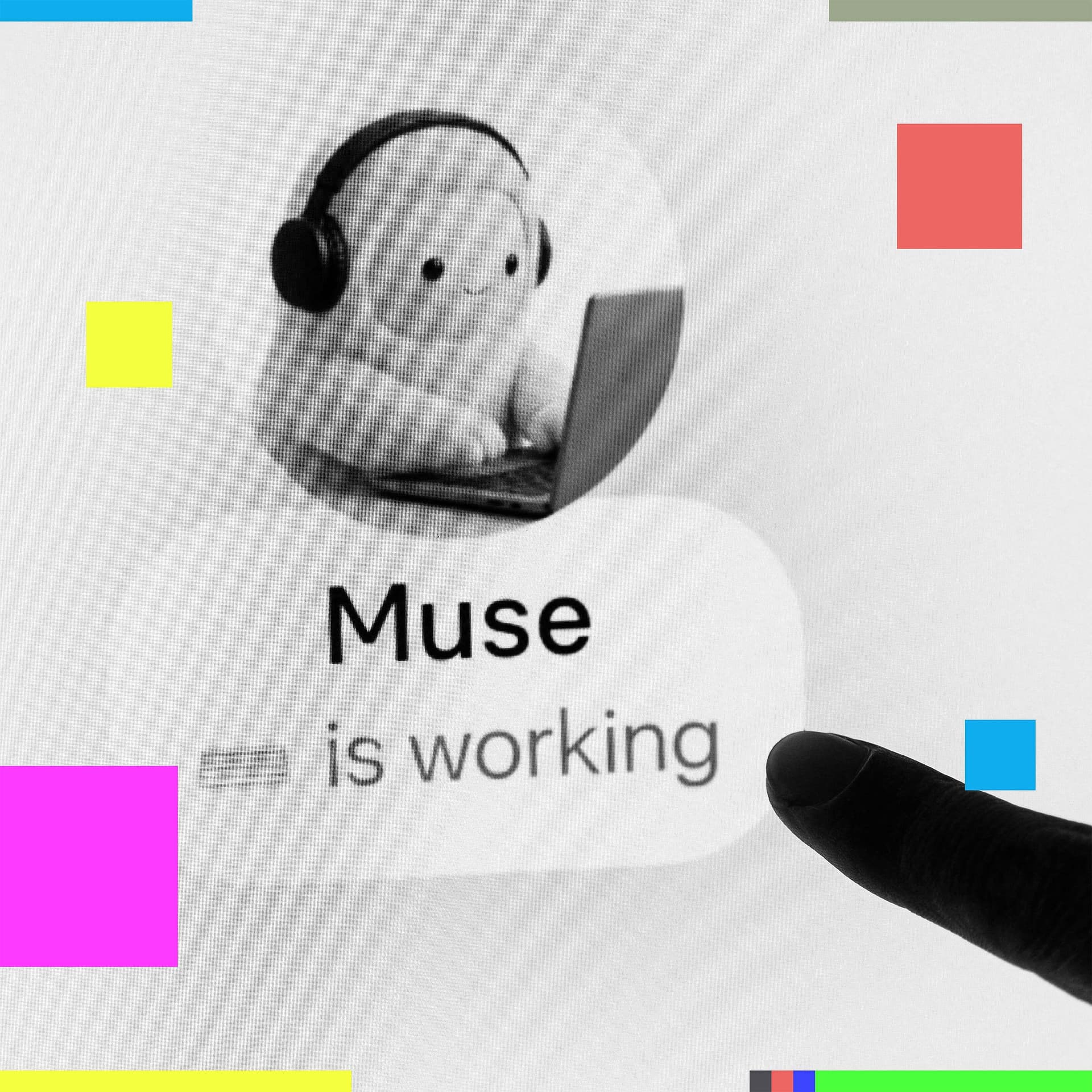
2:14So the big thing from Google, they've made this kind of sort of pivot where they're not talking about AI as much as they are specifically talking about agents. right? People probably heard this term, AI agents. It's like a little AI that goes out and does stuff in the world, or at least on the internet, on your behalf. Google has announced a bunch of new agent tools. It's got this thing called Google Spark, which Google calls a 24-7 personal AI agent that's going to be able to run around. And you can set up, it's sort of like a fancy Google alert where it'll go do things for you. It'll look up if your favorite band is in town.
2:53It'll help you monitor stocks. They've got new AI smart glasses. They're putting Gemini in everything, like everything from YouTube to your Gmail is going to want to talk to you now. But I think the biggest change is how they are altering the experience that you're going to have on Google search. And I really think this is probably the biggest tech news that you're going to hear all year in terms of like the consequences that this is going to have. People probably noticed, you know, AI overviews, right? You guys know this like AI answer you get at the top? Yeah, it gives you a kind of answer before you start getting to the search results.
3:33Yeah. So when this came out, everyone was like, oh, it gets things wrong, right? It like told, it was telling people you should put glue in your pizza or saying you should eat rocks every day because it's good for your health. That was funny, right? And also not funny because it's like, not a big problem. It's a big issue if Google is spreading misinformation. But the real shift is that for 30 years, almost, Google has been a search engine where they give you a list of 10 blue links, and they send you to another part of the internet. That's been changing over time. With AI overviews, that was a pretty radical shift.
4:15And instead of sending you to another part of the internet, it gives you an answer. And then the search results, right, those blue links get kicked farther and farther down the page. Now, the search box is going to be this dynamic AI platform, where you ask a question, and you will get a completely different experience, depending on what you're asking for. So not just an AI overview, but Google literally says, for a lot of searches, we are going to build an app in real time, you're going to ask a question, and there's an AI that will build an app right then and there to answer your queries. So they gave an example like, you know, if you're asking how do black holes work, it might build you an app that has like a 3D representation where you can check boxes and move sliders to like learn more about the universe.
5:02Google also says that they're going to have agents, right, little AIs that do things for you built into Google search. So you can like eventually, like this is going to be available immediately, but you can like send a little AI out to do things on your behalf and you can make purchases right from Google even more so than you are right now. The big way to think about this is when Google announced AI overviews, they had this sort of tagline in their big conference where they said, let Google do the searching for you. Now their tagline with this new AI stuff where it's this whole shifting experience is ask Google, right?
5:44You're not asking the internet, you're asking Google, you're interfacing directly with Google. And this is like an asteroid that is pointed at the center of the way that the internet has run for our entire lives. And the big change here is that more and more, and this has already started happening, your experience on Google is going to end on Google, right? It used to be Google would send you to another part of the internet. Increasingly, you're just going to go to Google. You're going to get what you need. You will never visit another website and you're going to stay there. And here's why that's such a big deal.
6:26Essentially, if you have a website, there's three ways you can make money. You can sell things. You can sell products. you can show people ads, or you can charge people for a subscription. That's basically it. But for the entire history of the internet, more or less, or at least the modern internet, all of that activity has started on Google. So something like 80 % of all of the activities, all of the stuff that happens on the internet right now begins on Google search, starts with somebody going to Google and then going and doing another thing. Like the majority, for some websites, it's all the traffic that they get comes from Google.
7:08And Google is sending out less and less and less of that traffic, less people to other parts of the internet than ever before. The editor-in-chief of The Verge came up with this term. He calls it Google Zero, which is we're trending towards a world where Google is sending zero traffic to most of the other parts of the internet. what that means is websites are in a free fall right now this is going to be an absolute crisis i was talking to an expert about this a couple years ago and i was saying like we're going to have like an extinction event on the internet and he was like extinction is too strong of a word i think we should use the word decimation instead i think that's a little more accurate like That's a little too strong.
7:52But in practical terms, what this means is the way that the internet works. Like if you have something that you want to say, if you have a business that you want to create providing information, it used to be you would do that with a website. That is ending, right? The model that has supported that is going away. And this ecosystem of the open web is in a serious crisis. And I don't think it's really going to turn around. and I think we are at, in a very dramatic way, the end of an era. And to think about the sheer scale of this, for a media company, when I was working on the Guardian's news desk, there was a whole department, I think lots of media companies had this, whose entire job was optimizing headlines for search engine in order to go.
8:44Yeah, search engine optimization, yeah. For a long while, say you are having a dinner party and you want to cook spaghetti bolognese, you go on Google, you say spaghetti bolognese recipe, and a lot of the time you will find nine pages of essay about the concept of spaghetti bolognese before you get it. Right, it's like, what is the history? People have been like, what's going on there? What is pasta? And that is because part of the Google page rank, which is how I found it, was responding well to something structured that way. So that's how much Google's way of doing things affects all content that needs people to find it.
9:28Yeah, people often, I always hear this term, people talk about mommy bloggers, which like not just condescending, but also super sexist, right? They're like, oh, these idiot mommy bloggers with their recipe website. They don't know that I don't want to hear about how, you know, their family liked the spaghetti. Right. They're not stupid. They know that you don't want to read that. It is in order to please Google. It is because Google has created the system where you have to play by its rules if you want Google to send people to you. Basically, the whole game of having a website was pleasing Google.
10:02Of course, Google would disagree with this, but the courts in the U.S. have said that Google has an illegal monopoly over the search engine business. You have to play their game or you're going to die. And now, even if you do play their game, you're going to die. The CEO of Condé Nast recently, and like maybe this is a little journalism insider baseball, but Condé Nast is one of the biggest media companies in the world, certainly one of the most important. They own The New Yorker and Vogue, like a bunch of like the big publications that you can think of, recently said that he's operating under the assumption that Google will be sending his websites zero traffic and they need to completely change their business model in order to, you know, work with that new paradigm.
10:44And on a recent interview with the CEO of Google, Sundar Pichai, he was asked about this and they were like, you're kind of like, you're going to kill the open web with all these products. He's like, no, no, no, the web is going to be great. But basically what he says is like, you know, websites can charge subscriptions and we'll send people who are more likely to subscribe to websites. So that's one of the big changes that I think you're going to see. it's already started, right? You know how more and more websites have a paywall up or if you want to access their content, used to be free. It used to be free because of a business model that Google was supporting, right?
11:18That Google would send people to your site, enough of them that you could, they could look at the ads and you could make money. That's getting harder and harder to do. And you were going to have to pay for stuff that used to be free. That's one of the things that's going to be different for you. I think it's important to underscore to people who don't really, you know, recognize the economics of the internet, that the production of high quality information is really expensive. I mean, journalism is a canonical case because I think people generally are more familiar with how journalism works is you need either subscribers or you need ad revenue to pay your reporters to go out into the world to collect news and information.
11:58But it's not just journalism. This is how a lot of websites online are able to keep their content completely open is that they are getting some kind of revenue from that open model. And that's what you're saying is ending, Tom, is that if there's no more revenue from keeping your websites open, and in fact, it's undermining your business by keeping that information open because Google can just scrape it wholesale, ingest it into their AI model and deliver it directly to the user without driving traffic to your site, then you have to put up a paywall. You have to put up some kind of blocker. And that's what kills the open web.
12:38Google also thrives off of an open internet, you know, especially in the age of AI, they need to, they scraped off the open internet in order to train their models and have continued doing that to train the next generation of their models. If Google's own actions are leading to the complete shuttering of that open internet, is that also going to come to bite Google in its back? It's a great question. And I think there's two answers. One is like, it isn't going to be a complete shuttering, right? Like the open web, the parts, the websites that exist outside of the coffers of a tech company, it isn't going to be completely gone.
13:18There will still be millions of websites. There'll be a lot of them. I think the big players will survive, right? People are going directly to the New York Times and the BBC and maybe recipes.com because they like those sites. they're seeking out their content, you know, one-to-one without an intermediary. But yes, like AI models, you know, writ large, and also Google's whole thing is built on taking this information that people are putting online. And there's going to be a lot less of it. So you might think like, oh, well, now Google's screwed. They're sowing the seeds of their own demise. Well, not really, because they have YouTube.
13:58This is what's going to happen, right? People who used to be like, it used to be like, oh, I want to start making media. I want to start, you know, make like writing or whatever it is used to be, you'd start a website. Now what you would do if you were doing that today is you would start a social media account. You would go on TikTok, you go on Instagram, you go on YouTube. Google, I think can just scrape the contents, you know, of whatever internet, whatever open web survives and YouTube and be perfectly fine and have all the information they need. And by the way, they're also taking all of the YouTube videos and scraping that content for their AI without compensating or giving users any option there.
14:38And they also have this new thing where like, you're going to be able to ask YouTube questions the way you talk to a chatbot, and it will pull information from the videos, give it to you directly. And, you know, sometimes send you to like a particular moment in a video and other times just give you the answer. and then the people who made the YouTube videos who get paid for views or whatever aren't going to get those views. So the economics of that is changing in a really dramatic way. I feel like while there is this dire demise of the open internet, simultaneously we are seeing this other trend where more and more people are actually willing to pay directly for high quality information now.
15:17And obviously newsletters is also a huge, not just independent publications, independent journalism, but newsletters where you just subscribe, you know, five bucks a month to the person that is going to then use that money to create that high quality information. And of course, podcasts, subscribing directly to the podcast and having it delivered to you rather than through Google. I think there are all of these other different ecologies of information that are kind of popping up that are, I think, have made, is a symbol of people recognizing that the original game of getting high quality information for free was always a little bit not quite.
16:01sustainable. And people are starting to actually just put their money where their mouth is in terms of supporting real people, real creators that are delivering them value. I do think that's kind of hopeful. It is not necessarily all terrible, right? It's not the apocalypse. Maybe it's just the asteroid. We all can agree that housing is expensive. Rent, mortgage, it doesn't matter which one you're paying, it stings every month. But Built can make you feel a little better. Let me explain. Built started out rewarding members on their rent. Now, as of 2026, Built members can also earn points on mortgage payments wherever they live.
16:46Every housing payment earns you points you can use toward flights with top travel partners like United and Hyatt, Lyft rides, Amazon.com purchases, and so much more. And here's what you might not expect. Build members can also get access to a neighborhood concierge. It can make restaurant reservations, book fitness classes, and find new local spots, all while being rewarded at more than 45 ,000 merchant partners. It's like having a personal assistant baked into where you live. It's simple. Being a renter and now owning a home is better with Build. Join the membership for where you live at joinbuild.com slash podcasts.
17:21That's J-O-I-N-B-I-L-T dot com slash podcasts. Make sure to use our URL so they know we sent you. If your best finance people are doing expense reports, chasing receipts, or spending time on month-end clothes, it's time to get Brex AF, a Gentic finance that eliminates that work before it starts. Learn more at brex.com slash AF. Organic Valley Protein Plus Ultra-Filtered Milk is pasture-raised from cows that might take more steps than most people. That's a plus. and it has 50 % more protein and 50 % less sugar than regular milk. That's a big plus. And the fact that I didn't make a pun about moving, also a plus.
18:06Organic Valley Protein Plus Ultra-Filtered Milk. Protein plus pasture-raised. Learn more at organicvalley.com.
18:19Karen, what do you think God would make of that story?
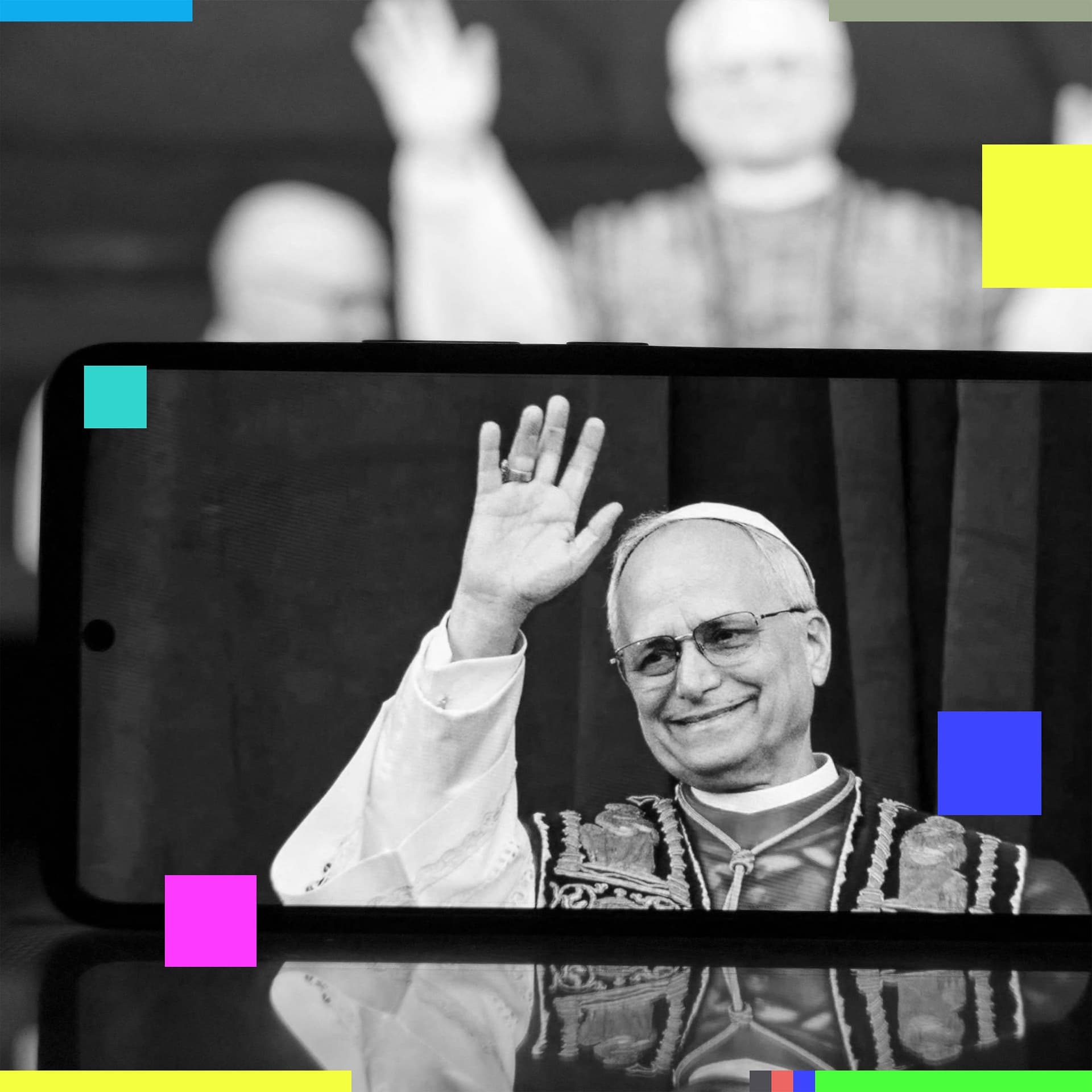
18:25Well, now we know. I don't know that I can really get into God's mind. But there's someone who does. We do. But we do have a window now into the Pope's mind because he just wrote an over 80-page opus on all of his thoughts on AI and essentially how he thinks all Catholics and pretty much all people around the world should be thinking about AI in its current form and how that form challenges human dignity itself. It's the first encyclical that Pope Leo XIV has put out as part of his papacy. And what's an encyclical? Yeah, so an encyclical is an extremely important document in the Catholic tradition that is essentially a, it's sort of like a directive that the Pope issues to Catholics all around the world saying, this is how you should approach a particular subject.
19:27And people - It's like an all-hands memo. Yeah, it's like an all-hands company meeting. Catholic, like Google Alert. So, yeah. Yeah, okay. People might remember that when Pope Leo XIV chose to be called Leo, it was actually a direct reference to AI because Pope Leo XIII was the Pope during the Industrial Revolution. And Leo XIV said, I'm adopting the name Leo because I believe we are in another industrial revolution where there will be great challenges facing humanity. And I have to say, I am really obsessed with this document. It's called Magnifica Humanitas. I don't know. It's beautiful. My language is not great.
20:11It's so dramatic. Magnifica Humanitas. Yeah. I like that. But it is actually such a deeply considered document on AI development and its state today. It talks about many, many of the themes that we've touched on in this podcast, including the concentration of power in the hands of a few corporations developing this technology, the datification and quantification of human existence, the exploitation of labor and the hidden human supply chains that exist behind the production of this technology. It talks about data centers, my favorite topic, hope after my own heart. It talks about the corrosion of economic opportunity and specifically also this idea that there needs to be more public education and more journalism to counter the way that AI is spreading misinformation and eroding the information ecosystem.
21:06And one of the most validating ones for me personally was it also articulates this idea that AI as is currently conceived as a power concentrating force for Silicon Valley is essentially threatening to turn the world into a new colonial world order, which is basically the argument of my book, Empire of AI. So it does seem like the Pope or some of his vice popes read your book for sure looking at this document yes the vice the assistant popes yeah and this is also not the first um time this pope has addressed the concept of ai right he put out their pronouncement yeah earlier on saying that ai should not be used in writing sermons years ago the the vatican like put out this document and then like put me on the phone with a priest to like get his take on AI.
22:03It's like something they're taking very seriously and have been for a while. Wait, sorry, what? Yeah, so like, I think like two or three years ago, the Pope announced, I don't know what they call Pope projects, right? Like an initiative where they were going to be taking AI really seriously. And I wrote an article about it. I reached out for Common. They were, oh, we would love for you to talk to one of our guys. When it's like a company, they put you on the phone with an executive. But because it's the Catholic Church, They put me on the phone with a priest. That's incredible. And I was like, am I supposed to call this guy father?
22:36You know, like it was weird. Can I ask a super dumb question? Was that under this pope? Actually, previous pope. The Catholic Church has been thinking and like focused on AI for a while. Yeah. So under Pope Francis, the previous pope, there was this effort to essentially start a series of conversations and convenings with AI experts around the world about how the Catholic Church should think about AI. I know a number of professors that have actually been part of these conversations, and they also called Silicon Valley executives to come and have these conversations. That was all under Pope Francis.
23:13And Pope Leo basically took all of the ongoing convenings and discourse and has continued to add on to that, but he's really made AI a central feature of his papacy, Whereas Pope Francis thought it was an important thing to keep track of. Pope Leo was like, it is the thing to keep track of. And this document is essentially his manifesto on how everyone else should be thinking about this. And frankly, you know, like, I'm not Catholic, I'm not religious, but I think that everyone should be reading this document. It is a really, really great articulation of not just the constitution of power in profit-seeking actors, but it's actually this essentially reminder that technological progress needs to always be in service of strengthening human dignity, which, frankly, we just don't hear as a perspective enough in society.
24:09And he's essentially calling out all the ways that currently technological progress is undermining human dignity. And he's trying to assert, hey, that is actually literally the opposite of what we should be doing here. And we should re-engage in the collective pursuit of making our lives better. Which is, I assume, what is meant by, that is summed up by the name Humanitas. Exactly. Yeah, magnificent humanity. I assume that's what it means. The question that I have here, it's kind of like, what's the goal? What he's trying to do is provide like a moral and ethical framework upon which he hopes that regulations will come.
24:58Like governments will look at this and be like, okay, this, we're going to, here's, the Pope said this is bad and that we should be upset. So here, like, is this going to work, right? Do you think that this is going to have the influence that he wants it to or that the media is acting like it will? This is such a good question because the Catholic Church is such a weird institution. I mean, like for a very long time in recent years, it completely lost its moral authority, right? There were a lot of these investigations about the horrible depravity of the Catholic Church and the abuses that were happening to children within the Catholic institutions.
25:35And this led to the Catholic Church really losing its influence, particularly in the Western world. Simultaneously, I believe Catholicism is actually increasing in terms of the number of followers globally. Apparently, yeah. More people are converting than they have in a long time. Yeah. So it is in this weird plate. Like the Catholic Church is simultaneously waning in influence in certain corridors of the world while gaining influence in others. and still just a massively influential institution. And it is kind of, it plays an interesting role in the AI discourse because there are really only a few authorities in the world that, you know, society organizes itself around.
26:20There's the nation states. There's like, I don't know, sports teams. And then there's like religious institutions, right? Like that, they, religious institutions are the ones that transcend nation states and are meant to try and cohere many different factions of people that share a particular common belief. And so I do think that there is something really important and influential that comes of a pope making a stand like this and saying, by the way, peoples of the world, Catholics of the world, we need to remember that human dignity is like the ultimate purpose that we are trying to sustain and help flourish.
Read the full transcript
27:03And we should not ever lose sight of that. And technological progress for technological progress's sake is in fact just not the point. So I think that is like why this matters so much is it is one of the extremely influential forces in the world that is the only one taking this stance at them at this moment. the pope is kind of the ultimate influencer right like i hope that's not disrespectful i mean and that's a big light of his religious role but like when he talks people listen right like if nothing else but here's here's the other thing is that this is uh being framed um in some ways as the pope versus ai right but that's not the correct framing as a parent because there was representation of Anthropic, the big AI company that's from OpenAI, co-presenting this document.
28:05Yes. So this is the most bizarre aspect of the Pope's encyclical. The document itself, incredibly well written. The presentation of the document was done side by side. the Pope and one of the co-founders of Anthropic named Chris Ola, who I previously interviewed years ago. And this is very strange because as far as I understand from speaking with other people knowledgeable on this issue, like there has never been a corporate representative present at the presentation of an encyclical. Yeah, it's not like the CEO of Walmart is showing up with the Pope, you know? Yeah, exactly. And the way that the Pope framed it is we need to ultimately, like he says in the Encyclical, this is not like an entreative that's against technology, right?
29:04Technology has been a fundamental part of human development. And when technology development is well considered, it has been essential to human flourishing. And so he's saying like, we need to bring everyone along, including the people that are making this technology itself right now. And, you know, the document doesn't pull any punches in terms of talking about companies like Anthropic being part of the problem. And so it is kind of interesting that then Anthropic is also standing there, you know, they were sitting on a panel and they were talking. It wasn't just Anthropic, there were also two academics that were invited to share their thoughts as well.
29:44And interestingly, Chris Ola, when he gave his remarks, He also framed this encyclical as a critique of his company and of the industry. He said, we exist in an incentive structure that is, you know, shaped by capitalism. It is shaped by geopolitics. And this incentive structure means that even when we as people within these companies want to be moral actors and do good by the world, the incentives might push us to actually go the opposite way. And so it is important for critics that exist outside of this incentive structure to continue holding us accountable. And this document represents one of those critiques.
30:30And so he's actually, like, in the speech, they kind of frame themselves as a bit antagonistic to one another and yet still willing to sit side by side to present this document. And so there's been this whole discourse about whether or not this is a moment in which Anthropic has somehow successfully been able to leverage the Pope's influence to gain more influence for itself, or whether it's the Catholic Church trying to leverage its influence to further influence and get in line these very companies that they are trying to critique in the documents. It's a collab.
31:18Maybe a peace offering. So yeah, I mean, there's often this term that gets thrown around, particularly in the tech industry, where companies will buddy up with politicians and they call it regulatory capture. They influence the people who are making the rules. Karen, just the other day, you were saying that, before we got this document, before we knew what it was going to be, you were saying that this seems like it might be Pope capture. They're buddying up with the church and like influencing what the popes could say. But it seems like that's not what's happening. Like this is not painting the executives at the top of these companies or the companies themselves in a flattering light whatsoever.
31:55I'm honestly having a hard time figuring out whether or not it is or is not Pope capture. I mean, certainly you could see from Anthropoc's perspective that these religious institutions are yet another facet of society that they should be seeking to capture, right? Right. Like they've they're they're working on capturing the policymakers. They're working on capturing the public. They're working on capturing the media. And religious institutions are one of the other main players that could hold them accountable that they should then try to wrap up into their narrative. and in a way anthropic has been engaging in this in a lot for a long time they have been courting religious leaders and christian leaders in particular under this narrative that they are seeking advice they are seeking a moral authority to help them with crafting the morality of their systems.
32:53And in a way, to be fair to and dropping into these other AI companies that are doing this, I don't want to say that it's entirely just a narrative. They aren't entirely doing this just because it looks good. I do think that there's this weird phenomenon happening in Silicon Valley right now where a lot of people are turning to religion because they feel a little bit unmoored by the sheer power that they are grappling with now. And they are turning back to like the oldest institutions that asked questions about morality to try and have some kind of foundation upon which to stand. So there is this like, this strange interplay where Silicon Valley is turning to religion and they're also framing AI as a religion.
33:44and they're also trying to potentially capture these institutions. And if nothing else, it looks good for Anthropic to have one of their executives standing next to the Pope. And like, even if they're being very critical, Anthropic's whole thing is like, oh, we're the good guys. We're the good AI company. We take this all very seriously. I mean, they have a philosopher on staff who's trying, apparently their job is to like instill moral values into their AI clod yeah I think the ultimate question for me is will what the Pope's document actually says like the substance of it which is this very well written well researched critique of how AI is currently being developed what will what it says ultimately trump the fact that there was also a little bit of whitewashing and reputation laundering with having Anthropik side by side with him.
34:48And ultimately, to go back to what you were saying, Nikki, is some people are framing this as hope versus AI. But to me, the most fascinating thing is it's sort of like real old institutional religion versus new Silicon Valley religion. where Silicon Valley is trying to use religious themes, religious rhetoric increasingly to frame the quest of AI that if you let us build this thing, it'll be like a God. It will deliver us to heaven, to this kind of utopic state. If you don't let us build it and someone else bad builds it, it will damn us to hell. And so that is the ultimate battle that we are going to be seeing now.
35:35These two extremely powerful forces, one of the old world, one of the new world, that are vying for attention. I just wanted to read one last thing from the document, because one of the things that stood out to me most was the Pope taking some of the ideologies that undergird this crazed quest for AI head on. And he just says simply, like, these are not the right ideologies to be doing anything by. And particularly, he calls out transhumanism and this belief that somehow AI is meant to perfect humans. There's this pursuit of wanting to rise above the limitations of humans and humanity, and that is part of what is driving all of this AI development.
36:26And what the document says is, we must remember that humanity flourishes, not despite limitations, but often through them. It is precisely within our limitations that the following find a place. Compassion, generosity, spiritual experience. I think that's really beautiful. I would say, Karen, that it is the second best thing I've ever read about AI after your book. Oh, thank you. Karen you spent it was a bank holiday both US and the UK right it was the holiday Monday Karen you spent your holiday reading PayPal announcements I spent mine a lot of it playing a game called Roblox now have you guys heard of Roblox I think a lot of people will have this it's one of the largest it's not actually a game what it is is a set of creator tools by which people make games within it So there's thousands and thousands of user-created games on there.
37:27Some of them are open worlds. I'd sort of noodled around in an open world for a little while. Some of them are more storytelling. So some of them you get someone who's written a horror story in a game and put that together. And then some of them are more competitive. So it's really like a YouTube for user-generated games more than it is its own kind of game. So it has 150 million daily users, a lot of children especially play this game, and a lot of people may have heard of Roblox because there have been a lot of famous issues with it at various points in history. But it does seem to be suddenly having what may be its big tobacco moment.
38:07A lot of child safety groups have started lobbying the Federal Trade Commission in the US to take action against Roblox. The issues that they have with it are multifold. One is safety in terms of content. Kids seeing things that they shouldn't, seeing adult themes within some of these games that are inappropriate for children. One issue is that it has been, some people have called it a predator's heaven. There have been stories where children have been lured and taken off the platform and then abuse has happened. And the third is that it is teaching kids gambling because there is an in-game currency called Robux.
38:50And what the parents are worried about and what these groups allege is that the way the game is designed kind of feeds children in towards allegedly buying more and more of these in-game currencies. One of the examples in the complaint, one of the parents said that their 10-year-old daughter spent more than$7 ,000 on in-app purchases in two months. they say despite their attempt to limit them. Again, in response, the company Roblox said that they displayed clear warnings. And I did come up against a warning that said, beware, this transaction involves real money. But that's not the only issue that people have had with Roblox.
39:34There's also an element of exploitation that's being accused because people are making their own games. Roblox owns those games that they make. And there are some examples of kids who are making quite a lot of money. If they make a successful game, people are buying their Roblox. Roblox, the company takes a cut of those. But it's in some ways a kind of a work simulator. Yeah, I mean, there was a story a couple of years ago where a reporter asked his son to take him on a tour of Roblox. He knew his kid was playing and he found out that the kid had a literal job. Like they went to work in a factory in the game and they were being paid by, you know, presumably some other child who was employing him with like in-game currency to manufacture.
40:21I mean, I don't remember the details. I haven't played the game. But like there is very, I mean, in a couple of different senses, right? Like there's kids doing labor for each other, but then there's this big criticism that Roblox the company is profiting off the labor of children, that children are making these games. and then Roblox gets to use those games to make money. It's totally bizarre. I don't think there's ever been anything like this. Yeah. One of the most insane examples I've heard of something that happened inside Roblox was this cult called Spawnism. Now, this was 2025. It came from originally, there was one of the games of the thousands, thousands that somebody had made within the Roblox creator industry called Forsaken.
41:08This was a horror game. It was designed to tell a horror story. So you get these horror writing genres. And then in this particular case, it developed a fandom. Now, if you're a fan of this ongoing piece of horror fiction, you then go on places like Discord or TikTok or X, places where people discuss the story. And then what happens, what seemed to have happened in this case is that that storytelling has a duality where some people are talking about it in a meta storytelling sense, but some people are understanding it as a real piece of mythology, in some cases as a real demon. And you get people who are unscrupulous, who enjoy messing with people, who will push those people in the direction of actual belief.
42:04and so what was reported was that children had started carving into their skin, literally cutting into their skin, the logo of this demon. Were people pushing, like they were doing that on their own or like why were they doing that? So there will be people in the discords that are pushing people to do it. It does not seem like it was part of the original game that the first creators intended it to be. but researchers linked it to a cybercrime exploitation troll group called ComNetwork who seem to have taken this story and gone, we're going to mess with people. And that is how something can evolve from a story into something that looks more like a cult through this kind of organic, everyone's sort of yes-ending a little bit, pushing in a direction that ends in real life harm.
43:04So you've had a lot of these kind of nightmare stories coming out of Roblox for a while now. And it does seem like they're trying to address some of these concerns. We reached out to Roblox and got a statement saying that Roblox strongly disputes these claims. They say our platform is designed to provide a positive, healthy and enjoyable experience. They say that while no system can be perfect, they have a set of safeguards designed to support a safe and civil environment. They also say that most of the games on Roblox are free to play and you don't need to purchase any of the in-game currency in order to play it.
43:45That's true. I didn't spend any of my old BBC's money while noodling around on there. but they also say they have clear policies prohibiting simulated or actual gambling. So they're coming out pretty strongly in response to what these groups have been saying. And yet all these complaints persist and it might be worth bringing up. There was this very weird combative interview that the CEO of Roblox gave with the New York Times last year where they asked him about the child predator issue and one of his responses, he said, well, I see this not just as a problem, but an opportunity, which is just very weird corporate speak.
44:28Yeah, and it wasn't even really clear what he's saying. He's like, oh, well, it's an opportunity to create a super safe system. And then he kept interrupting the interviewers to be like, no, I completely disagree. I don't agree that we have a child predator problem. That's not a real issue. Just very strange posturing. not just like, oh, we take this very seriously, but we don't agree that it's a big problem in comparison to other platforms. It does look like in response to some of these complaints that Roblox is making some changes. They've told us that in June, starting in June, they will launch an age-based matching service that will make sure that younger players have the age-appropriate content.
45:18And they've also said that this year they started requiring age checks for players to access the chat features. It also seems very kind of late on in the game to have started requiring that. And direct chat, they say, is off by default for players under the age of nine. That seems very young, doesn't it? Obviously, there are these problems despite the company's denials, or at least many, many people think that there are these problems because they're suing... the company and leveling these allegations. So do you feel like there's an inflection point that we're seeing now where there might actually be real accountability for Roblox?
46:00And if we are at that inflection point, what would that mean for just child safety on the internet in general? Certainly, if this FTC, if these groups are successful in lobbying the FTC, then there could be real consequences for Roblox if there are regulations within the US. A lot of the problems that people have with Roblox, a lot of the things that have happened with it in the past are core functional elements of how it operates. It's a really interesting regulatory question. You know, there are some critics, I'm sure, who would argue it just shouldn't exist then. If it's not safe for it to operate, this isn't a trade-off that we should make.
46:40On the other hand, I mean, just trying to wade through what a government might actually do here, right they're not going to say roblox is illegal yeah you could level the same criticisms at any platform where it's easy to like reach out to people right that like it may not be safe but especially one where it's like kids are supposed to use it right like you're saying there's an inherent danger i don't know what like a law that would address this issue would necessarily do i think you could have an argument and it seems like that's what these child safety groups are doing saying that regardless of whether Congress should do something, there's an inherent responsibility to protect users that this platform is abdicating, right?
47:27That they are not doing enough and kids are getting hurt because whatever it is they should be doing, they're not doing it. Roblox, of course, disagrees with that. They say they work very hard and kids are safe on there. As you say, you can't ban it. bringing in permanent, full, independent age verification comes with all of its own data protection problems. Regulating in-game currency as a currency. Unclear if that's an FTC. How do you even do that? It is not, you know, in-game micropayments is a widespread practice across the video game industry. And it is the business model. There's probably no, especially for young children, and there's no tech company that has a bigger influence that's a bigger part of more people's lives here.
48:17So it is at like the locus. If something's going to happen here, that's probably where we're going to see it. And like we're called on the FTC to address this. Will they? Unclear, as we've said, whether anything they could feasibly do with a platform this size would allay all possible concerns. But we will be following the story as it develops, and we will keep you updated. Well, I certainly am not going to be playing Roblox. Then again, I'm not eight years old, so perhaps I'm not the target audience for this. But in this lack of regulatory enforcement era that we're living in, it's a question you're going to have to wrestle with for yourselves.
48:58It's something that people have asked me a lot about, like, should I let my kids play Roblox? We'd love to hear from you. If it's an issue you've had to deal with in your family. Like, how did you decide? A lot of ins and outs. But in the meantime, if you're in the UK, you can catch us on BBC Sounds. Or if you're outside the UK, you can listen wherever you get your podcasts or just search for The Interface Podcast on YouTube. If you want to get in touch with us, you can reach out over email. The address is theinterface at bbc.com. Or you can find us on social media. Links are right down there in the show notes.
49:38There's a rare type of Ebola spreading in Central Africa, and it has no vaccine. The WHO has declared a public health emergency of international concern, and the U.S. has restricted entry for people coming from some African countries. What does this deadly outbreak tell us about how prepared or not we are for an international health crisis? For more, check out The Global Story on BBC.com or wherever you listen.
50:06you
From the publisher
Google is changing up its search engine. At its recent developer conference, among a host of new AI tools, it announced the biggest changes to Google Search in its history. What will we see now? An intelligent search box. Longer text predictions. More answers to search queries instead of a list of websites. But if Google keeps us inside the answer box, with fewer clicks and fewer website visits, this could potentially break the economic model of the modern web. How will this change the Internet and our experience of it?
Also this week:
To the Vatican, where Pope Leo XIV issued a document this week, calling for the ‘disarming’ of AI. In ‘Magnifica Humanitas’ (Magnificent Humanity), the Pope warned that AI must be subject to rigorous ethical constraints. How is the Vatican attempting to influence tech companies? And with Anthropic co-founder Chris Olah in attendance, Karen asks why are AI companies equally interested in religion?
Nicky has been following the latest developments with Roblox. The online gaming platform has 150 million daily users, many of them under 13. With a number of child safety groups urging the FTC to investigate the online gaming platform, could it be having its ‘big tobacco’ moment? The FTC alleges that it “repeatedly exposes children to sexual content and harmful adults.” What’s the solution? Roblox says it’s improving child safety systems, but how effectively can platforms of this size be moderated?
The Interface is your weekly guide to the tech rewiring your week and our world. Hosted by journalists Thomas Germain, Karen Hao, and Nicky Woolf, each episode unpacks, week by week, how technology is shaping all our futures. No guests. No jargon. Just three sharp voices debating the stories that matter — whether they shook a government, broke the internet, or quietly tipped the balance of power.
New episodes every Thursday on BBC Sounds in the UK. Outside the UK, find us on BBC.com or wherever you get your podcasts, or watch the video version on YouTube (search “The Interface podcast”).
To get in touch with the team: theinterface@bbc.com
The Interface is a BBC Studios production. Producer: Natalia Rodriguez Ford Executive Editor: Philip Sellars
Follow Tom Germain on socials: TikTok: https://www.tiktok.com/@thomasgermain Instagram: https://www.instagram.com@tomgermain YouTube: https://www.youtube.com@tomgermain Bluesky: https://bsky.app/profile/thomasgermain.bsky.social X: https://x.com/@thomasgermain
Follow Nicky Woolf on socials: BlueSky: https://bsky.app/profile/@nickywoolf.bsky.social
Follow Karen Hao on socials: LinkedIn: /https://hk.linkedin.com/in/karendhao X: https://x.com/_KarenHao BlueSky: https://bsky.app/profile/@karenhao.bsky.social