
In short
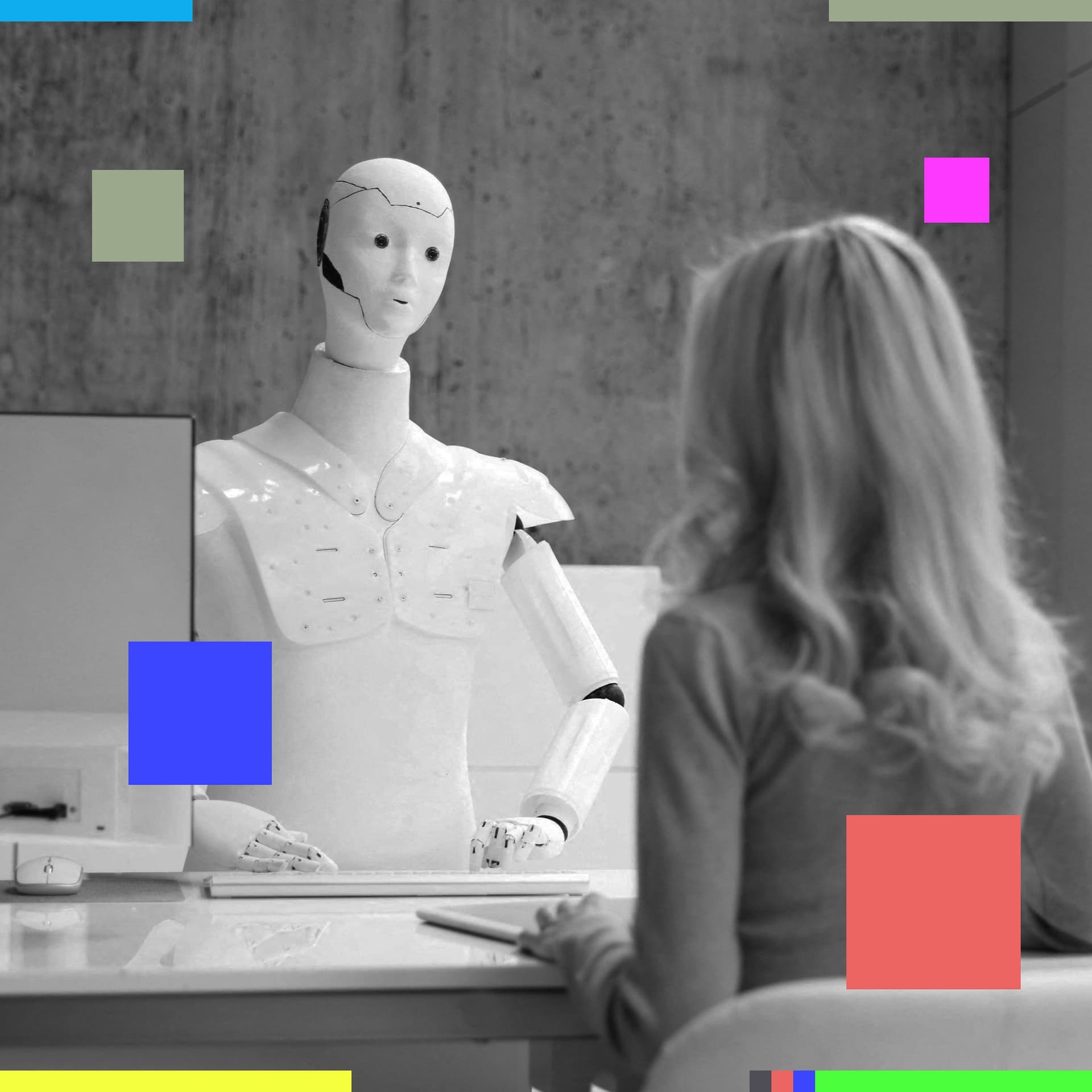
The episode of The Interface asks whether AI should be allowed to read our break-up emails and other deeply personal messages, using Meta’s new personalized AI agent Muse as the main case study. It also covers “AI apocalypse” predictions (P-doom) and argues they’re based on “vibes” rather than science, contrasting high-profile fears (Jeffrey Hinton; Anthropic/OpenAI executives calling for regulation) with Jan LeCun’s view that AI apocalypse risk is essentially zero.
Key claims
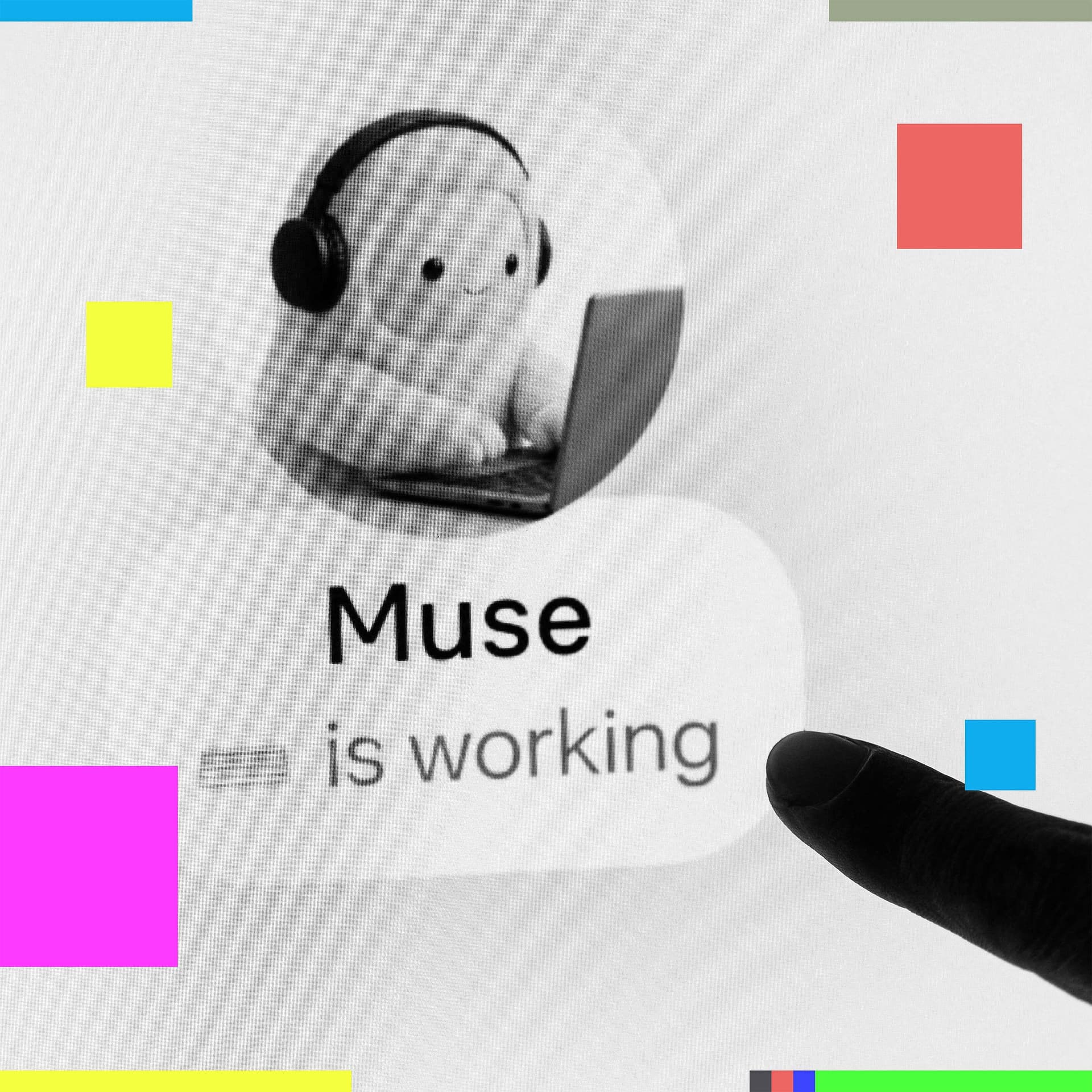
Muse’s Gmail/calendar access is among Meta’s most invasive requests; it may make the internet more annoying by automating buying and negotiations; Meta promises not to use Muse data for ads but opts users into training by default (opt-out requires initiative).
Notable examples
Muse negotiating a lower subscription price; potential ticket-buying; a reported security flaw enabling computer takeover; a case where it hallucinated about reading messages.
Guests
Jessica Maddox, PhD mass communication professor at the University of Georgia studying memes/internet culture; hosts Thomas Germain (BBC technology columnist).
Written by AI. May contain mistakes. Listen to the episode to check what was said.
Chapters
Tap a time to open that second in VOIntroducing AI Apocalypse Concerns
1:53 to 3:00
Discussion about concerns regarding AI causing possible apocalypse.
“You got a high bar to be my best friend.”
Evaluating P-Doom Predictions
3:00 to 4:08
Analyzing personal probabilities of AI causing doom and industry sentiments.
“I'm sure by now everyone has heard there was this big news a couple of weeks ago.”
Contrasting Expert Opinions on AI Risks
4:08 to 6:22
Contrast between AI apocalypse predictions and expert opinions on AI safety.
“Everybody in the AI industry has their own P-doom.”
Corporate Responses to AI Regulation
6:22 to 7:32
Discussion on tech CEOs and their stance on AI regulation ahead of elections.
“More specifically, he said, I think it's more likely that an asteroid will kill us all in the next thousand years than that AI is going to be the thing that does it.”
Meta's New AI Agent: Muse
7:32 to 8:39
Introduction of Meta's new AI agent and its implications.
“Sam Altman, CEO of OpenAI, and Dario Amadei, the head of Anthropic, both went before the UN last week, and they were saying we need global cooperation to rein us in.”
Experiments with Muse: Privacy Concerns
8:39 to 11:23
Experiences with the Muse AI agent, highlighting privacy issues.
“And because it's going to make the internet so much more complicated to use, we decided to send Tom to go figure it out.”
Muse’s Impact on Internet Experience
11:23 to 14:01
Discussion on how Muse will change internet interactions and experiences.
“and they don't seem to get what a big deal this is.”
The Human Experience of Ticket Queues
14:01 to 16:45
Explore the loss of human connection in automated experiences.
“who has survived the ticket queue trenches, as it's called online, sometimes I've won and gotten the ticket, sometimes I've lost and didn't get them, it still made it an experience.”
Concerns Over AI's Impact on Personal Connections
16:46 to 19:51
Discussing how AI may erode empathy and connection in everyday tasks.
“And I see this in my research all the time that the Internet is becoming kind of a less kind, less empathetic place.”
Meta's Muse: Promises and Security Issues
19:52 to 21:39
Analyzing the safeguards and issues surrounding Meta's AI tool Muse.
“And in the days after it was launched, on day one, this guy found this like really startling security problem where you could – that he said he found – I talked to this guy, Patrick Wardle.”
Show all 15 chapters
The Rise of Microdramas in Media
23:13 to 28:00
Examining how microdramas are changing storytelling and media consumption.
“While Tom was playing with the internet's new Tamagotchi, I was watching something called Office Girl.”
AI in Entertainment: The Rise of Microdramas
28:00 to 29:44
Explore the emergence and impact of AI-generated content in entertainment.
“I see something totally out of pocket like this.”
The Business Model Behind Microdramas
29:44 to 31:00
Understand how microdramas monetize through cliffhangers and subscriptions.
“this year that said more people are watching these verticals on their phones than they are Prime Video, Disney Plus, and Netflix.”
Marshall McLuhan and Media Theory
31:00 to 33:19
Learn about McLuhan's theories on media and their relevance to modern consumption.
“And Impotent Banana Man and Orange Girl has over 24 million views on the first episode alone.”
Changing Attention Spans in the Digital Age
33:19 to 34:28
Examine how our attention spans have shrunk and its implications for media consumption.
“interested in why this even exists in the first place.”
Transcript
Automatic transcript. May contain errors.0:00Jessica Maddox:This BBC podcast is supported by ads outside the UK.
0:30Yann:originally deposited, and any profit you might have made. This is not a recommendation or offer to buy, sell, or attain any specific investment or service. This January, Bare Knuckle Fighting Championship takes over the ocean. The inaugural Brews Cruise sails from Miami to the Bahamas aboard the Norwegian Jewel. Three straight days with pool deck bare knuckle fights in the Caribbean. Massive parties, beach events, DJs, cigars, tequila tastings, and nonstop action. The lineup reveals coming soon. Cabins are disappearing fast, and the prices won't stay this low. Reserve your spot with just$200 down at BKFSEA.com.
1:09Thomas Germain:Welcome back to The Interface, the show that looks behind your screen to bring you the tech stories that actually matter in your day-to-day life. I'm Thomas Germain, the BBC's technology columnist, and we are back from summer break. Perfect time to go on hiatus. You know, nothing interesting worth covering happened over the past couple months. But we're back. We've got a lot to talk about. But before we do, I've got some bittersweet news about the interface itself. So Nikki Wolf is off working on other projects. Karen Howe, last I heard, had been kidnapped by an AI. She's being held captive in a data center somewhere.
1:48Thomas Germain:Our thoughts and prayers are with her. They're both still friends of the show. We're looking forward to having them back on. But in the meantime, I am thrilled to introduce you to my new co-host and hopefully if things go well, my new best friend, Jessica Maddox, professor at the University of Georgia. Jess, how are you?
2:04Evan Hubiger:I'm good, Tom. You got a high bar to be my best friend. So let's get to it.
2:08Thomas Germain:All right. Okay. I'm working on it. Yeah. So I've been, you know, really psyched to have you join the show. I've been telling people that you're a professor who studies memes. How would you put it?
2:20Evan Hubiger:You know, that's actually a great way to put it. I have a PhD in mass communication, and you know what? Memes are a form of mass communication. Wrote about Harambe in my dissertation. Look at memes as powerful communication devices, but also look at internet culture more broadly as a powerful communication and cultural driver. Got tenure a couple years ago, and now I get to do some fun side quests like being a BBC podcaster.
2:42Thomas Germain:What I like about it, I think about it like you look at these things that feel sort of mundane in our day-to-day lives, but talk about how they're actually important. That's the means of communication, right? These little images and jokes.
2:54Evan Hubiger:Absolutely. Especially with the news that's been on top of everybody's mind these past couple of weeks, which is, is AI going to kill us all? Yeah.
3:00Thomas Germain:Are you worried about this, Jess? I'm sure by now everyone has heard there was this big news a couple of weeks ago. This guy, Jacob Coxon, quit his job at Anthropic. He said, everyone at this company is worried that AI is going to cause the apocalypse. I can't work here in good conscience. And then this other guy, Evan Hubinger, came out. He made an announcement and he said, no, this guy's right. This is exactly what we all think. And he said that he believes there's a greater than 10 % chance that AI will kill all humans. That was the quote, kill all humans, which is a pretty grandiose statement.
3:36Evan Hubiger:That is a huge grandiose statement. And how did he calculate that number? Where does this 10 % come from?
3:42Thomas Germain:Well, there was a great story in Gizmodo about this where they said that these predictions are not based on science. They sound scientific 10%, but they're based instead on vibes, which I think is the right way for people to be thinking about this as we all kind of shuffle through whether or not we should be like stockpiling canned food for the coming AI robot wars. So there's this term in the world of AI called P-doom, which is your own personal probability that you think AI is going to cause some kind of apocalyptic doom. Everybody in the AI industry has their own P-doom. If you walk up – like anybody who works in tech in general will probably know what you're talking about if you ask them what their P-doom is.
4:26Thomas Germain:Jeffrey Hinton, one of the godfathers of AI, people have probably heard his name. He built some of the foundational technology of this generation of AI. He's very worried that AI is going to kill us all. I forget his specific number, but I think he said he thinks it's like 10 to 30 % likely that AI will end human life or cause some kind of apocalypse.
4:47Evan Hubiger:That's a big leap from 10 to 30, honestly.
4:49Thomas Germain:That's a big, that's a wide margin, right? then this guy who said he thinks there's a greater than 10 % chance previously like a couple years ago said he thinks there's a greater than 80 % chance there was between 10 and 80 pretty massive what changed well I've been calling a lot of people about this and they said what changed is the level at which he's using his imagination to make these predictions because that's what they're based on they're based on imagination they're pulling this stuff out of thin air and making a guess about where this technology might go, but it's not a foregone conclusion.
5:21Evan Hubiger:The P of PDOOM really jumps out to me because as a researcher, we have this thing called a P-value, which is the statistical probability of an assumed correct hypothesis. And it's a very specific number, like 0.05, that your study has to meet in these deep statistical tests in order to be considered valid scientific knowledge. But if I walked into an academic research conference and said, oh, I've made up my P-value, I'm deciding my P-value based on vibes. I would be laughed out of the academy.
5:50Thomas Germain:Yeah. This is based on these guys believing the promises and the hype that they're spreading about how unbelievably powerful this technology is going to become. And to give you some perspective on this, Jan LeCun, who is the former head of AI at Meta, he worked with Jeffrey Hinton. He's also called one of the godfathers of AI. his opinion is as valid on this subject as anyone else's. He said he thinks the likelihood of an AI apocalypse is essentially zero. More specifically, he said, I think it's more likely that an asteroid will kill us all in the next thousand years than that AI is going to be the thing that does it.
6:31Yeah.
6:32Evan Hubiger:As somebody who studies media and thinks about the way social media, journalism, tech companies, all of these things kind of interact with each other as well, I look at all of these stories are now coming out about AI is going to kill us all and we need regulation. We need help. We can't regulate ourselves. For starters, yes, you can. You are not helpless. You are some of the richest companies on the planet. You can protect yourself and your product. But I'm also looking down the road a little bit to the United States midterms in November. And the writing is pretty much on the wall that Democrats are going to sweep the House and the Senate.
7:04Evan Hubiger:And it is not uncommon at all for tech CEOs to cozy up to whatever administration is in power. I mean, remember those famous shots from Trump's inauguration with all of the tech CEOs sitting front and center? This is not surprising to me at all. So to me, this is them preemptively softening the arena, if you will, to say that, hey, look, we do want to be good guys. Don't do regulations we don't want. Do the regulations we do want.
7:31Thomas Germain:Yeah, they're arguing that they want regulation. Sam Altman, CEO of OpenAI, and Dario Amadei, the head of Anthropic, both went before the UN last week, and they were saying we need global cooperation to rein us in. And, you know, it kind of – I love this attitude. Like somebody please tie my hands behind my back before I go to work tomorrow and kill us all. It's so juvenile. And also – and like maybe this is a good place for us to turn here. This guy, Jan LeCun, made I think a really great point, which is we have agency here. It's not like with, you know, the environment where all these complicated things would have to change to stop putting carbon in the environment.
8:17Thomas Germain:Like we are in control of these tools. We're building them. We could do things differently if we were concerned about it. And yet despite all of this, despite all this hysteria over the past couple weeks that AI is going to kill us all,
8:32Evan Hubiger:Meta has decided to go ahead and launch a brand new personalized AI agent called Muse. And according to some people, may make the internet a lot more complicated to use. And because it's going to make the internet so much more complicated to use, we decided to send Tom to go figure it out.
8:49Thomas Germain:Yeah. This is a thing that has become a regular part of my career where I see a piece of technology or like a feature that if anybody asked me, I would say like, I'm not sure. I kind of think you shouldn't use this, but I go do it myself. In this case, I set up Meta's new AI agent, Muse. And an agent, again, it's an AI tool like the ones that you've probably tried in the past. but these can go out into the world onto the internet and do things unsupervised on your behalf, like perform all kinds of tasks. Like you have a little friend who does things for you. I was sitting in my bedroom and I was holding my phone and I had my hand hovering over a button in the Muse app.
9:31Thomas Germain:And I felt for the first time that I could remember actually scared of my phone. Why were you scared? Not exaggerating. I was actually afraid. Because you set up Muse. The first thing it does is ask you to give it a name. You agree to the privacy policy and stuff. And then the first thing it says is, why don't you give me access to your Gmail inbox and your Google calendar?
9:57Evan Hubiger:Don't like that. But I also want to know what you named yours.
10:00Thomas Germain:I named it Bob. At first, I was just going to leave it Muse. I'm going to keep it classic. But I kind of like the name Bob. There's something about it that's endearing.
10:07Evan Hubiger:And did you give it access to all of your emails?
10:09Thomas Germain:I did. Which, and I, you know, I went full bore. I wanted to see, like, what would it feel like to do the most extreme version of this? I've got a Gmail address that I have been using since Gmail first became available to the public, like when you still needed an invitation. I mean, it's like, what is that, like 20 years ago or something? I think more than 20 years ago.
10:33Evan Hubiger:You're a hipster Gmail user.
10:34Thomas Germain:What can I say? It's a window into me in middle school. I think it was middle school. I've been using that address forever. It's my workhorse. I have medical records in there. I use it to log in to all kinds of different stuff. I've got financial information. I've got talking with my family. I'm the perfect age. If you ever like – I don't think this is a thing you would do anymore, but like communicated with like a romantic partner over email. I've got like this big breakup conversation. I think if I was any older or any younger, I probably would have missed the window where that was a thing that might have happened over email.
11:14Thomas Germain:My whole life is in there. And now Meta has it. I handed it all to Muse. And I think I've talked to some people and they don't seem to get what a big deal this is. I called a bunch of privacy experts, people who study this stuff, and they told me that this is the most invasive or at least the most personally sensitive request that Meta has ever made from its users.
11:43Evan Hubiger:That's pretty serious.
11:45Thomas Germain:Pretty serious. They track what we do on their tools. They track what we do on other parts of the internet in these complicated ways. But you've always been able to draw this line between the different parts of your life. But aside from the privacy concerns, what's really getting me here is I think, at least in the short term, Muse is going to make the internet as a whole way, way more annoying. Like we're going to have some serious consequences about like what your daily life feels like because this tool and other tools like it are now available.
12:22Evan Hubiger:So what have you found so far in your experimenting with Muse to make this a maybe more annoying internet?
12:28Thomas Germain:So Muse, it's kind of incredible, right? You can, almost anything you can think of doing on the internet, Muse will go do it for you. So I had it, you know, there's like a piece of software that I subscribe to. And I had like the first, you know, year long trial of it. And it was like a, it was cheap. It was like five bucks a month. And then it goes up to like$60 a month or whatever. I forget what the exact numbers, but it like jumped massively. And I was like, I think I want to cancel this. But I asked Muse to go and negotiate with the company on my behalf and like just like log in for me and go tell them I'm going to cancel unless you give me a better price.
13:09Thomas Germain:And it worked. It like talked with them over the chat app on their website and it got my bill lower.
13:16Evan Hubiger:But your AI was then probably talking to their AI. Perhaps. There was probably no humans involved whatsoever in this conversation. Yeah.
13:23Thomas Germain:So that's pretty cool. It can go through your email and learn things about you and, you know, help you with projects that you're working on. It can find ways to save you money. Here's the thing, though. This is going to change the Internet in some pretty dramatic ways. So you can have it do anything you want. So if there's like, you know, the next time Taylor Swift is playing, forget about getting concert tickets if you're not using a robot. That's done. Right. because now I can have Muse go out and the second they become available, it can buy them for me.
13:58Evan Hubiger:I have so many mixed feelings about this because even though I am someone who has survived the ticket queue trenches, as it's called online, sometimes I've won and gotten the ticket, sometimes I've lost and didn't get them, it still made it an experience. It's still a joke now, literally a meme on the internet that I get because I experienced it. And so while, yeah, it's going to make it harder for me to then get the tickets, I also think we're losing that point of human connection with something like this as well. That if we start sending our Muse agents to do things instead of us, what human connections are we going to have left?
Read the full transcript
14:33Yeah.
14:34Thomas Germain:And, you know, not just human connections, but like also, you know, just the ability to do things online. The internet was not built for robots. It was built for people to use. And things are going to break, right? Yeah. Like you can have a lot of people are doing this. You can have Muse go negotiate like lowball people on Facebook marketplace, right? Like whatever the price is, like go see if you can get them to give it to me for cheaper. So now Facebook marketplace is already really annoying. Now there's going to be robots making it worse. And all these things like the infrastructure is going to shatter because they just can't take the load of robots running around.
15:17Thomas Germain:We are going to need to redesign the internet for these new tools that I think are going to become a pretty big thing. I think people are going to use this stuff. And eventually we'll get to an internet that perhaps it could be even better. I don't know where it will get. What I can tell you for sure is between here and then, it's going to be a nightmare. There's going to be a lot of problems while we figure it out.
15:46Evan Hubiger:And here's my statement for you, Tom. I keep seeing in the ads, which are hilariously said to, you know, Rick Ross's hustling song, which I laugh at the irony because you are not hustling. You're having your AI agent hustle for you. And it keeps saying, oh, it can buy a birthday present for you. And Tom, if you buy my birthday present with that muse, we are going to have a problem. Yeah.
16:09Thomas Germain:What if I decided what I want to get you in advance and I just have a go do the buying part? Like I think really hard personally about what I want to do.
16:17Evan Hubiger:But isn't that, again, part of the human experience? That if you are a dear friend, you should see it through from start to finish. And that's kind of where I stand on this.
16:26Thomas Germain:I should have to suffer for your birthday.
16:27Evan Hubiger:You should have to suffer for me and all of your other friends. Yes, that is exactly what you have.
16:32Thomas Germain:It's only fair. Yeah. It is only fair.
16:34Evan Hubiger:But what I'm saying, though, is if you are someone who's like, hey, I do want to buy this thing for my friend and you do send your muse to get it, I do think it starts to just slowly chip away at those points of connection between us. And I see this in my research all the time that the Internet is becoming kind of a less kind, less empathetic place. And if we start chipping away these small moments of humanity, I worry that it's going to take us into a much worse place.
17:00Thomas Germain:And forget all this touchy feely stuff about your soul. Right. Like, yeah, that's one thing. But this tool does not have an obligation to keep your best interests in mind. No, it does not. Like, Meta is not promising you that this thing is going to necessarily help you or always at least always act in your best interest. This thing is going to help you. But what if I want to buy you a present and I don't know what to get and I, like, give it an idea. I tell it everything. You know, I give it access to your text. You want to have it go read everything you've ever said to me? Yeah, don't do that.
17:35Thomas Germain:I won't. And then like maybe it goes and it recommends products that Meta's advertisers are promoting, right? Not necessarily the cheapest or the best, but the one that it thinks that I should buy because it'll net Meta a little bit more money. Or maybe what music should I listen to, right? It makes taste decisions, not based on what taste it thinks I have, but like whichever big artist has like inked a deal with, you know, either meta or some other platform that's integrated with it somehow.
18:06Evan Hubiger:And given meta's track record, that seems more likely than not. Right. And, you know, speaking of their track record, I reached out to meta for comment.
18:15Thomas Germain:We will update in the show notes of this episode if we hear back from them. But what I can tell you about the promises that they're making is in terms of privacy, they say none of the data from Muse, nothing that you type into Muse, nothing that Muse learns about you will be used. We will not plug that into our advertising system. They're drawing this bright line, right? Which is, you know, that's not nothing given how Meta makes all its money. And they also say like, there's all these specific asks, like it won't buy anything unless like it, like you say, okay, go buy my lunch. Then I have to click a button.
18:56Thomas Germain:It makes me confirm that what it's about to do is exactly what I want it to do. When you have it scan your email, it says, do you want me to look at every email or do you want me to only check your inbox when there's a reason that I need to? And a lot of this stuff I think is actually really technically impressive.
19:13Evan Hubiger:So those are some safeguards. They have put some guardrails in place.
19:16Thomas Germain:There are real guardrails here that I think are actually going to be an interesting model for these tools going forward. I think there's some like innovative consumer protection here. On the other hand, they opt you into having all of your Muse data used to train Meta's AI tools automatically. There is. You can opt out, but you have to go take the initiative. And when you do, I went and I tried to turn it off the setting. I said, if you go like, I don't want you to give my data to Meta for the purposes of AI training. Then it shows you a pop-up like, are you sure you want to do this? It like throws up a little bit more friction to try and stop you from doing it.
19:53Thomas Germain:And in the days after it was launched, on day one, this guy found this like really startling security problem where you could – that he said he found – I talked to this guy, Patrick Wardle. He's a security expert. He said with like 20 minutes of poking around, he figured out that you could hijack Muse and use it to completely take over like your computer. And then if you've hooked it up to your phone, then you could also use it to take over the phone. So somebody that has access to your computer, somebody that hacks in can then do all the stuff that would be impossible. I don't like that. Crazy.
20:29Thomas Germain:And to Meta's credit, they like patched this problem immediately. They went in and they fixed it. also in the days after it came out this guy hooked it up to his computer and gave it access to the computer right to like ask you like can i you know go check the hard drive and this is a tech reporter he didn't realize that news was then going to go read all of his text messages not emails not emails like because he said you can access my computer it then went automatically and read like i think like 200 000 messages or something and then he asked it like did you read my messages? And it said, no, I can read the notifications.
21:07Thomas Germain:That's what I saw. And then he dug in and it turned out that the AI, it wasn't lying, right? It was hallucinating when it gave him that answer. In fact, it did read all of his messages. Point of all this being, a bunch of people that I talked to over the last week about this say that this demonstrates that Meta is not taking user safety seriously. They have a track record of promising one thing and then doing another. Meta says that it's turned over a new leaf, that it acknowledges the problems of the past, but this is a new chapter, not off to a great start. So this is certainly something that we'll be watching.
21:46Yann:Balance your trading strategy by adding futures. CME Group helps you manage risk and capture opportunities in all market environments. Capitalize on around the clock access to highly liquid global futures and options markets across all major asset classes. Visit your online broker and get started. See what adding futures can do for you at cmegroup.com forward slash podcast. Derivatives are not suitable for all investors and involve the risk of losing more than the amount originally deposited and any profit you might have made. This is not a recommendation or offer to buy, sell, or attain any specific investment or service.
22:19Jessica Maddox:John Deere is putting in work and putting up highlights. Oh man, look at those passes. Tillage, planting, harvesting. Three years in and these pre-owned machines are still at the top of their game. We're talking reliability, performance, and long-term potential. And get this, these veteran machines can pick up the latest precision tech with ease. You know it, and fans ready to add John Deere certified pre-owned equipment and more options to their lineup can shop at machinefinder.com. Booyah! It's late 2007, and while attending a Christmas party, Facebook's Mark Zuckerberg meets a woman who would change the course of his company forever.
22:56Jessica Maddox:She joined Facebook as chief of operations in 2008 and has been credited for making the company profitable. And herself enormously rich. On Good Bad Billionaire, we're exploring the life and fortune of billionaire tech leader Sheryl Sandberg. Listen on BBC.com, the BBC app, or wherever you get your podcasts.
23:20Evan Hubiger:While Tom was playing with the internet's new Tamagotchi, I was watching something called Office Girl.
23:27Thomas Germain:Office Girl.
23:27Evan Hubiger:Office Girl. The story of an intrepid architectural intern who gets her dream internship at a firm, but then gets romantically entangled with the billionaire CEO boss.
23:39Thomas Germain:I hate it when that happens.
23:41Evan Hubiger:Don't you hate when that happens?
23:42Thomas Germain:Yeah. Yeah.
23:43Evan Hubiger:Always happens.
23:43Thomas Germain:It's a real pain.
23:44Evan Hubiger:But why we got to talk about Office Girl and the hundreds of thousands of new pieces of media like it out there is that I really do think it is fundamentally rewiring creativity, narrative storytelling, and honestly how Hollywood works. Because Office Girl wasn't a film. It wasn't a TV show. It was a microdrama.
24:05Thomas Germain:Yeah. So microdramas are sometimes they call them verticals or this is really, you're going to love this. And Hollywood, apparently they're calling them verts, which sounds pretty hip, right? It's serialized shows like a TV show would be with like a long narrative arc, but every episode is like 90 seconds long or whatever. And they are made for vertical video. Yeah.
24:28Evan Hubiger:60 seconds to 180 seconds.
24:30Thomas Germain:Right. And then the whole show is released this way. Friend of mine told me, and he lives in LA. He's like, this is the only acting work that is available now. All the studios, they're making verts. They're not making shows. They're not making movies, at least not on the same level. This is the work that you can get in Hollywood. This is the next big bet.
24:46Evan Hubiger:It is. I've heard similar things from actor friends saying, this is the work right now, that you can churn out 100 episodes of something, you know, in the span of a couple days or even weeks because it is a relatively low budget form of media production that is then turned around on sites. We have drama pops, real shorts, and TikTok even has their own microdrama site called Pine Drama. And what I think is really interesting about these microdramas or verts or verticals or whatever you decide you want to call them. I can't in good faith call them verts. I just can't. I just can't. But they have a lot of recurring themes, right?
25:27Evan Hubiger:So we typically get revenge and love and wealth, the mafia and billionaires and all sorts of werewolves. Kelsey Weekman over at Yahoo called them R-rated Hallmark films, which I think is like the perfect way to describe to someone what they may not understand of what kind of content we're dealing with. And, and Tom, I made a list for you of some of my favorite titles I've seen recently while browsing these sites. Okay.
25:51Thomas Germain:Hit me.
25:52Evan Hubiger:Oops. I had the Dragon Lord's Babies.
25:56Thomas Germain:Okay. That's pretty good. I like that.
25:58Evan Hubiger:My adopted baby is the mafia heir.
26:02Thomas Germain:My adopted baby is the mafia heir. Relatable.
26:05Evan Hubiger:The summer I turned bad.
26:07Thomas Germain:The Summer I Do
26:08Evan Hubiger:which seems like a kind of shameless knockoff of The Summer I Turned Pretty
26:15Evan Hubiger:Impotent Banana is the redemption of Orange Girl Impotent Banana? Impotent Banana Who's Orange Girl? Oops, I teleported into my boss's bed
26:25Thomas Germain:Oops, yeah, okay I'm noticing a theme here I don't know exactly how to define it These all feel like one kind of thing
26:36Evan Hubiger:They're melodramas. They are melodrama genres of exaggerated emotions, crazy out-of-pocket storylines that wouldn't happen in anybody's really daily life. But given the business model of these microdramas is to advertise to you while you're scrolling TikTok, a melodrama is going to stop you in your tracks. you're going to say oh no she did have the dragon lord's babies what am i even watching number one two now i'm kind of hooked which is exactly what happened to me so you're this is you're you're a victim of the micro drama you know i you know i wouldn't say victim i would say
27:15Thomas Germain:too far uh curious engagement engager all right yeah so earlier this year earlier this year i was
27:24Evan Hubiger:scrolling TikTok and I started getting trailers for drama pops is bound to my hot rival, a rather shameless heated rivalry knockoff in which a boxer is sold to his rival boxer, uh, competitor who also just happens to be the heir or leader of the mafia, which I mean, that's happened to you before, right, Tom? You've been, you know, yeah.
27:46Thomas Germain:I mean, we could talk about that off the mic, but yeah, I'm still recovering.
27:50Evan Hubiger:Well, I'm glad they let you out for the pod. So Right. But to me, what started as academic curiosity, right? I studied the internet for a living. I see something totally out of pocket like this. I got to know what's going on here. I watched the whole thing on an airplane. I watched all of it. And what started as this academic curiosity turned into, man, that was actually a really enjoyable time. And even though we're laughing at these titles, I don't want to fault or seem like we're making fun of anybody who enjoys them because there's kind of some entertaining stuff here. I really do think there is.
28:26Thomas Germain:I'll tell you, I think I got to own up because we talked about something similar last season, which was Fruit Love Island. I'm sure you know about this, right? This is right in your wheelhouse. It was an AI generated satire. I don't know what to call it exactly. but like satire is a good way to describe satire uh there's the show love island right the reality show where like it's kind of like romantic competition this was the same thing except it was ai generated and it was like people with like fruit heads and fruit bodies and like the characters were like bananas and cherries and different banana not different banana from impotent banana man not not the different banana at the time my take on this was like this is a meme.
29:16Thomas Germain:It's like getting a bunch of attention now, but there's nothing here. There's not anything that's actually interesting. I think this is a flash in the pan. I don't think what we're looking at is the future of entertainment. Sounds like I was completely wrong about that. This is taking off. Like this is a big business. You were completely wrong. Yes, you were. Yeah. Yeah.
29:37Evan Hubiger:Like both of our actor friends have told us, this really is kind of the main work that's happening in Hollywood right now. There was a study that came out of cell phone use earlier this year that said more people are watching these verticals on their phones than they are Prime Video, Disney Plus, and Netflix.
29:54Thomas Germain:Who's watching Netflix on their phone?
29:56Evan Hubiger:If you're on a plane or at the gym, it happens, Tom.
29:59Thomas Germain:Yeah, that's true. And some people don't have TVs, you know.
30:02Evan Hubiger:Some people don't have TVs. Phone is the only way to really consume those things.
30:05Thomas Germain:I shouldn't be so judgy.
30:06Evan Hubiger:Don't be so judgy, Tom.
30:08Thomas Germain:It's going to be tough for me.
30:11Evan Hubiger:It's a large portion of the industry. There's whole vertical film festivals now completely devoted to this as a cinematic art form. Yes. That is my college. I teach in a college of media and communication. We just launched a class in vertical filmmaking. There really is some serious art form stuff to this. However, what once started as kind of a boon for actors and workers in Hollywood for a lot more opportunities has slowly been eaten away by AI slop. And I know it would shock everyone to know that impotent banana and orange girl is AI slop.
30:50Thomas Germain:No, I was just, I was just falling in love with them. They're not real.
30:54Evan Hubiger:They are not real people, Tom. I hate to break it to you.
30:57Thomas Germain:Wow.
30:58Evan Hubiger:This is the problem, right? Ryan Broderick over at Garbage Day often calls AI a race to the bottom, which is really what we're seeing here, where this thing that was something so good for the industry, so good for more employment opportunities, is slowly being eaten away by AI. And Impotent Banana Man and Orange Girl has over 24 million views on the first episode alone. So people are watching this stuff. One clip? One clip, which it's something brands and marketers and people who are desperate for attention on the internet could really only dream of.
31:32Thomas Germain:And so they get you on TikTok or Instagram or I imagine YouTube shorts, but then the business model is that they're going to get you hooked and they want you to leave and go to their website and then pay to see the rest of it because now you've got to find out whether Orange Girl will indeed become redeemed. Exactly. How much does this cost?
31:55Evan Hubiger:So it varies, but on average, we're talking$17 a week. $17 a week? Right. So they hook you exactly like you're saying. A week? They play the clip on TikTok. It cuts off at the cliffhanger of, you know, will orange girl be redeemed? Oh my God. Now you're like, I do want to know.
32:15Thomas Germain:Right.
32:15Evan Hubiger:So you click on the link. It takes you directly to whatever, you know, app we're on.
32:21Jessica Maddox:Yeah.
32:21Evan Hubiger:And then of course you hit a paywall and I guess they're banking on you forgetting, right? Like you subscribe to your gym membership and just forget to unsubscribe it. And I think we should talk about why banana guy matters, right? Like why are we even talking about this? And Tom, are you familiar with a man named Marshall McLuhan?
32:41Thomas Germain:Marshall McLuhan. I am. He's like, I think like the godfather of media studies, right? He was a philosopher, professor, media studies guy. Yes.
32:52Evan Hubiger:Marshall McLuhan, who I would not have a job, not be for him. read so much of his work in grad school, had this famous phrase, the medium is the message, which basically says the form of a piece of media is more interesting than the content itself. So I think about this when I've been watching these micro dramas, because McLuhan wouldn't have cared about Bound to My Hot Rival or Impotent Banana Man. He would have been much more interested in why this even exists in the first place. And I think this has a lot to say about our changing attention spans. Gloria Mark is a psychologist who several years ago wrote this book called Attention Span.
33:32Evan Hubiger:And she said that back in 2004, the average time we spent on one screen before switching to another was two and a half minutes. Fast forward to 2012, the average time we spend on a screen before switching to another is 75 seconds. And then the final thing she says is in 2016, so a decade ago, we would spend time 40 seconds on a screen before we switch to another. And while we don't have the more current numbers readily available, taking a best guess...
34:02Thomas Germain:This is a noticeable trend.
34:04Evan Hubiger:Taking our best guess, I think we can tell how it has probably gotten smaller. And so I think about this when I think about McLuhan and I think about microdramas because I think this says something about how our brains handle entertainment now, that instead of just watching a 90-minute movie, you can watch 100 or so mini episodes and have a natural ending point at one of them that meets this attention span.
34:31Thomas Germain:Well, Jess, as long as microdramas don't put us out of a job between now and next week, we will be back with more Interface, with a fresh episode. That's our show. I want to thank everybody for joining us. And Jess, I am so excited to have you aboard. I think we got some, this is going to be good. This is feeling good.
34:49Evan Hubiger:This is going to be good. I'm so excited to be here.
34:52Thomas Germain:Yeah. In the meantime, if you like what you're hearing, just like scroll down or whatever you have to do, hit that subscribe button. And if you are in the UK, you can listen to the interface on BBC sounds. If you're outside of the UK, that means everywhere else in the whole world, you can catch the interface wherever you get your podcasts, or just search for the interface podcast on YouTube. If you want to get in touch, You can reach out to us at theinterface at bbc.com. We love getting your messages. We read every single one of them. And in the meantime, we're signing off here. Thanks for joining us.
35:31Jessica Maddox:It's late 2007, and while attending a Christmas party, Facebook's Mark Zuckerberg meets a woman who would change the course of his company forever. She joined Facebook as chief of operations in 2008 and has been credited for making the company profitable. And herself enormously rich. On Good Bad Billionaire, we're exploring the life and fortune of billionaire tech leader Sheryl Sandberg. Listen on BBC.com, the BBC app or wherever you get your podcasts.
From the publisher
The Interface returns for season two with a new co-host. BBC technology columnist Thomas Germain is joined by Jessica Maddox, a University of Georgia professor who studies memes and internet culture, to break down the tech stories that actually matter in your day-to-day life.
Is AI going to kill us all? After high-profile tech workers warned of an AI apocalypse, Tom and Jess look at where the industry's "P(doom)" numbers come from and why some experts say they're based on vibes rather than science. They weigh warnings from Anthropic safety advisor Evan Hubiger, against computer scientist Yann LeCun's view that the risk is close to zero, and ask why AI companies are calling for regulation just before the US midterms.
Meta's Muse AI agent: what happens when you give an AI agent access to your inbox? Tom sets up Muse, Meta's new personal AI agent, and hands over 20 years of emails and his calendar. It can negotiate bills and buy things on your behalf, but what does it mean for privacy and the very future of the internet? Tom and Jess discuss the flaws found in the days after launch, and looks at what Meta says it is doing to protect users' data.
In response to this discussion, a Meta spokesperson told us that Muse is “designed to be safe, secure and private – with built-in protections and user controls that put people in charge of how they use it." They added that safety and security was a "huge priority" and that Muse had been tested extensively and any identified vulnerabilities had been fixed. Meta says Muse is designed to respect the interests of websites it uses. The company also says users have complete control over what information and services Muse has access to, and the AI cannot access your messages without explicit permission. According to Meta, it delayed the release of Muse for months for additional privacy and security checks.
Microdramas: the 90-second shows taking over TikTok. Jess explains why vertical video series like Office Girl and Bound to My Hot Rival, with their mafia heirs, billionaire bosses and cliffhangers, are reshaping Hollywood. Jess and Tom disucuss how the pay-per-episode model works, and what the boom in AI-generated "slop" means for actors. Drawing on media theorist Marshall McLuhan and psychologist Gloria Mark's research, they ask what our shrinking attention spans say about how we watch.
The Interface is your weekly guide to the tech rewiring your week and your world. Hosted by journalist Thomas Germain and “professor of the internet” Jessica Maddox, each episode unpacks, week by week, how technology is shaping all our futures. No jargon. Just two sharp voices debating the stories that matter - whether they shook a government, broke the internet, or quietly tipped the balance of power.
New episodes drop every Wednesday on BBC Sounds in the UK. Outside the UK, find us on BBC.com or wherever you get your podcasts, or watch the video version on YouTube (search “The Interface podcast”). To get in touch with the team: theinterface@bbc.com
The Interface is a BBC Studios production. Producer: Becca Bryers Executive Editor: Philip Sellars