 Ask ChatGPT
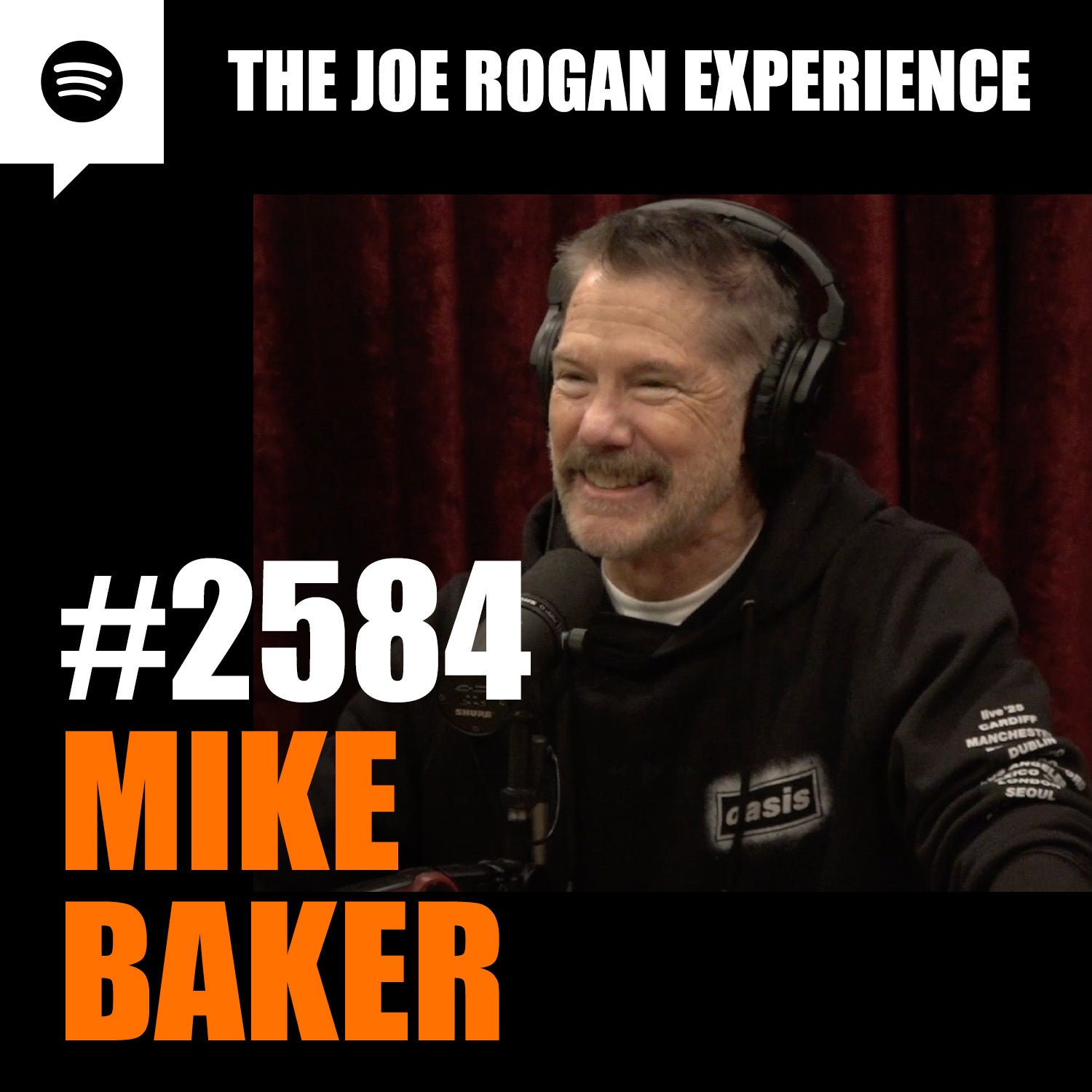

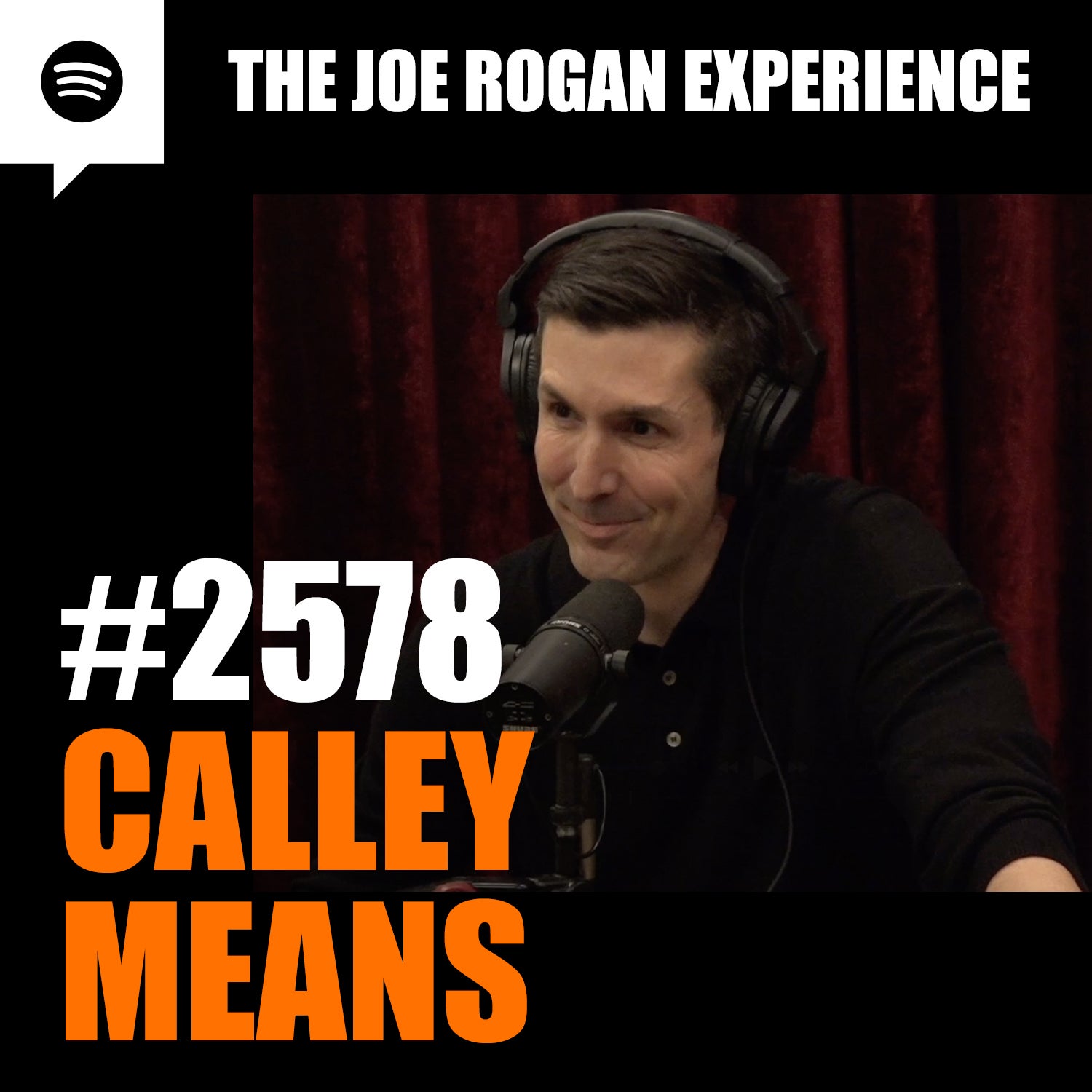
Calley Means, former White House senior advisor, argues that Trump’s health/pesticide agenda (Maha) was blocked by a centralized White House system dominated by politically connected lobbyists and poll-driven strategy. She claims the process prioritized midterm fundraising and special-interest alignment over voter mandates, using examples including glyphosate (Roundup) liability protections and vaccine/psychedelics inquiries.
Calley Means says she resigned after serving as a senior advisor in the Trump White House, helping lead Maha implementation. She describes Bobby Kennedy as a central figure in the health agenda. She also discusses key White House figures she says shaped policy: Chief of Staff Susie Wiles and associates including James Blair, Tony Fabrizio (chief pollster), Walker Barrett, Richard Walters, and Chris LaCivita.
The White House is described as unusually centralized, with Susie Wiles’ office requiring approval for policy decisions. Means alleges these leaders have financial ties to industries they were supposed to regulate (pharma, pesticides, sugar, Pepsi) and that their strategy for midterms focused on gerrymandering and messaging “gimmicks” rather than health reforms. She claims DOJ actions helped the Supreme Court grant glyphosate liability protections to pesticide makers, despite public health concerns.
Means highlights the Maha report’s inclusion of “glyphosate” triggering intense industry backlash. She describes an executive order framing glyphosate as “national security,” DOJ/Solicitor General involvement tied to Bayer’s law firm, and the Supreme Court decision enabling liability protection. She cites the Arden Allison glyphosate exposure case (Tennessee teen with Hodgkin lymphoma) and claims Iowa cancer rates and water quality are political flashpoints.
Written by AI. May contain mistakes.
Calley Means discusses his resignation and his role in the Trump administration.
“Well, I just recently resigned from my job.”
Means reflects on the excitement and hope during the early Trump administration.
“Full directive from the top that we were going to slow that down and not do it.”
Means details the centralized control and corruption within the Trump White House.
“We all know things are corrupt and bad, but I'll just get right into specifics.”
An exploration of the lobbying culture in D.C. and its impact on political decisions.
“It is impossible to describe to you how demonic this culture is.”
Discussion on the political landscape and special interests in D.C.
“We are at a precipice in American history.”
Exploration of political strategies affecting voter engagement and issues.
“At one point, you know, I was arguing for, I think, school lunches or this no-brainer policy to Tony Fabrizio.”
Analysis of how lobbyists and special interests influence policy decisions.
“So when he got into office, how do these people become a part of the cabinet?”
Discussion on the health impacts of glyphosate and political resistance to regulation.
“And when she was running his campaign, was it that the campaign was successful?”
Insights into the pressures faced by the EPA regarding glyphosate and pesticide regulation.
“calls to everyone, to have that word, not even have it in the report, not even have a government report mention that this could potentially be a problem, was the biggest policy battle I had seen up to that time.”
Discussion about the political ramifications of glyphosate liability protection.
“I'm saying like people are threatening appropriations if we even look into it.”
Exploration of legal maneuvers surrounding glyphosate and liability issues.
“Susie then called Bobby's office and said, we're not discussing this.”
Insight into the health implications of glyphosate and its use in food production.
“The Supreme Court ended up siding with the case, which they wouldn't have taken without that brief and urging from the administration to take it.”
Discussion on public sentiment regarding glyphosate and lack of transparency.
“and they're going to invest and they're going to figure out something different.”
Analysis of corruption in governance and its effects on public health policy.
“Like that is something, especially the legal liability protection.”
Explore the intricacies of corruption in agriculture, focusing on glyphosate and its regulation.
“in order, everyone agrees corruption is a problem.”
Discussing the disconnect between presidential promises and congressional actions.
“Congress will never originate it themselves.”
Exploring the deep connection between money, politics, and public awareness.
“Use code JRE for 20 % off your membership at onxhunt.com.”
Examining the need for institutional reform and the challenges posed by corruption.
“Should we have the ability for corporations to completely buy off the political process?”
Discussion on the critical role of phosphorus in agriculture and its implications.
Exploring the controversies surrounding glyphosate use and its health impacts.
“And so when Trump was passing this, Did you discuss this with him?”
Analyzing the links between glyphosate use and cancer rates in specific regions.
“It is so notable that the EPA, right, and the review is coming up.”
A look at how farmers are starting to question pesticide usage and its consequences.
“If you look at a map of where glyphosate's used and then a map of cancer in the United States, it's almost identical.”
Advice on how the Trump administration can effectively drive institutional reform.
“What would be, like, I want you to imagine that Trump hears this podcast and says, I want to talk to you.”
Discussing the internal challenges faced by the Trump administration in implementing policies.
“The president is unique because they're the only person elected by everyone.”
The potential of psychedelics in addressing drug addiction and mental health issues.
“that there's been a severe consolidation of power using the fact that he's very busy to slow many policies down.”
Discussion about the challenges faced in getting psychedelics approved for therapeutic use.
“It's going to be one of the greatest accomplishments of the Trump administration.”
Exploration of the issues surrounding SNAP benefits and food policies in the U.S.
“This was something, I believe this would be one of the great accomplishments of our time, getting this out.”
Shocking statistics reveal that 38% of teens in the U.S. have pre-diabetes.
“We have a systemic breakdown and it's obvious.”
A deep dive into the vaping crisis affecting teenagers and its implications.
“Like I cannot express to you how strong that is.”
An examination of how political interests affect health policy decisions, particularly regarding vaping.
“I connected Secretary Kennedy and President Trump and was a top advocate and put together the whole policy plan for the Maha and polling.”
Explore how contemporary political issues are being co-opted for personal gain.
“But this is happening on every issue, and it's so antagonistic to, you know, the sin for me is it's not even good politics.”
Discussion on the FDA's controversial review of Moderna's mRNA flu vaccine.
“But this was like from my perspective, like this is the issue that that orbit was freedom to vape.”
Insight into how corporate interests influence vaccine approval processes.
“Heidi drove the jamming through of a re-review where they set up a sham advisory committee of, you know, run by this guy, the head of the vaccine center, Caslow, was the head of vaccines for Merck.”
The need for open dialogue regarding vaccine safety and public trust.
“Like, the Democrats are saying they want to trot Bobby in and talk about his vaccine decisions.”
An in-depth look at Kratom, its effects, and the lack of regulation.
“Tony Fabrizio put a block and he takes money from pharma.”
Investigating the lobbying efforts that affect Kratom regulatory standards.
“So this seemed like, you know, no brainer.”
Explore the increasing tolerance levels for opioids and the booming vaping industry.
“because people still sometimes have drinks with the Kratom Leaf, which has a trace amount, and 0.05 % is a very low amount.”
Discussion on the differences between Kratom and traditional opioids and its rising societal issues.
“The reports to authorities and incidents are skyrocketing in the past year.”
Examining a petition by David Kessler aimed at regulating sugar in foods like tobacco.
“It's like the most no-brainer thing imaginable.”
Analyzing the political landscape, campaign financing, and special interests affecting policy decisions.
“It was about him going out there, letting it rip.”
Discussing the miscalculations and strategies leading up to the midterm elections.
“Like unless we fix that, we're not getting anything done.”
Discussion on the campaign strategies and mindset of advisors leading up to the elections.
“So was she gaslighting him about the polls?”
Analyzing the political climate and the finger-pointing among Trump's senior staff.
“But don't you think he takes some responsibility?”
Insights on the FDA's requirements for vaccine studies and their implications.
“I actually thought Vinay Prasad, who got pushed out by Susie, who's a hero.”
Exploring the intricate relationships and lobbying efforts in healthcare policy.
“And I thought it was kind of an elegant solution.”
Critique of Obamacare and its impact on healthcare costs in the U.S.
“Are we going to have a serious conversation or not?”
Discussion of the challenges in defining and regulating ultra-processed foods.
“What was the last draw for you when you wound up leaving?”
Conversations about the current state of school lunches and the push for healthier options.
“Then I heard her complaining about us after that meeting and talking about how we need to do something about Maha.”
Learn how telling the truth can combat subversion and misinformation.
“And I think when this type of subversion is happening, maybe the best thing you can do is tell the truth.”

Get the gist, explore an idea or ask about something said.
 Claude
On The Joe Rogan Experience, what are the key points of this episode?
Searching your listeningAutomatic transcript. May contain errors.
0:00This episode is presented by Searchlight Pictures' Wild Horse 9. Shortly before Chile's 1973 coup, two CIA agents, played by John Malkovich and Sam Rockwell, find their mission on Easter Island, spiraling into a web of conspiracies, unexpected alliances, and chaos. Wild Horse 9, now playing, only in theaters. Get tickets now. I know how chaotic things get this time of the year, between all the holidays, trying to train, and last-minute projects at work. It could seem impossible to get everything done. If you feel like you're running on fumes, AG1 NextGen is an easy way to get the support that you need.
0:41With over 75 ingredients and five clinically studied probiotic strains, it supports your energy and your immune health, among other things. And for extra boost, there's AG1 Pro, and that has the same NextGen formula, But with 5 grams of Creavitalis, creatine, CAHMB, and zinc carnosine. Plus, both are NSF certified for sports. So you can feel good about what you're putting into your body no matter how busy things get. Go to drinkag1.com slash joe and for a limited time, get a free immunity bundle, including a bottle of omega-3 fish oil and vitamin D tossed in with your first subscription order of AG1 Next Gen or AG1 Pro backed by a 90-day money-back guarantee.
1:35That's drinkag1.com slash joe. This episode is brought to you by NoCo. You're miles from home. You turn the key. Nothing. dead battery. Normally, that means finding another car, someone willing to give you a jump, and dealing with old jumper cables. But what if you didn't need any of that? Keep a NoCo portable jump starter in your glove box and jump start your car yourself. No cables, no second vehicle, no waiting for help. It also works as a power bank and has a built-in LED flashlight. NoCo, the end of jumper cables. Use code ROGAN10 for 10 % off. Select Jumpstarters at NO.CO. Joe Rogan Podcast, check it out.
2:21The Joe Rogan Experience. Train by day, Joe Rogan Podcast by night, all day. Hey, good to see you. Good to see you. How are you doing? Well, I just recently resigned from my job. How was that?
2:44You know, two years ago when Bobby Kennedy joined President Trump, it was one of the greatest, I think, political miracles in history. I think we were all so excited. It showed that there was a real political animation around a Democrat working with a Republican. I think it showed the country that the Trump administration was going to fight not just partisan stuff, but special offenders and the swamp. I helped set that up, came in, dropped everything I was doing, came in, was a senior advisor at the White House, led Maha implementation, fought really hard. And I was optimistic because I'm a realist.
3:19And things get done in politics two ways. One is there's special interest in money. That's how a lot of things get done. That's why we spend three times more than any other country on health care. That's why we have such high housing prices. that like a lot of the things we're complaining about and dealing with her because the systems have been rigged on the inside we all know that but the other way things get done is real public pressure and real public shame on the political system and what bobby kennedy and president trump did is showed there's a lot of voters care that care about american health and i was optimistic we could use that coalition to bust through the dc swamp to get some things done and we did get some things done but all of them were through public shame you know the psychedelic thing That was being totally blocked.
4:01Full directive from the top that we were going to slow that down and not do it. And your call to President Trump, you know, and President Trump, whenever there was an issue which was on his radar, he's like, let's get it done. Let's go hard. He said, we need to get this done, get this on my fucking desk in the next week. And it busted through the system. You know, I was able to engender a coalition to get that same dynamic happening with things like dietary guidelines, the food dyes, getting those out of the system. These were all just the system of DC does not want any change to happen. And the fact that we had a voter coalition and could use that and say, this coalition, you other people are going to be pissed off if we don't get things done.
4:39We were able to get things done. But the simple reality and why I left is that there is a very concentrated group of people in the Trump administration that are antagonistic to what people voted for and are frankly, I think it's very clear, doing things for other reasons, particularly in many cases to enrich their families. So walk us through this. So you get in there, you have your first days on the job. When did you realize it was going to be an issue? And you were very hopeful at first, right? It's very exciting. A lot of people were very excited about the coalition. They felt like this. It was one of the main things that I was excited about with Trump getting into office was that Bobby Kennedy was going to be in there.
5:29And there was a there was a lot of these things that you just discussed. A lot of these things about peptides and stem cells, for sure, the psychedelics. and then just making people aware of like additives and food that were completely unnecessary, that were ruining people's health. So there's all this promise. Everybody was very excited about it. It was electric two years ago. I mean, we remember it. It was absolutely electric. And that compared to what we felt this week, right? That's the real issue. Like there was a real sense. Every single person in the first day of the Trump administration thought we were working for a presidency that would be absolutely historic.
6:04We thought Trump was going to be better than George Washington. The energy was – we felt like we were in the most consequential moment in American history. We were going to go hard and we were going to be able to channel what voters voted for. I cannot express to you how electric it felt in there in the early days. So what was the process like where you felt like it was off the rails? Yeah. So I want to get into specifics. We all know things are corrupt and bad, but I'll just get right into specifics. What I learned, and I don't think anyone would dispute this, the way the White House, this White House is set up is the most centralized control up to the chief of staff office of any administration in American history.
6:47So I'll just get into details about who runs the White House. And there's a picture I have of the key people. But the White House, Susie Wiles is the most powerful chief of staff in modern American history. And she has taken a stranglehold on any policy decision. No policy decision gets done without her office giving it the OK. And it's absolutely systematic. So every single cabinet secretary, they're spending meetings constantly worrying about how to get on Susie's good side and how to win favor with her. She has a couple of deputies. The deputies are it was James Blair, another guy named Walker Barrett and another guy who.
7:32who recently came in named Richard Walters. These are the most powerful people in the country. All right, we're back. We had a glitch. These are the most powerful people in the country. And let me just go through dispassionately, just factually, who these people are. Susie Wiles, the chief of staff, before she joined the Trump administration, was one of the top lobbyists in the country. She spent her career taking money from Benjamin Netanyahu, who she was a top consultant for, the pharmaceutical industry, the pesticide industry. So just passionately, just as a statement of economic facts, Susie Wiles, her career has been taking money from the industries and foreign governments who would pay her the most money.
8:11That's what she did. Nobody disputes that. James Blair, who was the head of political operations, is her friend from Florida and a long-term political consultant. He's taken a lot of money from industries like the sugar industry. But that's been his career, running some campaigns, taking money from special interests. She brought him along and really propped him up with Trump. Tony Fabrizio is one of the most powerful people in the country. He's Trump's chief pollster, very good friends with Susie. He is on the outside the whole time. And every single policy issue goes through him because he tells the team whether it's politically appropriate to do or not based on his polling.
8:53As he's been working in the Trump administration in this extremely powerful role where every single cabinet secretary is trying to get on his good side. He is, and this is actually on his website, he takes money from Pepsi. He takes money from pharmaceutical companies. He takes money from almost every single industry we're fighting against right now to this day. So he's taking money at the same time. I don't even know if President Trump fully knows that. But as we were fighting things like school lunch reform and getting an ultra-processed food definition, 90 % of the country wants this. We're going to define ultra processed food, 70 % of a child's diet is ultra processed food.
9:26We need to define it. We need to figure out what to do there. It's a widely popular promise from the administration. He is getting paid by Pepsi and giving political analysis that the juice isn't worth the squeeze on doing policies like that, as simple as school lunch reform. So that's Tony Fabrizio. Every single issue goes through him, goes through James. Tony and James were also in charge of the midterm efforts. So James left the White House to be in charge of the midterm efforts, but still very involved. And the key thing Susie did is from almost day one, we made the midterm strategy, the policy strategy.
9:59So they would often say that we can't do certain things because that would hurt special interest configurations for the midterms. Walker Barrett is Susie's neighbor in Florida, junior guy, but extremely powerful. He was a congressional staffer for a long time. Richard Walters is a kind of mid-level fundraiser. His whole career has been consulting and fundraising. He came from a lobbying firm in the past year that lobbied for pesticides, lobbied for pharma. Richard was, for a while, the most powerful person in the country because as Susie was out getting cancer treatment, Richard was effectively chief of staff.
10:39And Chris Lasavita ran the campaign with Susie. He's been on the outside. He's a lobbyist consultant getting paid a lot of money by special interests. And the other thing I know, Susie's daughter became a lobbyist. And I don't know if you have the graph, continental strategies, but this is really interesting. Susie's daughter went to a lobbying firm and it was an open discussion in the White House. If a company hired Susie's daughter, then that was getting a high priority. And there's this chart that shows continental strategies. The group Susie's daughter worked for had almost zero in revenue before the Trump administration shot up to 30-ish million dollars a year in revenue.
11:28So if you're a special interest and you want to get something done, the secret's out. You pay Susie's daughter. And it was openly discussed that when they had a client. So this is what happened to Continental once Susie's daughter worked there. Then Chris Lesavita's daughter, again, the person who ran the Trump campaign. If you go to Checkmate, the person who ran the Trump campaign and is highly influential in various policy decisions, it's the same graph. The firm didn't exist before the Trump administration shot up. And then Susie worked at a firm called Ballard Partners. Ballard Partners has become the highest revenue generating lobbying firm in history.
12:11And when Ballard, it's just an open, everyone knows this. If you hire Ballard, you get a meeting with Susie and you can get things done. And their revenue went from middling to the highest revenue lobbying firm ever. So I'm just trying to state facts. That's who these people are. That's their background. You know, everyone's, this is Ballard, just go to the 2026, you know,$98 million. And the key thing I'd say here is you talk to any lobbyist, that$98 million is what's reported. That's the down payment. That's then Ballard advising people on how to shift money to other dark money groups. So you probably put a 10x multiple on that.
12:54Ballard basically helps then pay other groups, pay other people to get things done. And Ballard, again, the secret's out in D.C. You have to pay Ballard to get something done. And they've generated more revenue than any other firm in American history. That's who these people are. Is this normal? this is the key point i want to make and i think it's very important as we uh decipher the election um i want to go into specifics to explain how this works this is how it works for 30 years it is a massive mistake i don't think president trump knows about most of this like like like he can't be everywhere at once it is absolutely true that his administration has been infiltrated by the very people that he energized voters to say he would get out of dc and what I'm going to talk about today and the specific things I'm going to talk about are not idiosyncratic to the Trump administration.
13:53This is how D.C. works. It is impossible to describe to you how demonic this culture is. Before I went on, I actually spoke to some of my friends who are top lobbyists. I'm like, is this right to you? We are at a precipice in American history. This is civilizational. Americans are going to have social unrest and rebellious. We're robbing the American people, right? And they're like, yeah, yeah. I'm like, why are you doing this? I don't have any control. It's the game. I have a good career, good life. Like everyone, like this is how D.C. works. You know, Chuck Schumer gave a speech to the hospital lobbyists two weeks ago saying, you know, I'm going to have your back.
14:31He went around to all the lobbyists saying, we're going to we're going to help you out. You know, Jeffries and Schumer, all their people became lobbying firms. Their lobbying firms are going to get this type of money that's already happening. Every firm and every company in D.C. is shifting to Schumer's former staffers or Jeffries' former staffers. This is how it works. and if we this is a core point we need to grasp as americans it's not one party the net we're playing the shell game right when congress and the senate i don't think they've passed a bill in the past 20 years that's significantly taken on special interests this is a game at the end of the day debating partisan politics or having the delusion that this is a trump problem or a democratic problem this is a structural problem americans did not vote for trump or frankly the democrats recently who are basically copying trump's messages against the swamp they didn't vote to have people like this um that are accepting money from foreign countries while they're running the midterm strategy have their kids working at lobbying firms that are making tens of millions of dollars um you know and really having the most populous president ever elected donald trump have a centralized policy process that is you know entirely dictated not by voters um but by who's paying a ballot.
15:48At one point, you know, I was arguing for, I think, school lunches or this no-brainer policy to Tony Fabrizio. And I said to him, I said, you know, President Trump really galvanized a lot of voters with Bobby Kennedy. I know, you know, Joe Rogan's listeners would really love to see some, you know, getting healthier school meals. The processed food companies might not like that. And he said, it's not a big part of our strategy. he said uh you know those voters kind of dismissed me bringing up your listeners who i felt like i was advocating for he said that's not really and maha's not really a big part of our strategy um so i you know how did he say the strategy was they they were obsessed with um they were obsessed with a highly um kind of surgical strategy of redistricting they were obsessed with redistricting and um and uh explain that to people yeah so so so james blair and tony fabrizio and susie their entire strategy to win the midterms was to gerrymander uh various states to change the congressional maps they're more favorable to republicans and that's all they cared about um uh with the uh with the midterm strategy and then yeah i can't speak to exactly what's in their head.
17:07But everyone has their own biases, right? When you come from this world where you're being paid at the current moment by Pepsi and all these other companies, all your friends are lobbyists, you know, everything, you kind of convince yourself that politics all rests on money. And Susie and James and other people said this a lot. Susie said to me many times, we need money for the midterms, Callie. We need money for the midterms. So when you convince yourself that money is the most important thing for the midterms and for the future political dynamics, and this was the narrative in the Trump administration by Susie from almost the beginning, then you can justify almost anything.
17:45And what Tony Febrezo did with his polling is that, oh, people don't really care about the food issues, people don't really care about the pesticide issues, people don't really care about the taking on farm or whatever. So that's the big shell game I think that happened, is everything in the political strategy was based on getting enough money for the midterms, not actually doing the things that would then energize voters enough. Well, what do they think people do care about? If they don't think people care about the very things that they voted for, that they were excited about with this whole coalition with Maha, what do they think?
18:17Yeah, James and the political team was really obsessed with these gimmicks. You know, they gave a presentation to the entire cabinet and Susie said, Tony Fabrizio is smarter than anyone in this room. Listen to him. He's driving our strategy. And he talked about how, you know, good for him. Yeah. And he talked about how as a central as a central campaign message in the midterms, we need to talk about no tax on tips and affordability and the tax cut that we got from the one big, beautiful bill. and my opinion is that you know you look at recent polls and this is pew this is cnbc this is fox news they ask americans what the biggest issue in the country was and it's the same in every poll it's corruption it's money in politics and i think americans feel spiritually and this is what helped get trump elected is you know american you know competitiveness does not rest on whether we pass no tax on tips.
19:14I don't think Trump got shot in the face, you know, and almost killed and has gone through everything he's gone through to run on these gimmicks. It's because we have corruption. It's because we have a broken system. Like, like it is a joke that we're going to actually address big issues without institutional reform, which is really what Trump ran on. But they pushed these gimmicks. They were obsessed with this, you know, the only thing on healthcare was that we lowered drug prices. We had some drug price negotiations. So it was very like targeted things instead of, you know, big, bold ideas. Think DraftKings isn't available where you live?
19:52Think again. DraftKings, an official partner of the NBA, is now available in all 50 states. So wherever you live, follow your favorite NBA stars, get excited about the biggest matchups and lock in on those buzzer-beating moments, and with DraftKings, it's all in one app. Plus, new customers get three months of NBA League Pass on us so you can catch more NBA action anytime, anywhere. Download the DraftKings Sports app today and use code ROGAN. New DraftKings customers spend five and get 200 in total bonuses plus three months of NBA League Pass on us. That's code ROGAN in partnership with DraftKings, The crown is yours.
21:06Click to claim for 21 days. One non-withdrawable reward redeemable. NBA League Pass auto-renews until canceled. Terms at dkng.co slash audio. Limited time offer. Nationwide based on sportsbook predictions and free-to-play sports contest availability. Varies by state. So when he got into office, how do these people become a part of the cabinet? Is it simply that you have, because I understand that first administration that you had back in 2016, it was a giant issue that he had brought. He thought he was draining the swamp. He was bringing in the swamp to try to drain the swamp. This time, supposedly, he had learned from the mistakes from the first administration and that things were going to be different.
21:46Did he get duped? Like, what do you think it is? Do you think there's like there's 100 plus jobs to fill? There's no way he can micromanage all of them and sit down with every individual person and go in depth on their resume, what their plans are, what financial ties do you have? So I think that he – just the first thing I'll say, there are a lot of good people in the administration. Like Bobby Kennedy is a hero. There's a lot of other cabinet secretaries that want to go hard. But those cabinet secretaries are often talking about how exasperated they are by these dynamics, by these Ballard dynamics and by the absolutely centralized control and paralysis that Susie has driven.
22:25So, you know, it's frustrating. But Susie – I mean just the history is she ran Trump's campaign, then was chosen as the chief of staff. And then I know she brought these other people in based on her word. I think Trump was right to learn lessons from his first term. But I'm just saying what the reality is right now. Like Americans did not vote to have a group of lobbyists from Tallahassee be slowing down every policy that people voted for and often saying that's because we need to get special interest money. I mean that is not what people voted for and it's a real serious problem. And when she was running his campaign, was it that the campaign was successful?
23:19He became president. So he said, OK, I'm just going to make you chief of staff. Her reputation has been that she's a steady hand, that she's, you know, an adult in the room. That was kind of her reputation. There was a big force to get her in as the chief of staff. And I was really excited about that. And, you know, I worked with her and with Bobby and worked to get the Maha agenda through. But, you know, I think we're at a pretty consequential time in American history. I think, frankly, and we can get into specific stories, but I think what's happening is a case study, not just what's wrong with Trump, but what we need to exercise from the system in general.
23:57So when, so you get in. Yeah. And when do you start realizing what these issues are and how does it unveil itself? I mean, I can go into what happened with glyphosate. Yes, please, because that's a big one. Because I mean, I really love Bobby. He's a great guy. But when he was on here, he seemed so dejected when he had to explain how they got blocked. Right. Tell me. Let's just set the table. Let's just set the table about glyphosate in general. Yeah, let me set the table about glyphosate in general. So, American children are the sickest children in the developed world. We're hitting puberty much younger than we did 50 years ago, two to three years.
24:44The New York Times recently did an article that said nobody knows why. We have the highest rates of autoimmune conditions, hormone conditions, cancer, pediatric cancer, diabetes, every chronic disease you can think of. We have the highest rates among kids of any society in human history. So, you know, I definitely think that solving that was a major voter promise. So, you know, obviously, what we're spraying on our food is very important. And the United States, we're 4 % of the world's population. By some measures, we use 20 % of the world's glyphosate and herbicides and pesticides. So we are our system is addicted to these chemicals.
25:29It's also interesting to me, when you look at us versus other countries, we actually spend half as much of our national income on food than Europe. They spend double the relative amount on food, but we spend three times more on health care. So we've got this real issue. We're eating. We have these incentives for the cheapest possible food riddled with these chemicals. And that was a big issue. You know, Tony Fabrizio did a poll. 92 % of Republicans want to regulate pesticides. I mean, this is a universal issue and a real mandate for the Maha movement. When Trump, President Trump, during the endorsement ceremony, he said specifically, we are going to look into pesticides.
26:10We're going to clean up the pesticides. This is a top issue. So kind of in the administration, the first thing we had was the Maha report, which was just basically listing what President Trump said he wanted to look into, such as pesticides. And it was the greatest fight I've ever experienced up to that time in my life to have the word glyphosate in that report. and the amount of almost violent reaction against that from industry, calls to Susie, calls to everyone, to have that word, not even have it in the report, not even have a government report mention that this could potentially be a problem, was the biggest policy battle I had seen up to that time.
26:53Just a word. Just a word. But it's very clear, the health dangers of crisis. There is no, I would say there is actually no medical disagreement on that. But you have to understand the EPA hasn't reviewed glyphosate in close to 30 years. And they currently say that it does not cause cancer. Now, five years ago, it was up for review and they were going to review it and they said no cancer. Then it came out in court that Bayer, the maker of glyphosate, ghost wrote research for the EPA report and bribed EPA officials. So Bayer right now is running PR campaigns attacking Bobby saying we can't have a misinformation.
27:34We're the pro-science company. Literally, the last review of glyphosate was thrown out because they ghostwrote research. The amount of pressure, and this is the first thing I realized, the pressure was not even on policy on glyphosate and pesticides. They didn't want any inquiry. And this is where bipartisan senators come in from agriculture states. there's tremendous pressure on the NIH not to study it. I'm saying like people are threatening appropriations if we even look into it. Like the amount of aggression to not legitimize this topic, and it hasn't been legitimized. The Maha report literally saying that glyphosate might be a problem was the first time the US government has actually ever recognized even that potential reality, but it was totally watered down.
28:20So that's the first step. The industry is very, concerned because there have been lawsuits that have been settled for billions of dollars that prove that this chemical gives people especially kids in many cases cancer those lawsuits are threatening Bayer and the top issue for them was getting those lawsuits off their back so they work to go state by state and pass laws, jam laws through, giving them legal immunity, basically enabling, making it the second product after vaccines in America that you can't sue for. And even in most deep red, very agricultural states, this was a step too far. So they had trouble passing these bills in the states.
29:13Then they tried to jam something into the farm bill in Congress. And there was such a Maha uprising, including from Republicans that it just doesn't make any sense. They were having trouble getting it through Congress. So I knew, you know, being at the White House as the Maha person, I knew that this was a politically explosive issue. Because it's obviously bad politics if the administration looks like they're putting their thumb on the scale to provide a product that has been proven to give kids cancer legal immunity. Obviously, that's a massive political loser. So I chatted with Susie's team.
29:49I chatted with the USDA leadership. I'm like, we agree. The administration, at the very least, should not be weighing in on this. We should not be putting – that's a political disaster. Time goes on. And I was called into a room and Susie's person, Walker Barrett, is there. And he puts an executive order down on the desk. And he says, please review. And it was the glyphosate EO that says it's a national security issue. We need to have glyphosate and alluded to liability protection using national defense reasons. National security to make sure that we have glyphosate use. And I will tell you, the secretary of war, the major generals, they don't see our lack of glyphosate on U.S.
30:47farms as a national security issue. And the EO was all about farming, all about glyphosate. Nobody in military leadership sees this as a national security issue. So Walker put that on the table. I read it. I said, this is a political disaster. You know, we need to talk about this. And he said, this is final. It's national security. It's coming out tomorrow. I know the people in the room. And he said, please inform Bobby, and this is not up for discussion. And Bobby should not be calling the president or calling anyone. This is not up for discussion. Susie then called Bobby's office and said, we're not discussing this.
31:26I went and informed Bobby and it was announced the next day. Around the same time, the Supreme Court was deciding whether to take a case that it revolved around liability protection for glyphosate. I, again, over previous months had talked to many people and said this is a political disaster because the Trump administration had a decision of whether to weigh in on that case. So the Supreme Court probably wasn't going to take the case. And when the Trump Department of Justice, when the president's Department of Justice weighs in, they can basically weigh in and say, please take this case. And it was basically hinging on whether the administration weighed in and said, please take this case.
32:07And the administration can weigh in on cases. The Biden administration chose not to. So I'm like, we just just follow suit. This is a political disaster. Heidi Overton, who now is Susie's person, who's now up for the FDA commissioner, worked with the Department of Justice to construct a legal argument about why the Supreme Court could take the case and why they should be supporting liability protection for the pesticide makers. and she did not consult Bobby Kennedy on that. And the Department of Justice brought in a lawyer named Sarah Harris to the Solicitor General's office. Sarah came from the law firm that is Bayer's main law firm and she wrote an opinion saying that the Supreme Court should take the case and give liability protection to Bayer.
33:08And that came out. So both of these things were completely done without Bobby Kennedy throughout any policy process. So did they get the liability protection? Yeah. Yeah. The Supreme Court ended up siding with the case, which they wouldn't have taken without that brief and urging from the administration to take it. How is that possible that something that gives people cancer that's known to give people cancer gets liability protection? It's indefensible. We've talked about it on the podcast before, but the idea that your food system, in order for it to function, relies on poison is really insane, especially when you realize that that's not being used in other countries.
33:48Here's what I'd say, Joe. It's even – again, I'm not – I'm a realist. I wasn't in there to argue for unreasonable things. We have a very complicated interconnected economy. I even buy the argument, right, that we can't ban this stuff tomorrow. You know, 99 percent of corn is sprayed with it. 98 percent of soybeans. It's used in other countries. It's a lot less. It's also used in wheat, which is really crazy. And they use it for post. Yeah. Yeah. The desiccation. Yeah. Which is really insane. Have you seen there's a case of a young man who had glyphosate spilled on him and his neck and everything swole up?
34:33And he had like this insane reaction that a lot of people saw online. They thought it was fake. They thought this was like, oh, this is either AI or this is like, you know, someone put prosthetics on this young guy. But no, this guy, there was some sort of an accident and glyphosate spilled on one side of his face. See if you can find it, Jamie. I'm only seeing it in memes. I'm going to try to find a non-meme source. Okay. I was going to say is this wasn't a crazy stance to ban anything. It was about whether people could sue if they get cancer. And in a free market like that, to me, that's a perfect dynamic.
35:15Like we're not banning it, but there needs to be in a free market recourse if it's causing harm for the externalities. So it actually was a perfect situation that we had the legal system taking lawsuits and adjudicating. And by cutting that out, it's actually an assault on the market because I was actually happy with that's happening. The Maha is putting pressure on glyphosate. There's lawsuits, which is appropriate. and they're going to invest and they're going to figure out something different. And that's happening to a large degree. There's been a lot of success at the Maha movement. Like every boardroom in America realizes that like people are pissed off.
35:48But to take the legal recourse out, to make it the second product after vaccines where, I mean, what does that say to moms whose kids have cancer? You can't even sue. So this is the young man. Tennessee teen drenched in glyphosate spent next seven years fighting massive alien tumor. Just months after being completely doused by glyphosate while working on a cell tower maintenance crew, Tennessee teenager Arden Allison developed one of the worst cases of Hodgkin lymphoma his doctor had ever seen. Arden and his mother told CHD.TV how the seven-year battle transformed them into outspoken advocates pushing to get this disgusting poison out of our food supply.
36:36Look at him on the left. Look at the side of his face. That is fucking insane. We're hitting a precipice right now because, you know, the top issue in Iowa right now is that they have the highest cancer rates in the world. So, you know, this is happening. Iowa has the highest cancer rates in the world? Of any geographic location in the history of human civilization across the world, Iowa and Kentucky and other U.S. farm states had the highest cancer rates of any location in the world. And this substance just got liability removed? After paying Ballard a ton of money. Wow. If you pull up Courtney Nup, K-N-U-P-P, soybean.
37:32Have you spoken to Trump about this? Well, this is what's really interesting. I, seeing this work out, had a strong suspicion that this was happening under his nose. And we had a meeting with him and Bobby and some other folks. and a farmer who was there, a regenerative farmer, brought it up and President Trump reacted to the Supreme Court decision saying it's a terrible idea. How the hell did this happen? Had no idea the Department of Justice. Jesus Christ. And I think it's emblematic. And I will say certainly what I saw when President Trump heard about an issue, his inclination was right. And the people around him, I think, treat him horribly.
38:24They talk about him like a baby. And they say it's because we're the political experts. But Trump wanted to go hard on investigating vaccines. Tony Fabrizio got paid by Pharma and did a poll saying that it's not a popular issue. And Susie and Tony Fabrizio in that world put a full halt for a year on any vaccine inquiry. The president busted that up just like he did with the psychedelic thing. The president did not know about the Department of Justice memo. He didn't know about the Supreme Court ruling on glyphosate. And he didn't know what the administration supported. And his reaction was that that's a terrible decision.
39:04Did he investigate and find out who was responsible for that? I can't speak to that, but I can... Listen, the president, I'm not making... He has a lot going on. Yeah, obviously. And this is like... And I've never seen him be presented an issue on the Maha stuff and I'm going to speak to the Maha stuff and not his inclination not to go hard. It is clear that the glyphosate example is a case study of what is happening throughout the Maha agenda and the health agenda, but also throughout the entire government. But let me – did Americans vote for this extremely not transparent process where we have immunity for pesticide makers be jammed down our throats with no public discussion?
39:59You know, at the very least, I think they voted for Bobby Kennedy with me and others at the table with whoever is arguing for the liability to have a discussion for the chief of staff office to level that up to the president if there was an impasse, you know, and a real discussion. But what they frequently did is they tried to take Bobby out of the discussion. I mean, again, Suzy's person sat me down, put the EO on the table and said it's not up for discussion. Bob, it was put in a really tough place. It is just extraordinary to me that people who were not elected can have that kind of power where they can push something through the Supreme Court where the president doesn't even know about it.
40:47And it's something that the mass percentage of our country that doesn't have a vested financial interest would not want to happen. Like that is something, especially the legal liability protection. There's not, I don't, if you had a vote, if we just had a wide scale country vote, I think it would be like off the charts. 95%. At least. We have polls. And the 5%, like who the fuck are those people? Like this is not something that is necessary. It's something that's necessary with the way the current system is structured. It doesn't mean that this is the only way to do it It's not like this is the only way to grow food people have been growing food throughout human history The idea that the only way that we can grow food in the United States of America The greatest country the world has ever known is we have to grow food with poison Because there's some corporations that profit off of this and that use this this system does not want us to know the truth and they don't want us to talk about this stuff openly.
41:58Again, the other massive pressure from the industry was just not studying the issue. Like when you have, listen, in order, everyone agrees corruption is a problem. Polling says it's the number one issue in America. Like you have to identify what the problem is before solving it and there's a lot of forces that don't want us to identify it like I feel like it is vital to identify what the problem is specifically and how this works well I agree with that 100 % I just I don't understand how this can be happening right under his nose there's so much going this is just one but I mean getting it to the Supreme Court and And how did the Supreme Court agree on this?
42:49There's 15 – the government's millions of people. The DOJ is one part of it. The DOJ, one bureaucrat, could write a memo saying that the Supreme Court could take this case. But why would they agree to that? That's what I don't understand. Why would they agree to removing – It gets into legal complexity in a law that's rigged saying that the EPA should have preeminent authority over regulation. So they go by – the Supreme Court went by the law, which mentions that EPA should be the dominant force. And it's not really the Supreme Court's job to note that the EPA is rigged to the point that glyphosate hasn't been reviewed in 30 years and last review was thrown out for a ghost-driven research and bribery to EPA officials.
43:33So the law itself says stuff about EPA supremacy. The case was kind of technical and they went off what the laws are. But the administration and the memo from the DOJ to take the case made them take the case and we would not have had it if they didn't. Jamie, do me a favor and put this into perplexity, please. Ask, what is the amount of money spent on glyphosate in this country annually? What do you think that is? You mean like by farmers, like in farms? Yeah, farmers, you know, all that stuff. All the Roundup sales, all that shit. I mean, because it's available commercially as well for consumers, right?
44:18You can still buy Roundup, can't you? It's being limited more, but yes. Let's guess. What do you think the amount of money we're talking about here is that's in use by farmers? Callie, what do you think it is? I don't know what the raw numbers are. I know our agriculture system is dependent on it. It's 99 % of U.S. corn. And they're dependent upon it as an herbicide. Yeah. And the seeds are genetically modified for it not to kill. So a corn farmer, soybean farmer, puts the seeds down, gets in their tractor, sprays, and then it kills everything but the seed. Here we go. Worldwide, annual spending on glyphosate-based wheat killers is roughly $7 to$12 billion.
45:03Seems low. Is one universally agreed total. Global market insight estimate$6.8 billion. Insight 8 estimates 9.3. Transparency market research estimates 12.4. These are commercial market estimates, not an audited tally of everyone's purchases. So there's not a clear number. But either way, we're talking about billions. Yeah, and what the industry does, first off, they're an aggressive lobby. I mean, you talk about when you're looking at the firms I mentioned, they're backing up the truck. Richard Walters, who came in and de facto chief of staff for a while, his former firm, FSG Global, was paid by CropLife right before he left.
45:56So they're backing up the truck on traditional lobbying. The other thing that they have is that the large agriculture companies feel like it's existential to maintain their lead in low prices to have copious amounts of unlimited regulated pesticides and herbicides. So they've bought off the senators from farm states. You have an interesting dynamic where because each state gets two senators, the small agriculture states are actually overrepresented. And a lot of the strategy was highly coordinated with those agriculture. senators. It's changing though. And I think a positive sign is my friend, Zach Lane, he lost, but he ran as a Republican governor candidate in Iowa.
46:40And his chief message was, we're going to figure out what the hell is going on with Iowa's cancer rates. And the number one issue in Iowa for the election was water quality because their water in Iowa is undrinkable with all the crap in the water from all the runoff. It's the number one issue in the state. And actually both the Republican, this guy really led on the issue, and the Democrat who won both ran on opposing liability protection and really figuring out what the hell is going on with the cancer rate. So even in Iowa, the epicenter of this, you've got people pissed off, which is a point I made to the political folks at the White House.
47:16This is clearly a political loser to do. And I don't even think it's right on the politics of the farmers. Farmers don't like cancer. And this is not banning anything like right again. I can't stress this enough. This is literally whether there should be a legal recourse That's it 95 % issue But but but it's one case study but Joe you're the problem There's thousands of these issues There's thousands and thousands and thousands of these things and they're all very similar in that way this I'll talk about more stories, but I can give stories from my, and I think more people should have the courage to say what's going on.
47:59I think there's way too much of a culture of just going along with the system. I mean, you tell me, are we at a time right now where it feels like we're just going to be status quo for the next four years? I'm worried about socialists taking over because I think unless the Republican Party actually has an anti-corruption plan to actually fix this, Americans are going to vote for a different solution. They're going to vote for something different than whatever's defending the current. You know, Republicans are, you know, responding to social, oh, we, you know, we support free markets. It's like talking points from 20 years ago.
48:29We don't have a free market in healthcare. We don't have a free market in agriculture. We don't have a free market in housing. Like, like we don't have that. If the Republican Party does not listen to what Trump said during the campaign, stop trying to subvert him, but actually, you know, try to try to do what he said and resonate with voters on. We're screwed. Before you have a free market, you have to fix this structural problem. And it's actually what President Trump is saying is very similar to what the people on the left are saying, to what AOC, El Sayed are saying. You know, they're saying like there's mass uniformity here.
49:06Like Americans don't want this. But it is absolutely how it works. And I'm happy to get into. It's just amazing that a small handful of people in the White House can have this kind of an impact on the entirety of the population. I don't think anyone would dispute that Susie's created with her team a historic amount of top-down control. I don't think anyone would dispute that. And I don't think many would dispute what I'm saying about the general culture that's engendered. I'm speaking for many staff members and cabinet secretaries in the Trump administration right now. Now, what is the support like for her from the president?
49:50Does he understand this? I think he was caught off guard by the fact that Susie approved her two top deputies to go collect hundreds of thousands of dollars from a foreign government. I think he was caught off guard by that. and I don't, my intuition would be that information's been protected so much he doesn't fully understand all these micro stories, nor could he. I'm giving a couple stories out of thousands. I mean, this is the culture that has been created. I mean, it's why we lost the midterms. We have been discordant from what was run on two years ago that I believe President Trump, President Trump wants to be a great president.
50:31I think actually there's a massive opportunity to correct the course and frankly take some of the Democrats out their word that they want to fix corruption and fix the swamp. Like I think there's huge opportunity. We've got more time. He's the president for longer. And I think his inclination is to go hard. I think his inclination is to be a historic figure that he's suffered greatly and wants to do that. There's still time. But Joe, I don't think anyone would say that I wasn't one of the most effective internal patient policy advocates in the White House. I got a lot done. I worked well with people.
51:06Susie sent me a text saying how much she admired me when I left and asked me not to speak negatively of her. I was praised by the USDA, praised by the White House, praised by HHS. Like I tried and I feel like the most important thing we can do, again, it's either they've got the corporate money. They've got the complete and utter stranglehold of the D.C. environment, which is demonic. It's demonic. We have you. We have truth getting out there and shaming the system. Shame works. The truth getting out there actually works. It changes culture. We have to get the truth and have real conversations in America.
51:47We have to have some bravery. That's what I believe. Even if he removed the people that are responsible, are there people that could replace them that would change course? No. No. No. There has to be. Americans need to understand that if they are getting whipped up and excited about policy promises through our existing structure, they are being duped and gaslighted and lied to. We need to have systemic reform. form. We should not have it legal to have government advisors, influential government advisors taking money from foreign governments. I think 95 % of people would agree that we need a constitutional amendment.
52:30Why do we have this? Why do we have corporations able to totally rig the system? The founders, I've been reading the Federalist Papers, I don't see what I'm saying as a pessimistic thing. America wasn't founded on idealism. The Federalist papers are like deeply skeptical of human nature. Like the entire founding of our country and constitution was based on the premise that humans are corrupt. Humans are really bad. Like their motivations are bad. And they created sets of checks and balances for that. The administrative state and the kind of what's happened has gotten out of control. I think the founders would be shocked that we have had so few amendments and structural changes to our system as we've modernized.
53:07And we have to do simple things that 90 % of people agree with. The hardest things to get done actually are not the partisan issues, but the things actually most people agree with because the swamp doesn't want that. And I cannot express to you how broken the Senate and Congress are. They don't go against special interests. So - Why is that? Senator spends 90 % of their time fundraising. Senator spends 90%. 90%. Yeah. And, you know, in the original founding, the Constitution, senators weren't directly elected. They were appointed by state legislators. So you voted for your state legislator and then they would appoint a senator.
53:49So there wasn't there was actually a little bit of a buffer. And, you know, you had to rely on your state legislator. during the populist era, the 17th Amendment passed, which did direct election. I think that's a disaster. I think we should go back because a senator's 90 % of their time is not being spent with voters. It's being spent on this. And I think it's a little bit of a game where everyone in DC convinced themselves that money is more important than voters. Again, that's the Susie Wiles premise directly. Callie, we can't do this. I need sugar money. Direct quote. I need the money from the sugar people to win the midterms.
54:26So I think it's a lie. You know, Trump has won elections with much less money. I think the message and actually what you're promising and what you're doing matter a lot more. What gives me hope, we will get nothing out of Congress. Nothing. You are deluding yourself if you think Congress is going to pass some major bill to constrain themselves or strictly change. There's an incentive for a presidential candidate to really run on reform. Because they are trying to be popular to the mass base of people and I do think there's an effort for President Trump first Additional presidential candidates to run on actual structural reform to blow up DC.
55:03Why do we have super PACs? Can we pull that do Americans want super PACs do Americans want Bayer rigging the political system? Do like what can we have a conversation about just flat-out corporate money in politics other countries don't do that Like why can't we have a one-page constitutional amendment to start structurally changing these things? What would that entail? Like how would that be passed? How would you get people on board that are already compromised? You have to have the president run on it as a mandate, as a central campaign promise, and say, this is my central campaign promise. We are going to have this simple document passed.
55:47The document needs to be 100 % bipartisan. It has to go after corporate money versus the same amount they go after union money. It needs to be totally up the fairway, 90 % issue, about corruption in politics and structural reform of money in politics. that they pulled that it's the number one issue in america but how and then and then they win on that issue and then they run it's so important what a president runs on right and that's i think the disconnect with the people being frustrated in the past two years with the president the president has a lot of power on what they marshal the country's attention to and run on this is number one issue in america say they run on that they should say this is going to congress the day i get into office and i'm not signing a fucking bill until congress passes this and if you vote for me, this is a mandate to actually pass structural reforms.
56:36And they hold Congress's and shame. It's shame. They shame Congress to do it. That's the only way it will work. Congress will never originate it themselves. It needs to be a very popular president with a mandate to get this thing passed. And it needs to be extremely simple. One page, start and chip away at this. That's it. This episode is brought to you by Onyx Hunt. Do you hunt or recreate outside? Or are you in real estate or other fields where you need to know property boundaries or ownership? Listen up. Millions of hunters, including me, use the OnX Hunt app, and here's why. It turns your phone into a GPS that works anywhere, even without cell service.
57:13You'll see exactly where you are in relation to every property line, as well as who owns the land. No more second-guessing boundaries or wondering what's over the next ridge. Whether you're chasing elk out west or hunting whitetails in the back 40 on x hunt delivers 3d and lidar mapping custom waypoints and more and new this year in-app location sharing so you know where your buddies are in real time the best hunters are prepared that's what this app does it turns guesswork into a plan i use it every time i hunt Before your next hunt, get on OnX Hunt. Download it today. Use code JRE for 20 % off your membership at onxhunt.com.
58:00I think a part of the problem is most people are not aware of how significant all this is. Most people are not aware of how deep this web goes. like what you're saying right now you're so eloquently articulating most people do not have this information available to them and most people have very um idealistic narratives as to what their party represents and what their politicians represent and i don't think they really truly understand the extent of the influence that money has it's almost like a vague notion that we have to take money out of politics, right? Sure. But do they actually understand the extent of how intertwined it is and how difficult it would be?
58:48And just imagine the resistance a presidential campaign would receive from whether it's Congress or whether it's lobbyists or whether it's all this money, if they knew that this guy's going to get in, or this woman's going to get in office and kill the gravy train. But it's hard to have that pressure when you're saying something that's demonstrably obvious and everyone agrees with. That's what I tried to do with Maha, right? I tried to focus on the big things first. I tried to focus on issues which made people like Susie and Tony look stupid for disagreeing with. I mean, they were going to battle on school lunches.
59:23They were going to battle on - And what were they saying? There was dozens of meetings and calls saying that taking junk food out of school lunches would hurt the companies that sell junk food. Yeah. And when I left, the day I left, the stocks of the major junk food companies went up 8%.
59:47Oh, that's so dirty. So, no, no. And my, I thought we were operating at a rational, again, I'm not a zealot. I'm not, you know, immune or I'm not blind to D.C. dynamics, right? Having the right argument in D.C. doesn't matter. But we have Bobby Kennedy's coalition. It's popular. It polls well. And we look really stupid for not improving school lunches or getting the ultra process. I think Bobby's coalition is probably the only thing that's still supported. It's the most popular part of domestic policy for Republicans. Bobby Kennedy is the most popular figure by far in the Republican Party. Yeah, I think Democrats are stupid to be attacked.
1:00:33They're saying they want to impeach him. Like Bobby Kennedy, you look at Ballard's money that they're paying for the special interests. It's all against Bobby Kennedy. Like he's fighting what everyone wants to fight and would gladly work with people across the aisle. And is the most popular. He's actually the most popular, according to Harvard Harris Poll, the most popular public official in America. today. So there was a tremendous energy to diminish his impact on the election, to diminish him. I think based on some of these dynamics we're talking about, like the Republican Party is not going to exist unless we listen to what Trump said during the campaign, you know, and become a anti-corruption party.
1:01:21You cannot have a free market without fighting corruption first. Do you think it's possible this deep into the administration, here we are, it's November, 2026, just after the midterms. Do you think it's possible to course correct now? I think it's possible for President Trump to exercise the Tallahassee lobbyists from the White House. And replace him with who? This is the point earlier. Is it possible? There's some good people in the White House. There is a lot of people that are very frustrated. There are people that would not sell him under the bus for a foreign government. OK. But if he did remove these people that we just – that you highlighted, that you say are the issue, are there people that you could get into place that would not immediately be compromised?
1:02:04You need – we have to get to a moment in America where presidents are running on true institutional reform. The only – there's two ways that you can drive institutional reform in this country. One is, as I mentioned, the president jams it down as their top priority. There's actually a second route in the Constitution where states can create a constitutional amendment without Congress at all. It's never happened. But if two-thirds of states actually vote to have a constitutional convention, they can meet all 50 states and pass amendments without the federal legislature. It's actually an issue that I think a lot of people should look into that's very interesting.
1:02:42But those are the two routes we can have institutional reform. My thesis is I think Trump, President Trump can save this presidency, can change staff and get back on more of, you know, an America first fighting position against the swamp and get a lot done and maybe even get some things done with Democrats. I believe that. I think President Trump wants to be a historic figure and realizes that it's gone off course. for true reform, my argument is we are diluting ourselves. We're playing this game where we're just ping pong back and forth between the parties with an absolutely broken system in Congress.
1:03:21Again, can anyone name a bill that's really taken on special interest that's actually been really populous in the past 20 years? It doesn't happen. It will not happen. um so you know we've got to bring this to the top of the conversation and i think that's primed because these are the most important issues in america to your point about americans and what voters think i my intuition is that actually americans get what's going on um i think we can all feel that we're entering a consequential moment in american history and things are really fucking broken. And I think people can buy into this idea that we're not going to have some civil bullet policy solves without real institutional reform.
1:04:03And the institutional reform, again, starts simple. Should we have super PACs? Should we have the ability for corporations to completely buy off the political process? Should senators be spending 90 % of their time fundraising? Should 90 % of generals leave and immediately go become military contractors? Is that appropriate? is that really 90 we're talking about we're talking about war and we're talking about these bad and said oh why do we have such a health care cost because the 20 people i worked with at hhs i i did it i laid them out 19 out of 20 will be lobbyists for the interest that we're trying to fight the day after they leave and they're aware of this and this is the golden parachute 100 i mean it's just these are things we learn about in sixth grade civics class but i like everyone has motivations.
1:04:53Every single person that Bobby Kennedy works with on health care policy, almost to the person, maybe one or two exceptions, will be working for the industries that Bobby Kennedy is trying to fight the day they leave. And do you think that there's direct communication with these people to try to stop things? Or do you think there's an understanding that there's an incentive to do things that are beneficial for the industry because you're going to be leaving and entering into the private sector as soon as you get out of public office? One of my first couple months in D.C., I was invited to a dinner with Dave Ricks, the CEO of Eli Lilly.
1:05:33He's in D.C. every week. He's in D.C. all the time. He practically lives in D.C. And I'm like, this is interesting. I don't know if he knows what he's dealing with. I'll go to this dinner. Another White House staffer was there, a mid-level staffer. I could see very clearly. He comes to D.C. He invites the staffers to dinner. I expressed to him the opinions of Maha voters to pharmaceutical incentives and how we have a real problem that Americans are lashing out about, which is that our health care system is incentivized for Americans to be sick. He rolled his eyes, talked to the other person we were having dinner with.
1:06:10She ended up leaving the White House and becoming a lobbyist. He feels people out. These CEOs are having dinner all the time with the mid-level White House staffers. All the time. And they're just figuring out who's going to play ball. Dave Ricks, the CEO of the largest pharmaceutical company, is in D.C. all the time having dinner with mid-level staffers. You go to the Ned Club in D.C., the special club there. I mean, it's just staffers having dinner with lobbyists and CEOs. Jesus Christ. Pull up Courtney Nup. Courtney Nup. I sent you Courtney Nup's soybean. So, you know, on the glyphosate thing, this wasn't generals or Pete Hegseth saying, we need an EO on glyphosate.
1:06:52You had this woman, Courtney Nupp, who was a staffer at the National Security Council. This, you know, congressional staffer who became, you know, National Security for Agriculture. She, with Susie, drove the EO. She's at National Security. She then left and became the CEO of the Soybean Board, which is the Soybean Board is a glyphosate lobbying group. This doesn't even get attention, but that's who I was dealing with. She currently serves as the director of global supply chain at the National Security Council. USB's board of farmer leaders representing more than 30 states ratified the decision at its July board meeting in Indianapolis.
1:07:43Yeah. And, you know, I, you know, I think at these meetings, right, with her and with Susie's people, I think about all the advocates, all the people that come on this podcast. It's like all the people that like care about like this issue, like people dying of poisoning. And it's like these are where it happens. And people like her are really, really, really powerful. um and they just don't give a shit about like what you know you know so many people have advocated you know left and right you know and um and they just there's hatred like i don't think it's in their brains fully in their hearts but there's like a hatred in the system to like voters it's crazy like like like it's demonic like like she like got this fake national security argument through and then goes and probably makes millions of dollars right lobbying for them so what but i don't even understand the national security argument there's not one but how do they write it how do they write it out like it was written by it was written by uh i mean i assume It was written by Bayer.
1:08:56But did you see the language? Like, what is the language? How do you? Oh, they argue that something about phosphorus, which is a component to glyphosate, is needed for munitions. But the EO was all about how. What the fuck does it have to do with using it on corn? I know. Promoting the national defense by ensuring an adequate supply of elemental phosphorus and glyphosate-based herbicides. This is the presidential actions from WhiteHouse.gov. wouldn't it be possible to have a supply chain of phosphorus outside of this mandate of this was lobbied right to send a like middle finger to maha and bobby like they could have the department of work could have easily issued a guidance to shore up supply chains of phosphorus right um right i mean but then you go down there's all this stuff about glyphosate too and it's not mutually exclusive this could so elemental phosphorus is also a critical precursor element for the production of glyphosate based herbicides which play a critical role in maintaining America's agricultural advantage by enabling farmers to efficiency efficiently and cost effectively produce food and livestock feed but boy this is the way this is phrased is so crazy and the this is so nuts yeah it starts talking about weapons and then quickly moves on to farms.
1:10:21Yeah, I see. Yeah.
1:10:27So it's a critical component for manufacturing semiconductors that are central to numerous defense technologies, radar, solar cells, sensors, optoelectronics, increasingly important in modern lithium-ion battery chemistries. Boy. And so when Trump was passing this, Did you discuss this with him? No, this was Susie Wiles person sitting me down saying that this is final. Do not have Bobby push anyone. Susie calling Bobby's office saying don't litigate this and that this was getting out the next day and it was signed. There was no public signing. So I can't speak to whether Trump, President Trump knew about this.
1:11:08Doesn't it seem like you can sufficiently supply phosphorus? No, of course. Of course. It's not even worth it. It's a joke. It's a joke. That's a joke. So this was Ballard. How many countries are using glyphosate for their agriculture? So again, this gets to the cool point. We are not arguing to ban it tomorrow. The system, unfortunately, over the past several decades has become addicted to this chemical. And Europe is aggressively trying to – and uses much less of it and is trying to get it out of their system, but is on the process of phasing it out much higher than America. Also, other major regulatory authorities have recognized the cancer link.
1:11:56It is so notable that the EPA, right, and the review is coming up. And HHS, I just will say this again, was extremely pressured in the run-up to the EPA review not to study glyphosate. like by senators and other people like like like people talk about like pro science like trust the science like like i'm telling you like leading nutrition policy like leading food policy in the united states government like we cannot trust what we're hearing like we can't it's broken has there been a single study um by our government or others to come up with strategies to figure out a way to remove glyphosate and still maintain the food supply yeah see this is where i don't even think it's that complicated the market does work if it's an if it's a functioning market So if people get sued.
1:13:05Yes. Yes. Like Bayer's argument to the Ballard argument was we're getting so screwed by these lawsuits, we need to get these lawsuits off our back. That's a bad argument. You should be figuring out. That creates an incentive to create a better solution. Right. And the market works in that respect. Especially if these lawsuits have merit. Yes. And they do. settle for billions of dollars and you were saying that iowa's drinking water is the number one issue in iowa so people in iowa they can't drink out of the tap there's probably articles on this but um oh it like like out of every issue in iowa it's the number one issue so it's like flint michigan yeah same sort of deal it's it's a massive issue and iowa has the it's the second highest cancer rates in the country, which means the world.
1:14:02God. If you look at a map of where glyphosate's used and then a map of cancer in the United States, it's almost identical. What has the first highest? Kentucky. And that same thing? Yeah, they're like the same. Farmland. Yeah, it's all the farm states. God. Yeah. And is it a specific type of cancer or is it just... No, I think it's non-Hopkins lymphoma is a big one. Just like that young man got on his neck. Yeah. Good Lord. It's evil. And again, like, like, and this is what farmers are starting to realize, right? We had this monolith of like, farmers don't want any touching of pesticides. It's like, we pulled it like farmers want to know why they're getting cancer.
1:14:43You know, can't we just be honest? Who was the regenerative farmer that you guys met with in the White House? We brought several regenerative farmers. John Lundgren, Will Harris. Will Harris. Yeah. Yeah. Who I, you know, Casey and I met through after reaching him out on your show. Some of those guys. That guy spent 20 years converting his family farm from an industrial-based farm to regenerative. It's possible. Yeah. And, you know, our policy was, you know, let's not remove the – let's have the legal route and let's really promote regenerative farming and try to incentivize it. There was several billion dollars that moved from the USDA.
1:15:22And I will say, you know, Brooke at the USDA, you know, has been – she was game. She dug in with us on trying to get some of this done. She has her constituency. But, you know, I would say there's a lot of people, you know, that kind of want to move harder on things. but feel kind of constrained right now. But, you know, I don't want to take away from this. Like, I think Maha and, like, a lot of what we've done is nudging this forward. But we're not getting real change without institutional reform. It's too much. So let me take you back to the cabinet. What would be, like, I want you to imagine that Trump hears this podcast and says, I want to talk to you.
1:16:04Tell me what we should do. What do you tell him? I would recommend that he clears house. And I think he's getting there. You do? What makes you— It's fully my intuition. I hope he's getting there. I would say, Mr. President, you have suffered. You've been shot to drive significant change. You've been dealing with a lot of things. A lot of great things have happened. We have had crime go to an all-time low. We have secured the border. We have combated the woke mind virus, which is very important. Like, there's a lot of cultural accomplishments that we've made. But he still has an opportunity to do what he wants to do, which is go down as a great president, by really combating special interests, combating the swamp, combating the real institutions of D.C.
1:16:58that he knows is broken. He should not be trying to make friends with John Thune anymore, who's a demon. like the majority leader of the Republicans. He knows. He knows these people are broken. He needs to go to war with Congress, go to war with the Senate.
1:17:16Take some of the new lefties at their word that they are not taking corporate money and really want to drive institutional reform. Meet with them. I think the best chance the president has to get things done is meeting with Bernie, meeting with El-Sayed. They ran on a Trump message. If you close your eyes and listen to what the socialists are saying, Oh, no, we don't want to do socialist stuff. We don't want to do DEI stuff. We want to help the middle class. We want to combat the swamp. They are running as Trump. So there's an opportunity for the president to get back to basics. I'm not going to name names on this one, but there's people in that administration and people that have left that will come back that want to drive historic reform.
1:17:59Like at the mid-level, like there's a lot of people that joined to drive historic reform. So this is not over. But it just seems like from your description that all of these elected officials are contacted and most of them are in one way compromised. The next president's going to win by running against the Senate and Congress. And this is why I'm optimistic. The president is unique because they're the only person elected by everyone. So they have an incentive to say what's widely popular. They have an incentive to say what's widely popular. And the most widely popular thing you can do right now is actually run on blowing up D.C.
1:18:35So I actually do just from an incentive standpoint, I actually have a lot of optimism that we're going to get there on a true like reform agenda. And I'm trying to jam this out of the ecosystem. We all need to get together in America to realize, you know, people can complain about President Trump. People complain about the Democrats. The foundational issues are structural. And I think we all can feel that. And unless people are talking about real structural reforms, if the rules of the game are rigged, we're just going to keep getting a rigged outcome and the rules of the game are rigged. And this is not what the founders wanted.
1:19:10Like we are not taking into account what the founding document said. The founders would be shocked that we haven't reformed more. So we've got to have structural reform. And I think there's a serious incentive to have that more in the conversation. And I think the president could frankly inject that into the conversation. I think that there's an opportunity for him to do great things in the next two years. And I think he wants to. I really do. I think he wants to empower Bobby more. I think he wants to empower the change makers in the administration more. I believe just my intuition is that he wants that and I think that'd be a good thing and what is stopping him from doing that
1:19:55I think um like he's the president yeah he's got a lot going on I understand that but obviously there's some things that have made his administration deeply unpopular with some of the American people this isn't to make an excuse but you know I spent every day with bobby kennedy who is my hero uh i i left with more respect for him than ever um i've never just full integrity um never seen him do you know anything that wasn't in the best interest in his mind for the american people but i spent a lot of time with him he's got a 90 000 person agency he's surrounded by demons who want him out and want him just destroyed that's his staff Really?
1:20:41Yeah. It's that bad? Yeah, and Trump's sitting at 2 million people. So his staff is all completely compromised. Yeah, like for the most, especially the whole infrastructure. They were sending around a memo, a CIA manual about how to be a bad bureaucrat and subvert an institution from within. That's like sent around by all the career officials. That's a CIA memo? They hate President Trump. Yeah, about how to be a bad bureaucrat and subvert from within by being incompetent. Wow. Wow. So just like taking that what I know, it's like like it's kind of I'm not making excuses for anyone, but it's like it's kind of crazy.
1:21:14Right. It's like, what the hell do I do? Um, this is an unruly government and the president is orders of magnitude more than that. Um, so yes, I do think it's possible for him to recognize that, um, there's frustration over the past two years of not aggressively moving on the policies that he ran on that are widely popular. that there's been a severe consolidation of power using the fact that he's very busy to slow many policies down. And I'm speaking for many cabinet agencies. When I say this, I'm going to give my, I'm happy to give more specific stories. But yes, he can make a change to his staff.
1:22:00The president knows who the people are that are not going to sell him out to a foreign government. The president knows the people around him that will try to go hard to really drive some compelling change to have an impact on the country that he wants to have. And I think there's actually opportunity. There's opportunity in the fact that the president ran on saying the same thing that people on the left are saying, which are actually not partisan. There's actually, there is an opportunity to get some things done that are not partisan, but anti-institution, like reform institution. I believe that.
1:22:39I know there's been an incredible amount of resistance from the people that I worked with to meet with him at the White House about Ibogaine and psychedelic use for veterans, for people with addictions and all the things that we talked about during that historic meeting. He signed the executive order and everyone that's involved in it on my side is saying it's unbelievably bogged down. Oh, yeah. Yeah. I would say that the psychedelic is moving more positively than almost any other issue because the president is very engaged on it. But you have an infrastructure that is trying to wait us out and bog down everything.
1:23:22But out of all the issues, I am optimistic. We've got I won't even name them now, but just to protect them. But we've got people I think, you know, people that are good people that are still in there. I'm communicating regularly with that are that are flagging issues and and making sure this goes through. But it is an interesting issue. Right. It's like one small issue. It is a massive issue because it's an issue for you. And it's just like we shouldn't need that. Like we're using that. I was using that a ton. Get this fucking done right now. like the president wants this um the problem is most issues don't get to that level but like a life of state didn't but um um i mean to me to me you know the fact that heidi overton is now gonna be the fda commissioner was trying to block psychedelics without understanding what they were it's like it's just a representation of like the demonic nature of dc i mean this is one of the great things the trump administration is going to do i promise like i promise you that there's people in there and me still, we're going to do whatever possible to make sure that gets out, which means that there's a path to have some of the drugs reviewed, that there's fast-tracked on the research, that this stuff gets out of the box.
1:24:35It has to happen. It's going to be one of the greatest accomplishments of the Trump administration. I think so as well, because I think it's going to change mankind. I really genuinely believe this. I know people think I'm naive or that I have some very idealistic and utopian view of what this stuff can accomplished, but we have a gigantic problem with people who have drug addictions in this country. And it's one of the most effective things that's ever been studied, by far. And I don't understand what the resistance is. So can you give me some information about that? Like what and who is trying to slow this down and put the brakes on it and why?
1:25:13Yeah. So this is what I've been dealing with, the chatter you're getting. I would say, I think this is moving pretty well right now. It's been unblocked. You always have to be vigilant for institutional blockages. But all I'm hearing until my last day is that things are moving about as well as they can. And psychedelics was interesting because it wasn't a widely lobbied issue. I think there was a little bit from pharma because I do think it's very disruptive to have a substance that can be potentially one time and just transformative. It's not the usual pharma business model. But it was just institutional resistance to doing anything new.
1:25:54You know, the top people at the White House, Heidi Overton included, didn't have a full understanding of what they were. No interest. Right. She talked about these in the same class as street drugs. I'm like, people aren't doing recreational Ibogaine. Like, that's not how it works. And it was the conversation where she talked about in the same class. Oh, that's how her and other people. Oh, the president's anti drug. This is just putting another drug like on the street, referring to it like a street drug that there's going to be some. That was a mass White House talking point that got out from Heidi.
1:26:26And this is after I had contacted him? No, no, no. This is before. So when you contacted, this was something we ran on. This was something the president said, good. This had a halt from Heidi, Susie. This had a halt. You know, Susie, Heidi at one point, you know, got very frustrated with the FDA commissioner, me saying that, you know, this just was going to be stalled. There's nothing we can do about it. You know, invoking everyone invokes the president, actually, when they invoke Susie, you know, invoking the president. So it was being stalled. There was a huge there was a huge just paralysis to getting anything innovative or new done.
1:27:04And to me, this was demonic. Right. This was something, I believe this would be one of the great accomplishments of our time, getting this out. I mean, you know, it's something that I think we don't understand how societally impactful it can be if done right. So you called. People were very pissed about that call, kind of the cadre of White House people. At one point, a person said to me, this is an end run. This is an end run of the policy process. and I said back that you calling the president is not an end run. You represent a lot of people. You have your finger in the pulse. You help the president.
1:27:41You have every prerogative to call the president and that is not an end run in the process and the president doesn't only need to meet with Ballard lobbyists. He actually can talk to people like Joe and the president can take that into account and make his own opinion. But they were very upset that an external force came in to push that. Yeah, I felt that. Yeah. And that's how I try to operate throughout. Again, it's either money or shame. You know, with the dietary guidelines, with taking soda off SNAP, with, you know, we've gotten a lot of major food policies. You know, the top item on food stamps is soda.
1:28:25Isn't that crazy? Soda. We took that off. Yeah. 30 states. You know, we had landmark food safety reform. So we've gotten a lot of that. What are the 20 states that didn't go along with that? California's one. Wow. California's one. Texas did it. Super healthy California. Texas, Governor Abbott, they were flying private jets at food companies. Tom Nantto, he did it. Wow. Yeah, Florida. Blue states did it, but mostly red. But every state should do that. I mean, if Democrats are running saying that they're going to be more Maha than Republicans, Every single state should do that. I mean, that is unexcusable that we're, you know, Coca-Cola is making, you know,$8 billion or whatever it is from taxpayer money to give soda to kids who are then on Medicaid and bankrupt the system.
1:29:14And like 38 % of teens have free diabetes. I mean, it's like, so we got - Say that number. 38 % of teens in the United States have free diabetes. Holy shit. I mean, it's dark. Holy shit. That's crazy. But for each of those things... Oh my God. 38 % of kids have pre-diabetes. You're talking type 2 diabetes. It's sugar induced, correct? Pre-diabetes. Yeah. Pre-type 2 diabetes. Oh my God. That's recent USDA statistics. It's the biggest issue in the country. and it's directly from incentives. You know, this is what was so popular. This is what's still popular. You know, Republicans, we believe in free choice, but when 38 % of kids have free diabetes, 45 % of teens are overweight or obese, 20 % of young adults have fatty liver disease, almost 80 % of American adults are obese or overweight.
1:30:15We're beyond a personal choice issue. We have a systemic breakdown and it's obvious. We have SNAP that's 15 % of Americans depend on. it it's number one item is soda number two three item is candy top item is potato chips no other country does that so we're first feeding then they're lobbying right and we got the snap through but again it's public pressure that i used i i would i would threaten a lot right that you know various people would get mad that we get bad press like that works and sometimes it had to happen but that's all that moves anything. Nobody gives a shit. Like nobody gives a shit about these things.
1:30:56Like you don't have meetings in D.C. and talk about those statistics and people say we better do something. Nobody cares. Like I cannot express to you how strong that is. Nobody gives a shit. All that matters is special interest money or whether they're going to get a bad article about them. That's it. So that's what Maha did. We had this You know, they were people were worried that, you know, we might disappoint the voters or have influencers get upset. And I tried to use that as much as possible. And Bobby, we got a lot done. But but like but like the the the the ecosystem wants to expel any of this, like expel.
1:31:38um and you know i wish i wish democrats and republican everyone would just kind of see it's what trump actually you know talked about during the campaign like this is wider than partisan it's just like a structural um problem but there's you know you can get into a another story or two that's just specific because i think the specific stories are are helpful okay sure um Um, another issue that was very unsettling was, um, childhood vaping. Are you familiar with that issue? Vaping with kids? Yeah. You might see it with, it's rampant in high schools. Um, there's a study from one of the leading groups that, um, they asked kids how many of your friends vape, you know, by all the best statistics, it's about 50%.
1:32:2650? Yeah. Yeah. Holy shit. So this survey asked, this is actually pertinent, it asked, do you vape? It's like kids answering a survey, they're like, you know, it was like 5%. Like, what percentage of your friends vape? 50%. So I think any parent with high schoolers sees that it's a huge, huge issue and it's, you know, disastrous health impacts. Also on the surveys, it's clear that it's all about the flavored vapes. Um, so flavored vapes are very appealing to kids and like 70 % of the kids said that people wouldn't vape if there weren't flavored vapes. Um, so some of these folks I put up earlier, um, there's significant money flowing around to some of the folks that I mentioned, um, from the vaping industry.
1:33:17It's a massive, massive industry. And it's also the big tobacco guys are really getting into this and funneling a lot of money to Ballard. So it was well known at the White House. I don't know if I think it's Ballard, but one of the top one of the top firms. But it was well known. This is a tagged issue that this was this is a big one. These guys are donating to the, you know, to the various causes. They're they're hiring the right people. You know, it was the single, in my opinion, the single most prioritized issue at HHS among any health issue for James Blair, who's who's really has a stranglehold on policy.
1:33:53Policy has to go through him. So like I'm talking like Medicare, you know, health access, food, anything at HHS. This was the top issue for the White House. And the issue was to get a better pathway for fruit flavored vapes. Oh, my God. And there's a law that says that, this is from Congress, that says before any FDA approval, you need to have a study saying that this isn't harmful to kids. And Marty McCary, who was fired, was pounded on this, pounded on this, like meeting after meeting, West Wing. Like he wasn't getting called up to, you know, talk about, you know, our dietary guidelines reform or healthy food or, you know, anything that Bobby Kennedy talked about.
1:34:39And James and other people, they said, this is where these guys, you know, being kind of immersed in this world and then being the gate on policy, but also the midterm strategy. He would argue that approving vapes was a core midterm issue that young men that your listeners, I guess, really want their kids, you know, really want their fruit flavored vapes. And this was an emphatic argument. So this is the problem, right? When you have these people in charge of the polling, in charge of the policy, and they're using the midterms as a reason to jam vaping. And I'm like, I'm thinking, I'm like, well, geez, okay.
1:35:19I helped. I never heard that once. The number one issue. That's crazy. Like, I'm not, this is the top issue among these people for all of health. So, I remember, I'm like thinking, I'm like, huh, I was pretty involved in the campaign. I connected Secretary Kennedy and President Trump and was a top advocate and put together the whole policy plan for the Maha and polling. I don't remember vapes being – approving vapes being a top issue, but that was their argument. When I brought up how we really need to cater to your audience, who I felt like I was fighting for, and Maha voters and fast-track some of these ultra-processed food definitions and other things, James told me that, you know, we really got to be careful because these guys have played by the rules of the food industry.
1:36:10We don't want to beat up on them too much. And then Tony Fabrizio in other meetings said that juice wasn't worth the squeeze on some of those policies. But on vaping, no, no, no. This was a very important midterm issue. So Marty stood his ground and worked to kind of create some solution but stood his ground. He was later fired. And when he was fired, Heidi Overton, who really just kind of did whatever Susie, that's how you get ahead in D.C., did whatever Susie wanted. She wrote up a policy to relax standards on fruit flavored vapes. They released that, got sued by various people of the American Heart Association, noting the law that you need to have studies saying this isn't harmful for kids.
1:36:58And still to this day, it is a top issue. James left, still very involved in it. I've heard, I can't substantiate this, I have heard that he's currently taking money from the vaping industry. He can deny that, I don't know. That's what I've heard. I'm not making that statement factually. I'm trying to be very specific. But Richard Walters, who replaced him, it's his top issue. I mean, he's pounding, trying to find whatever possible way we can approve more fruit-flavored vapes. for the specific and it's not defensible. Like this is so those are on the market and kids buy them. So I want to be in the room when that guy's pushing that as the number one thing.
1:37:36The thing is it's like normal. It's like, and I think, you know, I won't name everyone, but like there's people, wouldn't think I'd say these people just, and I don't mean this like in a really dismissive way, these aren't the best and brightest, these staffers. They have tremendous power, though, but they're just like D.C., you know, they play the game. And, yeah, it's crazy. It is crazy. But this is happening on every issue, and it's so antagonistic to, you know, the sin for me is it's not even good politics. Like, it's just bad. It's just total co-option. Total co-option. Yeah. I mean, this is personal benefit, 100%.
1:38:21There's no way, shape or form you could convince anybody in this country that vaping was the number one thing in the midterms. But this was like from my perspective, like this is the issue that that orbit was freedom to vape. Yeah. So so so. And, you know, it has ramifications for millions of children. Also around that time that Marty was in the hot seat, the FDA basically sent an application back on the Moderna mRNA flu vaccine. Did you ever talk about that? Okay. So this is a big uproar among some of the Maha folks. But Moderna was using their mRNA technology to create a flu vaccine. Right. They had a joint venture with, I believe, Blackstone, you know, hundreds of millions into this drug.
1:39:20And the FDA reviewed it. And there were two major issues. One is that the study, you know, you always want to compare the drug to whatever the best standard of care is currently. So, like, whatever the best flu vaccine is. And they purposely used an antiquated old one to make it look better. and they got a warning, basically a letter from the Biden administration saying this isn't a great study design. They've been warned on it. So that was one issue. The second is it didn't work. It had a 0.8 % absolute risk reduction, which was almost nothing, and a significant side effect profile based on the clinical trials.
1:39:57So they weren't even comparing it to the standard of care, even though they rigged the study. I'm going to be careful with my words. In my opinion, rigged the study. But, you know, I think that's safe to say given that they purposely used not the standard of care for what it would be compared to. very, very low, based on that study, risk reduction, like almost negligible, and then massive side effects. And what were the side effects? So it can't be definitively said, but there were deaths. From the trial? Yeah. There were deaths in the trial group. Oh, God. From the flu? There were deaths in the trial group.
1:40:40and a host of other issues. And they were still trying to push it through. So Marty said, didn't even reject it, said, push it back, we need to do another study.
1:40:53Unrelenting, unrelenting pressure from the Ballard world and all that. If any special interest is watching and you're trying to rig the system, unless it changes, pay Ballard, pay continental suzy's daughter pay checkmate chris lasavita's son that's another one that shot up and um you know pound suzy with donations and calls everyone knows this playbook this is it's an open secret in dc but that's what they did they followed the playbook the playbook's out and um i remember yeah the the new f the fda nominee uh heidi who was basically like marty's intern like marty mentored her marty like helped her whole career um at johns hopkins you know was her advisor um i remember she was sitting with marty and me and and she basically said you know this corporate pressure is getting so much like i don't know what i can do for you anymore and i'm like okay this place turns you into demons like this place just turns you into a demon Like she was breaking with Marty because he refused to bend on something that clearly like scientifically he did the right thing.
1:42:09Heidi wasn't reading studies or like, you know, doing just responding to corporate. And this is a vaccine that's going to go out and be called safe and effective and kill people. And Marty was fired. Heidi drove the jamming through of a re-review where they set up a sham advisory committee of, you know, run by this guy, the head of the vaccine center, Caslow, was the head of vaccines for Merck. He has a license plate that says vaccinate, whereas it is his license plate. So he led vaccines for Merck, his license plate says vaccinate and he has an N95 mask. Wait a minute, he wears an N95 mask all the time?
1:42:54Every day. That guy must be fun. What kind of car is he driving? I don't know. It's nice. He's very wealthy. I bet he is. So he's in charge of vaccines. So his group puts together a sham advisory committee, says, oh, this is perfect. And now it's approved. Now that vaccine is safe and effective. and you know i was attacked by some of the mob people for not like vaccines weren't my issue um i'll tell you like we need to grapple with this and i'll just speak to everybody right like this is how it worked nobody was looking at studies like the study was not good and due to political pressure and the former head of merck vaccines who's running the vaccine center who's never seen a jab he doesn't like waving it through like we have a vaccine in the market that the FDA did not think was appropriate or at least needed more studies.
1:43:45Like, that's how it fucking works. And we need to grapple with that. Like, the Democrats are saying they want to trot Bobby in and talk about his vaccine decisions. I would love that. Like, we need to have a real conversation here. But, you know, it's damn right people have questions about this stuff. And I can tell you, I have very little confidence, again, from being very close to the center of this. Like, we can't say with a straight face, these processes are legitimate. And it's a real problem in this country where the liability protection has coincided with an ideology. That ideology is that vaccines, it's like if you just have a product and you call it a vaccine, it immediately gets respected.
1:44:2990 % of Americans distrust the pharmaceutical industry, right? But there used to be good, vaccine actually trust is declining, but like vaccine, oh, okay, that pulls well. there's a huge effort among pharma to label as many things that they can a vaccine. It's this weird thing, right? Because of liability protection. For liability protection and because vaccine sounds... Once you're labeled that, it's like you can't question it. So it's this weird thing, which is... And I think the left is actually going to change on this. And frankly, the left used to be leaders on this issue. But I think they've really kind of lost the vaccine debate.
1:45:07They tried to bully Bobby into not talking about it. But he kept doing it. The president has been amazing at this. Again, Tony Fabrizio put a block on any study, like anything on vaccines. Block. Direct White House order. Block. Trump, the president unblocked that. That's crazy. Tony Fabrizio put a block and he takes money from pharma. It's on his website. His website. I mean, Pfizer is on his website right now, today. So. Look at that. Corporate Public Affairs, New York Post. This is his website. Penn National Games, Pfizer Pharmaceutical, Pharmaceutical Research and Manufacturing of America, Philip Morris, Procter & Gamble, R.J.
1:45:48Reynolds, Tobacco, Vaping, Heritage Foundation. Wow. Most powerful, one of the single most powerful people in the country. Dow Chemical. Full veto on any policy. Every cabinet leader in the Trump administration is working to get his approval. wow he's taking that money today i don't know if the president knows that
1:46:16um but uh yeah so um that's the mrna i've got another one give me another one you know about kratom yes what do you think of well i have a story i've told the story if you've heard it four i apologize no listeners um there's this guy that i had on my podcast nice guy and uh he had kratom and he was telling me how great it was he's had previous addictions and uh i go well what does it do oh well at low doses it acts as like a mild stimulant like coffee at higher doses it i know this guy's had problems with addictions um and i go okay how much should i take well he well, when you're about to do a podcast or something, take two.
1:47:03So I take two of these little capsules. And I'm like, hmm, it's kind of interesting. All right. There's something going on. It does something, a little bit of a stimulant. And then I tell him, I go, yeah, it's kind of cool. I go, what do you take? And he goes, when I work out, I take 10. So I go, 10? I go, you take 10? I go, what does that do? And he goes, oh, it's great. I don't have any problem with it. I go, really? 10. So, you know, I'm a crash test dummy. I'm like, I'll take 10. So I took 10 and I was like, holy fuck, dude. I'm like, you're high. And I talked to him and I said, hey, man, you're not sober.
1:47:38This is not sober. I'm like, it was a weird high. It wasn't affecting my motor skills. It was really interesting. It wasn't affecting my, which is why I understand, I guess he lifts weights on it. It wasn't affecting my ability to like control my fine motor skills. But I was 100 % in some way, shape or form intoxicated. I don't know what part of the opiate receptors it works with, but it's not that simple. And then there was a bunch of these feel free drinks that were going around the club. And like Duncan kept drinking them. He was drinking them like incessantly. And I was like, man, I don't know about these fucking things.
1:48:19And then I started seeing all these lawsuits. And I started seeing all these people that got really addicted to them. And then we had a guy come in and did an episode of the podcast. And someone had sent us some Kratom stuff. And it was sitting on the countertop next to the coffee machine. And he just immediately points and goes, do not take that. And I go, really? And he goes, dude, I am so addicted to that shit. I can't get off of it. And it's fucking horrible. He goes, it's a horrible high. And I can't get off. I'm like, I go, really? I thought it was like a safe alternative to people that were addicted to opiates.
1:48:51And I have heard that from other people that are very functional. And they said they've had problems with OxyContin and Oxycodone and all these pills in the past. But now they're taking Kratom and they're fully functional. And I'm like, okay, well, I guess for them maybe, but it seems like it's addictive, at least for some people. It's an opioid. Just straight up? It's a straight up opioid. Okay. It's very, it's called gas station heroin. It is an opioid, period. It is a legal gray zone. And I don't think many people know about this, but this is a like$3 billion industry. But this is massive, billions of dollars.
1:49:35Just in the United States? Yeah. Okay. That's my understanding. Okay. This is rampant right now in America. Many people probably do know about this. But this is an opioid. And it comes from a leaf. You can concentrate the 708, which is the molecule, but it's through a legal gray area has been able to be put into products that are sold at gas stations, you know, stores. Juice shops. Yeah, yeah. That's where I first encountered it was at a healthy juice shop in Los Angeles. It's an opioid and it's causing devastation. So people that have been coming off of, you know, drug addiction end up taking it, going right back on the wagon.
1:50:17It's causing deaths. It's causing devastation. It is an opioid. This is a just black and white, you know, area we've been behind on. And it's, you know, there's no real discussion among anybody in public health that this is a disaster. So this seemed like, you know, no brainer. Right. The president, you know, is trying to, you know, push on opioids. It's devastating his voters. And Marty, you know, had an amazing initiative and press conference where he was going to take this on. And he stood with moms who've lost sons and it was cross-government. I mean, this is like, OK, great. This is early on.
1:51:00It's like, OK, this is a no-brainer. Let's just keep doing this stuff. um the amount of lobbying um on this was unrelenting so you have these like vape shop you know people and you know these companies that are you know it's these it's these guys that just got in and just like rode this wave i mean we were selling heroin you know it's pretty addictive well not only that this has been a long time going on like so this was before the pandemic Because I saw it in Los Angeles. Yeah. And I think I even bought it there before. I think I even bought it. Not only that, but those little bottles, they're supposed to be two doses.
1:51:38Right. And you can't see through the bottle. Of course. Right? It's a dark glass. And so when you're drinking it, how do you measure out two doses? So this is the key thing. So what the FDA and DA and everyone did early on in the term was put an extremely high tolerance limit on the amount of the compound, a 0.05 % concentration of the 7-OH, of the core opioid compound. because people still sometimes have drinks with the Kratom Leaf, which has a trace amount, and 0.05 % is a very low amount. You'd have to drink like 20 or 30 or 40, like a ton of the bottles to get a high, right? So that went through.
1:52:26It was a big victory. Unrelenting lobbying happened, and this Suzy World, huge pushing, huge, huge pushing, meetings, pushing from the West Wing to relax the standards. And the administration, again, I don't think Trump even knows about this, they increased the tolerance 20x. Oh, Jesus. So 20x versus what the recommendation was. And that's cleared then, and everyone knows the game. That's that, you know, maybe you have to buy two bottles, you know, three and chug them to get the high. But everyone knows the game there. Right. So then it's exactly why they lobby to do that. And that that happened.
1:53:14So we have vaping, you know, 50 percent. And, you know, you know, again, it's it's it's how big is the vaping industry? Like, what is the massive? It's so it's it's becoming the whole tobacco industry. They're all getting away from cigarettes and, you know, the Reynolds, you know, Altria, the big players are now all in on the vaping. So there's there, you know, hiring all the lobbyists, doing a lot. So nicotine is a very big business. Yeah. But see, like there's something uniquely addictive about. Wow. Well, e-cigarette vaping industry is estimated at 24 billion in 2026. This is global. Can we get it on the United States?
1:53:59Is that available? U.S. tracked retail,$6 billion in 2025. U.S. electronic cigarettes and vape shots,$8 billion in 2026. Fuck. That's crazy. That's so much money. Wow. This Kratom opiate effect, why is it so different? Then, I mean, I haven't done Oxycontins or anything like that, but I did get an operation once on my knee and they gave me a drip of morphine, which is also an opiate. And I remember thinking, this is crazy. This stuff is nuts. It was so potent. It was so intense. And I could totally understand why people get addicted to it. It was one of those things like if you felt pain, you could press a button.
1:54:50Right. It was pressing that fucking button. unless I had a reconstruction of my knee, so it was like, who cares? Let's get high. But the Kratom thing seems different, right? Like what is the - The high was different? Yeah, it's weird. You're functional, which is just felt so strange to me. Maybe if you took more, I don't know. Right, I only took 10. I don't even know. I mean, these are capsules that this guy's company was making. I don't even know what the dosage was. I can't speak to the impact of it or the differences, but it is an opioid. I mean, that's not a dispute. It's a huge problem right now of people that have opioid addictions using this.
1:55:34It's a massive problem. The reports to authorities and incidents are skyrocketing in the past year. It's a real societal issue. You go into any of the, you know, blue collar states and this is a real problem. So, you know, it's a multibillion dollar industry and it's a loophole for an opioid that you can buy at gas stations.
1:56:01And, you know, you have this 20x increase into what Marty solidified, which is going to cause death. I mean, it's going to cause nothing good. And this is all lobbyists. Oh, unrelenting. Yeah. I mean, again, the playbook is out, right? And I don't, again, I just, I don't, you shouldn't fault him for that. I don't think the president fully understands. I'm telling what I know and saw. This is happening everywhere. Like everywhere. Like totally, totally unconnected parts of the government. Like, this is what cabinet secretaries, like, complain deeply about. It's a real, real problem.
1:56:52Give me another one. I sent you David Kessler's petition thing, the 60 Minutes clip. Do you have that?
1:57:06This is a cool one, or a cool policy. You know, the whole promise of Maha is that we build bridges and really solve, you know, no-brainer issues. So I really worked to, you know, build bridges with Democrats and, you know, left wing groups because this is an issue. These issues have been talked about by everyone. One guy that was a great ally was David Kessler, who is the FDA commissioner during Clinton, who really took bravery and put his job at risk by taking on the cigarette industry. This is the initiative. This is just a little bit about him. I think it's just. Hitler was commissioner of the U.S.
1:57:44Food and Drug Administration during the 1990s, when he helped expose how the tobacco companies manipulated nicotine levels to hook consumers. I am here to provide you with actual instances of nicotine control and manipulation in the tobacco industry. If you raise your right hand. He was a driving force in bringing tobacco executives before Congress and turning public attention to the industry. He's now aiming to do the same with the food industry. In terms of a public health crisis, how does this compare with tobacco? It's as large, if not larger. It's that significant. The scale of this, this affects everybody.
1:58:33understand not everybody smoked look at the number of people who consume ultra processed food it touches all of it so so this is a guy that's a democrat he came to us he came to bobby he said on that 60 minutes profile which also interviewed bobby that bobby kennedy will be a historic figure that he supports bobby kennedy in this issue like it was real bridge building and what he did was he submitted a petition to the fda which would basically compel the FDA to ask about the amounts of sugar and refined carbohydrates in our diet from a real scientific area, like kind of with the tobacco industry, and actually start investigating in a real scientific way whether this explosion of these simple things like sugar and refined carbohydrates in our diet have had an impact on children's health.
1:59:17It's like the most no-brainer thing imaginable. We would do an FDA initiative with him, potentially have some of these food companies answer some questions. And his mechanism that he found was really interesting because, you know, as you might know, the FDA up until we just closed it did not know what's in our food, doesn't know. It's been a full self-policing from the food industry where they are able to self-certify both in the ingredients and, importantly, the amount of the ingredient having an impact or not. So you have all these things marketed to kids with high sugar. They're actually legally responsible for having studies showing how the amount of sugar that they're recommending for, you know, daily use for kids actually doesn't harm kids.
1:59:57I would imagine they don't have that. that they're legally required to have that, this would open up a door to start that conversation, getting the truth out. Nothing regulatory. We did a 60 minutes. We got full White House approval. We went through the interagency process, and we were going to do a big initiative on basic food safety, asking whether the amount of sugar in a children's diet was appropriate. And that's where Susie told me, we can't do that. I need the sugar industry money.
2:00:26need the money for the midterms yeah okay the midterms are over now what well the point i would consciously make is why the hell aren't we doing these now because these are the highest polling domestic policy issues the administration has in many cases i mean these things pull off the charts obviously and um why would we be making deals for special interests and then stab the special interest in the back right after the midterms we don't have a political reason to do it that was my question like there was a political reason to do it before the midterms we have no political reason to do it now that would that so i never understood the argument to wait till after the midterms well it doesn't make any they would say sometimes i think but they would i assume behind that i don't understand the political calculations they're having to measure these are core core central campaign promises of maha not only that but clearly it didn't work like whatever they're thinking about how you don't understand how the political system works and we need to win the midterm so they got destroyed yeah historic yeah and fully from the strategy of james blair and tony fabrizio and suzy and the war and the war
2:01:42jesus it sounds so daunting but the strategy like i'll just hit it again when you buy into the belief that money for campaigns is more important is the most important thing you can excuse anything and i don't even think it's true like i like i think i think there's kind of this lie around dc like it was clear to me that the money this this is not a money campaign we're in a huge moment in america like a disruptive moment like trump the trump campaign wasn't about money. It was about him going out there, letting it rip. That's what won the election. I was really surprised how kind of dismissive this world was to President Trump.
2:02:28Explain to me that your coalition that you brought in or maybe impacted didn't matter, that Maha didn't matter, that the real populist messaging didn't matter much. It was really about the micro-targeting. It was about getting the money for, you know, the targeted ads. It was about the redistricting. Like it felt very wrong to me and very against what President Trump ran on. And that that construct, which I don't think any cabinet secretary would really could could possibly dispute this. That midterm kind of paralysis impacted the administration about six months after the term started and it became the dominant guiding force.
2:03:13And I think it's based on a lie. I really politically it's based on a lie. But, you know, you have to go into the motivations of people. Right. And I don't want to assume what people are thinking. I can just, you know, look at what they've done in their lives. Look at where they're probably going to work after. Assume that they are motivated by getting money for their family and, you know, look at where their children are working. Clearly. And also if that's the narrative is the whole thing is just about money. And that's the most important aspect of it. yeah it's it that's that's it's like you can't imagine how accepted that belief is you know the 90 of senator time being fundraising it's just like this isn't right like like can we step back and just ask do we think senators should be spending 90 of their time fundraising from corporate donors like is that a good thing um like like like like we kind of just have like Honestly, I feel like there's gaslighting about preventing Americans from just having common sense discussions on things 90 % of people care about.
2:04:19If I was driving a strategy, it would be like, we're actually going to take a hold on policy for a year if we have a new administration. Like we are going to like take on Congress, take on the Senate, take on D.C. and demand structural reform so we actually have more of a terrain where we can actually get some things done. Like unless we fix that, we're not getting anything done. Like this place is demonic. It's demonic. And I'm not here. I'm not here to just beat up on Susie or James. these are case studies, right? They're totally bipartisan. The Dems are doing the exact same thing right now.
2:05:03The Dems have done it before. I'm trying to share specific stories from where I was leading to kind of color this. We were talking a while ago and you're like, how does this corruption actually work? It's like we need to identify what the problem is. But yeah, the president needs to exercise these people from the administration, but that's not the root cause. of the problem. Okay. Got some more? Give me some more. Just so we can hammer this down and let people know this is not just a few things. This is all going to get out there. It's going to be all clipped up. This is kind of important that we lay out as many of these as possible.
2:05:45Revealed how Susie Wiles kept Trump in the dark about looming GOP disaster. This is an article I saw today. If you Google her name, there's tons of articles in the last 24 hours and she should resign now. So was she gaslighting him about the polls? Yeah, this says that they were going to win. Yeah. White House Chief of Staff Susie Wiles in particular would often shut down conversations regarding a likely onslaught of oversight probes into those operating at the highest levels of the administration. One of the advisors said, believing it could pull focus away from the campaign. Oh, no, no. She would always say, we are going to win.
2:06:23We're going to put all our energy into winning. The advisor marked of Weil's attitude in the months leading up to the midterm elections. How did she think they were going to win? No one thought they were going to win. Susie and her team, in my opinion, right, they're leaking machines and they're now aggressively. It actually happened before. I was shocked before the election. There was an article with quotes from Susie and James Blair. And the article is quasi blaming the president for the race and saying how brilliant their strategy was. Like quotes from them before the election even happened.
2:06:52And, you know, during the campaign in 2024, you know, James had pinned tweets and it was all about his political strategy. I'm like, dude, you guys manage the ship. You guys did not win this election. President Trump won this election. But they're in crisis mode. There's a lot of people in crisis mode to basically blame the president, which I think is wrong. You know, you know. For the midterms, you mean? Yeah, yeah. But don't you think he takes some responsibility? Of course he's the ultimate responsibility. The war in Iran is deeply unpopular. I think there's a lot institutionally happening under his nose.
2:07:29I'm not here. Yeah. It's not just that. It's also - It's very complicated. The cryptocurrency thing. There's a lot of stuff - It's deeply unpopular. True. Yeah. And there's a mass effort among staffers right now, senior staffers, to throw him under the bus when there's many finger-pointing to go around. What you just said is completely right. I believe that there's still an opportunity to get stuff done in the next two years. And I believe that President Trump wants to be a historic president and do big things. I believe that. And I think there's an opportunity to do it. So what else? There was one interesting thing on the COVID.
2:08:11I actually thought Vinay Prasad, who got pushed out by Susie, who's a hero. and, you know, leading the vaccine stuff. And Marty, I thought they had a really elegant solution for the COVID vaccine where when they reapproved Pfizer's model, they required that they do a test. Like they haven't done a safety test in like a long time. And they require that they have to do like an immediate new study showing and that the approval was contingent on doing that study and that study showing efficacious benefit. And they asked for a real study. So Pfizer agreed to that for their condition of their approval.
2:08:53And Marty then got fired. And then just recently, they, you know, the FDA and kind of the deep arms of that world told Pfizer they don't have to do the study. so we were going to have a real like actual like study and I I think my opinion is they didn't do the study because they knew it would show bad things but they they waited out they pushed for Marty get fired and and now and now they don't have to do a study I don't think that's been talked about enough but that was a precondition of them continuing to give the COVID vaccine And I thought it was kind of an elegant solution. So how did the requirement to do the study get dismissed?
2:09:40The FDA let it happen. And nothing, I don't have personal view, like insight, but nothing like that happens without directive from the top. and i think there was a huge um there was a huge uh effort by pfizer to not want the results of that to come out um but uh i'll say again you know and just reiterate on the vaccines like but i've never seen bobby put his finger on the scale for anything i mean he legitimately was It's just like begging people to just have like studies, science, like real studies. Like the – it's like the pesticides. People just do not want to know anything.
2:10:34And thwarted on that at every step. And the president's been the real ally on that. But just – you know, the other thing about D.C. is this machine is so complex and Byzantine. You know, these creatures that have existed there for 20 years just know how to operate it. But it's just frustrating to me that, you know, we actually would have had a real win there where we would have had a really legitimate study have to be conducted by Pfizer. And they did a ton of work to get out of that. Again, these guys, these CEOs are talking to everyone. Like they're communicating with people all the time deep into the FDA.
2:11:18you know oh you gotta you gotta uh you gotta beat up on these these compounders a little bit you know like they're they're giving us some trouble it's it's all related like huge relationships deep and these people again the vaccine guy work for merc they'll work again i mean it it's that simple good lord so it will not be changed by a some stupid bill like i do i i do think we can we we we are at the it's a question for americans are we at the moment of like fiddling around on incremental change or are we entering an interesting time like we at least have to take the possibility of what some people are saying with ai that we're entering the most disruptive period of human history in the next four years i mean elon thinks we won't be working soon i mean i don't know but we're entering a very interesting time like inequality is not going down.
2:12:15Social anxiety is not going down. How far along? I think we're actually institutionally pretty far along. Are we going to have a serious conversation or not? And to me, I am optimistic because I think Americans want this. I think there's an incentive for political leaders at the presidential level to actually start jamming this in the conversation. But I think Americans should be intolerant of any leader that does not talk about actually how to fix the rules of the game instead of just bullshit policies. Policies are bullshit. Obamacare. Obamacare. Like that's one of the biggest policies in the past 20 years, written by the insurance industry.
2:12:54Insurance premiums have gone up 1.5x since then. Like it's now 25 % of the US economy is healthcare. It was written by the insurance industries. It created a thing where you can raise premiums and get 15 % of a larger and larger pie created a direct incentives and the stocks of insurance companies have gone up 15x. Like that was the great liberal populace. It was the worst law in American history. Exploded healthcare costs. We spend three times more than any other country today on healthcare. Any country in the world and live less than any other developed country. Like the policy process is broken.
2:13:29It has to be fixed structurally. it's simple but money in politics is a big fucking deal and the leaders of the government not president trump that i've seen but you know suzy wiles and she's the same as many others left right um use this importance of money as an excuse to basically be antagonistic to what voters said and, you know, help gas station heroin, help vaping, help, you know, pharma companies, help glyphosate. Those are, like, that's the issues that was being pushed down from the White House. It wasn't healthy food at all. Wow. I had to fucking bulldoze that stuff. What was the last draw for you when you wound up leaving?
2:14:30I had a huge issue that the administration had agreed to release an ultra-processed food definition. This is important because the processed food definition is super simple. You know, it includes a color. It includes a non-nutritive sweetener. It includes one of these factory-derived chemicals that there's an FDA list on. You know, I worked with left, right, and center. I purposely worked with every academic I could find, these people that did not like President Trump. And I had every academic group that I could find, Harvard and Tufts and everywhere, aligned on the definition. I had the American Heart Association, the American Academy of Pediatrics, American Medical Association, all these groups that are like suing the Trump administration and other things, they're like, we'll stand in an event with you.
2:15:20We'll say this is the most important public health issue in the country, ultra processed food consumption. Again, 70 % of a child's diet in the US is ultra processed food. And it's 10 % in Spain. That's the problem. That's the problem. And we incentivize it. So we define it. Now, what was so interesting to me is that this was simply a definition, not even tied to regulation. But the amount of vitriol and lobbying on this issue, Just having a simple definition out because the food companies don't want people to know the truth. They don't want people to have transparency. Even just a definition would come out.
2:15:56People would be able to look on apps. Maybe they could do voluntary labels. And maybe there would be some momentum eventually to have this on a label where states could pass laws to restrict it in school lunches, things like that. But it would continue the momentum. And they lobbied aggressively. The lobbyist, and I met with everybody. This was six months. I met with Coca-Cola, Mondelez, everyone. The Oreo lobbyist from Mondelez, he just told me. He's like, I'm like, do you have any scientific feedback on this? They're like, we don't want it done. This will hurt our business. And I'm like, well, we have a mandate behind us.
2:16:36This is an administration priority. We're going to get it done. He's like, I'm going to call Mark Pilate. I'm going to call Susie. I'm going to call. And he talked about these people at the White House like they were extensions of him. He's like, fuck you. I'm going to call them. And he called them. And this policy that Brooke Rollins at the USDA, who has a lot of constituents, they don't want it. She agreed to it. Everyone agreed to it. We had a meeting. And then it got delayed, delayed, delayed. And Bobby and I with Susie, she's like, oh, you guys are doing great. I don't know about any special interest concerns.
2:17:12lied to us to our face. Then I heard her complaining about us after that meeting and talking about how we need to do something about Maha. That's what I heard. You do something about it because of what? Just that we're being annoying. That's what I heard. Getting in the way of them making money. And I'm like, and then tied into this was, and I just couldn't, right? School lunches. Like the school lunch reg I worked for six months on, full alignment throughout the entire government. The full policy process, right? You know, the OMB, the USDA, HHS, every stakeholder, the National Economic Council, hundreds of meetings.
2:17:56And this isn't everything I wanted, but, you know, we don't require protein at breakfast. Do you know what the number one breakfast for school children is in America? What? Donuts and sugary pastries. We have tens of millions of donuts and sugary pastries going government-funded to kids every day, destroying their metabolic health. It's inexcusable. And there's no protein requirement. So we said you can't have sugary desserts for breakfast, and we're going to put a protein requirement at breakfast so maybe people can have some eggs. You know, we raised protein a little bit. We put that you should prioritize whole food proteins instead of a menu right now.
2:18:41You look at a school. It's pizza and fried chicken nuggets. I mean it's disgusting. It's a national embarrassment what's happened with school lunches. It's not even a money issue. We spend more than any other country on school lunches. You compare us to Japan, it's a national embarrassment. And the industry comes in on this issue that's central to Bobby Kennedy, central to a political coalition, so popular. and impactful, quite frankly. And they say it's going to hurt our sales. And I'm like, if we're going to block school lunches and a quarter-page definition of ultra-processed food that doesn't even have a regulatory impact, when Bobby Kennedy is the most popular figure in America, this is the most popular part of the domestic policy, not to mention that it's just critically important for the future of America that we continue to trend away from ultra-processed food, which is literally destroying our country.
2:19:41And just hearing, just a lot, like lying to my face, you know. I'm like, the journey's still going. I mean, my goal, I think we're in early stages. I'm actually optimistic, but I did what I felt was the best thing to do at the time. And I think when this type of subversion is happening, maybe the best thing you can do is tell the truth. I agree. Listen, man, thank you for being here. Thank you for sticking your neck out. Thank you for all this information. It's really sobering. I was aware that it was a huge issue, but I didn't know. I didn't know to the extent. And I think a lot of people listening to this are going to have the same feeling.
2:20:30after this podcast. Thank you. Thank you. Bye, everybody.
Calley Means is a health advocate, author, and former senior advisor to the United States Department of Health and Human Services. He is also a co-founder of Truemed and co-author of the book "Good Energy" with his sister Casey Means, MD.www.youtube.com/@truemedwww.penguinrandomhouse.com/books/727184/good-energy-by-casey-means-md-and-calley-means/www.truemed.comwww.calleymeans.com
Perplexity: Download the app or ask Perplexity anything at https://pplx.ai/rogan.
Don’t miss out on all the action this week at DraftKings! Download the DraftKings app today! Sign-up using https://dkng.co/rogan or through my promo code ROGAN.
Use code JRE for 20% off your membership
Learn more about your ad choices. Visit podcastchoices.com/adchoices