In short
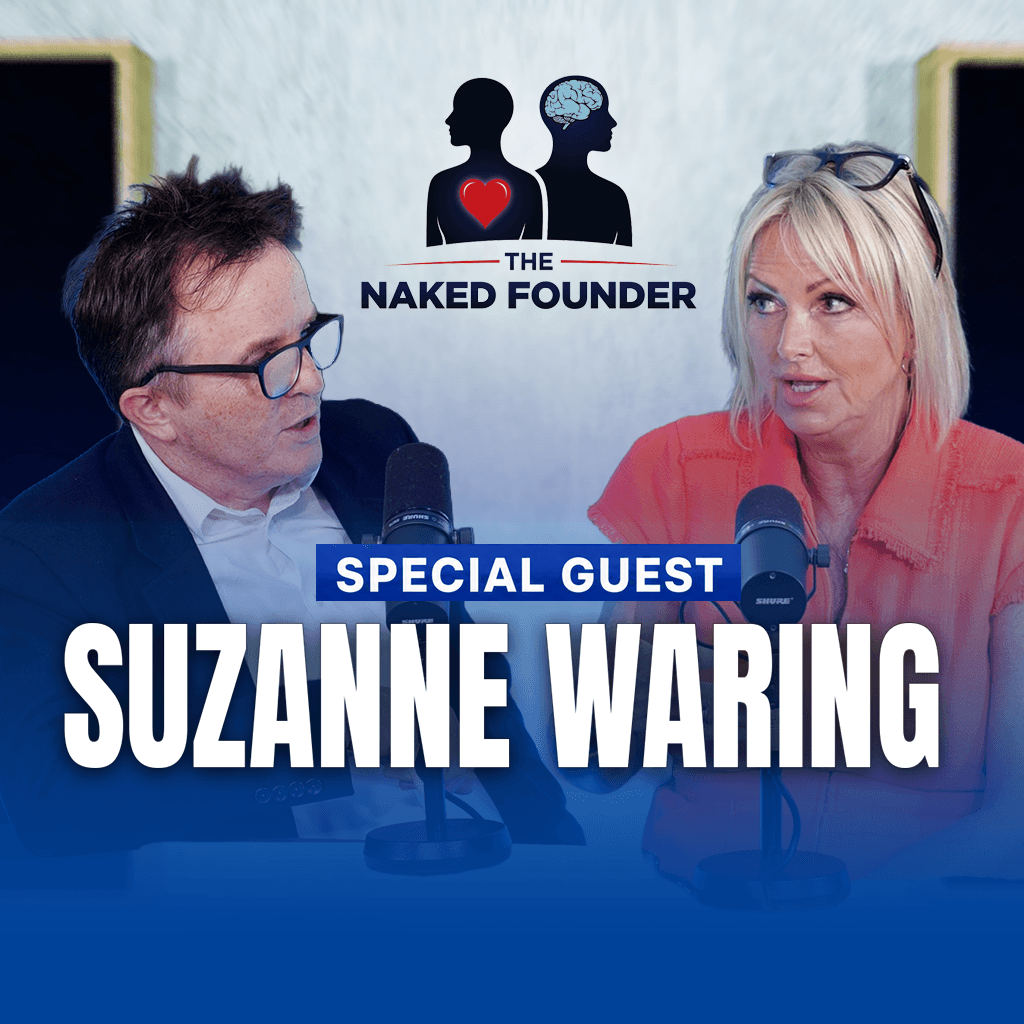
Suzanne Waring, founder and managing director of Helping Hands Group, discusses building a long-lasting cleaning and home-care business through “straight-talking” rules around trust, honesty, and team accountability.
Guest background
Born and bred in Lancashire; mum of twin boys (Andrew and Mark). Worked at Lancashire Constabulary (non-police role) before starting a cleaning business in 1999. Grew up with a strong work ethic from “Grandma Lena” and her father Fred.
Key claims
Loyalty is limited; founders must be tough. Trust is central because staff hold keys/alarm details and enter homes. No agency staff; rigorous DBS checks, interviews, training, and adherence to systems. She rejects employing ex-offenders.
Notable examples
A cleaner allegedly tried to “hand over” keys/stop work while she was away; she contacted clients and the dishonest staff member left. During COVID, she furloughed staff then personally cleaned key sites when a long-term client stayed open. Business grew into four divisions: domestic/commercial cleaning, laundry/ironing, property services (power washing/gardening/clearances), and home care led by a registered nurse manager.
Written by AI. May contain mistakes. Listen to the episode to check what was said.
Chapters
Tap a time to open that second in VOFounding Insights: Tough Lessons
0:45 to 1:20
Suzanne shares the harsh realities of loyalty in business.
“Now we were speaking off air and I know you're a bit nervous which is contrary to everything everybody tells me about you as well.”
The Journey Begins: Starting a Cleaning Business
1:20 to 2:20
Suzanne discusses her motivations and early days of starting her cleaning business.
“So you're obviously doing something right.”
Balancing Motherhood and Career
2:20 to 4:00
Suzanne narrates how motherhood influenced her career decisions and business start.
“So you've got a little bit of OCD with your cleaning.”
Building a Team: The Key to Success
4:00 to 5:00
Suzanne emphasizes the importance of teamwork and responsibility in her business.
“and I went round and started cleaning for some of the local school mums, etc, etc.”
Unique Selling Proposition: Trust and Reliability
5:00 to 7:30
Discussion on what makes Helping Hands unique in the cleaning industry.
“followers in control of people's keys, their alarm numbers, the security of the home, and also just the general responsibility.”
Expanding Services: Beyond Cleaning
7:30 to 11:40
Exploration of how Helping Hands Group has diversified its services over the years.
“And the fourth arm of the business is really interesting.”
Home Care Services: Meeting Client Needs
11:40 to 12:30
Detailing the introduction of home care services to meet client needs.
“And I think a lot of people will be listening to this or watching it on YouTube and saying, here, here, you know, or have some more of that.”
Navigating Challenges: Staff and Trust
12:30 to 13:20
Suzanne shares a challenging experience with a dishonest staff member.
“It was early morning and a client stood at my front door.”
Resilience During COVID-19
13:20 to 14:00
Suzanne recounts her response to the COVID-19 pandemic and its impact on her business.
“And and this person has carried on and left the business.”
The Call That Changed Everything
14:00 to 15:00
Learn how a supportive CEO helped Suzanne pivot during challenging times.
“And then I got a telephone call from a CEO of a business that we had looked after for a very long time.”
Show all 15 chapters
Lessons from Grandma and Dad
15:01 to 18:09
Discover the foundational beliefs and work ethic Suzanne inherited from her family.
“Well, as I said at the beginning, I clean it every day myself in my own little way, but no, I don't.”
Valuing Honesty and Team Loyalty
18:10 to 20:00
Understand why Suzanne emphasizes honesty and loyalty in her business practices.
“so I know how hard they graft from for an industry like mine you would think that we'd have a lot of sickness, a lot of, you know, excuses, but we don't.”
Navigating Recruitment Challenges
20:01 to 21:38
Explore Suzanne's perspective on recruitment and the importance of hard work.
“No, we've got over 20 minutes into this interview and we've not mentioned AI.”
The Role of AI in Business
21:39 to 23:12
Unpack Suzanne's views on AI and its impact on her cleaning business.
“Have you thought about succession planning?”
Advice for Future Founders
23:13 to 24:16
Gain insights on surrounding yourself with the right skills in business from Suzanne's experience.
“If you were writing a similar letter of advice to a founder or to your younger self, Suzanne, what would you write?”
Transcript
Automatic transcript. May contain errors.0:00Welcome everyone to The Naked Founder podcast, a business podcast where nothing is hidden. Thank you to our sponsors, Martial, the home of money for women, and our producer Dan Brown of Renowned. Our guest today is somebody that I know you're going to love. Suzanne Waring is the founder and managing director of the Helping Hands group. If there was an award for speaking common sense, it would go to Suzanne Waring. Given that three quarters of businesses don't survive for 10 years, she's bucking the odds after 27 years in business. a mum of two twin boys. She started a cleaning business in 1999 and it's still going strong today.
0:33She's born and bred in Lancashire. This is her first ever podcast and she brings a new meaning to the term straight talking. Welcome Suzanne Waring. Hi Chris, how are you? Not bad at all. Thank you very much for asking. Now we were speaking off air and I know you're a bit nervous which is contrary to everything everybody tells me about you as well. But we always start every episode of the Naked Founder podcast with the same question. What didn't they tell you about founding a business that you wish you'd known? The biggest thing I found, I went into this business in a very naive way and I thought everybody treated everybody like I would treat them.
1:09So I found that I wished I'd known that there isn't a lot of loyalty out there. People do take advantage of you and you've got to be tough. Got to be tough. Yeah, absolutely. But you launched it. You're still here today. So you're obviously doing something right. I want to take you back to 1999. You were a mum to two twin boys, Andrew and Mark. You still are a mum to them, but they're not little boys anymore. You're working at Lancashire Constabulary. Worth saying, it wasn't a police role. You weren't a policewoman. Then you decided to set up a cleaning business. What was your motivation for doing that, Suzanne?
1:45Well, the main thing for me was I love a clean home. So I am a little bit OCD on the cleaning front. And how OCD are you when it comes to having a clean home? So I won't go out in the morning unless my house is immaculate and that all my cushions are right, that my washing's in, that there's no washing up, everything's stacked in the dishwasher. Everything's just perfect. So that when I come in at the end of the day I'm coming back to a lovely home. You've met my wife have you? Honestly you could be cut from the same cloth. So you've got a little bit of OCD with your cleaning. It helps my mind.
2:24It helps me start the day that. Yeah I know that bit's right so I can crack on. Okay so that's the premise from where you come from. So you decided to set up the cleaning business. Yes. Why was that? Because when I was pregnant with Andrew and Mark I was very at that time and prior to that I was very career minded. So my intention was always that I would go back to work with Lancashire Constabulary. I could work 12 hour days, no problem. We'd get a nursery, fill it off to chip in. But whatever I was going to. Fill your husband. Yeah, I was going to be back at work at Lancashire Constabulary. That's what I wanted to be.
3:00Yeah. As soon as I gave birth, literally on that table. Yeah. Well, bed. I said, I'm not going back to work. I want to be a mum. but I had to compromise somewhere along the line. So what am I good at? Well, I'm good at cleaning. In fact, I'm excellent at cleaning. And so I decided that I went back to Lancashire Constabulary for a short while, which was great. They were very accommodating with me. But I decided I wanted to be able to take my children to school. I wanted to be able to pick them up. So I had a career break for a while. Because people talk about flexible working. And back then, 1999, there wasn't any, was there?
3:37No. I mean, my boss, who was my boss at the time, she was amazingly supportive of me. But I didn't feel I could give that role with them what I'd given it before because I had that new little tug. So, yeah, so I decided to start. So I went down to school, said I'm starting a cleaning business. So they all looked at me and went, yeah, but you won't be cleaning. I went, no, no, me, a mop, a bucket, off we go. So off I went round the local area. I live in Mellor. Near Blackburn? Near Blackburn. and I went round and started cleaning for some of the local school mums, etc, etc. Me and myself, a mop, a bucket and a Peugeot one or six with a faulty front seat.
4:17Now that's the thing is, that's what I like because you started really from the bottom up. Yeah. And then you worked your way from there. That was the start of the Helping Hands group and you've been cleaning and maintaining domestic and commercial properties ever since. What makes your business different? What's its USP? Well, the main thing for my business is, and I gathered this from talking to clients over the time we've been going, is that my staff, my team work as a team. So when I was doing it on my own and I got busier, I then brought another girl on to work with me. In fact, she still works for me.
4:55And then we got a bit busier, so we ended up as a team of four. I was then in control, followers in control of people's keys, their alarm numbers, the security of the home, and also just the general responsibility. So that is my model. It's not the quickest fix for earning money, but it helps me sleep at night. And we are able to look after everybody's homes. And we just replicated that across the years. We tried. I say we, you know, my wife, we tried a cleaner once. Yeah. And we came home and we found our front door keys on the drive. Yeah. And we phoned up the cleaner and we said, have you still got our keys?
5:36And she said, yeah, I've still got them. I said, can you just find them for me? And she said, I can't find them at the moment. I think that. And then we said, look, we just found them on the drive. And because of that, because the idea of being burgled is talk about OCD. Yeah. Put you off. That's put me off for life. Yeah. Because it's bigger than it's bigger than cleaning. What we do is bigger than cleaning. It's about trust. So that's the responsibility that comes with your job. So you're not just a cleaner. And I don't say that in a disrespectful way. You're entrusted with going into somebody's house.
6:05And with that comes great responsibility. Now, the business today, Suzanne, there are four divisions to Helping Hands Group. So what does the company look like today? So the Helping Hands Group currently consists of commercial cleaning and domestic cleaning. Which was the original name. Yes. we then through need through client need we then branched out into laundry and ironing now I love a bit of ironing Chris do you like ironing? I love ironing what is it? can I just say I love ironing shirts nice lovely do you still do your own ironing? I do my own ironing not a lot Chris because I have a big ironing yeah absolutely but I don't I will do I'll do the ironing no problem my wife I love it hates it no I love it it's therapeutic is it?
6:51yeah What garment do you like to iron the most? A shirt. Oh, I love a shirt. Okay. Right. Okay. So you've got the ironing and the laundry business. Yes, I've got the ironing and the laundry business, and that's a commercial and domestic business that, you know, supports holiday homes or private clients. So we have that. And then we've got property services, which we'll go along. Again, client need, power washing, gardening. we support a lot of charities with helping with hoarders helping clear the homes and helping them we do so i've i've read about this that um mainly because my uh my auntie she was called in when somebody died and they needed to clear the house yeah they would bring her in bring her in with my mum they're twins and they'd go through it and they'd clear it and then you might find some things value in there yeah you know but some of the things they would find in there were amazing and i suppose you go into houses some of the things you can find in there there could be rats there could be all sorts of things as well as crown jewels you know there's all sorts of things you can find um and i was asked this morning actually i was at another network this morning and i was asked um by one of the ladies there do we actually dispose of things because she's a solicitor and they do a lot of that sort of thing yeah um apparently businesses out there now will do so much, but then they won't dispose of it.
8:14So we do the whole thing. You do the whole caboodle. OK. And the fourth arm of the business is really interesting. That's home care. Yeah. So so I started Helping Hands and initially it was Helping Hands Home Help Service where we would go in to the elderly client. Now, these clients, because I've been going for so long and I am so old, these clients came on probably 25 years ago in the 50s or whatever and they've aged and gone with me all the time and the family's just can you help them Suzanne mum's a bit infirm she struggles to get to appointments etc etc so I started helping hands home service which was literally bobbing in helping with shopping getting to appointments that sort of thing but we're very lucky where we're situated because the National Health Service is within my building where I work, our head office.
9:06And one day a registered nurse came in and said, I'm retiring two weeks from the NHS, but I don't actually want to retire. Have you got anything going? So that's where Paula came along, our registered nurse, who's our registered manager, who has changed the face of everything that we do with me. so we now offer full home care so we have clients who rely on us to go in three or four times a day because they've no family and we've got clients who maybe want you once a day once a week whatever we just tailor make it to suit what they need yeah i mean a lot of entrepreneurs the likes of steven violet talk about the fact that if they find the right person they'll find the role yeah even if the role doesn't exist and i get the sense that's that's you as well um so you've grown that business it just seems to me that you know you've evolved the business in the sense that what started off as a as a cleaning business then people say actually i need my grass cut i need my drive power washed um right up to the point actually that you know you do that for somebody but then they might not be able to get their shop in or they might have certain health care needs which you can meet so you employ two registered nurses five five assistants which is phenomenal so the business today employs over 40 staff you're turning over over more than a million quid.
10:23You employ all your own staff as well. A lot of cleaning companies. And I use the word low skilled. And once again, I'm carrying that by it's not a disrespectful comment as well. But in some industries, they'll go out and they'll do everything on a margin. You've got teams of minimum two to four people who go out on a job. You're completely bootstrapped as well. You just seem to be, you just seem to have a lot of non-negotiables. Would that be fair, Suzanne? Yes, absolutely. So yes, we're in business and yes, we want to make money. But equally, it's all about my reputation as well. I'm looking somebody in the eye and saying, you give me your home keys, your alarm number, your electric gate details, and I'll come into your home with a team of people and we'll clean it.
11:10Or you give me the details of your mother who's 95 and I'll send somebody along to look after her. That's a massive commitment from me. So therefore, But that is non-negotiable. Everybody has to be announced DBS jet. They have to go through a rigorous interview. They have to go through a training program. And they have to be accountable. They have to follow my systems and procedures. There's no negotiating on any of those things. My way or the highway. That's it. Yeah, and that's the reality of it. And that's why. Quite all-fashioned, Chris. Yeah, well, I would say that it's common sense. And I think a lot of people will be listening to this or watching it on YouTube and saying, here, here, you know, or have some more of that.
11:48A lot of companies, great companies like Timsons, Iceland, Greggs, they employ a lot of ex-offenders as well. You wouldn't go down that road? No, that's not on my radar. I don't want anybody who's dropped out the back of a prison van working for me. That's it. Because obviously it's your reputation at the end of the day. It's not to say you don't want to give people a second chance. Oh, absolutely. But let somebody else give them a second chance. Yeah, absolutely. Where my work's concerned. No, 100 % get that. It's been an eventful journey. And there was a time when you went away for the weekend and you found out that a member of your staff was trying to get rid of you from the business.
12:23Tell us about that. Yes. So I didn't actually go. The fortunate thing was, you see, I didn't go. So I was going somewhere. I can't remember now. And I didn't go. And I got a knock on my front door. It was early morning and a client stood at my front door. And she said to me, Suzanne, are you stopping working? And I said, no, I've just had this push through my door. so a person who was working with me thought haha she's off for the week I'll put these through to say basically she's going to stop doing what she's doing if you want to give me your your keys and arrange for all that we'll pick up and carry on the cleaning what was amazing was obviously at the time it was a shock but I spoke to every client I rang every client and said that's not happening but the majority of them like well I we don't want somebody dishonest we wouldn't dream of moving away from you because we don't want somebody dishonest cleaning our home because actually that was just dishonest.
13:17Yeah. And so we moved on. We've carried on. Yeah. And and this person has carried on and left the business. Yes, absolutely. But it just goes to show it's things you can't understand. Well, you can't envisage happening when they happen. You have to make a decision. Yeah. You have to make it quick as well. So you you you've had highs and lows during During COVID, you picked up the mop and bucket again and you went in and you cleaned homes as well. Just tell us about that period of time. You will roll up your sleeves. Yeah. So COVID came and initially with COVID, there was no part time furlough and all that.
13:55It was shutter open. So we shut because everybody sort of reacted and closed the front door or the work. And then I got a telephone call. So I furloughed all my staff. And then I got a telephone call from a CEO of a business that we had looked after for a very long time. And they were a massive supporter of me right back in the beginning. And he said to me, we're staying open because we support the ambulances, the food delivery vans, et cetera, et cetera. I need all these sites cleaning. So I thought, well, Suzanne, there's only one thing to do, get cracking. So in the morning, I would go out and I would go around all these sites and I would clean them to the best of my ability until we came to a point where it was part time furlough.
14:44And then we could slowly introduce the staff back. But the biggest thing there was if I don't do it, somebody will do it. And at the end of the day, when it's all over with, I want him not to say to my well, Susan, unfortunately, this company stepped in when you didn't. Yeah. So that was no choice. you just get on. Okay, do you clean your own house? Well, as I said at the beginning, I clean it every day myself in my own little way, but no, I don't. I have my teams in twice a week. Okay, and if the work's not up to scratch? Oh, the work's always up to scratch. Always up to scratch. It's always up to scratch, Chris.
15:21Now, you come from a family of grafters, female grafters as well. Yes. And that's where your work ethic comes from. Yes. Who do you look up to in particular? Who My mentors within my family, I had a wonderful grandma, Lena, who I spent most... Did you call her grandma, Lena? No, I just called her grandma. Okay. Called her what? Grandma. Grandma, okay. Yeah, I called her grandma. That makes sense, yeah. What did she teach you? She was lovely. So she was always busy. So she came from a background of working in hotels, her family owned hotels and pubs back in the day, around Blackburn and Clitheroe.
15:59And so she was a grafter, my grandma. And so she taught me to cook. She taught me to clean. She taught me to, I'm going to laugh when I say, she taught me to knit of a fashion. She didn't teach me to sew. She used to sew everything I had to produce in sewing class because I just can't sew. What does knit of a fashion mean? Knit of a fashion. Well, sort of knit. So she cast me on and she cast me off and I could do a scarf. That's as good as it got, but I was quite proud of it. Can you knit today? If somebody casts me on and somebody casts me off. Right. If you cast me on and you cast me off, I'll knit away for you.
16:34I wouldn't know how to do it, but if I do know, I will come back to you as well. Now, I was told one of your... Oh, yeah. So, Grandma Lena was one of your mentors. Yeah, and my dad. Your dad, what's his name? My dad was called Fred. Yeah. And he passed away in 2017, but he was perfect. Was he? Yes. What did you learn off your dad? What did I learn off my dad? Well, my dad was. He also was a worker. He was a very kind person. He was very straight. He was very honest. He was very fair. He was very loving, but didn't take any prisoners. And I spent a lot of my time with him. So would you say you're would that describe you?
17:17Hard, fair, doesn't take any prisoners? I don't take any prisoners. Yeah. And even my mum says to me now, gosh, you don't take any prisoners. I don't know. and I've got worse as I've got older. Yeah, there's nothing wrong with that. We all do. So I was told one of your mantras is always have a backup plan. Another one is failure is not an option. Employ the best people, follow the rules. You've got a lot of mantras. I mean, what's your golden rules of business? My golden rules? Honesty. I think the biggest thing for me is honesty. When I see a potential client, I am honest with them. when I deal with my team or liaising my team or work with my team I'm honest with them I say as it is honesty and trust are my biggest my biggest thing for me um the two biggest things in my business are my team because they work very hard they're at it from 4am and I've been that person so I know how hard they graft from for an industry like mine you would think that we'd have a lot of sickness, a lot of, you know, excuses, but we don't.
18:24We have a lot of reliability. Do you work after you look after your staff? I look after them. And that's not always by throwing money at them. But there's lots of things issues staff have. And they always like to listen and help if I can. So my team is paramount, as are my clients. You don't employ any agency staff, do you? None. No. No. Reason being? Well, because I like to know the team. I like to employ the team. I like to know everything about them. So an agency staff drifting in and out, well, there's no loyalty there. They're not bringing anything to my party. They're going to turn up and not know what they're doing.
19:01They're not going to be trained to the standard that I want them. So there's lots of reasons why I don't. What's your experience of recruitment? It's hard because nobody wants to go to work. So they all want handfuls of cash, but they don't want the graft. So it is hard. so we the way I recruit is I put an advert out so we might advertise on Facebook we might advertise on Indeed and then we get all these CVs that come in so we invite them all to an interview and then probably half of them if we're lucky they'll turn up and then we take it from there and we take them through taster days working out on the team because they have to understand if anybody thinks well I'll go and do that job because I can't do anything else they're out working under this you You know, the guidance of a supervisor all day and it's hard graft.
19:49There's no leaning on a mop, having a chat and a coffee and a quick cigarette because that's what we don't do. So we step into a client's home. We are cleaning. We step out. They're back on my time. And that's that's how it works. Yeah, it's straight talking. There's no ambiguity there. No. Well, they can't be, can they? No, we've got over 20 minutes into this interview and we've not mentioned AI. Yes. Do you use AI? No, I don't. Well, I've only just learned how to say chat GPT. I've been practicing that all week. So I have, I work with another Suzanne in my business. You can only have so many Susanns, but I work with another Suzanne in my business who's great at all things AI, social media.
20:30She's wonderful. So I thought, ooh, I'll have a little go. So I wanted to follow up a client because I don't like hounding people when I've done proposals for them, but obviously you need to follow up. So I thought, I'll just have a look on chat GPT. and see for a bit of idea. So I read it and thought that is not me. I cannot type that. But it was great that it gave me food for thought. And I created them my own. But it has to come from me because that's what it's all about. We have a policy at Business Cloud. We don't ever use ChatGPT to write stories. We don't. I don't think we're using AI fully yet, but we're trying to.
21:10but where we use it we use it as a as an aid if you like to do some of the heavy lifting for some of the you know if you want it to run an eye over your content to check your spellings and your grammar yeah um it's just another system but it's refreshing in a way because ai is not going to clean someone's house is it but there will come a point where ai will embed itself in your business but not you're not going to lose staff because of it i don't think no no no that's not doesn't sit in with your values. So after 27 years, we were talking earlier, you said you'd recently turned 60, which I find hard to believe.
21:45Have you thought about succession planning? No. No. Okay. I haven't. Okay. I haven't. No, because I enjoy being in my business. I enjoy working. Yes, I have ideas. I have a son who works in my business. If I said Mark or Andrew? Mark. And if I said to Mark, oh wow Mark you could take over this he'd say I don't need the Agro Uvad yeah I don't want to do that but I enjoy doing what I do so he does all our scheduling our finance that sort of thing so the cleaning company came in to you Suzanne and said hey Suzanne love the business love your appearance on the Naked Founder podcast love to buy your business for X number of millions of pounds yes what would you say I'd say well come in sit down we'll have a chat have a brew have a brew have a brew have a biscuit but I'm not I'm not done I've got a lot more to do yeah and a lot of people we interviewed somebody recently on the show and they retired at the age of 40 but they found they lost their identity on the back of it my dad retired at 77 did he?
22:46he worked till he was 77 and he always says it was the worst thing he ever did what did he do? so my dad worked in the aerospace not for British well he worked he started at Bristol Street Motors I think in Accrington worked at Change DEC then he worked for aerospace and then at 77 he retired and he would have said that's the worst thing he did he enjoyed going to work he enjoyed meeting different people the different ages all that keeps your brain going you're a youngin then i'm on here boy you're a youngin um the naked founder podcast always ends with the same question yeah um and it's hard to believe how quickly this podcast has gone it's flown it does and that's always a good sign so there's a tradition in the u.s where the outgoing president will write a letter to his or her successor.
23:30If you were writing a similar letter of advice to a founder or to your younger self, Suzanne, what would you write? Well, so as I said right at the beginning, I didn't plan to have this business. That wasn't the great plan. So I didn't have a big plan. But I would say to anybody starting in business, immediately you get going if you can surround yourself with skills that you don't have you will move a lot faster if you surround yourself with skill and i didn't do that i after latterly we have done but at the time i didn't because i wasn't i wasn't going to be making this big business we were just we're just doing a bit of cleaning yeah um but if you were doing it now surrounding yourself by people who are better than you yeah in a lot of areas and you be good at what you're good at and let them bring what they're good at to the party yeah so 27 years in i mean if i went into your office yes would the staff be around you be better than you now the staff around me would be in their areas yes yeah we've got a lot of growing to do but there's like i was saying that the other suzanne in our office very knowledgeable very skilled and what i love is i don't need cleaning experts i want to have people surrounding me who suzanne comes from the travel industry she's she's been a business manager in a school but she's bringing a lot of life experience into my business and knowledge and i like that i sense life experience is a big quality that you look for yes yeah okay well listen you bring lots of life experience to the naked founder podcast that's all for this episode a massive thank you to suzanne i hope you've enjoyed it if you have please tell your friends and family to subscribe as always my name is chris mcguire
From the publisher
Suzanne Waring is arguably Britain’s most straight-talking boss.
She’s the managing director of The Helping Hands Group in Lancashire and says honesty and trust are her absolute non-negotiables.
It’s the reason why she’ll never employ ex-prisoners or agency staff.
“I don’t want anyone who has dropped out the back of a prison van working for me,” she said. “Let someone else give them a second chance.”
She tells The Naked Founder podcast that recruitment is hard because people don’t want to work. “They all want the handfuls of cash but they don’t want the graft,” said Waring.
The mum of twin boys was working for the police when she decided in 1999 to launch her own cleaning business.
Twenty-seven years later, The Helping Hands Group has four divisions, employs 40 people and has a turnover of more than £1m.
In this episode of The Naked Founder podcast, she also talks about:
- How a member of staff tried to take her business
- Why she’s not interested in succession planning
- How she rolled up her sleeves during Covid to get cleaning
- Being OCD when it comes to her own house being tidy
- Why AI will never replace a personal service
The Naked Founder is sponsored by Financielle and produced by Dan Brown of Renowned.