 Ask ChatGPT



Democrats overperformed across the South in a midterm election, driven by historically high Black turnout and differential Republican vote losses; Mississippi’s Senate race was the most historic example.
Abzal El-Sayed (Democrat, former Michigan health official; discusses treating Trump as “unserious”); Domenico Montanaro (NPR senior political editor/correspondent); Stephen Fowler (NPR politics reporter); Miles Parks (NPR voting reporter). Also cited: Ken Martin (DNC chair), Arika Bennett Scott (Mississippi Votes organizer), Sen. Raphael Warnock (Georgia Democrat).
Black turnout hit near-presidential levels in majority-Black counties; Supreme Court voting-rights/gerrymandering rulings energized voters; viral candidate messaging and affordability themes mattered.
Mississippi’s Scott Colom (first Black Mississippi senator since Reconstruction) beat Cindy Hyde-Smith; Democrats flipped NC, SC, and TX Senate seats; Georgia elected first Black female governor and swept statewide offices; North Carolina saw Republican “shellacking” and down-ballot effects.
Written by AI. May contain mistakes.
Discussion on the shocking victory of Democrat Scott Colom in Mississippi.
“And I'm Domenico Montanaro, senior political editor and correspondent.”
Exploration of Scott Colom's background, his campaign strategies, and key moments.
“I feel like a lot of people were hearing about him nationally for the first time in the last week.”
Examination of Democratic performances in other Southern states during the elections.
“And Republicans would need to really see declines in the number of Republican voters.”
Hosts discuss the most surprising results from the elections and their implications.
“Now, listen, there are 254 counties in the state of Texas, okay?”
Learn how recent Supreme Court cases influenced black voter turnout in the South.
“Well, that's what I was going to say, digging into the sort of why, of why we saw what we saw last week.”
Discover how community organizers are combating voter suppression efforts.
“Like we've got a history of pushing back on systems that don't work for us.”
Understand the historical significance of voting rights discussions in Southern states.
“Some states, they tried it and it was held off.”
Explore how perceptions of voter suppression can spike electoral turnout.
“Well, I mean, you know, Mississippi is one of the most restrictive states when it comes to voting practices.”
Examine the potential changes in the political landscape of the South.
“Is this a sort of once in a blue moon political moment that decades from now we're going to look back on and be like, that was crazy?”
Examine the potential changes in the political landscape of the South.

Get the gist, explore an idea or ask about something said.
 Claude
On The NPR Politics Podcast, what are the key points of this episode?
Searching your listeningAutomatic transcript. May contain errors.
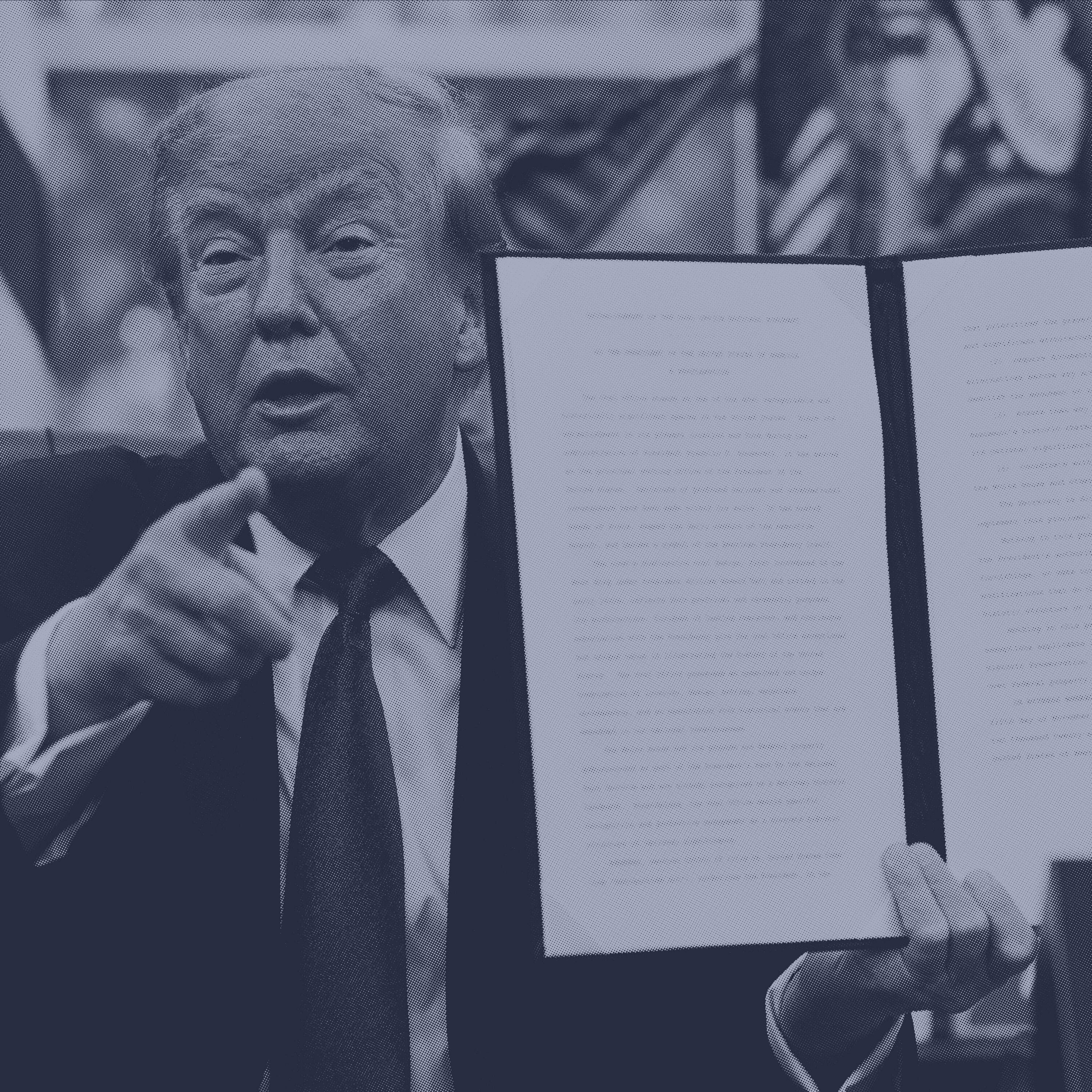
0:01This week on NPR's Newsmakers, Democrat Abzal El-Sayed says his party should treat the president as the, quote, unserious fool that he is. Can the incoming senator and his colleagues also work with the president? I dare Donald Trump to veto. I dare him.
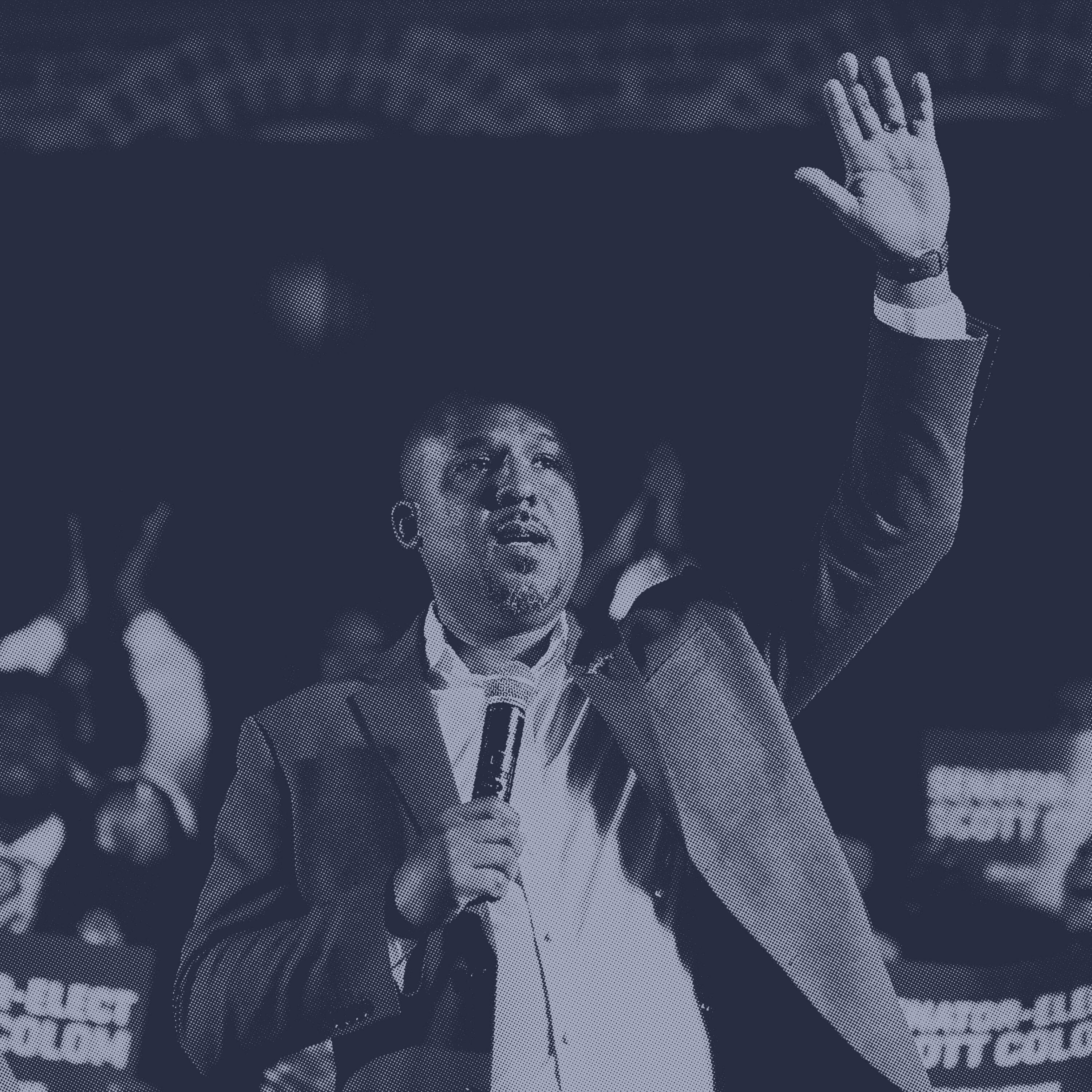
0:23For the first time in more than 40 years, Mississippi is sending a Democrat to the U.S. Senate. And for the first time since Reconstruction, that senator is black. It's part of a bigger story. Democrats riding historic black turnout in the South to shocking results across the region. Let's get into it.
0:44It's the NPR Politics Podcast. I'm Miles Parks. I cover voting. I'm Stephen Fowler. I cover politics. And I'm Domenico Montanaro, senior political editor and correspondent. And let's just start right there with Mississippi. This race was just called more than a week later because it was so close with Democrat Scott Colom winning over incumbent Republican Cindy Hyde-Smith. How shocked are you by this result, Domenico? I mean, it's pretty shocking, right? I mean, and I know that Scott Colom is upset with the media and the prognosticators, something that he's made a point to say. I remember about a week before the election and someone asked me, do you think Scott Colom is going to win?
1:21Is he going to pull it off? I said he's a really good candidate. Right. It's I would have a really hard time believing that he's going to win. I think it's going to be a lot closer than people think it's going to be. But I said, if he's winning, if he wins, that means we're talking 56 seats for the Democrats. And that's where we're at. Right. It is eye-opening, mind-boggling, whatever you want to say about it, because Scott Cologne will be the first black senator from Mississippi since the direct election of senators. Considering the civil rights history of the South and Mississippi in particular, it is a historic, historic event.
1:59Steven, let's just talk a little bit more about Cologne in terms of who is he as a candidate, because there wasn't that much national media attention on this race. I feel like a lot of people were hearing about him nationally for the first time in the last week. Yeah. So I went to Mississippi to a campaign event that Scott Colombe had with former Vice President Kamala Harris in October. He's a district attorney, and there actually is a world in which he would never have run for Senate. He was appointed during the Biden administration to a lifetime federal judgeship. That was blocked by one Cindy Hyde-Smith.
2:35She had opposition to some of his stances that she held up as nomination through the blue slip process that people talk about. And so he had his nomination lapse. He was not a federal judge. And then he turned that into running against her. I mean, he has a long history in Mississippi. He has family that was elected officials, very involved in the community, very involved in politics. And he ran a campaign that was largely focused on the cost of living and affordability. Stop me if you've heard that before as a theme. But in Mississippi in particular, a lot of the traction that he got came around his viral campaign ads, including one that took a clip of Cindy Hyde-Smith talking about rising beef prices and saying that maybe voters should just pick a different protein.
3:25And it came to this very viral ad where there were a lot of Mississippians grilling and eating and other things that said, pick another protein. I'd rather pick another senator with some more colorful language thrown in there that we can't say on the podcast. Right. And so this is part of a bigger trend, though, across the South where you are based, Stephen. Talk us through the broader results that we saw last week across the South. Democrats did well, not just in Mississippi. They flipped a Senate seat in North Carolina. They flipped a Senate seat in South Carolina. They flipped a Senate seat in Texas, if you want to count Texas as part of the South, though that's a different pod for a different day.
4:00I mean, Georgia elected its first black female governor, won every statewide elected office. In Texas, they won every statewide office. You had redistricted House seats in Alabama, where the Democrat held on. And so it is one of the best Democratic performances, especially in the South, in recent history. I mean, I talked to Ken Martin, the Democratic National Committee chair, and he said just across the board, there were stunning results. And we crunched some numbers. And in just a handful of states, Louisiana, Mississippi, Alabama, Georgia, North and South Carolina, they swung to the left by 22 points on average.
4:40The rest of the country was only a mere 15 points. So a lot of the gains, a lot of the power, a lot of the eyebrow-raising results are concentrated in the South. Look, South Carolina is a state that Trump won by 18 points. Mississippi is a state that Trump won by 23 points. So how does that happen? Well, Democrats would need presidential-level turnout, particularly among black voters. And Republicans would need to really see declines in the number of Republican voters. Both things happened. When you look at the raw vote totals, you know, Scott Cologne was near or at or exceeded presidential level turnout in the major counties with heavy black populations.
5:22So that's number one. Number two, when you look at the let's say the top 10 places that Trump got the most votes in Mississippi, I added up those numbers. Cindy Hyde-Smith was only getting between 50 to 70 percent of Trump's totals. She lost out on 120 ,000 votes. She had 120 ,000 fewer votes just in those top 10 Trump vote-getting counties. And that was a similar story that we saw across the South. Is Mississippi the most surprising result from last week? I know I don't want to make you rank them, but I kind of want to make you rank them because there are – you just listed out of all of those.
6:00there were so many surprising results, Stephen. I'm curious for both your perspectives on the one that is the most shocking to you. You know, for me, I'm going to say no, because I was in Mississippi and I talked to voters who were angry at the system and angry at the status quo. I was there for the rally that had people lining up hours before. To me, the surprise was the utter collapse in North Carolina of the same thing that Domenico talked about. Democrats showed up more. Republicans stayed home in large, large, large droves. I mean, there was a statistic that said that if Roy Cooper, the Democratic senator-elect from North Carolina, if he received zero Election Day votes, he still would have won.
6:38It was that much of a shellacking. And because of that, because Republicans pulled out money, there were down-ballot effects. And a map that, in theory, should have elected 11 Republicans and three Democrats is on track to elect 11 Democrats and three Republicans. It is just a complete and utter collapse of the Republican Party because of that differential turnout. So for me, that's the surprise, not Mississippi. Yeah, it's tough to choose. I would say Mississippi and Texas are like one in one a for me as far as the biggest surprises, because, you know, a lot of people are holding their breath about Texas on the Democratic side because they've you know, it's been a white whale losing the football, whatever you want to say about it.
7:20You know, where Republicans, there are just a lot of Republicans in the state of Texas. 10 million people voted in that election, just about 10 million people. And James Tallarico had to get more votes as a Democrat than any Democrat in history. Right now to throw a little cold water on some of this or at least to, you know, maybe just pace expectations when it comes to Texas. Even though he won by more than a million votes over Ken Paxton, the scandal-plagued attorney general from the state, he would have lost by about a million votes with this vote total in the 2024 presidential election, about half a million votes fewer than what Trump got in the 2020 presidential election.
8:02Now, that's not to say Tallarico wouldn't have more votes, right? Right. But when you look at Texas, and I crunched the numbers there, the top 10 Trump vote-getting counties. Now, listen, there are 254 counties in the state of Texas, okay? Just the top 10 places where Trump got the most votes, Ken Paxton got a million fewer votes in just those 10 counties. Places like Tarrant County, where Fort Worth is, he got 138 ,000 fewer votes. Harris County, where Houston is, 271 ,000 fewer votes. That's how you lose the state of Texas if you're a Republican and how you win if you're a Democrat is hitting and going above marks with black voters and with Latinos and with white suburban voters, which is what James Tallarico did.
8:50Yeah, it feels like this convergence of like candidate quality. These candidates were able to energize these key portions of the Democratic base combined with a historically unpopular president who was able to kind of keep a lot of Republican presidential voters from coming out. Which is why I think, you know, we're going to be asking whether or not this election was a massive asterisk or if a place like Texas could be potentially in play in 2028. And we think about a state like Mississippi, and I have to say, Mississippi, South Carolina, even though these places might be temporary holds for Democrats, because the next time this race will be up, we'll be in a presidential year, both of those.
9:30But they're six year terms. These aren't two year terms. These are six-year terms and huge miss by Republicans to not fire up their voters who stayed home. Well, just for what it's worth, my pick, most surprising result, South Carolina. I feel like not represented here in this conversation, but not even just the result that Annie Andrews won. For me, it's that it was called so early. My thinking was that if Democrats did pull it off in any of these deep red states, it was going to look like Mississippi or it was going to be a week later. We're counting provisional ballots. It's going to be really, really close.
10:00That was the one where I was like, whoa, feels like polls just closed and that race was getting called. OK, let's take a quick break and more on this historic black turnout in just a moment. Stay tuned for the following announcements and messages from our sponsors. At NPR, there's a little something for everyone. If you need advice for that big life change, try listening to Life Kit. If you want to know more about that new TV show, check out Pop Culture Happy Hour. And if you want to dive deeper into your favorite podcasts and enjoy perks like bonus episodes, archive access, and more, check out NPR+.
10:33Find out more and support the shows you love at plus.npr.org. This week on Here and Now Anytime, the spy scandal rocking NVIDIA exposed how lax the government has been in forcing its ban on AI chip exports to China. Also, meet the scientists studying kids who claim to have memories of past lives. You know, a toddler talking about a traumatic death is surprising to a lot of parents. Here and now, anytime. Listen on the NPR app or anywhere you listen to podcasts. Support for NPR and the following message comes from the Robert Wood Johnson Foundation. RWJF is a national philanthropy working toward a future where health is no longer a privilege, but a right.
11:14Learn more at rwjf.org. And we're back. So, Stephen, I want to dig more into this historic black turnout that we saw in this midterm election. Black voters tend to vote Democratic. That has been the case for many decades at this point. But this group of voters turned out at historically high rates. What can you tell us? Yeah, looking, I want to go back a little bit to special elections and primary elections before we got to November. There were signs that black voters in the South were very keen on showing up to vote and to vote for Democratic candidates. So this has been building. But now that we have this election behind us and these results, I mean, we have some pretty shocking numbers here.
11:59Just looking at Mississippi, you know, Scott Colom got 7 ,000 more votes than Vice President Kamala Harris did in the entire state. Total. Like there's not a percentage. He just got 7 ,000 in a midterm year, got 7 ,000 more votes than the Democratic candidate for president. And he won by more than 5 ,000 votes. So you can directly draw the line to increase black turnout, increase Democratic support to him being a United States senator. In other states where you had these blowout victories like Georgia and North Carolina, you know, black voter turnout contributed, but not in the same way. I mean, if you look at the majority black counties in the South, in the black belt that spreads across Georgia and Alabama and Mississippi, you had much higher turnout, much closer to presidential turnout than majority white counties.
12:48You have 152 counties across these six states in the South that I mentioned earlier, where the Democratic Senate candidate got more votes than Vice President Kamala Harris did. And many of them are in majority black counties. So what you had was extreme enthusiasm that made measurable impact in a lot of races and really in how people think about the South as well. You know, when you look at the top five counties in Mississippi with the highest percentage of black voters, Scott Cologne was at near or exceeded presidential level. Claiborne County, Jefferson, Holmes, Tunica, Humphreys. It's really quite shocking that that was what was able to happen.
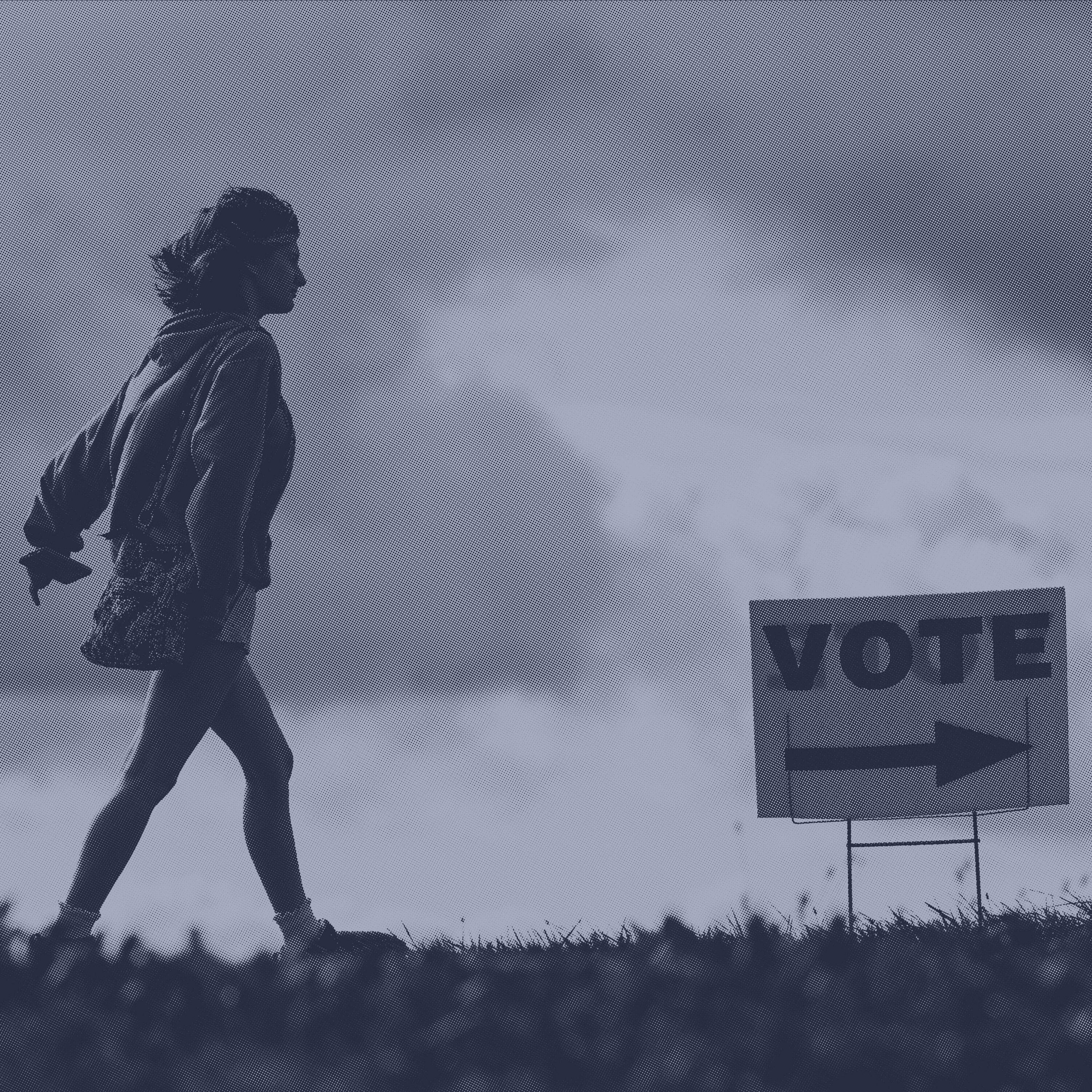
13:36You needed black turnout to be at presidential levels for Scott Cologne to do well there. And he did. And a lot of that has to come down to, number one, being fired up by a candidate who did go viral and was, you know, seemed like a real person who was authentic from the state. But also, you know, not to mention the national environment, but also the Supreme Court, right, and the case there. Well, that's what I was going to say, digging into the sort of why, of why we saw what we saw last week. It does feel like that Supreme Court case, which came out in April, was considered by many voting rights experts to have basically gutted the Voting Rights Act.
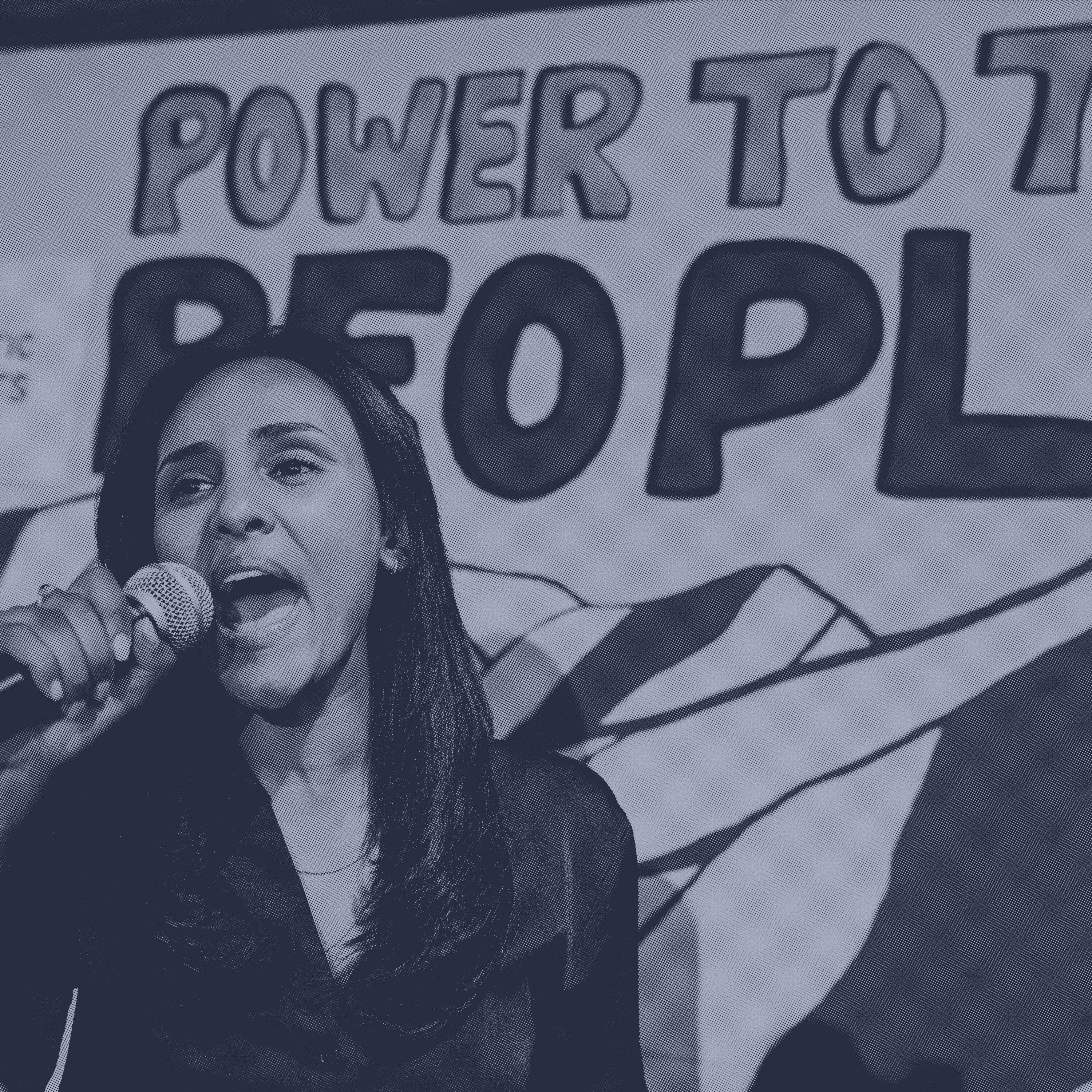
14:14It played a big role in energizing the black community. I was just talking this week to an organizer there, Arika Bennett Scott, who runs a nonprofit called Mississippi Votes. And I asked her directly, why do you think black turnout was at such historically high levels this week? You're not going to tell black people you're going to dilute their voting power by redistricting, especially in a place like Mississippi, where all we do is resist. Right. Like we've got a history of pushing back on systems that don't work for us. Stephen, did the Supreme Court's decision come up in your reporting as well?
14:44Everywhere that I went in Mississippi and Arkansas and Georgia, this was something that was mentioned time and time again. I was talking to an organizer in Louisiana where the Calais decision was based, and she said that they saw just unprecedented level of people. It was like a switch was flipped, that they were like, oh, you know, this is real. This is directly affecting, you know, my right to vote and things. And you also have to consider in the aftermath of the decision, you saw multiple Republican-led southern states rush to redraw their House maps in order to gain partisan advantage that in almost all of those cases ended up diluting black voting power.
15:27Some states, they tried it and it was held off. In Mississippi, for example, there was talk of redrawing things after the midterm election. So time and time again, everybody that I talk to from people that are super involved in politics to kind of, you know, person on the street mentioned that to a T. And another person that I talked to who's not surprised about this at all, Georgia Democratic Senator Raphael Warnock. I spoke with him last week after the election. He spent a lot of time in the South campaigning and fundraising and speaking out about this. And this is what he said. We're at an inflection point.
16:02This is more than an election. It's a moral moment. And the central question is, what kind of nation do we want to be? So he said that, you know, for black voters in the South, and it's important to note that what we're seeing here is really concentrated in the South, where a lot of the civil rights movement happened, where a lot of these, you know, there are people still alive who participated in the civil rights movement, that the midterm election was about Donald Trump and about affordability and gas prices, but really it was inherently about what it means to be an American and have your vote count.
16:36Well, I mean, you know, Mississippi is one of the most restrictive states when it comes to voting practices. There's no early voting at all. No online voter registration either. I mean, of, you know, the states that have more access have more participation, right? But when you put in place these kinds of things and groups feel particularly targeted, that has the possibility and has happened before to backfire on the people in power. It happened in Georgia. I mean, Stephen lives in Georgia and understands that and certainly lived through that. And that was certainly the case here in Mississippi, it appears as well.
17:14Yeah, it's so interesting. I feel like when the Supreme Court decision was coming out around the gerrymandering, I did wonder, because we have seen that, that turnout does seem to spike at times when people feel like their voting rights are under attack. Gerrymandering, I wondered if it was like a little bit more abstract or academic where people wouldn't necessarily connect it. It's not as literal in terms of like, we're not telling you you can't vote. We're just making it so your vote matters slightly less or a lot less. And so it was just fascinating to me that all of these people seem to be really fired up about this.
17:42I want to turn to the idea of just sort of where does this go from here? Is this a sort of once in a blue moon political moment that decades from now we're going to look back on and be like, that was crazy? Or is this the beginning of a sea change for the South? I think if you look back even just, you know, five, six, seven, eight years ago, you look at a state like Georgia and people were saying, yeah, Georgia is a red state. Like, I don't know about it being purple. I don't know. And then now you've got Senator John Ossoff winning an 18 point reelection. Also crazy. I feel like that kind of got kind of buried.
18:1818 points is crazy in Georgia. 18 points. Keisha Lance Bottoms, who was expected to be in a tight governor's race, winning by nine points, sweeping every statewide office, control of the Public Service Commission. You know, nothing lasts forever. And I guess that goes both ways. But, you know, the South is an important political place. It's demographically where things are moving and growing and changing. You look ahead to the census, it's going to get more seats and more representation. The South is arguably in the driver's seat of the future of American politics. So will these results hold up in two years, four years, six years?
18:54Who's to say? But there's going to be a lot of time and effort and money being spent to influence things for sure. Yeah. I mean, the Sun Belt has been the fastest growing area in the country politically that has meant big changes, right? I mean, Arizona, Georgia, these were not places that were seen as places that Democrats could compete in previously. And they've now put them on the map as purple states, right? I mean, this is something that we're seeing throughout the South where these things change. Now, I don't know that a place like Mississippi is going to be a place that is truly competitive in a presidential election with that kind of higher turnout that's likely to be seen from Republicans.
19:38Will a place like Texas? I think Texas is the next sort of big state that a lot of people are going to be looking at as a potential place that could go one way or the other. I mean, Joe Biden in 2020 lost it by six, seven points. So that's, you know, it can be competitive. Again, though, you know, there are still a lot of Republican votes that didn't get cast in this election, which I think will make it a lot tougher for Democrats in a presidential year. But that said, you don't get there unless you put time and money into these places. That's what I was going to say. I feel like Scott Colombe, I'm hearing Scott Colombe in my head saying, well, no one spent money in Mississippi, so how can you say it can't be competitive?
20:22If you actually come and put resources, put time and energy, is it possible, you know? All right. Let's leave it there for today. And before we go, a reminder that new episodes of the NPR Politics Podcast come out every weekday afternoon, usually between 4 and 5 p.m. Eastern time. And the best way to make sure you get those episodes as soon as they're available is to follow this podcast on Apple. That means look for the big plus sign on our show page and on Spotify and on the NPR app. There's a big follow button that you can hit. Make sure you have the latest developments for your evening commute or washing those dishes for walking your dog.
20:55I'm Miles Parks. I cover voting. I'm Stephen Fowler. I cover politics. And I'm Domenico Montanaro, senior political editor and correspondent. And thank you for listening to the NPR Politics Podcast.
21:12Stay tuned for the following announcements and messages from our sponsors. Happy fall! Yes, the days are getting shorter and colder, and the rain can be a drag. But this is also the perfect time of year to get cozy. LifeKit has lots of ideas so you can embrace the change of seasons, with episodes on everything from making soup to exercising outdoors. Listen to the LifeKit podcast in the NPR app or wherever you get your podcasts. Money is one of the biggest sources of stress in our lives, no matter our paycheck. This is Fresh Air's Tanya Mosley, and I spoke with journalist Mona Chalabi about how financial secrecy impacts us all.
21:52I think in this country, language around class is just so stunted. And it allows us to hide because we're not being specific. Listen on the NPR app or wherever you get Fresh Air.