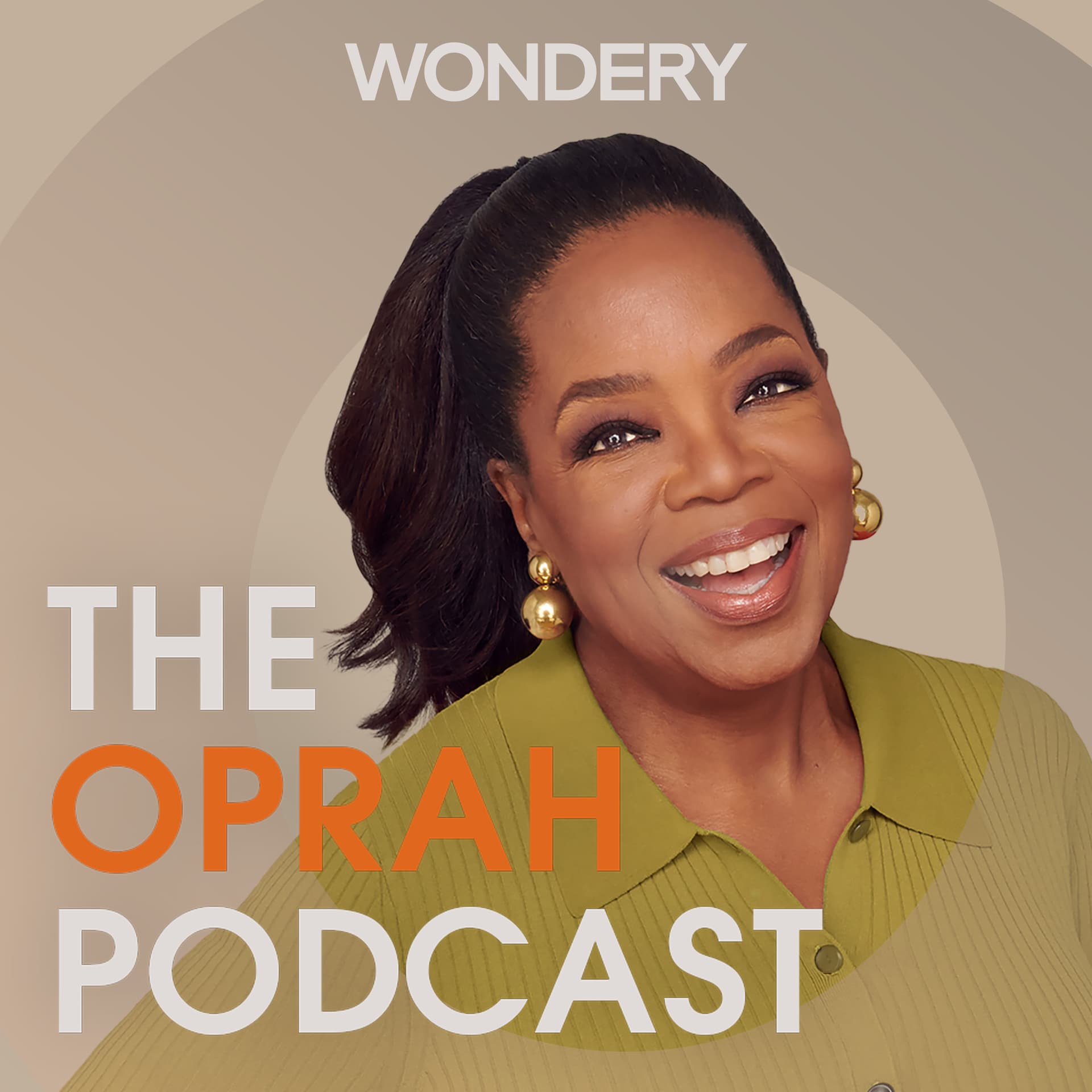
In short
The episode explores personal transformation through embracing change—specifically Shonda Scott’s “Give Me a Year” challenge of trying 12 new things (one per month) to move beyond comfort zones, manage fear, and build a life you love through openness, writing, and responsibility.
Guests (backgrounds)
- Shonda Scott: Award-winning entrepreneur/CEO/thought leader with 20+ years turning ideas into action; worked with Uber, Comcast, BET, Kaiser Permanente; creates economic opportunities in underserved communities; wrote Give Me a Year.
- Jason McBride: Writer of “How to Create a Life You Love, No Magical Thinking Required”; former lawyer who left a prestigious career after years of misery.
Key claims
- Change your life by changing yourself; transformation can be big or small.
- Writing heals and clarifies goals (dreams, fears, plans).
- Control what you can: attitude, effort, and love.
- Failure is a “misstep,” not a permanent identity.
Notable examples
- Shonda’s dream fear challenge: flying on a small sea plane to the Maldives.
- “Dinner with 12 strangers” (UCLA alumni tradition) as a favorite chapter.
- Jason leaving law after 9–9.5 years; he practiced while physically ill (morning vomiting).
Written by AI. May contain mistakes. Listen to the episode to check what was said.
Chapters
Tap a time to open that second in VOEmbracing Change: Shonda's Journey
0:45 to 2:15
Discussion about Shonda Scott's journey and the inspiration behind her book.
“And it's not as hard or complicated as you think it is.”
Experiencing Deep Disappointment
2:15 to 4:15
Shonda shares her personal experience of disappointment and how it led to her writing.
“I wanted to have thank you be the first words out of my mouth to you.”
The Power of Writing and Intentionality
4:15 to 6:50
Exploring the significance of writing and setting intentional goals for personal growth.
“I thought I wanted all my life and I put everything in place to do it.”
Dreaming Big and Overcoming Fears
6:50 to 8:12
Discussion on the importance of dreaming big and confronting fears to achieve goals.
“I'm the same with the firm believer of writing.”
Building Your Own Table
8:12 to 13:02
Shonda discusses her entrepreneurial mindset and the importance of representation.
“So every time somebody does something new, I tag it to 12 new things.”
Addressing Imposter Syndrome
13:38 to 14:00
Discussion on imposter syndrome among women, particularly women of color, and self-empowerment.
“And can you speak to, because I hear this from so many women, and also particularly from so many women of color feel this imposter syndrome.”
Overcoming Imposter Syndrome
14:00 to 17:04
Explore how to confront and overcome feelings of inadequacy and imposter syndrome.
“I personally have trouble addressing it because I've never felt it.”
Personal Growth and Self-Acceptance
17:04 to 22:30
Learn about the importance of self-acceptance and overcoming previous behavioral patterns.
“It's such an honor to join this conversation today.”
Putting Yourself First
22:30 to 24:48
Understand the significance of prioritizing self-care in a nurturing role.
“I remember years ago I had an expert on the show.”
Embracing New Experiences
24:48 to 28:00
Discover the benefits of trying new activities and embracing change in daily life.
“So if they take care of themselves, it's their, everyone else is going to be taken care of.”
Show all 15 chapters
Embracing Small Changes for a Better Life
28:00 to 29:28
Discover how small changes can enhance your daily experiences and relationships.
“Looking for something different to see on the way to work, doing something different with your friends.”
Jason McBride's Journey from Lawyer to Life Coach
29:28 to 30:46
Learn about Jason McBride's transition from a stressful law career to a fulfilling life.
“And you write that I've built a life I love not through manifestation or magical thinking, but through trial and error.”
Taking Responsibility for Your Happiness
30:46 to 32:48
Understand the importance of taking control of your life and happiness.
“I practiced law for nine years, nine and a half years.”
Redefining Failure as Part of the Journey
32:48 to 35:40
Explore how to view failure positively and as a stepping stone in life.
“You also write that you cannot control much in the world, but you can control three things.”
Making New Experiences a Lifelong Habit
35:40 to 38:00
Learn about the benefits of trying new things regularly throughout life.
“But once a month in 12 months, you can do.”
Transcript
Automatic transcript. May contain errors.0:00This episode of The Oprah Podcast is presented by our partner, Geico. So what was going on in your life? I was in a place of deep disappointment when I wrote the book. You want to tell us about it? And if you want to see change in your life and in your world, you have to change yourself. But it's easy to say, it's hard to do. Transformation doesn't matter if you do something big or do something small. It's just the openness that you need to have. Well, I'm so glad to be with you here on The Oprah Podcast. I'm in one of the greatest cities in the world, New York City, and you can feel the energy and the creative force here.
0:37Last summer, I read an article on Medium.com because the title really caught my eye. It was called How to Create a Life You Love, No Magical Thinking Required. It's by a writer named Jason McBride, and I shared it with my team because I just really appreciated his simple and powerful message that we all have the power to design or build a life that we love, no matter the circumstances. And it's not as hard or complicated as you think it is. So I said, I think this is a good conversation to start having for the podcast. So I'm going to talk with Jason a little later on. But my first guest I wanted you to know has done some really bold, daring things.
1:17And she says it is never too late and you are never too stuck. You're never too old. You're never too much or too little because as long as you live, you can always find new things to learn and new ways to find joy. Shonda Scott, an award-winning entrepreneur, CEO, and thought leader who has spent more than 20 years turning big ideas into action, working on major projects with companies like Uber, Comcast, BET, and Kaiser Permanente, while also creating economic opportunities in underserved communities. Some of Shonda's most meaningful work began with a challenge she gave herself back in 2019.
1:57For one year, try one new thing every month. Aha, that's an idea. What started as a personal experiment became a lifestyle, inspiring her new book, Give Me a Year, 12 New Things to Embrace Change and Live Your Best Life. Welcome, Shonda. Great to meet you and have you here. I wanted to have thank you be the first words out of my mouth to you. My mom wouldn't have it any other way that I would sit here and not thank you for using your platform and how you're doing to elevate authors, especially debut authors. That is so noble of you. Well, you debuted in a big way. I mean, give me a year is such a bold idea.
2:36And lots of people would say, OK, give me a year and I'll, you know, go hike Mount Olympus or give me a year. But you had 12 new things to embrace and change. So what was going on in your life? How did you come up with this idea? I was in a place of deep disappointment when I wrote the book. I had already started this 12 Do Things lifestyle based on doing something new each month so you can embrace change in fun, exciting ways to get you out of your comfort zone. But that was a fun social media experiment for me that I did with the premise of thinking, if you want to see change in your life and in your world, you have to change yourself.
3:15But it's easy to say, it's hard to do. So how do you make something hard to do fun and light? That's where the 12 new things came up from. But then when I was in this deep disappointment, I had an opportunity happen and the door closed immediately. God shut the door right away. And I had done everything. I had put everything in place. It was my dream opportunity and I was excited about it. And when it got shut down, I became deeply disappointed. And writing is how I heal myself. So I thought, now it's time to write the book. The fact that you're using the word disappointed and not depressed, because a lot of people would say I was depressed, I was depressed, I was depressed.
3:52But you recognize now that it really was your sincere, pure disappointment. And it could have been depression if I didn't have the tools of writing. So writing is how I heal myself. I say deep disappointment because it was just I was sad about an opportunity, but it wasn't something life threatening or shattering. You want to tell us about it? But it was hard. You want to tell us about it? It was like my dream opportunity. I thought I wanted all my life and I put everything in place to do it. And then everything had come to do the opportunity. And I probably prayed, God, be your will or something better for me.
4:29And literally the door shut. And I wasn't ready for that. And for me, I think it shook me because at that point in my life, in my career, I hadn't had that level of disappointment. So I wasn't expecting to feel the way I did, but it kept bothering me. I kept thinking about it. And a friend of mine, Maya, we went to dinner and talked about it. And she's like, you know, things happen, doors close, and years later, you will know. And at the same time, I'm telling her about how I'm thinking about writing this book. And I tell her, I decide to write the book to heal me. And as I'm writing the book, God tells me, me sharing these stories are not only just going to heal me, they're going to heal other people as well.
5:06So that's where the whole idea came for writing this book. And you went on, you went on adventures big and small over the course of a year. And what did that teach you, Shonda, about yourself? It taught me that transformation doesn't matter if you do something big or do something small. It's just the openness that you need to have. It taught me also that having these different adventures intentionally make the difference. Like once a month for a whole year, it gave me the intentionality to continue to pursue my dreams, to find joy, even in the midst of turmoil, even in the midst of unhappiness, even in the midst of all that's going on in the world, I could create joy by doing something new and different each month.
5:48I love that at the end of each chapter, you really have really delightful, helpful exercises. And I am a firm believer in writing things down. Maya always said that words have power. That's why she wouldn't let anybody say anything in her home. that she thought was improper, like somebody was telling a homophobic joke once. Maya Angelou came across the room, Shonda, across the room and said, be gone with you to the people in her home. Because she said, then we were all standing there shocked. And she said, not in my house because words have such power. I don't want to wake up in the morning and find one stuck in my pillow or in my curtains.
6:31And so the power of writing things down, here's a good one. you write, write down your dreams of what you really want to do, the changes you want to see, and in the next five years, places you'd like to visit or you've put off or put to the side. You write about that. I'm the same with the firm believer of writing. And in the Bible, it even says, write it down and make it plain on tablets. It's clear that the writing is how you actually take the dreams out of your mind, put them to paper. It's like in business writing. If it's not in writing, it's not a deal. It's not a contract. So it's a contract with yourself, but it also gives you the tools to come up with the plan on how you want to approach your dreams.
7:16I say five years because what you dream of you would do in five months is different than five years. So five years allows you to dream big. And it's important to dream big as we've seen from your life and everything else in life that if you dream big, the things you can manifest can blow your mind. Well, this is what I have found. That phrase I coined about God dreaming a dream bigger than you can ever dream for yourself. You can dream big and then surrender that dream to God's dream for you. And it becomes even more massive. I saw this happen over and over and again and give me a year. Actually, this time last year, we were working on the cover of my book and thinking of the title and we came up with the title, give me a year.
7:59I think at that point in your book club, you had said, this was the first time I did something new. After 109 book club selections, I have never chosen the same book twice until now. Eckhart Tolle's A New Earth, Awakening to Your Life's Purpose. So every time somebody does something new, I tag it to 12 new things. That's somebody doing something new. So I took that picture, a fake copy of my book, the title that I typed out because we didn't have the cover yet, and put it on in the middle of my vision board. So that was a case of writing it down and making it plain. And here we are. And like I said, then God does the rest.
8:37Yeah. And you know what happens with that? And I know we're going to talk to Jason later who said in his article that he didn't believe in vision boards, but I certainly do believe in the vision and also writing it down, making it plain, clarifies for you what the vision and the desire is. And what I have found is, is that God meets you exactly where you are and then expands it for you. I agree. Yeah. And I agree on the vision boards. If you just write a vision board and don't do action around it and don't take accountability, well, no, it doesn't happen. But if you use it as a fun tool or creativity, countless times you do the work and the work and the work.
9:15And this one about fears, because I think so many people are controlled by their fears. You say, make a list of your fears and things that make you uncomfortable. Start with one fear. Write the steps you would take to overcome it? You have to get it out. Like holding fear in your mind just locks it there. And oftentimes when you write the fear out, you look at the exercises that you want to do to overcome it. You come up with a plan. You realize what you had manifested as this big giant fear really isn't. So what was the fear you needed to overcome? So my fear was I don't like little bitty planes.
9:48I don't care what level of plane it is. If it's small, I don't like it. So I wanted to go to the Maldives is one of my new things. Yeah. And you can't get there without taking a small plane. And so I had to work myself through because one thing I'm not going to do is let my fear stop me because I know that on the other side of fear, there's so many wonderful blessings. And in this case, it was the Maldives. So I'm trying to, you're not going to let yourself get to the Maldives because now you have this fear of planes and you're supposed to be a woman of faith and you believe, but you're going to let this stop you.
10:19So I didn't, but I did blog about it. I did talk about it because I was scared the whole time because it's a small sea plane that goes to the Maldives. I thought it at least was low to sea level. I could see the sea. Not that it actually went thousands of feet in the sky. So the whole time... You thought you were just going to be skimming the sea. I thought I was just skimming the sea. But it worked out fine. I did it. And I've done a few other activities that have challenged me to get over my fear. I like that But you write on page 39, find your seat at the table, and if there isn't one, pull one up, or better yet, build your own table.
10:55How did you learn how to do that for yourself? So I'm a fourth-generation entrepreneur. The first, my great-grandfather is the one we attribute to the first. He was born into slavery, and then at emascapation, he became a developer and a builder in Colorado in the Rocky Mountains. So building is in my family. So the whole entrepreneurial mindset is in my blood. It's in my DNA. But as a business person, a businesswoman now, I'm in rooms. We do aviation, transportation, construction, all male-dominated fields. And I know the value of having a seat at the table. I know the decisions that have to be made and the voices that you bring to the table that aren't there and the importance and value of you sitting there.
11:37But then I also know that when you create the table, like you do here, you get to invite the people. You get to decide what platform and what resources are you going to provide to people in your community and other businesses. So my parents taught me that part of developing a business. I watched them grow their business. And vicariously, you have shown me the same thing. So I'm the firm believer if I see it being done, I know I can do it. It can be. Yes. Our listeners tell us that the podcast is resonating with you and is serving as a bright spot in your day. That means a lot to me. So here's the thing.
12:15I would really appreciate it if you like and subscribe to the Oprah podcast on YouTube or wherever you podcast. It's just a quick tap of the subscribe button. And that way you won't miss an episode in your queue. You don't have to pay anything. I know subscribe usually means you're paying something, but this time it means you just are notified when there's something new. There are many more to come that we're excited about, so thank you for watching and listening. Those of you who watch the Oprah podcast or listen to us, you know, every story we share, every guest we welcome is chosen with purpose.
12:51And when people share their stories, we're reminded that we're not alone in this journey called life. as the official insurance partner of the podcast. The folks at GEICO understand that the way we move through life and who we move through it with matters. And I know that life starts to move even faster as a new school year begins. Fall routines get underway, the calendar fills up, whether you're waiting in the school pickup line, loading up the car for a weekend getaway, taking a quiet drive home after a hard day, or cheering on your son or daughter from the sidelines. These moments remind us the road is not always a straight line.
13:28GEICO is there with insurance designed to help keep you covered along the way. Because life happens, and with the right support, we all just keep driving forward. And that, dear listener, is everything.
13:43And can you speak to, because I hear this from so many women, and also particularly from so many women of color feel this imposter syndrome. They feel, and we've addressed it several times on this podcast. I personally have trouble addressing it because I've never felt it. I felt, I've always felt if God made a way for me to be there, then I'm supposed to be there. I've always felt as what Maya says in her poem to our grandmothers, I come as one, I stand as 10 ,000. So I've always felt like, well, I wouldn't be here if I wasn't supposed to be here. But can you speak to that feeling that so many women in particular have about feeling like imposters?
14:26Well, if you're at the table in the room, you're supposed to be there. And I also understand if you're at the table in the room, you're supposed to use your voice. And I don't see it any other way than if the same way you see it, that is God has brought you there. You're there for a reason and you need to maximize the reason why you're there. I'm very spiritual and prayerful. So I know that everything that God provides for me, every circumstance that I've been in, has been a blessing. Right. So when I started out in TV, there was no woman, there was no black people, there was no... And so, but I thought God made a way for that and I'm supposed to be here.
15:03And you just keep going until God takes you somewhere else. Until God takes you somewhere else. That's right. And look where he put you. So it's so wonderful. And that's how I see. So I really don't have a deep understanding of where people get the imposter syndrome from. I have the full humbleness that I know that God is working through me. You obviously, in a male-dominated field, are in many rooms where there's nobody that looks like you and certainly nobody who has done what you've done who is female and also black. So a few things from my experience is that I always tell people, I don't see me.
15:37I come from the inside out. Like, I'm not looking at me. They're looking at me. So when I walk in the room, some of these men are just baffled how I approach them because one they're probably not used to it and one I'm not seeing me I'm just coming in and what the what the issues are we need to deal with I think that's so they are kind of tickled like who is this woman I don't I but I don't see myself so I don't even think about how they may be interpreting me thinking I'm a woman going into a male-dominated oh absolutely I was blessed to have a five women that have done extraordinary things, my mom included, that looked like me.
16:10So I grew up in a community in Oakland, California at a time where it was 50 % African-American. My parents helped get the first black mayor elected there. There were women there. So I had the blessed assurance from watching it in front of you and seeing other women model it for you that you deserve and have the right to be there. So I'm a firm believer that seeing it, it helps other people be it. So I absolutely attribute that that's why I approach it the way I do, because I saw other women that they've done extraordinary things. So I always expected that we had to do something extraordinary.
16:52But what you've done has even been beyond extraordinary, whatever we could have imagined. So it just helped reaffirm. It means it can be done. It can be done. It can be done. Charlene is joining us from Miami and she has a question for Shonda. Charlene? Hi. Hi. It's such an honor to join this conversation today. So I am part of a huge Filipino family. We're very close. And I grew up thinking that the good life meant being a good daughter, being a good student, a good partner, a good citizen. And my parents, wonderful parents who put so much to raising my sister and me, showed me how to show up for others, but not how to show up for myself because they themselves didn't know how either.
17:44So I focused on following the rules. I did well in school. I pursued a legal career. I tried to make all the right decisions and meet everyone's expectations. But that wasn't fulfilling me. as much as I thought it would. One of my biggest aha moments was that for most of my life, I'd been living with this deep unconscious drive to find the right answer and live by that right answer. And that right answer was always based on someone else's blueprint. And when it dawned on me that this is how I'd been living my life, like I sobbed for hours, feeling so much grief around how I had been living my life until then.
18:27But I also felt a huge sense of relief and a profound freedom around I can live my life however I want and that's okay. And so my question is, as I continue to charter, to chart my own path and lead this beautiful life I've been designing, how do I continue doing this for myself and not allow like old patterns and behaviors hold me back again? Thank you. And I want to tell you congratulations, because I am a recovering people pleaser and perfectionist. So I know it wasn't easy for you to just decide that you were going to start putting you first and loving your life the way you want to do it without worrying about what other people think.
19:17That is not easy. It's a giant. And I understand that. So congratulations. So it's a daily thing. Once you decide you're going to claim your life for your own and reimagine it for yourself, that doesn't just stay that way. You're renewing every day. The whole part about changes is continuing to go on. So sometimes when the old habits come up, there are ways for you. It's an indicator for you to maybe stop and take a pause and reassess. Am I still committed to myself as I said I was when I first made this commitment? Are there some things I need to change? Am I checking in on myself? I think we need to normalize the check-ins on ourselves.
19:57I start the day with prayer. I wake up early, so I check in with God. Then I check in on me. And then I check in on everybody else. But if I do it in a way, it's like brushing my teeth and washing my face. I become that dependent on it, like it's part of my self-care. Yeah, it's your daily ritual. My daily ritual. And I'm not okay if I'm not doing that. And I can actually see that 30 days after I haven't been doing it or a few days I miss, I can tell like old things come up or issues I need to look at. So I think it gives the old patterns allow you to just take a beat back and self-assess. Not self-doubt, just self-assess and double-check to make sure you're good and make sure you're still doing the things that you are committed to yourself to continue to do so that your decisions that you are making are ones based on that are best for you and you're not getting caught up in the routine of getting back in to doing everything for everybody else and not yourself.
20:56So I think the self-check should be part of a routine that we do and make it normal that that's part of how you brush your teeth and how you wash your face. All those things were things we were trained to do. So now we just have to train ourselves that it's okay to check on me too every day. To self-assess and to self-reassess. And it's okay because when, you know, you're changing a whole story, the whole story of your life, which isn't an easy thing to do. And that's why we both applaud you for that because that is the most courageous thing you will ever do in your life is to dare to live the life of your dreams and not somebody else's.
21:34That's where the real courage comes in for everybody who is a seeker and on the path to fulfill the meaning of their lives. and that takes real work and the old stuff keeps coming up just to show you how far you've come. One of the things that I use in my hiking now, when I'm trying to get to the top of the mountain or the top of the hill or wherever the goal is, many times I turn around and look back at how far I've come. So you need to also assess and look at how far you've come. Look at how different you are than that girl who was a doormat for everybody else, whose opinions were influenced by everybody else's opinions, and look at how far you've come and gain strength, because that's what you do when you look back at how far you've come.
22:16You see, whoa, I'm doing really better than I thought. Look at how strong I am. And that gives you strength and courage to keep moving forward. And that's what we both wish for you. Thank you so much. Congratulations. Thank you so much. Thanks, Charlene. Thank you so much. Thank you. I remember years ago I had an expert on the show. I think it was a life coach, Cheryl Richardson, who told our audience to put themselves at the top of their list. And it was so unheard of at the time. But you know this as well as I do, that as you begin to take good care of yourself and your cup gets filled up, you naturally then want to be there for others.
22:54You want to serve others. And you're able to do it in miraculous ways. Yes. And you could hear the women gasp in the audience when she said, where are you on the list? And you should be first on the list. women were like, boo, boo, she doesn't have children. She doesn't understand. And I said, people, she did not say abandon your children in the street. She just said, put yourself on the list. And now it's 2026. And we still need to learn this lesson. Why do you think that is? Because we've been conditioned for decades to do and think about everybody else and not ourselves. I have a colleague of mine.
23:33She did an assessment. They had her write down everything that she did in a day in 24 hours she did 25.5 things and she wasn't anywhere on there so theoretically she couldn't have even taken care of herself because every in a day so when you think yeah it's a wild moment too when you think because you write down everything in 24 hours if you don't get it done that means you're missing out on you yeah but we've been conditioned aren't as women to think because we're nurturers so they were able to sell us on now you have to take care of everybody and exclude you. But I think now that more of us understand the health ramifications that are coming from it, the wellness and depression and things that our women are having to struggle and deal with because we're not taking care of ourselves, I think the next generation will do a better job because we're sharing with them what we've learned.
24:25We're letting them know it's okay to take care of themselves and they are running with it. They will take care of themselves first in a minute. You don't have to tell them twice. Yeah, yeah. I think it's important to take care of yourself, but also be willing to extend some of that care to other people too. Oh, absolutely. Yeah, yeah. And I think there's a part that I'm, the assumption that I make is that women usually are taking care of everyone else. So if they take care of themselves, it's their, everyone else is going to be taken care of. It's just the fact that we often don't put ourselves first to make sure we're whole before we look out for everyone else.
25:00Of the 12 new things that you did to embrace change and live your best life? What are your top three favorites that you love so much? Well, one of my top favorites is I did dinner with 12 strangers. 12 strangers. That's my favorite chapter. Which was big for me because I'm very private, but then also the fact that you realize when you're with strangers, especially in a dining capacity, you often find you have more in common than you have different. Yeah, that's a chapter that you wrote on guess who's all coming dinner. Yes. Right. Yes. Right. So. So why did you want to do that? Have do a dinner for 12 strangers?
25:33When the Obamas left office, they started the Obama Foundation and they invited a few hundred people to come to launch it. And at the end of the summit, they had a community dinner. And at the community dinner, those of us who all knew each other, we couldn't sit at the same table. They strategically said everyone has to sit with some. They assigned us literally. And then people were trying to switch numbers. I'm like, no, no, everybody has to sit at a different table. So the dinner was such a great connection. And I hadn't thought about a dinner with strangers before and having it strategically done that way with that intention.
Read the full transcript
26:09We had conversations, like we had prompted conversations. One person led the table in discussion. And by the end, we learned new things about each other. But then we realized, you know, the common factors that we all had sitting together as strangers. So in my mind, And I felt, I want to do this. But I'm like, how am I going to have strangers in my home? Where am I going to find the strangers? Come to find out, for years I had been getting this email that I had just overlooked. But since I am now doing new things and open to it, I got an email from UCLA alumni. It does a dinner with 12 strangers.
26:39They have been doing it for 50 years. Although we all come from the same place of alumni association from UCLA, all of us are strangers. So I agreed to host one as one of my new things. and we all came together. We shared stories. We cooked our meal together. We had different teams of people cooking the meal and then we sat ate family style. Some of our stories were similar even though our backgrounds were different. So the whole tagline that I talk about in the book is that we came as strangers and left as friends. And so that experience, and I'd like to do it again. Next time I want to go as a guest and go to someone else's dinner and be one of the 12 strangers.
27:15And one of the strangers was someone that was my neighbor that we didn't even know each other. we met at my dinner and she didn't know where she was going. So that was one cave diving in the cenotes was one that wasn't on my list, but actually one I would recommend if you know how to swim. And then also my dream trip was Dubai, indoor skiing in Dubai. And I was able to do that as my 12th thing that I did the first year I started doing the 12th. But what I think those are all wonderful and adventurous things. And I thought when I read it, I thought, oh gosh, this makes me think about being more adventurous.
27:46I've always wanted to go to Bhutan. Maybe I'll do that. Okay. But for the people who can't do that, I love that embracing 12 new things to emerge and change and live your best life also talks about just going a different way to work, right? Looking for something different to see on the way to work, doing something different with your friends. What are the smaller things we can do that would allow us to feel like we've brought new changes into our being. Since I'm an adventurous person, of course, adventure is going to just go wild with me. It was like we're Aquarians. That's how we are. But I did write the book and use examples of smaller things.
28:25Exactly. My first new thing was going a different route to work and how you see a different, you see your area differently. And my route was more scenic. So I actually came to work with more peace and grace than if I'm in traffic and stress. Even though going that way took you longer. Even though it took me longer in theory. Yes. You know, it was a better, it was peaceful. So I probably saved time on stress. But there, I've done things with my family. We had, we had events where we went and found, discovering our own backyard, going to museums that have been in your community for years, you've never discovered.
28:56Those are fun excursions to do that are often free. Museums are free in your neighborhood. So the reason why I love this book is I think if you're reading it for yourself, that's really wonderful. But you talk a lot about friends and friendships and doing things with friends. I think deciding with your best friend or a group of friends to embrace this idea of trying taking on new things is also a wonderful idea. I want to bring in Jason McBride, who wrote the article I mentioned, How to Create a Life You Love. No magical thinking required. He's joining us from his home in Oregon. Jason, you're the inspiration for this episode.
29:30Thank you so much. Thank you for having me. And you write that I've built a life I love not through manifestation or magical thinking, but through trial and error. Was there a time you write about in the article when you didn't love your life, when you were a lawyer and you gave that up? How hard was that to give up when you just heard our previous guest talking about, you know, doing the things everybody else wants you to do? How hard was that to give up the thing that you went to school for? Everybody said, now you're a lawyer. How was that possible? Yeah. At that point, it was probably one of the hardest things I'd ever done because I decided I wanted to be a lawyer when I was in high school.
30:10And I structured my whole life and, you know, everybody's like rooting me on. And that's like what I was destined to do. And, you know, go to college, get good grades, go to law school, get good grades, come out, start being a lawyer. I'm like, oh, this is horrible. This is making, hurting me inside. I talked about it for nine years, but towards the end, I would throw up every morning. I'd look at myself in the mirror and be like, oh. Really? And it just reached a point where I realized I cannot physically do this anymore. How long did you put up with it? I practiced law for nine years, nine and a half years.
30:49And you were miserable the whole time? Pretty much. I'm a slow learner sometimes. Wow. Wow. And so when you started thinking, maybe I'll give it up, was there the voice in your head that said, but you can't give it up? You can't give it up because you went to school for it. You can't give it up because you have four kids. You can't give it up because, because, because, because. Oh, yeah. Yeah. And, you know, the status is it's a nice status thing to say. Oh, yes. I'm a lawyer. And yeah, we had we had four kids at home. And also there wasn't really like a real clear idea of what would happen next.
31:26But at some point, yeah, it was just a breaking point with myself. Like, I would like to continue to be here on this earth for my four kids. I want to see them. I want to love them. And this is not happening right now. So you wrote in that article, and Sean and I were talking about this earlier, that happiness doesn't come from vision boards or birthday wishes. It comes from taking responsibility for your life. Both Sean and I believe in vision boards. We've done vision boards. And they work. But now we don't actually. But we also strongly believe in being responsible for your life because she's written a whole book about embracing change and doing 12 new things, you know, in a year.
32:03How did you come to know this yourself? I guess Trilene, to me, it's always like I, for a long time, I would have lots of ideas, right? I have lots of thoughts. But without doing anything with any of them, then nothing ever happened. And so what I had to come to learn is, like Charlene was kind of talking about, she was living a life on somebody else's blueprint. Yeah. I felt like, yeah, I was doing that too, but I had no idea what I was supposed to do. And so what I wanted to do, what would feel good to me. So I just had to just try stuff. I didn't even know what I could have put on a vision board because I was just so stuck with what I had been doing.
32:42So I just kept doing things. You had no vision to put on a vision board. Right. Yeah. I got it. You also write that you cannot control much in the world, but you can control three things. And I, what are those three things? I think the first one is huge. You can control your attitude. You can always control how you feel about things. The second is you can always control much effort you're going to put into something. And then the third is you can choose to love. And coming to those realizations did what to enhance or and really change the trajectory of your life? For me, it made me realize, oh, the world is a chaotic place that I have no control over, but I actually can control whether I am living a life that I love or not.
33:24It doesn't matter if bad things are happening outside or bad things are happening in my life. No matter who we are as people, bad things happen, but that doesn't mean your life is horrible or miserable. You say in the article, even after you've created a life that you love, you will still have bad days. Having a life that you love is not about having a dream job, the right income or being in a relationship. Building a life you love is about learning to be the kind of person you want to be around. Amen to that. You know, there's so much comparison in the world today. How do you get people to see what you're saying is real and correct when everybody's just looking for that picture-perfect image, you know, to post and to show and to display?
34:11Yeah, I think what we have to do to be in touch with our real selves is a little bit of trying to get out of our own head and thoughts. Like one thing I really like to do is I walk in nature. It's really important to me. And I'm very easily distracted. And so one of the things that I practice that I have is actually write haiku. And mostly as a way to help me focus on what I'm observing in the world. You believe that to create a life you love, we also have to be willing to screw up. Oh, yeah, for sure. We're human beings, right? I don't think anybody's going to get it right on the first time. And I don't think any of us 100 % know right out of the gate how everything's going to go.
34:50Yeah, none of us know that. None of us know that. Shonda, you wrote about this too. People are so afraid to fail. Because people have been made to believe that failure defines them and that is it. And I've found that failure is just part of the process. It's just a misstep. Amen to that. In the tens of thousands of words that I have in this book, it's only a sentence. When I realized it was just a sentence, a bleep in my life, it doesn't define me. It's not the big picture. It just put it all in perspective to me. We put more weight on failure than we even do our successes. And so we just need to shift.
35:26And we just need to start encouraging people that failure is just part. And I don't even want to call it failure anymore. I just say it's a misstep that's part of the journey. I always say it's God's way of telling you you're moving in the wrong direction. And that is exactly what it is, too. You're right. And the whole 12 new things, that's why I created it for people to find ways to embrace change and make it fun. Because then you'll buy into it. And you'll do it once a month. Ask me to do it every day, I may not. But once a month in 12 months, you can do. And you'll end up doing probably more than that.
35:57But it just makes it where you're always renewing yourself regularly and finding new activities and fun. So, Jason, were you able to get the picture-perfect image out of your head soon after leaving the job that you had gone to school for and that you felt was going to give you such prestige? Did that come immediately or did that come with time? It definitely came with time. And sometimes I'm still not sure if I have completely shed all that. Like you were saying before, I think I carry a lot of that as a way of maybe looking back and I can see how far I've come. And I love this idea, too, of the failure just being a sentence.
36:33in a book, right? I think we have this idea that failure is somehow permanent, but we can just make a new choice next time. Yeah, it's a huge teaching tool for a lot of us. And sometimes I've said, God, don't teach me nothing new today. I learned enough yesterday. Please don't teach me nothing new today. I've learned enough. Anyway, thank you so much for that article. It stimulated a new way of thinking about how to embrace life and how to live more fully. Thank you so much, Jason McBride. Thank you so much. Well, thank you for having me. Thank you. Shonda, how do people keep the momentum of trying new things?
37:10That's why you suggest 12. Let's just start with 12, one a month, right? One a month. And after the first year I did it, I realized, oh, this is not just a year. This is a lifestyle. Like every month you can think of new things. There's tons of new things you're doing, things that you want to do that you haven't done. So you can continue to keep it going. People who are 80 and older are now finding new things. There's a friend of ours that I grew up with. She's 80 years old, and she lived on a golf course all her life, never learned how to play golf. Now she's like, I'm doing my new thing. I'm learning how to play golf.
37:44Even in your 80s and beyond, there are things, if you are still here, God has you to want to learn and discover. If you're still here, you're still supposed to be doing. Something. Something. I love that. Shonda's book is Give Me a Year, 12 New Things to Embrace Change and Live Your Best Life. It's available now wherever you get your books. And thank you for listening and watching. My intention is that we're sharing new ideas and tools and that you come up with your own 12 new things. I'll see you next time. Thanks, Shonda. Thank you. Thank you. And thank you to our friends at GEICO for presenting today's episode.
38:18If you've been waiting for the right moment to try something new, this episode could be your sign. Shonda Scott's book, Give Me a Year, 12 New Things to Embrace Change and Live Your Best Life, is about what can happen when we give ourselves permission to step outside our comfort zone and say yes to new experiences. Scan that QR code on your screen right now to get your copy. I hope it inspires you to try a few new things of your own. Our listeners tell us that the podcast is resonating with you and is serving as a bright spot in your day. That means a lot to me. So here's the thing. I would really appreciate it if you like and subscribe to the Oprah podcast on YouTube or wherever you podcast.
39:01It's just a quick tap of the subscribe button. And that way you won't miss an episode in your queue. You don't have to pay anything. I know subscribe usually means you're paying something. But this time it means you just are notified when there's something new. There are many more to come that we're excited about. So thank you for watching and listening.
From the publisher
BUY THE BOOK!
'Give Me a Year' by Shonda Scott
When is the last time you tried something new? Entrepreneur and author Shonda Scott, whose book Give Me a Year: 12 New Things to Embrace Change and Live Your Best Life chronicles how she stepped outside her comfort zone, embraced change and challenged herself to try something new every month for a full year. Shonda shares how those experiences helped her find joy, overcome fear and keep moving forward even when life took some unexpected turns. Then, Oprah meets writer Jason McBride whose viral article “How to Create a Life You Love: No Magical Thinking Required” struck a chord with its message that building a fulfilling life isn’t about having the perfect job, relationship or circumstances it’s about taking responsibility for the life you’re creating. They talk about what it really means to stop living by someone else’s blueprint, learn from things that don't go as planned and create a life we actually love.
Chapters:
00:00:00 - Welcome Shonda Scott, author of ‘Give Me a Year’
00:03:20 - Why she wrote the book
00:08:00 - Write it down and vision birds
00:09:48 - Overcoming fears
00:11:20 - Pull up a seat to the table
00:12:40 - Imposter syndrome
00:16:30 - How to show up for ourselves
00:22:00 - Put yourself at the top of your list
00:24:30 - Shonda’s top 3 things
00:27:44 - Small changes to create big ones
00:29:00 - Welcome Jason McBride
00:32:00 - The three things you can control in your life
00:34:30 - Failure is part of the process
Follow Oprah Winfrey on Social:
https://www.instagram.com/oprahpodcast/
https://www.facebook.com/oprahpodcast/
https://www.instagram.com/oprah/?hl=en
https://www.facebook.com/oprahwinfrey/
Listen to the full podcast:
https://open.spotify.com/show/0tEVrfNp92a7lbjDe6GMLI
https://podcasts.apple.com/us/podcast/the-oprah-podcast/id1782960381