
- Podcasts
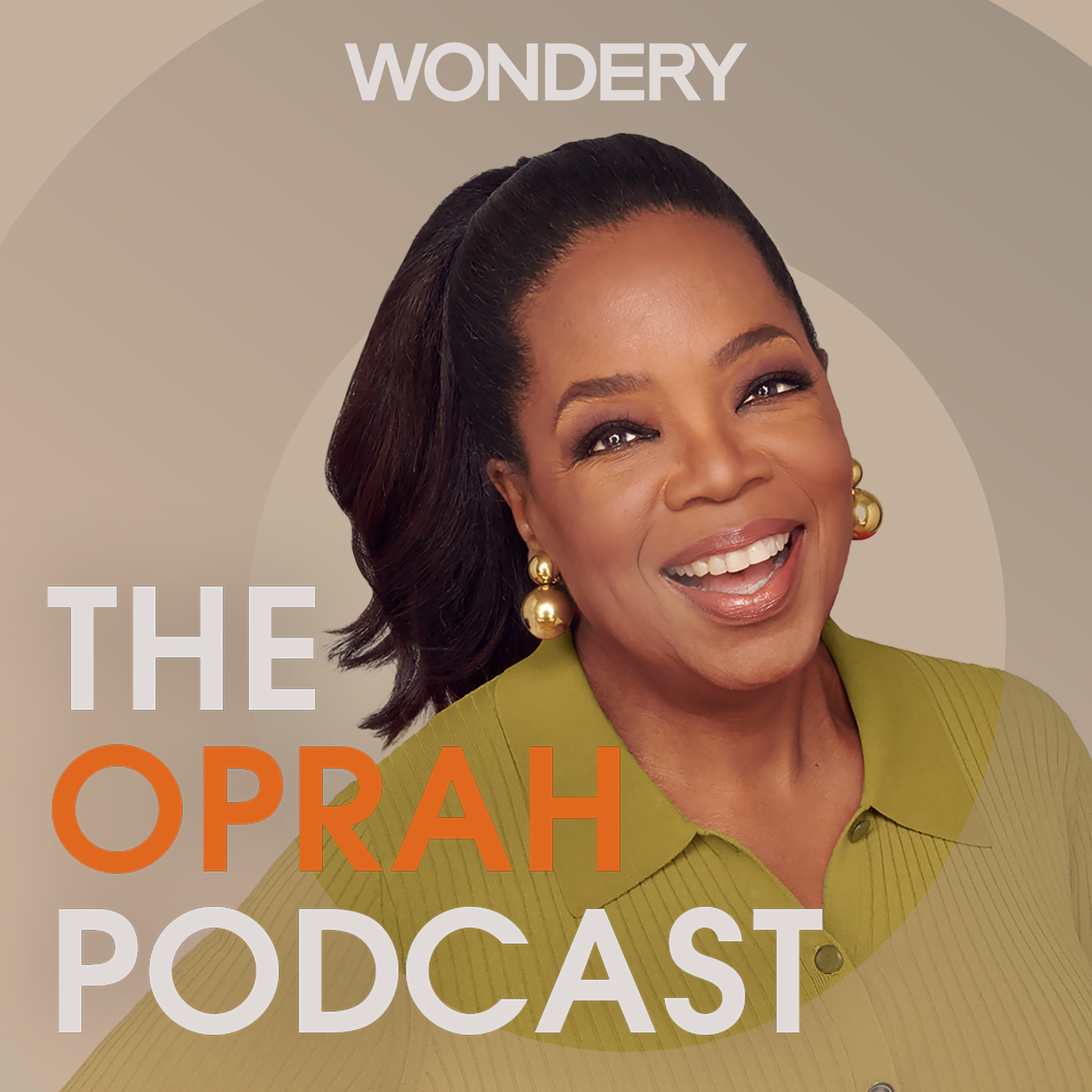
- The Oprah Podcast
- Oprah and Mellody Hobson: Best Money Advice for Gen Z
The Oprah Podcast17 Jun 2025 · 1h 3m

Oprah and Mellody Hobson: Best Money Advice for Gen Z

 Add vo to ChatGPT or Claude to ask about everything you hear
vo listened to this episode to put together the overview and transcript, so there may be the odd mistake.
In short
Gen Z’s financial stress and practical money guidance, with Melody Hobson explaining why the burden is real (debt, inflation, housing, student loans) and how to avoid common traps (credit card minimum payments, risky “buy now pay later,” and poor budgeting). She also argues education can be “good debt,” and encourages goal-setting, emergency savings, and disciplined spending.
Guests
Melody Hobson, Co-CEO and President of Ariel Investments; author of the New York Times bestselling children’s book Priceless Facts About Money (for kids and adults). Other voices are Gen Z callers: Kayla (California, nursing school graduate; ~$20K credit card debt plus student loans; used buy now pay later; paying down cards while seeking an emergency-fund plan), Madia (Boston; applied to 300+ jobs; faced misleading/unpaid interview projects; now employed; asks about building stability and work-life balance), Alexandria (California; 26, labor & delivery nurse; student loans and credit card debt; living with parents; wants steps toward home ownership), plus a teen and welding instructor (Father Judge High School; trade vs college discussion).
Key claims and examples
Gen Z (ages 13–28, 67 million) carries about ~$100K debt vs Gen X ~$56K; college costs doubled in 20 years; inflation and housing constraints delayed homeownership (first-time buyers average ~38; average home buyer ~56). Credit card minimum-payment cycles create “lifetime of debt” (example: paying a few extra dollars can cut years). Education is “good debt” if you graduate; unemployment is lower for degree holders (under 2% vs higher without). BNPL can be dangerous if not paid off before interest starts. Kayla’s “couldn’t even pay for a $5 meal” moment; Alexandria’s confusion about subsidized/unsubsidized loans and consolidation; Madia’s job-search ghosting and unpaid projects; Marcos’ choice of welding/trades over college.
Transcript
0:20Hello to you, dear listeners. What a pleasure it is to be with you here on the Oprah podcast. the brilliant Melody Hobson, the brilliant and well-dressed Melody Hobson. Thank you. Co-CEO and president of Ariel Investments is back with me in the tea house. And Melody has written a fantastic children's book. It's a New York Times bestseller. It's called a children's book, but it's actually for anybody who wants priceless facts about money. And I think all parents should get this book for your children and also for yourself because I have to tell you, I learned so much. Earlier this year, we recorded a podcast about the book.
0:59And if you haven't listened or watched it yet, I strongly recommend that you do. And you know, since I started this podcast last year, Melody's episode is the, of all the people we've talked to, is the most liked episode of all so far. And since you liked it so much, I asked Melody if she would come back to talk with me. but this time with young people who are a little bit older, Gen Z. Maybe you are a member of Gen Z or you have one in your life, like I do. And it's in the news every day that this generation has been hit harder by rising prices, by higher housing costs, by large student loan balances, and more overall debt than the millennials before them and certainly our generation.
1:48So there's a lot to unpack. Thank you for coming back. Most liked. Thank you for having me. I was very excited about that, but I do like to overachieve. I know, but I think it's so interesting that a conversation with kids about money, out of all the conversations we've had, would be the most well-received, the most liked. Because it's so absent in our society. It creates so much fear. And I think I've worked really hard to break it down and make it approachable. So I think that was part of the reason that it went so well. That's what you did. And when I finished reading this and finished talking to you on the last podcast, I said, Melody, you really should do another book.
2:30You should be doing a book for these Gen Zers that we talked about. I know you got a lot going on, but just think about it. I mean, I think it's, I actually think it's a service. And that's what we want today to be, a service for you. So why is this generation having so many financial stresses? Well, you hit it. The struggle is real. The struggle is real. So there are 67 million of them, ages 13 to 28, just so we can establish who they are. That's what we're talking about. 67 million of them. So this is a big group of people. They are going into the world with a greater financial burden than the previous generation before them, which would be the millennials.
3:09almost doubled the debt of Gen X, which is who I am. Yeah. And so this is a real situation. Double the debt? Almost double. They go into the world with about$100 ,000 in debt. And our generation, it was$56 ,000. So it is real. It is real. It's not just, yeah. It's not in our head. It's not made up. They weren't frivolous. But there are things that account for it. You talked about student loans. In the last 20 years, college's costs have doubled in 20 years. So that's real. Those are big numbers, and a lot of them are taking out loans to pay for that education. The other thing you talked about is inflation.
3:44Inflation was virtually dead for decades. And it's come back really strongly in the last few years. So inflation, just the cost of living has gone up much more than it was before. And then you talked about housing. We've also seen big changes in housing prices in this country. And so that has absolutely affected them. As less homes get built and there's less inventory, houses cost more. And that is something that has actually happened. And you've seen that starting during COVID, where everything in terms of new homes being built slowed down dramatically. And so a lot of young people are actually changing their attitudes about home ownership, which traditionally was the American dream, but what a lot of people now feel like they can't.
4:28So they still want to own a home. It feels a little bit further away. And that has actually proven to be true. Again, the data. Yeah. I always like to say math has no opinion. The first time home buyer average age right now is 38 years old. Wow. That is 10 years older than Gen X. Wow. So we were buying homes in our 20s. They're buying homes in their 30s, living with their parents longer, renting longer. And so there is actual data to show that American dream, that home purchase, is further and further away. Here's the other thing. You're right. It is real. It's a real thing. The average age of a home buyer today, average, is 56 years old.
5:14What? Yes. So I thought about that from the perspective of you're 56 and you have a 30-year mortgage. Wow. Right? Yes. The average age is 56 years old right now. So these are real things. But the first-time home buyer, which is, you know, what they want to be, the average first-time home buyer is 38. So this has gotten away from them. The home purchase has been delayed. I still think that it doesn't mean that it's deferred, not, you know, not something that will be denied. Okay. Deferred but not denied. Yes, exactly. But I think I, you know, just hearing, and I know for many of you, just hearing that it is real, it's not in your head, it's not made up, it's not, you know, the lazy generation.
5:58It's, statistics don't lie, math doesn't lie. Right. Yes, yes. So what are the biggest mistakes this Gen Z generation is making financially, do you think? Well, I think there are a couple and these mistakes are the same old mistakes. Okay. I wish I could say they were new. They're not. They're repeating the mistakes of prior generations. And some of those mistakes are everything from - And can less afford to repeat those mistakes, don't you think? Correct. Can less afford it. Correct. That's a really, really excellent point. So one example is just the debt, the credit card debt. Now, the credit card debt is higher, but even if you adjust for inflation and even adjust it for inflation, it's 25 % higher than the previous generation.
6:39So credit card debt is higher. But that cycle of multiple credit cards, of paying the minimum payment, this is a lifetime of debt. And just convincing them that that debt, that they have to break the cycle on that debt in terms of the number of credit cards they have. As I said, paying the minimum. I bought props for you just to see my own props. Okay. This is my life. Green, not fancy. Yeah. I used one card. I used one card and then my Chase debit card. And that's it because I don't want any balances. You don't want multiple, multiple, multiple, multiple. Or paying interest on debt. Interest on multiple things.
7:23Yes. I don't want to pay. So, you know, to the extent that everyone, and I know this is impossible for everyone to buy something and pay it off, it is absolutely the best way. So you're not carrying that debt. But if you have to carry debt, do not just pay the minimum. Even a few dollars can make a difference. Five dollars more,$10 more than that minimum payment can take years off of debt, literally years. And so that minimum payment trap is something I'd like to see stopped. because you see something and you think to yourself, oh, the minimum payment is only$20 on this$1 ,000 purchase or whatever it is.
8:01You're going to be paying the rest of your life. Years, eight, nine, 10 years. Wow. I hear a lot of Gen Zers saying going to college was a waste of their money. 51 % Are saying that. Yes, 51%. And what do you want to say about that? Was it? It's the best money they've ever spent. There is good debt and there is bad debt. I consider education good debt. And even though it costs a lot and that student debt can be with you for a long time, I want to start with just the fundamental idea, which I know you will agree with. You are learning. And that is something that people can never take away from you, ever.
8:37The gift of an education is something that is a gift that keeps giving. And so I really want to make sure we understand the most fundamental piece of it. And I think the smarter person goes through life with better decision making, better socialization. I could get through all the things. Better discipline. Exactly. Yeah. You know, having to achieve something like a degree. The worst thing you can do, worst, you go to college, you take on student debt, and you don't graduate. That's the kiss of death. Because you don't have the degree and you have all the debt. It'd be better not to go to college.
9:15because in that situation, you don't have the debt. But if you go and you fall short of the degree, it is a - Now you don't have the degree? Correct. Now here's the thing about the degree. There is a direct correlation between how much education you get in this society and how much money you make. So if you graduate from high school, you make one amount. If you graduate from college - You make another. You do make more. You get a master's, you make more than that. This is just a fact. I can show you this across all sorts of fields. However, the gap isn't as wide as it was before. And some other areas like trades, the trades jobs also because of scarcity that we've had in this country, they're making really good living.
9:59Yeah, we're gonna talk to some people doing that. Without going to college. So I just wanna say, but even to get to be a member of a trade, you have to have some education. That's right. Certification. That's right. You have to apprentice. You know, there are things that you have to do. So there's still an investment that you have to make in time and oftentimes money. It just may be different than a four-year degree. But I'm just going to tell you another example of just why this education is worth it. If you just look at unemployment statistics today, now we have virtually full employment in this country at 4%, meaning most people want to work due.
10:35If you have a degree, that unemployment number is under 2%. Right now, because we have virtually full employment, it doesn't seem like a big deal. But when you start getting into periods where people are losing a lot of jobs, the person with the degree is more likely to work. It's a fact. That's why it's the best money ever spent. Truly to me is, I really mean that. It's a lot of money. So, and I've had student loans. So I know, you know, I'm not sitting here from a perspective. I don't know what people are talking about. But I can tell you, I aggressively paid them off, aggressively. And I feel like that education gave me a lot of opportunities.
11:15Yeah, I think a lot of people say that because they think going to college, you're going to college just to get a job. But what you just clarified, I mean, I got it like an aha. You're learning. And you're not just learning about how to get out and get a job. It's expanding you. the four years you bring so much to yourself. So once I did a commencement address on money, and I said, the thing about it, I researched all these commencement addresses, and no one ever talks about money, but I said, most of your parents think you're here to get a good job. That's right. But there's no commencement address on the facts of the situation you're in and what you're confronting.
11:56It's super interesting because this whole concept of money is such a taboo concept in our society, even though I joked in the commencement address, there are plenty songs about money. Yeah. But we don't talk about it. That's right. We can sing about it, but we don't talk about it. Don't talk about it. That's right. And so this whole idea of education, I really do think it's gotten a bad rap. And I understand why, because the costs of an education have far outstripped inflation. The cost has grown faster than inflation. So people feel it's moved so fast and so far. They feel that they've been taken advantage of.
12:32Well, that's why I thought that Priceless Facts About Money that you did for learning how to talk to your kids about it and sharing interesting facts about money was so vital. Mainly because, as you and I know, most people grow up not having any conversations about it. It's like there's this, I don't know, stigma, shame around it. You know, my father never discussed it. and just said, never have any credit card debt. You know, you never want to never buy anything. When I was growing up, it was called layaway. Never buy anything on layaway. Don't have any credit cards, but never really an understanding about money.
13:09So to start that conversation early, and what I really think is, God knows this should be taught in schools. It should be taught in schools. Don't you agree? Absolutely. The state of Maine bought the book for every elementary school student. And I thought, he wrote 13 ,000 books. I thought it was such a genius idea. And I applaud them for doing that because I do think it's a powerful tool in the hands of a young person. And it is something that is really life-changing once you get rooted in both the comfort of the conversation and the actual subject. Because a lot of kids, as we're going to find out today, people who never had a conversation about money.
13:47Listeners, I know how much you value your time and your money. So I thank you for spending part of your day here with me. and financial expert Melody Hobson on the Oprah podcast. Melody's bestselling book is called Priceless Facts About Money. When we come back, she's taking questions from Gen Z, a generation facing unprecedented financial obstacles in today's world. Melody has some great real world advice that is coming up next. Fall has never looked or tasted this good. Sweet Greens Fall Harvest Menu is back with seasonal favorites dressed to impress and made to be devoured. Warm roasted sweet potatoes, crisp apples, maple glazed Brussels, and crave worthy flavors in the autumn harvest bowl, maple glazed salmon plate, and roasted bacon Brussels side.
14:37The season's most desirable menu has returned to Sweetgreen, featuring fall's best dressed. Make your move, order on the Sweetgreen app. Welcome back to the Oprah podcast. I invited Melody Hobson back to share some crucial financial advice, this time for Generation Z. From student loans and credit card debt to paying rent, and if those buy now, pay later deals, are the right choice. Melody has smart financial answers, so let's get back to it. We have Gen Z who are zooming in with questions for Melody. Kayla is joining us from California. I hear you've been, what, nodding along with this conversation.
15:12Tell us what's going on with you. Well, thank you so much for having me. And I have been everything that Melody is saying and everything that, you know, just is being said. I'm just like, yep, definitely, definitely something that I agree with or I'm experiencing right now. What's your situation? Tell us what's happening. Well, I mean, my situation kind of all started when I graduated nursing school in the height of the pandemic in 2020. And that was already a struggle in itself. But I think I kind of dug myself deeper into that hole with the use of credit cards because it was difficult to start off with no job, with no nursing job, trying to find a position.
15:55And that kind of just spiraled into maxing out those credit cards and just and to the point of maxing out those credit cards, the total of 20K, not including the student loans that I have from nursing school. but I think I just hit that peak of my money situation when it came to the point that I wasn't able to pay for even just like a$5 meal, like a fast food meal. And I was even utilizing those buy now pay laters, which is what layaways are called now. I was utilizing those for groceries. So I knew I had to change something. And so I kind of held myself. You knew this when you couldn't pay for lunch.
16:32You knew this when you couldn't pay for lunch. Yeah, it was literally just a lunch that I had that I wanted to get for myself for during work. I wasn't able to do it. And I cried that day. It was I knew when I cried for that meal, I knew that was my breaking point. And so are you doing the thing? Have you been doing, Kayla, the thing that Melody just said don't do? And that is making the minimum payment on your cards, just the minimum. Yeah. Yes. I since 2020, I've accumulated about five credit cards. And since then, I've been just doing the minimums. And I just recently actually calculated all of the interest that I was paying over these five years.
17:15And yeah. What was the number? I can't remember on the top of my head, but combination of everything was 5000 plus. Wow. Wow. Yeah. So and that really like lit a fire in me. Isn't that interesting? Because most people, I mean, that's why everything I was nodding to everything Melody said, because you don't think about it. Remember when I first came out of college and got my first credit card? I was so excited. And you think only 20 percent minimum, only 15 percent minimum payment. And you think, oh, well, that's not so much. And then you get three or four credit cards. And before you know it, you have so much debt, you don't see how you're going to get yourself out of it.
18:03Yeah, it just ended up being a whole snowball effect of using all the credit cards. And I think putting it all on paper in front of me and seeing all the numbers in front of me, I think that's when it clicked and put me back into reality of we need to do something about this. So what's your question for Melody? So my question is with me now paying off these credit cards, I have paid 5K out of the 20 so far. it is also very difficult to maintain just the lifestyle. And if there's any emergencies that happen, I don't know if I'll have the money and I have about 5K that I've already paid off from one of the credit cards.
18:43I don't want to result back to that. So my question is, how can I continue to have this progress of paying my credit cards off, but also have a good cushion with an emergency fund doing this all at the same time? Okay, well, I think you're gonna have to prioritize. I like that you have really gotten clear about your situation. And I like that you put the bills in front of you. One of the disadvantages that to the great advantage you all have as being digital natives is that because you are digital, you can avoid a lot of the reality by not, you know, just having the piece of paper in front of you and checking.
19:19And you tend to pay digitally. You tend to, you know, go through that life that way. So the first thing I would say that I would want you to do is I would want you to pay off the most expensive debt first. There's a saying that it's very expensive to be poor. The less money you have, the higher debt, the higher interest rates you might be paying. So get rid of the ones that are the highest interest rates first, because trying to save against those interest rates gets very hard. It's like having a bucket with a hole in it. Something's leaking out, even though you're filling the bucket with money.
19:54So you want to get rid of those high interest rate credit cards first and really be deliberate about it. So you might, you maybe have paid 5 ,000 so far. You might say, I'm going to get rid of this one totally first and still pay these minimums. Does that make sense? Look at each by the interest rate they're charging you and be very clear about that. And you have to be extremely disciplined about not restarting. So once you clear one of those cards, you're going to have to be ruthless about it, that you don't start again because you see that zero balance that might be sitting there. The second thing that I think is really important is a little bit of savings can go a long way and become very, very addictive.
20:32So I'm going to ask you to do something that is going to seem so small, but every dollar does count. Like the show The Bear, they say every second counts. This is every dollar counts. Start by saving 50 cents a day for two months. Literally 50 cents. You can have a jar of change, put 50 cents a day in that jar. After two months, I want it to be a dollar. I know this seems like so, you know, Melody, what are you asking me to do? After two months, I want it to be$3. Okay. And the last four months, I want you to try to save$5 a day. Now,$5 a day, we're talking about$35 a week. We're talking about$140 a month.
21:15That gets hard. But in those early days, you start to condition yourself around saving. I love this because you've trained yourself. It's not, and this becomes a way of life, not a diet. It's very, very important. It just starts to be a way of life and saving becomes addictive. So everyone that I've had do this, they see a little money, they get excited. They start to see more money, they get more excited. So that - I love this. This is so much, but everybody will say save 10 % of your salary. No, it's too hard. It's too hard. 50 cents, a dollar,$2,$3,$5. At the end of that year, you have almost$1 ,000.
21:53And that's a little cushion. And you didn't start by saying, I got to save$1 ,000, which when you're living paycheck to paycheck, that seems impossible. But if I start you at 50 cents, I promise you can get there. The other thing I'd like to ask you to do for one month period, 30 days, 30 days is just use cash for one month. Okay. You cannot use anything else. This is why it's important. If I ask most people, how much money do you have in your wallet? People can't even tell me. But you'd know if you only had cash. And so you only use cash, which actually changes how much you spend, believe it or not.
22:33When we don't see and have to take the bills out, we spend more money. So we spend about 18 % more on plastic, debit or credit. Because the scarcity isn't there. Where you literally have no more bills in your wallet. You've got to go to an ATM and get more money. cash for one month, it is going to shift how you think about what you buy. Starting today. One month. Today. Okay. Starting today. That's on the to-do list now. That'll get you a little bit of an emergency fund, but I want to prioritize that debt first because$15 ,000 in debt at your age is still a lot of debt. Yeah. And that's not even including because I have my student loans and I'm currently in school right now along with like a car loan.
23:14However, I have to tell you, first of all, you need the car to get to work. So, you know, that's essential, probably, unless you're going to take the bus. The other thing I have to say, and sometimes there isn't public transportation in certain communities. The other thing I would say, you nailed it with nursing because it's so in demand. That is a really good job. And that is there is a shortage of nurses in this country and there will be a for a while. And so you're going to be looking at great income in terms of nursing. Yes, definitely. I'm very proud of where I am. So very grateful. So good job there.
23:46Good job. Thank you. Thank you so much, Kayla. Thank you so much. Let's talk about the buy now, pay later services that Kayla mentioned. What should young people know about these services? Okay, this is what makes me nervous. Okay, on the one hand, I can tell you that they have these buy now, pay later, where they'll say a year without interest. Yes. So you're going to buy it? Yeah. No payment for one year, no interest. Sounds good. Enticing. If you can be very disciplined about that. So you're going to buy a refrigerator and you're not going to pay interest for one year. Basically, the float, the interest, they're paying for in order to get you.
24:24But what happens is most people aren't that disciplined. The interest then comes and then it starts hitting you very, very hard. And the numbers are very big. That's why I don't love it. So if you said to me, I bought the refrigerator, I paid it off in six months, I never paid a dime of interest, and I paid the refrigerator off full stop, we're good. But if you say I bought the refrigerator, I got to the one year and then I started to pay the interest, I could promise you that interest is going to be very high. Then you're going to be in that minimum payment scenario. There's a reason they offer it to you.
24:59They're getting paid back some way and they're going to get paid back in that interest. The reason they're offering it to you is because they're counting on you going through that year and then waiting and they can pay you. So I'm not a big fan. Okay. We have Madia joining us from Boston. And I hear after you graduated last spring, you applied for over 300 jobs. Wow. What happened? I, well, thank you so much. It is a pleasure speaking with both you today. So taking you back last year after I had graduated, I was applying to jobs like nobody's business. And I was able to get interviews. However, they differed from what I had applied to.
25:39So in a handful of circumstances, I would get on these interviews and it wasn't just the interviewer and I. It was myself, them and a handful of other applicants. So that wasn't disclosed. And then when they started describing the job positions, I realized that it also differed from what I had applied to. So I had applied to a marketing position online and what they were describing were door to door sales. So this happened in multiple different occasions. And then there were also times where I was asked to do work projects as a part of the interview process. And these work projects were unpaid and they would take hours or even days to complete.
26:22And it may have been naive on my part. You know, I really wanted to prove that I was a solid applicant and that I had the skills for the job at hand. So after turning in these projects, I was ghosted by a lot of companies. So that was very discouraging and disheartening. There was one circumstance where I was the top applicant. I made it to a final round. I spent a whole week working on a work project, and they had told me all great things. So about a week later, I got a call from the recruiter, and he had simply told me that they went with another applicant who had more experience. And so that just kind of hurt, as it was an entry-level position.
27:07and I had completed a lot of the work. I ended up asking the recruiter for, you know, more feedback. And once again, I was ghosted. So with all of that said, I have come out on the other side. I have a job now, but I know that my story is not unique. There are so many other people in my generation and in others who are experiencing this or even worse right now. and I do believe that my generation was raised on the premise that the American dream was still within reach that if we ended up going to college and obtaining a degree that we would be able to get a good job and set ourselves up for success in the future and with this job market I just feel like that system is no longer as accurate as it once was before so my question for you Melody is what advice would you give to my generation when it comes to building a stable and successful future while maintaining a healthy work-life balance and really just not living paycheck to paycheck?
28:13Okay, can I ask one question? How did you get the job that you have? I had a networking connection and I really do believe that if I didn't have that connection, I very well could still be job searching. Okay, great. Because that would be one of the things that I would suggest just in terms of that job search, it's not just about putting applications in online and hoping someone calls you back. I think that takes the same amount of work as anything you would do. And it's about, who do you know? So many people have referrals that will get you somewhere. And the mere fact that it was a networking connection, I think that's more and more likely these days than not.
28:49You might have a friend who has a great job and you would say, do you think there are any jobs available at your company? Or is there anyone you could introduce me to at your company? So I think that is a really, really good option if you're looking for a job that maybe everyone doesn't think about because they often think, well, who's going to help me and how could I, what network do I have? But it could just be a simple network of someone that you know who talks about their place of employment in a very positive way. In terms of, I like to just be very authentic and real about these things. When you're in your 20s, the work-like balance question, I think, is going to be challenged because those are heavy, heavy work years of trying to put in the time to get points on the board so that you have the opportunity to have the kind of freedom and success that you want over time.
29:38But that first decade, it's a dues-paying decade. And so when I hear a nine to five, which seems to me pretty work-life balance, that's 40 hours a week. When I think of no work-life balance, I think of 80 hours. I think of 120. I think of a very different lifestyle. I think you have to ask yourself very, and be very intellectually honest about what do you want. So you can't have all of the things you want without making some trade-offs. And you certainly can't have it all at one time. Correct. I think this is such an invaluable point you're making about work-life balance. And I hear this a lot because I have girls in their 20s.
30:18And you don't have work-life balance when you're just starting out and you're 25. There is no such thing. Someone else controls your time. That's the fact. That's it. When you think of your 20s, how hard did you work? I was working a hundred. I remember once filling out my time sheet and I had 107 hours on, 107 hours. and my boss says, well, you're not a team player. I'm not a team player. Yes, I think you should reduce the number of, wanting me to not even take credit for the hours. So I ended up doing that. I ended up only putting in like 80 because to work 107 hours and get paid for 107 hours, they didn't want to pay me for 107 hours.
30:58But the expectation was that I would show up and be there whenever needed. We've all done that, 107 hours. Still doing it. And still doing it and still doing it. Yeah, but that's why I said you have to decide. I thank you for listening to the Oprah podcast. When we come back, bestselling author and money maven Melody Hobson shares the simple steps she took early on in her career to set herself up for financial success. These are easy money saving moves you can make right now. We also have more financial questions from Gen Zers who worry about paying off debt and also how to save money to buy their first home.
31:34It feels like all the odds are against me right now because I have so much on my plate. Melody's advice on how young people can make their own version of the American dream come true after this quick break. I am. Fall has never looked or tasted this good. Sweet Greens Fall Harvest Menu is back with seasonal favorites dressed to impress and made to be devoured. Warm roasted sweet potatoes, crisp apples, maple glazed Brussels, and crave-worthy flavors in the autumn harvest bowl, maple glazed salmon plate, and roasted bacon Brussels side. The season's most desirable menu has returned to Sweetgreen, featuring fall's best dressed.
32:13Make your move. Order on the Sweetgreen app. Sierra has all the best active and outdoor brands you need. From athletic stuff, like a full-court pickup game, swish, to athletic-ish stuff, like a half-mile stroll. Get those steps in! And for morning hikes up the mountain trail, good pace, to nighttime ghost stories from the camping chair. What a twist! Whatever level of active, Sierra loves it all. Head to Sierra or Sierra.com for the brands you want at the prices that let you do it all. From athletic to athletic-ish, Sierra's got it. So glad you're with me here on the Oprah Podcast because we're talking about something I know is essential to every person, money.
32:54I am here with financial powerhouse Melody Hobson, author of Priceless Facts About Money. And whether you're a parent or you're a young person yourself, she is here to talk about the financial obstacles Gen Zers are facing today. Melody has advice on how a simple shift in your money habits can make a huge difference in your bank account. Let's get back to our conversation. I do think this generation has been fed some dream idea of work-life balance. That just isn't real. It's not real. Now that I also I reject the concept because it implies when you're working, you're not living. When you're living, you're not working.
33:28You know, when people talk about that. And I think you can have both, especially if you are doing something you really enjoy. But I do think this idea of thinking that you'll have your weekends, you'll make a great living, all of these things all at once. You'll have a job that you love. Those early years are, as I said, those are hard, hard years for most people. And they continue to be hard years for people. I have a joke with my husband. He's getting me a time clock because he says, you know, I work so many hours. I punch in, you know, and I don't punch out. But I do think that that is something to keep in mind.
34:01The other thing I would say to you is in terms of feeling, you know, financially secure, Or I think the question that you have to ask yourself is about what are your goals? You know, people knowing early on what that means to you, then you have something to drive for. So I want to give you a very specific example that was me. I started doing my job and I just thought I was putting money in my 401k plan at work. I was starting off maybe putting away a couple thousand dollars a year, you know, a couple hundred dollars a paycheck kind of thing, maybe a hundred. a paycheck, which seemed like a lot to me, just, you know, I made$38 ,000 a year.
34:40That was how much I made. So it wasn't, I wasn't making a lot of money. I had this goal of ratcheting up how much I saved in my 401k plan because I had one goal. One day I wanted to see that I had a hundred thousand dollars in my 401k plan. Wow. That was my goal because I did the math on over 25 years. If I confounded a hundred thousand dollars, would I have millions of dollars? And the actual answer was yes. So I said, I'll be a millionaire in retirement if I could get to$100 ,000. But I had a goal. With compounding. Yes, with compounding. So just having a goal of what is it that you're trying to accomplish?
35:17And it can change. Do you want to retire at a certain age? Do you want to have a family at a certain time? If you could establish that goal, then you can financially start to plan for it and work towards it. And if you say, listen, I want to work 40 hours a week and I want to surf on the weekends, just understand what that financial trade-off is. And some people are absolutely willing to make it. And I have no judgment on that at all. None. Is this been helpful? Is this helpful? Very helpful. Yes. It's the goals need to be set for sure. I think it's just a matter, you know, I'm a recent graduate, so you live and you learn and you go through it.
36:00And I think it's just the fact that a lot of other people are going through this and it feels very real. So that was great advice. And it's also just keep in mind that the mere fact that you're feeling a little shaky and unsure about this, it makes a lot of sense. You're not, you know, this is, you go into the deep end of the pool now when, you know, adulthood becomes upon you. It's you are making your own life decisions and the safety net starts to go away of the family that you've probably, I can't say for sure, have had there to help take the edge off. Yes. Yeah, absolutely. I've been, you know, lucky enough to be able to support myself for a while.
36:39So I do have a taste and a feel for what that's like. But I know a lot of other people are just entering into that world as well. So it is still, you know, you just got to persevere through it and push through it. Good job. Good job. Thank you. Thank you so much, Madia. Next up is 26-year-old Alexandria joining us from California. And I hear you moved in with your parents after graduation to save money. So many people can relate to that. So tell us your story. Okay. Well, first off, I'm so blessed to be a part of this important conversation. It means a lot to just sit here with admirable women, especially while I'm trying to get things together financially for the first time.
37:19So I'm 26. I'm living at home. I'm a labor and delivery nurse. I previously got my bachelor's in nursing and then I have another bachelor's in psychology. So that comes with a lot of responsibilities. And now this is like my first big girl job. And so I'm having student loans, credit card debt, you know, wanting to save, budgeting, learning. You know, now things are in my name, like my cardinal. My parents were helping me at one point during school. But it's so much. And I was watching the previous podcast with Ms. Hobson, and it was just she said something like it's scary, you know, to make financial decisions.
38:01And that's how I'm feeling. And it's really hit home for me. So school, it has never set me up for that. Like it never taught me about credit. It never taught me about investing or budgeting and what I can do. So I feel like I'm just in this space where I'm overwhelmed because now I have all these student loans accumulating. And then it's like, wait, I applied for this much. Why is it this much now? And it's like the interest and, you know, what is consolidation and just understanding subsidized and unsubsidized. subsidized. Like it's so much. And I'm still trying to like help around my house too.
38:36That's why Melody should write that book. I'm telling you, but anyway. Oh my gosh. So it's, um, it's hard. And it's just, I feel like even me wanting to own a home eventually, it seems so far out of reach. So I guess my question would be for someone like me, who's trying to achieve financial security and stability and even home ownership, like eventually, what steps can I realistically take to get there when it feels like all the odds are against me right now because I have so much on my plate? You know, just even like paying my debt off, like is what's the right steps? Okay. So first of all, the first thing I would say to you is it's a lot, but it's also generations have done this before you.
39:26This is a part of life and the best thing that you could do right now is to calm your fears by taking one piece at a time. If you think of it all at once, you're gonna be overwhelmed, it's like a storm. But if you take one piece at a time, I think you can start to dissect the issue and take control of it. So you've got student debt in one bucket, you've got just your living expenses in another, you have the benefit of living with your parents so you're not paying rent or mortgage right now, but that's going to give you a lot of opportunity to save for that down payment for that first house, which could become part of your goal.
40:06So the first thing that I would do if I were trying to really understand the situation and get it under control, what is your nut? What does it take for you to just live? Like where you haven't done one nice to have, you've only taken care of the need to have. You've got to pay the student debt. You've got to pay the car payment. You have to contribute to the house some amount that you've negotiated with your parents. What is that number before you've done, bought a lip gloss or, you know, gone out for a hamburger? What is that number? I think you understanding that if you do, that's great. If you don't, you need to understand that.
40:46Then when you look at that against what you make, you can start to figure out what things can you start to now be very intentional about, like the debt, consolidation. You've mentioned that. One of the things you might do is say, I'm going to consolidate all of these loans around one payment, one amount. The maximum consolidation for the federal student loans, interest payment is 8.75 % right now. Now, if you have bank loans, that's a different story. But you might want to consolidate those student loans. The thing is you can only do it once, as you probably know. You might consolidate those student loans just to also not have all these different things coming at you from different places, which feels overwhelming.
41:27And you're down to one loan that you're paying. And then you decide maybe you might want to accelerate that payment so that you can pay it off faster. But if your credit card debt is 15 or 20%, I'm going to tell you pay off that credit card debt first. So looking at the credit card debt, that's something you have to pay. And I've just said to you, don't pay the minimum. So if you're not paying the minimum and you're accelerating that, What does that number look like? Understanding that budget, which is just really the most important thing you could do, then lets you know how can you achieve the other goals that you have.
42:01But you got to start with what you're paying today. Then, you know, you're going to get raises. You've got such an awesome job. If I could deliver a baby every day, that would be so much fun because I love babies so much. So you've got this awesome job. You're going to do better over time with tenure and seniority. You're going to make more money. it won't all be static of where you are today. So there's, instead of being behind the eight ball, you've got so much ahead of you, so much opportunities, so much income that you will earn. You're not stuck. You're just starting. You're not stuck. You're just starting.
42:37And so if you can think of it that way, I think it'll make a very big difference in your mindset. You're like every other 20 something, your age, trying to get control of this situation because sadly, and this is the thing that I'm most upset about in our society, no one teaches us. I've said that over and over again. How would you know? No one in school has taught any of us any of these subjects. And if you don't live in a house where your parents talk about it, they may not know either because no one taught them, you know, you're really behind the eight ball. So you're just going to take it upon yourself to now take this in hand, but you're going to start by understanding what you're spending.
43:16Yeah, and I think understanding too, Alexandra, that everybody is in the same position as you trying to figure it out. So you're feeling overwhelmed and you're thinking everybody else has it figured out. They don't. They don't. Everybody is trying to figure it out for exactly the same reason that Melody just said. Because nobody gets taught. She's also in a good situation. I mean, you've got to live with parents. Once you get this budget under control, you could start saving for a home. you know, because you're not paying the full rent that you would be paying. I mean, over time, that's going to work in your favor.
43:52And I know you don't want to live there forever, probably. I'm thinking, oh my God, I kind of want to get an apartment or something because I've been here like for a while and, you know, I'm 26. Like I want to - So maybe you get a roommate. You know, I say this to people and they're like, a roommate? I'm like, that's the way most people started their lives. They lived with a friend. Right. They split the rent. They split all the expenses. And that just that that makes it easier. You know, yes, there's another person there. Find someone that you like, hopefully. But it does make it easier. You know, just saying a roommate to someone, people get offended sometimes when I say that.
44:29I'm like, but that's that's a perfectly fine solution. You know, something that people don't do much anymore. You talk about carpooling. these were like you know oh it was a way of life split gas yes you know these things are you know they're they're not so bad and they help you actually save money and also did you hear previously what melody was saying about saving 50 cents a day then saving a dollar a day and then i just actually yeah i've been saving my checks since i started working i started in february so I've been saving as much as I can. And even if there's a little bit, you know, in my checking, I'll take that at the end of the month and, like, put it into my savings.
45:12So I've really been trying. That's really great. That's really great. You know, the other thing I tell people about savings is most people eat out at work every day. They grab a sandwich or whatever. I was like, just one day a week, take your lunch. You know, it's$10,$12,$15. One day a week, it's$45. Thank you, Alexandria. Andrea, thanks for joining us. Thank you. Thank you so much. I appreciate it. Thank you. Good luck. You're on a good path, really. Yeah. That means a lot. Thank you. And I'm definitely going to take that advice. And I'm not just saying it. I'm a hard grader. Thank you. I appreciate it.
45:48I love what you said earlier too, Melody, about this period in the 20s. It's like you're putting something in the game. I forgot the term you used, but it's like you're building for the future. Yes, exactly. Yeah. Yeah. And it's something that I think people don't realize that you have to get started and you're getting started with debt on you because of the education or just the life, you know, being what it is and just being as smart as you possibly can about how you handle that in the beginning. And we all make those early mistakes. So I remember when I got my first credit card, I was at college at Princeton and my friends go on this ski trip to Aspen.
46:27Now, I am not Aspen ski trip money people, okay? Let alone have I never been skiing. You need all the gear, the ski passes, et cetera. Oh my gosh, it's gotta be, it's maybe one of the most expensive sports. This is true. I went with my friends all in$2 ,000. I have no money and I put it on a credit card and I said, I'll just pay the minimum, but then got behind and bill collectors were calling me at school. So I'm freaking out. I am in so much trouble, embarrassed to tell my mother because we've been to this movie, you know, in my family of not being able to pay our bills. I can't believe I've done this.
47:07It literally seared me. And the only way that I ended up paying for it, and I cannot believe I'm telling you the ending, my aunt died and she left me$2 ,000. Oh my goodness. Is that the craziest story? Yeah, yeah, yeah. I mean, which is I didn't obviously want her to die, but she was so proud of me being... And she left you exactly$2 ,000? I swear on my eyes. And I was like, from heaven, she was saving me from this horrible credit card bill that scared me so much that I... And then did you course correct and not do it again? I swore, which is why all of this became so hardwired in me, I would never, ever, ever do that again because I was so stressed.
47:50Wow. I know the skiing thing. I had multiple family members come for skiing, and by the time everybody's boots and coats and ski instructors for every person— It was a very bad idea. It's a lot. Yeah, I should have opted out of that one. That's right. Yes, you should have gone hiking. It's only shoes. Or walk around the park. Or walk around the park. Yes, skiing is a lot. We're going to take a quick break, but stick around because Melody Hobson and I are about to talk to a teenager and a teacher about the growing trend of high school graduates choosing the skill trades over college. If you're a parent or a student, you'll want to hear this.
48:27Melody also has some fantastic advice on investing for young people. We'll be right back. Fall has never looked or tasted this good. Sweet Green's fall harvest menu is back with seasonal favorites dressed to impress and made to be devoured. Warm roasted sweet potatoes, crisp apples, maple glazed Brussels, and crave-worthy flavors in the autumn harvest bowl, maple glazed salmon plate, and roasted bacon Brussels side. The season's most desirable menu has returned to Sweetgreen, featuring fall's best dressed. Make your move. Order on the Sweetgreen app. Sierra has all the best active and outdoor brands you need.
49:06From athletic stuff, like a full-court pickup game, swish, to athletic-ish stuff, like a half-mile stroll. Get those steps in! And for morning hikes up the mountain trail, good pace. It's a nighttime ghost choice from the camping chair. What a twist. Whatever level of active, Sierra loves it all. Head to Sierra or Sierra.com for the brands you want at the prices that let you do it all. From athletic to athletic-ish, Sierra's got it. Hi and welcome back. Thank you for spending part of your day here with me. I'm with best-selling author and financial expert, Melody Hobson, who's talking about the financial squeeze young people are worried about, especially in Gen Z.
49:46Next, we're talking with a young man who is joining a growing trend. We keep hearing about the choice to work in a skilled trade instead of going to college. Let's listen to what Melody has to say. The Wall Street Journal recently did a story about this growing trend that we were talking about earlier of young people choosing the skilled trades over college, even calling Gen Z the tool belt generation. The article featured Father Judge High School in Philadelphia, which is an all-male Catholic School, and we gave them a call. And joining us now are the welding program instructor, Mr. Joe Williams, an 18-year-old senior, Marcos, from their shop class at Father Judge.
50:25Hi there. Hello. Hello. How are you? Hi, how are you? Great to have you both here. So you've opted not to go to college, Marcos, I hear, and instead are pursuing a trade. Why did you make this choice? I made this decision for a couple of reasons. One was when I was in grade school, I was always in like the honors classes even at judge i was in the honors classes but studying it took a while for me to memorize stuff i just was never the best memorizer so it came hard and then looking at high school and even college i wasn't sure how that was going to go and i thought about that like for my future but then i came to judge at an open house and i saw the welding program for the first time.
51:10And I saw an opportunity to be successful without having to go to college. Also, I always thought student debt, student loans for college, that that was going to be a lot. I didn't want to go into debt. And I saw welding as a way to get past that. Another reason is because I'm very hands-on. I love building. I love creating. And welding was a way I could make that into a career and be successful as someone that went to college and be making the same as them or even more. So you enjoy welding. You actually enjoy welding. Yeah, you like it. Yeah, I do. That's a big bonus. Mr. Williams, tell us about this program and why it was started.
51:53This program was started because there was a definite need and a deficit of welders. There are so many people retiring, but there's not enough people to fill the void and all the blue collar jobs. So the archdiocese had a couple of meetings and they thought about bringing the trades to the archdiocese. So they chose welding. And then in a matter of months, they decided to build a welding program here at Father Judge. And this is a three-year program. Two hours every day for three years, these young men come to my class. We learn how to read blueprints. We articulate blueprint symbols. We learn how to draft symbols.
52:30We talk math. We talk language. We do things on and out of class. We teach them soft skills. We teach them interview skills. So my class is just not a program of welding. I teach these young men how to be men and what the real world has to offer to them when they graduate. Like bills, like introducing yourself, shaking a man hand with a firm grip, looking him in the eyes and just different facets of becoming a man. not just the educational side, but the building side and incorporate that into becoming a man into the society. I hear some of the students are being recruited even in their sophomore year and receiving offers of up to$70 ,000 a year before they even graduate.
53:12Has this this surprised you? It hasn't really surprised me, but it still surprises them because these guys are still young. So some of them grasp the income and salary, but I try to tell them that the average income of a male is between$40 ,000 to$57 ,000 a year. These young men at 17 are incorporating salaries between$60 ,000 to$80 ,000, depending on submarine welding, nuclear fabrication, structural welding. And they're starting this, you know, with no debt, nothing of what us as adults seem to acquire in our age. These young men are getting these salaries without any means of that yet. And I hear, Marcos, you already have a full-time job lined up for this summer.
53:58Yes, yeah, I do. It's called Holtec International. It's in Camden, New Jersey. And they make nuclear containers. And I'll be starting on July 14th. Wow. And I hear you have a question for Melody. What is it? Yes. I'm blessed to say that because of the welding program, I'll be, if I stick with this route, I'll be making$100 ,000 by the time I'm 20 years old. Wow. And because of that, I'm planning on staying at my house, staying home, saving my money. But I'm going to have so much money, I really don't know what to do with it. So I was wondering, like, money tips from you, like, what do you think I should do with it?
54:40Okay. Wow, you're going to be flush, as we said. Well, first of all, I have to say that this is welding college. This is fantastic. This is welding college. I mean, from what you've said, the amount of hours, the detail, the depth of it. And you get your certification here. You get certified here. Which is a big deal. But the one other thing I want to say, which I think that when people think about trades, they think they are less than. I've never, ever thought of that. I actually even reject the idea of the notion of blue collar, white collar. I just don't like that. I think work is work and all work is admirable.
55:14All work. And this is essential. These are essential jobs for our society. And so it's no wonder that you would be in demand and you'd make this kind of money. Now, what I would tell you, being disciplined at this age around that kind of money coming into your hands is going to require a great effort. But if you are disciplined, you are going to be set for life because time is on your side with the ability that you have for that money to compound. And then also just the opportunity that you will have not to accumulate the debt that so many people are talking about, the fact that they have to dig out of.
55:50Can you explain compounding to Marcos? Marcos, you understand compounding? So compounding, Warren Buffett calls it the eighth wonder of the world. So he said compound interest is magical because your money starts to work for you instead of you working for your money. So a very simple compounding example that I give in my book, is would you rather have a penny that doubles every day for one month, 30 days, or a million dollars? Which one would you rather have? The penny. Right. The penny is over$5 million. And I explain how if it doubles every day, one cent is two cents, two cents is four cents, four cents is eight cents.
56:28And so that kind of compounding is magical. And the money starts to grow really fast. So because you're so young, and let's just say you work until you're 65, you have decades of money to compound, decades. And I actually looked at some math. I did some math on this of just something simple. If you put away$2 ,500 a year, just$2 ,500 a year, you only made 8%, only 8%, and it compounded for 25 years. It's almost$200 ,000. Just$2 ,500 a year. So there's a wonderful calculator you can go to. There are all sorts of calculators you can go to where you can calculate returns. Now, what I would do if I were you starting, I would invest, first of all, if you get a full-time job and there's a 401k plan, a retirement plan, invest there first because you get the tax advantage.
57:25You don't pay taxes on that money. And oftentimes they have a match, which is free money. So you don't want to walk away from free money ever. So you'll still have some discretionary money that you can invest, but first make sure you're maxing out on that 401k plan as much as you can possibly put in it. You start that now, I can tell you it's magic. Then when you are starting to invest on your own, if you want to buy stocks, I would invest in things you know. So what do you like? And why do you think it might be a good investment over time? And how much should he invest or not invest in stocks?
58:00So first of all, I would... Because that's the question. When do you invest and what to invest in? Okay, so when you invest, you can invest at any time. I actually like investing for children. Yeah. And I like them to, if Everest likes Barbie, I want her to have Mattel. If she likes Sephora, LVMH, I can give you all of those examples. So is there anything in your life, like a lot of young people love, video games they love? That might lead you to Microsoft. You know, all of those thinking about things that are in your life. Microsoft has been an amazing stock, as an example. things in your life that you'd say, I understand this and therefore want to invest it.
58:37If you don't want to do that, you can buy a mutual fund or an ETF where a professional does it for you. But your point is invest in what you know or like. Correct. Yeah, so that you understand it. I love the idea of just a small amount of money that you would invest in something that you know and like, and you can just track it over time. I think that would be something that you'd really actually start to enjoy. okay got it yeah thank you thank you thank you both for so much mr williams good luck marcos thank you what it sounds like a fantastic program yes it is we want to thank you guys for having us here on your show we really really appreciate it here father judge welding and um melie we really love what you do and we've i've took some tips from you also i watched your video so you know i want to thank you for being you and oprah we don't thank you also thank you so much thanks for all you're doing for so many kids.
59:32That's great. Marcos, have a great summer. Is it your first job? Yeah, this is, this is, I had a internship summer job last year for welding, but this is like my first full-time job. Can I say one other thing, Marcos? Just make a commitment that there's a certain amount of money you're going to save no matter what. You are not going to touch it. It's going to go in an account. It is literally off limits to you. And I think of you, again, And if you get into that discipline now, you won't have to learn these lessons later. Yeah. Okay, yeah. Thank you so much. And thank you for both of your time, too.
1:00:06Thank you. Thank you. That's great. So cute. But, Melody, before we go, what do we need to understand about Gen Z and money that's not getting enough attention? I would say two things. My first one is what I already said, every dollar counts. Every dollar counts, meaning every dollar that you save counts. Every dollar that you put against that debt that counts. And don't have to think of it in big numbers. It's not every$5 ,000 counts. Not every$1 ,000. It's every dollar counts. It's very important. The big takeaway for me today is what you said about the 50 cents. 50 cents a day is so doable.
1:00:43It's so doable. You start small and it grows into big numbers. And then that's the second thing. Time is on their side. They have one thing that is so valuable, the time that they have, the decades that they can use to help them compound money, it's not how much they put in, it's when they start. And if they start now, very early saving, that money will grow by leaps and bounds over decades so that later they're not catching up trying to put big amounts of money away. Little amounts today grow into giant amounts over decades. That is just the math of it. So every dollar counts, every dollar you save, and time is on your side.
1:01:27Time is on your side. And I thought what you said at the very beginning of this conversation, that what's happening with Gen Z is real. Yeah, the struggle is real. The struggle. They absolutely, they're not making this up. They're not being whiners. They are coming into the world with more debt than prior generations. That is a fact. Melody Hobson, thank you. It's always a delight and pleasure to be with Melody. I know you all know because she's the most liked on the podcast. And her book, Priceless Facts About Money, is available anywhere books are sold. It is a must-read for children, as I've said, and their parents.
1:02:02Thanks to my guests, Kayla, Madia, Alexandria, Marcos, and Mr. Williams. Thank you so much. And to our partners, too. Thank you to all of you listening and watching. So grateful for you sharing your valuable time with us. See you next week. You can subscribe to The Oprah Podcast on YouTube and follow us on Spotify, Apple Podcasts, or wherever you listen. I'll see you next week. Thanks, everybody.
From the publisher
Mellody Hobson, financial powerhouse, President and co-CEO of Ariel Investments and author of the New York Times bestseller, Priceless Facts About Money, joins The Oprah Podcast to talk about the overwhelming financial burdens facing Gen Z today. Oprah and Mellody invite Gen Z guests to share their own experiences and answer their most pressing financial questions. Mellody reveals simple money steps she took early on in her career to set herself up for financial success and offers advice on small changes to shift money habits. Oprah and Mellody speak with young people about working to pay off credit card and loan debt, saving to buy a home, investment advice and the growing trend of high school graduates choosing a skilled trade career path instead of college.
BUY THE BOOK!
"Priceless Facts About Money” by Mellody Hobson, illustrated by Caitlin Stevens, is published by Candlewick Press and available wherever books are sold:
https://www.candlewick.com/9781536224719/priceless-facts-about-money/
Follow Oprah Winfrey on Social:
https://www.instagram.com/oprah/
https://www.facebook.com/oprahwinfrey/
Listen to the full podcast:
https://open.spotify.com/show/0tEVrfNp92a7lbjDe6GMLI
https://podcasts.apple.com/us/podcast/the-oprah-podcast/id1782960381
Learn more about your ad choices. Visit megaphone.fm/adchoices
More from The Oprah Podcast
All episodesWe use cookies.They keep vo running smoothly and help us improve it. Privacy policy
Scan the code with your iPhone camera
Listen in the app.
- Play everything vo finds for you
- vo remembers everything you hear
Go to the App StoreFree on iPhone