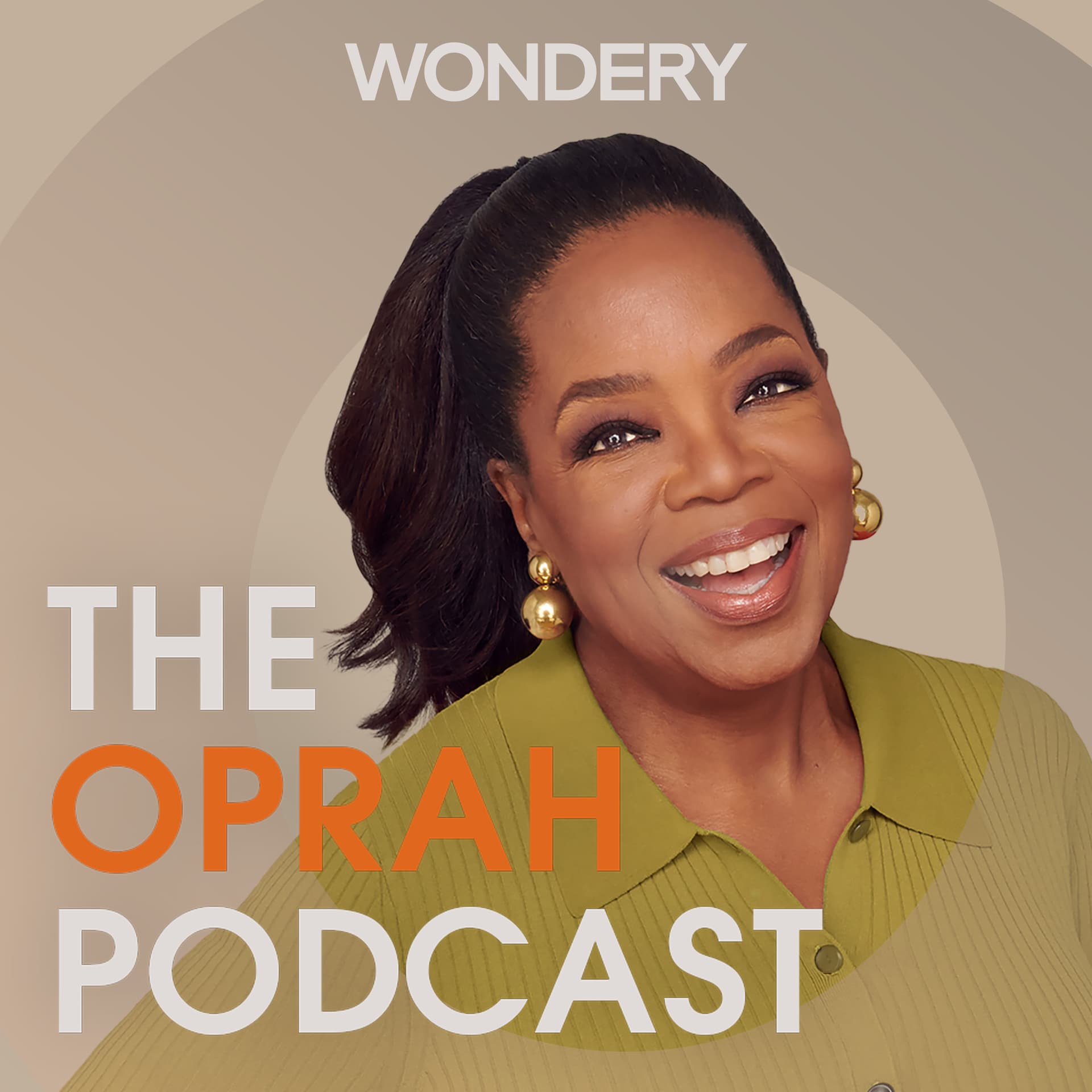
In short
How tech habits (scrolling, gaming, online gambling, and shopping) shift into addiction by hijacking brain reward systems; why algorithms and easy access intensify cravings; and what “self-binding” and recovery strategies can help.
Guests (backgrounds)
Oprah Winfrey (host). Dr. Anna Lembke, psychiatrist and Stanford Addiction Medicine chief; author of Dopamine Nation. Safat (Brooklyn), shopping addiction; over $30,000 credit card debt; says childhood deprivation and feeling unfulfilled drive purchases. Deborah (Chicago), video-game overuse (up to ~7 hours/day); previously had hands-on hobbies like painting/sewing. Matt (Massachusetts), sports betting addiction; lost $100,000+; began betting at 14; dropped out of three colleges; stole/forged checks; entered Heron Wellness treatment; in recovery since Oct 2024.
Key claims + examples
Addiction is a spectrum with “four C’s”: out of control use, craving, compulsive use, consequences (plus tolerance/withdrawal). Dopamine surges create a dopamine deficit, producing “gremlins” that keep craving. Algorithms inject novelty to increase watch time; online gambling’s adrenaline and “loss chasing” keep people playing. Examples: Safat hides packages and lies; Deborah cites accessibility and online social bonds; Matt gambled thousands daily, gambled away rent money, and sought treatment after hitting bottom. Radical honesty and self-binding (delete apps, remove frictionless payment like credit cards; use support groups/12-step sponsors) are presented as practical steps.
Written by AI. May contain mistakes. Listen to the episode to check what was said.
Chapters
Tap a time to open that second in VOUnderstanding Tech Addiction
0:00 to 1:27
Explore the fine line between daily habits and addiction in technology.
“When it comes to tech, when does a daily habit cross over into addiction?”
Oprah Introduces the Discussion
1:28 to 2:14
Oprah sets the stage for a deep dive into the reasons behind tech addiction.
“I'm glad to be here with you on the Oprah podcast.”
Personal Stories of Addiction
2:15 to 3:48
Hear powerful personal accounts of addiction to gaming and shopping.
“He started his gaming at about five or six.”
Insights from Dr. Anna Lembke
3:49 to 5:09
Dr. Lembke discusses the neuroscience of addiction and its implications.
“And I'm like, how many times do I try to break a bad habit and I have to start over?”
The Contagion Effect of Online Content
5:10 to 5:44
Dr. Lembke explains how algorithms can lead to unhealthy behaviors.
“Yeah, I mean, there's this real contagion effect where because the algorithm both feeds us videos and other content that we specifically search for, and also novel content that we didn't go looking for.”
Exploring Addiction Mechanisms
5:45 to 11:10
Understanding the mechanics of addiction and the brain's response to it.
“So what ends up happening is there is this injection of very extreme content And this can impact behaviors because it makes people think of something that would never have occurred to them naturally.”
A Shopping Addiction Case Study
11:11 to 14:00
A woman shares her struggles with shopping addiction and the emotional toll.
“We are in a chronic dopamine deficit state.”
Understanding Shopping Addiction
14:00 to 16:42
Explore the psychological triggers behind shopping addiction and its effects.
“And then what I really feel is shame and guilt for doing it because I've accrued so much debt.”
Self-Binding Strategies for Recovery
16:42 to 21:13
Learn about self-binding strategies to combat shopping addiction and create barriers.
“and some early underlying, you know, issues that might be contributing to it.”
The Impact of Gaming on Life
21:13 to 22:20
Discuss how video games have replaced other hobbies and their addictive nature.
“That little girl coming from another land, another place, another culture, being in a surroundings where there were people that you didn't know, being able to manage yourself and succeed in that environment.”
Show all 22 chapters
Consequences of Video Game Addiction
22:20 to 28:01
Examine the psychological and social impacts of excessive gaming habits.
“So I've got a question for the masses, for the masses, for the people.”
Understanding Gambling Addiction
28:01 to 28:38
Explore the common psychological effects of gambling addiction.
“You don't realize that the depression, anxiety, restlessness when you're not playing is a result of playing.”
Matt's Gambling Journey
28:38 to 31:01
Matt shares his personal story of addiction and the impact of gambling.
“Nearly one in five people with a gambling disorder will attempt suicide.”
The Science of Gambling Addiction
31:01 to 35:02
Dr. Lembke explains the brain's response to gambling and the psychology behind it.
“I think it's because it can seem at the outset, at the beginning, it can seem so harmless, right?”
Access and Addiction
35:02 to 37:16
Discussion on how increased access to gambling affects addiction rates.
“and the understanding of that is that on some level, and this is a phenomenon called loss chasing, people who are addicted to gambling want to lose on some level because then it justifies - Chasing it.”
Recovery Journey and Its Challenges
37:16 to 40:06
Matt discusses his recovery process and the challenges he faced.
“Everyone that I'm in contact with gambles on some level.”
Moral Compass in Addiction
40:06 to 42:01
The discussion highlights how addiction influences moral decision-making.
“For example, there's good data showing that people who try to quit drinking who smoke cigarettes, if they give up cigarettes at the same time, they'll have better outcomes for both.”
Courage in Sharing Personal Stories
42:01 to 42:32
The importance of sharing personal stories in recovery and the courage it takes.
“I think that's what I'm most proud of today.”
Understanding Addiction and Moral Compass
42:32 to 43:56
Exploring how addiction can lead individuals to act outside of their moral compass.
“Oprah, can I say one thing about moral compass and addiction?”
Radical Honesty as a Tool for Recovery
43:56 to 44:39
The concept of radical honesty and its significance in maintaining recovery from addiction.
“Thank you for bringing that to our attention.”
Breaking the Shame Cycle in Addiction
44:39 to 45:40
Discussing how shame perpetuates addiction and how honesty can help break that cycle.
“But it means that we can't even lie about, like, you know, why we didn't want to go to the party or why we're five minutes late for the meeting because we're all prone to lie.”
Dopamine and Connection in Recovery
45:40 to 46:28
How vulnerability and connection can create healthy dopamine responses during recovery.
“It becomes the source of intimacy that then becomes its own source of positive and healthy dopamine.”
Transcript
Automatic transcript. May contain errors.0:00When it comes to tech, when does a daily habit cross over into addiction?
0:05Dr. Anna Lembke:This has crossed the threshold from a bad habit into a mental illness. I hear you've racked up over$30 ,000 in credit card debt. What do you think is at the root of your shopping addiction? I feel unfulfilled in many aspects of my life. And instead of sitting with the discomfort, I resort to let me find something to buy. You spend as much as seven hours a day playing video games. Mm-hmm. And what is it about gaming for you? A lot of the game is rewarding, but also low lows can happen all within a, like, 20-minute span. I hear that you've lost more than$100 ,000 on sports betting apps. I know you dropped out of three colleges.
0:48You were lying. You were stealing from your parents. Yeah. What is it about online gambling that makes it so hard to quit? It's that adrenaline rush.
0:58Dr. Anna Lembke:It could be compared to someone addicted to drugs, you know, chasing that original high. And now we've entered into addicted brain. We need to use more of our drug in more potent forms, not to get high, but just to level the balance and feel normal. It's like the heroin addict coming off of the heroin. Exactly. And that is what is happening to your children when you try to take away the phones. That's what's happening to you when you can't get yourself and you can't stop scrolling. Exactly right. You're just scrolling, scrolling, scrolling. Yes. Hi, everybody. I'm glad to be here with you on the Oprah podcast.
1:31Over 3 million of you watched or listened to our episode on Gen Z tech addiction. Thank you for that. But as we're learning, it's not just one generation or group. Tech addiction can hook anybody, and a lot of people are hooked right now, at all ages, no matter your circumstances. And today on this podcast, I want to ask these questions. What's behind these addictions? What's happening inside our brains? Are we defenseless or can we actually do something about it? I'll be talking to people who are addicted to gaming, online gambling, and even shopping. That's a biggie for a lot of women. But first, here's a quick look at some of the moments from that episode that struck a chord.
2:19Dr. Anna Lembke:So my name is Dr. Nisha Glenn. This is my son, Amir Jenkins. He started his gaming at about five or six. When he got in high school, that's when I knew it was an addiction. He would not brush his teeth. He would not eat. Ooh. It was strictly. Amir. I mean, nothing. No showers in there on the game 24 hours a day. Can you take us to the point of understanding what that feels like when you're sort of caught up in the obsessiveness, obsession of it? I would say you almost forget where you are, in a sense. Like, when I play the game, I literally forget I'm in a house sometimes. It's so virtual, so intimate, and, you know, it's free, a judge-free zone as well.
3:08Dr. Anna Lembke:Mm-hmm. I was exposed to corn at the age of eight and have struggled with addiction for the past 20 years. I'm married to a corn addict. He has struggled since he was eight years old. I make it like my mission to watch his every move, which is so draining. Maddie and Kyle, thank you for being here. I know this is a hard thing to talk about, and I applaud your courage in being willing to speak about it because I hear this is really serious for a lot of people, like millions and millions of guys throughout the country and the world. How long have you all been married? We've been married six and a half years.
3:47Dr. Anna Lembke:So I would say like the last year is when I finally realized that like this addiction is so much deeper. And I'm like, how many times do I try to break a bad habit and I have to start over? And this is an addiction. Well, I know hearing Kyle and Maddie's story really hit home for a lot of people. Addiction to adult content is impacting millions of families and relationships. My team just checked in with them. Kyle has had a relapse and setback in his recovery, he says, and is now doubling down on his addiction classes. And Maddie told us that they still love each other and they're going to continue to fight for their marriage.
4:26Dr. Anna Lumpke is back with us, and she's a psychiatrist and chief of Stanford Addiction Medicine. And I just truly believe that her book is a must read. It's called Dopamine Nation, Finding Balance in the Age of Indulgence. Welcome back to the podcast, Dr. Lemke. Thank you. Thank you. In Dopamine Nation, you write, I was moved by this, you say, the internet promotes compulsive overconsumption, not merely by providing increased access to drugs, old and new, but also by suggesting behaviors that otherwise may never have occurred to us. I think that's what's happening to a lot of people. Can you give us an example of what you're seeing now that's new and different?
5:13Dr. Anna Lembke:Yeah, I mean, there's this real contagion effect where because the algorithm both feeds us videos and other content that we specifically search for, and also novel content that we didn't go looking for. That's right. Things are just popping up on your screen. And that's intentional, right? That injection of novelty is intentional to stave off boredom, to increase watch time, to keep us clicking and swiping even when we don't want to. Wow. So what ends up happening is there is this injection of very extreme content And this can impact behaviors because it makes people think of something that would never have occurred to them naturally.
6:00Dr. Anna Lembke:You know, this happens with drugs. So kids seeing videos of other kids using like unusual drugs or synthetic drugs or drugs that they've, you know, concocted themselves. And then kids wanting to go and try that. It's especially prevalent with sexual content. So sexual images, people behaving in ways, for example, men choking women is not something that was, you know, would necessarily occur to somebody. But there's so much choking and other kind of sadomasochistic sexual content. And when people go looking for adult content, that's actually the first content that they see or that's, you know, pushed to them.
6:47Dr. Anna Lembke:that now you've got a lot of people engaging in sexual behaviors that are potentially harmful and dangerous, potentially. So it's this kind of thing. When it comes to tech, which has infiltrated, you know, all of our lives, every part of life, every waking moment, I think people are confused on this. Like, when does a daily habit, a thing that we've been doing and think that we need to do, cross over into addiction? Addiction is a spectrum disorder, right? You can have mild, moderate, or severe addiction depending upon the severity of the symptoms, how many symptoms there are. But there can also be this pre-addicted state that you might think of as risky use or even a bad habit.
7:34Dr. Anna Lembke:When I use the term addiction, I'm really saying this has crossed the threshold from being something that we would consider a bad habit into something that we would really consider a mental illness. Again, characterized by these four C's, out of control use, craving, compulsive use, meaning that I initiate use even against my desire and intention not to use, and then especially consequences. Plus tolerance, you know, which we've talked about, needing more potent forms over time to get the same effect, and also withdrawal. When I try to stop, I experienced this physiologic response that then pulls me back into it.
8:14You explain that pleasure and pain work like the balance of a seesaw. How does that impact addiction? Explain that to our audience here. Yeah.
8:26Dr. Anna Lembke:So I use this extended metaphor of a balance to communicate to my patients, my medical students, what's happening in the brain as we go from sort of healthy adaptive use of a substance or behavior to unhealthy maladaptive addictive use. So if you imagine that in your reward pathway, there's something like a teeter-totter that represents how we process pleasure and pain. When it tilts one way, we experience pleasure. When it tilts another, we experience pain. But there are certain rules governing this balance. And the first and most important rule is that the balance wants to remain level, which is what neuroscientists call homeostasis, sometimes referred to as set point.
9:09Dr. Anna Lembke:You refer to it in your wonderful book, Enough. Enough point? As the enough point. But it's the set point. That was Dr. Anya's word. It's the set point, right. Yeah, it's homeostasis. And our brains will work very hard to return to a level balance or homeostasis with any deviation from neutrality. So for example, when we do something that's pleasurable uniquely for our brain that releases dopamine the balance tilts toward the side of pleasure but no sooner has that happened that our brain will respond by down regulating dopamine transmission not just to baseline but below baseline so you need more more more right when we experience pleasurable activities like eating exercising or socializing It triggers our brain to produce the feel-good chemical called dopamine.
9:58The cycle of addiction begins when addictive substances and behaviors cause massive dopamine surges, which causes our brains to both produce less dopamine and at the same time absorb it less efficiently. This creates a dopamine deficit, which causes us to crave more and more of the substance or the behavior just to feel normal.
10:19Dr. Anna Lembke:And I like to imagine that process of neuroadaptation as these little gremlins hopping on the pain side of the balance to bring it level again. But the gremlins like it on the balance, so they don't get off as soon as we're level. They stay on until we're tilted an equal and opposite amount to the side of pain. That is the come down. That's the craving, the hangover, the moment of wanting one more potato chip or one more joint. I'll be standing in front of the pantry, just grazing, looking for what is the thing I can do to curb this anxiety that I'm feeling. Right, right. And remember, our brain wants to get back to homeostasis.
10:54Dr. Anna Lembke:So the fastest way to do that is to have another potato chip. Yeah. The problem is if we continue to consume our drug of choice over days to weeks to months to years, those gremlins start to multiply. And pretty soon we have enough gremlins on the pain side of the balance to fill this whole room. And now we've entered into addicted brain. We are in a chronic dopamine deficit state. Now we need to use more of our drug in more potent forms, not to get high, but just to level the balance and feel normal. And that is what is happening to your children when you try to take away the phones. That's what's happening to you when you can't get yourself, you can't stop scrolling.
11:34That's exactly right. You're just scrolling, scrolling, scrolling. Yes. Okay. 80 % of people coping with an addiction to online shopping are women. Listen to Safat's story.
11:44Dr. Anna Lembke:I have a shopping addiction and over the past three years, I've racked up over$30 ,000 in credit card debt. 99 % of it is shopping. I have said no to going out to dinner with friends, bought the cheapest thing at the grocery store just so I could buy that one thing, whatever it was in the moment. It's really shameful because I'm in my mid-30s. I have a good job and yet I'm struggling to pay rent because I keep spending more than I can afford. I was also scared to come on here and say this because it feels like I failed. Oh, yeah. Oh, wow. Okay. Safat joins us from Brooklyn. Hi, Oprah. What do you think is at the root of your shopping addiction?
12:24I was really interested to read about it because I go online and it's a dangerous thing. Let me just tell you, it's a dangerous thing. and you get a little, I guess I'm getting a little dopamine hit. Add to cart. So exciting. Add to cart again. Before you know it, I have three blouses for$24.99. None of which you need, probably. None of which I need. I didn't need that little crop top. So I have$24.99. Then I'm like, what else can I get? So does it feel like that? Is that what it feels like for you? You just get a little hit?
12:58Dr. Anna Lembke:Yes, it absolutely does feel like that. For me, the root of my addiction stems from, I think, childhood. I've talked about this with my therapist. And my family moved to America when I was six years old. And we moved to a upper middle class white neighborhood. And I noticed all the kids would get gifts, Christmas gifts, birthday gifts. And I was getting like hand-me-downs and sharing a room with my siblings. And so I think what I told myself in those moments is when you're older, you're going to be able to have these things. You're going to be able to fit in. So now that I have a job, what I'm realizing that I do on a regular basis is I buy these things almost to satisfy my inner child, to tell myself, OK, you've made it, right?
13:51Dr. Anna Lembke:And so that's become my coping mechanism. And additionally, I feel unfulfilled in many aspects of my life. And I think instead of sitting with the discomfort of the sadness or disgust or whatever I feel in myself, I resort to let me find something to buy because that's what I trained myself from a young age is what would make me happy. So I continue to do it. I get a little boost of dopamine. And then what I really feel is shame and guilt for doing it because I've accrued so much debt. Yeah. I hear you've racked up over$30 ,000 in credit card debt that you can't afford to pay. Yes, correct. So you feel good in the moment where you're ordering it?
14:41Do you feel good when you're adding to cart? And then when it arrives, you're ashamed? Yeah.
14:49Dr. Anna Lembke:A little. So as soon as I buy it, instead of feeling happy, I feel immense amount of shame and guilt. And then when it arrives, I'm excited to open the box. And I've also been for years now hiding my packages from my partner. Not that he absolutely has no problem with it. He's encouraging of me doing the best for me to get over the addiction. but I think internally I feel so much guilt that I will hide the packages. I will lie about it. So I'll open it and then I'll feel guilt and shame again. And then instead of dealing with it, I'll go and purchase something else. Dr. Limke, what do you want to say?
15:30Dr. Anna Lembke:Gosh, so much here. Okay. So you started talking about some early childhood experiences that you think contribute. And I think that's important to reflect on that. But I think there's a danger of spending too much time looking for the root cause of addiction when there doesn't actually need to be an underlying reason other than we're living in an addictogenic world where shopping has become drugified. The medium of being online itself constantly sends us triggers to buy. That's the whole business model of... You can't read an article without... What we're all trying to do now is filter out all the ads as you're trying to like communicate with anything.
16:14Yes.
16:14Dr. Anna Lembke:Yes. And we get a little hit of dopamine, not just when we're shopping, but just getting a reminder that we might be able to go shopping or that there might be something available. That actually also stimulates the brain's reward pathway and then sets up that state of craving that makes us want to go shopping. And the reason this is so important is because, yes, it's good to talk about your childhood and some early underlying, you know, issues that might be contributing to it. But you could talk about that all day, and it's not going to get at the root of the problem if you're still exposing your brain to this very addictive medium that's constantly triggering your brain, releasing dopamine, and then leading you down this road, which is why self-binding strategies are so important.
17:09Dr. Anna Lembke:Self-binding is where we create literal and metacognitive barriers between ourselves and our drug of choice so we can press the pause button between desire and consumption. So what does she need to do? So what you need to do is you need to delete any shopping apps that you have, right? You need to possibly get rid of any online pay vehicles, Anything that makes it easy and frictionless for you to buy something is definitely something that you should eliminate. You know, online shopping or shopping addiction is a huge and growing problem, especially as you commented, Oprah, among women. So these self-binding strategies are really key.
17:53Dr. Anna Lembke:If you really want to take it to the extreme, you will get rid of all of your credit cards and you will only carry cash and you will only buy in cash and not online. And this seems extreme, but what my patients discover is that it's actually so much easier than expecting that you can constantly stimulate your brain and then resist the pull that's created by all of these stimuli that are inviting us to consume. How does this sound to you, Safai? Yeah, that absolutely sounds like a great idea. something I've tried in the past is getting rid of my credit cards. What happened is when I'm in a anxious mindset or when I'm sad or depressed, I've opened up new cards.
18:45Dr. Anna Lembke:So usually when I'm aware of what I'm doing, I can continue to do it and I can perform. But then as soon as I'm in a state where I can't regulate and I'm anxious or whatever it is, I will get more credit cards or I will subscribe to whatever it is. And I think I'd go back to that state. So I guess my question is, when I'm feeling like that, how do I self-regulate and how do I get myself to not do those things? Yeah. It's a wonderful description of the kind of dissociative state that we can go into vis-a-vis our drug of choice, where we're just sort of like, we're out of our minds, essentially, and we're just doing the behaviors.
19:28Dr. Anna Lembke:This is where self-binding matters because, you know, if it's harder for you to get the next credit card or you just have to take the time to get a credit card, you might be able to come out of that state. But more importantly, what you need to have is a list of other healthier coping strategies for when you get anxious. And this is where I really recommend also engaging in what we call mutual help groups or self-help groups. The prototypical one is Alcoholics Anonymous, but Alcoholics Anonymous was founded a hundred years ago. And since then there has been a proliferation of self-help groups for almost every maladaptive behavior you can imagine.
20:08Dr. Anna Lembke:And it can be an incredibly helpful and effective way for people. There has to be one for shoppers. There is, there absolutely is. And, and, you know, the 12 step model really works and it often involves getting a sponsor, somebody else in the group. And then in those moments when you're, you know, anxious or feeling cravings, you have somebody to talk to. And that person's typically available 24 seven and they know exactly what you're going through. And I say to my patients, you know, as much as I care about you, I'm not available to you 24 seven, but a 12 step sponsor, they would answer the phone in the middle of the night.
20:45Dr. Anna Lembke:So I think, and again, thinking about self-binding strategies, we massively co-regulate based on who is around us and the behaviors they're engaging in. So if you surround yourself with other people who understand this problem uniquely and that you can turn to for help, I think that will really help you in those moments. Because you're not alone. You are not alone. There are millions of people, most of them women, going through exactly the same thing that you're going through and you're a smart woman you're an intelligent woman you are a gracious and kind person you will overcome this if you choose to do that because you know how to put all the things together to overcome this it's it's it's a decision on your part right now as to how hard you want to work at it but i know you can do it you heard that from oprah So that's what you hear.
21:41You were raised to be able to do it. You were raised to be able to do it. That little girl coming from another land, another place, another culture, being in a surroundings where there were people that you didn't know, being able to manage yourself and succeed in that environment. You can do this. You can do this. This thing is not bigger than you. Okay?
22:03Dr. Anna Lembke:Thank you. I appreciate that. Yes. Oprah told me to stop shopping. It's absolutely. It's absolutely. Yeah, that's right. Thank you, Safat. Thank you. Thank you. Thank you for having me. You know, gaming has become a way of life for children and teens and young adults, too. Here's a quick look at Debra sharing her story. So I've got a question for the masses, for the masses, for the people. What were we doing before we started playing video games and getting addicted? Okay, because I feel like I haven't been playing video games that long. But at the same time, what was I doing beforehand? I lose hours playing these things.
22:39Dr. Anna Lembke:I'm talking minutes on hours on days. And I've only been playing video games for like a year. I've been playing for a year. So question, what were we doing beforehand? How are we spending our free time? Yeah, that's my question for you, Debra, who joins us from Chicago. What were you doing before? How do you answer that question? What were you doing before? Yeah, I feel like I had a collection of hobbies. I used to paint, like with acrylics. I would sew a lot of projects. Anything crafty and working with my hands was something that I found appealing to me. And now you spend as much as seven hours a day playing video games.
23:17Dr. Anna Lembke:Mm-hmm. And I think it's still in some ways, I use like a controller, so I still feel like it's still using my hands in some kind of way, so it still stimulates the same kind of crafting mindset that I have. But yeah, I'm spending a lot of hours, a lot of time of my day playing video games most of the time. And what is it about gaming for you? I think it's about two aspects that come to mind. The first is accessibility. So in comparison to my other hobbies, I require a lot of space and setup time. Given like with sewing, I need to get the fabric. I need to get the sewing notions for when it comes to cooking or baking.
23:49Dr. Anna Lembke:I have to grab the ingredients, go to the store potentially to grab things I'm running low of, preheat the oven. And then when it comes to gaming, it's just like, oh, I can just press a power button on my computer and just be on the game. And it's much more accessible, I think. And I hear most of your friends are gamers that you've never even met in person. And so that's the second component is the social aspect. I think as you play these games, a lot of them are online games where you can meet other people from around the world even. So in the midst of learning how to play this game, I've met people online that like are now forming a mini gaming community.
Read the full transcript
24:21Dr. Anna Lembke:And because of that, whenever someone's online, they'll send a message saying, OK, we want to get on and play. So you're like, oh, like cool person, nice friendship that I'm building with this person. Of course, like I'll get on and bond over this game with you. So then there's like voice chat that you can talk to each other on and they encourage a lot of times for you to stay online even. So you're here to ask a question because you think that's become an issue for you, a problem? I have a question just to know like the longer term impacts of it. I think because like I mentioned in the video, I've only been playing for about a year, but I'm starting to see differences in like how I carry myself, but then also other people.
24:54Dr. Anna Lembke:And I'm curious about are there any psychological or like emotional impacts when it comes to having extremely high highs? because a lot of the game is rewarding for like doing good things in the game, but also low lows can happen all within a like 20-minute span. And I feel like knowing that, what kind of impact does that have on the body for extended periods of time? All right. Dr. Lemke, what do you want to say to Debra? You know, one of the negative consequences of our addictive behaviors, especially our consumption of video games and other digital media, is the very important but subtle consequence of opportunity costs.
25:32Dr. Anna Lembke:And what I mean by opportunity costs is all of the other things we're not doing because we're spending all of our time online. And in your case, it's, you know, the crafts you're not doing, the people, the friendships you might be making with people who actually, you know, live in and around where you live that you could meet up with in person. Human connection versus virtual connection. That's it. And it's not to say that there can't be virtual connection. You know, those can be meaningful connections too. A lot of people talk about the community they build online. And that can be a community, but, you know, potentially positive, but not when it replaces all of our other communities.
26:13Dr. Anna Lembke:So I think that's the first thing I want to say. And then in response to your question, I think you articulated it really well. It appears to me that video games are your drug of choice because it didn't take you very long after you started playing, that it was consuming many, many hours in your day, displacing other activities you used to enjoy, which gets to this hijacked brain. When we are constantly exposing our brains to this highly reinforcing intoxicant, one of the things that happens is we have this narrowing of our focus where other things are no longer enjoyable. They lose their salience.
26:56Dr. Anna Lembke:Salience is what makes something attractive to us. So now I could well imagine that if you tried to go back to doing your crafts, you would be frustrated, you would be bored, the rewards would be too delayed. And, you know, in my sense is what you might want to do is take a break from video games for long enough to kind of reset your reward pathways so that the world can open itself up again to you. And the reason I always recommend four weeks is because in the first two weeks, you will probably feel worse before you feel better. You'll be in withdrawal, right? Those gremlins on the pain side of your balance that have accumulated will smash you.
27:34I know the last time you were here and you said four weeks recommending a 13-year-old be off the phone for four weeks, everybody in the control room went, oh, that's never happening. Four weeks is too long because four weeks feels like, how can I do that? But if you don't do it for four weeks, go ahead.
27:49Dr. Anna Lembke:Yeah, what we see in clinical care and what the published literature suggests is if you don't do it for long enough, all you experience is the withdrawal. And you're like, well, wait a minute. I need this thing to not be depressed and anxious. You don't realize that the depression, anxiety, restlessness when you're not playing is a result of playing. Right? And you need to abstain from long enough to allow your reward pathways from homeostasis to reset itself. It's like the heroin addict coming off of the heroin. Exactly. You got to go through the shakes first. You got to get out of that state of craving.
28:22Dr. Anna Lembke:Okay, explore that, okay? Okay. Thank you so much. Thank you so much, Deborah. You may or may not be surprised to know that nearly 50 % of men aged 18 to 49 have an online sports betting account. I didn't know this. Yeah, it's really a scourge. Here's another shocking stat. Nearly one in five people with a gambling disorder will attempt suicide. One in five. That's the highest suicide rate of any of the addictions. Now Matt is joining us from Massachusetts. My team saw you nodding while Safat was talking. I hear that you've lost more than$100 ,000 on sports betting apps, $100 ,000 that you could not afford to lose.
29:10So tell us how this happened, Matt.
29:13Dr. Anna Lembke:Thank you for having me on. You know, my story starts when I was 14 years old. That was when I placed my first bet. My father had given me some money to bet on the Patriots and Seahawks Super Bowl. And, you know, I won. I hit that first bet. And it was a feeling I never really felt before. I was sitting on my friend's couch. I've compared it to hitting a game winner in a basketball game while I was sitting on that couch. It was unbelievable. Deep down, I kind of knew I loved gambling then. But it's difficult to gamble when you're a 14-year-old, right? You need help. You need adults to give you access or give you money.
29:49Dr. Anna Lembke:So I really didn't start gambling consistently until I turned 19. I was a freshman in college. I went to a small Division III school in Boston to play basketball. I got hurt early on in my freshman year, and I decided I was done. I didn't want to play basketball anymore. So now I have all this free time. I had access to more money than I've ever had before. And I needed to fill that void. That structure that basketball had given me my entire life was gone. So I gradually start gambling in the morning, in between class, and I start gambling during class. And it gets to the point where I'm gambling around the clock, eight hours a day.
30:29Dr. Anna Lembke:I wasn't socializing. I wasn't exercising. Everything I was doing was to try to gamble more and more. You know, in the summertime, I would go home and I would save up money that was supposed to last me in my freshman year of college or my sophomore year of college. And within weeks of getting back to school, it was all gone. You know, I had no money. I was gambling thousands and thousands of dollars away in weeks. You know, 90 to 95 percent of it was online sports gambling. There were some casino games involved, but it was really online sports gambling. Help us to understand that. What is it about online gambling that makes it so hard to quit?
31:05Dr. Anna Lembke:I think it's because it can seem at the outset, at the beginning, it can seem so harmless, right? There's not a lot of physical signs. You're not addicted to a substance. You're not addicted. You're having withdrawals, right? So it can start harmless. But it's that adrenaline rush. At least for me, I got that adrenaline rush that was so strong, right? I'm not a physical adrenaline junkie. I don't want to jump out of a plane or go bungee jumping. But that adrenaline that I got from gambling, I loved it. I thrived on it. It's so interesting because I was reading your background and you shared with one of my producers that it wasn't even when you were 14 years old and had that first experience that's gotten you hooked.
31:49It was that you won. Didn't you win$20 ,000 at one point, right?
31:55Dr. Anna Lembke:Yeah, when I was 19, freshman in college, I put in$100 into a gambling account. And within two days, I ran it up to$20 ,000. And at that age, I'm thinking, that's all the money in the world, right? I'm taking pictures of it. I'm sending it to everybody I know. Like, look what I just did. Look at this. And two days later, it was gone. I didn't withdraw a single penny. You didn't even get to spend it. No, no, not even a little bit. I gambled it all away. And I think a part of me was chasing that first big hit ever since. You know, it could be compared to someone who may be addicted to drugs, you know, chasing that original high.
32:34Dr. Anna Lembke:I was chasing the first big win and I had to surpass it, but I never did. I never did. Never did. You still haven't surpassed it. No, I have not. No. What do you want to say, Dr. Lemke? Oh, my gosh, so much. Well, first of all, why is gambling so addictive and what's going on in the brain there? What's going on in Matt's brain with that? Right. Yeah. So monetary rewards, again, light up that same reward pathway as drugs and alcohol, release dopamine, work through essentially the same trajectory as addiction to drugs and alcohol, where we start using usually to have fun or to solve a problem. If it works for us, we go back again and again.
33:15Dr. Anna Lembke:And eventually, if we cross over into addiction, we're now marshalling all of our available resources to get the drug, use the drug, recover, and use again. Gambling is a very well-recognized, very potentially severe and life-threatening addiction, just like addiction to drugs and alcohol. And also, did you hear me say this earlier, Matt, that one in five people who are gamblers end up suicidal? Yeah. I can understand why, because you end up losing everything. You're chasing, chasing, chasing, chasing, chasing. Absolutely. You lose everything. You're betting, you know, you lose your family. You can't pay your rent.
33:55You can't pay the cars taken away, everything. Yeah, you lose everything.
33:58Dr. Anna Lembke:And it's so inexplicable from the outside because you just feel like, well, just stop. Like, just stop. But what really happens is that people who get addicted to gambling are ultimately not even interested in the monetary wins. That's how it begins. But what it eventually becomes is the desire to be in this alternative, self-created universe where all of the rest of your problems fall away. And you've created this world within a world where you can have the illusion, again, that you're controlling, that you're moving forward. That's why there are no clocks in casinos. Yes, yes. And no windows.
34:41Dr. Anna Lembke:Yes, exactly. And there's some very interesting brain studies of pathological gamblers showing that there's a surge of dopamine when they win, just like there would be for someone who's not addicted to gambling. But with pathological gamblers, people who are addicted to gambling, they actually get a surge of dopamine when they're losing. and the understanding of that is that on some level, and this is a phenomenon called loss chasing, people who are addicted to gambling want to lose on some level because then it justifies - Chasing it. That's right, staying in the game longer. Staying in the game.
35:19Dr. Anna Lembke:So it becomes this horrible self-fulfilling prophecy, an alternate universe, the real world falls away, the complete loss of perspective and my heart just goes out to you And also, let me say the other millions of people around the world who are struggling with very severe gambling addictions, which, by the way, has never been easier. In the United States, online sports betting used to be illegal everywhere. In the last decade, it has become completely normalized, gone online, is incredibly accessible. And now even sports franchises are colluding with these sports betting corporations, encouraging people who watch sports to bet.
36:08Dr. Anna Lembke:It's terrible. And we see a 300 to 500 percent increase in calls to pathological gambling hotlines in states where online sports betting has been made legal. Which brings us, Oprah, back to this concept of access. One of the biggest risk factors for addiction is not your childhood trauma, you know, not something about you uniquely and, you know, lack of willpower. It's simple access to our drug of choice. Yeah. And it doesn't mean you're a bad person. It doesn't mean that you had all these horrible things happen to you. Yes. And Matt, how common would you say this issue is among your peers, the young men you know?
36:52I think the issue, it can be common.
36:55Dr. Anna Lembke:I would say most males that I've interacted with when I was in college or even now as a 26-year-old, they gamble on some level because it is so accessible. Like what Dr. Lunkie said, right? My gambling accelerated once it became legalized in Massachusetts. Yes. It was just so quick. It was so accessible. Yeah. But I think especially college-aged males, right, they have all this freedom now and it's so accessible. Everyone that I'm in contact with gambles on some level. Yeah, and also not only accessible, but nobody would even know. I mean, if you're a drug addict, we can see it. If you're a food addict, we can see it.
37:35If you're even a shopping addict, there's all the things that Safad is hiding around her home. Right. What is your question for Dr. Lemke? Do you have one? I do.
37:49Dr. Anna Lembke:You know, I've been in recovery from gambling since October of 24. Congratulations. That's amazing. Yeah. You know, during that time, I've also been sober. I don't identify as an alcoholic. But I was just curious, you know, how strong is the addict mind? Like someone like me who does not identify as an alcoholic, you know, am I prone to other addictions, either alcoholism, drug addiction, wherever it may be? You know, because I have an addict mind, I am addicted to gambling. Am I prone to other things as well? Yeah. So family and twin studies suggest that some people are innately more vulnerable to addiction than others, and that if it's not one thing, it'll be another.
38:33Dr. Anna Lembke:So there are differences there in terms of, you know, how we come into the world and how likely it is that we will get addicted if exposed to our drug of choice. For example, if you have a biological parent or grandparent with an alcohol addiction, you are more likely to develop an alcohol addiction, even if raised outside of that substance using home. So genetics is a piece of this. The other part of your question is sort of like, you know, are all of these, this is what I understood your question to be, that, you know, how does the alcohol relate to the gambling? because it's interesting that you gave both of them up.
39:10Dr. Anna Lembke:And I think that was really smart because we talked about drug of choice and how when we meet that drug of choice that's uniquely suited to our brain, it's like a lock and a key. But on the other hand, all reinforcing substances and behaviors release dopamine in our brain's reward pathway. And anytime we're using any substance or behavior, even if it's not our drug of choice, we're pinging that reward pathway and kind of setting ourselves up for relapse to our drug of choice, which is why very often when folks are trying to give up whatever their drug of choice is, we also recommend that they give up drugs that are adjacent to that drug.
39:51Dr. Anna Lembke:And somehow, I don't know if you got advice to do that, or you instinctively knew that giving up alcohol would be important so that you wouldn't be disinhibited and more likely to gamble. And we see that all the time, you know, encouraging folks, give both of these things up together. together. For example, there's good data showing that people who try to quit drinking who smoke cigarettes, if they give up cigarettes at the same time, they'll have better outcomes for both. And I think that, you know, that relates to a lot of other sort of paired addictions as well. Can I ask you this, Matt? What got you into recovery?
40:23Was it that you had to hit bottom? I know you dropped out of three colleges. You were going through a lot. Your personality You were lying. You were doing all kinds of things, stealing from your parents.
40:36Dr. Anna Lembke:Yeah, that's kind of what made me hit bottom. You know, I just I couldn't pay my bills anymore. I was gambling my rent money, my utility money. And I started stealing from family members. You know, and I ended up forging a check in my parents name to pay my rent. At that point, you know, our relationship is somewhat crumbling. And we had a conversation and I ended up going to a treatment center called Heron Wellness in Massachusetts. You know, I spent three months there as an inpatient. Was it hard to come clean to your parents? Yes. Stealing from them, you know, when I was doing it, it felt awful.
41:14Dr. Anna Lembke:But, you know, as soon as you get that money, I'm off and running again gambling. And that guilt and that shame is out of your mind until you lose again. And it's almost like you come back to reality. um you know but the thing that helped me was you know going to hiring wellness and spending five months there in treatment you know i didn't have a phone for almost two months i had no access to technology you know getting that break um you know just getting away from it really helped me you know center myself and really see how insane i was behaving and what i was doing to people you got to step away from it yeah to see yourself yes do you like who you are becoming or return to self?
41:54Yes.
41:55Dr. Anna Lembke:I feel like I'm returning to the person I was before I started gambling. I can be a good son, a good brother, a good friend. I can have honest intentions. I think that's what I'm most proud of today. Wow. Well, thank you for sharing your story with us. Thank you for sharing with us and with the world. It takes a lot of courage to be here. I know a lot of people listening are going to hear themselves and see themselves in you. And so we thank you for having the courage to share it, really. Well, thank you for having me on. It was an honor. Continued success in your recovery. Go well with that. Yes, yes.
42:29Dr. Anna Lembke:Keep going. Go well with that. Go well. I will. Thank you so much. Oprah, can I say one thing about moral compass and addiction? When people are deep in their addiction, they will often do things that are outside their moral compass. Matt talked about stealing from his parents. You know, incredibly shameful, so brave of him to admit that. But I think it's really important for us to understand that when the reward pathway gets hijacked by this drug of choice, we really are not ourselves. And we really are vulnerable to doing things that are outside of our moral compass. Essentially because our brain comes to mistake our drug of choice, in Matt's case, gambling, for something that we need for survival.
43:14Dr. Anna Lembke:Dopamine is really our survival neurotransmitter. It says, approach this thing, get it. You need it to survive. So I just think it's really important for people to understand that, you know, we would, most of us, do things that we're very ashamed of outside of our morality once we get into that hijacked brain state of addiction. That's an important thing to say, I think. And I think a lot of people realize that when they have family members who are severe drug addicts, like your family member on crack cocaine or on heroin, you say, oh, that's not who I know them to be. But we don't think the same about it when it's shopping or gambling.
44:01Thank you for bringing that to our attention. You say by practicing radical honesty that my guests today are actually taking the first step in curbing their addictions. So being able to be honest about what is actually going on, how does radical honesty work?
44:18Dr. Anna Lembke:So radical honesty is where we make a commitment to tell the truth about everything. And this is really important in recovery. In my experience, the patients who can get into and maintain recovery are the ones who make a commitment to truth telling. primarily because they've learned that... That's what Safat, Deborah, and Matt have all done today. Yeah, just by showing up and sharing in this way. But it means that we can't even lie about, like, you know, why we didn't want to go to the party or why we're five minutes late for the meeting because we're all prone to lie. The average adult tells one to two lies per day.
44:52Dr. Anna Lembke:Usually it's small lies to cover up our own foibles or selfishness. But when we make this commitment to radical honesty, what happens is we are then also forced to see the behaviors for what they are. I would see how a commitment to radical honesty really creates another vibration for you. You're operating at another level. Yeah, nice. Yeah, that's right. And it also importantly gets us out of this shame loop. We have heard as a recurring theme here how much shame people feel about their addictions. And that is so true, so common. We all feel horrible shame at not being able to control these behaviors.
45:31Dr. Anna Lembke:And shame itself can perpetuate the addiction because it's such a horrible feeling that then we just keep using to not feel those feelings. So a way to get out of this destructive shame cycle is to commit to being honest with another human being, as these folks did today, as a way, again, to become aware of our behaviors, but also to create that vulnerability that allows people to really connect with us, right? It becomes the source of intimacy that then becomes its own source of positive and healthy dopamine. You are so good at helping us understand ourselves and understand our addictions. And if you wanna know more, read Dopamine Nation.
46:11So thank you so much, Dr. Lemke, for being here. And thank you to Matt and Safat and Deborah for your radical honesty in sharing your stories. Dr. Limpke's New York Times bestseller, Dopamine Nation, is available wherever books are sold. See you next time. Go well. If you are among the 57 % of Americans who feel they are addicted to their smartphones, Dr. Anna Limpke's book, Dopamine Nation, it's a must-read. She breaks down why smartphones are so addictive and shares tangible ideas for how to manage your relationship with technology. You can buy her book by scanning the QR code you see on your screen right now.
46:48Our listeners tell us that the podcast is resonating with you and is serving as a bright spot in your day. That means a lot to me. So here's the thing. I would really appreciate it if you like and subscribe to the Oprah podcast on YouTube or wherever you podcast. It's just a quick tap of the subscribe button. And that way you won't miss an episode in your queue. You don't have to pay anything. I know subscribe usually means you're paying something, but this time it means you just are notified when there's something new. There are many more to come that we're excited about, so thank you for watching and listening.
From the publisher
BUY THE BOOK!
Dopamine Nation by Anna Lembke
https://amzn.to/4xniLB7
Tech addiction or the compulsive, excessive use of digital devices for online activities like social media, shopping, gaming or gambling impacts an estimated 27% of the global population. On this episode Oprah sits down with Dr. Anna Lembke, Stanford addiction expert and the author of the New York Times bestseller Dopamine Nation, to understand what is driving these addictions and what we can do about it. We hear from a young woman whose online shopping habit caused her to rack up $30,000 in credit card debt, a young gamer who spends up to seven hours a day playing video games and a young man whose online gambling addiction led him to drop out of three colleges, steal from his family and lose over $100,000 on sports betting apps.
00:00:00 - Welcome Anna Lembke, author of “Dopamine Nation”
00:07:00 - When does tech use cross into addiction
00:09:45 - The dopamine crisis
00:11:20 - Addicted to online shopping
00:14:45 - Highs and lows of online shopping
00:17:00 - Self-binding
00:19:15 - Self-regulating cravings
00:22:16 - Addicted to gaming
00:24:50 - Long-term impacts of gaming addiction
00:27:30 - You will feel worse before you feel better
00:28:30 - Gambling addiction
00:37:50 - How strong is the addict mind?
00:42:30 - Addiction and your moral compass
00:44:07 - First step in curbing your addiction
Follow Oprah Winfrey on Social:
https://www.instagram.com/oprahpodcast/
https://www.facebook.com/oprahwinfrey/
Listen to the full podcast:
https://open.spotify.com/show/0tEVrfNp92a7lbjDe6GMLI
https://podcasts.apple.com/us/podcast/the-oprah-podcast/id1782960381