
- Podcasts
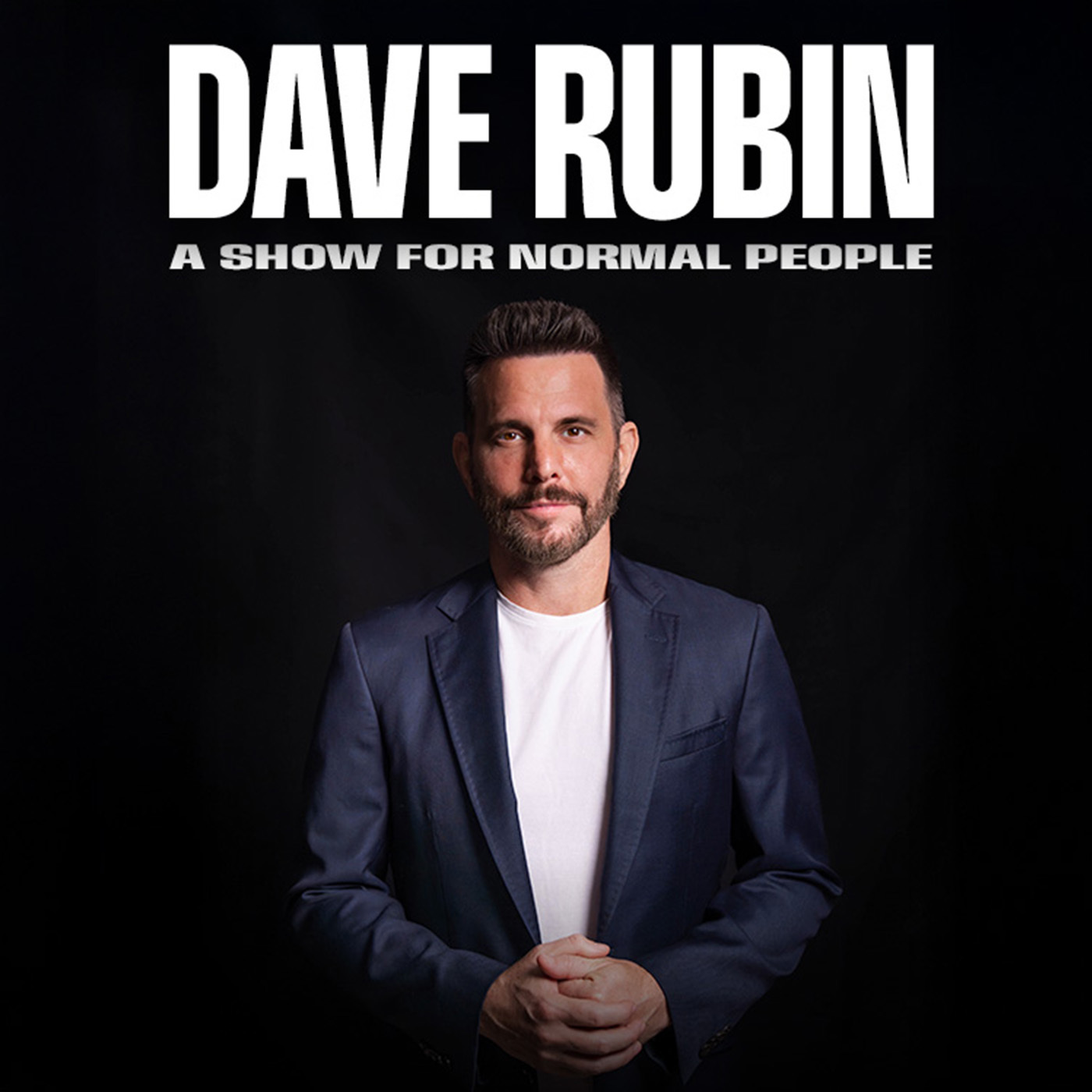
- The Rubin Report
- Trump Regrets His 3 Supreme Court Picks; Rubio Orders Iranians Out
The Rubin Report2 Oct 2026 · 13m

Trump Regrets His 3 Supreme Court Picks; Rubio Orders Iranians Out | 10/2/26 FIRST LOOK

 Add vo to ChatGPT or Claude to ask about everything you hear
vo listened to this episode to put together the overview and transcript, so there may be the odd mistake.
In short
Rubio orders Iranian delegation to leave the U.S. after stalled talks; Trump warns more Middle East strikes are possible and says the U.S. has restocked weapons; Trump says he regrets three Supreme Court picks; Pentagon expands the drug war inland across Latin America with drones, raids, and possible land strikes.
Guests
No guests are mentioned in the transcript.
Guest backgrounds
N/A.
Key claims
Rubio abruptly ended negotiations with Abbas Araqchi’s team in New York; Trump says escalation (“possible,” even “annihilate”) after midterms; Trump regrets Amy Coney Barrett, Neil Gorsuch, and Brett Kavanaugh for voting against him, citing birthright citizenship and tariffs; Southern Command will increase anti-cartel operations with “all options at the table.”
Notable examples
Ecuador pre-dawn raids with U.S. troops; Colombia drone-tracked capture; possible MQ-9 Reaper relocation from Africa; Pentagon considering moving Reapers to Central/South America.
Transcript
0:00Dave Rubin: Hey, Chicagoland, the Wayfair store is in your neighborhood at Edens Plaza and Wilmette. Finally, you can feel the fabric, sit on the sectionals and even open the refrigerators. Plus, our in-store designers will help you bring it all together with free one-on-one design support for any project on any budget. Yep, we said free. Oh, and did we mention the cafe? So what are you waiting for? Come see all that's in store. Visit the Wayfair store today at Edens Plaza and Wilmette. Way fair, every style, every home
0:56often. Birthright citizenship and the tariff ruling are the ones that set him off. And one year into the boat strikes, the Pentagon is expanding the drug war across Latin America. Let's dive in. Rubio shows the Iranians the door. Trump says more strikes are possible. Secretary of State Marco Rubio abruptly ended talks and ordered the Iranian delegation to leave the United States after negotiations stalled yet again, with no clear breakthrough more than seven months into the conflict. An official confirmed it to Fox News Digital. President Donald Trump is now warning Iran directly that it is possible he goes harder with strikes in the Middle East after the November midterms.
1:44He also said the U.S. military has significantly rebuilt its arsenal in recent months. The message from the White House and State Department is that the diplomatic track is strained. Days of negotiations failed to close the gap between Washington and Tehran on the terms for ending the war. Asked in a Time interview whether he would ramp up bombing after the midterms, Trump replied, possible. Pressed on whether that escalation was under consideration, he would not discuss targets. He said the United States had spent months restocking. We have a lot of weapons, you know. We've been stocking up for the last six months.
2:24He used the same word, possible, when asked whether he might annihilate Iran. The breakdown in New York came after little progress in weekend meetings involving Iranian officials and Qatari mediators. Rubio told Iranian Foreign Minister Abbas Araqchi and his delegation on Monday that they needed to leave New York. An official confirmed that to Fox News Digital after Axios first reported the confrontation. Rubio concluded the Iranians had overstayed their welcome after the high-level UN meetings had ended. Araqchi had stayed in New York for indirect talks aimed at ending the blockade of oil and shipping through the Strait of Hormuz, ending the conflict and restarting negotiations over Iran's nuclear program.
3:13Trump told the UN General Assembly last week he would continue to make sure Iran does not obtain nuclear weapons. Araqji and his team left early Tuesday. Iran disputed the American account. Tehran said the Monday night departure had already been scheduled and was communicated to the State Department on September 17th. The order to leave was still an unusually sharp rebuke, at a moment when mediators are trying to keep talks alive. The latest round centered on a seven-day confidence-building proposal to reopen the Strait of Hormuz and revive the June framework that briefly halted the fighting. Qatar has been shuttling messages.
3:55The two sides remain divided, mostly on sequencing. when Iran would reopen the strait, what nuclear steps Tehran would take, and what economic relief the United States would give in return. Trump rejected Iran's latest proposal over the weekend. He later said Tehran's offer to reopen the strait was not good enough, nearly. He also denied reports that he had offered sanctions relief or the release of frozen Iranian funds in exchange for movement on the nuclear file. From a maga chair, this is the pattern, not a surprise. Iran wants the blockade lifted before it gives up the bomb program. Trump already called the last offer not good enough.
4:39Rubio told them the welcome was over. And the president just put possible next to both more strikes and annihilation after six months of stocking the arsenal. Diplomacy is still on the table. Patience is not unlimited. Trump on his own justices. They voted against me too often. President Trump told Time Magazine he regrets three of the Supreme Court nominations he made because those justices have voted against me too often. The comments are in a wide-ranging interview published Thursday. He was asked about a negative remark he had made recently about Justices Amy Coney Barrett, Neil Gorsuch, and Brett Kavanaugh, the three he nominated in his first term.
5:24Yeah, yeah. What can I do? I put them in, Trump said. They voted against me too often. I was very, I gave them the position of a lifetime and they vote against me often. They vote for me too. Then he drew the contrast he always draws with the other side. The Democrats stick like glue. Those three, they virtually never vary. You can come up with the worst thing in the world and they'll vote as a group. And while I don't like it, there's something I admire about it. There's loyalty. So they have loyalty to Barack Hussein Obama. They have loyalty to Biden, even though Biden doesn't even know who the hell they are.
6:07He wouldn't know. He doesn't even know what the Supreme Court is. And me, I gave them the chance of a lifetime, and it's unfortunate what they did. The ruling that bothered him most, he suggested, was the decision striking down his executive order aimed at ending birthright citizenship. It's unfortunate what they did, not to me, to our country. Birthright citizenship. It's becoming a major industry now. People are making millions and millions of dollars, and we're losing trillions of dollars. And it's become a corrupt business, all because of the Supreme Court decision. He was also frustrated that the court rolled back the sweeping tariffs he put on other countries.
6:50Asked whether he expected loyalty from justices he nominated, Trump said, I do like loyalty. Pressed on whether he wants loyalty from them, he said, no, I don't want loyalty. I want good decisions. The tariff decision was disastrous for the country. I want good decisions for the country. Gorsuch, Kavanaugh, and Barrett succeeded Antonin Scalia, Anthony Kennedy, and Ruth Bader Ginsburg. Conservatives spent a generation trying to put originalists on that bench. Trump delivered three. He is now saying out loud what a lot of the base has muttered since the birthright and tariff losses. A lifetime appointment is not a thank you note, and a six to three court that will not touch citizenship or trade the way he wants it touched is not the victory they thought they bought.
7:42He still says he wants good decisions, not loyalty. The regret is on the record anyway. The Pentagon takes the drug war inland. One year after it began striking boats suspected of ferrying drugs, the Pentagon is dramatically expanding the military's role in tracking cartels across Latin America and the Caribbean, high-tech drones to map smuggling networks, and U.S. troops assisting in ground raids. The top general in charge is a Marine four-star who spent years disrupting terror networks in the Middle East. General Francis Donovan, head of U.S. Southern Command, told the Wall Street Journal the goal is to help countries in the region step up anti-drug operations with American assistance.
8:29Other U.S. officials say the deployments are part of a broader push to disrupt illicit trafficking worldwide with military technology and counterterrorism tools. Do I see land strikes as options? Yes. We want all options at the table, Donovan said. Those actions might be strikes, arrests, or the takedown of a safe house. It could even be something as routine as increasing the use of cargo scanners at border checkpoints. The goal, he said, is total systemic friction on the cartels. Cooperation with Latin American partners has expanded fast. Last week, some 50 U.S. troops and law enforcement personnel joined Ecuadorian police in pre-dawn raids against an alleged cocaine network linked to a Mexican cartel, according to Ecuadorian and U.S.
9:21officials. Ecuadorian officials say it was the first time U.S. troops directly participated in police raids in the country. The operation was backed by U.S. military assets, including drones and jamming equipment. Trump officials plan to expand that model across the region. So far this year, the U.S. military has helped Ecuador bomb a suspected trafficking camp, worked with Venezuela on a strike that killed the leader of Tren de Aragua, and provided intelligence for operations in Colombia. On Monday, Colombian forces captured an alleged gang leader after tracking him with U.S. law enforcement and American-supplied drones fitted with infrared sensors, according to local authorities.
10:05That is a shift for Southern Command, which has traditionally kept a light footprint and focused on intelligence sharing, interdictions, training, and disaster relief. Donovan said Latin America, thick jungle canopy, severe weather, mountains, is harder than the open desert of the Middle East. Some of the drones, including unmanned boats that can launch quadcopters, will work riverways and deep jungle where smugglers hide under layers of canopy. This allows us to see under the canopy and right at the waterline. That is where we find drug labs and where they build these large, semi-submersible platforms deep in the jungle.
10:48To support the expansion, the Pentagon is considering moving MQ-9 Reaper drones from Africa to Central and South America, according to U.S. officials familiar with the plan. Donovan did not comment on that shift. MQ-9s can pick up electronic communications, detect heat, and conduct precision strikes. They have been central to counterterrorism. In the past year, they have also been used in attacks on drug boats. Last week, officials from several combatant commands met in Washington on a global cartel effort. Commanders from European Command, Africa Command, Southern Command, Northern Command, and Special Operations Command took part.
11:30The campaign sits inside a more muscular Latin America policy. More than 20 groups designated foreign terrorist organizations and a widening set of military arrangements. In recent months, Colombia, Paraguay, and Jamaica signed agreements expanding the ability of U.S. forces to operate, train, and temporarily deploy. Ecuador's Trump-allied president tried to offer the U.S. military a base. Voters rejected it. Donovan said the growing list of partners shows how hard the gangs have hit the region. He wants those countries to take the lead. They are not only fed up, but under immense stress because of the impact these narco-terrorist organizations have had on their societies.
12:16The majority of them are willing to employ their military and law enforcement forces to achieve those objectives. The fentanyl and cocaine-killing American towns do not start at the Rio Grande. They start in camps, labs, and semi-subs under a jungle canopy. Trump's Pentagon just moved from boat strikes to troops on the ground in Ecuador, drones that can see through the trees, and a general who will say land strikes out loud. That is the drug war treated like the terror war. And that's your first look this Friday. Quick recap, Rubio tells Arachi the welcome in New York is over after another stalled round, and Trump says more strikes after the midterms are possible.
13:03Trump also tells Time he regrets Gorsuch, Kavanaugh, and Barrett because they voted against him too often, especially on birthright citizenship and tariffs. And Southern Command is taking the cartel fight inland, Ecuador raids, jungle drones, Reapers possibly moving from Africa, and a four star who wants every option, including land strikes. We'll keep following all of it. I'm Dave AI. Thanks for starting your day with First Look. See you on Monday.
From the publisher
Dave Rubin of "The Rubin Report" gives a first look at the stories you need to know to start your day, including Secretary of State Marco Rubio ordering Iran's delegation out of New York after another round of stalled negotiations as President Donald Trump tells Time that more strikes—and even Iran's annihilation—are "possible"; Trump revealing that he regrets appointing Supreme Court Justices Neil Gorsuch, Brett Kavanaugh, and Amy Coney Barrett after rulings against his birthright-citizenship order and tariffs; the Pentagon expanding its campaign against Latin American drug cartels with U.S. troops joining raids in Ecuador, drones penetrating jungle cover, and Southern Command considering land strikes and arrests; and much more.
#rubinreport #rubio #irannegotiations #Trump #scotus #drugwar #latinamerica #daverubin
More from The Rubin Report
All episodes
We use cookies.They keep vo running smoothly and help us improve it. Privacy policy
Scan the code with your iPhone camera
Listen in the app.
- Play everything vo finds for you
- vo remembers everything you hear
Go to the App StoreFree on iPhone