
In short
Notes on Podcast Episode: "Is having a female coach in the Premier League the holy grail?"
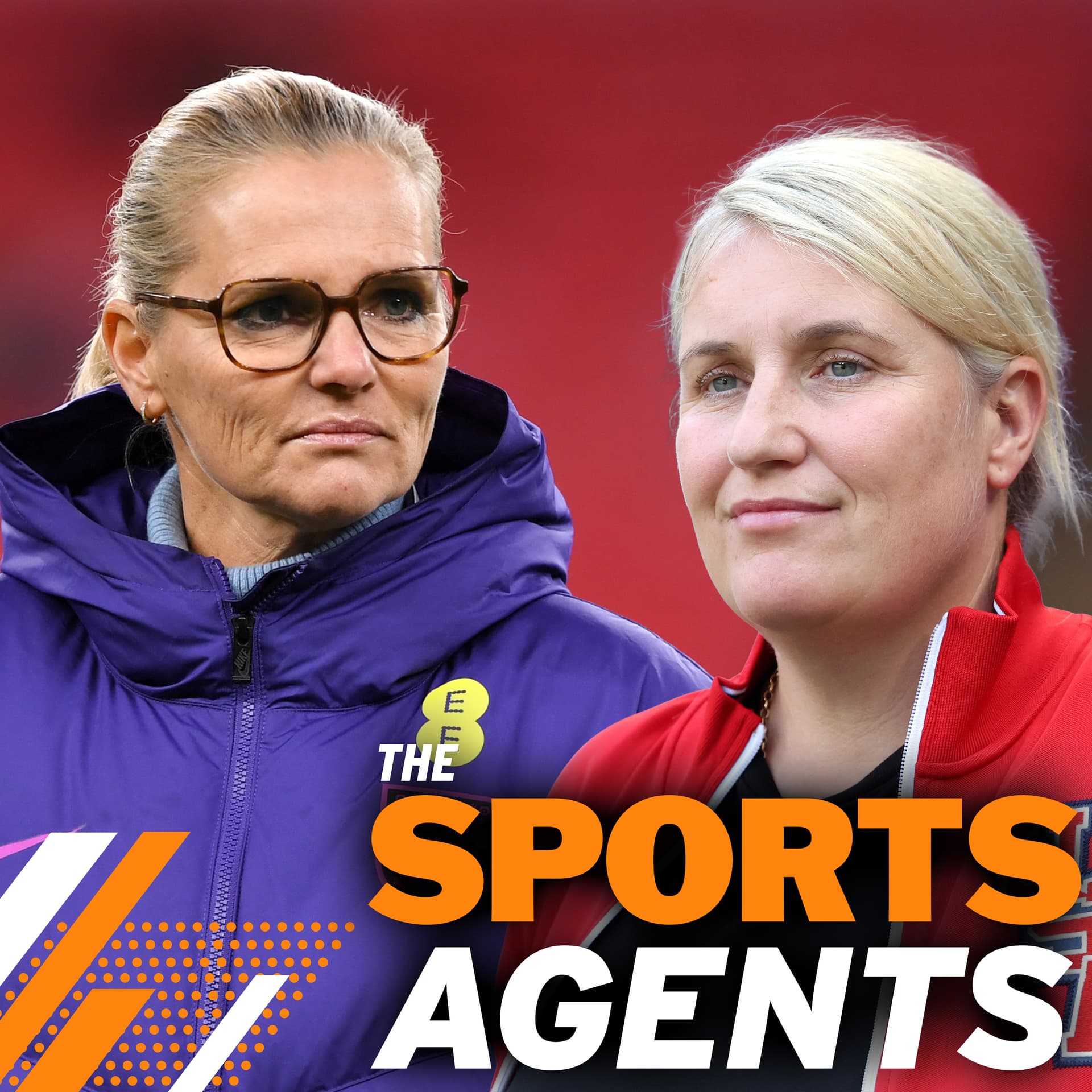
Podcast Overview Title: The Sports Agents Hosts: Gabby Logan & Mark Chapman Description: The podcast explores significant stories in the sports world, focusing on themes from various sports, including football, rugby, boxing, and athletics. It features expert analysis, interviews, and discussions on sports culture and issues.
Episode Summary In this episode, Gabby Logan discusses the challenges and potential of female coaches in sports, particularly in light of recent findings that female coaches face systemic bullying and often do not receive pay for their roles. Joined by guests Jess Thirlby (Head Coach of England Netball), Paula Dunn (Performance Director at UK Athletics), and Stephanie Hilborne (CEO of Women in Sport), the conversation centers around the barriers to entry for female coaches, the importance of representation, and the benefits of having women in coaching roles.
---
Key Themes and Discussions
- Current Landscape for Female Coaches
- Bullying and Harassment:
- Female coaches are reportedly twice as likely to face bullying compared to their male counterparts.
- Bullying often comes from other coaches, notably male, and includes microaggressions that undermine confidence.
- Unpaid Roles:
- Many female coaches remain unpaid, especially at the grassroots level, making it challenging for women with family responsibilities to pursue coaching careers.
- Barriers to Entry and Retention
- Challenges in Coaching:
- Transitioning from athlete to coach typically involves unpaid roles to gain experience.
- The discussion highlights that women often shoulder the majority of childcare responsibilities, making the unpaid nature of grassroots coaching particularly challenging.
- Retention Issues:
- The data indicates that female coaches feel less valued and respected compared to their male peers, contributing to high attrition rates.
- Importance of Female Representation
- Diversity in Coaching:
- Both male and female coaches bring unique perspectives. A more gender-diverse coaching environment benefits athletes by providing relatable role models, especially for young girls.
- Representation matters not only for female athletes but also for boys, who benefit from seeing positive female role models.
- Cultural Shift:
- Successful coaching is about fostering a positive culture. Coaches who treat their athletes as individuals and focus on their well-being can enhance team performance.
- Unique Qualities of Female Coaches
- Empathy and Understanding:
- Female coaches often bring empathy and a holistic approach to coaching, understanding the personal challenges their athletes face.
- Challenges of Stereotyping:
- The notion that female coaches must exhibit traditionally masculine traits to be successful is a stereotype that needs to be challenged.
- Emotional intelligence and communication styles vary, and successful leadership doesn’t always align with aggressive tactics.
- Future of Female Coaches in Prominent Roles
- Premier League Aspirations:
- The conversation touches on whether having a female coach in the Premier League would signify true equality in sports.
- However, there’s a consensus that the journey involves creating a supportive infrastructure for female coaches from grassroots to professional levels.
- Cultural Acceptance:
- For the sports community to embrace female coaches at all levels, systemic change is necessary in how women are viewed in coaching roles.
---
Key Takeaways
- Need for Change: The sports industry must actively work on creating environments that support and respect female coaches to retain talent and encourage new entrants.
- Holistic Coaching Environments: Emphasizing a culture of empathy and individual attention can lead to a more successful and harmonious sporting atmosphere.
- Role Models Matter: The visibility of female coaches can inspire future generations and challenge outdated perceptions of gender roles in sports.
---
Conclusion This episode of "The Sports Agents" highlights critical issues facing female coaches in sports, emphasizing the need for systemic change to foster an inclusive environment. It calls for acknowledgment of the unique strengths female coaches bring and the importance of diversity in coaching roles for the development of athletes and the evolution of sports culture.
Written by AI. May contain mistakes. Listen to the episode to check what was said.
Chapters
Tap a time to open that second in VOChallenges Faced by Female Coaches
0:46 to 3:47
Discussion about the prevalence of bullying and harassment of female coaches.
“The issues stretch far beyond men's football, all the way to grassroots clubs.”
The Gender Dynamics in Coaching
3:48 to 6:41
Exploration of gender balance in coaching, highlighting experiences of female coaches.
“coaches, but that doesn't mean that you can't experience bullying from another female.”
Barriers to Entry for Women in Coaching
6:42 to 8:35
Discussion on the challenges women face entering and progressing in coaching careers.
“And it's harder for a lot of women with young families to say they're going to go and do some unpaid work, perhaps after hours, than it may be as a male, because women are the prime carers so often.”
The Emotional Toll of Coaching
8:36 to 11:43
Insight into the mental burdens faced by female coaches and their commitment to the sport.
“It's very intense, it's very challenging, very rewarding and you've got to have a lot of energy to do it.”
Cultural Inequalities in Coaching
11:44 to 14:01
Examination of the systemic issues and inequalities still present in coaching environments.
“And what we're finding is from this study that both men and women are facing a pretty tough environment, antisocial hours, all the things you'd expect.”
Bias and Challenges for Female Coaches
14:01 to 16:18
Discuss the biases and challenges women face in coaching roles, including bullying and harassment.
“We're really primarily about looking after our children and, you know, whatever.”
The Importance of Female Coaches
16:18 to 22:25
Explore the unique qualities female coaches bring and the significance of diversity in coaching.
“with and what they can give them Paula in a just a different way of coaching do you see different styles and different communication techniques when you look at male and female coaches I think you do.”
Cultural Shifts in Coaching and Leadership
22:25 to 28:00
Examine the evolution of coaching culture and the impact of leadership styles in sports.
“It's a learned skill, because more often than not, we're under the pump, whether that be in our personal lives or in our professional lives.”
Cultural Shifts in Coaching
28:00 to 29:48
Explore how Gareth Southgate has transformed coaching culture in football.
“And if you look at Gareth Southgate, who you could argue is the most successful men's England football coach since 1966, and one of the things that he did was change the culture within the squads.”
Inclusivity and Male Coaches
29:48 to 31:17
Discuss the impact of gender balance in coaching on team dynamics and culture.
“And so what you see is a wider improvement in culture.”
Show all 11 chapters
Leadership Styles in Coaching
31:17 to 33:02
Analyzing different leadership styles in coaching and their effectiveness.
Transcript
Automatic transcript. May contain errors.0:02This is a Global Player original podcast. Women like Serena Viegman and Emma Hayes continue to show the world what female coaches can do. But for anyone trying to follow in their footsteps, sport can feel very much still like a man's world. According to a new report this week, female coaches are twice as likely to be bullied and many are still unpaid. You only have to see scores of women across the internet or in the business, whether you're a presenter, you're a coach, you're a player, to realise that we're routinely used to dealing with systemic misogyny, bullying and behaviour that has been pretty normal for a large part of the football public.
0:53The issues stretch far beyond men's football, all the way to grassroots clubs. So what needs to change to create an environment where female coaches can thrive like Hayes and Wiegmann? Welcome to The Sports Agents.
1:13The Sports Agents. With Gabby Logan and Mark Chapman. So it's just me today. And before we get started, remember, you can always get in touch. The sportsagents at global.com on email or messages on social media. And do leave a comment or review when you listen and hit subscribe so that you don't miss any of our episodes. I can't believe I'm on my own today. I don't get to gloat about Newcastle United's impressive win in the Champions League against PSV last night. Or I just did. So with me, we have Jess Thirlby, who, of course, is head coach for England Netball. Hi, Jess. Hello. Paula Dunn, former sprinter and performance director at UK Athletics.
1:53Good morning. And Stephanie Hilborn is with me in the studio, CEO of Women in Sport. Good morning. So some of the findings of this study are depressing, a bit worrying. I'm sure some of them won't surprise you. So let's get stuck into that, I guess. One of the headlines that female coaches are twice as likely to be bullied and harassed than men. Was that something that shocked you, Paula? Probably not. I think it's a lot of anecdotal evidence to say that it's more difficult for a female in competitive sport, definitely the higher you go up the pathway. You always kind of hope it's not, but it is probably a very much a true reflection of what actually happens on the ground.
2:35And I think when we talk about bullying, it's probably a lot of that microaggression, that constant, you know, belittling, feeling isolated, where it kind of just erodes your confidence, which is obviously the opposite of what we're trying to do. So probably I'm not surprised now. And you say I've seen or that you would see. Have you experienced as well? I'm a little bit blinker sometimes. So if somebody gives me negative feedback, I kind of just go like a bull in the china shop to prove everybody wrong. But definitely there's been comments about, you know, can you be strong enough to have a tough conversation?
3:12Can you really lead a team? Those comments that kind of erode your confidence if you're not confident enough. And like everybody else, you're going to have ups and downs and ebbs and flows with your confidence. so definitely been in that situation but I think for me I've always had a lot of really good allies in that space as well people to pick me up when you're feeling down and as my mother always says it's kind of reflection of the person who's bullying rather than you and it's usually something within them so that's kind of where I always take you know comfort in is that actually it's reflection on them rather than me.
3:47Jess one would think of netball as being dominated by female coaches, but that doesn't mean that you can't experience bullying from another female. Is my perception wrong in terms of the balance of gender in coaching in netball or is it predominantly female? No, I think it would be absolutely fair to say that, you know, we're an unapologetically female focused sport, but that doesn't mean that we don't embrace and encourage both genders to contribute to the development and growth of our game. And I think even more so at kind of the participation level and through the kind of academy part of a system you're seeing more and more brilliant examples of both men and women coming into our sport and promoting it and celebrating it for what it is but I agree with you Gabby I think sometimes the sadness is as Paul has already said it's in the subtleties of the undermining nature of some of the behaviours within coaching cultures but also yeah I think you know women you know we often talk about and we're part of some brilliant groups, you know, the Women's Sport Collective Hub being one of them that, you know, creates a fantastic community to build women up and to champion each other.
4:55But I would say absolutely, I agree with you. It's obviously not exclusively about men bullying women in coaching. It can happen, you know, across the board. And yeah, hopefully, you know, it's something that this report will draw attention to because we want a safe environment that champions the growth and development of coaches and all coaches. But yes, I would say, agree with you it can be any gender and it is just one factor stephanie isn't it that would perhaps stop somebody on their journey as a coach and and is one of the reasons why there are so few female coaches at the very very top across a lot of sports i think the figure at the last olympic games it had risen from 17 to about 23 24 of coaches at the olympic games were female i think that's definitely the generous end of of that but yeah no it has been there has been a focus hasn't it they've been worrying about it every level internationally and nationally the lack of female representation and and what was interesting in this study it was a study of nearly 2 000 male and female coaches and some of them were lapsed coaches and if you looked at the data of of the coaches that had left how heard and how respected and how valued they felt that was right down for the female coaches it was virtually unaltered for the male coaches and male coaches are leaving for different reasons so there's a very strong issue about retention in fact I think really we should as a as a sports system focus on retention because if we can retain the great women in now that will give us the the right platform and be evidence of the right culture to be bringing more women in.
6:30So the thing we also need to look at then is barriers to entry in the first place isn't it and why women don't feel coaching is necessarily a career for them or a pathway for them. Because, you know, we're talking grassroots as well, which is often unpaid. And it's harder for a lot of women with young families to say they're going to go and do some unpaid work, perhaps after hours, than it may be as a male, because women are the prime carers so often. Paula, do you see that in athletics? Definitely. I think if you look at myself and Jess, I think we are probably like most females who reach a certain level in sport have been ex-international athletes.
7:07So for me, being an ex-international athlete, I was used to being at the house four, five, six days a week. And I had a really strong network of support to my mum, my sister, my brother who helped with the childcare. But when I finished and I made a decision to go to coaching, it was really tough because you've got to balance all these things. I had to balance work, being a wife, being a mother, being a daughter. And that's before I left the house. And, you know, whether I like it or not, most of the childcare was down to me in terms of who's going to look after the children, who's going to feed them, schoolwork.
7:43You know, then next morning, who's going to get the school uniforms ready? And I said, my husband used to just walk in, pick up his sports bag and go out. And I had to do this literally of things to make sure it was all the organisation was in place. So it is tough. I think when you've been in the sport a long time, you understand the constraints on your times, but you're used to being out of the house. And so for me, it kind of continued unabated that I went from being an athlete training to just went coaching at the grassroots, totally free, because I wanted to give back. But there is only a certain amount of time people can do that for.
8:21So there's definitely focus where we need to make sure. and it's really hard because you want to make sure that you're encouraging all types of women, some great women to come into coaching, but you also understand that it is generally unpaid at the beginning of your career. It's very intense, it's very challenging, very rewarding and you've got to have a lot of energy to do it. So from the grassroots, I think you can do things to make it easier. You know, you can look at the training times, you can look at, you know, I used to bring my son with me to training and he actually competed as well when they were young.
8:59So that made it easier. But it is, hobbies and sport is tough. It's just very challenging. And it gets harder but easy in terms of, you know, when paid jobs come along because then it becomes your career. But initially it is very much voluntary led. I was going to say, is that almost a given that at the very beginning, Jess, you're going to be doing this unpaid zero hours contracts to get yourself into a position where you might, if you're lucky, be offered remuneration for the hours you're putting in? Yeah, absolutely. And, you know, I would concur with what Paul has said, you know, often I've put my hand up for things as a young person as well, transitioning from playing to coaching, just to simply build that level of experience and knowledge base and to kind of just want to learn, you know, like you want to learn.
9:47And so you kind of grab every opportunity with or without payment. But I think that kind of mental load that you have before you even walk into a room to try and become the best version of yourself as a coach is an unspoken, it's almost like something you worry about expressing, you know, like the toll that it might take or is taking. And like Paula, you know, I'm lucky that I played the sport. So yes, there's a familiarity with what's coming. You don't go in with your eyes closed, but coaching is so vocational. It's 360. Often have I been asked, is it harder? Absolutely. Than performing. There's an element of kind of better boundaries with the performer.
10:26You know, you train the fatigue, obviously physical and mental is high, but it's about you often and you alone. Whereas as a coach, you're taking on that brilliant privilege and burden of concerning yourself with the development and growth of multiple individuals 24 hours a day for a long time. And I think not only is it the introduction and a sense of belonging and people coming into the sport, but I think as you and Stephanie have touched on, is it sustainable? And so the fallout from women in coaching is because I don't think we know any other way than to give our whole selves to everything that we do.
11:02And I think there are a lot of perception issues around, you know, seeing it as a hobby rather than a career and almost assumptions that we should be okay with that and I think that's an unfair assumption and I think we're battling some perceptions around it's a nice to do for us to get out of the house you know to to move away from some of our daily responsibilities when actually most of us really want to get into it because we're passionate about growing our game and to see the best version of other people and if we can play a part in that you know but we're ultimate servants you know as coaches we're servants to the needs of those around us and we're driven by a passion and so that needs to be harnessed and payment is one form of that but it's often not our motivator you know I wouldn't be doing coaching if money was my driver that's not what I'm in it for but I think again it's kind of a quietly accepted well it's okay until we you know start to moan and complain and then we're seen as difficult and I think that's also an unfair perception of how we operate as women in sport.
12:02The landscape certainly has changed in terms of the figureheads and the women that we can look up to who have, and I was just looking even down the list of Sports Personality of the Year, coach winners, and that has increased so much over the last few years because of the likes of Serena Wiegman, Emma Hayes, you've got Jane Frigero, who was the diving coach for Tom Daley and others, and has won a lot of Olympic medals under her watch and there are many others but those women getting the headlines and getting the accolades I think is so important as an example to others that you can be at the top of your game and be you know be judged on what you're achieving not on who you are and what you look like.
12:43I think what's happened with that exactly as you say but also of course the you know the team sport we've seen now on TV women's team sport which when I was young you literally never saw it has definitely changed perceptions but there's a big lag now in the system and one of the critical places is in coaching so if you look where are the big gender gaps it's at the very top of leadership of the sports organizations and it's in the coaching workforce and I think absolutely I mean listening to Jess and Paula speak you know the the amazing commitment that coaches have the millions of coaches there are the way they change they're changing lives every day and most of us can talk about coaches who changed our lives.
13:21We must look after them better. And what we're finding is from this study that both men and women are facing a pretty tough environment, antisocial hours, all the things you'd expect. It was physically tough in conditions. But that's true for men and women. But what the survey definitely showed is there are certain aspects still in the culture which are definitely not equal. So that's whether you get your first one hour of coaching paid, whether you get your first zero as contract. What we found were there were many more men on the permanent contracts and more women on the less favourable contracts.
13:53And then within that, there was a really strong angle of difference between how much effort was put into thinking about your progression. And maybe that links back that, you know, we're not really seen as that's going to be our career. We're really primarily about looking after our children and, you know, whatever. I mean, we haven't dived down. So when the final decision is coming between two candidates, there is still a bias there? There's probably still a bias there, but it's more about conversations about progression. that they're not happening as often or investment in your continuing professional development that's not happening as often and there's a sense of the women not feeling as heard and then right at the the end which you mentioned right at the beginning about bullying i mean the stats there were pretty horrendous and and so 30 percent of women 15 percent men say they're experiencing bullying the men said that came mostly from sort of the local committees or what was described as management For the women, it was other coaches and it was predominantly male coaches.
14:49And that's just not acceptable. And then one in five women were saying they were being harassed and principally sexually harassed. And that was also by the coaches. And that is so unacceptable. Both men and women coaches are suffering from aggression and violence from parents largely, which is also unacceptable. but if it's from within the system it feels that there must be more that sports could do to help from top down you know to help people understand what what is misogyny because actually this is about this isn't really your place this is really our place you shouldn't really be leading you shouldn't really be having a position of authority we still haven't as a society quite equalized those perceptions and in female coaching you've got both of those things so it does feel like a sort of particularly well the survey shows it feels to these women like a particularly unwelcoming environment to a lot of them not all of them and there will be I suppose personal decisions made won't there in terms of a drop-off in the same way that we've been battling for years to stop young girls teenage girls dropping out of sport you know there will be a moment and it happens it still happens in careers for women doesn't it where they get to a point where they decide they just can't do that juggle anymore and they want to focus on family and their career progression stop so there is a societal cultural issue here that is not just specific to coaching but what I'd like to focus on next if it's all right is why it's important that we have female coaches and what they do for the athletes and the sports people they're working with and what they can give them Paula in a just a different way of coaching do you see different styles and different communication techniques when you look at male and female coaches I think you do.
16:34I hate going down that track. This is female and this is male. I think both sexes can have really good qualities. But I think I always... I guess it's why is it important that we get more women in? You know, what are they offering? I think I definitely show more empathy. I can definitely understand and relate to a female, whether it be a colleague or an athlete, because you've walked some of their steps and it's always a little bit easier when you know, you know, you've been through some of the challenges they're facing. so I think the qualities is that and I do believe that you should have diversity so when any athlete or colleagues sat there looking up at the team it should reflect the athletes um that they're supporting so you know I'm a big believer like you know it should be male and female you know right across the board that's in the medical team in your coaching team in your management team and um also you know diversity in like you know you should have black people up there you know because these are role models and make a huge difference to how you perceive yourself moving through the system and if there's going to be a place for you.
17:41So I always struggle because I just think I'm just very caring. I look at the whole person and I think that's always been my style to look at not just the athlete, but the person. And I think if you can get to know the person, you're going to get a great performer. And I think sometimes what we've tried to do in the past is is split the athlete from that person which is always really difficult and so I kind of do take a more realistic approach but I always say to people it's not the soft approach people get confused you know looking at somebody in entirety doesn't mean you're you're not taking the sport seriously we are absolutely taking the sport seriously but we're just aware of you know the things that could impact upon them so I think that's that's obviously I can't speak for all women but I think the women I work with they definitely bring this diversity of thought how to approach problems and when you're in a room you know I'm like a lot of people sometimes I'm the only female in that room and it just gives a different lens to a problem rather than seeing it from one angle which I think is always useful as well.
18:46Yeah because your experiences in life are just different aren't they so you're able to perhaps see a solution to a problem in a different way. Jess, I know we discussed at the beginning that netball has predominantly been played by women. I know there are men playing now, and it's predominantly been coached. You look at the other team sports that are dominating football and rugby for women, obviously the recent Red Roses victory in the World Cup, it was a male head coach who took over from a male head coach. Serena Vigman obviously took over from Phil Neville. And there've been a few more female head coaches actually of football, which probably shows their progression as professional sports.
19:24maybe. Do you see a time when a man would be coaching England's netball team? That's a really great question. Look, I agree that, you know, it's dangerous to go down the route of one or the other. I'm a big believer in cultivate, you know, a staff team here that has diversity of thinking, diversity of experiences and skills. And I think any of us, and we should be expected to be able to be agile with having skills that mean we can react and respond to any individual athlete or person, whether that sits in our preferences or not. But I think there is a fundamental, there are some fundamental differences between the way men and women think, behave, you know, like that's just fact.
20:04And so I think what often what you see is you see those of us in the lead roles, you know, absolutely we're the kind of face of that sport or that team. But you take half a pace back and you look in the environment. And if you're not seeing diversity of thinking, skills, male, female, all of the above, then And I think we're falling short because that for me is normally the crux that makes an environment really, really successful. And a good leader will know what they're lacking and who they need. And if that be male or female, it shouldn't really matter. But it's just your attention to detail in that space so that you best accommodate and support the needs of each individual.
20:39And I won't be the best fit for everybody. I know that. But that doesn't mean it's an excuse for me to not be the best version and coach that I can be for as many of my athletes and across our team and our staff to make sure that I've filled those gaps accordingly. Yeah, because that's an important point, Jess, isn't it? That you're not just coaching those athletes often. You're also looking after other non-athletes within a team or recognising what they need to do the best jobs they can do. yeah absolutely I think look one of the greatest strengths that I'd like to think I and or other female coaches bring is I actually think we're really efficient and I think we think creatively because I think some of those you know whether I'm being too generalized here but some of those kind of other responsibilities that we've spoken about and that we're not all the same not everyone has children not everyone has the same experience but I just think that kind of gender difference in terms of some of the mental load and some of the stereotypes that we either have to accept or are still part of our norm.
21:40I know for me, it makes me far more efficient. You know, I'm far more efficient the busier I am than I am when I get more time. So the one thing I ask for all the time as a coach is more time. I'm actually worse with it because I've learned the behaviors and skills to be better busy and how to manage that cognitive load and think differently about solving problems. You know, I'm a bit like Paula, if anyone tells me something can't be done, then I'm definitely here to prove otherwise. And I don't do the too hard basket. You know, there's always a way, it's just how willing you are to think differently about solving the problem.
22:13And I do think, as women, for all the kind of empathy and compassion that is often associated with our approach, I do think there's just a general problem solving ability, and an efficiency that we learn. It's a learned skill, because more often than not, we're under the pump, whether that be in our personal lives or in our professional lives. I think it sets us up nicely for coaching jobs where they're in, you know, it's high demand, but it's high reward. And you have a great duty to the players and athletes that you serve. We'll have more from Jess, Paula and Stephanie after the break. The Sports Agents.
22:51The Sports Agents. With Gabby Logan and Mark Chapman. I mentioned Serena Veedman and I think it's really interesting how she is reported, you know, how at the beginning of her appointment, there was a lot made of her direct communication and people put that down to her being Dutch. And we like this because she tells us exactly what it is and how it is. And then when she's had to make difficult decisions, well, she's not probably not found that difficult at all, but she's made decisions that people have found difficult to take. The communication was then perceived to be, you know, there's a recent, obviously, an incident that's happened with England's goalkeepers was perceived to be too direct and people kind of you know and I was wondering at the time whether that was the perception of her as a female and that actually if a male coach had delivered that news and changed his goalkeeper whether or not we would have even considered it was to do with communication Stephanie.
23:43Well I'm sure on that one that there was a gendered aspect to the way the whole thing was reported for sure but if you actually look at sort of business leadership by women often it's women who do make difficult decisions and often brought in to make change so this whole sort of concept that you have to sound sort of macho and sound aggressive when you're making difficult decisions they're just not connected I mean often the difficult decisions the things people don't want to hear you know you might find that the female wiring which I'm sure is not all innate as Jess was saying it's probably learned it's very helpful for saying things people don't want to hear perhaps in quite a kind way sometimes slightly speculative what I'm saying there you know in terms of things I've read but what we know for sure at women in sport is that the girls we talk to often are saying they want to have somebody coaching them who has gone through their lived experience.
24:33And we did a massive piece of research on black girls who had the highest rates of dreamy of reaching the top of sport, but the lowest engagement in sport. And they were saying they wanted female coaches to lead them. Black female, great, but they wanted female coaches. At least they understood a lot of their lived experience. So there's a very important thing there. Also, the research done on boys, little boys, under 11 boys, showed that they are still being very gender stereotyped around sport. And so the more positive female role models that they have within sport, if they've got a female sports coach, they're probably going to have a very different attitude towards women in sport.
25:10So it's a massively important thing for just adjusting concepts of masculinity and sport as well. So there's a lot in there. It's not saying that men, as we've seen with the Red Roses, can't be absolutely wonderful coaches or women. But it's just to understand that, you know, particularly when we've still got this massive gender gap in the playing of team sport and there is this sort of constant drop-off, as you say, at teenager girls playing sport, having female leaders in sport matters at every single level. Do you think it matters? Emma Hayes has spoken quite a lot in the past about the fact that when she's got to the very top, she wins Olympic gold, And people say, well, are you going to manage a men's Premier League side now?
25:53And she's always kind of had the argument, well, why should that be the pinnacle for me? But she has said that actually the flip side of that, that that's when we'll really know that there is equality in coaching. Do you think that it matters if that's seen as the kind of highest accolade in this country, that you know the country's dominant sport male football that there needs to be female coaches making their way to the very top Paula to to kind of give the perception that women can coach anybody in any sport? No I just think we're at different stages of our development and we probably could if given the opportunity do that but you need the opportunity and so somebody's got to do that first of all but I think success is what you do what you start off with um and so people who reach the top you know whether it being female you know ladies football or athletics or not netball is that what have you done to to create positive change and that's the question what legacy have you left behind you know so for me does it matter if it's a male or female I think it'd be brilliant for the story, but we need the opportunities from grassroots, through the pathways, to build up that skill set, to build up that knowledge base.
27:12Then when the opportunity comes along, I think they, yeah, we will definitely see it. But is that a pinnacle success? I don't think so. It depends who's grading it. I think the fact that we've got two absolutely amazing female teams and, you know, netball that's my second favorite sport so I'm very invested in that um winning medals and you know the general population that sports personality that which is general they see it they see quality so for me that isn't a measure of success I think that's somebody else's idea of what success looks like but it will happen but again I don't think that that should take away from anybody what they've done in their their own sport at all it's interesting you were talking about the qualities when I asked the question about why it's important we have female coaches.
28:00And if you look at Gareth Southgate, who you could argue is the most successful men's England football coach since 1966, and one of the things that he did was change the culture within the squads. And that culture, that shift, was, I would argue, through the kinds of qualities that we're talking about that female coaches bring in terms of the harmony, the way they wanted to play together, being able to communicate with players, treat them as individuals, understand that they were different people, not just robots going out there to compete and not having an environment that was cliquey, which was one of the things that was accused of previous coaches.
28:43So it's a shift, I think. It's not just female coaches, is it? There's a shift in the way we coach. And you speak to any ex-footballers now who go into clubs and they say, gosh, the way we were treated as young footballers, male footballers, compared to the way the young footballers are treated now is so different. You're nodding there, Paula. Yeah. I just look back and we're treating them like individuals now. We should have always been done that. But, you know, you learn a method of coaching and he's very rigid. And I love what Gareth's done. I was on a course with Gareth. And so to me, what he did, he focused on the culture.
29:20he focused on them wanted to be involved be a group a collective and he supported his players even when it wasn't popular he supported them and I think culturally that was the best thing that could have happened and I think young people are different so we can't coach them like we did in the past they they demand to be valued the demand to be cared for and their well-being and mental health is important as it should be I'm loving the way the sport is going and people panic thinking it's going to decrease performance but it's not it's actually going to enhance performance um and so to me it's definitely the way forward that cultural aspect i'm a big believer in getting the right culture the right people get the right behaviors you'll achieve your objectives and it's definitely the best way to endorse that is success on the sporting field of play whatever sport that is isn't it if a team could be successful with that kind of leadership and that permeates into business and other areas of society yeah i mean bringing up gareth it's a great idea because I think what we also see is that if you have a group of people and they're more gender balanced then often the men who are perhaps more like I don't know him well but you know the way they are talks about culture they often feel stronger to be more themselves and so the sort of if there is a man who's being over dominant try and avoid the words I nearly said them but you know being a bit toxic with their masculinity shall we say then I think having more women there tends to give the men who are more likely to have the right culture more space to be themselves.
30:52And so what you see is a wider improvement in culture. It gives, I think those men, I've talked to those men about how they feel that they're just, that yeah, they can stand up to the guy they should do. And so I think the more we can bring in those men with that culture, and as Paul is saying, this shift to the person which will lead to the performance in the culture of sport the better I mean in coaching in particular it seems to be a massive shift going on I bet you're not too much of a barker Jess are you no it's no you know I agree with Paula you know being kind and caring is being direct honest and transparent like that I think sometimes we feel they're exclusive of each other they're not you know and I think the best coaches or leaders understand that and I think you know I've been fortunate enough to be in a room with Gareth a number of times and you know what resonates with me is his ability to make a connection on behalf of the teams and athletes he's working on whether that be to the fans to the media to their their whole purpose in terms of what they want to go after but he's also you know incredibly respectful humble and authentic in the way in which he leads and I think likewise you know you said you know will female football coaches will only only really have made it if they're leading a male team I think it's the wrong solution for the wrong problem I think relative to their abilities it doesn't it shouldn't matter and I think therein lie one of the biggest systemic issues really if that's what we're waiting for is a measure of success on ourselves as as female coaches in a you know a cross-gender sport and I think what Gareth has done so well is he it's where great leaders for me pay attention to the most important areas and they stay humble they can they're brilliant connectors and they give people a sense of belonging and I you know my interactions with Gareth have been all but respectful uh and yeah kudos to him really in terms of how I feel he champions not not male or female but he's just on the right track with how he gets the best out of people and and I think he too has come under criticism because he's not hard enough and I think well I don't know who sets these rules as to to what is hard enough what is too soft but I I think let us be measured by our success and actually more than that, our longevity and our ability to sustain successful systems that are based on a strong cultural foundation.
33:12And I think for me personally, that's what drives me every day. So, no, I'm not too much of a barker, but if it's needed, you know, I think that's part of knowing what your team need at any point. I'm also not shy. No. Well, best of luck. I know you've got some matches you're playing down there, a series in South Africa. So thank you so much for taking time out today. And Paula, heading towards a world indoors. I'm sure that's keeping you busy, which is taking place in China at the beginning of March. So best of luck with the indoor season. Thank you very much. Thanks so much for coming in, Stephanie.
Read the full transcript
33:48Thank you. The Sports Agents.
33:54The Sports Agents. With Gabby Logan and Mark Chapman. Thanks for listening. If you have any thoughts on today's show, then you can get in touch with us via email, the sports agents at global dot com or messages on social media or via the link in the show notes. And remember, our past episodes are available on YouTube, Global Player or wherever you get your podcasts. And please make sure you subscribe or follow and leave a review. Thanks for listening. The Sports Agents with Gabby Logan and Mark Chapman.
34:28This has been a Global Player original production.
From the publisher
Women like Sarina Wiegman and Emma Hayes continue to show the world what female coaches can do. But for anyone trying to follow in their footsteps, sport can still feel very much a man’s world. According to new report this week, female coaches are twice as likely to be bullied and many are still unpaid.
So what needs to change so more female coaches can thrive like Hayes and Wiegman? Is having a female coach in the Premier League the pinnacle? And what are the biggest benefits of having more women in this space?
Gabby is joined by Head Coach of England Netball, Jess Thirlby, Performance Director at UK Athletics, Paula Dunn, and Stephanie Hilborne, CEO of Women in Sport, who published the report.
📩 Got a question? Send it here: https://forms.gle/9SBbW1SYWqXLKnRT7
💭 Tell us your thoughts in our listener survey: https://forms.gle/YMUvajQktqBuimgh6
🖥️ Watch our full episodes on YouTube: https://www.youtube.com/@SportsAgentsPod
📱Follow us on socials:
TikTok - https://www.tiktok.com/@thesportsagents
Instagram - https://www.instagram.com/thesportsagents/
X - https://x.com/sportsagentspod
📥 Email: thesportsagents@global.com
Executive Producer: Adonis Pratsides
Producer: Sophie Penney
Video Producer: Sam Trudgill
Social Media Editor: Calum Scotland
Tom Hughes is Editor for The News Agents podcast network
Vicky Etchells is the Commissioning Editor for Global
You can listen to this episode on Alexa - just say "Alexa, ask Global Player to play The Sports Agents".
👕 The Sports Agents have merch! You can buy yours now: https://store.global.com/collections/the-sports-agents