
In short
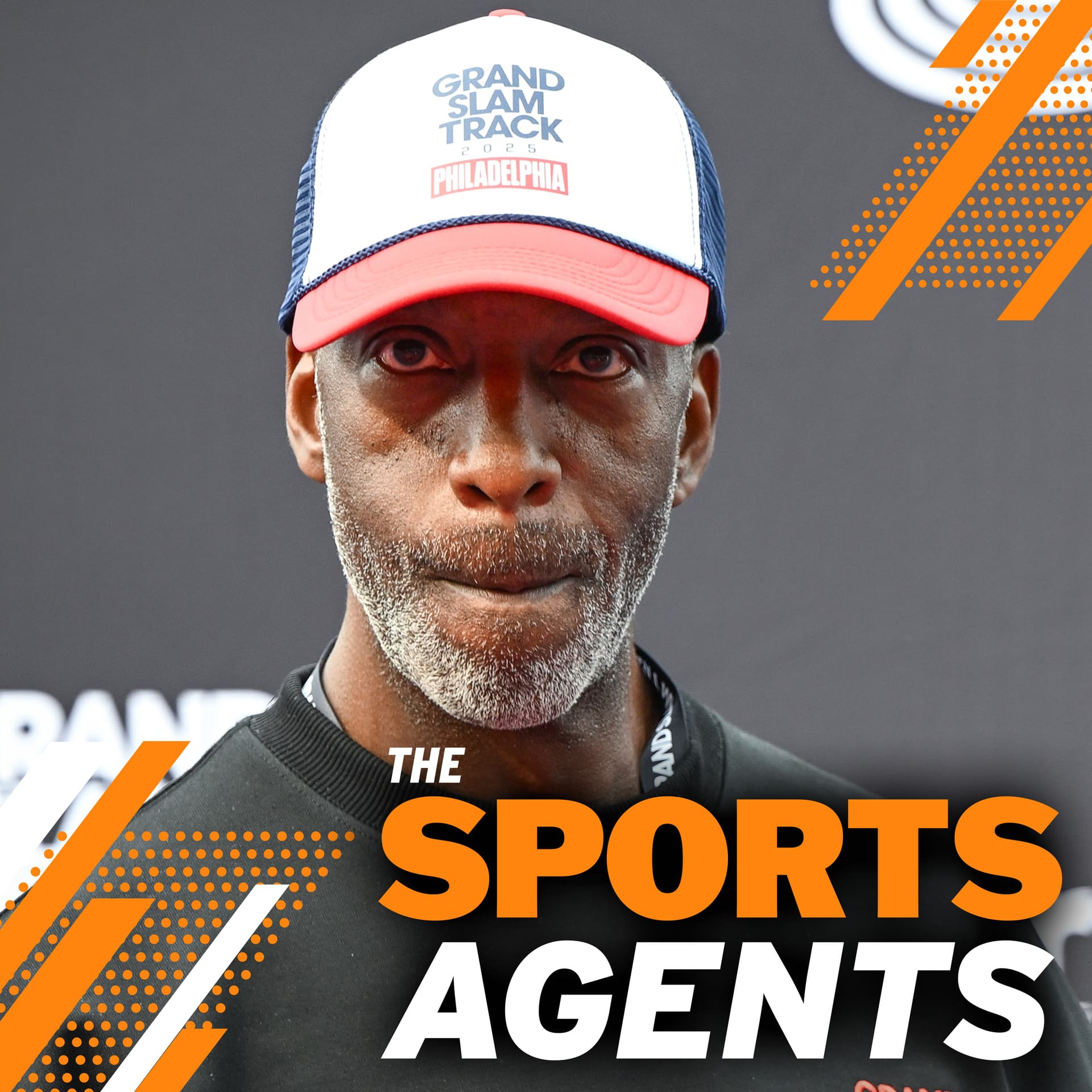
The collapse of Michael Johnson’s athletics league Grand Slam Track (GST) and why athletes are still owed millions in prize and promotional money after events were cancelled, including the LA finale. The episode also briefly touches on tennis/cricket scheduling and women’s football (WSL) season news.
Guests and backgrounds
Paul Doyle, sports agent representing 12+ athletes who competed in GST. Adam Crafton, journalist at The Athletic who investigated GST for The New York Times.
Key claims
GST publicly cited $30m “financial commitments,” but athletes and sources say only $13m was wired upfront; an additional ~$19m was optional. Eldridge’s term sheet was non-binding; Eldridge says it backed out over the business model (event-day revenue projections, Jamaica turnout). Athletes were reportedly sent to venues without assurance of payment.
Notable examples
Josh Kerr owed $160k; Gabby Thomas $180k; Melissa Jefferson Wooden up to $300k (prize money only). Kingston paid some promotional fees, but remaining prize/promotional amounts for other events remain unpaid.
Written by AI. May contain mistakes. Listen to the episode to check what was said.
Chapters
Tap a time to open that second in VOThe Rise and Fall of Grand Slam Track
0:46 to 1:25
Discussion on the ambitious goals of Grand Slam Track and its eventual collapse.
“and so so proud of what we're able to do out here at the philly slam onward and upward grand slam Onward and upward, said Michael Johnson, and then it all collapsed.”
Introduction of Hosts
1:26 to 1:40
Hosts Gabby Logan and Mark Chapman introduce themselves.
“The athletes, many of whom are trying to refocus on next week's World Championships in Tokyo.”
Casual Banter and Personal Anecdotes
1:41 to 4:40
Light-hearted conversation between hosts about their appearances and experiences.
“I've got a few, any other businesses to bring to the table if it's all right this morning.”
Listener's Suggestion and Upcoming Guests
4:41 to 5:50
Outline of the episode's focus based on a listener's email and the introduction of a guest.
“I've tried to make more of an effort this season.”
Summer Sports Overview
5:51 to 7:59
Discussion on recent summer sports events, including tennis and cricket.
“It's a brilliant story and it shows you, I was at that final watching that match and it just shows you the power of the mind, doesn't it?”
Cricket's Scheduling Crisis
8:00 to 9:10
In-depth discussion on the chaotic scheduling of cricket and its implications.
“And we've had this conversation more than once on the sports agents, haven't we, about how cricket has got itself into such a mess in terms of its scheduling and telling the casual sports fan what actually counts.”
Athletic Events and Market Challenges
9:11 to 11:12
Exploration of the challenges facing various sports, particularly athletics.
“That's what they're all looking for, this holy grail of kind of ubiquity and being, you know, on every front page and back page.”
Investigation into Grand Slam Track's Failure
11:13 to 14:01
Detailed look into the financial failures of Grand Slam Track and its investor dynamics.
“where the Rams and the Chargers play their home.”
Introduction to Grand Slam Track's Financial Issues
14:01 to 15:06
Discussing the financial challenges faced by Grand Slam Track and its investors.
“It was purported to have had$30 million investment.”
Athlete Perspectives on the Situation
15:06 to 16:40
Athletes express feelings of concern and disappointment regarding unpaid earnings.
“And Adam Crafton from The Athletic, who's been investigating this and has written a very long piece on it.”
Show all 16 chapters
Financial Commitments and Realities
16:40 to 20:03
Exploring the discrepancies between promised funds and actual finances.
“been searching for that for quite a while that would elevate athletes, give them recognition and give them a decent income as well.”
Investor Concerns and Business Model
20:03 to 23:05
Discussion on investor apprehensions about Grand Slam Track's business viability.
“down so they the lead investor was this fund winners alliance which actually is kind of a spin-off of um the professional tennis players association that novak jokovic has been involved with.”
Athletes' Financial Loss and Impact
23:05 to 25:21
Analyzing how unpaid earnings affect athletes differently based on their financial situations.
“However, there has also been claims at times from both Michael Johnson, GST sources saying that the impact of Donald Trump's tariffs announcements also had a part in lots of people reflecting on investments at that time.”
Future Prospects for Grand Slam Track
25:21 to 28:02
Discussing the uncertain future of Grand Slam Track and ongoing investor negotiations.
“You know, I understand I even had conversations with people from Grand Slam as recent as yesterday.”
The Challenges of Grand Slam Track
28:02 to 36:19
Explore the financial struggles and future possibilities of Grand Slam Track.
“And also you've got the Todd Foley interest that goes quite a long way as well.”
Hopes for the Future
36:20 to 36:31
Discussing hopes for the continuation and success of Grand Slam Track.
“recognised and earn a living so I hope for his sake and yours Paul and all your athletes that something can come from this and it'll be looked back as birthing pains in years to come.”
Transcript
Automatic transcript. May contain errors.0:02This is a Global Player original podcast.
0:06Adam Crafton:Now in May we chatted to four-time Olympic gold medalist and eight-time world champion sprinter Michael Johnson about the new athletics event he had set up this year, Grand Slam Track. It was meant to be the new revolutionary league that made athletics popular outside of the four-year cycle that is the Olympic Games, with huge prize pots and the hottest rivalries. great couple of days fans out in the stadium people are still here you got chris chavez over there you know everybody's here people are still athletes still out here signing autographs this is what we want this is amazing and we are just too pleased and so so proud of what we're able to do out here at the philly slam onward and upward grand slam Onward and upward, said Michael Johnson, and then it all collapsed.
0:57Adam Crafton:For a lot of people watching on, it became athletics version of the Fyre Festival. The last event of the year in LA was cancelled. Athletes, including 28 medalists from the Paris Olympics, are still owed millions of dollars. Britain's Josh Kerr is waiting on$160 ,000. Others are missing as much as$300 ,000. And that is just the prize money. So how did it all fall apart? Can Grand Slam track cover the$19 million shortfall? And where does this leave? The athletes, many of whom are trying to refocus on next week's World Championships in Tokyo. Welcome to The Sports Agents.
1:41Adam Crafton:The Sports Agents. With Gabby Logan and Mark Chapman. Hello, Mark. Hi, Gabby. How are you? Very well indeed. I've got a few, any other businesses to bring to the table if it's all right this morning. Yes, absolutely. Yes, of course. I mean, are they sporting? No, not at all. No, not at all. I thought about this this morning. Will he care? Probably not. But I'm going to tell him anyway. I come in on the train in the tube quite often to do the sports agents. And at this time of year, it's just a pain in the backside, isn't it? Because one minute it's raining. The next minute is 22 degrees. So I arrive here dishevelled, hot, a bit sweaty, feeling kind of flustered.
2:22And it's only like 9.30am when all these emotions are overtaking me before I come in. So I just want to get that off my chest because I kind of sit here before you, having left my house feeling quite groomed and quaffed and ready to sit in front of a camera. And now I just feel like a bag lady.
2:37Adam Crafton:Well, there are two things there. You see, there's a benefit in taking my approach of never looking groomed for anything. Therefore, if you always look dishevelled, people never question it. If you're always trying to look your best, Gabby, that's the problem. When you look dishevelled. This is obviously totally irrelevant if you only ever listen to us and you don't go to YouTube, where all episodes are now available. but maybe this will prompt you to go there and then you might just stay away from that platform once you've seen us when we first started i actually i actually did pay you know you do set a high bar right you i you you know you always do look very well as you say i don't want to make you sound like a dog but well groomed and you are always my god this is good i'm gonna get myself in a hole i can't get out of here and at the start i thought oh i'm gonna try and match that And then after a while, I just thought it's absolutely pointless.
3:35Adam Crafton:And bizarrely, since we went on YouTube, I think I've become more dishevelled. I'm trying to make an effort a bit more with Match of the Day. Nobody noticed this. I've told you. But last year, I wore the same black jumper for every single Match of the Day too. I noticed that. Did you? Yes, I did. And I noticed a lot about what men wear on sports presentation and sports punditry. because quite often through my career, not now, clearly the landscape's changed, but I was often the only girl and woman in those environments. And I always felt I had to wear the colour because men are so greige. You know, all the shirts were the same colours.
4:14They were either blue or grey. And I always felt like I should wear colour and be. And then I started working with Robbie Savage sometime in the mid 2000s. And he brought pink to the table and, you know, lilac, polo necks and things like that. But yeah, I did notice the black jumper. And I was going to intervene.
4:31Adam Crafton:I wonder if I can get away with it of just doing it. It turns out you noticed, but I don't think anybody else would have done it. There's a whole website set up about it, actually. I've tried to make more of an effort this season. But you are right. It's either black, grey, beige, blue. And that's about it. That's about it. On serious matters. Oh, sport. Yes, this episode will be dominated thanks to an idea put forward by a listener, Stephen in Belfast. He sent us an email suggesting this episode should be about athletes who are still owed millions from Grand Slam track, as we said in the introduction.
5:10And with the World Championships just about to start, we're going to be joined by an agent to many of the stars who are still owed money. The brilliant Adam Crafton, who did a fantastic story on this in the New York Times. So we've got that still to come, which is fantastic. But if you've got a story for us, we'd like you to get in touch, whether it's about Mark's clothes or not.
5:30Adam Crafton:They're all right now. I mean, I look like I've got a gardening jumper on today, but it's just comfy. The sports agents at Global.com, the sports agents at Global.com, if you want to get in touch with us or on our socials or via the link in the episode description. And the main body is, as Gabby says, is going to be athletics. but I wonder whether we just touch on summer sports as well in general which is which is at the moment tennis and and cricket because the US Open saw a fantastic fantastic story on the women's side of things with Amanda Anisimova who was walloped in the in the Wimbledon final six love six love to Iga Swiontek just came back and beat her to reach the US Open 75 it's such a great story.
6:16It's a brilliant story and it shows you, I was at that final watching that match and it just shows you the power of the mind, doesn't it? Because you could see her collapsing at Wimbledon, you know, just her confidence capitulating and clearly the talent's there and how the mind in a sport like tennis can, and golf actually, you know, can really creep in and cripple the performance. So it was a brilliant kind of revenge, wasn't it?
6:40Adam Crafton:And in straight set, 6-4, 6-3. And the quote is really nice from, I told myself, you can't go into the match with any fear. Today, I really came out there with not an ounce of fear. And that was on, I was doing the radio last night. I had that, that was on one monitor. And then on another monitor, I had Surrey against North Hans in the T20 Blast quarterfinal. So if people aren't up on all their cricket, the counties always play t20 and then the ecb brought in the hundred as a kind of big franchise thing because the counties weren't earning enough money they thought that product the blast wasn't bringing in enough money and that the hundred will but it means within the space of about four days five days we've had the finals of the hundred then england's men playing a one dayer So that's 50 overs and getting thrashed by South Africa, one of the most depressing one day internationals I think I can ever remember.
7:41Adam Crafton:And then the counties now playing a blast quarterfinal. And there are others this week. It is an impossible sport to navigate at the moment. Schedule wise. And I think a little bit as a casual fan. It's like, what matters? What matter? Why are they playing that? What's that got to do with anything? And we've had this conversation more than once on the sports agents, haven't we, about how cricket has got itself into such a mess in terms of its scheduling and telling the casual sports fan what actually counts. Why should I be invested in this? And that comes off the back of an amazing summer for the men on the test cricket side of things with the best test series for the men that we've seen in 20 years with them playing India, going back all the way to the ashes of 2005.
8:28Adam Crafton:you know people have put it up with there so some of the some of the product is that as we've talked about before is so good and yet to try and work out what is going on and why is really difficult and the counties there's another backdrop to this just quickly is that they've now voted for next season to change the format of the blast there are discussions about changing the format of the county championship but that might be delayed for a year and as i said whilst you were on holiday when we did a pod with Bumble and Barney Rone, I don't think cricket has had a domestic season where the structure has been the same.
9:05Adam Crafton:In the last decade, 15 years, something's always tweaked or changed. It's a mess, it really is. And interestingly, I think there's a theme there which will kind of filter its way through to our bigger chat today about athletics, actually, because there's just such a crowded landscape in sport and every sport wants a bigger piece of the pie and wants to find a way to become football, effectively. That's what they're all looking for, this holy grail of kind of ubiquity and being, you know, on every front page and back page. And I just wonder if that's possible. And also, it's not football, is it, Gabby?
9:43Adam Crafton:It's Premier League. That's what they're all obsessed with. And nobody, nobody bar the NFL and the NBA can compete with the Premier League. Nobody, not even the rest of football can compete with the Premier League. Just one more thing. And I think we've said that six times before we leave this little chat here. I was doing a Q &A for the My Name's Doddy Foundation for a charity thing last night with Henry Pollock and Catherine Granger. Interesting. I sat down to write the interview and do a little bit of research. Such opposite careers. You know, Henry, as I introduced him, practically an amoeba, you know, has achieved everything in terms of playing for England, going on a Lions tour at the age of 20.
10:21Catherine, three Olympic cycles, three silvers before she finally gets her gold at London and that perseverance. Not that there's anything wrong with getting Olympic silver. God, I would have loved one. But she but she but, you know, very kind of that resilience that she needed to have. And some lovely stories kind of came out along the way. But one of the things she said at the very end, I asked her about the challenge for Olympic sport. And she mentioned that there'd been a recce recently in L.A. ahead of the Olympics, obviously there. And I said, and she said, it is going to be the glitziest, TikTokiest influencer celebrity led Olympic Games you've ever seen in some of the stadiums.
10:55And the swimming stadium could have 60 ,000 capacity alone. Almost a quarter of the seats are already allocated to influencers, celebrities and social media kind of stars. Yeah. So I think we kind of know we're not going to miss it. That's for sure. But I think we know the way it's heading.
11:11Adam Crafton:Interesting. Well, there are two things with that. The swimming is at SoFi, I think. Yes, it is. Which is the massive complex in L.A. where the Rams and the Chargers play their home. So that is going to be a serious spectacle. And I am surprised, given my love of TikTok, that I haven't received my ticket. Well, she did say to me, well, you'll be there. And I said, no, I'll be on a green screen in Salford. But anyway, and I'll give you one of Henry's great, great little vignettes. was he was brilliant at talking about what it is like to go on a Lions tour, especially as a kid, you know, as a 20 year old.
11:45And he roomed, first of all, with Duan van der Merwe. But then every few days they're supposed to change. And every time he kept getting Duan van der Merwe. And I don't know whether it was an administrative cock up. He's supposed to get a new partner. Eventually, after three weeks, they give him somebody else. And Duan's got a different room. And they're both like, oh, we've actually become kind of, you know, best mates now. So he goes off, you know, who's in the room, opens the door and Owen Farrell's lying on the other bed in the room. and he just thinks, oh my God, like it's Owen Farrell. I'm, you know, I'm such a rookie in this relationship.
12:15So he said, oh, hi. And Rowan went, hi. And then he went to the toilet for 20 minutes and sat on the loo.
12:24I said, meanwhile, I was texting his dad going, you know that Henry Pollock, I think he's got a bad tummy or something. But I love the fact that Henry's perceived to be one of the most confident young sports people probably in the whole nation, you know, And even he had a kind of slight crisis of confidence in that moment about how to behave in front of him.
12:44Adam Crafton:Brilliant. Our main story is next then. A reportage, the Grand Slam track Michael Johnson built and how it barely made it past the starting line. The Sports Agents.
12:59Adam Crafton:The Sports Agents. With Gabby Logan and Mark Chapman. So on to our main story then. This is kind of your area of expertise a bit more. This is a sport that you cover for the BBC, Gabby. So before we bring our guests in, take us back through a little bit of the history and the background, because Michael Johnson's been on this pod to talk about it. Not so long ago. In fact, just before the final of the Grand Slam track events was cancelled, and that's when we knew it was in serious trouble. I think we could probably trace it back to being in trouble when we saw that nobody attended the first one in Jamaica, in Kingston, Jamaica.
13:34But let's remind you that Michael Johnson, the multi gold medal winning athlete who has been a brilliant kind of spokesperson for the sport, as well as commentator on the sport over the last few decades, came up with this idea. And there have been many ideas in athletics about how you harness that passion and kind of support for athletics during the Olympic Games cycle. You know, when the Olympic Games is on, how do you take it forwards every year and make sure those athletes actually earn a living away from those big games? So he set up Grand Slam track. It was purported to have had$30 million investment.
14:04It's transpired now that it didn't have all that money on the table. And I think before we get into our guest today, and Adam Crafton has done a brilliant piece on this in the New York Times and has done lots of investigation, we should probably just remind you of a few of the names that he's going to mention. So Grand Slam Track obviously was referred to as GST quite often. The Winners Alliance is the lead investor into the whole thing. And obviously, Michael was responsible for bringing these investors in. Eldridge was another fund which was potentially going to salvage and save the whole thing by becoming another investor.
14:35And Eldridge is linked to Todd Bowley, who, of course, is the owner of Chelsea. And they were very close to investing a lot of money in this. So those are the kind of main parts of this. And we made the analogy with the Fyre Festival in terms of something that appeared to be real. And actually, it hasn't come off. And I think things were being said that perhaps weren't entirely factual. There was a lot of hope going on, but the reality was the money wasn't in the bank. And that's what we're going to talk about.
15:05Adam Crafton:So let's bring into the discussion then Paul Doyle, who represents more than a dozen athletes who competed in Grand Slam track. And Adam Crafton from The Athletic, who's been investigating this and has written a very long piece on it. It is, isn't it, Paul? I mean, it's an obvious thing to say right out at the start, but this is a mess. Yeah, we're in a tough spot for sure. And, you know, I always feel that in hindsight, things would be different. And I'm sure Michael Johnson would do things a lot different in hindsight, knowing what he knows now and knowing where he's ended up. But yeah, it's a tough spot for sure.
15:40Adam Crafton:How would you describe the mood of athletes who are affected by all of this? Is it anger? Is it disappointment? Is there any sympathy for trying something that hasn't quite worked yet? Where are they at? In general, it's concern. They're conflicted a little bit because when they were at the events and the experiences they went through at the events, they felt treated really well. They were really excited and happy with how things were going. Of course, at that time, had they known they weren't going to be paid, their feelings would probably be a lot different. But in general, they were happy with how things had gone and what Grand Slam track was trying to do.
16:22Adam Crafton:Of course, they want to be paid. They're owed a lot of money. And so it's conflicting for them. The majority of the athletes, I don't think are overly angry, but more disappointed is the word I would use. Yeah, because Adam, there was a lot of hope that this could be the thing because athletics has been searching for that for quite a while that would elevate athletes, give them recognition and give them a decent income as well. But let's go back to kind of maybe pre-Kingston, actually, because, you know, there's hope pre-Kingston. None of us knew what was going on financially at this point because all we've got is kind of Michael Johnson, you know, really is the credible public face of this whole thing.
17:01But when we saw the scenes from Kingston, I think that was slightly worrying to a lot of us who loved the sport because the crowds just didn't come out. At that point, was that when you started to kind of feel that this might not be all that it seems? I guess so to a certain extent, but really it just felt like a bit of a false start more than this could be a situation where athletes end up not being paid. You know, at that point, there was nothing at all really made public to express any concern whatsoever about the financial side of it. I think there's a 21 day period where athletes go through drug testing protocols and then there was an additional 10 days on top of that.
17:40So even going into Miami, no one would really realise that payments aren't being made by that point. So they kind of had this window where they could continue, at least publicly. Well, that's the catch, isn't it? Because actually you say that the public answer was that about the drugs protocol. But behind the scenes, the money wasn't there. Yeah, I suppose this goes back actually all the way to kind of the middle of 2024, where the announcement is made by Grand Slam Track. they say that they have over 30 million dollars in financial commitments that's the term they use they don't say in cash but I think and Paul correct me if I'm wrong but it feels to me like mostly I understood that to mean we've got 30 million now I imagine athletes agents going into it probably thought you know a lot of what's on offer here seems very out of place and out of keeping with what is usually available as kind of prize money in athletics so I think that you know So combined with Michael being the face of it and some of the facilities and stadia that were being secured, this was very unusual for athletics at that time.
18:51So I think that that pledge of having 30 million financial commitments gave everyone the impression, at least, that that money was in place. the reality that Grand Slam Track and Winners Alliance, which is this fund that is the chair of the board is Bill Ackman, this US billionaire, sources close to both of those camps have now confirmed to me that it was in fact 13 million rather than 30 million in terms of upfront cash and that Winners Alliance had the option of an additional 19 odd million, depending on, they say how things progressed in terms of you know the operational progress and and how it all went so that's very very different i think to what perhaps was first expressed um in their statement
19:38Adam Crafton:we'll bring paul back in in a moment but on the funding and the finances and gabby said right at the start when she was explaining all this that sometimes we might get a bit confused with this group or that group or whatever from your investigations how much funding did they have in place and from whom before this actually started and how much were they hoping that the money was going to come in from spectators actually there and broadcast deals yeah so if we break it down so they the lead investor was this fund winners alliance which actually is kind of a spin-off of um the professional tennis players association that novak jokovic has been involved with.
20:23So they put in 13 million. That was wired. Then they essentially make clear, I think it was around the autumn time, hopefully I've got the timeline right, that they aren't going to take up this option. And as a result of that, Grand Slam Track bring in investment bankers to help raise money. And where they end up in March, and by the way, they're chasing this money in terms of trying to raise this money in January, February. The four events are going to be, when were they? April till June. So it's very, very tight. Athletes were contracted already. And presumably they had to put deposits down on stadiums.
21:00You know, if you're going to host a big event, you've got to book it. So money's going out at this point to both athletes and venues. They are burning through the money in lots and lots of different ways, whether it's staffing costs. They gave athletes business class travel. The hotels were probably better than normal. they gave athletes individual rooms. I mean, I didn't know until this that athletes usually kind of are sharing rooms unless you're in the top maybe 5-10 % of athletes. So they've gone through a lot of money in that time. And due to the shortfall that they still have, I think by March, Winners Alliance then loan an additional 4-5 million.
21:37So even by March, April, they've got 18 million, but 4-5 is a loan rather than investment. And then in March, they sign a term sheet with Eldridge, which is chaired by Todd Bowley, who's obviously best known from Chelsea. And that was for an additional 30 to 40 million dollars. However, that was a preliminary non-binding term sheet. So there was no real commitment. It was, you know, if you speak to investors, term sheets are an indication of where something might get to. It isn't. This is definitely going to happen. Why did Eldridge decide it wasn't for them? This is slightly contested, but certainly Eldridge's position is that they had concerns about the Grand Slamtrap business model.
22:26I have seen evidence that they expressed those concerns before Jamaica. Their concerns around it were, I think, until the end of 2026, the projections that GST had was that I think over 70 % of the revenue was going to be event day based and i think for a sports product in 2025 when you think of all the different forms of revenue you can have when you think sponsorship of broadcast that means the event day has to be completely spectacular really and then they wanted to see jamaica to see how that went jamaica was obviously really underwhelming not enough fans in the stands quite a lot of no-shows.
23:06However, there has also been claims at times from both Michael Johnson, GST sources saying that the impact of Donald Trump's tariffs announcements also had a part in lots of people reflecting on investments at that time. Eldridge insists it was about the business model.
Read the full transcript
23:23Adam Crafton:Paul, back from the athlete's point of view. So some of the figures we've seen and have being quoted. Gabby Thomas owed$180 ,000. Melissa Jefferson Wooden owed$300 ,000. Josh Kerr, $160 ,000. Is that all prize money that they're owed? Is it appearance fees? Is it promotional? Have athletes got some but not others? Or is it everything? Yeah, so those numbers you mentioned are specifically the prize money amounts that still do because that's what's public. What isn't public is the promotional fees. So there's quite a bit more than that. I think you can look at the prize money and say, okay, there's a minimum of 9.6 million due or 9.5 million that's due for the three events.
24:11Adam Crafton:None of that has been paid. What has been paid are the promotional fees for the Kingston meet alone. So there's still promotional fees due for the remainder of the events and the prize money for all events. And for your athletes, the ones who are missing out, are they looking at this like, OK, we never had it and it would have been a great bonus. Are they feeling like it was something they were relying on to set themselves up for the rest of the season? You know, how are they feeling about the financial loss? I actually have a broad spectrum of athletes that some of the haves and have nots, you know, that both participated in this.
24:47Adam Crafton:And, you know, if you have... a Maasai Russell, who's an Olympic champion and who's making great money on the circuit and has a great shoe contract and other endorsement deals. You know, this is going to affect her. Of course, she's going to be upset. She's missing out on six figures, but it's not going to affect her as much as it is some other athletes that are living paycheck to paycheck and race check to race check. I have some athletes that this money that was due to come in from Grand Slam is 70 % of their earnings for the entire year. What happens now then, Paul? Well, that's the big question, right?
25:26Adam Crafton:You know, where does this go? You know, I understand I even had conversations with people from Grand Slam as recent as yesterday. And, you know, they still remain very optimistic. They're still talking to investors and still trying to push this thing across the line and get debts covered and move forward, it's a big challenge. Of course, you look out there and if I'm an investor and I'm looking at this and I see, okay, well, they set the spend level at$30 million for year one. They obviously haven't been able to come close to covering that, but are there signs? Are there signs that they could cover that in the future?
26:06Adam Crafton:And am I willing to put in enough to dig them out of the deep hole that they've dug in order to continue with this. Adam, I've worked with Michael for a long time, for well over a decade, and I know how passionate he is about athletes having proper earnings, being recognised for their brilliance and their talent, and trying, especially in the American market, trying to punch through in a crowded landscape. I think he's the only American athlete, or he was until a few years ago, who'd ever reached the top 10 of their equivalent of kind of spotty. You know, it is very hard as an athlete in America to break through the kind of stranglehold of NBA and NFL and other team sports.
26:44And so his intentions were absolutely genuine, I've no doubt. What has come out from your investigation, and I'm sure, you know, a lot of people in Paul's position will kind of recognise, is that before they cancelled LA, obviously they knew they were in trouble before Philadelphia even went ahead. And I think there's maybe a lack of kind of openness around that that will have hurt people within the sport. Yeah, I think that's true. Nobody is suggesting, you know, Michael Johnson went into this with the intention of misleading people or deceiving people. I think what Grand Slam Track did, you know, by saying with a 30 million financial commitment, it's something that is done reasonably often, kind of in investor circles, where you kind of, you make the most publicly of what you may have, rather than necessarily what you do have at your disposal.
27:38I mean, people can think whether that's right or wrong. Now, there is a school of thought that, you know, look, he had Winners Alliance at the table. Bill Ackman is a billionaire, right? And there is this option of 19.5 million. In billionaire land, that's not a huge amount of money. It's very easy for us to say on a podcast that, you know, someone else should step up. And also you've got the Todd Foley interest that goes quite a long way as well. If it's a term sheet stage, it's preliminary in terms of the term sheet, but it definitely was cause for optimism. So I think there is a school of thought that Michael probably felt that these people wouldn't let him down.
28:21But there is also, I think, a naivety attached to that, that you do need written, binding legal assurances if you're going to contract athletes and vendors and facilities, all of which are still owed a huge amount of money. So, you know, if you really cut it down and boil it down, by Philadelphia, for sure, he was sending people to work without knowing if he could pay them.
28:46Adam Crafton:On the basis, obviously, that you look after these athletes, Paul, I am guessing you will have been in discussions about the whole concept of GST with Michael and the team way before it was going to launch. I'm not trying to get hindsight here, but when you go back to those discussions, were you in favor of this? Did you think, crikey, this is ambitious? What were your overall feelings on behalf of yourself and the athletes in the initial discussions? I had concerns for sure. Number one, I was concerned that the sport could sustain that amount of spend. I had a lot of experience running smaller level meets on the American Track League.
29:33Adam Crafton:and I knew how hard it was to get sponsorships behind that. Granted, I was starting with grassroots type budgets, not millions of dollars, you know. So we were building from the bottom up as opposed to from the top down. But I knew how hard it was to get sponsorship there. I knew how hard it was to get exposure. And if the sport's not getting exposure, you're not going to get sponsors, right? So I was definitely concerned. The model, the three-day model was concerning as well, especially with most of the meets being held in the U.S. Filling stadiums in the U.S. is challenging for this sport. It's not NFL.
30:10Adam Crafton:It's not Major League Baseball. It's not NBA. You know, it has to build to that level. So, you know, looking back, I think that Michael went in there with a lot of gumption and determination. Was it misguided? Probably a little bit, but it was hopeful. Adam in terms of the future GST is still the message is still coming from them that they're going to get the money to pay athletes and that this is not dead in the water they want to revive the concept and and when LA was cancelled the messaging was that this is going to happen next year have you heard any anything that makes you believe that that is at all possible is there any hope for for the athletes they're going to get their money and that this GST concept continues they're definitely still they're still having discussions they say with athletes i think it's obviously a lot harder now because you're asking people to come in and cover debts and you're also asking people to come in you know sadly when people aren't paid it means there's going to be a lot of publicity about you know unfortunately i think people now increasingly know this league as the league where athletes haven't been paid more than the league that is this exciting disruptive four.
31:22So it would need someone prepared to come in, cover the debts. If they're going to do it the same way again, in terms of the business class travel, the individual rooms, the prize money at the same level, someone's going to have to come in and lose a bit of money. Again, not only cover the debts, but also lose money for a couple of years before you make money. As far as I understand it, even a lot of the broadcast deals, they weren't huge broadcast deals. It was almost, we give you a little bit, if anything, for years one and two, but then by years three when it's proven it will really be worth something when we go to market which is not unusual at the beginning of a sporting concept is it you know to just get visibility is the most important thing and actually to have a platform of any sort was was good for it of course and i think one of the areas the more i think about it which was short was if you just look at like the sponsors that they had for the tournament that looked pretty weak to me actually you know it was like they had a pet food company a track company but if you compare it to another disruptive league, like a sale GP, where you have like Muba Dardo and PIF and Oracle and Rolex.
32:28Grand Slam track, almost to me, it looks like it needed one of the big shoe companies to come in. Also, I think we were all surprised, those of us who follow the sport, that they weren't able to get a European meet off the ground. This is a huge marketplace for athletics, right? So, well, that at least for me, kind of the alarm bells rang slightly on that. When they first announced it, I think they said the home of it would be LA and that there would be one or two global events out of the four. So clearly something changed in that. There was some conversation, I don't actually know the answer to this, early on about the possibility of London.
33:04And then there was a bit of to and fro over whether London didn't want it or they didn't want London. Jamaica, to me, it was a romantic choice. It's not a business choice, though, is it? Everyone now agrees it was a really bad choice. And actually, from the people I've spoken to within track and field, unless you're getting the really big Jamaican athletes there, actually it tends to be like high school and college meets that do far better in Jamaica than actually professional.
33:32Adam Crafton:know if somehow paul it was to come back for a second season and i don't know let's say the first meet is in philadelphia what would you say to your athletes about whether they should participate or not well the biggest determining factor on that is if they pay this past year first of all or come to some arrangement to pay the athletes i feel if they come through and make good on their payments from last year, I would be wholeheartedly supporting. Short of that, you know, the athletes are going to be very skeptical, but truly if they do end up paying, there's no harm, no foul. We move on and we support it.
34:15Adam Crafton:I think that the athletes love the way they were treated. They like the concept. If the prize money goes down, it's going to be a little bit more challenging. You know, the prize money was great for the athletes to strive for, but remember they were competing twice over this two or three day period you know you compete on the diamond league you still get solid appearance fees the prize money is nowhere near as high as what grand slam was projecting but you only compete once generally so it's it's a balancing act and a decision athletes are going to have to make do you think this will end up in court and do you think that this is as an event as a league as a competition is dead in the water I don't think it's dead in the water yet I hope it doesn't end up in court because I think if it ends up in court nobody wins in this situation I think you end up in court and it kills grand slam track I'd rather see athletes getting behind this and supporting it and agents getting behind this and supporting it and seeing if it can go because overall it could be a very positive thing for the sport they came out of the blocks a little bit too strong and uh and you know but ultimately a rising tide raises all boats and if we can get grand slam track to be successful it can help the rest of the sport and there has been a joint statement you know we we asked grand slam track for comment we haven't got that but they have along with winners alliance put out a statement to adams uh the athletic and that said as follows winners alliance and Grand Slam Track continue to work together to recapitalise the company.
35:54Adam Crafton:We remain steadfast in our commitment to bringing in new investment partners who appreciate the opportunity and promise that Grand Slam Track's first season presents. And I reached out to Michael as a friend actually the other day because I know it will be hurting him a lot that this is the current situation with Grand Slam Track and as I said before he's someone who is deeply passionate about his sport and the potential for athletes to actually be recognised and earn a living so I hope for his sake and yours Paul and all your athletes that something can come from this and it'll be looked back as birthing pains in years to come.
36:32Adam Crafton:Absolutely let's hope. Okay before we go it is the start of the WSL season this weekend we'll look ahead next. The Sports Agents The Sports Agents With Gabby Logan and Mark Chapman So the WSL starts, as it's become tradition to do so, in the first international break weekend of the Premier League. And I think we're talking about how sports evolve and how sports kind of carve their own market, you know, in a crowded landscape. And I think that's a really clever thing the WSL have done every year, actually, is to kind of fill the vacuum. And also, but fill the vacuum with some very cleverly chosen fixtures.
37:18Adam Crafton:I think we've all moved on from the days of thinking that it all just went into a computer and it was randomly spat out. And this actually is a bit, I know our weekend show is going to look ahead to the start of the NFL season, but this is very similar to the NFL and how they really think very carefully about what their opening weekend games are going to be to get the eyeballs on. but you look at Chelsea Manchester City a Merseyside derby and Arsenal against London City Lionesses and they're also scheduled at different times as well so Chelsea Manchester City is Friday night Arsenal London City is Saturday lunchtime the Merseyside derby is Sunday lunchtime so there are lots of stories already that will come out of the opening weekend it's very clever Yeah and this all comes on the back of the news as well that there has been a ruling that WSL and WSL2 are now going to have minimum salaries for this season, which is very, very positive.
38:11And the news that Nike are going to give free boots and gloves to obviously to goalkeepers and to players who haven't got any kind of boot or glove endorsement across the top two tiers. And apparently this is as many as 250 players in those divisions are buying their own boots. and for me that was just a little sign again of how brands really want to be associated with WSL and with women's football generally and I think off the back we always know there's a bounce off the back of a major tournament because the Lionesses, Lionesses have kind of been doing the marketing for the WSL you know for the last few years haven't they with finals since 22-23 and last year was there was a little dip actually in attendance wasn't there because there was no
38:57Adam Crafton:major championship now that needs to translate into the crowds in the WSL I know there are some Arsenal the prime example who are very very big crowds but we've discussed it before we've still seen you know one and a half two thousand sometimes at games on a Sunday evening so it'd be interesting to see how that translates crowd wise going into this season the other thing that fascinates me more than anything else in the WSL season is what London City Lionesses will do and how competitive they will be having been promoted and having you know brought in an awful lot of players with a lot of WSL experience and because they are independent and not connected to a men's team or a club that has a men's team I just find what they do will be really interesting and it will be thought-provoking for a lot of people within the game I think.
39:50You can catch up with all episodes of the Sports Agents on YouTube, Global Player, or wherever you get your podcasts. Remember to hit subscribe or follow and please leave us a review.
39:59Adam Crafton:Get in touch on email, thesportsagentsatglobal.com or on our socials or via the form in the show notes. We are back tomorrow with our weekend edition, which also features a special interview with the always brilliant and beautifully smelling Jason Bell. There's more of that in the podcast. Ahead of the new NFL season, it's all about the drama surrounding Micah Parsons and a transfer saga to put Isaks to shame. Don't miss it. Thanks for listening.
From the publisher
When four-time Olympic gold medallist Michael Johnson set up the Grand Slam Track league it was meant to redefine athletics, finally making it popular outside the Olympics. But just a few months after launching the whole thing collapsed: the final event was cancelled and athletes are still owed millions of dollars. So what went wrong? Can they make up the $19m shortfall? And where does this leave the athletes?
We'll be joined by Paul Doyle, agent to more than a dozen athletes who competed at Grand Slam Track, and The Athletic's Adam Crafton who's been investigating why it fell apart.
Plus Gabby and Mark tell stories of Henry Pollock's room mate on the Lions tour, react to Anisimova's comeback after the Wimbledon final disaster, and despair about how much cricket there is, even for cricket fans!
📩 Got a question? Send it here: https://forms.gle/9SBbW1SYWqXLKnRT7
💭 Tell us your thoughts in our listener survey: https://forms.gle/YMUvajQktqBuimgh6
🖥️ Watch our full episodes on YouTube: https://www.youtube.com/@SportsAgentsPod
📱Follow us on socials:
TikTok - https://www.tiktok.com/@thesportsagents
Instagram - https://www.instagram.com/thesportsagents/
X - https://x.com/sportsagentspod
📥 Email: thesportsagents@global.com
Executive Producer: Adonis Pratsides
Producer: Sophie Penney
Video Producer: Sam Trudgill, Sam Folayan and Rory Simon
Social Media Editor: Calum Scotland
Guest Booker: Kirsty Giddings
Tom Hughes is Editor for The News Agents podcast network
Vicky Etchells is the Commissioning Editor for Global
You can listen to this episode on Alexa - just say "Alexa, ask Global Player to play The Sports Agents".
👕 The Sports Agents have merch! You can buy yours now: https://store.global.com/collections/the-sports-agents