
 Ask ChatGPT



Written by AI. May contain mistakes.

Get the gist, explore an idea or ask about something said.
 Claude
On The Standard, what are the key points of this episode?
Searching your listeningAutomatic transcript. May contain errors.
0:02Hi, I'm Charlie Duffield and welcome back to the Standard Podcast.
0:32But first... I was lost, I didn't know what I wanted to do. I was really in a low point of my life, I was depressed. Gina used to be known by her Holloway prisoner number, KV8827, until a chance visit from the King's Trust turned her life around. I just didn't know that there was any way of coming out of there, coming out with anything at all. My passion was really catering, getting into food, and I knew so much about food because I love cooking. I didn't have any qualifications when I left school. I was one of those lucky ones. King's Trust came into the prison and gave me an opportunity to start my own business.
1:11All of it is like a dream, starting with nothing, literally no money. And the Trust gave me£4 ,000 startup loan at that time. And I thought that was crazy and this is like really going to happen. And it started from that, went strength to strength. Everyone was literally supporting this business to really grow, to take off the ground. I always say that I wouldn't be here without the King's Trust because they're my biggest safety net. Today she runs a thriving Afro-Caribbean restaurant called Gina's on Tottenham High Road. And she gives other young people a second chance as well. Gina's story has a happy ending, but youth unemployment is on the rise across the UK, way, with nearly one million young people between the ages of 16 and 24 out of work.
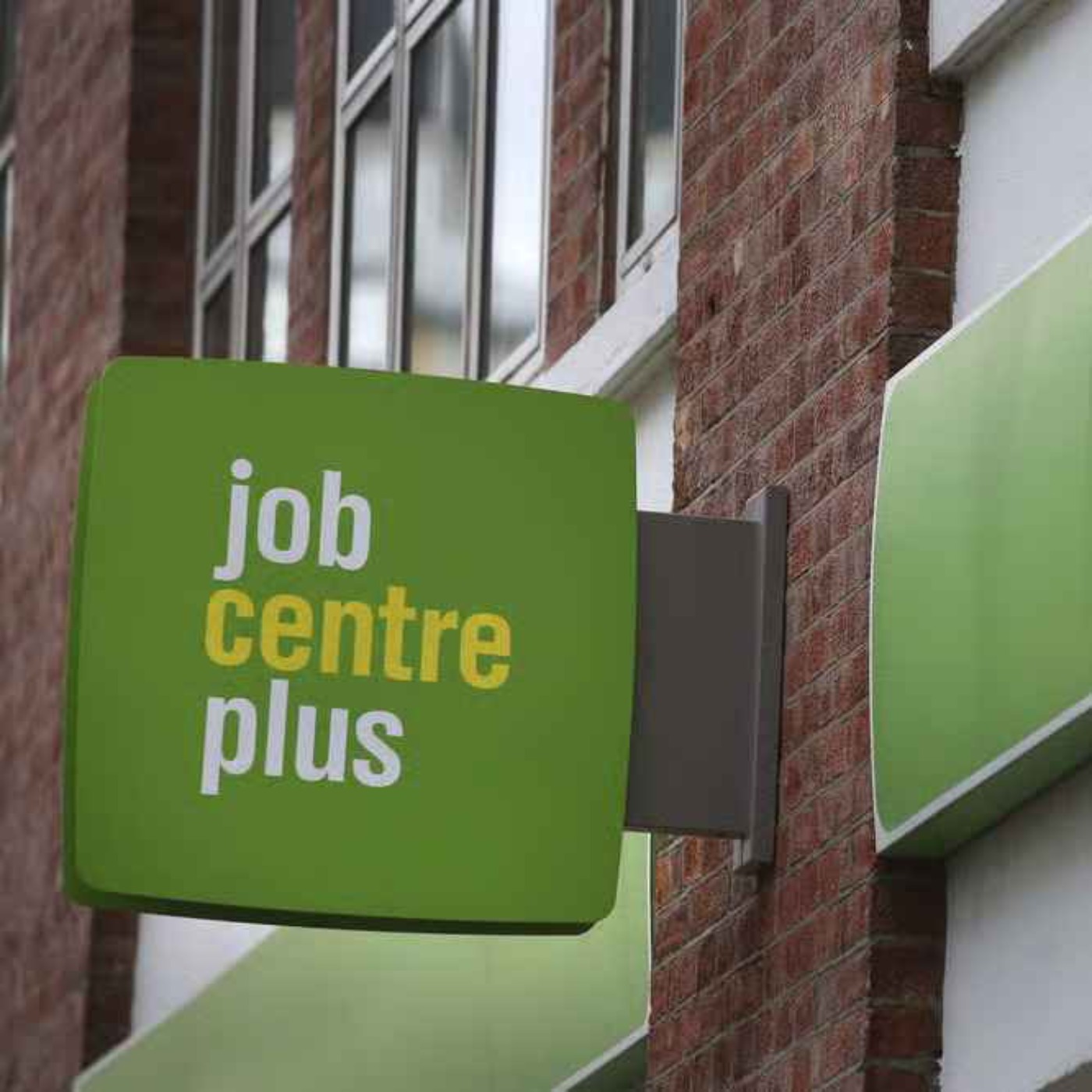
1:57In London, roughly one in six young people are unemployed. That's three or four times the rate of the rest of the adult population. With factors like the pandemic, economic uncertainty and the changing job market, it's young people that are suffering the most. That's why The Standard has joined forces with the King's Trust to launch Destination Unknown, an urgent campaign to tackle the youth unemployment crisis. Here's the Standards Campaign's editor, David Cohen. So youth unemployment is a subject we've returned to. This is the third time in the last 15 years that we've tackled it. It's a huge problem because in the UK, for the last 50 years, youth unemployment has been at over 10%.
2:41And for young people, this is their first job. So when they're unemployed, it perhaps hits them harder than if you unfortunately hit a period of unemployment in mid-career or late career. You haven't really built up any track record yet, and also your confidence and sense of impact in the world is still forming. So particularly to be long-term unemployed is a terrible thing. When there's a downturn, employers tend to fire the most recent hires. And so it's sort of first in, first out kind of thing. And then often when the economy picks up again, their first hires are people with more experience.
3:20So again, they're last to be hired. So there are structural issues built in. And then there is the rise of the gig economy and the way the workplace is changing that have worked against young people. This is also the generation that had to deal with COVID at university and at school. So they've had quite a lot of hits, and we are proud to be trying to do something to address this, to raise the consciousness about this, and also to raise some funding to help the training and mentorship of these young people. When it comes to tackling youth unemployment, I think the King's Trust have one of the best track records of any sort of charitable group in London.
4:01This is really what they do. And in doing this campaign, I've really been impressed. I had no idea really the transformative impact these programs that they run can make. The stories of young people who've fallen out of education or had some setback in their early lives, we tend to think, okay, these people are headed for not very good jobs. But it is quite amazing that with the right inputs, with the right support that the King's Trust give, both in mentoring the young people, building their confidence, and then also the partnerships they have with employers, employers like Marks and Spencer, who work with them and adapt and adjust for their initial difficulties.
4:45It is extraordinary to see how these young people can come on and move forward in a way that transforms their lives and is super impressive. And one of the stories that stands out is of a filmmaker, and they've had a BAFTA for one of their films. He's got his own film company, and he was given his big break with the King's Trust, but he was a call center employee, someone who was just really, really struggling, mixing call center jobs with long periods of unemployment, I should add. And then there's young people who've had mental health issues. With the right support, these issues can be overcome and these people can make a huge contribution and feel brilliant about their place in society.
5:33Despite much lauded initiatives from both Conservative and Labour governments to ensure no young person is left behind, youth unemployment has remained stubbornly high. Here's what 24-year-old Alfie had to say. I've been in and out of hospitals since 17 and I really struggle with my mental health and just addiction all around. It definitely feels pretty isolating and lonely watching your family and friends move these amazing milestones in their life. And you're just sort of left sort of just wondering where am I going to go or when's my big break coming? It doesn't have to be this way. There are countries who manage the situation better.
6:16For example, in Germany, the youth unemployment rate is less than half of the UK's, and in the Netherlands, it fluctuates between 3 % and 7%. As the King's Trust looks ahead to its 50th anniversary next year, I asked CEO Jonathan Townsend about how young people are being let down. So we come to this crucial juncture of leaving school and aren't necessarily prepared for the jobs that there are. And there are jobs there, but often the pathway to get to those jobs isn't obvious. There are significant barriers that they face. And in organizations like the King's Trust, we work hard to help them overcome those barriers.
6:52I think it's everyone's responsibility. And we at the King's Trust work very hard with firstly, the young people themselves to help them to understand the opportunities that there are to work with people like government and particularly through the Department of Work and Pensions to understand the challenges that young people face. Employers making the entry level jobs that young people can move into. Education is a key area preparing young people for work. We do a youth index survey, which is supported by TK Maxx, and we survey a significant number of young people. And 40 % of the young people in London said they had no idea how to find a job when they left school.
7:25And 28 % said that they weren't confident that they could secure the right job. So I think there is a responsibility in education to make young people aware of the opportunities. And I also think there's responsibilities I've just discussed for organisations like the King's Trust working alongside government, working alongside employers, working alongside the local community to bring these opportunities to young people. And this sometimes can feel like we're pandering. It's not at all about that. It's that if you come from a disadvantaged background, if you come from a community that doesn't necessarily have the connections, it isn't easy to know what's out there.
7:57Every day when I go out to see the young people on our programs, very often it's just that simple connection. I want to do something. Can you show me the opportunity and can you help me into that opportunity? And at the King's Trust, we work really hard to do two or three things. The first thing is to break down the barriers to work. The second is to bring those opportunities. So we work with some brilliant employers across London to create those opportunities and then to help the young people to give them the skills and confidence to move into the work because that's often the deficit that they've got.
8:25It's often a small number of things, confidence, resilience, a number of skills that just can make that difference and set a young person on the pathway to work. And once they're on that pathway, it's incredible how they can thrive and how they can contribute. We need more apprenticeships, and I think we need more schemes like this one. What's been shown to work is when you help those young people who are furthest from the workplace, you give them mentoring to help them bridge the gap, help build their confidence. And you also work with employers to be unemployed when all your friends around you are sort of making headway.
9:00It makes it all the more harder from a sort of comparative point of view for young people when they are falling behind.
9:10To kickstart the Destination Unknown campaign, the Standard Dispossessed Fund has pledged£500 ,000. Half will fund King's Trust programmes in London. The other half will support four grassroots programmes across the capital. And now we need your help. Just£10 could help a young Londoner travel to a job interview, and£20 could fund an hour of support from a trained youth worker. Simply visit the King's Trust website or search Destination Unknown and you'll find all the details in the show notes. 17 % youth unemployment in London. This is nearly the highest in my time in this role. This is a really challenging time and we would love the people of London who perhaps may be listening to this or reading about this campaign and thinking about young people who are trying to find a destination that gives them the best opportunity to support us.
9:59The right help at the right time really makes a difference. That's why we're asking the public to please give generously. Anything you can give, every pound counts. Let's go to a break. Coming up in part two, it's been an incredible year for live music, but could the best be still to come? We'll see you back here in just a moment.
10:25Welcome back. coming suck at you but not your friends they'll get to you and teach you how to be a whole can you you do it to yourself that's why radio that was none other than just by Radiohead you have announced their first live shows in seven years to the delight of fans. The band will play for four nights at London's O2 Arena in November and tickets go on sale tomorrow at 10am but you'll need to pre-register on Radio Head's website beforehand. Joining us now is the Standards Head of Culture Martin Robinson. So Martin where have Radio Head been and why are they back? Radio Head haven't been together for quite a while.
11:23They haven't ever officially split up. They've all gone off to do solo projects and And that's kind of just the way it's been working with them for the last few years. This one has come a little bit out of the blue. There's no album. Basically, there was a lot of rumours because they'd been sort of almost spotted together and then sort of doing rehearsals. Yesterday, Philip Selway, the drummer, took to their Instagram page and announced that they'd really enjoyed doing their rehearsals together and having a meetup and playing some of the old songs. So they thought they might as well do some shows.
11:51So it's quite an intriguing and unusual one. Are they trying to piggyback on the success of the Oasis reunion tour this summer? There's an element of that. I really can't imagine Tom York looking at Oasis's gigs and thinking, we want to show them. There was a slightly different era as well. They were around in Britpop, they weren't ever really part of that, where they kind of really took over and became the biggest band in the world. and it was very different to the kind of jolly 60s positive environment that Britpop depicted, you know, those was a much more sort of disquieting period of time.
12:29They weren't like direct rivals, they weren't Blur for instance. Yeah, having said that, with so many bands who did emerge in the 90s coming back, it's Blur and it's Oasis and Pulp and Suede and all these people, as well as like Coldplay as well were kind of like tail end of that era as well. There's a little bit of them showing that they're still around, I think anyway. There's a little bit of like, who's the best band in the world? Well, obviously it's us. I've just come to that conclusion because of the timing. It's the end of the year and it's not tied to anything. What's behind the sudden resurgence of vintage bands and artists?
13:06A lot of teenagers who grew up in the 90s are now parents. and I think their kids are listening to that music and now really looking at the 90s like people like me look to the 60s in those days. So I think you've got that combination of interest across generations which is making these shows not just purely nostalgia-based but actually genuinely quite exciting for loads of different people. The Oasis shows have been quite astonishing, just the sheer age range and attention that it's got. While they are just playing old tunes, it feels like a bit more of a bigger cultural moment than just purely sort of wallowing in the past.
13:50So it's quite interesting. Radiohead, again, they didn't do a big split like Oasis or anything. So Radiohead do fit into the nostalgia of that era just because they were from that time. and some of their biggest records did come in the mid to late 90s. So there's a certain degree of nostalgia coming in that which does fit into the general nostalgia that's going on with all these other bands and these huge gigs. We've got all these different generations coming together. They've always been a little bit separate to that. So they're quite an intriguing sort of presence to arrive at the end of it.
14:26And they're not going to be playing anything new, you wouldn't have thought, but it might give us an indication of where they might potentially go next. What can fans expect from a live Radiohead show? Radiohead are one of the best live bands you could ever see. They are absolutely astonishing. They've kind of got a bit of a reputation because of how sort of brainy they are, being sort of a cerebral, quite difficult band. But actually live, they've always been very immediate, powerful, aggressive, danceable. It's an interesting time for them to come back. It's been a really, really strong year for live music.
15:04It's been a lot of great shows. I think there's a bit of a sense of them reminding people of just their own status. One of the interesting things is that you look at Oasis in the 90s, and one of the big things that they themselves had never achieved was taking America. They were huge, and they were a big deal over here, but did they really take over the world and become like the next U2? By their own admission, they didn't. Radiohead, on the other hand, did. they genuinely became the biggest band in the world coming off the back of Oasis. They were absolutely enormous in America and everywhere.
15:37So it's interesting them to come back and almost want to show Oasis how it's done. But they've got some work to be done if they're going to do that because Oasis, they came back and honestly, their shows have just been sensational.
15:53And that's The Standard. for all the latest news head to standard.co.uk if you'd like to get in touch please do drop us a line at podcasts at standard.co.uk we'll be back here tomorrow at 5 p.m we'll see you then
The Standard’s Campaigns Editor David Cohen joins us on the launch of Destination Unknown, a new campaign in partnership with The King’s Trust to tackle London’s youth unemployment crisis. With one in six young Londoners unemployed, The Standard wants to get young London working again - and CEO of The King’s Trust, Jonathan Townsend, is here with the latest. Click here to donate.
And in part two, The Standard’s Head of Culture Martin Robinson joins us to discuss the return of Radiohead, who have announced their first live shows in seven years.
Hosted on Acast. See acast.com/privacy for more information.


