
 Ask ChatGPT



Host: Rachel Abbott
Rachael Burford, Chief Political Correspondent, London Standard
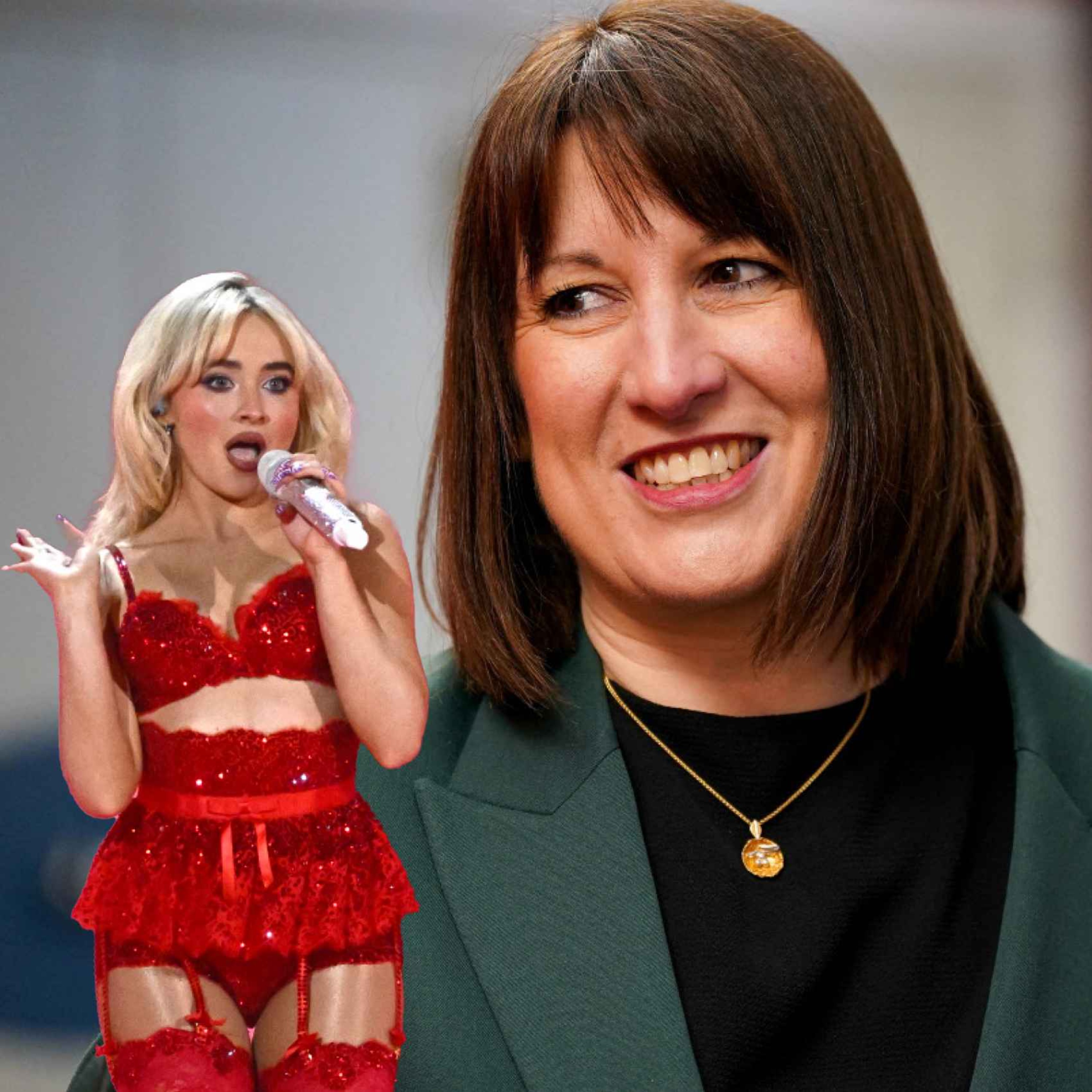
In this episode, the discussion revolves around the controversy involving UK Chancellor Rachel Reeves receiving complimentary tickets to a Sabrina Carpenter concert. The implications of this issue are examined in the broader context of the ministerial code and public expectations of government officials. The episode also features a segment on London's Hidden Gems, highlighting the Museum of Brands.
Written by AI. May contain mistakes.

Get the gist, explore an idea or ask about something said.
 Claude
On The Standard, what are the key points of this episode?
Searching your listeningAutomatic transcript. May contain errors.
0:02Hi, I'm Rachel Abbott and welcome back to The Standard Podcast. if you're new here hit follow and give us a rating coming up we visit the museum of brands for this week's edition of london's hidden gems there are things here that i have to say you will not see in any other museum things that are maybe forgotten or have been thrown away or lost by people just a small yogurt pot from the 1980s which is shaped like a little monster which i recognised from my own childhood, getting home from school, coming home and having a treat, to then things like the first ever television.
0:44But first, the row over the UK Chancellor Rachel Reeves receiving tickets to a Sabrina Carpenter concert at London's O2 Arena has grown on Tuesday, with Greenwich and Woolwich MP Matthew Pennycook, saying that he had never taken a free ticket for the flagship music venue in East London. Speaking to LBC, Matthew said he personally did not believe it was appropriate to accept them. Rachel Reeves said she accepted Sabrina Carpenter tickets, reportedly worth£600 for security reasons. On Monday, Downing Street stressed that cabinet members were personally responsible for deciding how to act. But is that enough?
1:25The row comes ahead of imposing cuts to spending, including the benefits bill, as Reeves seeks to balance the books in the spring statement on Wednesday. Joining us now is the London Standards' Chief Political Correspondent, Rachel Burford. Hi, Rachel. Hello. To start, could you tell us what the current ministerial code is? Yeah, so the ministerial code is basically just a set of rules and regulations that sets out the standards of how ministers should conduct themselves. You know, you've got a lot of responsibility as a government minister. So it just is a set of rules and regulations for them, basically.
2:01You know, it outlines lots of things and that includes what gifts and hospitality senior government ministers can accept when they are offered them. For those in the UK waiting for the spring statement and how their next financial year will look, hearing of freebies could be frustrating. Yes, it could. It certainly doesn't look good when you've got the Chancellor of the Exchequer, who is at the moment planning sweeping cuts to benefits, talking about making thousands of civil servants redundant and slimming down the civil service. If she's accepting hundreds of pounds worth of hospitality to Sabrina Carpenter concerts, yeah, it's something that will frustrate, I'm sure, a lot of people.
2:43And the freebie scandal is something that has hit this government previously as well. And the timing of it as we go into the spring statement tomorrow where there is expected to be a lot of cuts to people's jobs and to benefits, it certainly doesn't look great. Rachel Reeves is paid in excess of£67 ,000 as Chancellor, and that is on top of her£91 ,000 or so MP salary. So that is a lot more than the average person in the UK gets paid. And on top of that, she gets expenses, etc. So I think if you're accepting free tickets to gigs, and then also I think she accepted some free theatre tickets as well over the Christmas period, that is something that may grate on a lot of people who are struggling to pay their bills at the moment.
3:30And what has Rachel Reeves' response been so far? So the Chancellor has responded to these allegations. She argued that, you know, she went with a family member. Now she has this position as Chancellor. It's not possible for her to go places socially without a security team. So I think on Sunday when these allegations put her, she said, well, I do have a security team now, which means it's not as easy as it would have been in the past to just sit in a concert. So she got a sort of box so she could have a security team with her. And, you know, some people may have sympathy with that. She cannot do the normal things that she was previously able to do as just a normal MP.
4:07And therefore, these tickets weren't actually for sale. These are things that couldn't be bought. This was sort of VIPs. And she was able to go in and do this because she had a security team with her and she essentially can't mingle with the public, for want of a better phrase. This is not new, though, ministers getting attention for freebies, especially event tickets. Yeah, exactly. I think very shortly after Labour came to power, actually, there was a scandal over a lot of freebies being accepted by Labour figures. That wasn't just, you know, concert tickets. Keir Starmer himself actually paid back more than£6 ,000 worth of gifts and hospitality.
4:42They included tickets to see Taylor Swift, but also there was thousands of pounds of clothes that were donated to him by Labour Pier, Lord Alley. And there was a huge backlash about this because, you know, you saw a lot of ministers going to those big Taylor Swift gigs we had over the summer in London. And a lot of news about that and whether or not it was actually acceptable. Sadiq Khan, he accepted more free football tickets to see the Liverpool-Newcastle game, the Caribou Cup on March 16th. He's always argued, you know, he is the mayor of London and one of his major jobs as the mayor of London is to represent the city.
5:18And, you know, a big game like this at Wembley Stadium, I suppose he argues, falls under that, him being a sort of ambassador for London. So he says that that falls under his role as mayor. He declared the tickets properly in the City Hall Register of GIF and said that he did it for what he called stakeholder engagement, which is basically sort of schmoozing with people at Wembley Stadium. And, you know, it was an appropriate thing to do. How has the Prime Minister responded? So when this first became a big story, the freebie scandal before Christmas, Keir Starmer announced that he was tightening the rules on ministers accepting gifts and hospitality.
5:54Ministers are not banned from accepting gifts, but the ministerial code, which we talked about earlier, was updated. And it now requires them to consider the need to maintain the public's confidence in the standards of propriety when deciding whether or not to accept something. You know, that was done after they faced all of this criticism for accepting free tickets to things and also gifts from wealthy donors. So a register of gifts received by ministers is now published monthly. It used to be published quarterly under the previous government. So there was sort of rules that were tightened. But at the time they said, you know, sometimes it is necessary for them to have to accept certain gifts and hospitality and to go to certain things as, you know, either a constituency MP or perhaps because it is, you know, They argued that when Taylor Swift came here, she brought a lot of money into the economy and it was appropriate for cabinet ministers to be attending those sort of things.
6:49Let's go to a break. Coming up in part two, our trip to the Museum of Brands in Notting Hill for this week's London's Hidden Gems. Our current exhibition is called Ad Women. And in it, we're looking at the representation of women in advertising over the last 100 years. It's from these very early beginnings of very sort of basic representations of women to now very complicated ideas. We'll see you back here in just a moment.
7:23Welcome back. For this week's Hidden Gems, we're taking you to the Museum of Brands in Notting Hill. The museum showcases items that represent 200 years of social change, culture and lifestyle. And writing for the London Standard, Going Out editor and restaurant critic David Ellis says that when you walk inside, you'll find a treasure trove of past purchases from the Victorian era till now. That's cereal packaging, games, cigarettes, fizzy drinks, etc. Joining us down the line from the museum to tell us more is museum director Paul Botcher and museum curator Alice Kane. Alice, coming to you first, can you tell us more about what people can expect to find at the Museum of Brands?
8:06What's on offer? Yeah, so the Museum of Brands is a very eclectic collection. It's very unique. We aren't showing big history at this museum. We're showing people's history, social history through packaging. So food packaging and other household goods. We've also got technology here, lots of toys and lots of sort of collectibles. So things from, say, biscuit tins to all sorts of radios and televisions. And my goodness, there was something here for absolutely everybody. And what do the pieces in your museum tell us about Britain and how society has changed? Yes, so we can tell so many different stories by looking at these everyday objects that people use and obviously discard for a lot of the food packaging in particular.
8:55you can tell a real story of how our relationship to materials has changed over the last 150 years. So we can trace here the changes in movements from sort of using ceramics and glass into plastics and then into even more sort of disposable plastics. And we can really examine how the messaging changes. So people are at one point told to reuse items or to have a deposit on an item into these changes is telling people that they must throw their items away or they must recycle their items. So this tells you a whole range of information about how we use products and also how products are being sold to us.
9:36So it's a consumer journey of really of great significance when particularly when we're thinking about how our relationship to these products have changed. Is there anything on display that you like the most? This museum is full of treasures. So there are things here that I have to say you will not see in any other museum. Because we're looking at things that are maybe forgotten or have been thrown away or lost by people. So from things like just a small yoghurt pot from the 1980s, which is shaped like a little monster, which I recognised from my own childhood, getting home from school, coming home and having a treat, To then things like the first ever television.
10:18It's not a ray tube, it actually works with two metal plates. Extraordinary things, forgotten technology. So yeah, there's a whole range of big to very small things here. And honestly, there is something here that will jog everybody's memory. Paul, the museum clearly sparks feelings of nostalgia. Can you tell us about the reaction you've seen from visitors? When people come here, the emotions vary. It is quite satisfying to see a lot of people pointing at things and saying, oh, I remember that, or I used to have one of those. My grandfather had one of these, and I have one in my storage. I've got one in my garage, but I haven't seen it for a while.
10:59It really evokes memories, and it's quite amazing how powerful that is. I read that your museum also works to help people with dementia. Could you explain how? One aspect of the museum which is not located at the museum, but it puts the museum in a very good position to do, is our dementia outreach project. So we use our brands and we use the packaging to help people with dementia and people with memory problems. We do this through an outreach program. It's been running for the last five years. It's just come to an end, so we're looking for new funding for that. but that is a very powerful tool to help people in those situations.
11:40There are different types of dementia and obviously we can't cater for all of them but the basic idea is that when we send them what we call a brand box or a memory box it is a box that contains either labels from old brands or from things which then evokes memories and people then react to those memories. It brings up memories from their family And this is the great thing that the carers can actually interact with that as well. That's brilliant. Finally, Alice, can you tell us about your latest exhibition? Our current exhibition is called Ad Women. And in it, we're looking at the representation of women in advertising over the last 100 years.
12:23I think what's also really, really interesting that we've got in this exhibition are the women who work in the industry. So the women who have shaped it. It's not just a one-way street. There's a conversation going on here between women, society, feminism in particular in the 1960s and 70s, how that suddenly starts to flow into the representation of women, not just as mothers, but as workers. and actually we're looking at a huge range of material here. So it's from these very early beginnings of very sort of basic representations of women to now very complicated ideas of all the different things that women can be.
13:06To watch the full video produced by the London Standards Deputy Head of Video, Albert Evans, we've popped a link in the show notes. And that's The Standard. For all the latest news, head to standard.co.uk and please do drop us a line at podcasts at standard.co.uk. This show returns tomorrow at 4pm. We'll see you then.
The row over the Chancellor Rachel Reeves receiving tickets to a Sabrina Carpenter concert at London’s o2 Arena has grown on Tuesday, with Greenwich and Woolwich MP Matthew Pennycook saying that he had never taken a free ticket for the flagship music venue in east London. Speaking to LBC Matthew said he personally did not believe it was “appropriate” to accept them.
But what is the ministerial code, and have any rules been broken? We’re joined by The London Standard’s chief political correspondent Rachael Burford.
In part two we head over to The Museum of Brands for this week’s London’s Hidden Gems and speak to Museum Director Paul Botje and Museum Curator Alice Kain.
The full Hidden Gems video was produced by The London Standard’s deputy head of video, Albert Evans.
Hosted on Acast. See acast.com/privacy for more information.


