
 Ask ChatGPT



In this episode, Nicola Barron interviews Johannes Cullberg about the impact of ultra-processed foods on our diets and health. Cullberg provides practical strategies for making sustainable dietary changes without resorting to extreme diets.
Written by AI. May contain mistakes.

Get the gist, explore an idea or ask about something said.
 Claude
On The Standard, what are the key points of this episode?
Searching your listeningAutomatic transcript. May contain errors.
0:02Hi, from London, this is The Standard Podcast, and I'm Nicola Barron from Masterclasses from The Standard. Today I'm joined by Johannes Kohlberg, entrepreneur, food industry expert and author of Unprocess Your Diet in 30 Days. 30 days is sort of the perfect balance. It's long enough for a change, but also short enough to feel achievable. The first two weeks can be pretty tough. You're going to feel withdrawal symptoms and you can basically feel like you've got a cold or something like this. and then after the two weeks or one or two weeks, you're going to start feeling the improvements. And it's crucial that you actually feel the improvements because then you're motivated to continue.
0:48Johannes has spent years uncovering the truth about ultra-processed foods, how they've taken over our supermarkets, how they can affect our health, and crucially, what we can do about it. His approach isn't about extreme diets or cutting out everything you love. It's about small, simple changes that can make a real difference. Hi Johannes, welcome to the podcast. Hi Nicola, thank you very much. So for people who might not know your story, can you tell us a bit about yourself and what led you to write Unprocess Your Diet in 30 Days? Sure. I've been working within food and health for 23, 24 years.
1:29I started in the grocery industry with Lidl, the German hard discount chain, and I opened their stores in Norway as a purchasing director. After that, I've been with occupational health care. I even started my own grocery chain in Sweden called Paradise, where no ultra processed foods were allowed. and currently I work as a health influencer, author, speaker and health coach basically. So yeah, that's what I do. Well versed then. Tell me about your experience inside the food industry and obviously you made a decision to then build your own supermarket where no ultra processed foods were available.
2:18Why was that? Well, when I grew up, I wasn't exposed to it much because we were cooking most of the food at home. But when I started working at Lidl, I saw how the shift was going on in real time. And most of the sales were the ultra-processed drinks and foods. And I was quite shocked of how people in Europe eat. and in Sweden we're no better than any other country rather the opposite. It shocked me and at the same time I saw the health changes where more and more people get overweight, obese, have type 2 diabetes and all these kind of health related changes due mainly to poor diet. So let's talk about ultra-processed foods.
3:08We hear a lot about them but what actually makes something ultra processed? First of all, I would say it's not food, it's industrial creations. I call it masquerade food, because it looks like food, it tastes like food, it smells like it, but it isn't actually. But the easiest way to detect them are to look on the backside. And if you see on the ingredient lists, long words that you don't understand with things that you wouldn't use when you're cooking it's most certainly ultra processed and why you make it like this is because it's super cheap for the industry it lasts very long on the shelf and you can manipulate the properties to make it very palatable and basically addictive.
3:55They've been around for decades but it seems that now is the time when people are kind of starting to talk about it. Why is that now? Well, I think social media has an important role to play because suddenly it's not only the information from the government or from doctors that are important and so many people can educate themselves. And I think so many people have experienced the negative sides of ultra processed foods and also the change when you decide to reduce or just get rid of ultra processed food what happens and then they want to share their stories as well as a lot of like documentaries and so on showing that we're looking at a health crisis on a global scale so something needs to happen.
4:59In defence of ultra-processed foods, if I may, we see in the UK, like, I'm sure it's probably the same in Sweden, grocery prices steadily rising. They are cheap and accessible, convenient. What would you say about that for anyone who thinks that maybe ridding our diet of ultra-processed foods is essentially quite privileged or elitist? Yeah, it's a very good question. And I agree, that's one of the sort of most attractive features of the ultra processed products, they are so cheap. But I normally talk about the sort of invisible price tag, because you pay quite a high price without knowing it.
5:46Because, yes, when you purchase, it's going to be cheap, but then you have to add the cost of being unhealthy, because it's going to impact your health. It's going to have an impact on the environment. So what looks really cheap at the checkout is actually quite expensive. But the trick is to find ways to use real food. You have to learn to cook yourself. There's no way around it. But you can be a very amateur cook and make pretty tasty food and cheap food. You just have to spend a little time to understand what's in season, perhaps, or you can buy frozen. And what I do, I batch cook really simple things.
6:32And you don't have to buy the organic stuff all the time. Just try to get as clean food as possible and simple recipes. And then you can actually cook at a pretty decent cost. Okay. And do you think you need to be able to understand a little bit about nutrition in order to sort of unprocess your diet? I would say the requirements are pretty low. What I would tell people is to try to have quite a lot of protein because it's very satiating. So you get full. I would try to have as much greens as possible on the plate, half the plate with greens, vegetables, and try to sort of reduce the carbs. But that's basically it.
7:17And you don't have to be afraid of fat. And that's a key message because fat also brings good flavor and it's really good also for the fullness. So if you have those simple instructions, you can do amazing meals. Great. Thank you. So your book, you give us a 30 day time frame to unprocess our diet. Why have you chosen that? Because 30 days is sort of the perfect balance. It is long enough for a change, but also short enough to feel achievable. And the first two weeks can be pretty tough. You're going to feel withdrawal symptoms and you can basically feel like you've got a cold or something like this.
7:59And then after the two weeks or one or two weeks, you're going to start feeling the improvement. And it's crucial that you actually feel the improvement because then you're motivated to continue. It also takes about two to three weeks for your taste buds to reset so you can start feeling how sweet things are, which you cannot otherwise. So if I wanted to start today and processing my diet, what would be the first easiest step I could take? Number one, I would say, is to start drinking water instead of like sugary or artificially sweetened drinks. That's number one. And that's super easy to do.
8:37Number two, I would read food labels. And you don't have to understand them. Just flip a package and look if it's a very long ingredient list, put it back and choose something else. And then I would thirdly try to start with one dish a day maybe and try to make that from real food and start cooking. So keep it simple and start slow. What changes might I notice and when? The first thing you're going to start feeling is a lot of people have problems with the digestion and stomach issues. After about a week, you're going to start feeling better in your stomach. You're going to get better energy levels.
9:16You're going to lose weight. You're going to sleep better. And after a while, you will probably have less joint pain because it reduces your inflammation in your body. One very important thing is also that you will reduce your sugar cravings. And so many people have these strong sugar cravings. So that's quite important. I have a confession. I quite like a takeaway on a Friday night sometimes. Do you ever eat USPs and what's the balance there? Absolutely. I think it's important to have somewhat of an 80-20 balance. So you try to eat a little bit better in the week. And then in the weekends, you can allow yourself, because most of us are really tired on the Friday evening and having a takeout, do it and enjoy, but then maybe don't go completely bananas during the weekend.
10:09But somewhat of a balance, that's good for everybody. You don't have to be 100%. Okay, that's good to hear. Thank you. And finally, for someone who's just starting out, what are your main sort of go-to food swaps that I can make to make things easier for me? I would focus on breakfast because instead of like sugary cereals and milk and cereals or something like this, try to have eggs in any shape or form, scrambled, omelet, boiled. They're so good because they're packed with protein and fats and they will actually keep you full and you won't get a blood sugar spike. So eggs are amazing. If you have a taco or you can use lettuce instead, but also try to batch cook, to cook large servings so you don't have to cook every meal.
11:05Because I cook like six portions of quinoa or 10 chicken breasts at the same time because it saves me so much time I can just take it out from the freezer and make a meal in one minute after that. If you want to dive deeper into this topic, Johannes's masterclass was part of the Bigger Life Festival and is still available to watch with the festival recordings pass until the 17th of March. Find all the details at standard.co.uk slash masterclasses or check out the show notes for this episode. The Standard Podcast will be back tomorrow. Thanks for listening.
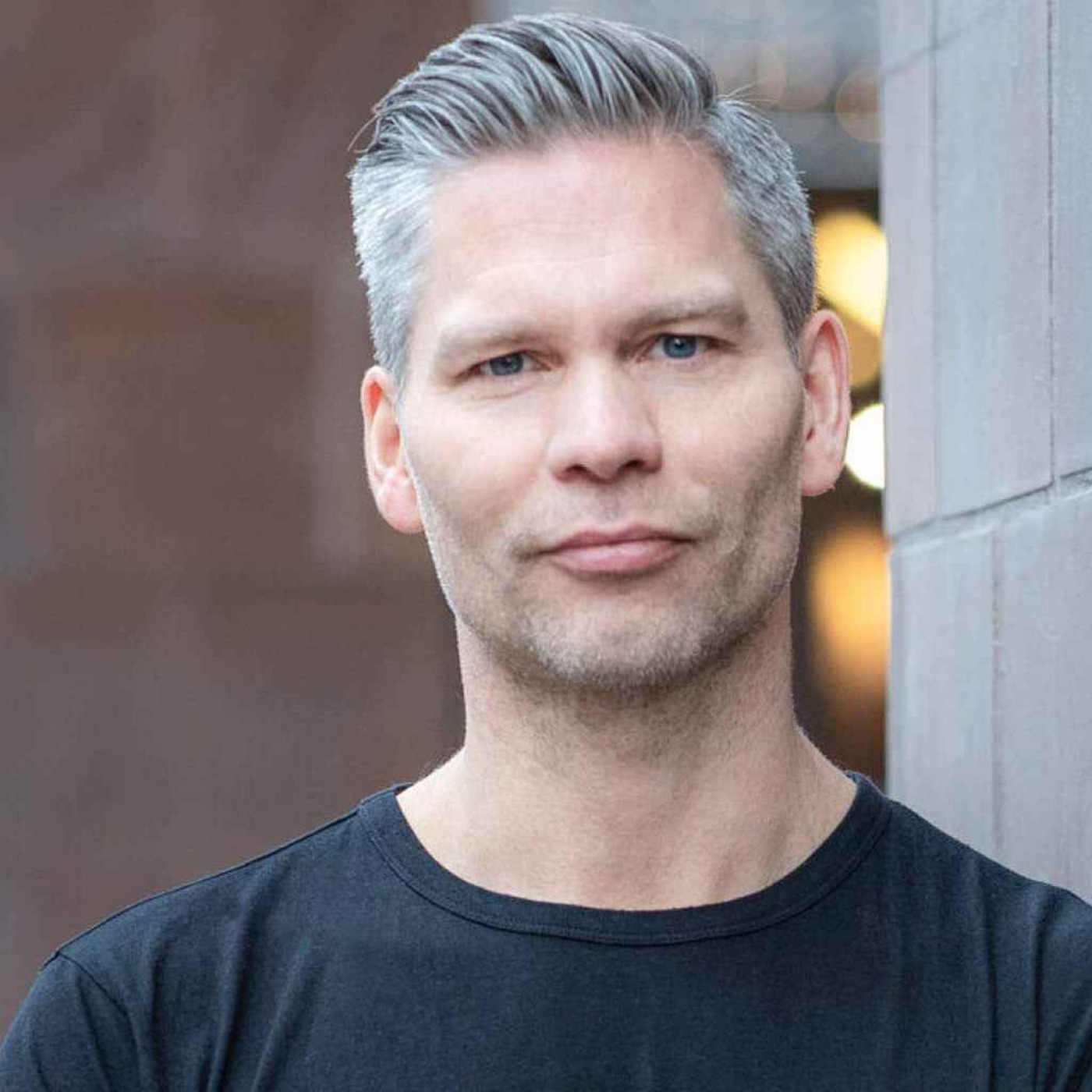
In today’s episode, Nicola Barron from Masterclasses for The London Standard is joined by Johannes Cullberg – entrepreneur, food industry expert, and author of Unprocess Your Diet in 30 Days.
They discuss the rise of ultra-processed foods and how they’ve taken over our diets. Johannes offers practical advice on making small, sustainable changes to improve your health without drastic restrictions or extreme diets.
Johannes’s session from The Bigger Life Festival is available to watch until 17 March.
For more from Johannes Cullberg:
Visit standard.co.uk/masterclasses to access his session.
Buy Johannes’s Book:
Unprocess Your Diet in 30 Days is available now.
Hosted on Acast. See acast.com/privacy for more information.


