
 Ask ChatGPT



Host: Tamara Komornik
Laila Jazayeri, Director of the Association of Anglo-Iranian Women in the UK
This episode discusses the protests in Iran and the Iranian diaspora's support in London amidst a rising death toll and arrests. The conversation delves into the motivations behind these protests, the impact on the Iranian community in London, and the potential for international support.
Written by AI. May contain mistakes.
An overview of the protests in Iran, including statistics and causes.
“has turned into a countrywide anti-regime uprising.”
Discussion on the involvement of Iranian Londoners in the protests and their call for change.
“After the revolution, I made a visit to Iran to see the changes for myself.”
Leila Jazayeri shares her personal history and motivation for activism.
“how are the events in Iran at the moment affecting the diaspora here?”
Leila discusses how the current protests affect the Iranian diaspora emotionally and politically.
“And as Mariam Rajavi, the president-elect of National Council of Resistance, said yesterday, this is a grave crime against humanity and its masterminds and perpetrators must be brought to justice.”
Leila explains the regime's tactics to undermine the protests and the importance of resistance.
“They recognize this operation and they will not allow their uprising to be hijacked again.”
Leila shares her views on the need for global intervention and the effectiveness of sanctions against the IRGC.
“Let's get back to Leila Jazayeri and her thoughts on the future of Iran.”
Discussion on the threats posed by the IRGC to the UK and the safety of Iranian opponents.
“when they were bringing down the Shah, but they still supported the nationwide strikes in the oil industry.”
Leila expresses hope for Iran's future and the ongoing resistance efforts.
“For all the latest news, head to standard.co.uk.”

Get the gist, explore an idea or ask about something said.
 Claude
On The Standard, what are the key points of this episode?
Searching your listeningAutomatic transcript. May contain errors.
0:04You will have seen the news about anti-regime protests in Iran and the show of support from Iranians in London. In this episode, we break down why the protests are happening and what Iranians really want for Iran. Hi, and welcome back to The Standard Podcast. I'm Tamara Komornik. If you're new here, hit follow and give us a rating. For all the latest news, head to standard.co.uk. Coming up, Iranian Londoners stand for change.
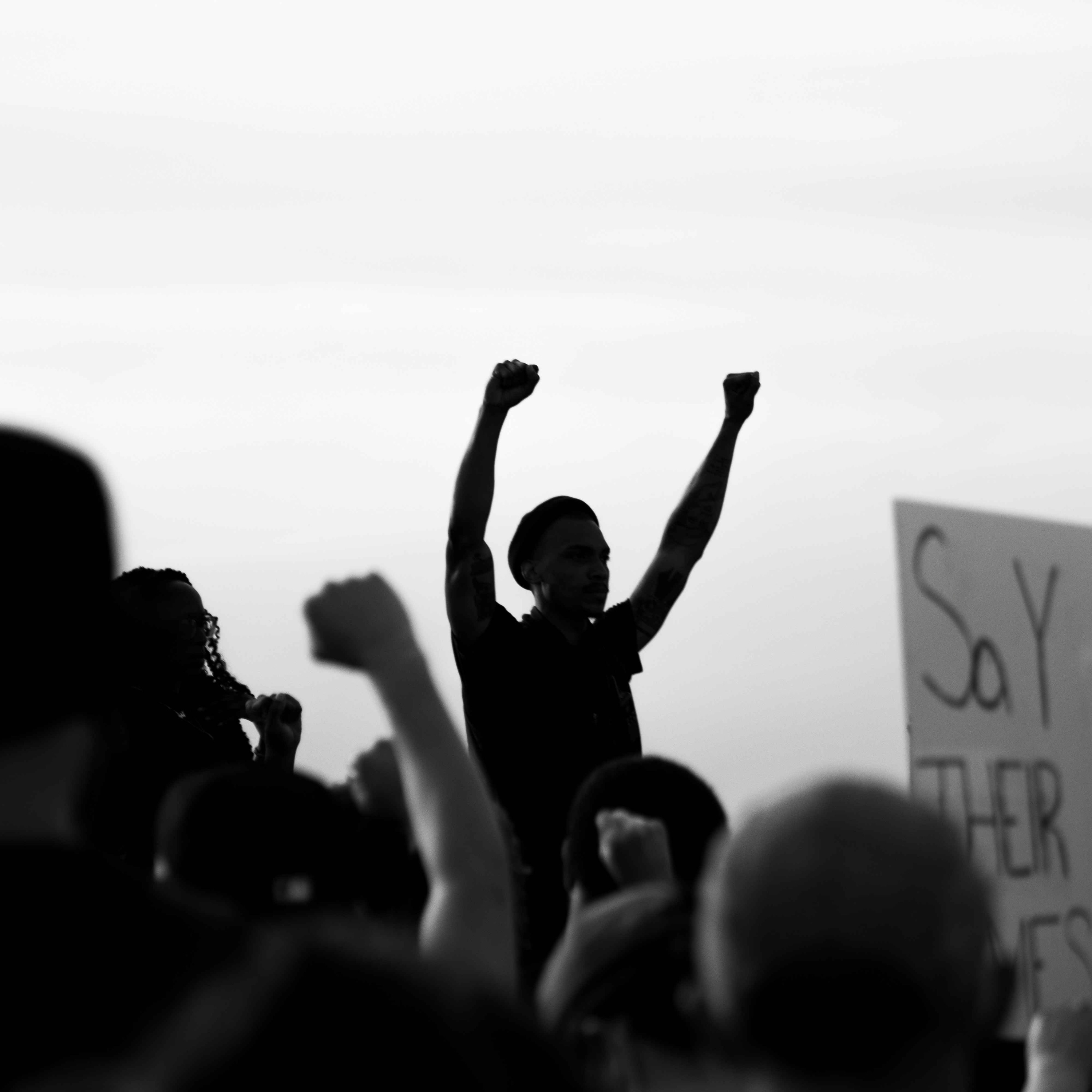
0:40What started as an economic protest staged by merchants from Tehran's Grand Bazaar has turned into a countrywide anti-regime uprising. During the past two weeks, Iranians have faced internet blackouts, more than 10 ,000 have been arrested, and the human rights activist news agency are reporting that over 500 protesters have been killed. Iranian Londoners, some who have been in exile since the regime change in 1979, have taken to the streets in a move of solidarity against the actions of the IRGC, the Islamic Revolutionary Guard Corps. The bottom line is the people, they want change. This is it.
1:20Like, we need to all go out and protest against them. Iran is going to get free this time. Like, this is it. When Donald Trump said that, just give other people courage because he backed Iranian people inside and his support, Iranian support. I hope British government do the same for Iranian people. Joining me now is the Director of the Association of the Anglo-Iranian Women in the UK, Leila Jazayeri, to discuss the protests happening in Iran and in London.
1:56Thank you, Leila Jazayeri, for joining us today. We will, of course, speak about the protests happening in London at the moment, But I would like to start our conversation talking about you. Could you tell me about the Iran you remember growing up in? Well, I came here a few months before the Iranian revolution. I came here to study and the revolution happened. I could see the episodes of, you know, I could see these people protesting, demonstrating on TV and getting shot, being killed by the Shahs. security forces. It completely changed me. After the revolution, I made a visit to Iran to see the changes for myself.
2:46And I realized, wow, it doesn't look like things is going to be changed. I met my late husband in London. But years later, I lost him as a result of atrocities in Iran. Since then, I've been campaigning against human rights violations in Iran, in particular women's rights. My focus has been women, and I work with the parliamentarians, with the media, with the NGOs, and other women's organizations. And I work also with the Women's Committee of the National Council of Resistance of Iran, the main opposition led by Mrs. Maryam Rajavi to bring about change, to bring down this regime and establish a democratic republic in Iran.
3:34Speaking about change and just bringing everything back to London, how are the events in Iran at the moment affecting the diaspora here? Well, I must say it's a mixture of happiness, pride. When you see the scenes of resistance, when you see these brave youngsters stand up to heavily armed security forces. It makes us feel proud. At the same time, a sense of grief and fury at the killing. You know, the figure, the actual figure of those killed is actually 3 ,000. The network of the main opposition, the National Council of Resistance of Iran, inside Iran. They announced yesterday that the figure is 3 ,000.
4:33And this is obtained through investigation. Local offices, coroner's office, speaking with the families who lost their loved ones and the families of those who disappeared in 196 cities. It is 3 ,000. And as Mariam Rajavi, the president-elect of National Council of Resistance, said yesterday, this is a grave crime against humanity and its masterminds and perpetrators must be brought to justice. So this also a sense of fury and grief, and I guess a sense of urgency and determination to help the protesters inside Iran, to convey their message. So it's a mixture of happiness, grief and urgency. I want to ask a personal question, if I may.
5:31Do you think the Shah is the right leader for Iran at this time? Absolutely not. And this is the view of millions of Iranians. You see, nothing could defeat, I believe, this uprising, which we now call it a revolution in the making. Only one thing could derail and ultimately defeat it. That is the deception that the regime is using. The regime is using violence, but this time the regime is also using conspiracy, a deception. How? They are manufacturing support for the former dictator's zone to derail the protests. The aim here is to divert the public anger away from becoming radical, because there is a network of resistance inside Iran, and the regime knows that.
6:28The aim is to divert this, kind of split the movement, reduce the turnout, and ultimately weaken and poison the uprising from within. So this is a deliberate lie designed to sell a false narrative, to sell a lie that the Iranians want to go back to old dictatorship. No, Iranians actually are quite aware. They recognize this operation and they will not allow their uprising to be hijacked again. We'll take a quick break. Coming up, we'll be discussing leadership options for Iran and whether the world needs to intervene. We'll see you back here in just a moment.
7:23Welcome back. Let's get back to Leila Jazayeri and her thoughts on the future of Iran.
7:31Do you think that global intervention is the answer, particularly US intervention? Iranian people, of course, welcome President Trump's firm stance towards Iran. And I wish, you know, Western countries, I mean, Europeans and our own government also would have taken fair mistakes because decades of policy of appeasement only assisted the regime to export terror and wars in region, as well as emboldened the regime to suppress and execute inside Iran. The answer is not military intervention, because the real solution lies within Iran. Inside Iran, the movement, the resistance network, is led by a woman, Maryam Rajavi.
8:37They have spread all over the country. There are thousands of them, including women resistance units, who are always at the forefront of these uprisings, these protests. So regime change, as my sister Ajabi said, is the sole responsibility of the Iranian people through the Iranian people and their resistance network. So you speak about policy. As you well know, US President Trump has imposed 25 % tariffs on countries who engage in business with Iran. Do you think sanctions will help to bring about change? Or do you think they'll make economic conditions worse for Iranians, as we know this sparked the most recent anti-government protests?
9:23Well, Iranians welcome any firm approach towards the Iranian regime. But what needs to be done is to target the regime's economic lifeline. And the IRGC holds the entire economy of Iran. So the best approach is for the West to prescribe IRGC and suffocate them financially. And at the same time, when you say about the economic condition, what's in the situation of Iranians, I think Iranian people welcome any approach, any measures that weaken the regime, because Iranian people want this regime to go. At the time of the Shah, the people were struggling through a harsh winter when they were bringing down the Shah, but they still supported the nationwide strikes in the oil industry.
10:34Leila, do you think the IRGC poses a credible threat to the UK? Absolutely. A serious danger now and future. We all know that, you know, the Director General said that they found out about 20 Iran-Bag plots. But today there is a debate in the House of Lords about prescription of IRGC. We don't feel, opponents don't feel safe. I don't feel safe. I have two fatwa in my head published in the Iranian Regimes Daily. It is a threat to the lives of British citizens like us and the opponents. Absolutely. And Leila, do you feel hopeful for Iran's future? The fact that these uprisings are organized give us hope.
11:29As I said, this time it feels different. It feels like a revolution coming, a revolution in the making. The regime has lost control. The regime cannot contain anymore. The protests have spread rapidly because of the network of resistance. And they are hopeful, very hopeful, because despite the crackdown, they are still going back and the flame of resistance is growing stronger. It's not fading. People have nothing else to lose. All we need is the West to stand behind Iranian people and their organised resistance movement and do as we want. Proscribe IRGC, close down the embassies and remove its officials who are lobbying for the regime.
12:26And that's The Standard. For all the latest news, head to standard.co.uk. If you'd like to get in touch, email us at podcast at standard.co.uk. We'll be back here tomorrow morning. We'll see you then.
As protests continue across Iran amid a rising death toll and a record number of arrests, members of the Iranian diaspora in London, home to an estimated 40,000 Iranian-born residents, are gathering publicly to express support and show solidarity.
In this episode of The Standard, host Tamara Kormornick is joined by Laila Jazayeri, Director of the Association of Anglo-Iranian Women in the UK. They discuss the unfolding situation in Iran, why so many are mobilising in London, and how international support could help usher in a new era for the country.
Clip: Sky News
Hosted on Acast. See acast.com/privacy for more information.


