
 Ask ChatGPT



The episode asks whether London is failing its drag queens and other late-night performers. It centers on Equity’s survey of gigging nightlife workers, responding to the London Nightlife Taskforce’s late-night policy consultation, which Equity says is dominated by industry bosses and underrepresents workers.
98% report pay has stagnated; average earnings are about £12,411 a year after expenses; typical gig fees are £100–£199 (often around £200), which don’t cover costs like makeup, wardrobe, or travel. Safety claims include insufficient venue security, unsafe crowd behavior (including “handsy” patrons), and threats tied to far-right tensions and hate incidents.
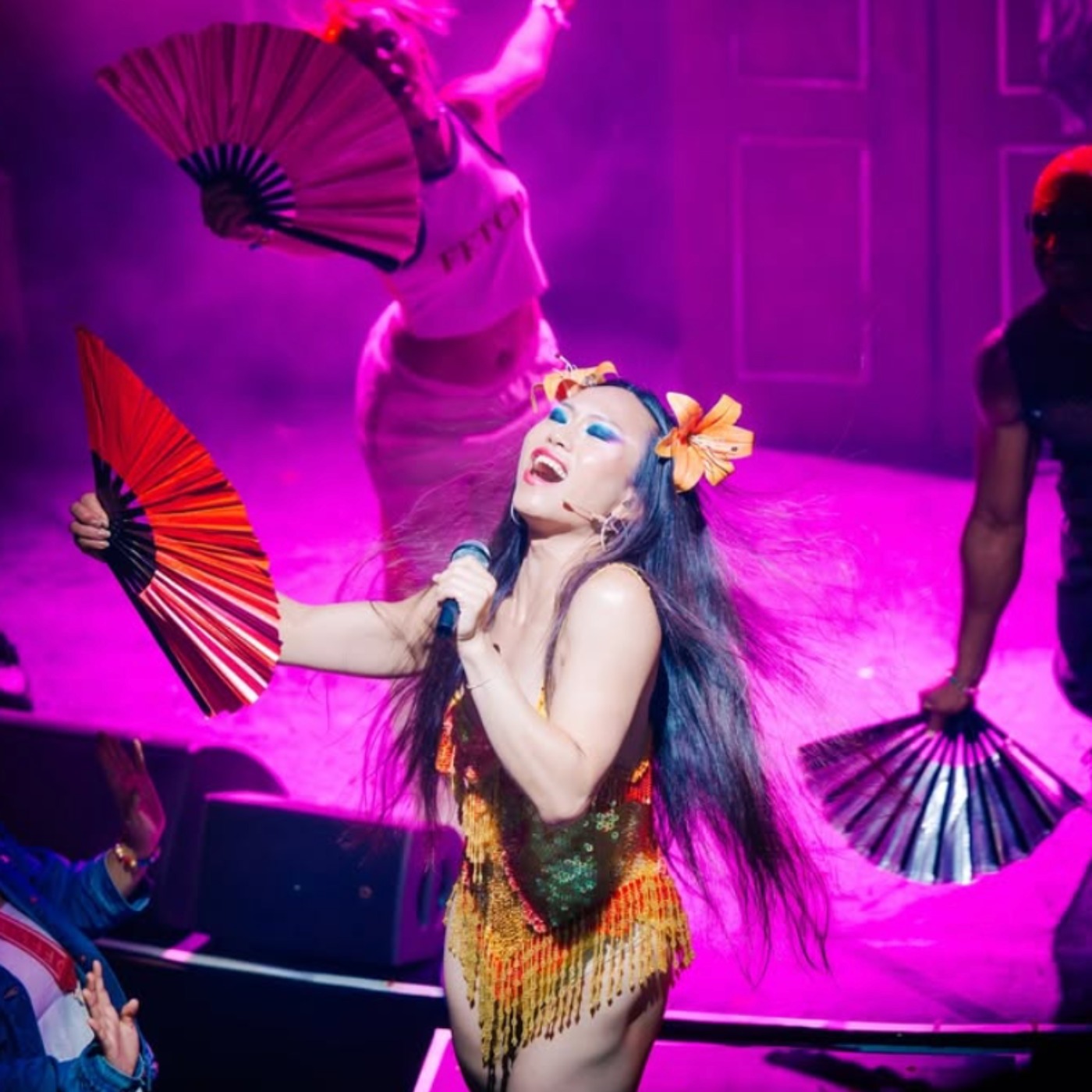
Megan Howe (Standard journalist) and Laphil, a London-based internationally recognized drag artist from Yorkshire, known from RuPaul’s Drag Race UK.
Fabric nightclub chair Cameron Leslie’s taskforce recommendations; attacks in Canal Street and Soho; drag story time events disrupted by pints and stones.
Written by AI. May contain mistakes.
Analysis of findings from a survey by Equity about nightlife performers.
“Nightlife Taskforce, a consultation body who are advising the mayor on late night policy.”
Deep dive into the financial struggles and safety concerns of performers.
“Thanks so much for joining me on The Standard Podcast.”
LaPhil shares their experiences and thoughts on the drag scene in London.
“LaPhil thanks so much for joining me on the Standard Podcast it's an absolute pleasure to have you on oh hello thank you very much for having me it's nice to chat Yes, always.”
LaPhil discusses safety concerns and challenges faced in nightlife.
“about whether they feel safe working in an increasingly hostile climate.”
Discussing incidents of abuse faced by the drag community and their impact.
“Like we don't want to have this like aggliness in the evening as well, especially when we're carrying a suitcase full of all our costumes and wigs and makeup.”
Exploring why performers stay in the nightlife despite safety concerns and financial instability.
“around safety in the past few years with the increase of the presence really of the far right I've always been like trying to either commute with by taking my makeup off or trying to hide in disguise.”

Get the gist, explore an idea or ask about something said.
 Claude
On The Standard, what are the key points of this episode?
Searching your listeningAutomatic transcript. May contain errors.
0:00Refresh your room, upgrade your comfort, and spring into savings at Darvin's two-day spring sale. Hi, I'm Will Harris for Darvin Furniture. Friday and Saturday only, save 45 to 65 % store-wide. Plus, we'll make your refresh a breeze. With 0 % APR for 48 months on qualifying purchases. A whole new season, a whole new space. The two-day sale, Friday and Saturday only at Darvin. Restrictions apply to the store for details.
0:45London is known for its ever-evolving nightlife scene. This includes comedy, drag acts, burlesque, among other art forms. But a new survey reveals increased safety fears for performers, as well as stagnant fees, risking the feasibility of late-night entertainment for performers altogether. Hi, and welcome back to The Standard Podcast. I'm Tamara Komornik. For all the latest news, head to standard.co.uk. Coming up, is London failing its drag queens?
1:33The British Trade Union for Arts and Entertainment, Equity, are taking up issue with the London Nightlife Taskforce, a consultation body who are advising the mayor on late night policy. Equity has claimed that this initiative is made up of industry heads and therefore workers' voices are lost and has released survey results that reveal the challenging working conditions for late night performers.
2:00In this episode, I will be speaking to one of the survey respondents, Laphil, who you may recognise from their stint on RuPaul's Drag Race UK. But first, I speak to Standard Journalist Megan Howe about equity's findings. Here's my chat with Megan.
2:26Hi, Megan. Thanks so much for joining me on The Standard Podcast. Thank you for having me. So we are here to talk about the safety and the financial security of gigging nightlife performers in London. Yeah, so the Performing Arts Trade Union equity asked its members, which include everyone from drag queens to cabaret and pole dancers, comedians, DJs and tribute acts about their experiences of performing in London, with a focus obviously on pay and safety. So an overwhelming 98 % of respondents said their pay had stagnated, with the average performer earning just£12 ,411 a year from their entertainment work after expenses.
3:13So only 2 % of respondents said that the rates they'd been receiving had risen in line with the cost of living. The most common response to the question, on average, how much do you earn for a gig in London, was the range£100 to£199. So Nick Keegan, who is Equity's variety organiser, basically said that it was a disgrace that performers' pay was stagnating, despite obviously nighttime performers being the backbone of the nighttime economy. So either it's a case where a lot of nighttime workers do this late night work as a kind of side hustle. It seems that it would be pretty difficult to just rely on late night entertainment as a sole form of income.
4:01I know a lot of comedians, you know, that's something that they do after work. I've previously spoken to Cameron Leslie, who's the co-owner of Fabric Nightclub and the chair of the Mayor's Nightlife Taskforce. And this is his summary of the taskforce's latest recommendations. The big shifts are about clearer and more consistent licensing, smarter partnership led safety approaches, better late night transport for workers, stronger protection and access to cultural space. So this isn't about deregulation. It's about clarity and fairness. And London's night-time economy, which contributes about£21 billion a year, supports 1.4 million people working in it.
4:51It deserves governance that matches its importance. So on the face of it, it seems that nighttime workers are being considered. So why does Equity feel that there is a blind spot when it comes to policy that supports nighttime performers? So Equity is lobbying the Mayor of London's office to increase worker representation on its nightlife task force, which it says is almost entirely made up of industry bosses. So just as a reminder to listeners that Sadiq Khan's Nightlife Task Force, which was established in 2025, is a panel of experts who are tasked with protecting and boosting London's nightlife economy.
5:37So the trade union believes that this lack of worker representation is reflected in their recent report findings, particularly around pay and safety. so on the back of of equity survey Nick Keegan has said equity members are launching a London nightlife network because obviously performers care deeply about London's nightlife and know that obviously by coming together they can raise the standards of the industry for for everyone involved thanks so much Megan for jumping on the standard podcast thank you very much for having me
6:17it's time to talk to one of the survey respondents about this LaPhil who's a London-based internationally recognized drag artist here's what they have to say LaPhil thanks so much for joining me on the Standard Podcast it's an absolute pleasure to have you on oh hello thank you very much for having me it's nice to chat Yes, always. So, Le Phil, drag has always had a home in London. I believe you are based here. And over the past 15 years, drag's popularity has exploded. So what inspired you to start doing drag? Actually, yeah, I'm from Yorkshire, as you can hear. And I moved down about 20 years ago.
7:01and the drag scene was not big whatsoever but it was mainly about the club kids it was new rave at the time and I think everybody was experimenting with fashion visuals all that and I was too I was experimenting with makeup with not shopping from the menswear section with going vintage shopping and finding all these exaggerated bits and bobs and then as you start to put them together my sort of style evolved and changed and my night lifestyle specifically was very amplified and exaggerated and that eventually became my drag so I never thought about becoming a drag queen it was more about how I can amplify my androgyny how I can exaggerate for the stage and how I can translate all those elements into being a performer.
7:48Let's talk about now do you think that working in late night entertainment in London is sustainable with regards to building a career here and making a decent living? London nightlife is something which I always wanted to be a part of because it's so electric and I think for all those years everybody wants to be a part of it however the sort of the gains and the rewards of it is very minuscule in comparison to the platforming it. I've found in my experience personally that the pay is very very small for nightlife specifically um whereas as drag performers when we get to do other projects that are more in the daytime for example with like um collaborations or or crossovers with other companies then we sort of can get a level playing field in a way and as somebody who's been on television who's been doing the rounds for about two decades even i still find it like a challenging landscape to navigate myself And I think it's tempting to look at a select few of RuPaul's girls and just think, you know what, drag queens make so much money.
8:56You know, look at someone like Trixie Mattel. But I think the reality of the everyday performer, someone that isn't necessarily in the public eye and just, you know, has a kind of modest following. Do a lot of queens have day jobs and drag as a side hustle? Oh, my God, completely. and I actually always champion that I know some people think oh if you're having a day job it doesn't mean that you're a professional performer at night I just think it means you're being versatile with your time and trying to make your give yourself a stable career having said that if you do want to focus as a performer fully and full-time and you are working maybe like trying to work five nights a week it's hard to sustain yourself so you sort of have to find other avenues to be able to do that so for myself it's always been like oh do you know what like nightlife is hard but I've always had a background in art and design so I'm going to also carry on with costume and and fashion and wardrobe and stuff and that's the only way that I could manage to make nightlife happen in a way.
9:55We love a crafty queen and do you feel like you are fairly compensated for your work for your artistry for the time that's put in because in New York I I was there recently. I was in pieces with my dollar bills. I was tipping the queens. And over there, queens typically make money through tips on the night and they're not necessarily paid much or anything at all to even just perform. What's the system in London? You just paid a flat fee. How's that work? I mean, tipping culture in England isn't great for drag queens. So yeah, in America, you've got all the dollar bills and I mean, you work your magic against the crowd and you can come home happy but I think in England it's more like you get a flat fee and what we found is that it's generally around 200 pounds a gig which is what I think this survey that we've done has has brought to light and that's basically an average amount it's not like a general across the board because I think anything higher than that is quite rare I haven't heard that much as well for nightlife especially for pubs and club venues like yeah the fee is quite small but it usually is just like a fixed fee and it doesn't really cover like wardrobe or it doesn't cover your makeup or like trying to get home in a taxi all that type of stuff it is like a small little donation I think towards our time.
11:25We'll take a quick break. Coming up I ask Le Phil about whether they feel safe working in an increasingly hostile climate. And despite the challenges, what keeps them in the late night game? We'll be back here in just a moment.
11:46Welcome back. Let's head back to my chat with Le Phil.
11:52I'd like to talk a bit about the safety of performers. do you feel safe when you perform? I think it does vary from venue to venue but on the whole like there's so many pubs and clubs that I have been to where there haven't been really security or even production like safeguarding within the crowds because as we know as nightlife performers audiences can get leery they can get handsy hen parties for a drag queen it's like no hands go everywhere and we're like all right we get that you want to have fun and you've got your prosecco in your hand but at least like we need some boundaries still and so at times like that it's really hard because we're a performer so we want to engage the crowd in like in a positive way in a fun and entertaining way so we can't also be there to be safeguarding ourselves and we've definitely found that there isn't enough help within the vicinity so I think part of this survey that we want is for venues to be able to do their health and safety risks and and to be able to have enough security in in the venue for some presence at least um but also aside from that it's not even just within the venue itself it is like getting to the venue getting home from the venue because quite a lot of the time the dressing rooms aren't big for like performers it's normally toilet so most of us get ready at home and have to try and then navigate the Friday or Thursday night Saturday night public transport to get to work because if you're paying cabs there and back that's pretty much most of your fee gone so yeah you go get ready and then god knows there'll be a football team playing at like the exact time that we want to travel in the tube so stuff like that is also on our minds all the time I can imagine that you receive a whole host of reactions you do get a lot of reactions you can sometimes get someone who's staring at you or someone who wants to say something or if it's late enough if you're coming home then you'll definitely get some straight guys come up to you and go hey do you want to do you want to beep my mate over there and all that type of stuff and it's it's just conversations that oh we've just finished work Like we don't want to have this like aggliness in the evening as well, especially when we're carrying a suitcase full of all our costumes and wigs and makeup.
14:19You just want to get home and be safe and be tucked up like everyone else. No pun intended.
14:28Oh, that was a good one. If you know, you know. So have you heard about any incidents where the heckling turns abusive, whether it's racist abuse or homophobic or even transphobic abuse? Yeah, there have been stories of even not performers but within the trans community in Manchester and in London, like both in Canal Street and also in Soho, where patrons of drug shows as well have been attacked for being gay, for being trans. You sort of feel that, especially when you're a performer and you are dressed and you are a minority. You feel that already at nighttime, so it just makes going out feel unsafe.
15:12It makes going to work feel unsafe. But there definitely have been incidents where people have been attacked and it's not cool. It's absolutely disgraceful. And people are just trying to live their life. And there's all this hate crime that is happening.
15:34la phil i want to ask you if you can feel or if you've experienced increased tensions or fears around safety in the past few years with the increase of the presence really of the far right I've always been like trying to either commute with by taking my makeup off or trying to hide in disguise. And I've had to take that element of precaution so that I don't feel that or even I just try and remove myself from it. But I know that loads of my other colleagues and other friends have felt that. like especially when it comes to things like drag story time in local like pubs that we're at where it's been so frequented by like mothers and like children that i've loved it but then all of a sudden there's guys throwing pints and stones and i go as like not in makeup but just to support like these people like i go there and try and make a presence to stand up for the drag queens and try and stand up for the community against these guys that are just they seem to be coming from all nooks and crannies like I have no idea like where have they been hiding before but all of a sudden it seems that something will be said like or you'll see the flags like hanging about guys and all of these like visuals around us just make us feel so uncomfortable that is the situation that we're living in at the moment.
17:06And in a trickier climate with safety concerns and with not particularly great money or financial career security, Le Phil, what keeps you in late night entertainment? That is the question, isn't it? Like I said at the beginning, the reason why I'm in the nightlife is because I enjoy doing the work I enjoy performing I enjoy entertaining people and whilst we can do that at your office it's quite nice to be able to be at a venue that encourages it to as a party land you know like um I don't see many people going into the office jobs wearing tutus or like sequins so it's so the nightlife has a special place where people can let loose and and enjoy themselves and live their sort of superhero life because you can't at work so we want to be there to facilitate that and that's why i enjoy doing it and yeah even throughout all these years when there hasn't been any pay increases any pay rises like all of that like we're still doing it because we love to do it and because i think covid was a time where it really highlighted to us the need for enjoyment the need for interaction and community and entertainment because we all saw it we needed like a burst of escapism from our real lives and that is what we provide and it is a valid job it is important it is important to culture it is important to enrich people's lives and we need that to be rewarded and to be justified in us continuing because if we're not there, then as we've seen, LGBTQ bars, clubs, spaces are all being closed.
18:54And bars that have opened need our help to buy drinks because then they can pay us fairly. So it's this cycle where we do want to promote and make sure everyone goes out and enjoys themselves. And then likewise, we hope to see that return back to the performers who are putting themselves out there. well of course drag contributes so much to London and uh it's been an absolute pleasure to speak to you Laphil thank you oh thank you so much and yes long may we continue absolutely
19:37and that's the standard for all the latest news head to standard.co.uk If you're new here, hit follow and give us a rating. If you'd like to get in touch, email us at podcasts at standard.co.uk. We'll be back here tomorrow morning. See you then.
20:01Refresh your room, upgrade your comfort, and spring into savings at Darwin's two-day spring sale. Hi, I'm Will Harris for Darwin Furniture. Friday and Saturday only, save 45 % to 65 % store-wide. Plus, we'll make your refresh a breeze. With 0 % APR for 48 months on qualifying purchases. A whole new season, a whole new space. The two-day sale, Friday and Saturday only at Darvin. Restrictions apply to your store for details.
The UK’s leading performing arts union, Equity, is raising concerns about the role of the London Nightlife Task Force, saying that workers’ voices are being overlooked in decisions shaping the capital’s night-time economy.
In this episode, host Tamara Kormornick speaks to Standard journalist Megan Howe to unpack Equity’s latest survey findings, before hearing from drag artist Le Fil, who shares their first-hand experience of working in London’s late night economy.
Hosted on Acast. See acast.com/privacy for more information.


