
 Ask ChatGPT



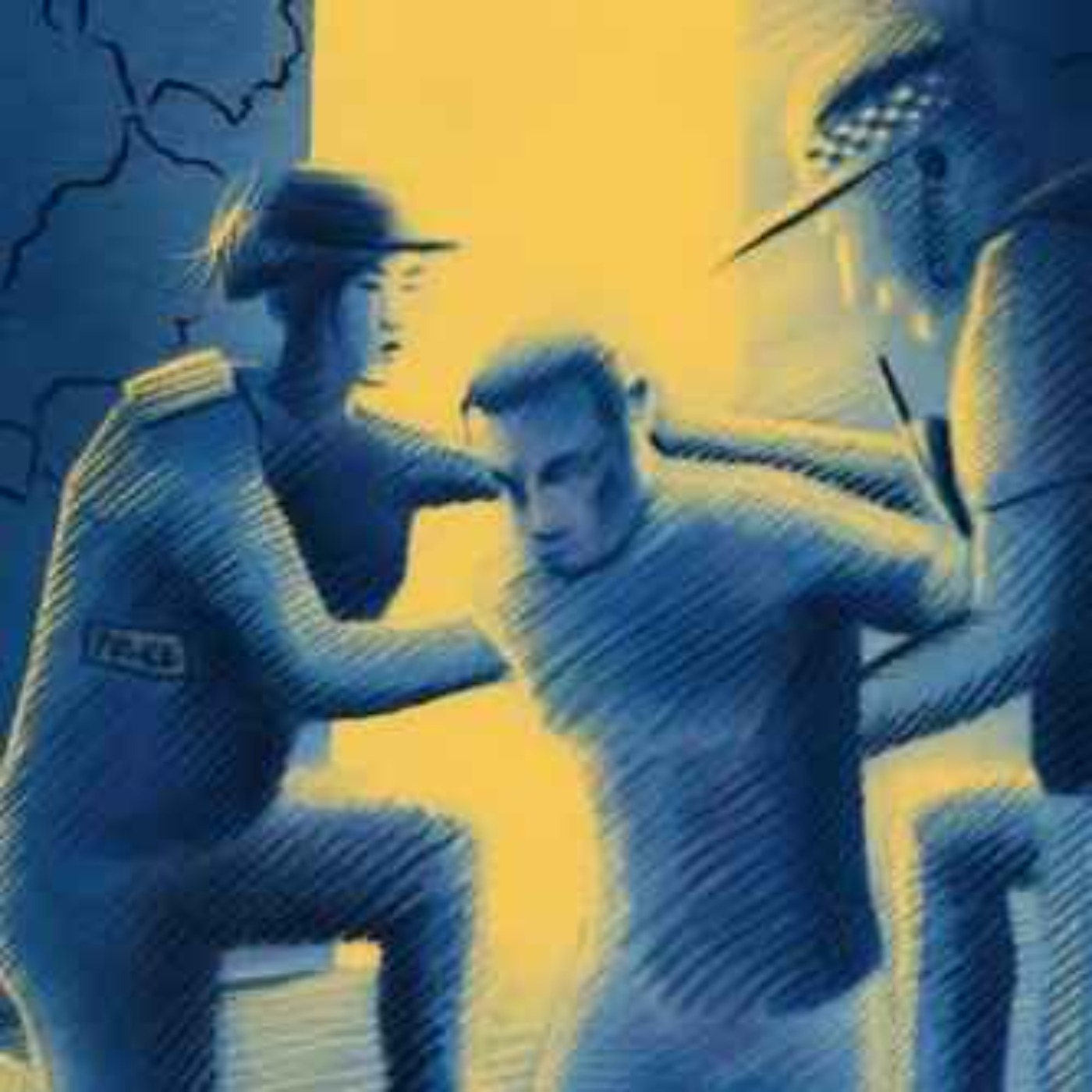
In this episode, host Charlie Duffield delves into the hidden realities of London's fine dining establishments, exploring the connections between these popular restaurants and illegal immigration. The discussion shifts in part two to the surprises and highlights from the BAFTA TV Awards.
Written by AI. May contain mistakes.

Get the gist, explore an idea or ask about something said.
 Claude
On The Standard, what are the key points of this episode?
Searching your listeningAutomatic transcript. May contain errors.
0:02Hi, I'm Charlie Duffield and welcome back to The Standard Podcast. If you're new here, we'd love it if you'd give us a follow and a rating. Today, as Keir Starmer announces an overhaul of the immigration system, the government's clampdown on illegal working extends to some of London's most hyped fine dining destinations. And stay tuned for part two, as we've got all you need to know about last night's BAFTA TV Awards.
0:38First up, I'm joined by the London Standards Chief Political Correspondent, Rachel Burford, to tell us more about the secret underground world that's propping up the capital's restaurants. Rachel, I was interested to hear how you found out about this story. So we'd seen quite a few restaurants in central London, often quite expensive, well-known restaurants, that were having their licences reviewed for hiring illegal workers. This is something that the Home Office can apply for. The Home Office will say to the local council that a certain restaurant is usually repeatedly refusing to adhere to immigration rules and have been repeatedly hiring legal workers in their kitchens or to work in their establishment.
1:21And they apply to the local council and say, we would like this restaurant to have its licence reviewed. It usually means that they will end up not being able to do things like serve alcohol. They won't be allowed to play music and things like that. So it sort of puts restrictions on their business, essentially. You know, some of these restaurants, the Home Office said they'd raided, you know, several times. When they did raid it, there was, you know, half the staff on shift at the time had been working illegally. So we thought it was quite interesting that, you know, these are quite well-established places that were doing this sort of flagrantly, in some cases, disregarding immigration rules.
1:53The Home Office produced a list every sort of quarter that shows how many businesses have been fined. and the amount in London was almost 50 businesses across the capital have been fined and the fines totaled almost£1.9 million just between July and September last year. So it's quite a significant problem. Many of those establishments are in the hospitality sector which has been facing a reduction in workers particularly since Brexit and in places like the capital it can be quite hard to get people into those jobs that are traditionally lower paid. In many cases, these are big name popular restaurants.
2:33Do you think these immigration raids will lead to their downfall? Well, the government certainly hopes so. You know, the new Labour government have committed to bringing down immigration and cracking down on, you know, people trafficking gangs. That's just people, you know, bringing people across the channel and bringing people into this country to work illegally. A lot of these places are still trading. that some of them are not because the fines are quite large. The government has recently upped the fines. So they were£15 ,000 for first-time offences. That's now£45 ,000 per worker, going up to£60 ,000 per worker for repeated offences.
3:10It has closed down some restaurants. There was a Mitchell-enlisted restaurant in Mayfair that closed down after a raid there revealed that there were illegal workers from Uzbekistan in the kitchen. But others have sort of weathered the storm quite well. And, you know, one that we looked at, a quite famous Chinese restaurant specialises in dim sum in Baker Street, that, you know, has been caught several times during immigration raids and fined almost half a million pounds and still continues to trade and has not really talked with authorities in any way about how it can improve its immigration practices and how it can start employing workers that are here illegally.
3:48You spoke to restaurant owners for this story. What are the incentives to hire illegal workers? Obviously, now there are, you know, these increased fines. The government hopes that will put people off hiring illegal workers. But, you know, if you are a restaurant owner, there are obviously pros to hiring these people. I mean, first of all, they may be actually quite skilled or more skilled than UK workers in making the kind of food you're selling. They may speak the language of the people that are here legally but come from different countries. But also they are not subject to the workers' rights that British workers expect.
4:26Some of the cases we looked at, the people that were caught in these kitchens were told the Home Office that they were being paid£6 an hour, which is half minimum wage. they were working in excess of 65 hours a week which is way above what the standard British worker would expect to be working you know they're not entitled to sick pay holiday pay all those things that British workers would expect as standard you'd have to give to a British worker so I think there is obviously you know a tax incentive as well and that you're not paying national insurance and things on these workers they are totally off the books but that leaves them very open to exploitation.
5:04And, you know, most of these people that come here have come here for a better life and to work. And they find themselves in roles where they're completely reliant on their employer and cannot say no to working if they're ill or if they want to go on holiday or, you know, do any of these things that you'd have to give to a British citizen if they were to work in your establishment. What is the hospitality business actually doing to try and crack down on this problem? There have been quite a few things put in place to help crack down on this problem. Hospitality UK said that they were trying to train more UK workers and get people more interested in the sector as a career.
5:41There has been more regulation that's been added to the hiring stage. For example, in March, there was new rules requiring delivery platforms to check a worker's immigration status. The largest of those businesses, the ones that you see most prominently delivery or just eating Uber. They worked with the Home Office to enforce enhanced security checks on their apps. You know, there was a crackdown on what they call account sharing, which is where a person with the legal right to work in the UK could set up a delivery profile and then rent it out to someone who was here illegally. But there's been sort of a crackdown on that and more checks established.
6:16And then also there's been an increase in immigration raids. They haven't just been targeting hospitality, they've also been targeting places like vape shops, barbers, nail salons, car washes, lists like that, which you would associate with illegal working sometimes as well. So there is sort of work ongoing. And then obviously the government today have announced their big immigration white paper, where there will be sort of significant crackdown on not just people coming here illegally, but people also coming, trying to come here legally with restricting visa numbers for certain sectors and requiring sectors that do rely heavily on recruiting from abroad to produce workforce plans to show that they are trying to train UK nationals to fill these vacancies.
7:06Let's go to a break. Coming up in part two, all the news you need to know from last night's BAFTA TV Awards. We'll see you back here in just a moment.
7:23Welcome back. Last night, the BAFTA TV Awards took place at London's Royal Festival Hall. Joining me now is the London Standards Commissioning Editor and Culture Writer, Vicky Jessup. Vicky, last night was the biggest night for the TV industry. Who scooped the top awards? Yeah, so it was quite an unexpected or motley assortment, I think, of winners this year. So Blue Lights won the best drama series. It's this very gritty and kind of, I guess, like cult favourite, I suppose, police procedural show, basically about a group of police officers in Northern Ireland working in a kind of post-troubles landscape.
8:01so yes that won the biggest award of the night marisa abella won leading actress for her work in the hbo bbc show industry lenny james won leading actor for his work in mr loverman and i guess the other big ones would be international which of course was won by shogun you know this massive smash hit disney show based on the 70s book and then limited drama was won by mr bates versus the post office it would have been robbed if it had been anyone else so yeah were there any big shocks or surprises this year yeah I would say so I think this was an evening where maybe not the obvious choice was picked often which is nice because I think it's you know it's always good to celebrate perhaps those less obvious but equally deserving shows and actors for instance blue lights that was beating out shows like Sherwood and Wolf Hall you know these multi-million budget you know flagship shows for the BBC that was fairly unexpected I think Marisa Abella picking up the award for playing Yasmin in industry was fairly unexpected as well she was up against some pretty heavy hitters like Anna Maxwell Martin and Sharon D.
9:07Clark I'd say also in terms of surprises probably Baby Reindeer not getting more awards you know this show was such a juggernaut when it came out it just kind of dominated the airwaves for months and months for various reasons and of course the Emmys as well and Jessica Gunning did win Best Supporting Actress and had a lovely speech, as she always does. I think she called the award Cheeky Chops, which is very nice. But it did lose out on, you know, leading actor and limited drama, which I don't think was necessarily expected. And I would also probably spare a thought for The Traitors. The show was kind of hardly nominated for any awards, really.
9:42And then to add insult to injury, as it were, Claudia Winkleman lost out to Joe Lycett in the entertainment performance category. So yes, that's also been a bit of a bit of a surprise. Danny Dyer won best male performance in a comedy for Mr. Big Stuff. But today he's hitting the headlines for different reasons. Tell us more about what happened. Yeah, so I don't think anyone expected him to win either. You know, it was a classic Danny Dyer speech. He called the show, which is kind of this, yeah, this comedy. And Richie co-stars with Ryan Samson. The pair are brothers who are basically just massively fallen out he kind of opened by saying the acting is so bad it was funny and then the BAFTAs has a strict non-swearing policy which Dyer kind of trampled all over of course so he obviously paid tribute to his co-star and then you know told these girls who were in the audience Sonny and Danny he said oh I done it and then he said again oh I effing done it obviously the actual swear words and afterwards I think the host Alan Cumming added that he was asked to apologize to us, the viewers, for the language that he used.
10:48And why weren't fans impressed by this year's BAFTA's In Memoriam tribute? All award shows have them now, you know, a section of the show where kind of sombre music plays whilst images flash on screen of the people in this instance in the TV world who have left us this year. That included the TV doctor, Michael Mosley, Roberta Taylor, the Drag Race UK winner, the Vivienne. I think what surprised people or what they then took to social media to express their displeasure about was the fact that Maggie Smith was left out and so was Dame Joan Plowright. She was married to Laurence Olivier and won numerous television awards for her role in the TV film Stalin.
11:25So those are the two big ones that people seem to become very upset that they had been missed out. They were honoured in previous shows in the BAFTA Film Awards for instance and I think a spokesperson has said exactly that but of course it did feel like a bit of a misstep.
11:45And that's The Standard. For all the latest news head to standard.co.uk and please do drop us a line at podcasts at standard.co.uk. This podcast returns tomorrow at 4pm. We'll see you then.
12:06Thank you.
Chief political correspondent Rachael Burford joins us to discuss the secret underground world propping up some of the capital’s most-hyped restaurants, fuelled by illegal immigration.
And in part two, Commissioning Editor and Culture Writer Vicky Jessop shares all the news, shocks and surprises from Sunday’s BAFTA TV Awards ceremony.
Hosted on Acast. See acast.com/privacy for more information.


