
 Ask ChatGPT



Written by AI. May contain mistakes.

Get the gist, explore an idea or ask about something said.
 Claude
On The Standard, what are the key points of this episode?
Searching your listeningAutomatic transcript. May contain errors.
0:01Hi, I'm Charlie Duffield and welcome back to The Standard Podcast. If you're new here, hit follow and give us a rating. For all the latest news, head to standard.co.uk. Coming up later in the show. Seeing a Central London play can set you back hundreds of pounds and the costs are only going up. Is dynamic pricing to blame? It rewards people you book early, yeah, but it does feel like a bit of a gamble when you want to see a popular show. But first.
1:04That was just a small selection of some of the amazing shows you can go and see in the capital. Paddington, Mamma Mia, Wicked, to name just a few. But would you pay more than£400 for a ticket to a West End play? That's what you may end up forking out in London as prices across the theatre scene continue to rise. More than 17 million people arrive in the capital each year to celebrate one of London's most beloved cultural gemstones, theatre. And yet, it has rarely felt so inaccessible to Londoners. Audiences are now being priced out with the average price of a top ticket rising by 50 % between 2023 and 2024 to£146.61 a seat.
1:54Here's what British drag performer Kitty Scott Claus had to say. I mean, the cost of living crisis has affected everything. and goes as far to say that ticket prices are going up and up and up, which is terrible because it is making theatre less accessible for everyone. Theatre should be enjoyed by everyone. It's for everyone to be enjoyed by everyone. And so the price increase in tickets is insane. Like you look at the cost of Panto. To me personally, I don't think there is a West End without theatre. It just, they go hand in hand, you know, it's symbiotic. You need theatre to make it the West End.
2:29It is what it is. So, who or what is to blame for the situation? Is this just a callous cash grab? And what does it mean for the future of London's West End? To find out more, I spoke to The Standards commissioning editor and culture writer, Vicky Jessop, who has been investigating the issue for their latest special report. Vicky, first of all, I'm curious, are you a West End fan? And if so, what's your favourite musical or theatre show? I didn't grow up in London I grew up in Wales whenever I would come to London with my family a point of great excitement was always the fact that we would see a West End show together I remember my first was Phantom of the Opera and I was so excited when my dad bought me tickets I remember sitting in the audience and just being absolutely blown away it's still in my mind as a kind of treat activity but I do love going to see shows whenever I can I mean over the years I've been lucky enough to go see you know Six is probably a current favourite I could re-watch that and have rewatched it many a time.
3:28Now the increasing cost of tickets has become a talking point so how have prices changed in recent years? So I guess the reason I probably don't see theatre as much as I should is because of how expensive tickets can be. They are getting expensive. Paddington for instance that started its production run in November and obviously hype was massive around that. It's had amazing reviews, people are calling it unmissable and yet a ticket for Paddington will set you back£130 each. And these are for tickets at the end of January. So not even opening week where tickets ran into the hundreds of pounds.
4:04You know, Shakespeare's Othello, that's on at the Theatre Royal Haymarket. That's got David Harewood and Toby Jones in. So big name actors, that will cost you£79. Brian Cranston in Arthur Miller's All My Sons, that will cost you £253. These are not representative of all ticket prices, but certainly the maximum amount you could expect to pay for a West End ticket has certainly gone up in the last few years. So I would always point to the Stage magazine. They do an annual survey of ticket prices. And last year, they found that the most expensive tickets had risen by 5 % from the previous year. One of the examples they cited was Giant, which was on earlier this year.
4:41It starred John Lithgow's Roald Dahl. And the Times found a ticket that was going for£436. The average top ticket price for plays rose 50 % between 2023 and 2024. So that was from£95 to£141. And two decades ago, the highest priced Western tickets were going for between£50 and£60. So that's quite a lot of money. So it's not just you, tickets are getting more expensive. So I do have to caveat, I've talked to the Society of London Theatre about this as well. And they have said, it's not misleading data, I would say, because these prices do exist. I'd say this is like a very small proportion of the top end tickets.
5:18Most tickets don't reach that high. You know, most tickets, according to salt data, last year were sold for£56 or less. But there still is a significant amount of tickets that are being sold for above£100, I would say. And those are usually the tickets for events and shows that everyone wants to see, of course. So basically, it's just a lot harder to get cheaper tickets nowadays. Yes, very much so. So you have tickets, for instance, for shows like A Streetcar Named Desire, which Paul Mescal was in. And tickets there were about£30 because it was a relatively small production and later it transferred to the National Theatre and you just could not get a ticket.
5:53I tried several times, unless you were very lucky or managed to win the lottery. They had a lottery for tickets and you weren't getting a ticket for less than£150. Apparently in 1984, it would have cost just£3 to see Evita, which feels like nothing. What's the sort of modern day equivalent of that? And especially when you take into account inflation? Yeah, so I guess£3 sounds like nothing these days. I imagine in 1984 it was worth more. Still, there is no denying that tickets for theatre back in the day, it was affordable adjusting for inflation. I think that would mean today's tickets should cross about a tenner, but instead entry-level tickets started from£29.50.
6:34So that is three times more. It's still not a bank-breaking amount, but again, those entry-level tickets sell out quickly. And I think people are aware of that you know Derek Jacoby gave a speech recently in which he kind of said that back in the day when he was coming up and when he was a jobbing actor he said that things were more affordable and that Londoners can't go see the place they want to anymore which is a real shame. Let's go to an ad break. Coming up tips on how to get cheaper theatre tickets across the Capital. We'll see you back here in just a moment. Welcome back. Vicky, let's get into the factors contributing to this situation, one of which is dynamic pricing.
7:19How does that work? Yes, the curse of modern day live events, I suppose. So yeah, this is something that's kind of people I think a lot more aware of now because Oasis made it more of a thing, I suppose. Essentially, dynamic pricing is a kind of supply and demand technique where instead of relying on fixed prices, so let's say you have your tickets for, let's say, a Vita. So they start from$29.50 and let's say a seat in the stalls cross to$70. They don't stay at$70. So companies will maximize profits, I suppose, by ramping up prices when their products are in short supply. So basically, if the theatre seats, 2 ,000 people and 10 ,000 people are trying to get tickets, the dynamic pricing model would jack up the prices of the tickets.
8:03So that's how you get your insanely inflated prices. So your£450 tickets for Giant, your£300 ticket for Paddington, that's a result of dynamic pricing. The tickets aren't originally being sold us that much, but because so many people want them, I guess the system thinks you're willing to pay more for them. And I guess some of them are. One more thing I would say about dynamic pricing, it's not really a West End thing, or at least it hasn't come onto the scene until fairly recently. I think the last 10 years maybe, or maybe even less than that. This is fairly new to the West End. I think it's kind of similar to what you would see in Broadway, which has traditionally been a lot more expensive than the West End.
8:40But I think theatres are really pushed to make profits now. You know, the margins are so slim for even big shows to make money that I guess they have seen an opportunity and gone for it. And then you also mentioned the celebrity premium. What do you mean by that? So I'd say I noticed this maybe in the last few years where shows are casting established stars to sell high-priced tickets. They're everywhere. Sarah Jessica Parker starred in Plaza Suite with her husband, Matthew Broderick, and you could get tickets for like £395, even though the reviews themselves were fairly lacklustre, let's say.
9:14Who 22 A Go's story that's become famous is Gimmick is casting celebrities. So like Cheryl Cole has been in that, Stacey Dooley, Lily Allen, of course. Tom Holland's appeared in Romeo and Juliet, of course. eddie redmayne has played the mc in cabaret this is a bit of a flood there are a couple of reasons i think for a lot of big name celebrities the stage still holds an allure films are all well and good but i think the stage is seen as maybe more quote unquote like pure acting maybe this is probably like nuts and bolts acting this is the craft and i think there is an allure that where celebrities want to kind of test themselves and that's why they go for these shows and the west end has a really good reputation so they will go to the west end i think the second thing is you know as i mentioned earlier theaters aren't doing so well right now it's harder i think than ever to take a bet on plays that aren't established or that don't have a massive existing ip let's say like paddington because if they don't and you take a chance on an unknown writer or a new bit of intellectual property maybe it doesn't sell and you've lost like half a million pounds so i think celebrity casting is a way to bring in bums on seats, essentially.
10:20You cast Tom Holland or Jonathan Bailey and the fans, they come with a massive pre-existing fan base who will pay a load of money to see their heroes on stage 100 metres away from them. They do. And I guess the way that feeds into dynamic pricing is a lot of the times these celebrities can only really spare a few weeks to do these productions. So these productions are maybe like eight weeks long, if that, which again feeds into the kind of there's a massive demand for a very limited number of tickets, the prices will go up again. You said that theatres aren't doing so well at the moment and obviously we had the Covid pandemic.
10:54Do you think theatres ever recovered from that? Some people might see these higher prices as almost like a cash grab. Do you think that's true? There is an argument for that I suppose. I think it is also true that the London theatre, art scene, it's struggling. When COVID happened, many theatres had their revenue dry up overnight. From one day to another, they were making no money and yet they still had to pay rent on the buildings. They still had to pay their cast or their crew. They still had to pay for, let's say, set dressings for shows that weren't being used anymore. I think it was a massive, massive blow.
11:27And of course, when you've come out of the other end of COVID, now we have the cost of living crisis. And I think that's really changed customer, what's the word, consumption habits. These days, people maybe won't go to the theatre as much, but if they do, they'll want to save and make it a special occasion. So they'll probably splurge on, let's say, a West End ticket for Les Mis, but they might not be so willing to patronise smaller productions at one of London's smaller theatres like the Arcola or the Bush. It's a really tough scene out there. And I think people I talked to really did flag that.
11:55They're having to really squeeze their costs, their budgets, change their tactics and what they put on as a result. As I mentioned, celebrity casting is one way of doing that. I was chatting to some people at the Arcola and Bush and they were saying that the other thing is they just take fewer chances, which is a real shame because how do you create and foster a pipeline of talent, you know, tomorrow's West End stars or producers or writers if you don't give them a chance earlier on in smaller theatres. So basically, I feel like there is a bit of a ticking time bomb as well in terms of what this means for theatres.
12:28And this is happening across all sorts of venues, right? yeah I would say so yeah and I think the smaller ones are maybe feeling the pinch just as much in different ways for West End shows it can cost you half a million pound to put on the show and that needs to be recouped in ticket prices but maybe you get more bums on seats because these are the famous shows and the famous actors and the famous theatres with the smaller shows tickets will cost less and things cost less to put on but maybe you get less bums on seats because people feel they can't spare 30 or 40 pounds on the weekend to go see a smaller production let's say.
13:02Public funding is another factor that's dried up as well for the arts hasn't it? Yeah so I found a kind of quite worrying stat that said since 2010 public funding for the arts has been cut by 48 % which is kind of staggering. I mean this year's budget I think there weren't any more cuts but there certainly weren't any price increases either. Theatres are at risk of closing it's a proper problem but I don't think the people that I talked to said the government weren't really doing anything to fix it and it's a real shame. The Society of London Theatre, Salt, said that one in five theatre venues needs at least five million pounds of investment over the next decade just to continue operating and without that investment 40 % of these theatres could close in the next five years.
13:42There are 1 ,110 theatres in the UK around that at the moment. 40 % of that, that's 400 theatres, that's a massive amount. I think one thing that really did come through when I talked to people was just kind of the despair, the lack of interest the government was appearing to take in that problem. You mentioned the Oasis ticket saga earlier and all the pricing issues. Did you feel like it might have been a moment where things could have changed? It feels like putting a sticking plaster on a massive wound essentially like you're addressing one of the problems but not the solution. Great you banned dynamic ticket prices that's good for audiences but at the same time you are then depriving the theatre of a lot of money it could have then made off the ticket.
14:20The vicious circle where are they going to make that money now? They sell out regardless of whether your Paddington tickets are£30 or£130. So now you've pried them with£100, essentially. I don't necessarily think that's the answer. I think there probably needs to be a more concerted look at how to support theatres and the arts more robustly, because currently you're benefiting the customer, but not really the theatres who are putting on the shows. And finally, after all this, is it possible to enjoy London theatre without breaking the bank? There are loads of good shows that you can go see in London.
14:51When people think London theatre, they think West End, and those are where obviously the expensive tickets are. London is massive, and there are so many things you can go see, and so many smaller theatres that are doing such amazing work. The Global offer£5 seats for Groundlings. There are Curler and Bush, as I mentioned. And there are a ton of tactics you can use, I suppose, still. So you can't really queue for last-minute tickets anymore. I think the TodayTix app has a ticket section where you can get last-minute tickets. The National Theatre is generally cheaper than its kind of more commercial West End counterparts.
15:20between 12.30 and 1pm on Friday, a button appears on the theatre's website, which has£10 tickets. So if you're speedy, you can grab that. If you're really organised and really want to see a show, I guess one of the easiest things you can do is log in the moment tickets go and set AOC room with a better chance of getting those kind of cheaper tickets. Become a seat filler. There are sites like my box office and the audience club where people get free or heavily discounted tickets, I think, in return for a small annual fee. And that will open up hundreds of places for you to go and sit in, I think quite last minute.
15:50But, you know, if you love theatre, maybe that's not such a bad thing. So, yeah, there's a lot of stuff out there. And London's theatre scene is amazing. I just think it needs to be, I guess, protected and nurtured slightly better.
16:09And that's The Standard. For all the latest news, head to standard.co.uk. If you'd like to get in touch, please do drop us a line at podcasts at standard.co.uk. We'll be back here tomorrow morning. We'll see you then.
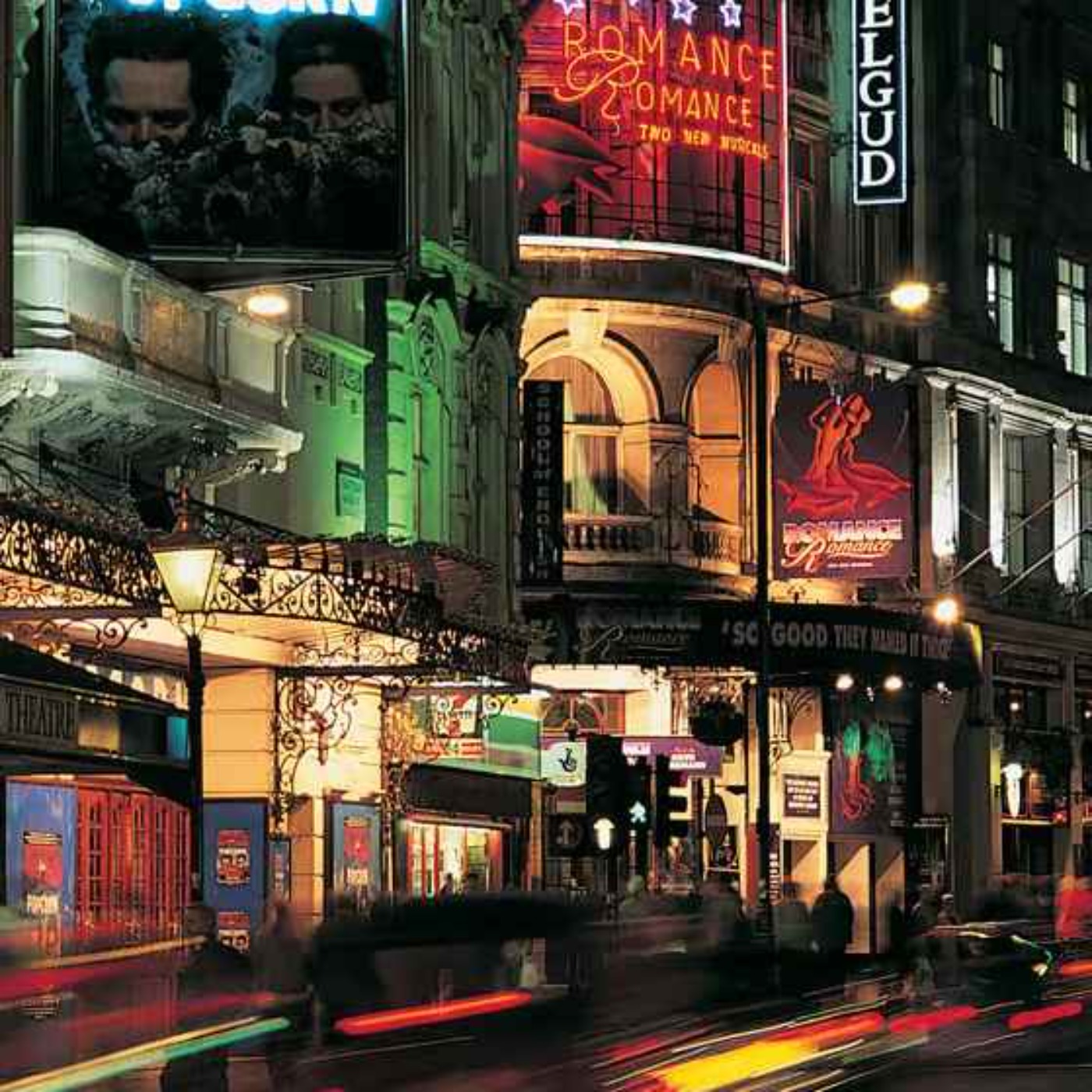
More than 17 million people arrive in the capital each year to celebrate one of London's most beloved cultural gemstones - theatre.
But seeing a central London play can set you back hundreds of pounds, and the costs are only going up. Audiences are now being priced out with the average price of a top ticket rising by 50% between 2023 and 2024 to 146 pounds and 61 pence a seat.
So who or what is to blame for the situation? Is this just a callous cash grab, and what does it all mean for the future of London’s West End?
We're joined by The Standard’s Commissioning Editor and Culture Writer Vicky Jessop, who has been investigating the issue for the latest special report.
Hosted on Acast. See acast.com/privacy for more information.


