
 Ask ChatGPT



In this episode of The Standard, hosted by Tamara Kremornik, the discussion revolves around the transformation of London’s nightlife, particularly the rise of art galleries as potential replacements for traditional nightclubs. The episode features insights from two guests: Rosalie Doubal, a senior curator at Tate Modern, and Maddy Musson, a features writer and nightlife expert from The Standard.
Written by AI. May contain mistakes.
Discussing how institutions like Tate Modern are transforming nightlife experiences.
Rosalie Dubal talks about the late-night programming at Tate Modern and its cultural impact.
“expert Maddy Masson for a vibe check on London's after hours scene.”
Maddy Musson discusses the current state of London's clubbing scene and ticketed events.
“We must strengthen after-school programs.”
Explore the changing landscape of clubbing in London and the role of purpose-built venues versus multi-use spaces.
“Those seem to be the kind of like where the prevailing winds are taking us in terms of London clubbing experiences.”
Discuss how ticket prices influence expectations for clubbing experiences and the impact of word-of-mouth on venues.
“I know that a lot of nights now have kind of artistic elements or really elevated production value, actually, at the event.”
Reflect on the importance of nightlife to the cultural identity of London and the passion of its party scene.
“As Londoners, like, why have we let that happen?”

Get the gist, explore an idea or ask about something said.
 Claude
On The Standard, what are the key points of this episode?
Searching your listeningAutomatic transcript. May contain errors.
0:00Are you noticing your car insurance rate creep up even without tickets or claims? You're not alone. That's why there's Jerry, your proactive insurance assistant. Jerry handles the legwork by comparing quotes side by side from over 50 top insurers so you can confidently hit by. No spam calls, no hidden fees. Jerry even tracks rates and alerts you when it's best to shop. Drivers who save with Jerry could save over$1 ,300 a year. Don't settle for higher rates. Download the Jerry app or visit jerry.ai slash acast today. Studies show that 100 % of everybody in the world wants to curl up indoors and do nothing because it's so darn cold out there.
0:39That's why many people are turning to Bombas, whose pillowy plush slippers and warm merino wool socks have been said to be the most comfortable in the history of feet. Bombas products have been found to boost coziness by up to 1 million percent. Okay, enough fake statistics, but could Bombas socks and slippers really be the cure? Go to bombas.com slash audio and use code audio for 20 % off your first purchase. That's B-O-M-B-A-S dot com and use code audio.
1:15The way we experience nightlife in London is changing. As the number of traditional clubs dwindles, ticketed events in multi-use spaces are on the up. So, will clubbing look very different over the next few years? Hi, and welcome back to the Stanner Podcast. I'm Tamara Kremornyk. All the latest news, head to standard.co.uk. Coming up, will art galleries replace nightclubs?
1:57While clubs are closing at a rapid rate, cultural institutions like the Tate Modern and the Barbican are opening their doors after hours, offering hybrid experiences that combine art and music in unlikely venues, posing a challenge to the very idea of a night owl.
2:18in today's episode i speak to rosalie dubal a senior curator of international art at tate modern who oversees late night programming in the art gallery i was keen to get her take on the intersection of art culture and clubbing and whether she sees galleries becoming a vital part of late night infrastructure in london i also caught the standards features writer and nightlife expert Maddy Masson for a vibe check on London's after hours scene.
2:48But first, here's my chat with Rosalie.
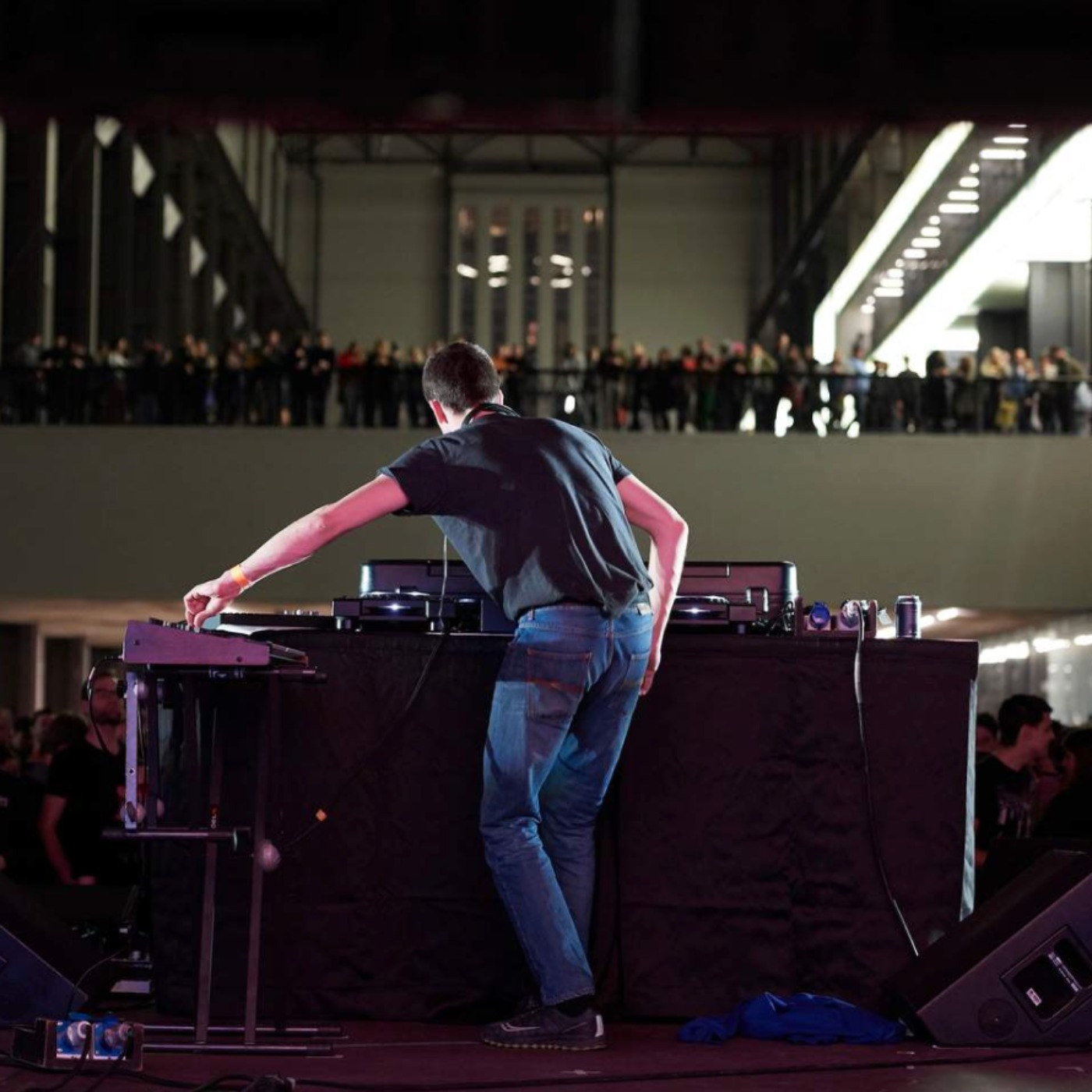
2:55Hi Rosalie, thanks so much for joining me on the Standard Podcast today. Hey, how you doing? good good now rosalie i want to chat to you about the late night programming at tate modern i want to start by asking what can someone expect from a tate modern late event so we've we've been running late night events especially curated events which we call tate modern lates for almost 10 years now and we throw open the doors of the museum late and we have music and we have the opportunity for visitors to come together it's free for everyone to visit see free exhibitions and pop into displays if they want to but most importantly come together gather enjoy music enjoy food enjoy workshops enjoy artist talks and we program these events they spin off the exhibitions and displays that we have in the museum but they're really intended to celebrate creative London and so the programming is artist-led and we're often working with brilliant sets of partners celebrating really who's around us and what we're all doing.
4:06Would you describe the Lates as a kind of quasi-clubbing experience? I know you also have events at the corner so what's the vibe and what kind of crowd does the Tate Modern attract on these evenings? Yeah I mean the Tate Modern Lates attract a brilliant young audience but I'd also say it's intergenerational I think that's what feels so special that, you know, within the museum and within all the social spaces we have. So we have the corner bar. We often use our incredible tanks, which are especially house performance and installation, film and video. And we celebrated our 25th birthday this year.
4:43So we just take one and just turned 25, which was this amazing long weekend that we had in partnership with Uniqlo. and we had over 76 ,000 people through the door. And 70%, I think, was under 35. So we are attracting this really gorgeous young London, which is really exciting. Would you say that initiatives like Tate Modern Lates are serving a sort of higher purpose in London's late night scene? Do you think there's a gap that's being left by institutions sadly closing that places like the Tate can fill in their evening programming? Yeah, I mean, I guess we're always looking, we're always thinking about what we can do here that can't be done elsewhere.
5:31And that might be reflected in some of the brilliant ongoing music partnerships we have. So, you know, we had a very strong partnership with NTS when we opened Tate Modern Late in 2016. And more recently, I've been working with brilliant people like warp records and using our spaces in unique ways so perhaps doing things that aren't happening necessarily in clubs so we've had a lot of listening experiences we had an incredible one with Aphex Twin but also when we're working with musicians we're looking to to really root their practice in relation to what's happening in the museum so we had this amazing collaboration with Little Sims, who curated a tape.
6:16Good, you really are putting in the big names. Yeah, so Little Sims curated a tape on late last year, and it really pulled in a lot of other artists who influenced her, and the focus was really on her creative practice. We had a record-breaking 18 ,500 people through the doors. We had this incredible performance at the end of last year by South Londoner Joy Crooks, who has been influenced by an exhibition that we had on by Jo Ho-se, a South Korean artist, and she actually ended up recording a piece of music within one of these installations within the exhibition. And so Joy presented a really special performance for our audiences in one of our tank spaces.
7:00So yes, we are hosting musicians, but we're also working in a way that is unique to being in a museum space.
7:17do you think that the increase in the number of late night events multi-use spaces say the barbicans just launched some late night programming do you think the these types of nights are a fad or do you think they're a fixture that will kind of be the future of London's late night or even clubbing scene? I hope we can coexist. You know, I think museums and art organisations opening late night is amazing. But I think we need to work together to support our clubbing scene here in London. You know, I don't think it's about one or the other. I think it's about finding ways to coexist. And I think, you know, late night culture is so important.
8:01And we have such a rich cultural history of artists, musicians, performers who are coming out of that world and you know provides really important cultural places for people to be so it's really significant that our museums and arts organizations are recognizing their relevance it's not about competition it's about supporting one another thanks so much for coming on the podcast rosalie it's been really great to chat no problem it's great thank you we'll take a quick break coming up i speak to the standards features writer and nightlife expert Maddy Musson about the popularity of ticketed events in recent years and the quality of these nights versus traditional club nights.
8:44We'll be back here in just a moment.
9:06fresh ingredients that are already chopped. All you do is put it all together and bake. That's it. No chopping, no weird leftovers, just delicious, easy to make meals. Get 20 % off your first two orders with code APRON20. Terms and conditions apply. Visit blueapron.com slash terms for more. Youth mental health is a complex challenge that requires comprehensive solutions. We must strengthen after-school programs. We must make digital literacy tools available in our schools. We must work with mental health professionals to support children, and we must empower mentors, educators, and parents to keep kids happy.
9:42Learn more about our commitment to finding lasting solutions at empowerourfuturecoalition.com slash solutions. Paid for by the Coalition to empower our future.
10:00Welcome back. Here's my chat with Maddie.
10:07So I'm here with the standards features writer and resident nightlife expert Maddy Musson. Thank you so much for joining me Maddy. Thank you for having me. I'm also a self-confessed 365 party girl so I can put that on my resume as well. Love. So okay let's do a vibe check at the moment. London's clubbing scene. What's going on? it is still vibrant and rich and people are still clubbing the urge is still there you know in londoners i think we love to go out i think that's why we live here but it's on its knees right now and it needs help and that help is is twofold that help comes from from us the people and it also comes from the government other support well a lot of clubs are either closing or they're starting to adapt to new ways of operating.
10:58There are also Tate Lates and there are also club events happening at venues that happen sort of earlier in the night. But for the traditional clubs, what are you seeing in terms of changes in their model? Because they're saying that just buying a drink is just not enough now. Yeah, totally. Yeah, totally. If the world is clubbing, I think the world is happy and I'm really glad that more venues are expanding their offering like that and then also traditional clubs are also kind of expanding their offerings so for instance the cause which used to be in Tottenham but is now in Canning Town they host day events they basically do like mini festivals in the summer nearly like every weekend and they do that from early in the day to late which means that they can make extra money because you can buy like a pre 2 p.m entry ticket or something and it's cheaper but then you'll obviously spend money on drinks in the venue and stuff like that so they can kind of amass more and stay open for longer but they're maybe open less often like for instance Unfold which is so Fold is the club and that's also in Canning Town they run events that last for a really long time Unfold can last for like 24 hours at times but they'll do them really few and far between like Unfold happens I think twice a month but they're really long additions the 24 hour those only happen a few times a year so they are they're not open in a really traditional club way of being like open Wednesday to Saturday multiple days a week and just hoping for footfall and that's because these clubs are quite far out because they've been forced out because of costs and everything a lot of clubbing now takes place in what we call the London donut which is like the suburban or further afield areas of London If you were to ask me if I actually know anyone that goes clubbing in Soho, I would say no, I don't.
12:48No one with no good sense goes clubbing in Soho anymore. All of the clubs that I go to, that my friends go to, they are in like outer areas of London. And I think that's why these clubs have adapted in these ways because they can either stay open for longer because there's no one around. Like Canning Town, it's like an industrial estate, these two clubs that I've talked about in Canning Town. There's no real neighbourly issues. They can stay open till like 9am. And then also they have to offer a different kind of programming and they can't rely on footfall because no one's around this industrial estate.
13:21You know, no one necessarily walks into these venues. They go to them now. So clubbing's becoming more intentional. Totally. And I think what's interesting about this is that I've always grown up in a world where in order to go clubbing, or at least in the last like five or so years, in order to go clubbing, you have to kind of buy a ticket. there's not a lot of clubs that I go to now where I would just rock up on the day and feel confident that it would be what I want and I think that a lot of events now are ticketed that means that they can be quite expensive it's annoying but at least you know what you're getting
14:04so Maddy what are your thoughts on nights that happen at a purpose-built club or is an institution versus a night in a multi-use space for example seeing a music act in heaven versus seeing a DJ the Barbican I think that they serve different purposes and I think both should be able to exist I think what we're witnessing right now is the fact that one is is kind of more prevalent than the other so like ticketed events the events that you plan for um those those are like an event space or a club that claims to be a club is actually just an event space. Those seem to be the kind of like where the prevailing winds are taking us in terms of London clubbing experiences.
14:50But I do think you need these clubs, these like heavyweights that exist and are just there for you to go to. Like, for instance, you should be able to be on going for like, I don't know, random work pints and end up at Fabric. That should always be an option for You know, like they are not being taken care of and people need to respect that once they like that go, they will miss them way more than they ever thought they would. And what would you say to the argument that Gen Zers don't go out? They don't drink, they don't take drugs, they don't have sex. I think it's interesting because I'm technically Gen Z, but I'm top levels at Gen Z.
15:30So I'm like the... You're an elder Gen Z. Yeah, I'm a millennial, they call me. and they say all that about Gen Z and I really don't think that that's true of at least like the top half. So I think it's kind of like a half truth. Like I think basically they might just be a bit slower to it because the stats have actually changed now. Think of the most recent stats about Gen Z drinking, Gen Z partying, it's actually on the up and I think essentially they just were locked inside for a bit. They've taken longer to come to it and now they are catching up and there's this like revival, this like roaring 20s that we might see soon.
16:04with Gen Z really like clubbing a lot and partying more and drinking more, which ultimately I know that like obviously we have a different relationship with drinking now than we once did. But I think it's a good thing because I think Gen Z really need connection. And I do think that they're going to need these clubs. They're going to need them and they need to be there for them. Oh, wow. So watch out. There's going to be a Gen Z rager happening towards the end of this decade. Do you think with club nights being ticketed and the rise of nights happening in multi-use spaces that clubbers are expecting something different or something elevated?
16:42I know that a lot of nights now have kind of artistic elements or really elevated production value, actually, at the event. Yeah, I think that goes hand in hand with it costing more and all of these things being ticketed. I think that with all things if you are paying more I expect an elevated experience we expect something really memorable and you don't want it to feel shoddy you know like you're not going to pay 25 quid ahead of time to go to a club and have it all feel like a bit of a mess if you were going to do that you'd go to a random club for like a fiver or a tenner you know however many of those still exist there are some clubs in London which will charge quite a lot and they can be quite big venues and then if they let people down and they don't provide that experience, I think it spreads incredibly quickly through word of mouth that people are like, this is not worth going to.
17:34And as a Zillennial, as you have positioned yourself, does it upset you that some of these older clubs that provide what you might describe as a shoddy experience, does it upset you that these kind of purpose-built clubs are in decline and that it's more kind of nights focused do you think there's something that's that's lost community wise when i was talking about the shoddy or like nights where they disappoint sometimes that's actually not the the institutions that have been doing it for ages like sometimes quite recent clubs or big events that happen um that are quite like expensive and commercially focused this also is true of some london day festivals um where my friend accurately described it we were in like a big London club once and he actually described it as battery clubbing because they just funnel you all in they take a substantial chunk of your money and then they just expect you to be kind of okay with like bad audio quality and long lines and stuff like that and it's like they don't really care as long as you're in there and as long as you've paid for the ticket whereas I think that the clubs that have survived even if they're like not considered good clubs like Infernos for example the clubs that have survived like that I think you know what you're getting.
18:51There's always going to be a purpose for places like that. And I think that they will probably survive for that reason. If they were to die, something's wrong with us. As Londoners, like, why have we let that happen? Something's fundamentally changed. But yeah, it would make me sad. I get the bus home through Dalston nearly every day. And I always see people out partying. And I love that even if I'm going home, even if I'm going to sleep, there is someone out there in London that is partying. maybe always making like decisions that they regret I just love that and I think if we start losing that we start losing the real like passion and heart of the city well thank you very much Maddy thank you for having me
19:35and that's the standard for all the latest news head to standard.co.uk if you're new here hit follow and give us a rating if you'd like to get in touch email us at podcasts at standard.co.uk We'll be back here on Monday morning. We'll see you then.
20:18happy. Learn more about our commitment to finding lasting solutions at empowerourfuturecoalition.com slash solutions. Paid for by the coalition to empower our future. When you manage procurement for multiple facilities, every order matters. But when it's for a hospital system, they matter even more. Grainger gets it and knows there's no time for managing multiple suppliers and no room for shipping delays. That's why Grainger offers millions of products and fast, dependable delivery. so you can keep your facility stocked, safe, and running smoothly. Call 1-800-GRAINGER, click grainger.com, or just stop by.
20:54Grainger, for the ones who get it done. Hey, this is Adam Grant, host of TED's podcast, Rethinking with Adam Grant. Have you heard of Bill? It's the intelligent finance platform that uses AI to help you avoid costly errors and optimize cash flow. In fact, Bill reports that over 90 of the top 100 U.S. accounting firms trust them to manage, move, and maximize money, proven by over a trillion dollars in secure transactions. Eliminate the friction and start scaling with the proven choice. Visit bill.com slash proven to talk with an expert about automating your business finances and get a $250 gift card as a thank you.
21:31That's bill.com slash proven. Terms and conditions apply. See offer page for details.
While London clubs increasingly face the risk of closure, ticketed events in multi-use spaces are becoming more popular. Even art galleries have started hosting after hours events. So, how different will clubbing look over the next few years?
In this episode, host Tamara Kormornick speaks to Rosalie Doubal, a senior curator of international art at Tate Modern, about the intersection of art, culture and clubbing, and whether she sees galleries becoming a vital part of late night infrastructure. Tamara also catches up with The Standard’s features writer and nightlife expert, Maddy Mussen, for a vibe check on London’s after-hours scene.
Photograph: Tate (Ben Fisher)
Hosted on Acast. See acast.com/privacy for more information.


