
 Ask ChatGPT



```markdown
Charlie Duffield
Written by AI. May contain mistakes.

Get the gist, explore an idea or ask about something said.
 Claude
On The Standard, what are the key points of this episode?
Searching your listeningAutomatic transcript. May contain errors.
0:02Hi, I'm Charlie Duffield and welcome back to The Standard Podcast. If you're new here, hit follow and give us a rating. For all the latest news, head to standard.co.uk. Coming up later in the show. Can Strictly keep dancing through scandals? Or has the music stopped for the primetime BBC show? There's been this rolling problem that has really dented the public perception of what the show is and also the contestant experience. I think this is probably part of our parasocial relationship with celebrities that it feeds off, but people are aware that reality TV can be very detrimental to the mental health of the participants.
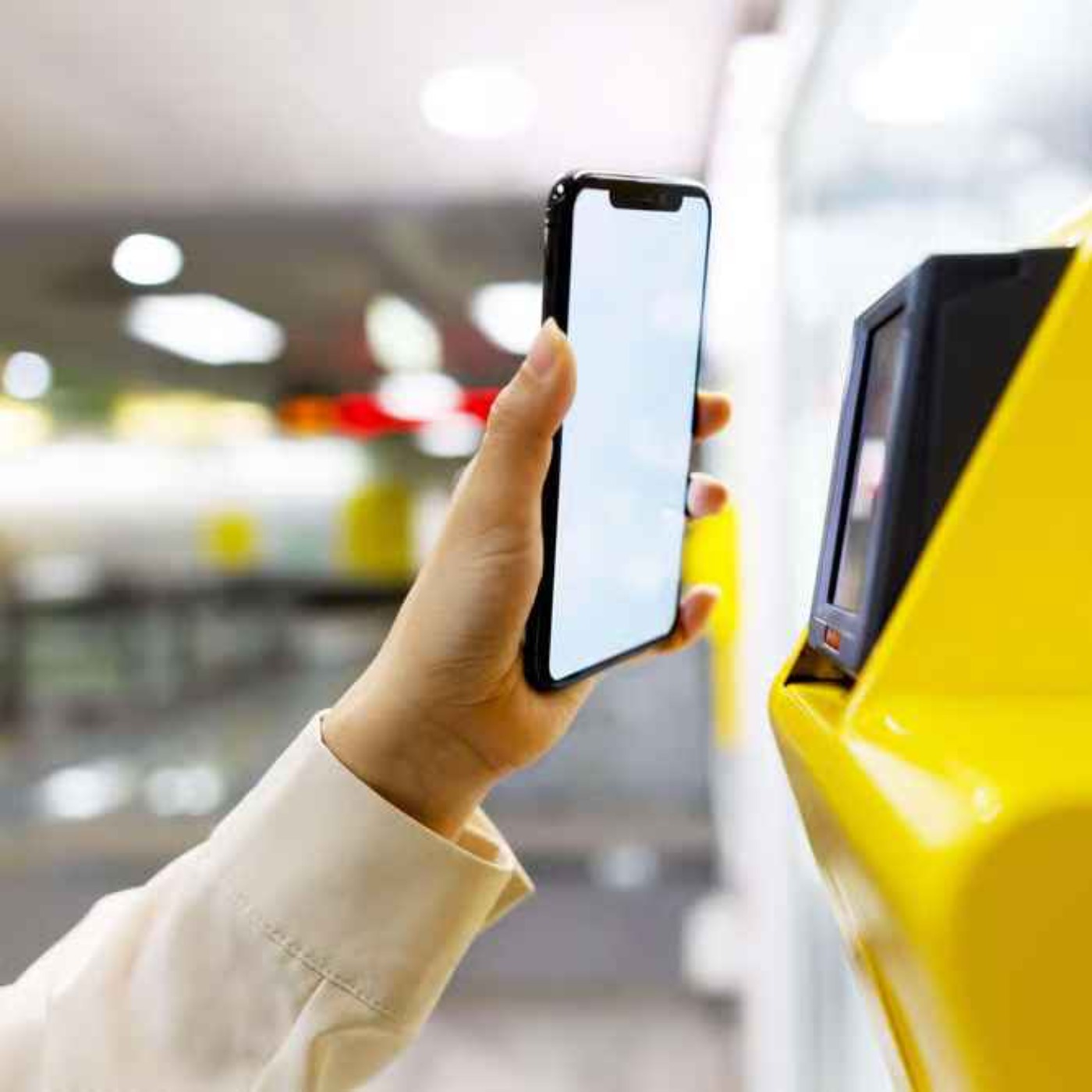
0:45And I think strictly being a competition show wasn't meant to be reality TV, but this is getting into kind of safeguarding conversations as well. But first Sir Keir Starmer says plans for a new digital ID held on people's phones will be an enormous opportunity for the UK which will make working illegally tougher and the country's borders more secure Digital ID will become mandatory as a means of proving the right to work under the plans but people will not be required to carry it or ask to produce it The digital ID would be the authoritative proof of identity and residency status in the UK and include name, date of birth and a photo, as well as information on nationality and residency status.
1:34It means that your national insurance number, which shows your right to work in the UK, will no longer be sufficient to prove your right to work in this country. Employers will need to see your digital ID instead. said. Digital ID cards will be available to UK citizens and legal residents by the end of this parliament. Under the proposal, anyone starting a new job or looking to rent a home would need to show the ID on a smartphone. It comes amid calls from French President Emmanuel Macron for the UK to reduce pull factors for migrants to cross the Channel to the UK. A total of 1 ,157 people have arrived on small boats just in the last week, according to home office statistics.
2:16Earlier today, speaking at the Global Progress Action Summit, Prime Minister Sir Keir Starmer said illegal immigration had to be tackled. For too many years it's been too easy for people to come here, slip into the shadow economy and remain here illegally. Because frankly, we've been squeamish about saying things that are clearly true. It's not just that it's not compassionate left-wing politics to rely on labour that exploits foreign workers and undercuts fair wages, but the simple fact that every nation needs to have control over its borders. We do need to know who is in our country. Our immigration system does need to be fair if we want to maintain that binding contract that our politics is built on.
3:09Otherwise, it undermines trust, undermines people's faith that we're on their side and their belief that the state can and will work for them. And that is why today I am announcing this government will make a new free of charge digital ID mandatory for the right to work by the end of this parliament. Let me spell that out. you will not be able to work in the United Kingdom if you do not have digital ID. It's as simple as that. But Conservative leader Kemmy Badenoch has called it a desperate gimmick that will do nothing to stop the boats. While the Lib Dems fear it would force people to turn over their privacy data, Reform UK called the plans a cynical ploy designed to fool voters into thinking something is being done about immigration.
4:03Joining us now is The Standards' Chief Political Correspondent, Rachel Burford. Rachel, there are a lot of mixed opinions about these digital ID cards, aren't there? This isn't the first time ID cards have been talked about or even put out as a policy by government. Under Tony Blair, the last Labour government under Tony Blair, he spoke about introducing them and they were extremely controversial at the time and there was a lot of backlash which resulted in the policy being scrapped. It still is controversial. We've had Conservative former minister David Davis coming out today. He was one of the main campaigners against their introduction during Tony Blair's government.
4:40He said, while digital IDs and ID cards do sound like a modern and efficient solution to problems like illegal migration, those claims are misleading. The systems involved are profoundly dangerous to the privacy and fundamental freedoms of the British people, is what he said. We've seen people on the left as well. The Green Party has said it does not support them. They are controversial because there is this sort of big brother idea that we will be giving our data over to the government who may then give it to private companies. And there is a sort of squeamishness about doing that in civil liberties group.
5:11Big Brother Watch has warned against their introduction as well. They are something that do exist in other countries, in other European countries, but people also say they're something that are mandatory in places like North Korea and Russia. So, yeah, they are definitely still very much a controversial policy among some people on the left and right of politics. Do we actually need this extra form of identification when we already have so many different forms of ID? Yes. And actually, I think this is one of the reasons that it's actually come up again now among this government, because I think they're sort of hoping that everyone is giving their information out freely to social media websites, online when they buy things.
5:51We live in a different world than we did sort of 10, 20 years ago, where people were a bit more squeamish about giving away their data. Now we do actually give it away on a daily basis. So I think the government is hoping that maybe people will feel a bit more comfortable about that now. But yes, you're right that we do have a lot of forms of ID already. And particularly this idea that it is, you know, to help crack down on illegal migration, you will not be able to work in this country if you don't have a digital ID card, is what the Prime Minister said today. People who come here, migrants who come here, when they come here legally, they will have some sort of form of ID to work, be that e-visas and things like that.
6:27But the people who are working here illegally are still doing so illegally. And it remains to be seen how a sort of digital ID card would stop that or prevent that. Some people are saying these are digital and they're going to be on people's smartphones. That may exclude people who, for whatever reason, don't have a mobile phone or a smartphone. perhaps sort of older people, people who can't afford smartphones, and perhaps people with certain disabilities that mean they can't use their phones. So there is definitely a lot of parts of this policy that do need to be ironed out. Will this help make the immigration system fair, which is what Keir Starmer has said?
7:01Yeah, so today he did a speech at the Global Progress Action Summit in London. And he said the immigration system needs to be fair, otherwise it undermines people's faith that we're on their side and their belief that the state can and will work for them. He said that's why the government will make these new free of charge digital IDs mandatory for the right to work. He said for too many years it's been too easy for people to come here, slip into the shadow economy and remain here illegally because we've been squeamish about saying things that are clearly true and it's not compassionate left-wing politics to rely on labour that exploits foreign workers and undercuts fair wages.
7:39What you can kind of read into this is perhaps we saw reports in recent months about a lot of people who come here on small boats and are living in these asylum hotels, working for companies in the gig economy like Deliveroo, Uber Eats, Just Eat, that kind of thing. And they're clearly working illegally and using sort of people who are here legally accounts to work and deliver food and things. That can sort of seen as, kind of be seen as a, you know, a reference to that, I think. And what the government is suggesting is that if everyone has to have their own form of digital ID to work, that will help crack down on exploitation that we see in those industries.
8:19Finally, looking ahead to next week's Labour Party conference, can you tell us what we can expect? If you look back to when Labour had their conference last year, coming into that on the back of this massive landslide election victory, over 400 MPs, a real sort of appetite for change in the country. I think a lot of voters feel that change has not come to fruition. And today we just saw a big YouGov poll, a seat-by-seat poll, which shows that Labour would lose an election if it was held tomorrow, and Nigel Farage would be on course to become Britain's Prime Minister. So seat-by-seat analysis showed that reform would win 311 MPs, just short of an overall majority.
8:59Keir Starmer's Labour Party would slide down to 144 seats, which is a massive loss of over 250 MPs compared to what he won at last year's election. It also shows the Conservatives would be totally decimated, down to only 45 MPs if that poll is correct. Obviously, there is not an election tomorrow. We're several years out from the next general election, but a lot of Labour MPs will be going into this conference looking at these predictions and being quite concerned about those. So this is a difficult conference for Keir Starmer to be going into. Let's go to a break. Coming up in part two, it's Strictly season again, but is the show beginning to lose its charm and seemingly never-ending scandals.
9:41We'll see you back here in just a moment. Welcome back. It's been announced that Amber Davis will step into the Strictly Come Dancing line-up after Danny Dyer was forced to quit the show with a fractured ankle. The announcement comes ahead of the first live show on Saturday, following the series launch last weekend. The British reality TV show is in its 23rd series, but has been increasingly in the news for all the wrong reasons. So has it lost some of its primetime shine for good? Joining us now is a standards culture writer, India Block. India, are you a Strictly fan yourself? Yes, I am. I mean, it's something that I watched with my grandmother when she was alive.
10:24It's something that my parents watch. I think it's one of those programs that truly is family entertainment. And even if I'm not watching it religiously every week, I'm watching certain dances on YouTube and I'm certainly keeping up with all of the gossip. Now this year's Strictly has only just begun and already there's plenty of drama. Tell us what's been going on. A sort of the big rolling scandal of this season is that the BBC in their wisdom decided to cast Thomas Skinner who is sort of one of these famous for being famous celebrities some might say Z-list He immediately put people's backs up by his politics.
11:05They are fairly right wing. And he started posting pictures while wearing a MAGA hat and praising Donald Trump, which I think given that Strictly's audience is probably on the sort of lefty middle class side, I don't think that went down well. He turned up to a sort of press junket and had this very strange interaction with a journalist where he snatched up her phone and stormed out, which I think was kind of a sign of things to come. And those things all came out in a big, messy way that's still ongoing. It turns out he had an affair just weeks after he married his wife with someone who he strung along and told that he was essentially single.
11:46I think she's probably been trying to tell her story, this mistress, for a while, but obviously now it's a sort of front page news level story. And she has been posting all of the receipts. You know, Skinner's tried to go on a sort of apology tour, but it's all a bit tawdry given that Strictly is meant to be the nice dancing competition show. 2024 felt full of scandals as well. Where do you think this all began? So I'd actually trace it back to the 2023 season, which is where Amanda Abington, who's a very well-respected actor, had to pull out citing personal reasons. And it later transpired that she had a really negative experience on the show.
12:29She said the environment was toxic and that she'd been bullied by her dance partner. The BBC did do a full investigation. They cleared Giovanni Panisse of any physical assaults on Amanda, but they did give her a full apology and said that they had found evidence of sort of verbal harassment and bullying. So that sort of began to open the floodgates, as it were. I think Laura Whitmore said that when she was on the show, she was made to feel really uncomfortable. The BBC responded by saying they'd bring in chaperones so that the celebrities and the dancers were never left alone in the studios together.
13:09But that sort of, I think, put everyone on high alert to the fact that this sort of cozy, lovely show where they all talk about being a family is actually, there might be something darker there. And then we come to the 2024 season and one of the celebrities is Wyn Evans. He's a Welsh opera singer, has a radio show, or I should say had a radio show and is also most famous for being the go compare advert person. And I think from the beginning, obviously, there's live shots of reactions that are going out, but these all get clipped and put out on social media. People were commenting saying that he seemed to be a bit sort of handsy with his partner, Katia, that he was seen putting his hand on her waist and she moved it away.
13:54She then came out and was like, oh no, this was just a joke between friends. We love each other, really, which I guess we have to take her at her word. But I think people were sort of extra concerned that perhaps, especially the female contestants, were not having a great time. After the competition closed, all of the dancers and celebrities that are available go on this sort of tour of the UK. They are preparing to do the kind of press shoot for this. And Wyn Evans is overheard by a journalist making some very inappropriate sexual remarks to another male contestant about a woman on the show. And the BBC takes swift action.
14:32He is dropped. But this also means that Wyn Evans is dropped by Go Compare and dropped by his radio show. And then he appears to have launched a sort of legal case against the BBC, against Strictly. And in the filings from this case, there are allegations that at least two of the stars were using cocaine, which is obviously a class A drug and highly illegal behind the scenes, as it were. So the BBC has had to launch another investigation, get external lawyers in, and the Metropolitan Police has had to get involved. Do you think it's lost some of its razzle-dazzle, or will it stay as popular as ever?
15:14And if so, what needs to change? I'm just surprised at the casting this year, that, you know, someone like Skinner, who was so divisive, the co-creator and the original producer, gave a quote to the BBC News. Her name is Karen Smith, and she's really the verbal equivalent of whacking the journalist over the nose and said, well, stop picking it. If you pick at it, it'll fall apart. And then what will you report on? So I don't think it's quite fair. I think it's important when you've got a state broadcaster to hold them accountable. I just think they need a good run of actually showing that they've made changes, that the celebrities are safe.
15:52I think they need to do better media briefing. They're also doing some really positive things. It's amazing that we've got our first drag queen performer this year, especially considering sort of in the past there haven't been many same-sex couples dancing. That's really exciting. They're still casting differently abled stars. I think there's a lot of positives, but I think they will need to sort it out soon. Otherwise, it's just going to become such a headache for the BBC.
16:27and that's the standard for all the latest news head to standard.co.uk if you'd like to get in touch please do drop us a line at podcasts at standard.co.uk we'll be back here on monday at 5 p.m we'll see you then
Prime Minister Sir Keir Starmer has said plans for a new digital ID held on people’s phones will be an “enormous opportunity” for the UK and make working illegally tougher. Digital ID will become mandatory as a means of proving the right to work under the plans, which will come into place within the next few years. The Standard’s Chief Political Correspondent Rachael Burford joins us with the latest.
And in part two, The Standard’s Culture Writer India Block is here to discuss whether Strictly Come Dancing can survive the latest scandals and what needs to improve, as the much-loved show returns for its 23rd series.
Hosted on Acast. See acast.com/privacy for more information.


