
 Ask ChatGPT
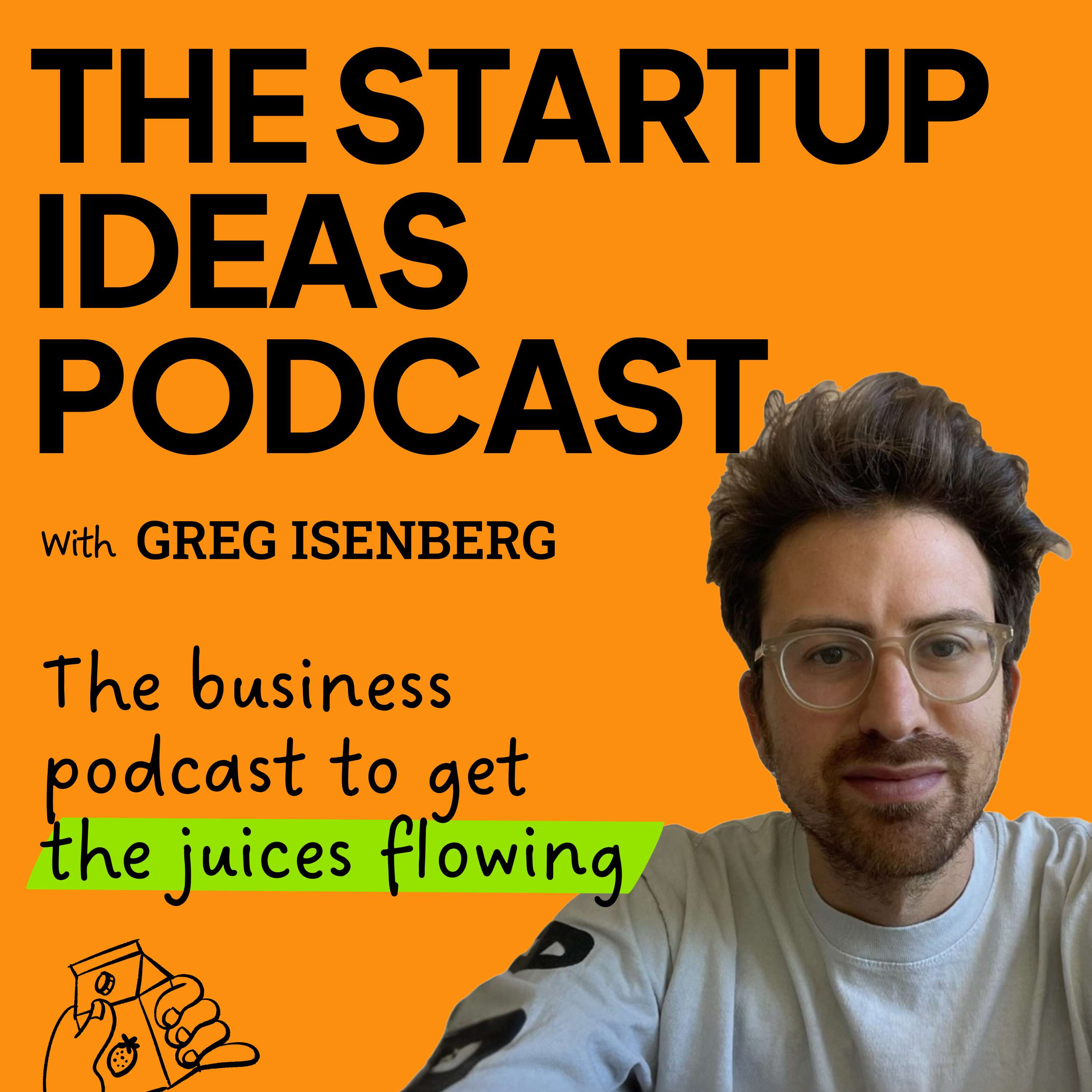

- Podcasts
- The Startup Ideas Podcast
- Gemini 4 Neon: the most underrated model of the year
The Startup Ideas Podcast20 Nov 2026 · 16m · 8 chapters
Gemini 4 Neon: the most underrated model of the year
In short
Gemini 4 Neon is praised as a fast, highly cost-effective Google model for coding, motion/3D, physics, and app building; the episode compares it to other models and explains where/how to use it (Gemini app vs AI Studio vs Anti-gravity), plus best practices and monetization ideas.
Guests
No named guests; the host demonstrates examples and discusses community posts.
Key claims
Neon can generate high-quality physics/video-like results by writing raw code (HTML/SVG/3GS) and is “as good as Opus 5.5” (per commenters). Anti-gravity reportedly boosts performance (12.8% to 39%) and supports agent “swarms” for parallel work.
Notable examples
Pelican motion design; stress-tested robotics “uneven limestone terrain” with per-paw slope adaptation; a Pelican riding a bike for ~3 minutes; Blender/WebGPU pinball games with procedural audio; a “vibe manufacturing/hardware” prototype workflow. Monetization ideas include playable lead magnets, 3D configurators, “trojan horse” custom demos scraped from a client site, pricing/financial simulators from invoices, and overnight micro-products/directories using swarms.
Written by AI. May contain mistakes.
Chapters
0:51
Introduction to Gemini 4 Neon Features
Discussing the unique features and benefits of Gemini 4 Neon.
“Thanks to Google for sponsoring today's episode.”
1:15
Real-World Applications of Neon
Exploring practical examples of how Neon is being used creatively.
“let's talk about some examples before we get into some ideas for making money and being more productive and also how you can actually, some best practices with using Neon.”
3:02
Technical Insights and Comparisons
Detailed comparison of Neon with other AI models and its technical performance.
“This episode is everything you need to know about it.”
7:18
Strategies for Maximizing Neon’s Potential
Advice on best practices to leverage Neon for productivity and creativity.
“So I'm going to talk about the best practices for getting things out of Neon, and then I'm going to talk about how you can make money and be more productive with it.”
13:12
Caveats and Considerations for Users
Honest discussion about the limitations and challenges of using Neon.
14:00
Evaluating AI Writing Quality
Learn about the performance of AI writing tools and tips for improved output.
14:55
Concerns About Anti-Gravity Features
Discuss the current limitations of Google's anti-gravity technology and future improvements.
15:12
Engaging with the Audience
Find out how the host seeks feedback and interaction from listeners.
“When new tools come out, when new models come out, do you want me to give you my quick take?”

Ask about this episode
Get the gist, explore an idea or ask about something said.
 Claude
On The Startup Ideas Podcast, what are the key points of this episode?
Searching your listeningTranscript
Automatic transcript. May contain errors.
0:00Is Gemini 4 Neon worth your time? The internet is going wild for it. They just can't believe how good of a model it is. It's fast, but the most important thing is it's cheap. What could you do if you had twice the amount of agents building your ideas? Would you be more productive? Would you make more money? This is the question. Some people are saying it's as good as Opus 5.5. Today, we're going to go find out. I'm going to show you wild examples on the internet of people using Neon. Neon and what they're able to create and vibe manufacturing and video games, etc. We're going to talk about how you can get the most of Gemini 4 Neon.
0:37And we're going to talk about ideas to make money with it, be productive with it, just to get your creative juices flowing. What does this unlock? So this is the short and sweet guide to Gemini 4 Neon, why you should care. Thanks to Google for sponsoring today's episode. But I'm going to keep it real. I'm going to keep it real. I'm going to say what I like about it, what I don't like about it. to share with a friend like comment and subscribe for more of this sort of stuff in your feed and this is just the de facto guide to it tldr by the way this is an insane model because it's cost effective and you can do a lot with it and i'm excited for what you can build with it let's get into it
1:24let's talk about some examples before we get into some ideas for making money and being more productive and also how you can actually, some best practices with using Neon. So Chetasula said, here's Gemini 4 Neon motion design for a Pelican product. I mean, when you look at the motion design here, it looks pretty darn good. And I'm one of those people that I'm building apps, I'm looking for mascots, I'm looking for motion design. So something that can do this really well, just looks this looks really awesome let's keep moving google launched neon i've been testing it inside anti-gravity we'll talk about that later why you should be building an anti-gravity versus some of the other platforms but it's really strong at coding i'm still testing it with a few more things to share but here's something i built with it hope you enjoy When you look at this, it is just well done.
2:24It feels really like I'm looking at this and it is almost unbelievable that we're at a stage where a Google model is doing this, where AI is doing this. So when I'm looking at this, I'm thinking about what are hardware companies I can create? What are prototypes I can be creating? I did a whole episode on Argon before where I talked about Vibe manufacturing and stuff like that. So I think Gemini 4 Neon just feels like it does a really good job at some of this hardware stuff, Vibe manufacturing stuff. Let's keep it moving. We're going to keep it quick. This episode is everything you need to know about it.
3:06Okay, so you all wanted me to push Gemini 4 Neon further. So I did. I asked it to add uneven limestone terrain to stress test robotics, dogs, biomechanics. It implemented per paw slope adaptation, five-point obstacle scanning, dynamics, spine torsion, all this stuff. Look at this. It reminds me of the Boston Dynamics dogs. I'm looking at this, and it's, again, hardware, movement, gaming. you can imagine games worlds that you can create um this looks stunning i'm curious what some of the replies say gemini going up damn um yeah i think a lot of us someone said well i'm actually impressed i definitely tried this model i think a lot of us a lot of people have basically been sleeping on a lot of these gemini models for a while and now it feels like you know google is back.
4:06Let's keep them moving. I really like this one. So on the left, we're going to show the left and right. Initially, this is Gemini 4 Neon versus GPT 6.2 Astra. This is Gemini 4 Neon, you know, made a pelican riding a bike for three minutes. I think Google's UI design is a bit better than ChatGPT's with the solid sense of aesthetic. The model's so darn good. I mean, look at this versus gpt6 to astra i mean from a physics perspective um you're just not getting that high quality uh that high quality look how look how high quality the physics is now go back this is like a different world i mean yes the design there is some nice uh there's some birds here we got some birds here too but you know so there's some debate around what is nicer um But overall, I think just from a hardcore physics perspective, and I bet that if you actually had some reference images, you can probably add some of these things here as well.
5:07And just to be clear, what's wild about this Pelican animation and some of the other demos I'm going to show you isn't that Neon is spitting out a video file or acting like a motion design tool. It's literally writing all of this in raw code. So it's HTML, it's SVG, it's 3GS, and it's in one shot. And that's why it's such a crazy flex of its coding and spatial reasoning. Anyways, physics, awesome. This is someone who created two pinball games using Blender, WebGPU, optimized and generated play field art, derived PBR, stained glass maps, and multiball physics with procedural audio. so this is crazy this is a literal pinball game um looks amazing kind of reminds me of like the wind actually this really reminds me of like the windows xp uh pinball game i know you all um this is it feels like that so uh this is crazy it's live people can play it they're playing it you can go and ship this stuff okay so those are some examples of some crazy things you can do motion graphics physics cad vibe manufacturing what do you need to know i'm going to go through this really quick a lot of people are going to wonder do i use this on the gemini app do i use this on ai studio do i use this on anti-gravity for gemini you can use it in all three but here's here's where and why you should use it so for the gemini app you want to use it for like these fast 60 second visual prototypes playable lead magnet magnets for workspace ops like live formula sheets, gmails, and docs.
6:51For AI Studio, you've got that full 1 million token context. So that's for that multimodal, huge multimodal dumps like audio, video, CSVs. It also shows the live token count and anti-gravity caps at 512k. So that's really key. And then for anti-gravity, that's where you're actually building your apps. It's where you're building big things. So this is what some other folks are talking about around there's a three times coding lift um 12.8 percent to 39 percent plus a built-in browser qa on anti-gravity now the built-in browser in my opinion anti-gravity isn't particularly great but you have something you also have it as an orchestrator so you have neon and brand new hydrogen daily and you can do swarms for big builds we're going to talk about swarms in a second but swarms are a really good way to have multiple agents working in parallel getting things done.
7:46So I'm going to talk about the best practices for getting things out of Neon, and then I'm going to talk about how you can make money and be more productive with it. Some ideas to get your creative juices flowing. So five ways to get the most out of Neon. Set thinking high. I've noticed that high is just like the sweet spot. So it's a sweet spot for speed and cost. It's 32 % cheaper than carbon, extra high, burns 70 % more for less than two points. It's just, in my opinion, not worth it. Do as you wish, but we don't want to, we don't waste, friends don't let friends waste tokens. Build an anti-gravity, not the bear wrapper.
8:28So the same model jumped 12.8 % to 39 % inside anti-gravity. Some people were talking smack on X being like, oh, it's really not that good of a model. And then other people were like, it's insane. It's as good as 5.5. One of the reasons why is because some people were using an anti-gravity, some people weren't. So if you're building, like we talked about, building big things, you're working on big projects, just do it in anti-gravity. Three, use the orchestrator for daily work and swarms for big builds. Swarms, like I talked about, this is how you can have sub-agents do particular work. You do slash swarm and then you could say, have a researcher do this, have a front-end designer do this, have a front-end engineer do this, have a back-end engineer.
9:13This is you spinning up your AI team to go and build things. This is going to help you get more for big builds. And this is something that you can do before you go to sleep and you wake up in the morning and you have a big project done. Always give it a verification loop. So tell it to open the browser, click buttons and fix bugs. always surprised that most some people don't do this you can do this for neon you can do this for any of the google models or you can use it for any ai model something you should be thinking about and lastly put context first and demand facts triggers automatic caching and stop sales coffee drift that's to get the most out of it all right so what are some ways to think about how you can make money, how you can be more productive with Neon.
10:02This is just going to get your creative juices flowing. With Neon, you can actually create playable lead magnets and 3D configurators, mini games. So these are things that capture emails that get shared on X or on Instagram. Agencies would cost 10, 25, 50,$100 ,000 for these things that you can now, you saw how good the 3D was you saw uh how good the physics were you saw that you can do motion graphics how do you create these 3gs customizers that capture emails you create these 3d apps no brainer to be doing that as a way to get attention for whatever it is you're building number two trojan horse custom project demos so i tried this uh in my testings i had early testing you can put in a website url and then it'll just go and scrape things from that website.
10:59For example, Chick-fil-A Toronto. Assuming that was Chick-fil-A slash Toronto, it would go and search that website. It would grab all that information about it and then you can actually build something for that store like a calculator, a tool, something that's valuable and just go and send it to them you've built something like this i think that there's so much money to be made for pitches that actually have something and of course it might not be uh and i'm gonna do i should do a whole episode on this because i think that if i was like especially if i was like 20 years old trying to make cash flow one of the things i would do would be build websites for people and send them the websites.
11:51Look for companies that have kind of like stale looking websites, redesign it then, be like, hey, I have this website for you. Would you pay$100 a month? Would you pay$50 a month to have it? Oh, what don't you like about it? I'll edit it for you. These are things that you can do. Trojan horse custom project demos. Three, live formula margin and pricing simulators. So you can take messy invoices in, neon is so good with data and you get a working financial model and audit out i can share i i can share but i share my screen on this because it's got sensitive data but i took my own company's data looked at it and now i'm like going back and forth i i feel like i've got this like cfo like person helping me out for 24 7 back office back office automation so you can do things like lead routing with neon you can do crm ops you can do reconciliation and it's just a lot cheaper than some of the competition out there and five overnight micro products and directories so with swarm you can have agent teams researching building and qa qaing and just testing things while you while you ship um so these are just some ways to get the creative juices flowing and there's obviously more but just like for uniquely neon things these are some things to think about but before we before we head out i need to give you some just four honest caveats keeping it real about google gemini for neon one is that i've noticed that neon can be overly brief sometimes i've actually compared it to fable 5.2 versus neon what i'll get from fable 5.2 is just this long long long answer then i go to neon and it's like 33 of the the length now sometimes that's really good sometimes i don't want a lot but sometimes i do want a lot so you have to ask it if you want a lot if you're used to um just sort of longer answers to things you're going to be you might be surprised with how brief it is two i don't know if it's just me but i've just noticed m dashes galore i've also i've also noticed uh when writing they talk about it's not x it's y so a lot of like the ai smell in terms of writing is there that being said the actual writing itself is amazing from my testing so far um so i will say that if you tell it not to do m dashes and you tell it not to do x not y um which are just like ai smell writing things you probably will get some really good output there so i think it's low-key a really good writer three can we talk about how confusing the naming and the and the tier gating is uh just with google products hydrogen neon carbon you've got 512k versus a million there's no free tier so it's a bit confusing but once you get past it um you know you're cooking you're cooking and then lastly I talked about anti-gravity has some stuff to be desired um you know Google's moving so quick right now in terms of the models you got to think that you know anti-gravity uh the anti-gravity team is is probably adding features soon but as of right now as of recording this November 19, 2026 anti-gravity has has some stuff to be desired hope this has been helpful um do you want me to do more of this stuff?
15:23When new tools come out, when new models come out, do you want me to give you my quick take? Or do you just want me to stick to ideas, growth tactics? I like showing you things that I'm using, things that how I would get the most out of it. But please do let me know. I live to serve. I want you to get the most out of AI, to build out your ideas to ship your greatest things. And I read every single YouTube comment. I respond to a lot too. And if you want me to create more videos, like, comment and subscribe. Thank you so much. Happy building. Have a creative day. And I'll see you next time on the Startup Ideas Podcast.
From the publisher
Gemini 4 Neon is LIVE, brining frontier-level intelligence with fast end-to-end task completion, try it for yourself: https://startup-ideas-pod.link/gemini-4-neon
In this solo episode, I break down Gemini 4 Neon, Google's new model, after testing it inside Antigravity. I start with builds from the community: motion design for a Pelican product, a robot dog on uneven limestone, two pinball games with multiball physics, and a one-prompt NBA booking app. Then I cover where to run Neon, five ways to get the most out of it, and five ways to make money or save time with it. I close with four honest caveats about brevity, writing habits, confusing naming, and Antigravity itself.
Timestamps
00:00 – Intro
01:24 – Great Builds and Demos
06:26 – Where to run Neon
07:59 – Get the Most Out of Neon
09:55 – Ways to Make Money With Neon
13:13 – Honest Caveats
15:16 – Closing Thoughts
Key Points
Neon handles physics, motion graphics, and 3D at a level that opens up games, hardware prototypes, and vibe manufacturing.
The same model jumped from 12.8% to 39% on coding inside Antigravity, so I do my big builds there.
High thinking is my sweet spot: 32% cheaper than Carbon, while extra high burns 70% more for under two points.
/swarm spins up an AI team of researchers, designers, and engineers that can finish a big build overnight.
Playable lead magnets and custom demos for prospects are two of the fastest ways I see to earn with Neon.
Neon writes well once I ask for longer answers and tell it to drop em dashes and contrast clichés.
The #1 tool to find startup ideas/trends - https://www.ideabrowser.com
LCA helps Fortune 500s and fast-growing startups build their future - from Warner Music to Fortnite to Dropbox. We turn 'what if' into reality with AI, apps, and next-gen products https://latecheckout.agency/
FIND ME ON SOCIAL
X/Twitter: https://twitter.com/gregisenberg
Instagram: https://instagram.com/gregisenberg/
LinkedIn: https://www.linkedin.com/in/gisenberg/
More from The Startup Ideas Podcast
All episodesWe use cookies.They keep VO running smoothly and help us improve it. Privacy policy