
 Ask ChatGPT

- Podcasts
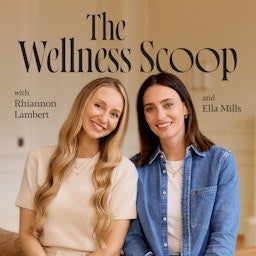
- The Wellness Scoop
- Is There a Best Diet for Ageing? HRV & Nervous System Resets
The Wellness Scoop2 Nov 2026 · 1h 3m · 24 chapters
Is There a Best Diet for Ageing? HRV & Nervous System Resets
In short
Healthy ageing and whether there’s a single “best” diet; plus circadian timing (night owls vs morning people), childhood experiences linked to adult well-being, and nervous system “resets” using HRV, vagus nerve, breathing, movement, and stress-system nuance. The hosts also discuss food-industry and pharma controversies (Eli Lilly sponsoring fashion; Waitrose changing “healthy” labeling) and a colorectal-cancer research recruitment call.
Guests/backgrounds
No specific guests appear in the provided transcript. A recorded voice note from Professor Sarah Berry (King’s College London; Team Prospect/Global Cancer Grand Challenges) is included. Other referenced experts: Giles Yeo (Cambridge obesity researcher) and Professor Sarah Berry.
Key claims
No single best diet; Mediterranean/DASH/Nordic/plant-based patterns overlap and all link to slower epigenetic ageing. Night owls have higher disability-pension risk than morning people, likely due to circadian mismatch. Childhood “evolved nest” experiences (responsive care, affectionate touch, free play, positive atmosphere) predict lower anxiety and better relationships later. Nervous system resets should be balanced—stress (cortisol) isn’t inherently bad; HRV tracking can be misused.
Notable examples
Epigenetic clocks from a Germany study of ~7,500 adults; Finnish study of ~5,500 people over 12 years; childhood study of ~1,400 adults across UK/US/Japan; Waitrose removing 220 additives and restricting 146; Eli Lilly sponsoring Vogue World/Milan Fashion Week; Prospect UK recruiting 250,000 people aged 18–50 for early-onset bowel cancer research.
Written by AI. May contain mistakes.
Chapters
1:15
Episode Preview
Overview of topics including diets for healthy aging and wellness trends.
“I am very excited, though, because we do have an incredible, incredible show today.”
2:26
Embracing Winter Vibes
Discussion on seasonal feelings and winter activities.
“There's a funny little video we want to play you guys and talk about.”
3:41
Exploring Wellness Practices
Rhianna shares her journey into meditation and sound healing.
“Everyone's getting ready to the lead up to, well, I guess the Christmas countdown, which everyone will hate me mentioning again, but we've had Halloween.”
5:16
Releasing Stress Through Movement
Importance of shaking and movement for stress relief.
“And he's had this crazy project on at work and was working so hard.”
7:10
Listener Feedback on Packed Lunches
Discussion of a listener's tip for making packed lunches.
“And we also have some listener feedback, don't we, Ella?”
7:48
Research on Bowel Cancer
Professor Sarah Berry discusses research on bowel cancer and lifestyle factors.
“And, you know, we've been talking about packed lunches and the rise of packed lunches and how cost of living and also focus on nutrition is inspiring many more of us to do packed lunches for work.”
12:09
Sponsorship Controversy
Discussion about Eli Lilly sponsoring Milan Fashion Week and its implications.
“Let's move on to the headlines that matter.”
14:00
Eli Lilly's Controversial Sponsorship
Discussion on Eli Lilly's sponsorship of Milan Fashion Week and its implications.
“Just have a little bit of a guess who this year's key sponsor was for Milan Fashion Week.”
14:49
Criticism of Weight Loss Drug Sponsorships
Exploration of the societal implications of weight loss drugs being linked to fashion.
“No, they snuck through because we hadn't banned.”
18:00
Waitrose's Shift in Healthy Food Labeling
Analysis of Waitrose's approach to redefining healthy food labeling.
“I think it's an important thing to flag.”
Show all 24 chapters
21:52
The Best Diet for Healthy Aging
Insights from a study revealing a variety of diets beneficial for aging.
“And now our first headline today is again, the fact that there may be no single best diet for healthy aging.”
27:05
The Connection Between Food and Energy
Discussion on the relationship between food preparation and its nutritional value.
“Oh my god please join me in my hole Rhi.”
28:05
The Importance of Vibrational Foods
Exploring the concept of high vibrational foods and their appeal.
29:42
Circadian Rhythms and Health
Discussing the impact of circadian rhythms on health and societal norms.
“are a little bit poles apart with this night owls are 70 percent more likely to end up on disability benefits than early birds, which is really interesting, but it's a Finnish study and it was covered in the Times.”
39:31
Childhood Experiences and Adult Happiness
Examining how childhood experiences influence adult happiness and well-being.
“So just to discuss this in general context, it's just an interesting one because our history does shape who we are and how we express ourselves.”
42:04
The Importance of Free Play for Creativity
Learn how free play enhances creativity in children and adults alike.
“But actually, and you see this more and more, is that this sense of free play and allowing children to be bored and then get creative with the boredom is really powerful.”
44:33
The Balance of Relationships and Play
Explore the interplay between play, relationships, and personal experiences.
“can play for hours and hours and hours and I love that.”
46:11
Understanding the Nervous System
Gain insights into the nervous system's role and the effects of cortisol.
“And then our parasympathetic branch, which is normally called our rest and digest kind of more recovery space.”
48:25
The Concept of Heart Rate Variability
Discover the significance of heart rate variability in stress recovery.
“I have to say, I feel that tracking isn't the most accurate measure at all.”
50:43
Vagus Nerve and Its Importance
Learn about the vagus nerve and its impact on digestion and relaxation.
“And the other thing that comes up all the time as well is the vagus nerve.”
53:10
Practical Techniques for Nervous System Support
Explore actionable techniques to support nervous system adaptability.
“So let's reel off our six things, everybody.”
56:00
Managing Daily Stressors
Learn about the importance of slowing down and managing daily stress.
“miss your train because you've got very important meeting to get to.”
57:23
The Role of Gadgets in Relaxation
Discover how gadgets like massage guns can contribute to relaxation.
“It just doesn't have quite enough evidence behind it to necessarily justify the price tag, I don't think at the moment.”
59:06
Critique of Beauty Trends
Engage with a critical perspective on current beauty trends and societal pressures.
“Or like if you're watching TV or something.”

Ask about this episode
Get the gist, explore an idea or ask about something said.
 Claude
On The Wellness Scoop, what are the key points of this episode?
Searching your listeningTranscript
Automatic transcript. May contain errors.
0:26Ultra Running Shoes are all about space. T 'was many nights before Christmas, and one woman knew she needed a tree, so to Wayfair she flew. She found more decor and added to cart. Merry Christmas to all. Get your Wayfair head start. For holiday decor you can count on, Wayfair delivers.
0:47Hi, and welcome to The Wellness Scoop, your twice-weekly dose of health and wellness inspiration. And as always, we're both here as your hosts. I'm Ella Mills. and I'm Rhianna Lambert and after a decade in this industry we both know how overwhelming and confusing the wellness industry can be and that's why we're here with our podcast to cut through the noise and make healthier living simple fun and personal.
1:15Rhi has well by the time we will send this out she will have got a newborn but as it stands she is about to give birth any day and poor thing is really powering through which is unbelievable So I would say round of applause right there. Thanks, Ella. I am very excited, though, because we do have an incredible, incredible show today. And I always look forward to it so much. So, Ella, would you like to let everybody know what we've got coming up? Oh, it's a juicy one, Rhi. I would say, OK, we are going to be asking and looking at why was Eli Lilly one of the biggest GLP-1 manufacturers, pharmaceutical companies sponsoring one of fashion's biggest events.
1:52That's a bit of an intrigue. why some supermarkets are changing what they consider healthy food to be what is the one best diet for healthy aging i bet you all want to know the answer to that what about being a night owl versus a morning person which one is better for your long-term health what childhood experiences are linked with greater well-being later in life what hrv really means and what it can tell you about your stress levels we're going to do a little bit more nervous system recess so they actually work what about your vagus nerve what about breathing movement how does it impact that all?
2:22And are we getting a little too obsessed with some wellness optimization? There's a funny little video we want to play you guys and talk about. Yeah, we've got a cracker of a show. So Ella, first of all, how have you been? Because we're now, I feel we're fully into cozy, rainy, wintery vibes now. We are fully into cozy, rainy, wintery vibes now. I completely agree. I like really want to like it, but I just think I'm actually a summer gal or I'm a sunny gal and kind of looking out the window now it's just so gray and dark I just the thing is I think I really like spending time outdoors and I love walking and I love just pottering I love gardening um who am I but I do I really like being outside and I know people always say like there's no such thing as bad weather it's just the clothing but like yes and no no I'm sorry but the dark when you open your blinds in the morning and the rain.
3:18I find that is a little bit demoralizing when you start the day. So we're here to bring the positive vibes for you all. Yes, we will keep bringing good vibes all winter long. Although I know we have listeners in the Southern Hemisphere and you're probably living your best beach life right now thinking, what are they talking about? Yeah, exactly. Please do send us in what you're up to. So we love to hear something to cheer us all up. So it's just a busy time of year. Everyone's getting ready to the lead up to, well, I guess the Christmas countdown, which everyone will hate me mentioning again, but we've had Halloween.
3:52The Christmas countdown is on and we do have some listener feedback, but Ella, you've mentioned, is that a yoga class? I honestly, I think I might be going down a rabbit hole here. We write just like little scribbles in our shared notes each week for kind of each section. And I like the what we're up to bit. And I wrote, I think I'm in my woo woo era. You'll laugh as well at me on this. Obviously, you know, loving teaching my meditation and breath work. Like I love it so much. First of all, obviously it's had such a profound impact on my life, but I really, really enjoy sharing it with other people and like seeing the kind of visible relaxation that people get just in such a short period of time, but I've now signed up to do my sound healer crystal bowl training as well.
4:37So yeah, I'm off to go and buy my crystal bowls next week, the singing bowls, you know, when you go around and around and I just love the sound. And I really, I actually really next year want to start, so I can start in January, I think it's doing in-person classes for people with meditation and relaxation. Cause I just think we need so much more relaxation in our lives and being able to give people that opportunity. Feels really special. I like to take a little bit of credit with the cat purrs and the links towards sound here, because honestly, I'm all for this, Ella. I think this is fantastic.
5:11Yeah, I'm so excited. I think my husband does think I might be falling down a rabbit hole. And then I was like, how was your day? And he's had this crazy project on at work and was working so hard. And I was like, yeah, I went to a shamanic Kundalini class. but you know what they are beautiful there is nothing like being sat in a room I mean obviously I'm music obsessed but I really appreciate that sort of thing I think there's a lot to be said for it so I'm looking forward to your skills yeah this was fun but this class was like all shaking and do you know what I'll say one thing okay Rhys like what do you mean all shaking just stay with me, everybody, really in particular here.
5:49Okay. When you're stressed, you do feel like you get quite a lot of, and you can say it in a kind of esoteric way, or you can say it in the most mundane way. There's a sense of energy being a bit stuck, right? Like if you're stressed, you're overwhelmed, and then you're quite tense and you're sad at your desk over your computer. Do you know what I mean? You feel, you can feel a bit stuck. And then sometimes when you do exercise or you go for a walk, you do feel a bit of a release, right? Or if you stretch, you're like, ah, I feel like I can kind of breathe a bit again. And this idea that you kind of, you literally like put a great song on and just like move your body, like literally shake.
6:27And you just get, you really feel this amazing sense of moving, like all that stuck feeling out. And so it sounds crazy, but it actually feels so good. I don't think it sounds crazy. It's, it's, it's feeling rhythm and beat and moving and I can appreciate that. Yeah, it's energy. Because when you are overwhelmed and you're stressed and then you're quite like hunched in, you kind of just got to like, it's like dogs, you know, I don't know, my dog used to play fight the whole time with my mum's dog when they were puppies. And then once they'd finished play fighting, they'd shake. And animals do it in the wild, they shake and they release the emotion.
7:04I think it makes perfect sense. They release the stress. Who needs to go for an office walk? We need to do an office shake. I know and don't forget do you remember right at the beginning the headline that if we just dance in our kitchens for 20 minutes a day I know all the exercise you really need so put on I'm telling you Florence and the Machine do one Florence and the Machine you know the song like it's always darkest before the dawn yeah put it on I'm telling you just like ah feels so good well I think that's a really good recommendation for us all we can all try and do that at home I really look forward to your feedback on that one stay with us guys I'm not going to be completely mad Stay with us on that one.
7:41And we also have some listener feedback, don't we, Ella? Yes, we did have some listener feedback. This came in from Laura. And, you know, we've been talking about packed lunches and the rise of packed lunches and how cost of living and also focus on nutrition is inspiring many more of us to do packed lunches for work. This was a tip in light of that headline from Laura, which was that there's a chef or a great cook on Instagram called Ellie Pear, Ellie with a Y, pear like the fruit. She has a real all about this, but she has this idea. This is genius. I actually haven't seen this before where you make this soup essentially really, really concentrated.
8:17So you don't blend it with water and things like that. And then you freeze it into giant ice cubes. You know, those big silicon ice cube trays. Yeah, I've got those. Yeah, exactly. So you actually, I guess it's almost like sort of baby food kind of situation. so you like make it super intense and concentrated freeze it like that and then you just take the frozen cubes to work they can defrost and then you obviously then add boiling water so you then get a much more soup like consistency and then also laura said it takes up way less space in her freezer too and given you never have enough space in your freezer i've never had enough space in the freezer i feel like i thought that was such a good tip i haven't seen it before but she said if you go to Ellie Pear's Instagram.
8:59She has a whole reel showing you what to do. Genius. Top tip. Thank you very much. And then we also have now to share with you a voice note from Professor Sarah Berry, which we had promised we would bring to you today, which provides information on the latest research that is ongoing and we need to recruit participants for with regards to trying to understand more about why bowel cancer is happening more and more in younger generations. So over to Sarah. Hi, Rihanna. Hi, Ella. Thank you so much for giving a shout out to this really ambitious new research. I'm Professor Sarah Berry from King's College, London, and I'm part of Team Prospect, which is a global cancer grand challenges team investigating why bowel cancer is rising in younger adults.
9:43And this is a question that no single laboratory or country can solve. And so we're bringing together the brightest minds in science to try and unravel why we're seeing this alarming rise in early onset bowel cancer, where we're seeing a two to threefold increase in risk in people born in 1990 compared to those born in 1950. We know that this is partly due to changes in diet and lifestyle. So, for example, alcohol consumption, increasing rates of living with obesity, our change in diet to heavily processed foods and also our more sedentary lifestyle as well. But there's lots that we don't know.
10:23And so we're trying to unravel some of the complexities around the way we now live our lives, our exposure to environmental pollutants, to microplastics, to certain chemicals, whether it's additives and emulsifiers and so forth in our food, and also understand protective factors as well that may protect us against the risk of early onset colorectal cancer because the good news is as we estimate about 60 percent of cases could be preventable through diet and lifestyle but to understand all of this complexity we are launching today this big new program of research called prospect uk we need quarter of a million people to sign up to this research program between the ages of 18 to 50 in order for us to ask questions about their diet, their lifestyle and other exposures.
11:17All it involves is going to our website at HealthSpan Connect Prospect and then answering detailed questions about your diet and lifestyle. And then every six months we will be in touch to ask you more questions about your diet and lifestyle. And then we'll follow you over a number of years and we'll start to look at what risk factors are linked to those people who do go on to develop early onset colorectal cancer. So please, please do put in your web server, the Healthspan Connect, Prospect UK, and it will take you to a sign up link. Thank you so much, Rhianna and Ella, for supporting this really, really valuable research and our efforts to get 250 ,000 community scientists helping us reduce this alarming rise in early onset colorectal cancer.
12:09Amazing Sarah that's so incredibly helpful I've actually seen so much pickup around this over the last few weeks I hadn't included it in today's show because I just feel like we have talked about it at length but there was a lot more again with different scientists and researchers talking about bowel cancer and processed meats again and just a huge topic about why these rates are rising and what we need to be looking into so if you want to get involved, be one of the 250 ,000 people, there's a link in the show notes, but I'm sure if you just Google it as well, you'll find it, no problems. Perfect.
12:41Let's move on to the headlines that matter.
12:47Right. Rhi sent me, this was a few weeks ago now. She sent me this voice note. I was just about to go to bed and then I had a voice note from Rhi. Rhi is an expert voice noter. I'm a terrible voice noter. Very old school. You sent your first ever voice note, I think to me. I did. I did. I was so honored. I'm not very good at doing them though. So such an old lady anyways. And basically Giles Yeo, friend of the show, we can say, but an absolute kind of phenomenal, very, very renowned, respected scientist and researcher at Cambridge University and does a huge amount around obesity and weight. Also does a lot on TV.
13:25So you may have come across him there as well as through this show and all his other work. But he had been out in Milan, in Italy and he was talking to you, Rhi, because he was doing some work, I think, with Rhi Plus. And then he sent you this voice note for us. I've just come back from the EASD or the European Association for the Study of Diabetes. It is the largest conference in Europe for scientists and clinicians to attend who study obesity and diabetes. And this year it was held in the city of Milan and also coincided with Milan Fashion Week. Big deal. Just have a little bit of a guess who this year's key sponsor was for Milan Fashion Week.
14:08Eli Lilly. Now they just happen to be the manufacturer of Munjaro, one of the main GLP-1 weight loss drugs that are out there. So Eli Lilly, manufacturer of a weight loss drug sponsoring Milan Fashion Week. I guess it's safer than smoking or envermines. I'll leave it there. I don't know if you've noticed it, but they keep trying to sponsor the podcast. Yeah, yeah. I said that to Giles as well. I was like, we've turned it down so muggie. And also, guys, I know you, like we say about the Apple reviews, we do not choose weight loss drugs as sponsors for this podcast yet. No, they snuck through because we hadn't banned.
14:53This is like the ads we read, but we hadn't banned some of the kind of more radio style ads. This was a few months ago. We hadn't banned online pharmacies because I just thought that was like boots telling you that you could buy stuff from them online. Yeah. So sweet and naive. But actually it was all of these pharmaceutical companies or like all sorts of quite niche online random pharmacies basically telling you you could get weight loss drugs through them. Again, just to clarify, so much nuance here. there is a lot of good and potential in these drugs. There's a lot of people who they could benefit.
15:22There is zero judgment. I know lots of people personally who've taken them, who've benefited wildly. And that's amazing. But I feel passionately, as you do, Rhi, that there's also this dangerous point, as we talked about the other week with sororities, these young kids, these very slim people taking them when we don't have any research on this. And then this pressure of size zeroing. So then when you see that the company that makes Monjaro and then they make this new pill form as well that's obviously going to meet all the rage soon they were sponsoring so it was the Vogue World event that was in Milan as opposed to Whole Fashion Week but it was huge it was like the biggest event I think anyway and they were sponsoring that and surprise surprise I'm sure you guys are all thinking the exact same thing like there was such criticism from different academics from just eating disorder charities because ultimately what you're doing here is you You are, even if it's subconscious, because it wasn't Monjaro, the weight loss drug, it was the pharmaceutical company that owns it, sponsoring it.
16:24But still, by association, you have the subconscious connection between a weight loss drug manufacturer and a very aspirational fashion, aesthetic, let's all look smaller and smaller. and it's so so messed up because obviously you know there's always been this pushback that the fashion industry overly promotes and glamorizes oftentimes extreme levels of thinness it obviously habitually these sorts of events cost extremely thin models as well as in editorials and things like that so again you're just having this explicit or kind of very clear connection between extreme thinness, which you can now achieve medically.
17:12It's so weird. It's so weird and kind of grubby and grotty. Grubby and grotty, I think, sums it up. I would love to have been sat or a fly on the wall in a boardroom making that decision. Oh, we're Eli Lilly, let's sponsor Vogue. You know, you just think... I know, I get why they wanted to do it. And do you know what they said as their defence? Because they've had so much criticism. They said it was to mark their 150th anniversary. Like what does a pharmaceutical company, its 150th anniversary have to do with a Vogue world event in Milan? I see no connection here other than you forcing a connection to have this connection between being thin and using no weight loss drugs.
17:51Tell us what you think. I'm very curious. Yeah, let us know everyone. We do have another pickup as well today and thank you Giles for providing us with such a thought-provoking conversation as well to have on here. I think it's an important thing to flag. The next one is from Waitrose and they're changing what healthy means apparently. Yeah and by healthy we mean that actually it's their kind of like on pack labeling which is interesting. We obviously talked a few weeks a month ago now about Tesco making this big move on restricting or removing a huge number of UPF ingredients from their list of what they're allowed to have and then really trying to restrict unless absolutely necessary various emulsifiers, preservatives, etc.
18:38And we heard there that Tesco said that more than 80 % of its customers were trying to cut down on ultra processed foods. Well, Waitrose's customers, 93 % of them. And if you're not from the UK, Waitrose is generally speaking, along with Marks and Spencer's associated with slightly higher affluent shoppers. So that's an interesting jump. although both still a humongous number of their shoppers, but 93 % of the waitress shoppers saying they prioritise avoiding ultra-processed foods and they now actively check ingredients lists. As much as I know there's so much nuance in education, there's a big education piece missing with UPF still.
19:16I think it's a really wonderful move that consumers are actually interested in what's in their food. We said, was it two weeks ago, that we do feel there's a bit of a monumental shift with funding for new companies that want to be sustainable, that want to create healthier decks like Ella was visioning well ahead of time, like 15 years ago or so, it does feel like we really are at a pivotal point for the food industry. And it's part of a much bigger push. So over the last 20 months, it says it's removed 220 unnecessary additives from 110 own label products. And it now prohibits 146 specific additives across its own at label range.
19:55I do wonder, Ella, how these things were included for so long. You know, when you look at the sheer volume of additives, and I remember writing the UPF book, The Unprocessed Plate, and going, I'm just thinking this is insane. I know. And I find it so interesting because when I changed my diet, this was forever ago, it feels like now. So it's back in early 2012. But I remember I had never looked at an ingredient out before, hadn't even crossed my mind. And I started to look at what was in my food. And I was obviously like shocked as to the like level of ingredients that were in, not in sweets or things like that, but in kind of quote unquote healthy foods and cereals and stuff like that.
20:34I remember people thinking I was kind of insane. And it's interesting to see such huge shift. And then so essentially what waitress have done in relation to all of this, which I think is quite interesting and sits not dissimilar it feels like the direction that Tesco's are taking is they introduced um back in 2018 a um good health logo that they would put on products that are good for your health and now they're changing that and they're basically changing it where traditionally the idea of healthy sat more along like the traffic light system you know where it'd be like and there was always this pushback that actually then you have red on things which are high in fat like nuts but it's really healthy fats we know well the scoopers know we need this kind of fat in our life and they're actually changing it and they're looking now about positive nutrition so these healthy fats for example about ingredient transparency so it's not enough to be like low sugar low fat because that doesn't necessarily mean it's good it's actually positive nutrition ingredient transparency which is the quality of your diet so we really rate this so well done we think it's a fantastic move and a fantastic shift of times.
21:43Yeah, it really is. Like I feel so, so good about this. So one pickup, feel less good about with Eli Lilly, this one, I feel so good about. Amazing. Exactly. And now our first headline today is again, the fact that there may be no single best diet for healthy aging. And I think what's really interesting here was the new study that was published in Nature Communications suggested that there are lots of different ways, which is what we always say on the Wellness Scoop, rather than one perfect diet to follow. And researchers here, the study was based in Germany, looking at 7 ,500 adults and compared what they ate against 10 different definitions of a healthy diet.
22:24So what we usually discuss, because obviously, I think the most universally recognized and studied is probably the Mediterranean diet. But, you know, I remember writing in the Science of Nutrition about Nordic diets as well, being up there, being very popular, DASH diets, different plant-based diets. And they actually measured the differences of biological aging using epigenetic clocks. So when we speak about epigenetics, imagine light switches being switched on throughout different life events with our genes. And these measure patterns of DNA methylation. So these tiny chemical changes to our DNA as we age.
23:01And to give an indication of how quickly someone appears to be aging rather than just how many birthdays they've had. So, you know, when you see people do these podcasts, like I love Catherine Ryan has a fun one, which is kind of what it's cool, but I love listening to it. How old are you now or something? And you know, you can be 54, you take this test. Oh, actually you're 38. Yeah, exactly. Exactly. And look, these diets, we've talked about them all before. Like they're not worlds apart from each other. The Mediterranean diet has particular emphasis on olive oil, loads of plants, fish, relatively little meat, the DASH diet.
23:35The big difference is a big focus there on limiting salt and then more lower fat dairy because it's focused on lowering blood pressure. The heart health and yeah, DASH diet. The mind diet, huge focus on the mind, on foods that are good for our brain health. So big focus on things like berries, leafy greens, the Nordic, again, very similar to the Mediterranean, but with seasonally appropriate foods for the different regions. So actually, interestingly for all you haters out there, rapeseed oils in that one. But things like rye, for example, root veggies, again, more berries, but some more, as you said, more kind of like local berries.
24:12And then obviously plant-based is not vegan, just to clarify plant-based is when in this context, we're talking about rooting the diet in like plants and not in UPF vegan ingredients, just to explain. So look, they're not worlds apart, but they are slightly different. And I think there's always been this sense of like, what's the best? What's the best? What should I do? And I think this article just summarizes, you've got to do what you enjoy. And actually they all follow essentially this very similar principles, home cooking, loads of plants, loads of diversity, loads of fiber. Olive oil, healthy fats, I will say, healthy fats.
24:49Exactly. And obviously like a big reduction in - Meat and animal produce. Huge amounts of sugar, saturated fats, exactly. They do all have an underlying theme. And more than 70 % of the biological pathways associated with the different diets did overlap. So I think we just have to remember here as well that when we're talking about nutrition, like we say it all the time, but when I went to France to do that talk with the two scientists, Isabel Esser and Wilhelm DeVos, who's the founder of one of the gut bugs, they were saying we have to look at our bodies and our microbiome as having their own history, of having their own story in themselves, which correlates to how we are unique and how we have our own story.
25:35But what's so interesting is that all of us benefit from different threads and different aspects of these diets and we have to really find what works for us and stop trying to follow the crowd with one generic pattern. Now, I will caveat by saying things like DASH diet are a bit more specific than, and to be in the same category as a Mediterranean diet, which is broadly speaking, a cultural way of eating rather than a specific targeted approach of a diet to reduce a certain aspect of a cardiovascular risk. But overall, why can't we just have a look at the fact that we need to eat more whole foods, Ella, just like Waitrose said before, and they're changing their decks.
26:18I think we're all realising. Yeah. And I think it's just reassuring, like all of these different variations on the same thing were linked to slower biological ageing, which is not surprising, but all roughly the same amount. Like they were so similar. And I think it just shows that like, it's funny because in the transaction, I'm going to talk about this quote from Dakota Johnson on the, um, this press tour she's been doing that made Rhea and I laugh, but it's, it's this sense and we'll get to it, but it's this like overthinking all of it and overthinking like, what's the best this, what's the best that.
26:51And it's like, no, just do what you enjoy, root it in proper food. And then you will know what works for you and your lifestyle. And I think that's just a really nice sense of actually all of these diets, they all had the same positive impact essentially on healthy aging. Can I go a bit woo-woo? Oh my god please join me in my hole Rhi. Right okay. Everyone's welcome to shake it off. I feel like yours is a bit more practical for everybody but sometimes and this just is probably how sensitive I am at the moment but I just feel like we've lost respect for how the planet provides all these resources for us and I feel like we have such a disconnect sometimes in remembering that, you know, what you put back into the earth, you get out of it.
27:37And sometimes I like to believe there's a type of, this is wee-wee, by the way, for a nutritional scientist, but I like to believe there's a type of energy. I want it, wee. Give it to us. Okay, well, I believe there's an energy system of food and how beautifully something is prepared or nurtured or brought up will reflect, hopefully, in the nutritional capacity of the item. Now, that is just my personal belief but I do think we need to really start valuing and enjoying the food that we have access to more which hopefully will help people make better choices as well and I actually want to bring up the slingshot campaign a little bit next week of a little bit about salmon and fish which I think is quite interesting but I'll pop it in the notes without overwhelming anybody but I do think it's important people know so that's my way no it's really important and also do you remember me i feel like on instagram this was so long ago we're talking like kind of 2015 wellness vibes acai old moments people would often talk about like high vibrational foods do you remember i don't i don't was that yeah but acai is like sugar bowl with berries it was yum well this was like they're kind of like quit life and move to barley sort of a strain of the algorithm and eat loads of fresh fruit but i actually really get that and I'm just saying I see what you mean where if you sit down and you have this like beautiful bowl and it's so colorful and it's so vibrant there's something about that that does kind of like okay I'm sorry I'm really going on a deep end but it like it feel like it speaks to your body like your cells are like yay they're like this looks really yummy someone's farmed all that for you someone slaved away over a field and it looks colorful and abundant and juicy and I'm not saying a chocolate chip cookie doesn't look yummy because goodness me it does and it can but it doesn't necessarily have that like high vibrational element anyway tell us if we've gone off the deep end guys we'll go back into the norm now please don't read into it the wrong way um i just meant that to come across and it's just a bit of a personal belief that i sometimes try to live by i don't always manage it um headline two ella which is very much because you and i feel are a little bit poles apart with this night owls are 70 percent more likely to end up on disability benefits than early birds, which is really interesting, but it's a Finnish study and it was covered in the Times.
29:56Yeah. I mean, look, not that I want anyone to not be in the good camp. I'm such a morning person. I know you are. Anything that says morning is, I know, I'm so chirpy in the morning. I'm really not. I'm useless at night. Don't worry. But interestingly, the message here isn't actually bad news for me, that waking up early makes you healthier. It's more the problem of the way that our society is generally speaking structured. If you aren't a morning person, essentially you're always going against your circadian rhythm and that that has an impact, which is really interesting, I think. So the researchers here, they followed just over five and a half thousand people for 12 years.
30:36All of their participants were 46 at the beginning and they were classified according to their natural body clock. So people, morning people, the people who are somewhere in the middle and evening people, obviously the night owls there. And then the researchers used national records to see who went on to receive a disability pension, meaning they had to leave work earlier because of long term health problems. And there was a really stark difference. So among men, 8.3 percent of night owls ended up receiving a disability pension compared with 5 percent of morning people. and in women it was just over 12 % versus just over 7%.
31:11So night owls had roughly a 70 % higher risk, which is, you know, it's not small. It's not small. It's a very interesting link to make. I will say it's quite out there in terms of trying to pull these two correlations together. But I think it does make sense, like you said, and I'll go back to the microbiome aspect with the fact they have a circadian rhythm. And I have to say that when you become, obviously, when you become a parent, you're forced into this early rhythm anyway. Children naturally, evolutionarily speaking, majority of them, not all, there are exceptions to every rule, everybody, they wake up early.
31:47And they follow a natural circadian rhythm in the day that we kind of lose sight of when we disconnect from as society goes on. And I think we should all start questioning how late in the night we work to perhaps, rather than thinking about the fact, I have to wake up at five. There's no set time. Do you remember when we had that substat piece that discussed different optimal times of working? There have been these big like, yeah, your 5am to 9am kind of routine, like all the things you do before work. And essentially what they're saying is that's really difficult because what you're trying to do, this is what the researchers were saying, is that you're trying to force night outs to live like morning people.
32:28And ultimately that's just not how their biological clock works. And so there's this mismatch between kind of social, societal schedule and norms, and then the internal body clock. And always fighting against that is really hard. But I would also argue that for night owls, I'm like an in-between. I think I'm just an average. I don't like too early. I don't like too late. But my husband, for instance, if he's on deadlines for work the other night, he was up till 1, 2am working on a deadline. I was like, this is mad. I couldn't personally work that way. I'd have to diarize it, get up earlier in the morning with my laptop.
33:05And people function in very different ways. But it means you're then building up a sleep debt because you're still having to get up at the normal societal time, even though you've worked into the night. But what's so interesting is lots of researchers say the ultimate times of night that you sleep are linked to different stages in your sleep cycles. So that time between 11 to 1am, for instance, you're meant to be in a certain type of restorative sleep. Do not quote me on that. It's all in that amazing book, Why We Sleep. And do you remember all those different books that came out? It was quite groundbreaking at the time.
33:37But it does link to poor health. And I think we just need to take sleep in general more seriously, regardless of whether you're a night owl or a morning lark. I just think we all could do a bit more sleep than we're getting. And I know that's easier said than done. I'll be having a newborn right now and this is out and I'll be getting none. Oh my God, no, it's really tricky, isn't it? Anyway, yeah, it's not to put pressure on you. There's so many reasons why sleep can be elusive, but I just think it's interesting. And almost again, I always think it's this thing where the more you understand yourself and the more you understand your physiology and the way that our bodies, our minds work, the more connected we are to that, the more actually kind of gracious and self-compassionate that we can be.
34:19And if you know you're a night owl and you struggle in the mornings, but obviously you have to be at work at eight in the morning or whatever it is, and you've got lots to do before that, basically it's almost like it's okay that you find that hard. It's almost like give yourself a bit more grace because I think this is showing like it is hard. If you're always fighting against your natural internal clock, even if it doesn't feel like an enormous battle. I mean, I look at my kids for example and like one of them is me she's such a morning person like she's so useless at night really tired always at night but in the morning a thousand miles an hour and the other one just cannot do mornings oh my gosh she finds trying to get to school so hard she doesn't want to eat like but then in the evening she'd eat three dinners and no breakfast every day if she goes yeah i've got a best friend like that her two children don't go to bed till very very late and it's just she she was like it she is literally a night owl the pure definition of night owl they all are it's so interesting exactly we're so different and i have to fight quite hard to try and get her to be able to go to sleep on time and try and get like a little bit of breakfast into her before school anyway it's just there it's that compassion but if you live in the mediterranean anyone listening please let us know but don't you factor in because of this night owl effect because you stay up later as part of the culture don't you factor in siestas and naps and different things into the schedule because the sleep is almost built into the schedule of these different working patterns and way of living because of the heat well i think it's in like in spain it's really normal to have dinner at like nine ten o 'clock at night which obviously i mean in america you have dinner like five or six and obviously that's what we would like to do too depends where you live in the hemisphere it's an it's an interesting one i love discussing this sort thing on sleep.
36:03I think we should try and get a sleep expert soon to give us some voice notes and updates.
36:13Ultra running shoes are all about space. The space to go further, to feel better, to do something you never thought possible. And this space starts with ultra fit. Unlike traditional running shoes, Ultra Fit gives toes more room to move naturally, so every step is strong, balanced, and comfortable. Whatever you're lacing up for, stay out there with Ultra. Shop now at ultrarunning.com. That's A-L-T-R-A running dot com. Hey, it's Kelly Rowland. You may not know this, but I have eczema, so I get how it can steal your time. But why let eczema take over when you can talk to your doctor about EBCLIS?
36:54EbGliss Lubrikizumab LBKZ, a 250 mg per 2 ml injection, is a prescription medicine used to treat adults and children 12 years of age and older who weigh at least 88 pounds or 40 kg with moderate to severe eczema. Also called atopic dermatitis that is not well controlled with prescription therapies used on the skin or topicals or who cannot use topical therapies, EbGliss can be used with or without topical corticosteroids. Don't use if you are allergic to EbGliss. Allergic reactions can occur that can be severe. Eye problems can occur. Tell your
37:43We've talked about the Whey meditation app a few times now because we're obsessed. and I've just looked at my stats and I'm on over 3 ,800 minutes of meditation with them so far this year. I've actually done it almost every single day for six months now, normally 20 minutes a day. And I cannot tell you the difference it's made to my life. I just feel this amazing sense of inner calm, even when life is chaotic. And I don't think I've ever had that before. I feel less reactive, more grounded and just more peaceful in myself. It's become one of the most important, unmissable parts of my day. It really is.
38:16So now you finally got me onto it too. And I started using it because I wanted something to help me unwind at the end of the day. So I've actually been doing the meditations before bed when I'm finding it hard to switch off and it's really helping me get to sleep. So it's become a nice way to shut down at the end of the day. Yeah. And you guys seem to be loving it too, because as a community, you've now done over a quarter of a million minutes of meditation on the way, which is just incredible. And I think you're loving what I love and reloves, which is how simple it is. You don't choose between hundreds of meditation and keep scrolling.
38:48You just do one after the next. You follow the path, each one led by the same person, the founder, Henry. Exactly. You just literally open the app, press play and do the next one. And I think it's the whole simplicity, which is a huge part of why I've actually managed to stick with this every single day. Yeah. So if you haven't tried it yet and you've been wanting to get into meditation to help you with overwhelmed sleep or just finding a slice of peace and calm in the day, you get a 30 day free trial with us you just go to thewayapp.com forward slash wellness scoop yes that's thewayapp.com forward slash wellness scoop headline three okay a shorter one but international study identifies key childhood experiences that predict happiness and well-being in adulthood which is quite interesting now i'm not saying if you're not happy today this is the root cause of everything obviously not life is much more nuanced but nonetheless the researchers here were from nottingham warwick and osaka in japan and they were studying um just over 1400 adults across the uk the us and japan and they were asking about and looking into their childhood experiences and then measuring their current health happiness life satisfaction anxiety relationships sense of belonging and their trust in others and they were looking at something that they called the evolved nest which is essentially a set of experiences um that humans are thought to have evolved to need during childhood which includes things like responsive care um from your caregivers affectionate touch social connection plenty of free play and a positive emotional atmosphere at home which of course um i know not everybody is blessed to to have i think any discussion about childhood can be so triggering for so many people.
40:32So just to discuss this in general context, it's just an interesting one because our history does shape who we are and how we express ourselves. And I think if we can have an understanding of that, it enables us to cope with situations in a different way as we age. And the pattern in the study was consistent. So in the way it reflected with our health and our greater life satisfaction, for instance, with some of the measured reported benefits, lower levels of anxiety, better social relationships. And that was across all three different countries, despite their cultural backgrounds. That's what's so interesting, Ella, is that you're taking a Nottingham University sample size versus Osaka in Japan.
41:12I mean, you couldn't get a complete and utter flip of lifestyle and difference in life. But the attachments as a child impacted how we are as adults. We have to understand ourselves better. Exactly. It's so similar in a way to what we were just talking about. And interestingly, that stronger sense of belonging in your neighborhood, greater trust in people, general better health, greater happiness, life satisfaction, lower anxiety. That was all true as well, even after taking into account factors like income and education. So it's really interesting. Now, obviously, as we know, the world is much more nuanced.
41:47Most of that is outside of our control. But one thing I thought was just worth noting, I guess for anyone, I thought it was interesting so for anyone that's a caregiver in any shape or form today or has young people in their lives the one thing that I thought was very interesting was the free play because look I think like responsive caregiving as in responding to a child's needs is quite self-explanatory right but free play is really interesting because we're not talking about sports and like organized sports or lessons or adult organized activities this is literally like the freedom to play, make up games by themselves or with other children's imaginary play.
42:24And it is really interesting because in the world that we live in today where everything's so optimised, there is such a focus in overscheduling children, I think, and having like these backpack, pack, pack, pack days and feeling like you've got to always be hands on with them. But actually, and you see this more and more, is that this sense of free play and allowing children to be bored and then get creative with the boredom is really powerful. so I thought that was an interesting note for people well especially in society and I think you can apply that in adulthood as well the fact that um we just all need constant and utter reminders to disconnect from tech a little bit sometimes and just allow our mind like we said what was it we said the other week I messaged Ella so I took myself mind wondering mind wondering I took myself for a swim because I thought where on earth can I go without a phone I can go swimming in the pool.
43:15To the water? Yeah, to the water. Although aren't iPhones now waterproof? I mean, I haven't tried. I'd be way too scared. But like, I swear loads of phones are waterproof. Yeah. And people sent us those headphone recommendations. I haven't actually purchased a pair yet. And I'm actually quite glad I hadn't in this instance because I needed to just be able to. And I did clock watch and I was thinking I'm going to try and do five minutes here. And then it worked up to 10. I did 20 minutes in the end, a very, very slow lapse in the pool. but I think it's important and I can imagine that free play is also associated with mind wandering and creativity and as humans it's very easy to get sucked into not doing that so yeah great reminder Ella great headline yeah I have to say I found it just like so unnecessary personal but I found it really validating because it's something I see as beneficial in my own kids but sometimes I'm like oh well I feel like I'm you know especially when we were in London I was like oh my gosh every other child seems to have an activity all day every day every weekend they're all signed up to x y z and i was like we don't do any of that because i really just want them to play and i want them to like play barbies and sylvanians and like play outside and play in the playground and like i i kind of idealize that simplicity but i love the creativity of it like they they do they they can i'm not saying they're doing squabble i'm not saying it's perfect but can play for hours and hours and hours and I love that.
44:37Well play versus relationships is an interesting one for instance you know I grew up in what we classify a broken home but I have fond memories of running to the farm behind my house and just being let free I mean not that you can do that today I grew up in the country in Malchon but it goes to show that we've all got our own stories but it's how we understand them and translate them so I think it's not all doom and gloom if something bad has happened because we can fix things and there's different things that contribute of course and there's so many resolutions but it's um yeah again it helps you understand each other okay and I guess speaking of understanding yourself trends there are I feel like trends I always find not the hardest because sometimes it's so obvious a ferritin face is still haunting me.
45:24I'm so off Instagram at the moment. I haven't posted him forever and ever and ever. And I just hate it. Love this. But anyways, every time I do open it, someone's talking about ferritin phase or low ferritin or high ferritin. And anyways, ferritin, ferritin, ferritin. But sometimes it's hard to find really good trends. But we are inundated with trends at the moment. And I'm getting targeted. Like mine at the moment was people just critiquing your pregnancy or all sorts of things. Instagram can be such a toxic place. But when we saw this trend, we thought, oh, it links on to exactly what we were discussing.
45:57Yes, it really, really does. It's very interesting. So we've been talking, obviously, about the nervous system. And then we saw, this would be a couple of weeks ago now, but the Guardian's cover of it. Guardian Science. Yeah, the weekend supplement. The cover was on nervous system resets, which is so interesting. I mean, they are literally everywhere. so I guess as a reminder the nervous system is essentially the body's communication network so it connects the brain the spinal cord with the rest of the body and then we have our autonomic nervous system which is managing things automatically whether that's our heart rate blood pressure digestion and then you have your sympathetic branch which is where you go into your sympathetic state and that's naturally understood to be your like more stressed state but that's not necessarily a bad thing we'll come into that in a minute but it mobilizes us right to be able to get up against a challenge.
46:48And then our parasympathetic branch, which is normally called our rest and digest kind of more recovery space. And I think one of the things that they were pointing out in this article, which I felt was important to talk about, Rhi, and I don't know what you think, but it really relates. I think when we were having such a cortisol trend, like the cortisol drinks and things like that, and this sense that cortisol is just inherently bad. We hate cortisol. We hate cortisol. We hate cortisol. And it's like, well, no, it's like anything in life you know it's a balance isn't it and it's nuanced and we need a bit of cortisol because that's our stress hormone and it's what gets us out of bed in the morning like we don't want no cortisol we're trying to eradicate it we don't want excessive cortisol it obviously being the front cover of guardian science is that the education piece has been missing for so many years when it comes to um our general understanding of how our stress system works why we need stress to function every day, but when it can become depleting and too much and then linked to poor health.
47:46And I think we're finally in an era because of the online world and because of the way the world's changing, but we are seeking to learn more and more as human beings. It's inevitable. It's kind of what we do. You watch any sci-fi film. It's about, oh, what's going to happen in the future? But we have to understand our bodies. And I think understanding the vagus nerve, of understanding the impact on our gut health because of stress, understanding how we're feeling day to day is part of the curiosity that's driving these trends. But we see them manifest, like Ella said, cortisol cocktails, or we see them manifest in the younger generations in these really crazy TikTok trends.
48:25And also people tracking. I have to say, I feel that tracking isn't the most accurate measure at all. But you've got people looking at heart rate variability, looking at their own heart rate across the course of the day panicking even if your heart rate is 60 beats a minute but those beats don't happen exactly one second apart um i think it's it's a really interesting one yeah it's exactly that right and i think one other thing we'll go on to where actually there is proof point that can support you and to find this reset the sense of balance but i think before going into that i think it is just important when we're seeing this like nervous system reset trend everywhere to just know like a healthy nervous system isn't one that's permanently calm.
49:08Like you don't want to boost your immune system, you know, because you can go into autoimmune, like you don't want to go into overdrive in your immune system. You don't want to make your nervous system so relaxed that it doesn't then activate when you need it to. Like you need activation in your nervous system to concentrate, to meet deadlines, very important things in your work life, respond to difficult situations. Like you want to and need to be able to do that to exercise what you're looking for is this flexibility and being able to like settle it so something stressful happens and that when i say something stressful like that you're running late and that you know you got stuck in traffic you're going to miss your train you have an important meeting that's stressful but what we want is to then once we we made it we're on the train we want to then be able to settle again and the challenge then comes when you then get an email and that raises your stress more and you don't manage to settle and then you kind of keep going like that all day and that's much more the issue and when people talk about as you re said one of the big kind of measurable trackable data points in all of the wearables is hrv this heart rate variability essentially is this measuring this recovery and this ability to recover now how accurate it is i think we know with wearables it's not always the case but people can get quite obsessed with it but it's exactly this it's like a better or a higher HRV number is associated with greater parasympathetic influence.
50:33So a greater ability to calm and settle and adapt and recover. So you can go from stressed to unstressed, which is what we really want to be able to do. We want to be able to oscillate, which is, I just thought that was kind of an interesting point. And the other thing that comes up all the time as well is the vagus nerve. Will you just explain to everyone what it is in terms of the nervous system? Well, it's almost like Ella was saying she wants to do her sound work and her vibrations. And the vagus nerve is like, imagine an invisible line that runs from the top of your head to the bottom of your body.
51:03And your vagus nerve can also play a massive role for me, nutritionally speaking. I speak about it with digestion. If I was putting my soprano old music hat on, I speak about it from managing to tap into the emotions of a song and manage my diaphragmatic breathing. But what's so fascinating about the vagus nerve is the fact that these nerves that run from our brain through our neck into our chest, all of it carry these messages consistently. It's communicating. So for instance, the biggest example with digestion or nerves is when you're about to deliver a presentation and you feel butterflies in your tummy or it's an exam.
51:42Everybody uses that example, I think, with the vagus nerve. But in this particular case, it's important that we link it, Ella, to helping us slow down the heart rate, to tapping in with your breath work, because generally speaking, there's a lot we can do to utilize this nerve, but a lot of us aren't even aware it exists. Exactly that. So what actually works? As always, guess what? There's a lot of nonsense out there. And one thing is, is there's a lot of these vagus nerve stimulators coming to market and we've had quite a lot of questions about them. The cat purr one that you put on your chest?
52:18Yeah, there's another one called Neurosim that you put on the ear. I have actually tried it, which has... I've tried Sensate, yeah. Yeah, I tried the Neurosim one because I'm just very, very curious. But there's not like, each one will say they have their own data. As a general market, there is not huge amounts of kind of reliable evidence to say whether or not these work and they are expensive. So if it's working for you, that's great. Like it's not going to be a bad thing. You know, there's some trends where I'm like, please don't go and buy that. Like it's going to be expensive and it's not going to work and it could be bad.
52:56These aren't going to be bad. Like, and also if they have the placebo effect of helping you relax, amazing. But you could do Ella's breath work class for free and, and have the more benefit. Yeah. And I don't, I just don't think it's that like the research isn't there yet to say do this although again and I'm not criticizing anyone personally just being very very clear it is so much easier and tempting to buy a device as opposed to do the work if I'm honest as in how much easier is it to plug yourself into one of these devices than to set about the time to do one of these six things that we're going to say is clinically proven to support this better adaptability of your nervous system.
53:38So let's reel off our six things, everybody. So number one, do you want to start with breath work? I feel that's the obvious place to start. Yeah. And just when we say breath work, we actually mean just like really simple, slow breathing. So you can think of it as like roughly six breaths per minute. And the easiest way to do that. And it's my personally, my favorite breath work exercise. And I teach it in so many of my classes at the star, because it's such an easy way to start to settle. And if you are on the train and you've been running, try this, just breathe in for five through the nose and breathe out for five through the nose.
54:17That's it. But if you do that, like a nice slow count of five in and out, you roughly will get your six, um, breaths per minute. So you want, yeah around five counts in and out okay so breath work and then the second one is meditations body scans i'm assuming they mean just scanning your body yourself and yoga so exactly so meditations body scans so type of meditation it's when you you just slowly kind of bring your awareness to each part of your body and then you just try and kind of breathe into it and relax it so you just kind of oscillate between you know relaxing the muscles around your eyes and your forehead your jaw relax your shoulders your belly works I'm convinced when someone says to you visually oh it's so effective relax your tongue in your mouth and you really think about it you actually can feel it and your shoulders go or your tongue but you have to be really focused I think you need to be like a quiet space and I think that's much easier when it's guided like as a 20 minute kind of guided practice yoga like relaxing yoga like the way and on the way he does that um he talks you through on that.
55:22And then Ella, number three as well, is it making like a regular routine of it? Yeah, it's just making space. It's like we talked about the other day, it's making space to slow down, first of all, but then also consistent bedtime patterns. I know it's not easy, but consistent sleep, wake times, regular meals, breaks during the day, quieter evenings, like just giving yourself the basics, essentially to slow down and recover. As we always say, like let's just use this analogy because I think it's so familiar. You snooze your butt alarm too many times. So then you're rushing, rushing, rushing to get out of the house.
55:59You almost miss your train because you've got very important meeting to get to. You get on the train. You've only had coffee so far today. Then your emails start pinging and you're like, I've got so much to do today. So then you distract yourself by opening the news and you see, oh, there's a plague outbreak. Oh, AI might end the world. Like, oh, are we still at war? Like, you know you feel a bit freaked out about the various existential crises that are going on then you rush into work you go through the meetings you still haven't eaten you know you kind of see what I'm saying here right like you're not giving yourself space to slow down and so it's this idea of like get on the train and for five minutes stare out the window as we said or just gently count your breath because that's point number um four is that nature helps so just to look at nature do you remember those fractals we discussed at the beginning that's the next point so you could tie those two in together time in nature going for a walk really showing to help with nerve system support and then interestingly the other one was massage how lovely is that but touch touch exactly and they were really they're really cautious and what I really liked is that they ended the piece by saying look a cold plunge isn't going to sort this for you and the gadgets that Ella and I discussed.
57:14There's just not the research and if anything, it can make things worse sometimes. The cold water, I don't think the gadgets are probably going to make it worse. I feel like that's probably unlikely. It just doesn't have quite enough evidence behind it to necessarily justify the price tag, I don't think at the moment. But the cold water does activate a stress response. So this whole kind of it's really healing like it might not be and there's some interesting links sometimes for people with depression but I think when it comes to general mental well-being and trying to have this better regulated body in the sense of your nervous system and as I said the way to think about it isn't trying to enter like a state of monkhood and permanent peace and tranquility it's can you recover can you feel stressed now and not feel stressed in 10 minutes that's the sign of a healthy nervous system.
58:05Do you remember last year I was like really on it with my bedtime routine? I had like that massage thing I got in lockdown. Oh yeah, you had an excellent routine. I know, I showed Ella a picture, I was like, I have my heated blanket on the bed and actually that's what cozy season does for me is it does make me physically slow down a bit in the evenings and all of that sort of setup. But one of the gadgets that I purchased actually for my husband like a year or two ago that he never used that I got out recently is one of those massage guns. oh my god i love those so it resurfaced in pregnancy obviously you gotta be very careful around the belly area but for your feet or your legs or something shoulders i mean who doesn't want a massage you don't have to pay a fortune once you purchase something like that and i actually think that's a gadget that might be positive everybody i don't know i was sold um i need to try it i'll report back on it i was sold one of those like at home lie on the floor back massages on instagram and i've just bought it and it does look really good so i'm gonna i I need to try it for a bit before I tell you.
59:04And you could put it on a chair if you can't lie on your back. Is that right? Yeah, exactly. Or like if you're watching TV or something. Anyway, I'll report back. I'm so excited about it. Okay. Well, those are gadgets I can get on board with. Okay. So we're going to finish today on something that we saw Dakota Johnson discussing. Ella, do you want to click play? Yes, I'm going to play it. But essentially to explain it so you don't have to watch the whole thing, there's been this press tool for the Colleen Hoover. Hoover. Hoover um her show her show her film Verity um with Anne Hathaway and Dakota Johnson and Josh Hartnett anyway haven't seen the movie but they have been doing huge like the press has been everywhere and we found this clip on Allure which is a huge um US magazine and kind of media site where they're looking at trends and one of the trends is very much that kind of morning shared vibe that we're often talking about where you do your makeup essentially onto cling film so that in the morning you can put it back on.
1:00:01As in you draw on your face. It's absurd. They're showing this clip to Anne Hathaway and Dakota Johnson to kind of get their view on it. And Anne Hathaway is being like so sweet and diplomatic. And then I think Dakota Johnson says what we're all thinking, not about this one individual woman and not about this one individual trend, but about the insanity of trends today. This is bullshit. I feel like as a society, as a species, we need to all have a moment with ourselves and say, what are we doing? Should I maybe go outside, go for a walk, lay under a tree, read a book? And I mean, I would just say kind of amen to that.
1:00:43I think she's saying what we're all thinking. And as I said, I don't mean this against this one creator who made that video. Like she looks like a lovely woman. I'm sure she is, but it's just this like, why are we overcomplicating? And in the world as we said it's like existential threats and these are kind of crazy things and the pressure and the overwhelm like should we just relax just just I just think you have to watch it because it's like cling form over your face and then they draw where the highlight mark is and all the different and then you turn it around and stick it back on your face it is the craziest thing I think we're all losing the plot a little bit I just gonna say it as it is we're losing the plot we are my seven-year-old says do you think we should chill the beans and I'm like I think we need to chill the beans here like the beans we need to eat the beans chill the beans eat the beans and chill the beans I totally agree honestly I just was like it's a funny clip but it's also symbolic of the insanity for in order to make content the level of insanity that we're creating is beyond and all I'd say today is like just you know what relax ease the pressure you don't need to do most of the things you see online.
1:01:50No, so thank you for tuning in with us today and bearing with us, everybody. We just love being here. We have so many funny conversations now, but also very meaningful ones. If you want to join us on Thursday for our extra scoop, please do, because we've got some fantastic headlines coming for you and points and recommendations and things to discuss. We do, as always, there is so much to go through. And as you guys know, we always go around the houses on Thursday, but a couple of things, we're definitely going to be talking about A few recommendations in light of the conversation that we had on headlines on journaling and the power of journaling.
1:02:21Folic acid in flour, yes or no. Some bits on energy drinks, some bits on microwaving, on meal prep, as always, loads and loads. So we will see you back here on Thursday. We can't wait. Can't wait. Have a good week. Bye.
1:02:40Bye.
1:03:05Not all subscriptions eligible. Savings not guaranteed. Paid membership with connected payment account required. See Experian.com for details. Experian. Observe. The North American dad. 50s. Great polo collection. He enters his vehicle information on Carvana. An offer appears in minutes. Remarkable. He squints, reads it again, smiles and says, dang, that's a good offer. The highest form of approval. No haggling. No hassle. No one called him boss. He's still on the couch. Astonishing. Sell your car today on Carvana.com. Pickup fees may apply. Ryan Reynolds here from Mint Mobile. I don't know if you knew this, but anyone can get the same premium wireless for$15 a month plan that I've been enjoying.
1:03:50It's not just for celebrities. So do like I did and have one of your assistant's assistants switch you to Mint Mobile today. I'm told it's super easy to do at MintMobile.com slash switch. Upfront payment of$45 for three-month plan, equivalent to$15 per month required. Intro rate first three months only, then full price plan options available. Taxes and fees extra. Default terms at MintMobile.com. The holidays are busy enough. Getting your home ready shouldn't be. From the perfect tree and twinkling lights to festive decor for inside and out, Wayfair has everything you need to get your home holiday ready.
1:04:25Find furniture, hosting essentials, best of serveware and more all in one place. So you can spend less time getting ready and more time enjoying the season with the people who make it special. Shop Wayfair.com today to make holiday magic at home.
From the publisher
Is there really one best diet for healthy ageing? What does your HRV actually tell you about your health and recovery? And do we really need all these nervous system “resets” we keep seeing online?
This week, we unpack fascinating new research comparing 10 different healthy diets and why the results suggest there may be many ways to eat well as we age. We also explore what HRV can and can’t tell us, how the vagus nerve fits into the nervous system conversation and what actually helps our bodies recover from stress. Plus, the simple childhood experiences linked with greater wellbeing later in life, supermarkets changing how they define “healthy” food, and why perhaps we all need to stop trying to optimise quite so much.
Sign up for Professor Sarah Berry's study HERE
The Way 30-day trail: https://www.thewayapp.com/wellnessscoop
Send your questions for our weekly Q&A to [email protected]
For more from Rhi and Ella:
Order your copy of Ella's new book: Quick Wins: Healthy Cooking for Busy Lives
Order your copy of Rhi's new book: The Fibre Formula
Pre-order your copy of Rhiannon's brand-new cook book for kids: 'Ready, Set, Cook!'
Sign up to Rhitrition+ HERE
Learn more about your ad choices. Visit podcastchoices.com/adchoices
More from The Wellness Scoop
All episodesWe use cookies.They keep VO running smoothly and help us improve it. Privacy policy