
 Ask ChatGPT


 Today in Focus
20 Oct 2026 · 12m · 6 chapters
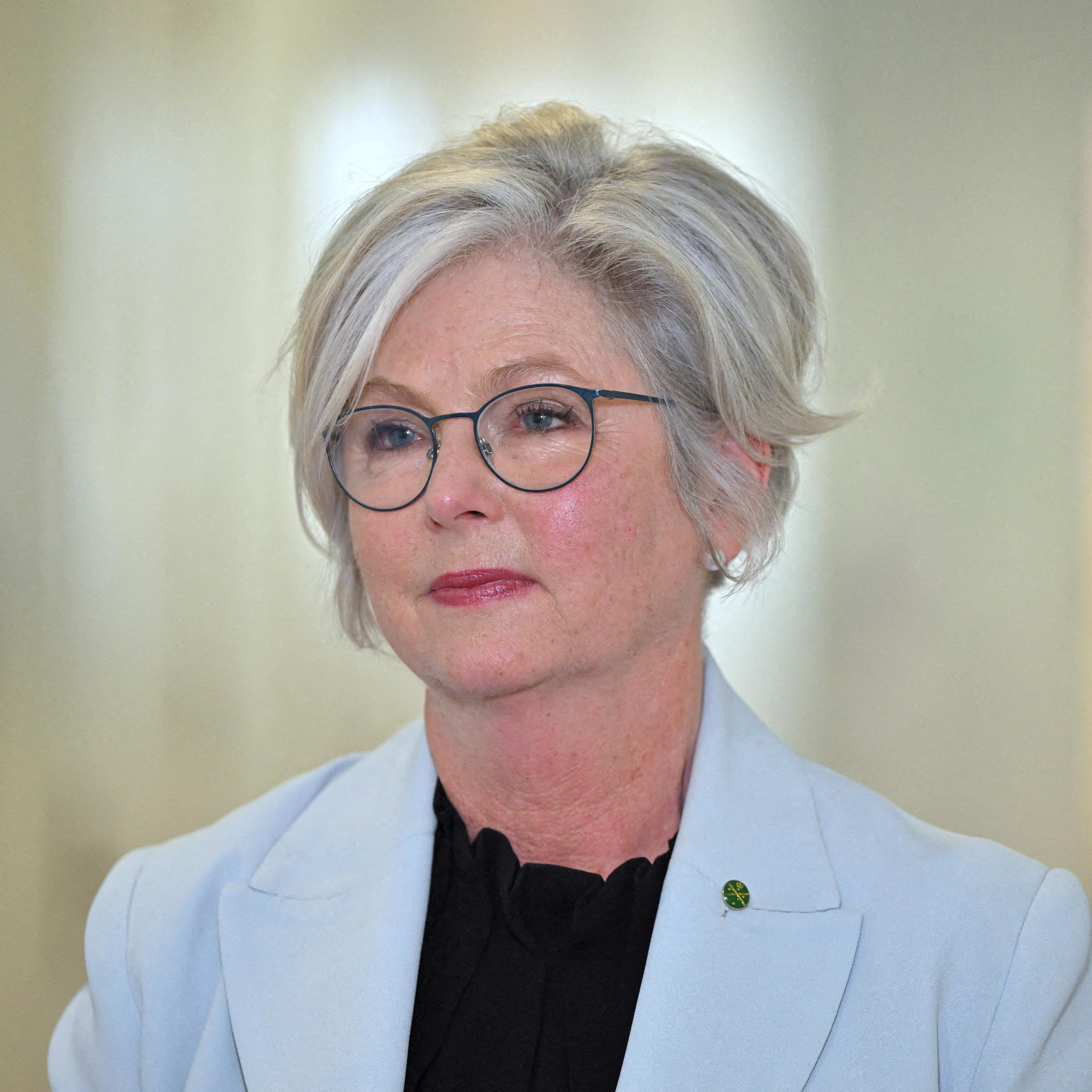
The episode reports on the attack on Australian independent MP Helen Haines in northern Victoria. Topic: Haines was hit by a car while unpacking near her electorate office; police say the driver struck her, reversed, then struck her again. She is in critical but stable condition; surgeons are trying to protect her remaining leg after she lost one leg.
the attack appears targeted; counter-terrorism and national security agencies are involved while police investigate motivation.
a local barber ran in, pinned the alleged perpetrator; staff provided immediate care; passers-by and police detained and arrested the driver quickly.
Tom McElroy, Guardian Australia political editor.
Written by AI. May contain mistakes.
Overview of the attack on MP Helen Haynes and her current condition.
“Helen Haynes, an Australian MP from Victoria in Australia, is in a critical condition after being hit by a car in an alleged targeted attack.”
Local community response to the attack, highlighting acts of bravery.
“and that surgeons have been working to try and protect her other leg.”
A profile of Helen Haynes as a respected independent MP and community member.
“They're drafted by their local community to stand for parliament.”
Information on the alleged attacker and the charges he faces.
“So it speaks to the small community in this part of Australia, but also close ties, I think, between different parts of the population around Wangaratta.”
Discussion on the broader implications of the attack for Australian politics and safety.
“about what they've learned in the last 24 hours.”
Analysis of the impact of threats on democracy and political engagement.
“I think female MPs in particular have faced a lot of threats, And some have talked about the kind of abuse and vitriol they face online.”

Get the gist, explore an idea or ask about something said.
 Claude
On Today in Focus, what are the key points of this episode?
Searching your listeningAutomatic transcript. May contain errors.
0:00This is The Guardian.
0:11Huge shock across the country. The fact that it is Helen Haines herself has really registered with people. A much-loved figure in her local area but on the national scene as well. There's a reckoning going on in people's minds about whether this will change how politics is practiced in Australia and how politicians engage in their local communities. From the Guardian's Today in Focus, this is The Latest with me, Annie Kelly. Helen Haynes, an Australian MP from Victoria in Australia, is in a critical condition after being hit by a car in an alleged targeted attack. Tom McElroy, you are the political editor at Guardian Australia.
0:53What do we know about the attack and also Haynes' condition? We're about 24 hours on from this quite extraordinary attack in northern Victoria, one of the southern states of Australia. Helen Haynes was unpacking a car on the side of the road near her electorate office when she was targeted by a man in a four-wheel drive. Police and the government here say that he struck her twice, struck her once, then reversed and struck her again. She was seriously injured. He was detained by passers-by and police were on the scene very quickly We haven't had much of an update on her condition. She's been in a critical but stable condition since this incident.
1:34And we're told today that she has lost one of her legs and that surgeons have been working to try and protect her other leg. Tom, this is a horrendous attack, isn't it? You mentioned witnesses on the ground intervening. It sounds like there were some extraordinary feats of bravery carried out by local people. What do we know about what happened? It's a small community and there were plenty of people around passing traffic. One of the heroes of this incident is a local barber who ran from his business to assist and pinned down the alleged perpetrator. We also understand that some of Helen Hang's staff were very nearby and cared for her before the police came.
2:18Police were on the scene within seconds from receiving a call for help. There was a highway patrol car not far by and they detained the alleged perpetrator and arrested him on the spot. Tell me, who is Helen Haynes? What kind of a person is she? What kind of an MP is she? She is an independent MP. She's a country independent. She holds a seat that has been in independent hands for a few terms now. She's a 65-year-old person, universally liked across the parliament, which is quite rare. A lovely, thoughtful person, always quick with a chat and a smile and with friends and allies across the parliament.
3:01She's a mother and a grandmother and her family and her community are in shock tonight, I think. Yeah, it really struck me from some of the local reporting about how entrenched in the community she seems to be. Lots of the local people who intervened knew her personally, didn't they? It really seemed like she was part of that community. Yeah, it speaks to the model of the community independence in Australian federal politics. They are mostly not career politicians. They're drafted by their local community to stand for parliament. And their business model, as it is, involves deep, close ties to the community and to lots of different groups.
3:39And Helen Haynes is a leading example of this. She's been in the parliament since 2019 and I think has really mastered this method of representing her local area. Yeah, and such a horrendous thing to have happened in the heart of such a close community. Police have now charged a 43-year-old man in relation to this attack. What do we know about him and what has he been charged with? Yeah, this 43-year-old lives not far from Wangaratta where the incident took place. His name is Brendan Nugent. He's a forestry campaigner and has lived in the area for a long time, lived on a rural property. And today we've also learned that members of his family knew Helen Haynes well and had close ties to her in official capacities.
4:28So it speaks to the small community in this part of Australia, but also close ties, I think, between different parts of the population around Wangaratta. What do we know about what offences he's been charged with? This evening he's been charged with three offences, dangerous driving, causing serious injury, causing harm to a Commonwealth official and intentionally causing serious injury. They're serious charges and he'll face court tomorrow morning. And we do know that counter-terrorism police and the security services have already been involved. What lines of investigation will be underway right now to try and establish why this might have happened?
5:10Yeah, from the very outset of this, the state police, a local unit of state police, as well as federal police and national security agencies were involved, as well as this joint counter-terrorism force. At the moment, I think we're trying to understand what the motivation for this alleged crime was. We haven't heard from police about that, but he is due to face court tomorrow and I think we'll hear from police a bit more about what they've learned in the last 24 hours. I mean, it seems like really we don't know that much at all. I think almost 24 hours after this has already happened. But what has been the reaction from the political establishment from other politicians in Australia?
5:56This must have been a terrifying incident for them as well. I think that's right. Huge shock across the country. Federal politicians in Australia move about very freely, often with very limited or even no personal security. There has been a rising tide of threats and an increase in the number of threats reported to police. But most politicians, when they're in their constituency or doing official business, would have no concerns about their safety. I think the fact that it is Helen Haynes herself has really registered with people. As I mentioned, a much-loved figure in her local area, but on the national scene as well.
6:36And people from the Prime Minister and the senior ministers in the government on down are really shocked. And I think there's a reckoning going on in people's minds about whether this will change how politics is practised in Australia and how politicians engage in their local communities. You mentioned this rise in attacks and reported incidents of harassment against politicians. Can you tell me a bit more about that? What form have they taken? And to you, is this a real indication that things are changing in the political landscape in Australia? I think we've known for some time that there was a change going on, particularly since COVID-era lockdowns in Australia.
7:16there has been heightened political rhetoric and a feeling of unease about how things are playing out. There's been extra spending on protection for politicians and office holders. Last financial year, there were more than a thousand serious threats reported to police targeting elected officials in the federal sphere. And that's a lot for an often down-to-earth and relaxed political environment. I think female MPs in particular have faced a lot of threats, And some have talked about the kind of abuse and vitriol they face online. And Tom, here in the UK, we've had two MPs murdered in the last decade.
7:57We've seen waves of attacks against politicians in the US and across other parts of the world as well. As a political journalist, what are your thoughts on, you know, what is going to be the impact on our democracies if MPs don't feel that they can have that face-to-face contact with their constituents or even kind of be out and about in their own communities? Often trends and settings that exist in UK and US politics flow onto Australia. So I've been thinking about this for some time and I think it will be a real challenge the way that our elected officials move around the country, whether they can go out without personal protection, how their staff should engage with the community as well.
8:43And I think it will damage the nature of politics in Australia. And the other thing that we've noticed already, and elected officials have reported this, is that their family members would prefer them not to be in public life. I think it is affecting the kinds of people who put themselves forward for elections. Yeah, I mean, why would you want to do this if you could be putting yourself in harm's way? Absolutely. And families pay a big price for that, staff and volunteers as well, I think. Sometimes they are the front line for these engagements with the community. The other thing that we've seen is an increase in spending on security and an increase in physical infrastructure, particularly here in Canberra around the National Parliament.
9:26There's been a lot of investment in security settings to keep the building safe. And look, I think we're watching what happens overseas. We're watching the trends in violence and in political discourse with some fear, I think. And I guess what's happening in Australia, what's happening in the UK and other parts of the world, as we've discussed, it's a really dangerous moment for a democracy, isn't it? In terms of, you know, encouraging the next generation of people to come through and want to be politicians. So, Tom, thank you for all your reporting on this. And thank you for joining us today.
10:02Thanks, Annie. And that's it for today. My huge thanks again to Guardian Australia's political editor, Tom McElroy. Before we go, I do urge you to go and see NASA if you can. It's a new documentary from Israeli filmmakers Rachel Zaw and Yuval Abraham, which was produced by The Guardian. The film includes interviews with 24 whistleblowers from inside the Israeli military who reveal the secret systems used against Palestinian civilians in Gaza on a devastating scale. It is a difficult watch, but it's an astonishing and incredibly important film, and it's out in cinemas across the UK and worldwide right now, and will also be free to watch on The Guardian website from November.
10:45You can also find my interview with Rachel and Yuval from last week in the Today in Focus feed. This episode was produced by Angus Neal. The senior producer was Leo Schick. The executive producer was Zoe Hitch, and the presenter was me, Annie Kelly.
11:03You said Brexit will be a galvanising, liberating, empowering moment of patriotic renewal. Yes. So are you feeling galvanised, liberated, empowered? Yes. All of them? Yes. All at the same time? Yes. Lucky, lucky man. For almost four decades, Michael Gove has been one of the biggest brains in Conservative politics, among the right's leading thinkers. Confidence in a shared British identity has taken a bit of a battering. From hugging hoodies to dreaming up Brexit, from Margaret Thatcher to Kemi Badnock, he's both led the right and seen where it's going next. You do identity politics except the identity that you're attacking is Muslim.
11:45No, what we're attacking is Islamism and political Islam. Around the world, the right is firmly on the rise. So what does Gove and the rest of the right really want? This is Radical Thinking, a new series from The Guardian with me, Aditya Chakraborty. Out now in your Politics Weekly feeds. This is The Guardian.


