Ask ChatGPT


 Today in Focus
20 Jun 2025 · 12m · 4 chapters
Israel-Iran war in its second week, focusing on how Israel’s air campaign is degrading Iranian missile capability, whether the US (under Trump) will join, and whether the conflict is shifting from nuclear-infrastructure strikes toward regime-change aims; also mentions possible diplomacy in Geneva and speculation about targeting Iran’s leader.
Julian Borja, The Guardian senior international correspondent, reporting from Jaffa, Israel; Michael Safi hosts.
Israel has increasing freedom to operate over Iran (including Tehran), Iran’s missile barrages are shrinking, and Israel is hunting missile launchers and possibly running down Arrow interceptors. Israel’s objectives may be expanding toward weakening regime “pillars” and supporting potential uprisings. Trump is delaying a decision to let Israel degrade defenses and to preserve options, including avoiding splitting hawks vs MAGA.
Tehran air raid sirens reportedly absent one night; Fordow uranium enrichment facility near Qom described as deeply buried; Geneva talks between European foreign ministers and Iran; speculation about whether to kill Supreme Leader Ali Khamenei.
Written by AI. May contain mistakes.
An analysis of the current military situation and strategies being employed by Israel and Iran.
“But eight days in, we're starting to see what shape this conflict is taking and why Trump doesn't need to rush his decision.”
Discussion on Israel's air superiority and its implications for Iran and potential regime change.
“So in a way, the wish list of things they want to bomb has expanded.”
Insights into Trump's decision-making and its relation to the conflict's developments.
“that Israel has an eye on weakening the pillars of the regime in this hope that there would be some kind of popular uprising against it.”
Exploration of the potential consequences of targeting Iran's leadership and the future of the regime.
“he can decide how involved he wants to be.”

Get the gist, explore an idea or ask about something said.
 Claude
On Today in Focus, what are the key points of this episode?
Searching your listeningAutomatic transcript. May contain errors.
0:00This is The Guardian.
0:06This afternoon, an update. The latest on Israel's war with Iran and why Donald Trump is taking his time to decide whether to join it.
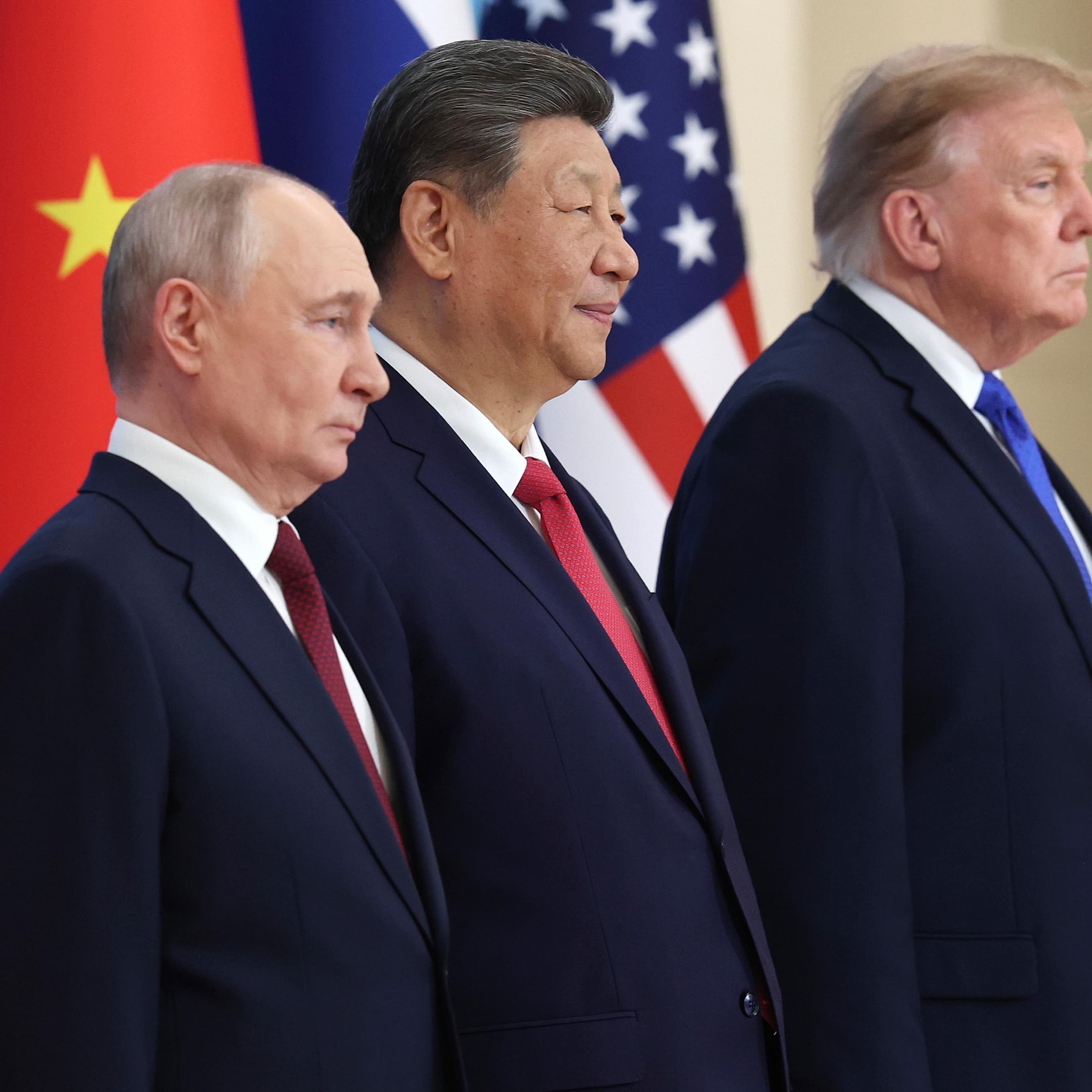
0:24This is an unusual war. Not one of land armies and tanks and battalions of soldiers on the ground, but a war of drones and jets and hypersonic missiles. From afar, it can be difficult to tell what exactly is going on. Tens of thousands of Iranian civilians on the move, parts of Tel Aviv left in rubble, and Donald Trump reveling in the suspense of whether the US wades in. But eight days in, we're starting to see what shape this conflict is taking and why Trump doesn't need to rush his decision. From The Guardian, I'm Michael Safi. Today in Focus, the Israel-Iran war enters its second week.
1:16Julian Borja, you're in Jaffa in Israel at the moment. You're The Guardian's senior international correspondent, and so far, you've been our guide to this conflict. Most of us will have been tracking headlines over the past few days about Israeli attacks on Iran, Iranian reprisals. Take me through what's been happening and what this war is now, eight days in. What's been happening the last few days is that the Israeli Air Force have found themselves in a position where they can operate pretty much unchallenged over a large parts of Iran, including the capital, Tehran. And what seems to be happening is, given that situation, they've become more ambitious about using this opportunity to bomb all the things they've always wanted to bomb, like Iranian missile defences, leadership positions, things that they believe are involved in Iran's nuclear program.
2:14So in a way, the wish list of things they want to bomb has expanded. At the same time, it looks like Iran's ability to hit back with ballistic missiles is becoming more and more constrained. The number of missiles that they fired in each barrage seems to be declining. Last night here in Jaffa, near Tel Aviv, we didn't have a single air raid siren throughout the whole night, and that's a first. So the Iranian ability to strike back seems to be dwindling, which is not surprising because the Israelis are focusing on their missile launchers, hunting and destroying their missile launchers that are spread around the country.
2:57We don't know how many missiles Iran has got, but it does look like their ability to fire those missiles is dwindling. So this, you described it on Monday as a war of attrition. If it is still a war of attrition, it sounds like it's one where Israel has the decisive advantage. How long do you think they can continue this kind of free reign air campaign above Iran? And how long can the Iranians keep holding out, keep firing missiles back at Israel? I mean, it does look like that if the Israelis have free room for maneuver in the skies above Iran increasingly, amazingly, then they can afford to take their time and obviously to arrest pilots to maintain aircraft.
3:41Because after all, there is sort of wear and tear. If you continue this kind of air campaign, there's wear and tear on pilots and warplanes. But if you have time, if you're not under time pressure, then you can keep it going for longer. Now, there was a question, there was a report in the Wall Street Journal that perhaps Israel is running out of Arrow missile defense interceptors, which is the main tool, the main shield they have in the face of Iranian ballistic missiles. Now, if that is the case, then maybe there is a race going on with Israel trying to destroy Iranian missile launchers before they run out of the means to intercept those missiles on their way into Israel.
4:27Because Israel has this room for maneuver, they are beginning to shift their war objectives. And this is the key. More and more, they are talking about regime change, and officially, this is not our immediate objective. But of course, if the Iranian people wanted to rise up now, you know, our bombing is helping them. And so more and more, it's clear that Israel has an eye on weakening the pillars of the regime in this hope that there would be some kind of popular uprising against it. I guess one thing the last few decades have shown us is that regime change is always harder than people think it might be.
5:09One of the questions hanging over this, Julian, which Donald Trump is milking like the TV host he used to be, is whether and when the US gets involved. Trump said on Thursday evening that he would decide within two weeks, he's given himself more time to figure it out. Do you have a sense of why he's done that and what it means for the US involvement. No, but I think you really put your finger on something about Trump, that he is a showman and he loves the idea that the whole world is waiting for him and the ultimate decision is his and only he knows when he's going to make that decision. So, you know, this all plays into Trump's psyche.
5:47You know, there are various reasons why he might want to wait for two weeks. A, Israel continues to degrade Iranian defences. So if and when the U.S. did get involved, the threat to American pilots would be that much less. It gives Trump time to see how much damage Israel can do on some of these deeply buried nuclear facilities that are the targets of this campaign, particularly in Fordow near Qom, which is under a mountain. And so it gives Israel time to see if it can achieve that target on its own and give Trump the option of not taking part in offensive operations. Because to do that would split his supporters.
6:32You know, there are hawks and there are MAGA folks in the Trump camp who are very much against getting involved in foreign wars. You mentioned Fordow as well. That's Iran's biggest uranium enrichment facility. And it's said to be buried very deeply in a mountain so deep that only American bombs would be able to strike it. and even then we're not so sure. But if I can sort of summarise this, Julian, you're saying that Trump can afford to take his time because this is going so well for the Israelis, because they're so dominant over Iran's skies. He thinks, I don't need to rush your decision here.
7:06Let the Israelis take their time, see what they can do on their own, and then in a couple of weeks, he can decide how involved he wants to be. There's another strand here. The European, British, German and French foreign ministers are meeting their Iranian counterpart. This is Friday in Geneva. And so that offers the possibility that maybe they will come up with a deal. Now, the deal that Trump wants to do is one for zero enrichment on Iranian soil. Now, it seems at the moment unlikely, or in the past, Iran has drawn a red line short of that, that they will not give up the right to enrich uranium.
7:49And so then the question is, would Trump accept less than that? And again, at the moment, he's shown himself inflexible. But it does give the opportunity for some kind of diplomatic solution in which Trump could be the hero. If Iran was to come to him and say, OK, we're giving up uranium enrichment, then he could be the hero sort of dramatically and, you know, keep his hopes alive for that Nobel Peace Prize. Brian's that he so obviously craves. Yes, very much so. So that meeting in Geneva is happening as we speak. As you say, it'll be a good sense of how much Iran is ready to give up, if anything at all, after these eight days and the battering that they've taken and the terrible civilian toll there are hundreds of civilians killed.
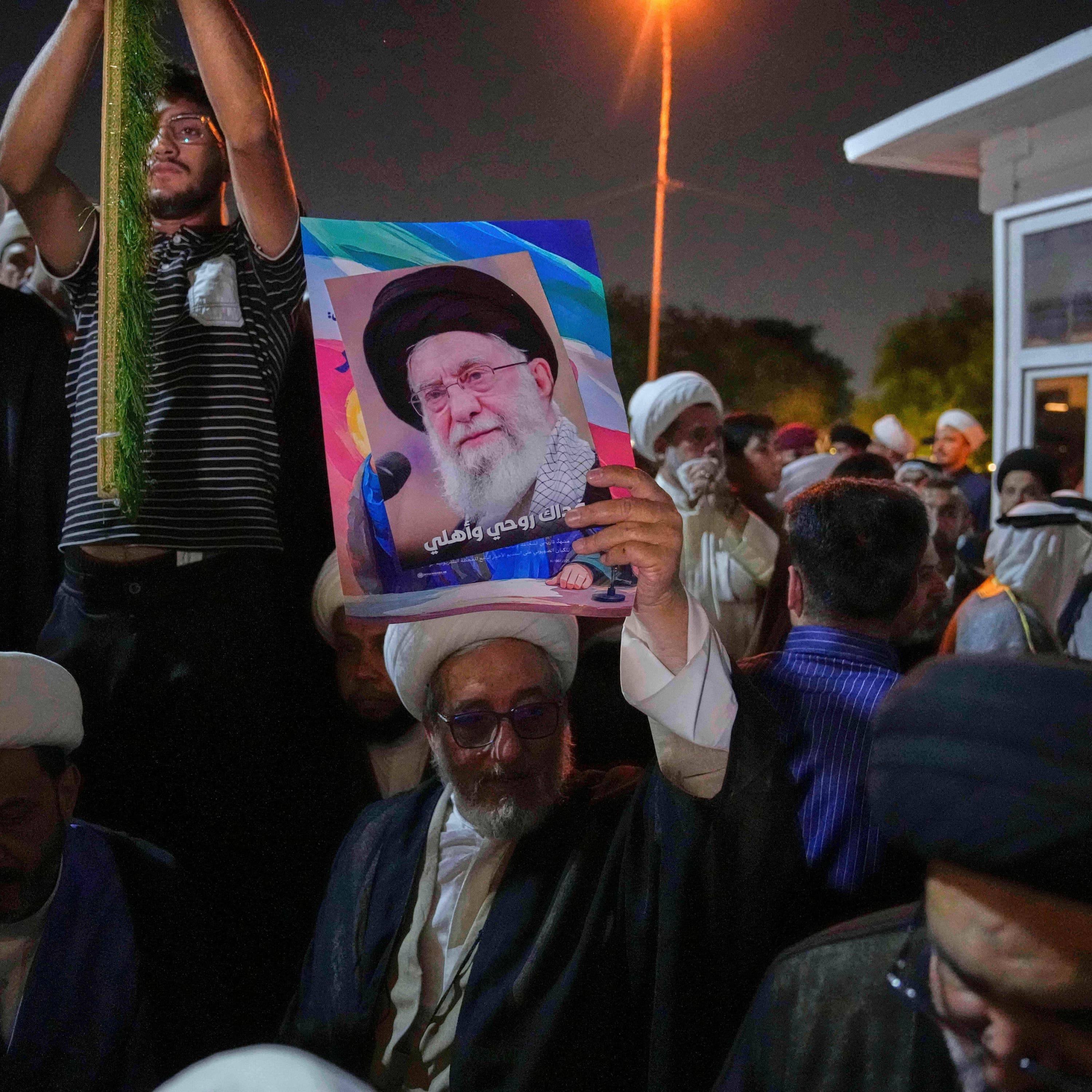
8:38Another of the questions here, Julian, is whether the Israelis or the Americans kill Ali Khamenei, Iran's supreme leader, if indeed they can. Trump has said that he's thinking about it, although Khamenei is safe for now. As they weigh up that decision, whether to kill this leader of a foreign state or not, I mean, that in itself is an astonishing thing that is being openly talked about. What do you think they're weighing up here? Presumably they're weighing up whether they make the situation better or worse for them. And who would come after Khamenei? One possibility is that the IRGC, the Revolutionary Guard, would step in because they are the most powerful force and it might become an openly military regime.
9:19The thing is, when a leader is killed, as they found with Muammar Gaddafi, you don't know what's going to come after. And often it is chaos, but it could be a military regime. It could be a more radical, aggressive regime, one that makes the ultimate decision that Iran is going to make a bomb. So there are a lot of uncertainties there. Julian, just finally, I think this is worth drawing out in this update because it's really important. Your view here is that this Israeli operation may have started as one thing, a way to degrade Iran's nuclear infrastructure, but now it is a regime change operation.
9:56Yes, the official line, one given by Benjamin Netanyahu yesterday, is that it's not formally the goal of the operation, but if it helps the Iranian people rise up against their own regime, then it would be a good byproduct. and he openly called for the Iranian people to do just that. And from what you can tell from Israel, I mean, how likely are the Iranian people to embrace a suggestion like that from the same man who is bombing their cities? I think the answer is very much in your question. There are many, many people in Iran who are just fed up of this regime since the Islamic Republic, but have been galvanised by being attacked by an outside power and hostile outside power.
10:42And I think the rallying around effect it's had of defence of Iran as a nation, not as a regime, has been powerful. And so, so far, just reading the science as we can from a distance, it looks like the bombing in terms of internal cohesion has, for now at least, strengthened the regime. Julian, thank you so much. Thank you, a pleasure. And that was Julian Borgia talking to us from Jaffa. His reports and the work of our entire foreign team on this story is all at theguardian.com. For more on how this is all playing out among Trump's MAGA base, between those who want the US more involved and those who thought Trump was elected to end America's involvement in foreign wars, our global affairs correspondent, Andrew Roth, who's in Washington, D.C., spoke to this week's episode of Politics Weekly America, which you can find on any platform where you listen to Today in Focus.
11:40Just search Politics Weekly America. And that's it for this Friday afternoon. This episode was produced by Eleanor Sly. Sound design was by Ivor Manley. The executive producer was Phil Maynard. We'll talk to you Monday.
12:00This is The Guardian.
12:06Thank you.