
 Ask ChatGPT

- Podcasts
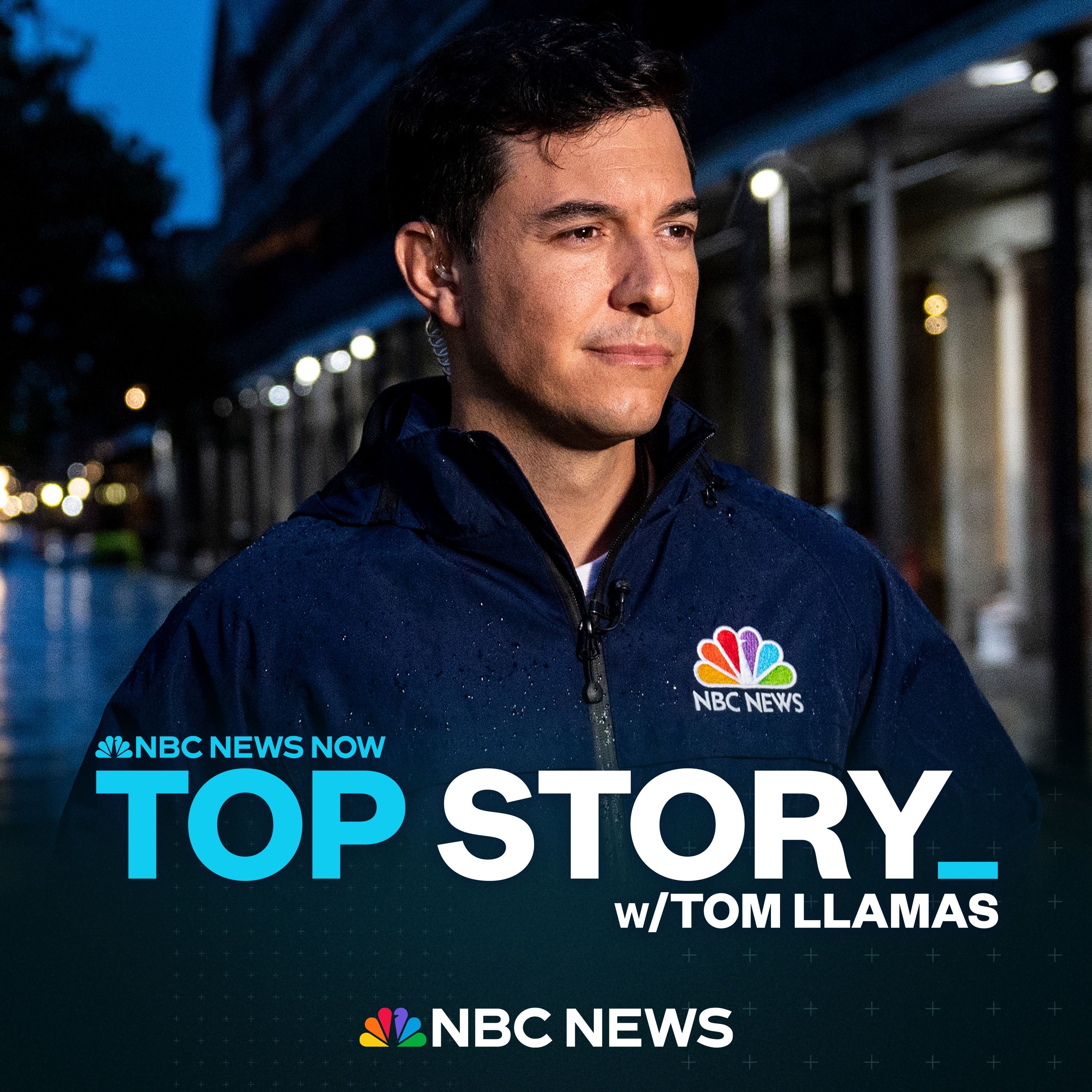
- Top Story with Tom Llamas
- Friday, September 11, 2026
In short
A special 25th-anniversary 9/11 remembrance episode covering ceremonies at Ground Zero, the Pentagon, and Shanksville; survivor stories; the continuing toll of 9/11-related illnesses; and newly declassified CIA warnings before the attacks. It also includes segments on how teachers explain 9/11 to children and on first responders’ legacy, including the firefighters who raised a flag in a famous photo.
Guests (and backgrounds)
- Joseph Pfeiffer: retired FDNY fire chief, first chief to arrive at the Twin Towers; brother Kevin died.
- Stanley Pramant and Brian Clark: South Tower survivors who escaped after the plane hit below their floors.
- Luanne O’Rourke Boyd: World Trade Center employee (Empire Blue Cross Blue Shield), North Tower survivor; later shared her story on TikTok.
- Kateri Sansevieros and Nancy Wall: elementary teachers in Brooklyn and NYC (PS41), teaching 9/11 to students born after 2001.
- Robert Albino: off-duty FDNY Engine Company 3 firefighter who took photos after the collapses.
- John Monaghan: retired NYPD captain who searched rubble and helped evacuate nearby buildings.
- Gabe Gutierrez: NBC News reporter at the White House on declassified CIA documents.
- Ann Thompson: NBC News correspondent who covered 9/11 from near Ground Zero.
- Stephanie Goss: host/producer of the “Great Americans” segment profiling three firefighters who raised a flag (Tom Franklin photographed; George Johnson, Danny McWilliams, Billy Isengrein).
Key claims and notable examples
- Two moments of silence at 8:46 and 9:03; 2,977 victims; a seventh silence for later deaths from toxic exposure.
- Toxic dust illnesses: claims that post-9/11 deaths now exceed the original death toll; NYC documents released by Mayor Zoran Mamdani are central to controversy.
- Declassified CIA briefings warned presidents (Clinton in 1998; Bush by 2001) about possible al-Qaeda use of an explosive-packed airplane, but not the specific plot.
- Survival examples: Pfeiffer sending his brother into evacuation; Pramant and Clark escaping together; Boyd’s rescue by a stranger and her badge found months later.
- Heroism examples: Flight 93 passengers (“Let’s roll”); the “never-before-seen” FDNY photos; the flag-raising firefighters’ photo inspiring national unity.
Written by AI. May contain mistakes.
Chapters
3:21
Reflections on 9-11 Remembrance
The nation reflects on the 25th anniversary of the September 11 attacks with somber ceremonies and personal stories.
“We are live just above ground zero in lower Manhattan.”
5:16
Heroic Stories from Ground Zero
Hear harrowing stories of survival and sacrifice from those who were there on that fateful day.
“Tonight, 25 years later, the nation remembering one of our darkest days that forever changed the course of history.”
7:30
The Ongoing Toll of 9-11
Examine the long-term health effects and the growing number of victims linked to 9-11.
“It would also be the last day he would see his younger brother, Lieutenant Kevin Pfeiffer.”
9:29
Commemoration in Shanksville
Discover the commemoration events in Shanksville, highlighting the bravery of Flight 93 passengers.
“My uncle, court officer Mitchell Scott Wallace.”
12:30
Reporting from Ground Zero
Reporters recall their experiences during the 9-11 attacks, sharing firsthand accounts of the chaos.
“The deadly toll of the 9-11 attacks has stretched far beyond that one horrific day.”
14:01
Unveiling the Truth About City Leadership
Discussion on the allegations against city leaders regarding public safety.
“There's no smoking gun here to definitively say that the city knew it was sending its citizens back into harm's way.”
14:19
Remembrance of Ground Zero
Recollections from reporters who covered the 9/11 attacks live.
“25 years ago, live reporters from lower Manhattan brought the country some of the first images of the horror unfolding at Ground Zero.”
15:21
Personal Reflections on 9/11
Anne Thompson shares her harrowing experience on 9/11.
“I was two blocks from where the towers collapsed and I was outside from both collapses.”
16:54
Grief and Pride: A Reporter’s Perspective
Anne Thompson reflects on the dual emotions felt 25 years after 9/11.
“But my job that day was to tell the story of the people who survived those towers coming down.”
18:09
Teaching 9/11 to New Generations
Discussion on how educators are sharing the history of 9/11.
“And that's so it's that grief and pride and joy.”
Show all 25 chapters
20:48
Declassified CIA Warnings Before 9/11
Discussion on newly declassified documents revealing CIA warnings before 9/11.
“We're back now with some breaking news out of Washington.”
23:03
Survival Stories from 9/11
Teasers for incredible survival stories to be shared next.
“including one woman's incredible story of survival, the stranger she credits with saving her life, and how she's sharing her story online to ensure the next generation never forgets.”
23:31
Ceremonies Honoring the Victims
Coverage of memorial ceremonies across the country remembering 9/11 victims.
“We are back now with a live look at Ground Zero, 25 years after the day that changed the nation and the world.”
24:41
An Incredible Survival Story
Two men's life-saving escape from the South Tower during the attacks.
“the World Trade Center site that created an unbreakable bond between two strangers.”
28:00
Survivor Stories: A Bond Forged in Crisis
Learn about the profound experiences of two men who survived 9/11 together.
“Arm in arm, they made their way down 81 flights of stairs, coming across a site that still haunts them 25 years later.”
29:50
Luanne O'Rourke Boyd: A Survivor's Account
Luanne shares her harrowing experience during the September 11 attacks.
“Joining us now live is another survivor of the September 11th terrorist attacks.”
36:30
Educating the Next Generation on 9/11
Teachers share their challenges in teaching young students about 9/11.
“You know, people who have been down here understand what it's like to be here.”
42:15
Experiences of First Responders
Robert shares his memories and photos from the aftermath of 9/11, emphasizing the surreal experience.
“You were inside the building and we have your incredible photos from 25 years ago.”
43:37
Search for Survivors
John Monaghan describes the desperate search for survivors in the days after 9/11, highlighting the emotional toll.
“A lot of these people didn't know what was going on.”
45:18
Reflections on Sacrifice and Valor
The guests reflect on the bravery of their colleagues and the community's support during the tragedy.
“And I think we have what are believed to be the final photographs ever taken of them, helping people get to safety on 9-11.”
46:58
Health Issues for First Responders
Discussion on the health issues faced by first responders due to toxic exposure at Ground Zero.
“And that's why I had said it was the best of us and it was the worst of us.”
48:22
Honoring Those Who Served
The guests express their gratitude and honor those who served during 9/11, reflecting on their duty and experiences.
“Let me give a shout-out to the Mount Sinai Medical Center, who is implementing the World Trade Center health monitoring program.”
49:44
Preview of Special Segment
The host previewed the next segment regarding a famous photo from 9/11 and the stories behind it.
“Still ahead here on this special edition of Top Story, it's one of the most recognizable photos from 9-11.”
50:21
The Story Behind an Iconic Photo
Discussion about the iconic photo of firefighters raising a flag at Ground Zero, exploring its significance and the lives of those involved.
“and on this September 11th, our series Great Americans, where we highlight Americans who have done so much for this country.”
53:09
The Importance of Teaching About 9/11
The host emphasizes the need to teach future generations about 9/11 and the lessons from that day.
“And still helping the country to never forget?”

Ask about this episode
Get the gist, explore an idea or ask about something said.
 Claude
On Top Story with Tom Llamas, what are the key points of this episode?
Searching your listeningTranscript
Automatic transcript. May contain errors.
0:00This holiday season, get through checkout faster with Apple Pay. Because let's face it, when you're in the longest line of your life for holiday party supplies, you're doing a little social media scroll. So instead of digging for your wallet, just pay with the wallet you're already holding, your iPhone. When you're on the way to see the relatives, you're squeezing in some last-minute gift shopping on your iPhone. So instead of grabbing your card and filling out another online payment form, just use Apple Pay. All you need to do is verify your details at checkout and done. Apple Pay, your iPhone is your wallet.
0:31Reese Witherspoon here, checking into my favorite hotel in Paris. Bonjour. Bonjour. I'm traveling with my Wells Fargo Autograph Journey card, so I earn rewards wherever I book travel. Five times points with hotels, four times with airlines, three times on restaurants and other travel, and one point on other purchases. Phew, that was a lot. I need to lie down. Is the room ready? Visit wellsfargo.com slash autographjourney. Terms apply.
1:03Tonight, America remembers. We're live from the World Trade Center site, just above from where the Twin Towers once stood. 25 years after the horrific attacks of 9-11, the nation comes together to honor the lives lost.
1:21Tonight, from ground zero and across America, the powerful moments of remembrance. HONORING THE HEROES AND THE LIVES LOST FROM THE DAY THAT CHANGED AMERICA AND THE WORLD. IN NEW YORK, THE PROCESSION OF FAMILIES READING ALMOST 3 ,000 NAMES. WELLS, REMY, CROWTHER. THE FOUR LIVING EX-PRESIDENTS GATHERED AT GROUND ZERO. PRESIDENT TRUMP MARKING THE MOMENT AT THE PENTAGON. WE WILL NEVER, EVER FORGET. As families gathered on the sacred ground of Shanksville, Pennsylvania. Plus, the new seventh moment of silence. For the thousands who have lost their lives from 9-11 linked illnesses. Tonight, stories of heroism.
2:16My interview with the first fire chief on the scene who sent his own brother into the towers. And that would be the last moment that I saw my brother, Kevin. The South Tower survivors who somehow got out alive even though a plane had struck the floors below them. How do you not stop to investigate? I would have died. And stories that will never leave us, like the flag raised above the rubble, once missing, now found. The mystery of the men who raised it up. It brought unity to everybody. And we remember the unity in the wake of the attacks. New Yorkers lining the streets, the outflow of patriotism.
2:56As the nation comes together once again to never forget what happened on that day 25 years ago. This is Top Story 9-11. America remembers. Reporting tonight from Ground Zero, here is Tom Yannis. And good evening, and we thank you for joining us on this special edition of Top Story. We are live just above ground zero in lower Manhattan. As the nation marks 25 years since the September 11th attacks, just over my shoulder you can see the reflecting pools where the Twin Towers once stood. Now they're a solemn place where people come to mourn and to remember a day that forever changed the course of this great nation and the world.
3:42This morning it was the site of somber moments of silence. family members reading the names of the 2 ,977 people who were killed, the emotions still fresh and real all these years later. Our nation's leaders, past and present, paying their respects, all four living former presidents along with Vice President J.D. Vance and New York City Mayor Zoran Mamdani at the memorial today. President Trump and the First Lady honoring victims at the Pentagon, the American flag unfurling for the 184 people who lost their lives when a third plane crashed there. And this is the memorial in Shanksville, Pennsylvania, remembering the passengers on board Flight 93 who stormed the cockpit, stopping a fourth plane from reaching the nation's capital.
4:30Tonight, we'll bring you harrowing stories of survival and sacrifice, a retired firefighter sharing these never-before-seen photos from Ground Zero, taken as he rushed into the danger on his day off. Plus our conversation with two men who were in the South Tower above where the plane hit and somehow managed to survive. Why they both say the other is the reason they're alive today. And now 25 years later, how this next generation that didn't live through this terror attack is learning about 9-11. We hear from the teachers navigating those difficult but important and critical lessons. We begin with today's solemn milestone and our pledge as a nation to never forget.
5:16Tonight, 25 years later, the nation remembering one of our darkest days that forever changed the course of history. In New York City, among the many dignitaries, all four former and living presidents, along with the former First Ladies and Vice President J.D. Vance, It was a somber day of remembrance, families still feeling the raw emotions, roses and flags seen among the inscribed names at the memorial.
5:53The NYPD, FDNY and Port Authority Police Departments performing taps in unison. At 8.46 a.m., Americans pausing for the first moment of silence when American Airlines Flight 11 crashed into the North Tower. At 9.03 a.m., a second moment of silence when United Airlines Flight 175 hit the South Tower. It was 25 years ago, 2 ,977 victims killed in the September 11th, 2001 attacks. The deadliest terror attack on U.S. soil, when terrorists hijacked four commercial planes, two flying into the World Trade Center, a third into the Pentagon, and a fourth intended to go to Washington, D.C., but crashed near Shanksville, Pennsylvania.
6:48We got the chance. Joseph Pfeiffer was the first FDNY fire chief to arrive at the Twin Towers during the attacks. You can hear him radioing in for help. We just had a plane crash into the upper floor of the World Trade Center. What is usually the first memory that hits you? The first thing that hits me is watching the first plane aim and crash into the North Tower of the World Trade Center. Every first responder that came that day knew they were going to the most dangerous fire of their lives. And seeing that on their faces is something I always hold. It would also be the last day he would see his younger brother, Lieutenant Kevin Pfeiffer.
7:35I gave him an order. I said, go up, take your unit and evacuate the building. and I saw my brother turn around and started to climb the narrow stairs of the Trade Center. And that would be the last moment that I saw my brother Kevin. He then made the difficult decision to evacuate the North Tower before it collapsed, saving many lives. It was probably the first time in history that a fire chief pulled the firefighters out with thousands of people still in the building. You're never forgotten. Today in New York, families reading the names of every single victim. To the best uncle that I never met.
8:20Including from family members born after 9-11. And the rocket's been clear. Early this morning at the Pentagon, an American flag was unfurled to honor the 184 victims. terms. It was a clear and sunny day when American Airlines Flight 77 crashed into the Pentagon.
8:46Today, President Trump and the First Lady Melania Trump honoring all those lives lost. President Trump, President of America, The President of America, The President of America has shown us the even greater power of the American spirit to endure and prevail and to win. And today, our country is stronger than it has ever been.
9:10And for the first time, a seventh moment of silence at the 9-11 memorial. To remember the thousands who have since died from 9-11 related to health conditions, trace back to the exposure to that toxic dust and debris. It has now far surpassed the number of people who died on 9-11. My uncle, court officer Mitchell Scott Wallace. Logan Miller was just seven when he lost his uncle, Mitchell Wallace. He later lost his grandfather, Kenneth, due to a 9-11 related illness. It's 25 years. What do you hope happens in the next 25? Yeah, so, you know, we have a new generation who's alive that wasn't alive during 9-11.
9:50It's really important for my generation to think, how do we pass on the memories of those who we lost, but also those who have been lost in the years since 9-11.
10:00The toll of America's greatest tragedy still growing tonight. Now we want to go to Shanksville, Pennsylvania, the site where Flight 93 crashed after passengers heroically rushed the cockpit, preventing the hijackers from flying that plane into the nation's capital. Emily Akeda has been speaking to families all day, honoring their loved ones who were on board. Emily? Well, Tom, it was an incredibly moving day here at the National Memorial that included somber ceremonies with touching songs, speeches from dignitaries, including Pennsylvania's governor and the interior secretary. And in a particularly poignant moment this morning, there was a reading of the names of the 40 passengers and crew members aboard Flight 93.
10:43All of those names etched into this wall here that actually mirror the path, the final seconds of the plane. Here you'll see Edward Porter felt his brother actually speaking to the hundreds of people today reflecting on the courage of all of these passengers, them banding together to fight back. I also spoke with the family of Captain Jason Dahl. He was the plane's captain. In one note left here, it says a man who was a constant flow of consideration and kindness. This is what his sister had to say. We felt the tragedy when the planes hit the towers. I thought this is, this is not an accident.
11:20And all those people in the building and the buildings collapsing and And just it was so overwhelming to get, you know, to see that all happening. And then to realize that Jason was part of this, too, you know, that he was involved as well. It was devastating. And here in Shanksville, Pennsylvania, today wasn't just a period for reflection of tragedy, but also remarkable heroism. The heroism of these 40 people. You've probably heard the phrase here. It says right here, let's roll. This is all placed beneath Todd Beamer's name. He famously said, let's roll. It was heard on the air phone signaling that many of the crew members and passengers were going to band together and attack the hijackers to prevent further devastation.
12:07Some of the family members also were able to go beyond this hemlock gate. It's considered a sacred space. You'll see the reef. And ultimately in that field, that is where the plane had crashed 25 years ago. as today's ceremonies are a reminder for people to never forget. Tom. Such a tragic scene everywhere you look here on 9-11. Emily, we thank you for that. The deadly toll of the 9-11 attacks has stretched far beyond that one horrific day. Thousands of people have died in the 25 years since due to exposure to the toxic dust and debris. Sam Brock has been following this side of the story and joins us here now.
12:48Sam, this was the first year, as we saw in that first report, that they actually told the bell for all the people that have died post-9-11 because of what happened here at the site. And it's now going to be part of every single ceremony from here on forward, Sam. But it's astounding when you look at the sheer number of people who died. You touched upon this in your report. 2 ,977 people that day. According to the Victim Compensation Fund, there are 9 ,000 families or representatives from people who have died that have filed claims. 6 ,000 of them have been filed. Another 3 ,000 are in the process of being filed.
13:19So basically three times the number of people who died on 9-11 have so far died from 9-11 related illness. We're talking about everything from cancer to respiratory disease. And clearly this is something that the city has had to have acknowledged on some level. There were fires burning for 100 days beyond just the fact you have two collapsed buildings with debris and toxic contaminants everywhere. And that acknowledgement is a point of contention right now. There's been a lot of new reporting just this week about documents that have surfaced that. But the people who were running New York City knew what was happening here with that toxic dust.
13:51This came in the form of Zoran Mamdani releasing some 170 ,000 pages of documents that were literally, Tom, sitting in a couple of boxes in a city office for two decades. He finally unveiled them. There's no smoking gun here to definitively say that the city knew it was sending its citizens back into harm's way. But Mamdani himself, Tom, has said that the city leaders at the time lied to you about the dangers of breathing this air in. So no doubt there's going to be more to come on that. That coming from the new mayor of New York City. All right, Sam Brock, we thank you for your reporting. 25 years ago, live reporters from lower Manhattan brought the country some of the first images of the horror unfolding at Ground Zero.
14:26NBC News sent camera crews and correspondents, including our own, Ann Thompson. And down Broadway, you could just see this wall of debris come flying at us. And we took, I was by myself, I took cover in between a column and the building at 195 Broadway. And we stood there probably. I crouched there probably for about a good five minutes. It took that long for all the debris to come by, for the air to clear. When I got up, I was covered head to toe with debris.
15:01Anne Thompson joins us now. Anne, everything about that day was new, including for you. You had just moved to New York City. You were a correspondent for NBC News. They ran you down here. As you get here tonight and you look over at this reflecting pool, what is the first thought that comes to your mind? First of all, I just give thanks for the fact I'm still here, Tom. I mean, it was really scary. I was two blocks from where the towers collapsed and I was outside from both collapses. The second one, I got into a building. That's the first thing. And then I remember the people who were here and what they went through and the terror of that day.
15:40But the thing that I just think about is you couldn't put your head around it. It was so extraordinary. When the first tower came down, I didn't realize that's what had happened. All I knew was that there was this tsunami of debris coming at me and that swallowed me up and everybody else in its way. And then as the day unfolded, you learned a little more and little more. But it's the enormity of the event that still is hard to comprehend even 25 years later. As a reporter, we were watching a report live there, and we noticed this. You're on live television, but you're talking on a cell phone because the communications were just, they weren't there.
16:21They were broken down. You couldn't get to antennas or satellites to hit each other because of that day, and you didn't know what was going on. So what did you do? I had no idea. In fact, That cell phone didn't work for most of the morning and finally did. I had a very narrow vision of what had happened that day. And I didn't see the planes go into the tower because I was in a cab coming down here. I didn't know. I learned about the plane in the Pentagon, but I didn't see it. I didn't see any of that until 1030 at night. So you're getting bits and pieces of information. But my job that day was to tell the story of the people who survived those towers coming down.
17:02And that's what I focused on. It was only when I got to my sister's apartment late that night that I learned all the other things that had happened and saw what happened. When we were planning our coverage for 9-11, one of the first things I said was, I want to get Ann and I want to talk to her because she was there. 25 years later, you know, you have the gift of putting what has happened, very tough things, sometimes great things, but sometimes very sad things into words. 25 years later, what words do you have for us? I think I hold two things in my heart today, and I think a lot of Americans do.
17:36It is grief and pride, grief over all the lives that were lost and pride when I think of where we have come in 25 years. When I was down here 25 years ago, No one ever thought this would ever come back. No one knew what this would be. And look at it. It's a vibrant part of this city. People love to live down here. People come here. I think that's what I'm so proud of. But you never forget the lives that were lost and what it cost. But there is joy. Donald Gavigan, who was one of the traders of Cantor Fitzgerald and died that day, his daughter, Lara, is getting married. And that's so it's that grief and pride and joy.
18:18Ann Thompson, we thank you so much for that, Ann. We're going to have much more of our special coverage, including how educators are teaching 9-11 to a generation that never experienced it. And the New York City teacher in the classroom 25 years ago now shaping her lessons after bearing witness to that day. And just in tonight, the newly declassified file showing the CIA warned former U.S. presidents before the 9-11 attacks. So who knew what and when? That's ahead tonight at Top Story.
18:50Did you know that psoriatic arthritis may progress over time and could cause permanent joint damage if left untreated?
19:01Listen to what it sounds like to be a million miles away.
19:10Trimphia, Gucelcumab, taken by injection, is a prescription medicine for adults with active psoriatic arthritis. Serious allergic reactions, increased risk of infections or lower ability to fight them and liver problems may occur. Before treatment, get checked for infections and tuberculosis. Tell your doctor if you have an infection, flu-like symptoms or need a vaccine. Imagine being a million miles away. Explore the possibilities. Ask your doctor about Trimphia. Tap this ad to see new joint data and learn more about Trimphia, including important safety information. If you like YouTube, you'll love YouTube Premium.
19:52It's destroying athlete, creator, and YouTube Maxer. YouTube Premium enhances how I use YouTube with awesome features like offline downloads so I can download my favorite training videos before I hit the gym. So no Wi-Fi doesn't turn leg day into loading day. Plus, I get ad-free videos, background play, and so much more. YouTube Premium, it's like YouTube got some extra gains. Try YouTube Premium for two months free at youtube.com slash premium. Trial eligibility varies. Terms apply. Cancel any time. Here's something you may not know. Only 14 % of cancers in the U.S. are caught through routine screenings.
20:26PreNuvo's whole-body MRI may help close that gap. Screening for over 500 conditions, including most solid tumors, all in under an hour. PreNuvo's body panels also test over 80 biomarkers for a deeper understanding of your health. No radiation, no contrast. Book your scan at PreNuvo.com. That's P-R-E-N-U-V-O dot com. We're back now with some breaking news out of Washington. in newly declassified documents showing the CIA repeatedly warned about potential terror attacks before 9-11, and some of those warnings sent directly to Presidents Bill Clinton and George W. Bush. Gabe Gutierrez joins us now from the White House.
21:06And Gabe, one briefing to President Clinton said Osama bin Laden supporters might use a plane in a terror attack? Yes, Tom, that briefing came in September of 1998 and warned that al-Qaeda may fly an explosive-packed airplane into a U.S. city, possibly Washington. And by August of 2001, intelligence officials were warning of suspicious activity inside the U.S. consistent with preparations for hijackings or other attacks. Now, importantly, these documents, more than 100 pages or so, do not show that officials knew the specific 9-11 plot in advance. The briefings to Presidents Clinton and Bush, They lack definitive information about precisely how or when the al-Qaeda attacks might take place.
21:52But, Tom, 25 years later, they offer some more details about the warning signs that reach the highest levels of the U.S. government and the failure to put those pieces together in time, Tom. And then, Gabe, do we know why these documents are being released today on 9-11? Well, look, the timing is no accident. THE TRUMP ADMINISTRATION SAYS IT DELIBERALLY CHOSE THIS 25th ANNIVERSARY OF 9-11 FOR WHAT IT CALLS FULL TRANSPARENCY. THE CIA NORMALLY KEEPS PRESIDENTIAL DAILY BRIEF SECRET FOR DECADES, BUT OFFICIALS DECIDED THIS ANNIVERSARY WAS AN APPROPRIATE MOMENT TO GIVE THE PUBLIC A FULLER PICTURE OF EXACTLY WHAT THOSE PRESIDENTS, CLINTON AND BUSH, WERE BEING TOLD ABOUT BIN LADEN AND AL-QAEDA BEFORE THE ATTACKS.
22:37Now, today, the CIA director, John Ratcliffe, he called it the single largest release of CIA analysis related to 9-11 ever. And he also added, Tom, that this was the most thorough declassification effort since the 9-11 commission in 2004. Tom. Gabe Gutierrez on that breaking news from the White House tonight. All right, Gabe, we thank you. Just ahead, much more of our 9-11 coverage, including one woman's incredible story of survival, the stranger she credits with saving her life, and how she's sharing her story online to ensure the next generation never forgets. Plus, the unbreakable bond, our conversation with two men who say they are only alive because of each other escaping the South Tower just before it collapsed.
23:24What this day means to them 25 years later. That's next on this special edition of Top Story.
23:44We are back now with a live look at Ground Zero, 25 years after the day that changed the nation and the world. In the days after 9-11, Americans rallied behind one another, finding unity in the face of unthinkable tragedy. Now, decades later, the country and the world still finding a way to come together to remember. Powerful scenes in Georgia today, bagpipes ringing out through a display of American flags. You see it right here, representing thousands killed in the attacks. And in Grapevine, Texas, an emotional ceremony paying tribute to the flight crews who lost their lives that day aboard those airplanes that crashed.
24:22And St. Louis Americans participating in the March to the Arch, a 21-mile memorial walk to the National Monument. Across the pond, a special changing of the guard ceremony at Buckingham Palace, the band playing the American National Anthem and honoring the 67 British nationals among those killed. And it was this very day, right here, the World Trade Center site that created an unbreakable bond between two strangers. Fifteen years ago, as a local reporter here in New York City, I reported on a story that has never left me. Two men who survived the South Tower attack. They did something no one in the North Tower was able to do.
25:01Get out alive even though they were working on floors at or higher than where the plane struck their building. How did they do that? 25 years later, I've asked them to share it one more time.
25:19Everyone who escaped the Twin Towers on September 11th has a story.
25:27But the one that unites these two men is one of the most incredible. On 9-11 at 9.03 a.m., with the North Tower already burning, Stanley Pramant was in the South Tower on the 81st floor when something caught his eye. What I saw is a giant airplane, gray in color. The plane is bearing down on me, nose to nose. And the plane is coming towards me. And I don't know why I said what I'm about to tell you. Lord, I can't do this. You take over. That's all I said, and I dove under the desk. And within, like, split seconds, bang. Oh, my God! Oh, my God! Oh, my God! It was the most thunderous sound you can ever imagine.
26:15It just popped my eardrum.
26:20You come out from your desk. What do you see? It looks like a war zone. Every wall is flattened, and all the furniture is just mangled. And the air pressure is so great, it's sucking everything out. And a large chunk of this plane broke out and was stuck in the office doorway, about 20 feet from where my desk was. Three floors above Stanley, Brian Clark couldn't believe what he was feeling. For five seconds, the building swayed toward the Hudson. Did you know that a plane had hit the building? I didn't know what had happened, other than the moment it hit, I knew it was terrorism. He grabbed this flashlight, some co-workers, and headed down the fire exit when they ran into a woman coming up.
27:02She said, you can't go down, there's smoke and flames. And in the pause, the debate started, should we go up, should we go down? But also in that pause, I heard this banging noise inside the 81st floor. I started to scream, Lord, please send somebody, anybody to help me. And that first scream that I screamed, I couldn't hear a response. But somebody at the other end of the floor had a flashlight. He's shining, shining the flashlight like this over his head. The person is saying, bang on the wall, I don't know where you are. So I'm hitting the wall, the person said, I can hear you now climb over.
27:41And he jumped once and I missed. He jumped a second time and I lifted him up over the wall and his weight coming at me tipped the desk over, we fell on a pile of debris, and this man, this stranger, gave me a big kiss. And I kind of dusted myself off, and I said, I'm Brian. He said, I'm Stanley. We'll be brothers forever. Arm in arm, they made their way down 81 flights of stairs, coming across a site that still haunts them 25 years later. There was a guy who was dying in front of you, dying in front there, and he's crying out, we just got married. Please tell my wife and our baby that I love them.
28:22And I can hear that cry every night before I go to sleep. Couldn't help this man. And I live with that guilt. As they kept heading down on the 15th floor, Brian wanted to slow down. But Stanley pushed him to go faster. They made it to the plaza level, running towards Trinity Church when they felt the ground vibrate. And I'm telling Brian, it's going. And I said, there's no way, that's a steel structure. And I didn't finish my sentence. And the next thing we know, the building starts to implode. Boom, boom, boom. Oh, my God! No, no! Brian lost 61 colleagues. Stanley, 18. Nearly 3 ,000 people died that day.
29:16And these two men say the only reason they're alive is because of each other. The fact that Stanley and I had our interaction on that floor, making noise, calling me, not knowing who I was, yeah, I'm alive because that happened. He went in and he saved you when a lot of people might have just kept walking. I think this man is my guardian angel. I really believe that with all my heart. Had he not stopped to investigate, I would have died. Two men who became brothers on 9-11. Joining us now live is another survivor of the September 11th terrorist attacks. Luanne O 'Rourke Boyd was on the 30th floor of Tower One, the North Tower, when the first plane struck.
30:01She says her life was saved that day after a stranger scooped her up and ran. 25 years later, she still doesn't know his identity. Luanne joins us now. Luanne, thank you for being here. Hi, thanks for having me. I know it is so tough to be here on hollowed ground when you see these reflecting pools. 25 years later, what's going through your head? Yeah, it's stunning to be here. Honestly, it's the first time I've actually been invited to talk about the experience and to see the memorial this way. It's just absolutely stunning. And it brings back a lot of emotion, hearing the sirens and seeing planes flying overhead and helicopters.
30:37It brought me right back, honestly. Take me back if you can to that day. And I know it's difficult. So, yeah. So I was 33 on September 11th. I worked at World Trade One on the 30th floor with Empire Blue Cross Blue Shield. And when the plane struck, I thought I was going to die. The tower swung like a pendulum. You know, the towers were made to swing with storms. But that day in particular, they swayed more than they should have. And it was strong, right? You felt it. It was so strong. I thought the tower was going to snap in half. and that's when I thought it was going to end. I was thrown from my chair.
31:14I screamed. I ran to the common area where the cubicles were and gathered with some other employees. And I tried to call my fiancé, but the cell phone tower was down. I ran back to my office for two seconds to grab my handbag, and when I came back, everybody was gone. So I was left on the floor by myself. That was really scary. And so I exited toward my boss's office. He wasn't there. I found I went to the door to exit where the elevators are and the stairwell. It was filled with smoke. And I screamed to see if anybody was still on the floor. And another gentleman that I worked with, his name was Shalom Benzquin.
31:53He came out of the smoke. We couldn't get the door open to the stairwell. It was either jammed or locked. I'm not really sure. So we started banging on it to get into the stairwell. We finally got in. There were hundreds of people going down the stairwell very slowly and methodically. Pause there. So you look up, you look down, and there's just people on the stairwell trying to get out. Oh, the stairwell was packed. We were going down very slowly because it was just like a sardine can. It was shoulder-to-shoulder people going down the stairwell, and this was from the 30th floor. And you keep going down, and then something happens, right?
32:25Yeah, so, well, a couple things happen. On the 27th floor, two of my co-workers, Ed Beya, who was a quadriplegic, and his best friend Abe Zamanowitz were stuck there because of his wheelchair. So it was very difficult to pass him, and we were told that rescuers were coming. At the time, we didn't know it was a terrorist attack. So we all continued down. And you can still remember your co-worker who was in that wheelchair? You can remember that visual? Oh, yeah, absolutely. I felt terrible. I had survivor's guilt over leaving him there. He never made it out? He did not make it out. Neither did Abe, his best friend.
32:58They both perished that day, along with nine other employees from our company. As we continued down the stairs, when we got towards the lower floors, a lot of water was coming in, I guess, from the sprinkler systems. I had taken off my shoes. Miraculously, I don't know how, but my sister got through on my cell phone. She was terrified. I could hear the horror in her voice. She didn't—still don't know what happened. She conferenced in my fiancé. He wanted to come get me. And I said, no, stay where you are. I'm coming to you. When I finally got out at the bottom of the stairs, they were telling us to run.
33:33And that's when I started to run. And I looked into the courtyard of the World Trade Centers, and it was on fire. It looked like Armageddon. And I bent over to put my shoes on, and that's when this fellow picked me up. He was this big, burly man, strong. He picked me up and started running. And I was like, I had just gotten engaged a month before, and I was like, what are you doing? I'm hitting him with my shoe. And he's like, you can't stand here. There's things falling from the sky. So what he was talking about was the people that were falling from the building that were forced out, you know, from the heat.
34:09And other things were falling to parts of the plane and things like that. So he ran with me. And this is kind of incredible because as you were running out, you lost something in the debris. I understand one of your belongings was found in the rebel later on? This is my badge from World Trade 1. Can I hold it up here? Yeah, so that was actually found. They can grab this because this is sort of incredible. Oh, we have a tight shot. When you look at that, Luanne, what do you think? I think it's terrible because there's a hole in my head, and it just reminds me of what could have happened that day.
34:41You know, it's like one of the lucky ones to get out. It was found 13 months after September 11th. It was found in October of 2002, and I received a call from the NYPD to come and pick it up. Luanne, one of the reasons why we want to have you on is because you have made it your mission to educate people, to inform people about 9-11. There's a large part of the country that doesn't know a whole lot about 9-11 for one reason or the other. I do want to ask you, what are you saying on social media and why do you do this? Yeah, it wasn't really my mission at first. I just wanted to record the story for my children to know that I was there and to know this part of history and that I was a part of it.
35:21I didn't really have any followers on TikTok, so I recorded it and I hit send. And when I woke up the next morning, it just had gone viral. So that first recording has since had over 3 million views. And people started asking me questions. They're not informed about the day. It's not being taught in the schools. Did it surprise you how much people don't know about 9-11? Oh, yeah, absolutely. Absolutely. There's people that don't know that there were victims below the impact site. So they were shocked when I said... People that don't know that there were hijackers on the planes. Yeah. They thought it was a mistake.
35:53Yeah. Yeah. So I try to answer questions. It's turned into a series on TikTok. How do people find it? What do they look for? For my handle, it's at Luann Living Life. Okay. So I try to live my life to the fullest. After you survive something like that, you just try to embrace life and don't take anything for granted. I just try to live each day to the fullest. I've had three beautiful children since then. And my fiancée and I got married, and we'll be celebrating 25 years of marriage next summer. Congratulations, Luann. And thank you so much for being here. I know it's very hard to share that story and to come here.
36:30You know, people who have been down here understand what it's like to be here. But someone who survived 9-11 to come back, I know it is incredibly hard. So thank you for that, Luann. Thank you for having me. Keep doing your thing, okay? Okay. Another group trying to educate Americans is, of course, our teachers. Most students today weren't even born when the attacks happened. Our Valerie Castro sat down with some of the educators, bringing the history and the lessons of 9-11 to the next generation. In Brooklyn, it's Kateri Sansevieros' first day of the new school year. I love the hands raising in the air.
37:01The third grade teacher starting off with a difficult lesson about what happened on September 11th. Does anyone know the name of those two buildings? Alex raised such a quiet hand. Go ahead. Yes. Most of her students are just eight years old. What are the challenges with teaching third graders about 9-11? There's a lot. I think the biggest one is just trying to explain to them how serious it is, but not scaring them. And it's sad. I'm not going to lie to you, and I'm not going to sugarcoat this. Sansevero carefully walks her class through some of the history, clarifying any confusion and answering questions.
37:41I thought it was your plain action. like they'd be attached to people. I like who are these people. For Sansevierro, this lesson is also a personal one. My dad was a firefighter on 9-11. He survived, but his best friend Danny, also a firefighter, died that day. And how does he feel knowing that you're teaching this lesson through the story of his friend? It's what he wants. He'll tell me stories of like how I reacted when I was younger and that helps me teach now. And I think that it's so, so important that us as teachers, even in the younger grades, is to not be afraid to talk about it. Part of the lesson is sharing this video featuring Dani's wife, Nancy.
38:24The phrase, life is good, is, it was his motto, and he really believed it. Gratitude for what you have, something Sansevierro wants her students to reflect on. Even when life is not great, because it's not always going to be good, that they can always find something good to be grateful for. Teachers across the country also bringing the lessons of that day to a generation of students who weren't alive. They know about New York, some don't know about the Pentagon, very little people know about the fourth plane. Not being alive at the time definitely changes my perspective on the past events. Back in New York, elementary school teacher Nancy Wall is still teaching at PS41 downtown, the same school she worked at in 2001.
39:06It was actually the third or fourth day of school in my first year of teaching. For 25 years, Nancy has helped her students start to understand that day, both the tragedy and the unity that followed. It's so emotional, but to know that everybody wanted to help, they just wanted to do something and move through it. So I let them know that I saw it. I was a witness to all of those people who were so courageous. One of the things is we talk about being helpers. And so when you think about a tragic, unthinkable thing that happened, continue to look for the helpers. Valerie Castro, NBC News, New York.
39:50And right after this break, we'll talk to two of the heroes from 9-11. One firefighter who took these never-before-seen images of ground zero after rushing into hell. and retired NYPD Captain John Monahan, who spent days digging through the rubble, what they want the world to remember. That's coming up on this special edition of Top Story.
40:15Here's something you may not know. Only 14 % of cancers in the U.S. are caught through routine screenings. PreNuvo's whole-body MRI may help close that gap. Screening for over 500 conditions, including most solid tumors, all in under an hour. PreNuvo's body panels also test over 80 biomarkers for a deeper understanding of your health. No radiation, no contrast. Book your scan at prenuvo.com. That's P-R-E-N-U-V-O dot com. Hi, I'm Angie Hicks, co-founder of Angie. From roof repair to emergency plumbing and more, When you use Angie for your home projects, you know all your jobs will be done well.
40:55Angie, the one you trust to find the ones you trust. Find a pro for your project at Angie.com. The real cost of a break-in isn't your valuables. It's the feeling that your home stopped being safe. SimpliSafe keeps danger away from your family with three layers of protection. One, smart AI cameras and live U.S.-based agents help stop intruders before they break in. Two, we sound the alarm at points of entry. Three, our agents request emergency response. Plans starting around$1 a day. Right now, get 70 % off your new system with professional monitoring at simplisafe.com. Outdoor deterrence plans start at$49.99 a month.
41:27Visit simplisafe.com slash licenses for alarm license information.
41:34We're back now with these haunting images from Ground Zero never before seen. They were taken by an FDNY firefighter who rushed towards the World Trade Center 25 years ago to help. grabbing a disposable camera he happened to have on him that day. The man who took those photos is Robert Albino. He joins us now live here on Top Story. He was assigned to the FDNY's Engine Company 3 and is also the father-in-law of one of our Top Story producers. We're also joined by another friend of Top Story, retired NYPD Captain John Monaghan, who helped evacuate nearby government buildings and search the rubble for days.
42:10I want to thank you both for being here on this very difficult, difficult night. All right. Robert, let's start with you. You were inside the building and we have your incredible photos from 25 years ago. Talk to us about what you remember seeing and these photos and what they show. Well, I wasn't in the building. I got here after they collapsed. I shipped it on one of the photos you see, Broadway, and that was the first photo I took. I got here. They were already down. I walked around what we had called the pile. They wouldn't allow us onto it to look for victims because seven was still burning.
42:49And so we kind of were trying to deal with people on the street, around the pile, and, you know, it was surreal. It was the best of us, and it was also the worst of us. You took this photo. Do you remember what you were thinking when you took this? I mean, that is unbelievable. Yeah, that's my engine company. I was happy to find it. I found a few of my men. That's the photo I took when I parked. I had my civilian vehicle. I parked it right there on Broadway, walked around. It was just unbelievable, really. And correct me if I'm wrong, you were off that day? I was off that day. I was home. My mother had called me and said, turn on the TV.
43:28And then I watched the second plane hit and jumped in my car. So I want to ask you about that moment, because that is also an incredible act of bravery. A lot of these people didn't know what was going on. You actually knew what was going on, and you still ran to the towers. Well, I took a job that I was proud of being part of, and it just was second nature. I didn't even think about it, even though my poor wife was not happy that I was leaving. And when you got there, did you realize it was worse than what you were seeing on television? It was, again, it was surreal. It almost looked like a movie set.
44:05It didn't seem real. John, you were also here in the days after 9-11, and you were combing that pile, and you said something to our producers that has stayed with me. You were just hoping to find survivors. You guys were climbing over that pile trying to find survivors. Yeah, it was shocking, Tom. You know, as we stand here now, 25 years later, it's hard to wrap your mind around the fact that 2 ,000 people would just vaporize. It was the furthest thing from our minds that day. We got down under the pile, fully expecting at every turn to find someone. We would go silent, wrap on the wall, the pipes, wait for a response.
44:42And then, you know, I had to bring the guys up for air and sunshine after a few hours, and we would come up onto the sidewalk, and these medics were all lined up with gurneys and medical bags waiting for us to bring wounded and injured people to them. We had nothing, and it was shocking to us that we couldn't find anybody in there. We fully expected them. And then you mentioned Building 7. We kept going down, more determined, thinking we're not doing our jobs well enough. We have to find these people. And then Building 7 fell. The NYPD lost so many souls also, John, as you know, among them, Moira Smith and Ramon Suarez.
45:18And I think we have what are believed to be the final photographs ever taken of them, helping people get to safety on 9-11. When you see these images, John, what do you think? You know, look in her eyes and say these words to yourself. She went back in. It's just stunning. Ramon, look at his face and realize he went back in, and they went back into their deaths. This is a level of commitment, valor, a sense of duty that is just tremendous. This is what we need to, you know, we talked before about it. It's not a memory for people who didn't experience it. Yeah. How can they possibly forget something they didn't know?
45:57We have to teach them. This is what we need to teach them, the level of valor of the people that responded here. Robert, I believe you lost five men in your company? In my firehouse, yeah. In your firehouse? Yeah, I consider ourselves lucky. My engine company was right here, and somehow they all survived. We lost some of the guys in the truck, and, of course, we lost 7th Battalion with Oreo Palmer and Stevie Belson. What do you want America to remember about 9-11? As he said, the best of us, you know, those of us. And it wasn't just the emergency services. I remember I would dig for four hours and then I would go to the church.
46:35And there were people from all over the country who drove through the night just to give me a granola bar or a drink of water or something. And I would be taking a break in the church, laying down. And they, what can I get you? What can I do for you? And, I mean, it brought tears to my eyes just laying there. I just dug looking for people and come here and people I didn't even know who were from Arkansas, from Arizona, and they just wanted to do something. And that's why I had said it was the best of us and it was the worst of us. And that was what I'd like people to take away from. John, what about you 25 years later?
47:09I asked Ann to sort of look into the reflecting pool into this one. I mean, you know, it's incredible that this is where one of the towers once stood, this square right behind us. What does it mean to you now, John? It's encouraging, Tom, that we do remember. As you said, you look at this site. It is beautiful. You know, it's amazing compared to what the pictures you took. I remember the days after 9-11. I didn't think they would ever clean it up. It was so massive. Really, yeah. Where do you start? Where do you start? But I have to say, I mean, it is one of the most beautiful places I've ever seen when it comes to an honor of something as horrendous as this.
47:47It is really beautiful. When you understand it, as soon as you walk in, it does stop you. And you look into that pool and you look down and you just think about all the lives lost. Yeah. You know? And you remember them and you see them etched there on that stone. A lot has been made this week and really in the 25 years since 9-11 about the hazards. You guys were out there. Do you have friends, do you have family that were affected with the toxic smoke and the dust because they helped out? And I don't know if you guys were affected yourselves as well being out here. Yeah. Yeah. I've had cancer a couple of times already, and almost everyone I know has.
48:22Let me give a shout-out to the Mount Sinai Medical Center, who is implementing the World Trade Center health monitoring program. They do a fantastic job. But, John, you just kind of said that and it just shows how tough you are. All the people you know down here, they got cancer? Everybody, just about, yeah, all different forms, yeah. Yeah. And, you know, there was an announcement today or yesterday about the air quality story. We knew it wasn't true when they said it. It's not a shock to us today. Right. We knew it wasn't true. It wasn't going to change the way that we were doing our jobs either.
48:55You had to go in there. It had to be done. Although one thing, Tom, you know, as you just said, people from around the nation donated boots, gloves, anything that they thought we needed. Had they told the truth about the air quality, would we have gotten Scott Airpacks and better masks? Maybe. Maybe. Yeah. Robert, any final words? No, I'm just happy to be here and not, I hate to use the word celebrate because it's not really a celebrate. It's an honor to, it's an honor to me to have been on this job and served and, you know, again, thank you for giving me this opportunity. We thank you for sharing those photos, which I know you've done for the first time with us.
49:34So thank you for that and for the memories. And John, and thank you for your service, both of you who came down here. You answered the call. That means so much, and not everyone did, and you guys did. So we thank you for that. Thank you. Still ahead here on this special edition of Top Story, it's one of the most recognizable photos from 9-11. Firefighters raising an American flag above the ruins of the Twin Towers. Tonight, the story behind that photo and where those brave men are now. We're going to have much more. Stay with us.
50:20Back now from above the World Trade Center Memorial, and on this September 11th, our series Great Americans, where we highlight Americans who have done so much for this country. Tonight, a special edition. We profile three firefighters whose image has become emblazoned on the American psyche, but whom we know so little about. Here's Stephanie Goss. 25 years ago today, with the ruins of the World Trade Center towers smoldering, three firefighters grabbed a flag and out of the rubble found a pole to fly it from. Tom Franklin took the photo. We see what they looked like, but anything beyond that that you could say about them?
50:59Yeah, they were gritty. They looked a little worried and concerned like the rest of us. The resilience and the patriotism amid a backdrop of destruction told the story of the shocking day in a single image. It spread across headlines. But since then, those three firefighters have rarely spoken. Nobody there had any idea that there was pictures being taken. JACK HODGINS was George Johnson and Danny McWilliams' lieutenant. The third firefighter was Billy Isengrein. Danny found the flag at a marina near ground zero. KATHRYN HILLSENBERG, Knowing him, what do you think motivated him to go and do that?
51:35KATHRYN HILLSENBERG, I believe that he recognized that, if anything could be done to raise the morale, to kind of rally the troops, this was the time. AMNA NAWAZ, But the photo rallied more than just the firefighters. KATHRYN HILLSENBERG, It united the country. It was a very patriotic moment, where you're proud to be an American. AMNA NAWAZ, In the weeks following 9-11, they gave a few interviews and were invited to the White House, but since then, essentially, public silence from the trio. They just wanted the integrity of that day, the reason they did it, and the great outcome, what it produced, to remain what it was.
52:16The photo was being compared to the historic image of the Battle of Iwo Jima, and it was made into a commemorative stamp. How did it affect their lives? honestly i think they just carried on with their careers george became a battalion chief danny became a lieutenant and they just always kept quiet about it all three are retired from the fdny as for the flag after years of being missing it is now showcased at the 9-11 museum alongside the photo it was a way to inspire people and a way to connect people now who didn't live through 9-11 to what happened that day and after if i had them sitting right in front of me and i asked them What do you want the 25th anniversary to be about?
52:58What would they say? I think they would say that it's a reflection on all the loss. You know, our motto in the fire department is never forget. And still helping the country to never forget? The image of three firefighters raising a flag as the sun set on 9-11. Stephanie Gosk, NBC News.
53:23And finally tonight, as we reflect on 25 years since the attacks of 9-11, one thing that's come up in our reporting and discussions around the newsroom is how some Americans know so little about this tragic event. Part of the issue is that more than 30 percent of our country right now was not even alive on September 11, 2001. We introduced you to some of the teachers bringing the stories of that day into their classrooms. It's an important story. And in many ways, it's up to each one of us as well to embrace the mantras of never forget. And we remember. But carry a new one. We must teach. Teach about the extremism that led to the murder of thousands.
54:03Teach about those who rushed into buildings, turning infernos because it was their duty to help. Teach about the heroism of the passengers on a hijacked plane who fought back, giving their own lives to save others. Teach about those who worked on recovery and cleanup on the sites of the attacks and the impact on their lives years later because of that toxic dust. And teach about those who enlisted after 9-11, answering that patriotic call to serve in wars that would last decades. The space behind me is where the Twin Towers stood. To those who don't know, it is empty. But if you know about 9-11, you can see and you can feel that suffering and that sacrifice that reached to the heavens.
54:47We must teach so we never forget. We thank you for watching this special edition of Top Story. I'm Tom Yamas in New York. Stay right there. More news on the way.
55:09Thank you.
55:39electrical roof repair to deck upgrades. So leave it to the pros who will get your jobs done well. Angie, the one you trust to find the ones you trust. Find a pro for your project at Angie.com.
From the publisher
Tonight's Top Story has the latest breaking news, political headlines, news from overseas and the best NBC News reporting from across the country and around the world Hosted by Simplecast, an AdsWizz company. See https://pcm.adswizz.com
for information about our collection and use of personal data for
advertising.
More from Top Story with Tom Llamas
All episodesWe use cookies.They keep VO running smoothly and help us improve it. Privacy policy