
In short
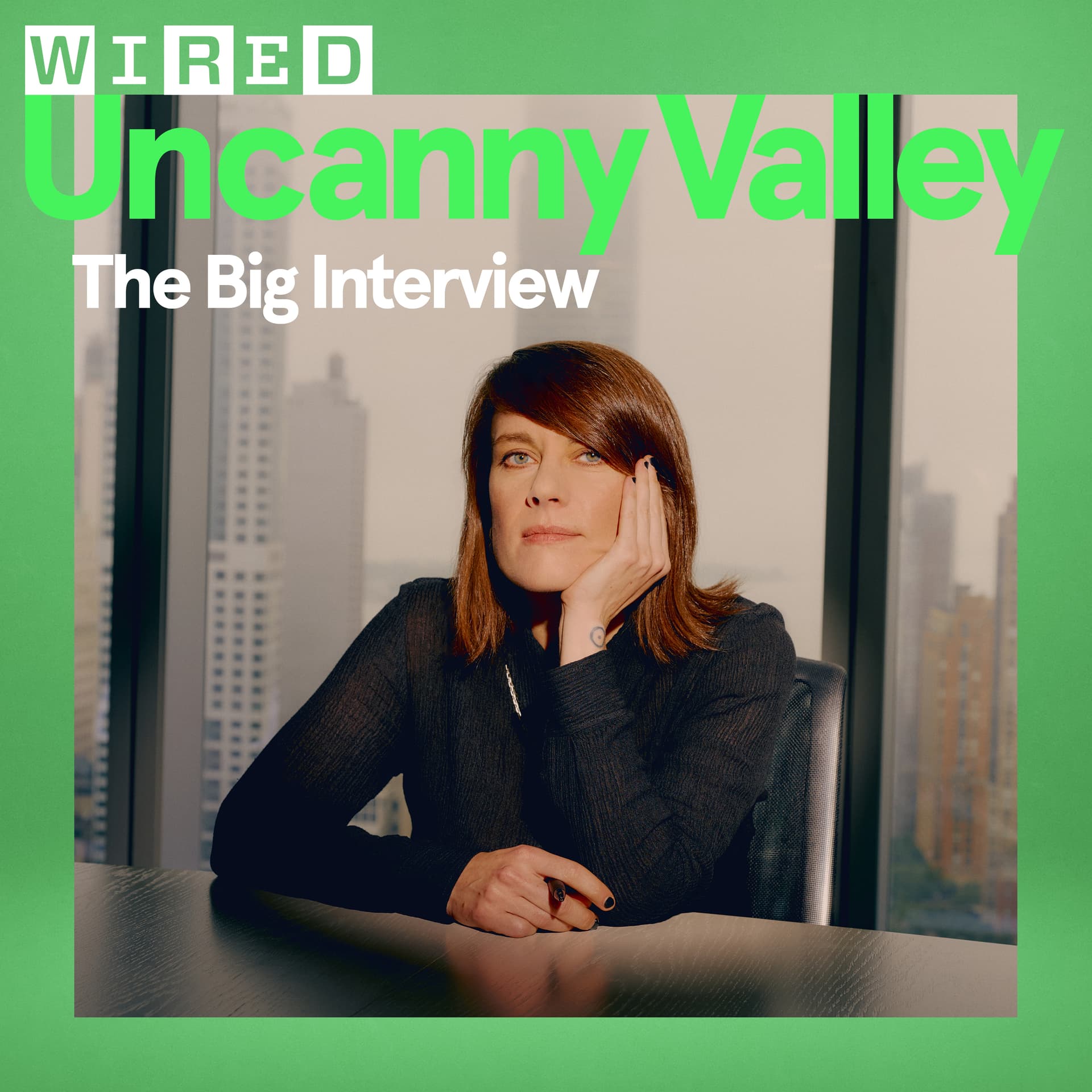
Amelia de Moldenberg (Dim’s Inc.) explains how “Chicken Shop Date” achieves creative control and viral, entertaining interviews—especially her prep process, on-camera persona, and ruthless editing—plus her views on creator respect, award shows, platform strategy (YouTube vs elsewhere), copyright, and her DIMS Inc. Academy.
Guest backgrounds
Amelia de Moldenberg is a UK creator/interviewer and founder of Dim’s Inc. She has 3.3M+ YouTube subscribers and has done Oscars red-carpet interviews three times. She studied journalism and fashion journalism (St Martin’s), started the show as a youth-club column, and later built it into a business.
Key claims
She prepares ~2 months by researching nominees and crafting individualized questions. She frames her work as entertainment, not scoops. She owns her show’s copyright after rejecting contracts that would buy it cheaply. She believes audiences resist “pressing the button” by moving platforms, so she keeps the show on YouTube.
Notable examples
Oscars red carpet clip about “butt sweat/pee”; viral Ethan Hawke interview (philosophical question); Golden Globes adding a podcast category; her persona of sarcastic deadpan “disarming” guests; editing 40–60 minutes down to 8–10 minutes.
Written by AI. May contain mistakes. Listen to the episode to check what was said.
Chapters
Tap a time to open that second in VOPreparing for the Oscars
3:19 to 4:23
Amelia shares her preparation process for interviewing at the Oscars.
“Sorry, that clip you played, I was like, wow, that is real boots-on-the-ground journalism right there.”
Creator Journalism vs. Traditional Journalism
4:23 to 5:48
Discussion on the blurred lines between creator journalism and traditional journalism.
“And I am researching every single nominee, watching all of the movies.”
Creating Memorable Moments in Interviews
5:48 to 8:13
Amelia discusses her strategies for making interviews engaging and memorable.
“And I do really feel like I'm performing when I go on a red carpet.”
The Importance of Preparation
8:13 to 10:10
Exploring Amelia's thoughts on preparation and confidence in interviews.
“So I feel, but that's just through the pre-planning of it.”
The Future of Awards and Online Content
10:10 to 12:50
Amelia discusses the need for awards to recognize online content creators.
“And I've always been so impressed by that level of being able to honestly memorize.”
The Creator Economy's Impact
12:50 to 14:00
Exploring the significance of the creator economy in today's digital landscape.
“But what could you win that you couldn't like that you couldn't submit yourself for now?”
The Evolution of Online Creators
14:00 to 16:46
Explore how online creators are perceived compared to traditional media.
“Oscars specifically I think again just like broadening out the the types of films and artists and creative people that can be eligible for awards I think would be amazing.”
Navigating Audience Expectations
16:46 to 20:15
Learn about the challenges of maintaining an audience across different platforms.
“And I think at some point that line has to go away, right?”
Ownership and Copyright in Content Creation
20:15 to 24:18
Understand the importance of owning your content rights as a creator.
“Beast you yourself are very much entrepreneurial and you've had to be you've had to be entrepreneurial you've had to be strategic.”
The Impact of Algorithms on Creators
26:36 to 28:00
Discuss the role of algorithms in shaping content and audience engagement.
“And, you know, when TikTok was acquired in the United States recently, like put under U.S.”
Show all 19 chapters
The Evolution of Video Podcasts
28:00 to 30:08
Explore the transformation of video content and the editing process.
“We love them, but it's interesting because I think that before, I've always been making something that now people view as a video podcast.”
Crafting a Disarming Persona
30:08 to 33:18
Learn how the host's persona disarms celebrities and fosters connection.
“Well, it's a very, very good show, but I guess you're right that you had very, very good timing.”
Storytelling and Career Growth
33:18 to 37:39
Discover the balance between personal storytelling and career evolution.
“So I just thought it would be funny to kind of flip it on its head and just be like, what if I disagreed with people?”
Creative Pursuits Beyond Chicken Shop Date
37:39 to 39:38
Understand how the host juggles multiple creative projects and future plans.
“Now your only gatekeeper is the algorithm.”
Fun with Control-Alt-Delete Game
40:30 to 42:01
Engage in a light-hearted game exploring technology preferences.
“Hopefully doesn't take itself too, too seriously.”
The Control Room Fantasy
42:01 to 42:31
Exploration of the desire to control technology and its impact on life.
“I mean, like, I always wanted to work on the tube.”
Imagining Kitchen Innovations
42:32 to 43:24
Discussion on altering cooking appliances to make cooking easier.
“I thought it was going to be like create your own invention.”
The Dangers of Image Alteration
43:25 to 44:11
A critical look at the impact of apps like Facetune on self-image and societal norms.
“It's so normalized to like completely alter your face in this way.”
Concluding Thoughts on Self-Perception
44:12 to 44:30
Reflection on self-acceptance and the pressures of societal beauty standards.
“But feeling good about the way yourself.”
Transcript
Automatic transcript. May contain errors.0:00This show is supported by OutShift, Cisco's incubation engine. Today's AI agents operate in silos, limiting their true potential. We've been focused on building bigger, smarter models, but scaling up is just one approach. To reach superintelligence together, we need to do more. We need to scale out. And we actually have a blueprint from 70 ,000 years ago. Humans didn't just get smarter individually. The cognitive revolution transformed society because we began sharing knowledge, goals, and innovation. Agents are now at that same inflection point. They can connect, but they can't think together.
0:38That's why Outshift by Cisco is building the Internet of Cognition, transforming AI from isolated systems into orchestrated superintelligence. By creating an open, interoperable infrastructure, Outshift by Cisco is enabling agents and humans to share intent, context, and reasoning. The cognitive evolution for agents is here. Explore the Internet of Cognition at outshift.com. That's outshift.com. Hey, small business owners. Let's talk about how Found can help you wrangle your finances once and for all. When was the last time you felt like you had your business finances totally under control? Every expense categorized, every receipt tracked, every invoice sent.
1:18Oh, and you were prepared for tax season? If the answer is never, you're not alone. And that's what Found is for. Found eliminates the clutter by giving you one platform that handles it all. Banking, bookkeeping, invoices, and taxes. No more paying for multiple subscriptions and dealing with clunky, outdated apps. Found is reimagining what business banking should be by putting your bookkeeping, invoices, and tax tools directly into your business checking account. They make it easy to regain control of your business finances so you can get back to doing what you love. Take back control of your business today.
1:50Open a Found account for free at found.com. That's F-O-U-N-D dot com. Found is a financial technology company, not a bank. Banking services are provided by LeadBank, member FDIC. Join the hundreds of thousands who've already streamlined their finances with Found.
2:10From Wired, this is The Big Interview. where we'll get to know the people beyond the headlines in conversations that explore the intersection of technology, power, and culture. I'm Katie Drummond, WIRED's Global Editorial Director. You may have seen our next guest, Amelia de Moldenberg, on the red carpet at the Oscars in March. Here at the Oscars red carpet, what does it smell like? Sweat. And success. And success. What's the vibe? What's the energy like in the room? There's like sizzling energy. It's real. It's hot right now. I feel like we should not have done that because it's already so hot in here.
2:38I could start to feel the sweat dripping from my butt cheek down my leg. Thank God I'm wearing pants because otherwise people would be like, is she? Is she peeing us up right now? I'm like, yeah. That clip is from the Academy Awards and Amelia's creative studio, Dim's Inc. It was her third time on the Oscars red carpet. And that star turn comes on top of her wildly successful interview series that I first saw, admittedly, as very short clips on TikTok, Chicken Shop Date. If you haven't seen them yet, I don't know why, but you're in for a treat. Amelia sat down for dates with Conan O 'Brien, Sabrina Carpenter, Andrew Garfield.
3:09the list goes on, and each episode takes place in, yes, a chicken shop. Amelia now has more than 3.3 million subscribers on YouTube. And she joins me now. Amelia, welcome to the big interview. Thank you for having me. Thank you for being here. Sorry, that clip you played, I was like, wow, that is real boots-on-the-ground journalism right there. How did it feel to hear yourself back talking about butt sweat and pee? Well, it's interesting because that is definitely part of the genre of my interviews. However, there's so much more to them than that. There is. There is. So that's obviously just like one slice of it that's, I guess, a bit more playful.
3:47And I mean, they're all kind of, it's all playful in a way. But yeah, I guess I was cringing a bit. I'm sorry. I didn't pick that clip. So I'm going to blame the producers. Always blame the producers when you have the opportunity. But how do you actually get ready for those interviews? I mean, this was your third time doing the Oscars red carpet, which is, and I've been a journalist for a very long time. intimidating environment. How do you prep? I spend a good few months. Months? Yeah, like probably like two months. Obviously not every day, but you know, I'm thinking about it for like two months running up to the Oscars.
4:23And I am researching every single nominee, watching all of the movies. And me and my sister and our other writing partner, I write with my sister Zoe. We prepare questions, individual questions for every nominee that the Academy would like us to interview. So it's mainly all of the acting categories and directors and kind of beyond. And yeah, I think it's really important to prepare individual questions for each person because I think that's how you get a more interesting nuanced interview from someone rather than asking a general question to everyone. And I think the general question thing was what audiences were getting maybe tired of and I love thinking of questions for each person and thinking of ways in which you can speak about their films and their work in a way that is playful and unexpected but also kind of shows the level of research that I try and do.
5:16I love watching celebrity interviews I always have and I've loved being a consumer of pop culture like since I was very young. So it's a fun job for me to do the prep, but it definitely reminds me of when I was studying for my exams at school, cramming. And this year I had more time than ever. And so when I got to the carpet, my third year doing it, I felt really confident. I felt really good. I also loved my outfit. And I think all of those things really do make a difference because as you say, it's an intimidating environment. And when you're feeling good, 100 % it affects your performance. And I do really feel like I'm performing when I go on a red carpet.
5:52It feels to me like a bit of a stage and I kind of forget the cameras are there and I very much feel like I'm playing to the audience. How do you think about your role on that red carpet? And I'm curious about this in the context of the work that you do overall. This sort of creator journalism, I don't know if it's a debate. There's a distinction there that I think is becoming blurrier and blurrier. I don't have strongly held views about it. I mean, I talk to the Wired staff all the time, and I hope they don't mind me saying this on the podcast, but that they are so much more now talent than they used to be, and that they need to be on camera.
6:31They need to be behind a microphone. Like, they need to be making that direct connection with their audience, right, and sort of really taking, like, the quote-unquote creator playbook and taking that seriously and not being dismissive of that. But for you, when you're on the red carpet or you're sitting down in a chicken shop, whatever it is, how do you like self-identify? I feel like I am in the business of making entertainment. Yeah. And I think that is a distinction from from journalism in a way. You know, I study journalism. I have a degree in journalism, but I always feel like I've been more drawn to making something within the entertainment space.
7:06Yeah. And I think that a lot of creators that are like working the red carpets now I think that that's their approach too it's not necessarily that they're trying to get a scoop for example but they're trying to make something that's entertaining and and it does like people really connect with those interviews and obviously some are stronger than others like in any any situation but I think the first time I did the red carpet was maybe nearly five years ago now for the GQ Man of the Year Awards and I I remember at the time it being such an exciting moment because I don't think many like non-traditional talent had taken those roles.
7:42And I think since then, the space has become quite, I guess, oversaturated, but like how anything would. I guess it's always been important for me to make sure I stand out in a crowded space always. But yeah, I'm interested in creating a moment, something that people can connect to that kind of stands out online because, you know, there's so much content now. Yeah. A sea of it. So you really do have to be able to make your mark. And it's actually something that I've always been quite successful at doing. So I feel, but that's just through the pre-planning of it. like I watch so many interviews with with said talent that I'm meant to be interviewing to get a sense of their vibe their energy the type of personality that they are and therefore what kind of questions they would respond well to and I think it's through all of that that I'm able to like preempt the moment you know like for example Ethan Hawke my interview with him like went quite viral from the Oscars this year and that was because I spent a lot of time understanding the way that he approaches interviews and he has this ability to like say something really poetic and I don't think everyone kind of knows that about him I think you do have to be like in a wormhole of of his interviews to kind of know that if you just are a fan of his work for example and so I thought it would be interesting to ask him a more kind of philosophical or like question not deeply philosophical but just something that would provoke that kind of answer in it and it worked.
9:13So in a way, I think that's my approach. It's interesting because you certainly, I mean, you bring the academic training of a journalist and certainly the obsessive need to prepare or over-prepare before an assignment. You know what I mean? You sound like a bit of an obsessive person and I say that as the highest compliment. Well, I don't think I could go into anything that I do without preparing. And sometimes I feel like maybe it's unnecessary to the level because I think it comes from sometimes with me anyway, like maybe a little bit of a lack of confidence in myself or something like that, that I feel the need to be so prepared for something.
9:49But at the same time, it just makes me feel comfortable because then I know I can just feel good about it. Even if it didn't go well, I can say, well, at least I did the best I could beforehand. Yeah. And then it's kind of out of your hands. But I've definitely been interviewed by people before who don't have any notes, you know, don't have anything. And it's just completely off the dome. And I've always been so impressed by that level of being able to honestly memorize. And maybe it is also a confidence thing too. Well, maybe they're just, maybe they're just winging it. Maybe they didn't memorize anything.
10:24I don't know. And obviously that can work sometimes and can be a disaster other times. But yeah, I mean, I, like I would say for this podcast, our producer had to like beat out of me the idea that I needed to spend like an entire Friday researching someone before I interviewed them. And she was like, you don't have time. You have to stop doing this. This is out of control. But it is, I think, not to make it about being a woman, but I think there is something to that. This sense of like imposter syndrome and a lack of confidence and that you need to overprepare to go in and do something that with all love and respect to the men in my life, that maybe a man could go in with 15 minutes of prep and just wing it.
11:04I agree. I cannot do that. I agree. But are they getting a better interview? I don't know. I don't know that they are, Amelia. I don't know that they are. I'm curious about the Oscars for another beat. And then I want to talk more about many, many things. But when we were getting ready for the show, not that I was getting ready too much. I didn't get ready that much because I'm not allowed anymore. No, you're not allowed. I'm not allowed to overpropier. Absolutely not. Your Friday, you were off the clock. You were having drinks with the girls. I wish. That the Oscars is airing on YouTube for the first time in 2029, which when I saw that, my first thought was, what's taking them so long?
11:38How is it possible that it's going to take them like three more years to put it on YouTube? Put it on YouTube tomorrow, you guys. But still a sign of the times. The Oscars, we're getting there. We're getting on YouTube. What else would you like to see an award show like the Oscars do to kind of meet this moment? Right. You've talked about four or five years ago. It was ludicrous to think that there would be like a quote, non-traditional person on the red carpet. Now it's it's all there is. But what else? Like where are award shows like the Oscars, but not exclusive to them, still sort of behind the times when it comes to the way people actually consume entertainment, the way they find content, for lack of a better term.
12:21That's a good question. I mean, I think there's still a long way to go in terms of awarding or taking seriously online content. Sure. Yeah. I mean, this year with the Golden Globes, they had a podcast category. Wild. Yeah. Of them. And I think that was a really interesting move. And I think that there's a long way to go as well with like other award shows taking shows like Chicken Shop Date. Like, why can't we win certain awards? Why can't Chicken Shop Date? It's not going to win an Oscar. No, no, no. But what could you win that you couldn't like that you couldn't submit yourself for now? Like, is it an Emmy?
12:56Well, an Emmy, I tried to submit for the Emmys. And then there was a clause because I didn't have an American production company because it was a British production company. You have to have an American. But I've figured it out now. OK, so I'm hoping to be eligible next year for the Emmys. But still, it's like in a specific category. Like, I don't even think it would be like within the main awards that they would be giving out. But you can still you can still apply. I think it's like short form category. But yeah, I think that there's so many incredible online series and again, podcasts or content that is what people are consuming now.
13:31And I think that these award shows, you know, and people could say, oh, it's just an award show. Who cares? But actually, people do care. And there's so much out there that people do as humans like to be told what is good and what is not. and I think that it also it kind of condenses the amount of things that you have to consume in a way so I do think it's people really look to those awards and they are really important still yeah so I think for sure more categories within online content would be amazing and with the Oscars specifically I think again just like broadening out the the types of films and artists and creative people that can be eligible for awards I think would be amazing.
14:11Have you told them this? No, I haven't. But I will. Well, maybe maybe you just did. I am curious for your sort of point of view on this idea of like the the online creator. Right. Which is if you think about the size of the quote unquote creator economy. Right. Like people making things on the Internet and putting them on platforms. It's like two hundred and fifty billion dollars a year. Right. Like it's massive. And it is for many people like the only thing they watch. Right. is TikTok or YouTube or so on and so forth, people like you are celebrities to those many, many millions of people. Like that is a thing.
14:50And yet somehow, I think from where I sit, at least, it still doesn't seem like it is received with the same level of respect and maybe like deference or credibility as like Hollywood acting or something more traditional or conventional. Why do you think that is? And is that something you have experienced? And how have you experienced that maybe change since 2014 when you launched the show? Well, it's a great question. I think it's one of those things where it's like the changing of the guard. I think that there's a lot of people in positions of power that they grew up watching consuming television.
15:25And that is kind of the be-all and end-all of what they deem to be legitimate in terms of a successful career within entertainment. So I think that as people die, things will change. But more to that, I think since it's personally in my journey within my career, it's always been important to me to kind of bridge the gap between the online world and then more of the traditional media because I've always seen the value in people taking traditional media seriously. it's been a real need of mine to to make sure that I kind of straddle both in a way so taking opportunities within traditional media when they seem beneficial but then also making sure that I'm really like planting myself on YouTube and on TikTok and doing all those things I think you need to be super strategic about things and to understand that there are different audiences for both spheres and you can speak to both of them and there's a way to speak to both of them I mean There's been different people, I guess, throughout kind of history of online culture that have kind of paved the way for like being taken more seriously from like people like Emma Chamberlain, for example.
16:34I think that she's been someone that people look to who has really kind of crossed over. And then even people like Mr. Beast or people who get to that level of fame within Internet culture. I also think these people are all entrepreneurs and they all are business minded creators. and I think that having that aspect to their personality and their drive has really also made people in the public be more aware of them yeah but also with my show for example with chicken shop day I honestly see that as a it's a show on YouTube you know I'm not vlogging I'm not doing something that's kind of more native to to the online space I'm kind of doing something that traditional media has done for decades but I am interpreting it to the YouTube audience so in that sense I feel like because of the format aspect of what I do it's been more easy to translate it to like a wider audience yeah yeah it's interesting this idea of sort of like transcending from online culture and sort of creator world into maybe more traditional or more sort of conventionally respected entertainment.
17:46And I think at some point that line has to go away, right? Because it's just like online culture and YouTube and TikTok. Like that is at this point, I think, conventional entertainment, right? But maybe we are just waiting for some people to die. Like maybe that is just what's happening. I also think that I'm from a generation where like I grew up watching television and like appointment viewing like that. Me too, yeah. I'm 32. to. And I think obviously now like 20 year olds, they won't have that at all. Like they will only have grown up watching TikTok, having a streamer. They can just watch whatever they want.
18:19So I do think it's like a generational shift that I'm someone who still values the traditional space. But at the end of the day, I also think that movies will stand the test of time. Like that is people are always going to want to watch movies and watching a movie and making a movie is different to making a TikTok video. It just is. And so it's just a different medium. And I don't, I don't think that the fact that, you know, these new social media platforms coming up means that, you know, they're going to take over that space necessarily. I just think that people need to understand that they are different platforms that are made for different types of content and the way that you consume it.
18:56I was having a friend the other day and they were talking about their favorite podcast now being on Netflix, for example. They just said, I don't want to watch it on Netflix. And it's like, well, you just have to press a button. A different button. And they're like, I'm not going to do it. Where did they want to watch the podcast? On YouTube. I see. And it's interesting. That's interesting that an audience, that pressing a different button is like such an effort that you really see the format living in a certain ecosystem. Yeah. And that is fascinating to me. And I have had conversations with streamers before about moving.
19:31Well, this was actually a question. I'm curious. The show has been running on YouTube now for, what, 12 years? Yeah. Have you ever given any consideration to taking it off YouTube? Like, what would that potentially look like for you? I have had offers to take it off YouTube. I bet you have. For like... Much money. Much money. And I've said no, because, again, I just believe and think that that is what would happen. The audience will be like, why is it on another platform? I don't want to press the button. Yeah. And I think what's what I love about YouTube is that it's very democratic. You know, you just have to have access to the Internet to be able to watch it.
20:06And my audience really likes consuming it there. And I think it's very difficult to, like, change the behavior of an audience with a show that they already know. I would love and I'm trying to work with streamers but on separate projects that I feel like would work for the platform itself you know I'm developing a tv series and like for example and I feel like people love watching tv series on on on streamers yeah and I think that would make sense and you know who knows maybe the podcasting will find an audience on streamers but it might just take a few years people are going to have to really think about pressing that button or maybe it will yeah or maybe it will just only work with with new podcasts that you associate with the networks yeah I honestly think it is maybe something to do with that I mean how have you you talked a lot about sort of creators as entrepreneurs and like a Mr.
21:01Beast you yourself are very much entrepreneurial and you've had to be you've had to be entrepreneurial you've had to be strategic. This is a big question. I'm sort of sorry for asking it this way, but it's what's coming to mind. What have you had to learn about strategy since 2014 when you decided to launch the show? Okay, great. You've now built it into a real meaningful business for yourself. What have you had to learn along the way? I guess lots of things. I think the main thing that I've learned is how important it is and how thankful and happy I am that I own my own copyright. Tell me about that.
21:42Yeah. When did you make that decision? When did that come up? Well, when I started the show, so the show started in a youth club and it started as a column in a youth run publication from when I was 17. The Cut. The Cut. Yes. Not The Cut, but The Cut. It was called The Cut. And then, yeah, when I was at my first year of university, I went to St. Martin, studied fashion journalism, I thought, oh, this would be great if this was filmed because it's funny and awkward. And if only I knew someone with a camera to help me film it. And finally, I met someone, started making them on YouTube. And it then got to a point after making maybe like five episodes where I just I couldn't ask people for favors anymore.
22:17You know, everyone was doing it for free. I was a student. I was even persuading the shops to the shops weren't even closing. They were open. And we would have to because there were people like eating chicken around you and we'd have to pause keep pausing intermittently like when people were people ordering stuff because I didn't have enough like budget to to shut the shop I didn't even know that you could even do that I just didn't know anything about production so it got to a point where I honestly didn't have any means to make an episode anymore and so I thought okay how am I going to do this so I I spoke to a record label and they were gonna help me do it and I would maybe have to do set amount of their artists on the show and then I was allowed two other ones but they wanted to buy the rights from me and the deal was quite was really terrible actually and luckily that's when I got a manager for the first time they looked over the contract said you cannot sign this so thank you to them and then I tried to get funding through a media company and they again were like we we want the copyright and they wanted to buy it for a ridiculous amount of money like much money 500 pounds no is what they offered no yeah to buy the you imagine buy the copyright yeah can you imagine if you had signed that i know and something just in me i don't even know i wasn't getting any really other advice like something in me just i just knew like that is not i cannot do that no so i then ended up getting a brand deal because i also came up at the time when being an influencer was beginning.
23:51So brands were understanding that they can go direct to the person. They can cut out the middleman. They can cut out the agency. They don't have to buy this big billboard. The billboard is now on someone's phone. So I got a brand deal and the brand deal paid for me to be able to never think about funding it again. More than 500 pounds. More than 500 pounds, yeah. And not to say that like set me up for the rest of my life, but I mean, it just meant that I could then make episodes and then I was making money on the AdSense then, and it just became this returning investment. And now I fund the episodes with the money that I make from the Google AdSense.
24:26We're going to take a quick break, and we'll be right back.
24:32NPR believes in your right to be curious about the big questions and the unexpected ones. That's what Shortwave, their science podcast, is all about. When we stop to ask questions, the world gets more interesting. Shortwave spends each episode answering one big one. Like, why do we have nightmares? How does AI affect my energy bill? And how can trash be good for the environment? It's science, but not the kind you remember from school. It's playful and full of wonder. Science is for everyone. On Shortwave, the hosts take your questions very seriously without taking themselves too seriously. They follow your curiosity wherever it leads so you can discover something new right alongside them.
25:12I personally really loved the episode about where the moon came from. That's something I'd always wondered about, and now I don't have to wonder anymore. Shortwave makes me curious and then gives me the answers. Follow NPR's Shortwave podcast and exercise your right to wonder. Support comes from WISE, the smart way to manage the currencies you need around the globe. Fed up with losing out to hidden fees when you send your money abroad with your everyday bank? Choose the smart way. WISE. You can count on the exchange rate you'd usually find on Google. No unwelcome surprises. Plus, ditch that where's my money feeling.
25:47Most transfers arrive in under 20 seconds. Join millions saving billions on hidden fees. Be smart. Get wise. Download the Wise app today. T's and C's apply. This week on the New Yorker Radio Hour, Steve Kerr, one of the best coaches in the NBA, and certainly one of the most outspoken. Calling the president a buffoon? I kind of regret that, even though I felt it in my heart, because I'm representing a large group of people, not only for our organization, but our fans, too. Steve Kerr joins us next time on The New Yorker Radio Hour from WNYC. Listen wherever you get your podcasts.
26:36what have you had to learn or like what can you tell me about the youtube of it all right like the algorithm of it all i think there's the youtube piece of it there's the tiktok piece of it and there's always so much conversation and consternation around these algorithms and what they expose us to. And, you know, when TikTok was acquired in the United States recently, like put under U.S. ownership, there was all of this consternation around, will the algorithm change and what will it surface and what won't it? How do you navigate like the whims of the algorithm? How has that shown up for you and your business?
Read the full transcript
27:07I, another great question. We are all at the mercy of the algorithm. We are, all of us as creators and consumers. And consumers. Originally, I was just making videos for my friends, as in if they found this funny, then I was like, great, I'm going to post it. So that was like my barometer of like whether I should upload something. I mean, I've always wanted to make comedy. And I think that comedy always cuts through in a way. I think that's, especially on the internet, like it's just the home of funny things. So I think when you're making comedy online, I think you're already kind of set up for success in a way because it's just something that people like to consume.
27:45But I also think that the way naturally, the way that our episodes have been made, now if I'm comparing them to podcasts, like I actually hate when people come up to me on the street and they say, I love your podcast. I'm like, it's not a podcast. Well, I can imagine you would hate that because it's actually not a podcast. No offense to podcasts. We love them, but it's interesting because I think that before, I've always been making something that now people view as a video podcast. Do they really? Yeah. Before video podcasts were a thing. Oh, I guess because hello, everyone's on video now. Everything is videoed and it's somewhat two people sat opposite each other, right?
28:18Yeah. So it's like it kind of looks similar. And like you even saying that you first found out about Chicken Shop Day via TikTok. And if people are just looking at these clips, they honestly might think it is a podcast. Even a lot of podcasts now take away the microphones. Anyway, just to say my point is that we were editing the show always in clip format because of the B-roll that we have that everyone really loves. Right. You are a notoriously like ruthless editor. Yes. I love the edit. My edits, the edit being in that is my favorite part of the process. So we have these clips that then we cut to the fryer.
28:52We cut to the boss man. Like we cut these things. We also have a social media strategy from the beginning that I built. And then now I have my social media manager, Ashley, who like runs that for me. So she will think, OK, which clip are we going to lead with? And then like how many are we going to post over the course of a week? and what additional content can we have. And so our videos have naturally kind of suited the algorithm by accident in a way because we were already doing clips. But I don't ever go into making something thinking, how can we feed the algorithm? I just think, how can we get an amazing interview?
29:26And going back to what I said with how I researched something, how can I use what I know already from what I've consumed of this person and how can I create something that hasn't been seen before with them, playing to their strengths. So that's kind of my way that I go into it. But obviously, I, when I was starting, the videos got, you know, hundreds of views. And I would be like, oh, God, I just, I spent, I would say, probably seven years growing the show to when it, until it became known in America. And so that's like a long time. That's a really long time. To be working on something before you are then like, yeah, okay, this is the amount of eyeballs I've always thought it should get.
30:05And now I'm there, but it took years. But I also was growing the show as all of these things we've been talking about are growing too, like the media landscape changing, people being more aware of content, people consuming content, TikTok being invented, like all of these different things. So I've just grown with the times. Well, it's a very, very good show, but I guess you're right that you had very, very good timing. Yeah, and now everyone's doing it. Everyone, well, you're right, actually. Everyone is doing it, and now everyone thinks that you have a podcast. I've got a podcast. When in fact, unfortunately, you, at least as of now, you do not.
30:41You have a very disarming persona. I mean, your persona on the show is off-putting, right? Like that's kind of by design. But you do disarm them and you get great material out of them. Like why do you think you are able to disarm these celebrities to the extent that you are? Is it the research? Is it something else? It's kind of changed in my mind as to what it's been. And I think originally when I started it, it was because I just thought it was funnier to play this character that was sarcastic and kind of flipped between being like totally desperate to then being totally uninterested. And that kind of pairing is just ultimately funny and catches people off guard.
31:24And I think that it has just worked. But that was me playing up my natural personality at school. Like when I was at school, I was much more sarcastic and deadpan. And I definitely think that was a shield, you know, a shield to boys that were mean. And it worked, you know. Boys at school sucked. And then they didn't come near me to the point where then I was like, damn it. But I did actually want you to like me or be interested in me. But I've kind of, it's gone too far. But I think it was just like kind of like a self-defense mechanism that just kind of ended up being funny. But you combine that sort of your ability to disarm your guests and sort of that demeanor with this ruthless approach you take to editing.
32:05I mean, I think I read you take what, like 40 minutes or an hour of material and you cut it down to eight or 10 minutes. Yeah. Right. Like that's that's a that's a rigorous edit. Do you ever get it to a place where the guest on the other side of it is not happy with what you put together? Not that I've heard of, but we don't give approvals. But no, I've never had it that people have been upset with an edit because I'm always trying to edit the person to be more charming than they actually are. Right, more charming, funnier, in on the joke always. I'm doing them a favor. You are. Yeah. And I like that because that's what I want.
32:39I want people to watch the episodes and to fall in love with this person. It's a dating show. And yes, it can be awkward and that's awkwardness is funny, but that's also part of life and dating. And I think that's what people connect with. And I think me having this persona that I had as a younger person and kind of I'm kind of growing out of it. It's a point of difference that I think people connect to because it's not so usual. I definitely grew up watching a lot of very bubbly TV presenters that agreed with everything the person opposite was saying to them. And that's what I thought was, OK, that's one way of doing it.
33:16I'm not like that. I don't want to do it like that. So I just thought it would be funny to kind of flip it on its head and just be like, what if I disagreed with people? What if I like rolled my eyes like this celebrity and brought them back down to earth? That's kind of what I think. But yeah, the edit is is definitely my favorite part of the process. and there's so many things you can do within it. Like, you know, you can have this 40 minutes and you can, like, kind of change it, like, in a way. And that's the same with any kind of art form, even if you're a journalist or if you're a film director, you know, I think that the piece is often made in the edit.
33:54You've been at this a long time. You've learned a lot. You have a lot of sort of knowledge and expertise at this point, and you've actually created a summer school, essentially, DIMS Inc. Academy. tell me how that actually works what's the idea there well it all started I've always wanted to create a space for young people to learn more about the creative industries and be able to actually get their ideas out there and meet like-minded people because that is the journey that I had with creating the show I wouldn't be where I am today if I didn't go to this magazine club after school from when I was 16 and we were all allowed to pitch ideas it was kind of probably like being at Condé Nast publications, but everyone's miniature and the building isn't as high up.
34:36But yeah, so we were allowed to, you know, think pitch ideas and write about whatever we wanted to. And it was this amazing place to meet people. And I don't know if that's if that really is reflected in Condé Nast. Okay, let's all do love and respect. Let's take that away then. We might keep that in. Think of a different reference. But yeah, and I got so much out of that and I've always wanted to create that kind of space myself and kind of use my what I've learned to do that and so last year we did a one-week program for young people who wouldn't necessarily have access to the creative industries from a real diverse range of backgrounds and they had one week to create a pilot of an online format that they came up with themselves and I was so impressed they had five days to go from ideating on the idea to then shooting it to then showcasing it and making a marketing plan around it and it was just incredible and this year we're extending it to four weeks over summer oh wow it's really important to me to also be able to provide the right support but also the tools that these young people will need to actually create a piece of work and we're partnering with adobe this year it's going to be incredible to be able to give those pieces of software to the young people for free during the academy.
35:52And then with Premiere Mobile, which is the Premiere Pro version on the mobile, that's just such an easy way for young people and anyone to create work when they're on the go. So thank you, Adobe, for helping me with this as well. You talked a minute ago about maybe sort of growing out of that persona a little bit that you had developed many years ago. I'm curious about what that means for you in your career and where you see yourself going next? Well, I've always been someone who's very interested in doing so many different things. And I think I've, again, back to your point about strategy, I've always felt like it was really important for me to define myself beyond Chicken Shop Day and beyond that persona and make sure that I'm seen, you know, doing other things and able to like talk freely like this.
36:38Like this is actually who I am. I'm someone who's more... A human being. A human being, like someone who's serious, takes their work seriously and thoughtful and all those things. And again, back to the idea of like storytelling, it just seems like such a corny word, but it's the only word I can think of. That is something that has always been my interest. And with Chicken Shop Day, I always feel like I've been telling the story of a girl who wants to fall in love and is unlucky in love and keeps going on these dates. And maybe one day they'll, it will be, she'll get a second date. and I think that's what has really kind of pushed me through like having the show for so long it's because I've really understood that narrative and I've really loved developing other scripted projects that I've been doing for like numerous years now but you know those things take so long and it's been incredible to be able to like work within the online space and be able to have an idea and not have to wait to be commissioned I think that's probably the best thing about the democratization of the internet is it's allowed for so many more ideas to become realities and bypass all of the gatekeepers.
37:42Now your only gatekeeper is the algorithm. So I'm developing a TV series with the BBC, which has kind of been an ongoing project for many years. I'm so excited about. And then I have a movie in development as well with Amazon MGM and Orion Pictures. And And that's kind of like my own rom-com. And you play the lead, right? Yeah, yeah. I'm going to be playing myself. It's like the Chicken Shop Date movie. And do you find love at the end? Well, you have to watch to find out. I hope so. I hope so. I hope so, too. I hope so for your sake. I mean, it's a terrible rom-com. I mean, if it's not happening in real life, we better probably make it happen in the movie.
38:19So, yeah. And then, you know, I directed a music video earlier this year and I love that experience. I'm sorry to be a 40-year-old, but I am. Yeah, it was for an amazing artist called Maisie Peters. And I just loved the experience. And I obviously direct Chicken Shop Day and I always have. But it's very different when you are really turning your hand to directing something with a narrative. I just love the experience so much of being part of a team, collaborating with different heads of department and understanding how many parts are involved in creating something. And I loved it. So I can't wait to direct more.
38:56I would love to do that. I have an idea for a short film I want to do. But yeah, a chicken shop date has taken up a lot of my time, but I've always tried to make sure I can do other creative pursuits alongside it. And obviously red carpet interviews have been a great thing for me to show that I can turn my hands to different things. But I just want to be able to make things that resonate with me, that kind of come from some kind of personal passion or story of a way to kind of represent myself. And I think that's kind of what I'm going to continue to do. and I think also like the academy is something that takes up a lot of my time too and it's something that I love I'm really passionate about and I'm very excited to kind of carry on building that who knows who knows what I'm gonna do I'm gonna do it all sounds like you're doing it sounds like you're doing enough it sounds like you're doing enough for that all right another quick break here and we'll be back with our favorite game
39:57This show is supported by Odoo. When you buy business software from lots of vendors, the costs add up and it gets complicated and confusing. Odoo solves this. It's a single company that sells a suite of enterprise apps that handles everything from accounting to inventory to sales. Odoo is all connected on a single platform in a simple and affordable way. You can save money without missing out on the features you need. Check out Odoo at O-D-O-O dot com. That's O-D-O-O dot com. Comprehensive. Witty. Speculative. Critical. Insightful. Profound. Wide-ranging. Hopefully doesn't take itself too, too seriously.
40:35I'm David Remnick, and each week on the New Yorker Radio Hour, my colleagues and I try to make sense of what's happening in this chaotic world. I hope you'll join us for the New Yorker Radio Hour, wherever you listen to podcasts. Thoughtful. Exquisite. Just, you know, real.
41:04I would love to end with a little game that we play at the end of every episode. I'm sure you love games. You're going to love this. It's called Control-Alt-Delete.
41:16I want to know what's a piece of technology you would love to control? What's one you would love to alt, so alter or change? And what would you love to delete? What would you love to eliminate from planet Earth? Technology I'd like to control. Yeah. Technology I'd like to control. There's so many technologies in the world. Yes, it's very open-ended. Someone once answered this question. It was a man. But he said, sorry, I feel like I'm coming off very anti-men. I love men. We all love men. We love men. He said the weather. And I was like, well, that's not technology. That's mother nature. I know, but it was a very God complex answer.
41:55Oh, right. Control, technology I'd like to control. Probably, okay, there's two answers here. I mean, like, I always wanted to work on the tube. Okay. Maybe in another life. In another life, I'd always like to be in the control room of the tubes. So I would say maybe the technology of trains. That sounds fun. I'd be able to control. I just think it would be so fun. Stop, start, speed up. Yeah, and just there's always so much going on. And I definitely am someone who is a control freak. And so for your job to be in a control room, perfect. What could be better? So maybe that. Okay, that's great.
42:31What was the next one? Alt, alter or change. Alter or change. Alter or change. technology i'd like to alter the way some cooking appliances are made because i can't cook and i would like them to be easier like you know inspired and if you remember in spy kids you just like put something in like a little packet in the microwave and then it pops okay and it creates the food okay there's a lot of alteration happening in that answer but i will accept it Oh, what's the next one? Delete. Oh, okay, fine. I thought it was going to be like create your own invention. No, you just did, but that's totally fine.
43:13I just did that. Well, Spy Kids did that and I'm just like owning it. And then delete. Yeah. AI. No, I'm joking. Many people would like to delete AI. There's so many positives to AI, actually. Do you have one for me? Isn't it curing cancer? One day, maybe. Yeah, there you go. Depends who you ask. Depends who you ask. Okay, delete.
43:38probably maybe like the facetune app because i do think it's probably very damaging to people i think that's in all seriousness probably correct like the idea that and who is it helping really who is me sometimes sure but i just think like even when i'm using it i'm just thinking god like what is going on this is so depressing and dark and the fact that just so many people in general just are just so comfortable now. It's so normalized to like completely alter your face in this way. And then it obviously translates into actually getting real life surgery. So I would just say that... Looks maxing.
44:13Looks maxing is out. But feeling good about the way yourself. Being hot as a state of mind. Being hot as a state of mind is in. Facetune is out. Deleted goodbye. Amelia, this was so fun. Thank you so much. Thank you so much.
44:35The Big Interview is a production of Wired and Kaleidoscope Content. This episode was produced by our showrunner Anne-Marie Fertoli. Kate Osborne is our executive producer. Music and mixing by Pran Bandy. This episode was fact-checked by Daniel Roman. And I am, of course, your host, Katie Drummond, Wired's Global Editorial Director. Check back here on Thursday for the latest episode of Uncanny Valley, where Wired's writers and editors add you to the Slack channel.
45:09This week on the political scene from The New Yorker, Trump's rupture in the world order. Europe caught between two adversarial great powers. That's basically dialing back the clock to not only pre-World War II, but really it's a pre-20th century view of the world. And I would say it's a world of permanent insecurity that we're looking at. Join me, Evan Osnos, and my colleagues Jane Mayer and Susan Glasser every Friday on The Political Scene, available wherever you get your podcasts.
From the publisher
Amelia Dimoldenberg, host of the megapopular Chicken Shop Date, joins Katie to talk about control. Who has it, who doesn’t and why it matters so much for success in our influence-focused internet economy. They also talk red carpets and the surprising joy of editing.
Join WIRED’s best and brightest on Uncanny Valley as they dissect the collision of tech, politics, finance, and business, from Alexis Ohanian’s newest tech venture to the effects of inaccurate information from artificial intelligence (AI) chatbots on social protests.


