
In short
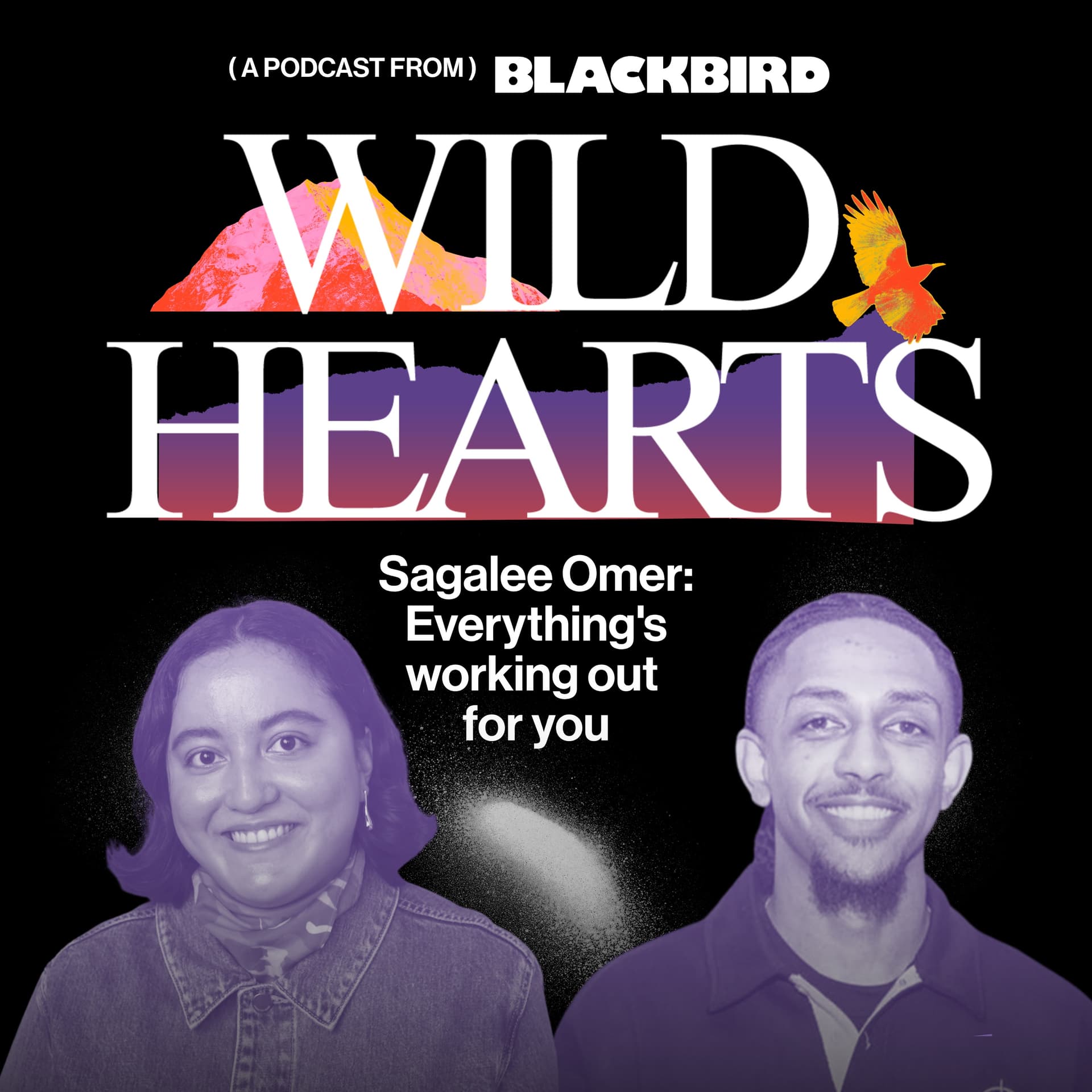
How Sagalee Omer (Thea: “Sagalee Omer: Everything’s working out for you”) explains long-term community impact using a “tree/roots/leaves” model; he describes how Blackbird’s Protostars funding supports his early-stage work to reconnect disengaged youth to identity, physical activity, mental health tools, and platforms for unheard voices.
Guest backgrounds
Sagalee Omer is an Ethiopian-Australian community builder from Werribee, Melbourne. He runs Locationist (storytelling platform), and founded Shoo Shoo (basketball + mental health charity events), Council Culture (free therapy conversations), and Better Cycles (bike-building and bike gifting). The host is Thea Gavitan, Blackbird Foundation’s grant programs and impact lead.
Key claims
Impact should be measured simply by desired world change and founder contribution; upstream creativity and voice-sharing create “healthy leaves.” His projects are one “engine” driven by lived experience, especially identity, mental health destigmatization, and youth disconnection from screens.
Notable examples
Protostars: $1,000 grants to ~400 young people; Locationist interviews strangers for “free therapy.” Shoo Shoo raised ~$16k then ~$30k+; Better Cycles built 300+ bikes for 300+ kids. He created Muslim hijab referees and “Never Count Them Out” women-only campaigns; he paused after burnout and later built systems, including 200+ free therapy sessions.
Written by AI. May contain mistakes. Listen to the episode to check what was said.
Chapters
Tap a time to open that second in VOUnderstanding Impact in Communities
0:00 to 0:45
Learn how organizations measure long-term impact on community health and engagement.
“We've been able to figure out what does impact look like to us as an organisation and what does impact look like long term as a community.”
The Foundation's Mission for Creativity
0:45 to 1:48
Discover the goals of Blackbird's foundation in supporting young creatives.
“And what's the problem that you see that you know you can solve?”
The Meaning Behind Sigali's Name
2:55 to 4:48
Explore how Sigali's name influences his passion for amplifying unheard voices.
“Before we get anywhere else, I want to start with your name.”
Reflections on Growing Up Different
4:48 to 11:10
Sigali shares his experiences of growing up as an African kid in a predominantly non-diverse area.
“more than what my mom's given it to and then this is how I've got to this stage where I'm at.”
Key Influences Shaping Sigali's Work
11:10 to 14:00
Learn about the influential figures and experiences that shaped Sigali’s perspective and work ethic.
“I love that you mentioned Virgil Abloh, because I think he's such a pioneer in himself.”
Exploring Identity Through Connection
14:00 to 18:03
Discover how personal experiences and curiosity shape one's identity and projects.
“They didn't understand me, but we connected in that way.”
The Impact of Basketball and Mental Health
18:03 to 21:59
Learn about the transformative power of sports and mental health awareness initiatives.
The Role of Journaling and Education
21:59 to 24:18
Understand how journaling and educational programs empower youth and promote mental well-being.
“You know, for example, like people don't know this, but you can interview your therapist.”
Creating Inclusive Spaces for Youth
24:18 to 26:57
Explore the importance of inclusivity in community projects and personal missions.
“Like the platform to have conversations and hear other people's worlds.”
Director vs. Founder: A Leadership Perspective
26:57 to 28:00
Reflect on the nuances of leadership titles and the collaborative nature of community projects.
“So, I mean, in the formal meetings, I have to.”
Show all 23 chapters
Founder's Identity and Leadership Style
28:00 to 30:20
Exploring the concept of being a founder and how personal identity affects leadership.
“But I know how much it relies on so many other human beings.”
Achievements and Challenges at Shoo to Shoot
30:20 to 33:50
Discussing the accomplishments and struggles faced while growing Shoo to Shoot.
Burnout and the Importance of Self-Care
33:50 to 37:10
The impact of burnout on personal and organizational health and the need for downtime.
“and i had to look at myself and ask myself is this how i want to continue i'm growing shoot shoot not saying where i want to go is not bad is it was more of how i want to grow and it was very unhealthy for myself.”
Gaining Clarity Through Reflection
37:10 to 41:00
How pausing and reflecting can lead to clarity and improved organizational focus.
“2026 really coming back stronger so it's a roller coaster is what i'm trying to say when doing these certain projects and being on a mission.”
The Power of Storytelling in Community Engagement
41:00 to 42:05
Investing in high-quality storytelling to enhance community connection and impact.
“So my goal is to create that system where I don't have to be there and others can do that and have that same value or reward, you know, cause it is rewarding.”
Investing in High-Quality Storytelling
42:05 to 48:22
Learn about the strategic decisions behind Shoo to Shoot's storytelling approach.
“So why does it do for Shoo to Shoot to me is what does it do for the community?”
Measuring Impact in the Community
48:23 to 52:33
Discover how Shoo to Shoot defines and measures its impact on the community.
“Can you tell me, you touched on impact before, what have you learned about impact and what that means for you and how you measure it?”
Challenges of Non-Traditional Fundraising
52:34 to 56:00
Explore the unique challenges faced by founders without initial institutional backing.
The Art of Convincing Investors
56:00 to 56:40
Learn how to effectively communicate your vision to potential investors.
The Impact of Acceptance and Maturity
56:40 to 58:56
Discover the significance of being accepted and the growth that follows.
Everything's Working Out for You
58:56 to 1:01:05
Explore the belief that every experience contributes to your growth.
Investing in Diverse Talent
1:01:05 to 1:02:34
Understand the importance of investing in people who don’t fit traditional molds.
Future Plans for Shooter Shoot
1:02:34 to 1:04:40
Hear about the ambitious projects and initiatives planned for the future.
“I think I'd love to close out this conversation.”
Transcript
Automatic transcript. May contain errors.0:00We've been able to figure out what does impact look like to us as an organisation and what does impact look like long term as a community. Because to give you an analogy, there's the tree, then there's the roots and then there's the leaves. The leaves is the long term, the vision. We hope for a world where everybody's going to be healthy and engaged. We've noticed that a lot of kids are disengaged. How we connect the dots is by building bikes and giving journals. So we're that bridge to make these healthy leaves for the community. So that's long term impact. So usually long-term impact is a vision that you hope the world will do, but you don't exactly solve all of that.
0:32You're just handling one route. So disengage kids through physical engagement, disengage kids through identity. That's kind of how we've been able to do that. I think to help other founders realise how do they measure impact is to keep it simple. What do you want the world to be like and how can you contribute to that world? And what's the problem that you see that you know you can solve?
0:52Sagalee Omer:A few years back, Blackbird created a foundation. Now, its goal is deceptively simple, to unleash creativity in young people. In the words of its manifesto, creativity is the essence of what it means to be human. It's the spark that awakens possibility, the lens through which we see the world not as it is, but as it could be. Now, creativity is the lens the foundation chose precisely because it's upstream of so many of the things we care about, including entrepreneurship. One of the things the Foundation set out to do is to find and fund some of Australia and New Zealand's most ambitious young creatives, regardless of whether they're poets or roboticists, community builders or film directors.
1:37Sagalee Omer:In just over five years, the Protostars program has put$1 ,000 grants into the hands of almost 400 young people. Small money, but enormous signal. This episode is a little different from the ones we've done before. We're not bringing you a founder who's raised a Series B or built a product you've probably heard of. We're going much earlier than that and further out from the places we usually look. Sigali Omar is one of the earlier protostars we backed. His name means The Voice in Oromo, and that's not a coincidence. Whether he's running basketball tournaments, building therapy programs, gifting bikes to kids in Melbourne's outer suburbs, or growing his wildly successful storytelling platform Locationist, everything he does is about making sure people who don't usually get heard, get heard.
2:29Sagalee Omer:Now, the venture world, as we all know, has a word for someone who raises capital, ships products, scales impact and builds infrastructure that changes people's lives. Whether Sagali would use that word to describe himself is, in some ways, one of the most interesting moments in this conversation. To bring you his story, I've handed the mic to Thea Gavitan, the foundation's grant programs and impact lead, and one of the best listeners I know. Over to them.
2:59Sigali. Thea. Before we get anywhere else, I want to start with your name. Yeah, beautiful. So Sigali means the voice in Oromo. I remember reading your application and that was the thing that really resonated. and so much of your work, locationist, shoot or shoot, council culture, is about building platforms and infrastructure for different voices to be shared. When did you first realize that your name was The Job? Yeah, beautiful question. So for me, when did I first realize it was The Job? I think to me what I think of Job is purpose, right? So that's when my mother started to tell me what that name really means and that's when things started to click like I looked back I'm like okay you know what I'd feel like I do showcases I do showcase moments where I do utilize my voice or I do focus on platforming other people's voices not in a formal way that I do now even though the way I approach things is informal which is how genuine conversations are but I think when though to give you exact moment was when I came back from my long trip in Ethiopia I've gone back plenty of times but there was this one specific trip the end of 2018 and if you're Ethiopian you probably have the same experience where December Jan your family is going to throw everything in the suitcase and you're going to spend a couple months back home during the summer while you're on school holidays and you're going to come back um you know without any say it's just like hey we're going to go back home see family and for some reason this time it was the first time we went back to Ethiopia after high school it changed a lot for me opened my eyes I was probably at the right time in my life to look at things differently and yeah from that moment is when I started to dig deep and really try to figure out even more what does my name mean to me more than what my mom's given it to and then this is how I've got to this stage where I'm at.
4:54Epic so I want to zoom in a little bit on what it might have been like in high school for you and maybe even before I know in previous conversations we've had you've spoken before about growing up where you grew up in Werribee and being the only African kid until high school which is kind of an interesting experience and you've described before in previous like conversations and talks and pieces that you've done publicly a moment you had with yourself in front of a mirror asking yourself why you look the way you do and how confusing that was. I'd love to look at that moment as an adult looking back on that moment.
5:35Okay, so you now looking back as an adult at that moment that you had in front of the mirror. What do you think that 10 year old was actually asking? I love the way you frame that because I would have started by answering in a way of what my mind was going through at that time. but I'm going to answer it in a way of what I see from my age now to what that young person was feeling so to first explain it I have to tell you what that moments or what what those moments look like so growing up in Werribee you know 20 2004 6 8 around those periods there was no such thing as a you know as a black kid living there like it was very rare I didn't I went to a whole primary school that had literally no black person you know I've said this a few times but like I ran into um a few of those people I went to my primary school at one of their weddings or engagements sorry and we're talking and they're like um I was telling I was like yo like it was pretty crazy I like I was the only black kid that whole time like no you weren't and I was like I was like who who else is black then and they're like um Chris and then I was like bro Chris is Filipino man he's not black so like that just shows you um the level of diversity it was back then right but it's so different now if you go to warribee you go to the main street you go to these um same areas i grew up in it's so diverse there's a lot more color um and i love it another memory actually i'll just waffle a little bit as that i remember my mom and i would walk barber to barber hairdresser to hairdresser in the same streets every single person would say we can't cut this person's hair except for one italian old man named john his shop is called john the barber he was the only one that said he can cut it and um now it's it's like so many so much more access and like um i guess understanding for our community so back then that's how i used to live i used nobody was looking like me nobody was talking like me nobody understood what eid was nobody understood what you know what it was to be a muslim um except for the negative negative media so i used to look at the mirror and um or not even before i got to the stage of looking at mirror before i looked at the mirror was kids would look at me and say why is your ears so big why is your lips so big why is your hair like that why is it so rough you know what i mean um why are you so dark like sometimes i would look i used to be i used to feel a certain way when getting asked those questions i did understand some of it was just genuine curiosity but then there's also that line of you know where it's a bit more intentional to try to hurt somebody and that's when I used to look at the mirror and be like oh like why is my hair like that like like damn I need to figure out how to make my lips smaller like everybody else's or my ears smaller like everybody else's and then yeah that's those are the moments that I felt like that and asked myself those questions even got to the stage where I was there was only like this one emo black guy from America who relaxed his hair and he was giving a tutorial on how how to relax your hair with the type of texture he had and it was the only youtube video there and like in the whole earth right so i showed my mom like my mom like i want to do this and you know she was very open to me like she's a mental health nurse and we'll go we'll dive into that but and how that helped me but she that was the only time she really she literally looked at me and said bro we're not doing that one like you're gonna keep your hair as is don't don't let these people um you know finesse you of who you are and try to change who you are but those are the things that i would um experience and ask myself now looking back though when I see a kid like that who's I guess feeling that way or being so confused I understand that one it's the environment that made them feel this way you know and like for example Virgil he's a very prolific black artist he spoke about the example of like you could have a crunched up bottle in this room right and be like hey does anybody want to buy this bottle or trash this trashed up crushed up bottle nobody's gonna say yes but when you put in a museum with like um you know with a certain stool that's like positioned in a certain way you're gonna think that's art and I think that's just who we are with other people as well like if I'm in a room with people that don't understand me they're gonna consider me you know somebody less of so it's just the environment you know and it wasn't it was never to do anything with me or who I am or my color or it was just my environment but there's a blessing that comes out of these things these moments right I think for me I learned a lot of skills such as trying to understand people I learned a lot of skills about how to understand myself and also how to be strong and how to walk in a room and be proud of who you are no matter what um it wasn't easy but that was my journey and I would not take it for the world because till this day as much as I grew up around that neighborhood my closest friends showed me things that I don't think I would have experienced with other people such as certain music like heavy metal rock jazz like Jon Bon Jovi Foo Fighters Linkin Park which I love to this day um systems of down all these like all these type of genres that make me still love a certain angle of it till this day like I could listen to Lord Grimes like when people think of grimes they think of uk but i know people who know grimes is a different type of grime artist so um this girl brand but um yeah anyways that 10 year old version of me looking at that mirror was just in an environment that didn't understand them and because because of that they were looking within and trying to find a reason why but the reality is god made us who we are and we're perfect and um we shouldn't let somebody else decide that so that's my experience of i I guess, how I felt back then.
11:12Yeah, cool. I love that you mentioned Virgil Abloh, because I think he's such a pioneer in himself. But I would love to ask, before I get into the things that you've built and created, obviously you have a lot of very interesting influences, and it sounds like Virgil was one of them. Before we get into your work and what you've done, I'd love to know who are some of the key influences of your work that you think have shaped the work you're doing now? yeah definitely um so there's been influences growing up in so many different areas right like i think for a lot of young people or young boys sports so looking at athletes for me Kyrie Irving um i really love Kyrie Irving he's an NBA player he's he's one of the best point guards in the world and he's born in Melbourne um really yeah he's born from Melbourne yeah he had no idea yeah crazy right wow um i remember this one time he came to Melbourne in his early career in the NBA and my mum did a whole night shift but still took me on a train to footlock in the city to meet him didn't end up meeting because the line was so long I managed to take a photo of him holding a subway walking to his car with his dad and I posted it like bro I just met Kyrie Irving even though I technically didn't but I really love his mindset off the court so that was like a big influence for me but in terms of the years in the last six seven years that really influenced me where people such as don miguel riaz who's the author of the four agreements which i preach about to every human being to this day i still buy books for people to this day um as a gift abraham hicks i don't know if people know her a bit on the spiritual side that some people may not understand but um i really like how she uses analogies such as like the vortex and how like you're in or out of your vortex if you want to check her out it might be i'm telling her you probably watch her videos and might be a bit confused at the start but when you click see clicks um as well as that um my mother in terms of outside you know i think when you grow up without having maybe like a male male figure you look at people online right um for me nipsey hustle was very influential with the way he thinks of things um j cole as well i like j cole's um point of view about you know being perfect of who you are he has this one so-called crooked smile i think that's like an affirmation type of video where it just reminds you so these are the type of people i can think of right now there's so many you know i mean there's so many individuals that i've met on the street so i'm like you've influenced me more than others could and i've known them for years um so there's so many my grandpa you know but again my mom's my mom's the biggest influence i think a lot of people say that as well speaking of people you've met on the streets um one of the uh projects you have is and the first one i kind of want to touch on is locationist which is a platform you've created to share individual stories and you've put so much care into it and have grown it really incredibly I think on TikTok it's like 40 ,000 followers and you've got a couple thousand on Instagram which is incredible growth you said that the project is a way for you to figure out who you are which I find an interesting thing to say right why do you think locationist couldn't have been built by anyone else like why could only you have created locationist yeah good good question so the core of it all right the core of locationist is literally just one stranger going up to another so that that core um factor any human being can do it and my locationist is to preach that i think for me the reason why i feel like it's it's gone well and um i think the stories have come out the way that it has is because I've genuinely genuinely had so much curiosity in every human being when I sit and talk to them since the very early ages of my life because I was put in positions where I had to understand other people's world so it comes back again to that time where I was the only black person so I had to ask people what's what's the music you guys listen to what's this what's the sport you guys do you know before basketball i was playing softball i had they called me my nickname was like afro man or like you know what i mean afro slug or something like that because like when you hit it i think and you can make it to second base they call you that's a slug or something like that so i did that a lot so i had to like dive in other people's world and ask so many questions and um i wouldn't take it back like i said because like i love harry potter because my best friend's family loved harry potter And, you know, they were not Muslim.
15:43They weren't black. They didn't understand me, but we connected in that way. And the habit of me always doing that since early age, till this day, I still want to ask people, how do you do things? Why do you live like that? Why do you think like that? So I guess that's why I feel like one, it's working out because of my curiosity. And I think my experience of having certain conversations with so many strangers before I started making it a project, how I use this project to figure out who I am, right? is by literally i can i can leave this you know the studio right now i can go down to flagstaff gardens i can go to fitzroy gardens carlton gardens state library wherever i do what i do and whatever's in my mind like for example all right oh man i'm dealing with this friendship situation like i'm going through it um you know and i'll interview strangers and then i'll talk to them and then i ask them questions like so what's going on with your life what are you doing and then if one of these conversations that i have talks about friendship i'll then ask i'll be like okay so you know is it like what would you do in this situation or are you guys going through this type of situation or that situation and then if it connects to my situation I kind of I kind of ask them like what would you do and based off their experiences I learn as well I'm like okay maybe you're right maybe I could have opened up a bit more to my friend in that time because this person's on the other side of that situation so now I'm understanding it from their experience and then it's still their own individual story and then when I package it all together and put out to others i've had people come up to me say man like like what that person's going through like i relate to it so much and you know this person didn't have to be a celebrity that posts online to show that they're relatable to us this is just another person who's just relatable so we try to break that that wall of like main media showcasing like specific influences of large people um because I think for me you know my inspiration came from Brandon Stanton, Humans of New York I love how it's just another stranger who's living like a same type of life as me who has a different angle in life and I can take something from so I gain a lot from it it's free therapy in a way you know what I mean I get to after we stop recording and talking we actually go on for an hour even later sometimes like yo this is actually what I'm feeling like yeah this is what I do and then thank you so much I've had people cry I've had people break down um I've had people tell me things that like I would never tell anybody because of I never knew that they were going to tell me that um I've had people tell me something that they've never taught anybody in their life you know seeing things that are a bit extreme and they're just going through I'm like you know and I try to be there but it's just creating that space and that trust because it's their story you gotta respect it cool it sounds like it really um forms a part of your identity but also that the work itself forms your identity which i think is really special um but obviously like locationist isn't the only thing you do you have shoot or shoot you have council culture i'd love to ask on the theme of identity how do these different projects that you're working on shoot or shoot and council culture and the bike specifically as well how do these connect different parts of your identity like what is that reflecting so for me again location has stemmed from my lived experience understanding other people's worlds um so that's why i did it so naturally you know shoot a shoot though stemmed from when i started to be around other people who look like me so i started playing basketball when i was in high school and from then i made some long life friendships i've learned and understood what discipline is i understood what it means to you know taking initiative to take it to chase a goal before i started really taking basketball seriously you would have never told me to sit in a cold plunge you know in my bathtub for an hour or get up at 5 a.m and go like do laps around my house or do like you know lateral runs and sprinting but that sport made me do that and figure it out so that's one aspect that created shoe shoe the other aspect was my mother's guidance so she's a mental health clinician and a counselor so growing up we would have so many conversations right um you know for example she made me understand that mental health issues doesn't mean you're it just means you have like something that you're working on right and then when I was 12 I knew what schizophrenia was I knew the influences of drugs and alcohol and so it made me not want to touch any of those things till this day you know like I was just never interested um and it wasn't in a pressured way that my mom would force me like hey you can't do that it's just hey this will happen so during COVID a lot of people that I knew were affected and people that I um what online seeing were affected and the moment i had a chance i wanted to think of a creative way to bring people together and also celebrate my 23rd so i was like who's jersey numbers 23rd michael jordan okay cool that would be nice to do a basketball tournament i was like let me host a basketball tournament let me make it ticketed but then make it towards a charity for mental health but then i was like i'm putting so much effort with me and my closest friends to make this happen I don't want to just give it to a charity and then who knows where it goes it might go towards the office space or something like that but I was like I want to see change now so I said to any charity would love to give you the money but we would like to decide how the money is used Foundation House was so interested by that that the CEO attended and then we ended up building a strong partnership till this day and I love the whole organization but yeah that came from my lived experience of basketball and my mom's influence to then create Shooter Shoot.
21:13We raised 16k, which is crazy to say for the first event. And from that, I was trying to figure out what should we do with the money. The first thing I straightaway said to myself is if we're going to do something for the youth, for mental health, it has to have some influence of journaling because journaling changed my life. That time when I came back from Ethiopia, like I was saying where I was after high school and that was like the most influential trip was because of two things i started reading the book called the four agreements one and i started journaling and i bought my first journal on the floors of ethiopian markets where there'd be like a cloth and somebody's trying to sell a journal and i bought it and i also bought the book called the power of now which i'm reading to this day and since then i started understanding who i was what i wanted to be how to break down my emotions how to figure things out and how to like how to work towards my goals and yeah we started teaching kids from then and we've taught over a thousand so far which is a blessing to say and we've had some like really powerful stories that have come from it um with some of these young people a lot of these young people actually and yeah that was from one lived experience so journaling that's how we started our school programs and then council culture was again i did therapy in my early 20s i tried it out and i think the way i went about it the way I learned how to handle it, the way I approached therapy, I think it was something that I really wanted to break down and destigmatize.
22:33You know, for example, like people don't know this, but you can interview your therapist. Like I asked, I interviewed like three of them. I said, hey, how do you measure impact? Like, how do you measure a positive outcome for me? One person said, hey, well, we'll figure out what's the issue that you want to figure out. And then we can see how far we've been able to move away or separate yourself from that problem. So I was like, okay, cool. So that's when I started Council Culture to have these conversations and then give free therapy so that was from another personal living experience better cycles was like kids don't step out kids don't go out as much anymore you know they're stuck on their screens tiktok instagram is taking their teen years away from them which is so sad to see honestly i remember when i used to be outside and literally knock on the neighbor's door you know um and have my friend come out and we'll just walk around the streets and just play write up penny boards you know what I mean when I had like yeah um those those little penny boards from Kmart and I was like what's a way to get these kids active and like you know keep them moving so like you know get them physically engaged and well let's build bikes and like let's learn how to build bikes and then let's give it to the young people so we have volunteers come down learn how to build a bike then we give the bikes to the kids all around Melbourne who are disengaged and now we've we've given we've built over 300 bikes we've given it to over yeah 300 plus kids so better cycles council culture the school programs and a few other things but that's all using the sport of leveraging the power of sport and culture to then create impact in so many ways so it all comes from our main event that lets us do that so yeah epic all of these things like they seem like separate projects but actually to me it feels like it's the same engine just like running in slightly different directions and dimensions so I'd love to ask you um when did you realize if you've realized that you're actually not working on separate projects but to me it sounds like these are the these are kind of like the founding products the founding stages of building a company yeah so in a way right like I'm focusing on the things that I would have loved to have in my life growing up or have supported me or impacted me.
24:41Like the platform to have conversations and hear other people's worlds. Because there's a quote, you know, it takes a village to raise a child, right? So like that platform of different people on location is that village where if you go on it, there's a catalog of different stories where you feel like you can relate. Because sometimes a young person go on a podcast, a really good podcast and hear a really good conversation, but feel like they can't relate. whereas a story of like somebody who looks a bit edgy that's in state library sitting down talking about the same situation they're going through is like wow that's actually going to help me figure out this next step so what I'm trying to say is that like that as well as having bikes as well as having the opportunity for free therapy you know learning how to journal at a very young age you know having a space where there's a massive event where you're showcasing you know your talents and your community where people look like you you know for example because i'm muslim as well right and like a lot of events don't have like a area to pray and you know a lot of people feel a bit uncomfortable to pray anyway like for me i could pray in the corner get out the way you know what i mean and still be proud and regardless of who might walk past but for these young people they might feel uncomfortable shushu is that really elite space where you can actually still be who you are and not feel judged um so like this is kind of like creating a world where that younger me would have loved to be in you know what i mean so you're right like it's that's my mission to to heal all the parts that i had growing up or wish i had seen growing up but for these other young people who are growing up and they don't have to be ethiopian muslim they could be whoever they are like when you look at shoot or shoot you don't think it's a muslim event or it's an Ethiopian event that's that defeats the purpose like if you want to go to Ethiopian event you go to Ethiopian community organization they'll host an event but for me she's about being so inclusive because I grew up in a world where I wanted to be everybody to be inclusive for myself like so I'm trying to do everything that I wish I saw growing up and so you're right it is one engine at the end of the day it's my lived experience as making all these things I'm just trying to have some creative twist to it so you're actually right that actually makes me think a bit more like how it's actually more for my younger self that I'm doing these things for so shout out to you actually.
27:00Awesome that's a really great segue into now I'm really curious about I imagine people call you a lot of different things so community leader right they probably you probably get called an activist a lot a youth worker an advocate all of these things I would love to ask, do you call yourself a founder? So, I mean, in the formal meetings, I have to. I usually shy away from it. I'd rather say director instead of saying founder. Can I ask why? Yeah, that's a good question. Why director? Why not founder? Good question. I think for me, sometimes saying I'm the founder feels like I'm trying to say I own this.
27:42And it's not to say that I don't, I didn't create this space. but this space wouldn't be alive with every human being that's in it. So I kind of moved towards direct because to me that feels like I'm the one leading it. Like I'm pushing this mission. But the conversation or framing is like, yeah, I'm the founder of this. I own this. But I know how much it relies on so many other human beings. I want to make sure that everyone feels like that rather than saying it like this is the guy who owns it this is one that we need to report to and I always shy away from that like even in diagrams with my team like we do it in a way where there's no top person it's more like a line and we're all facing that mission and everyone's kind of in different positions to get to this goal maybe I need to change that maybe it's not wrong to say founder but I always say director it just seems like I'm just focused on a mission and I don't say I'm a youth leader I'm a community organizer like I just I have I have ideas I want to make happen and when the time goes where I want to do something different I'd love for it to still be alive so that person can take it on so that's what my mind's at I don't know what's your thoughts on that no I'm just curious because uh where did that come from then when you think of the word founder because it seems to me like you really don't want to associate yourself as a founder what then in your head what is the picture that comes up when someone says the word founder then so if somebody says they're the founder of their organization I'm I'm gonna look at them like wow that's amazing like you killed that like you're doing it um shout out to you but for me it's just like I I frame I I try to reframe myself from saying it I don't look at somebody else the same way I look at myself by saying founder maybe that's something I need to think about a bit more maybe it's not wrong to say I'm a founder maybe it's not I think because I I look at the work that you're doing and to me what you are doing is you're founding something you are a founder in like the most pure sense of the word you have brought something into the world that didn't previously exist from your vision yeah when you think of what a founder is i think at least to me a founder is someone who takes an idea in their head something they care about deeply and they bring it into the world that is a founder so when i think of you i think you're a founder i think there's also something really beautiful though about the fact that you not so much reject the label but um choose to use a different word to describe yourself on the kind of topic of like being a founder though you obviously founded shoot a shoot um i'd love for you to walk me through the last three years at shoot a shoot like what have you what have you created what have you shipped out so 2023 we had our third event and we raised just over 30k for that and then that's when we continued our bikes and our mental health campaign so counts culture and better cycles and we continued our school programs and then 2024 so 2023 was a good year we started to um i guess grow our capacity a bit more then it shifted to 2024 where a lot of my core members for example had a lot of commitments so it became a thing where it got to the stage where it was myself running it all and I think that's why I say direct as well because I have a team and there's so many beautiful people that have made this vision come to life right so they ended up having to take these commitments some moved overseas things like that so there was a year where it was just me and that year 2024 was like a really really really big year you know it was the most schools we worked with we worked with 500 students that year is that's when we met we reached a thousand young people um you know we decided to build 100 bikes we doubled it the year before it was 50 then the the after was 100 um and instead of having a one-day tournament i don't know why i thought to do this but I told myself let's do two and I'm saying that with nobody behind me like you know what I mean where I had a team to manage one day tournament so I was like let's do two and I was like man what's what's some other ways to showcase our community what's some things we want to push in our in our city and I said let's let's be the first to have Muslim hijab referees in Australia history going up to a lot of sisters who you know might be reserved or might not know the sport or you know there's there's already that challenge of getting our goal is to get as much women engaged within sport for a longer period of time you know there's certain age gaps where people tend to fall off not just women but men as well um so like that's something we're trying to increase but then to get you know somebody to learn how to ref which by the way refs are not really treated they're nice in a lot of sports which is already a challenge but um getting so many sisters to to think about the idea they've never seen convincing them trying to tell them what could be, who they could impact.
32:43It wasn't easy. And then training them, getting them ready. So getting that prepared, hosting extra events, like women only events for a never count us out campaign. That's the whole campaign for women. So never count them out. I even went to China for manufacturing because I wanted to see what we could do to improve our clothing. I also wanted to see the factories and see who we're working with, if it's appropriate. I wanted to meet the people who are actually making the clothes and see how their spaces are you know there's some manufacturers that like we decided to continue to work with because they they were really good you know met the whole team and you know did that trip you know managed the school programs built 100 bikes provided more therapy sessions got ready for a two-day event added events more videos to showcase our storytelling and our community it was a lot so what I'm trying to tell you years that that was a very very intense year very intense year and um after we got successful and we raised that 40k making it a hundred thousand dollars in four events i had to take a breather and i had to look at myself and ask myself is this how i want to continue i'm growing shoot shoot not saying where i want to go is not bad is it was more of how i want to grow and it was very unhealthy for myself.
34:03It was a lot of stress, a lot of pressure. You know, there was a lot of sleepless nights. I remember like the week before the main event, I had like two hours sleep every night, applying for things, writing things up, you know, going back and forth with getting ready for the venue event. Sorry. And it was a lot. So 2025, I decided to slow down a bit. And I don't know how you've been when you've been burnt out there, but for me, I try to give myself two months of just doing nothing and then instantly jumping on that intense treadmill of just going, you know, as fast as I can. And you're going to pull a muscle.
34:39And like, I mentally pulled a muscle. I was like, I can't do this anymore. Like I was, and I, and I was like, if I continue, I might even get bitter towards not just myself, but my community. Like, because you have to deal with everybody. And when you want to be the best for others, you know, and try to showcase the best side of our community, this is a bit of a challenge. And if I'm very stressed out and burnt out, then I might even get bitter towards that. So I was like, I don't want to get bitter towards my people. So I ended up traveling a lot that year. I was blessed enough to be invited to present shoot to shoot to the United Nations conference in the middle of the year in Geneva, which was pretty cool.
35:13They saw the work that we do and they invited me to present. And I got to tell them about what we do, how we do it. And when I did that, I was amazed to see how many people were interested by how we do it. A lot of people from different countries, man, from like Europe, America you know Egypt Ireland places like that the like the representatives from those countries were like can we stay in touch you know can we talk can we understand how you do things more invited me to even more conferences online though to really express and teach more of what we do which was amazing but I got to see the world is what I'm trying to say I got to see Italy I got to see Switzerland and I went to the best the biggest streetball tournament in Paris and seeing how they do it I came back by the way until that moment I was still telling myself and everybody we're running the fifth event this year and we're going to make it even better even though I had like no energy in me but when I saw that and how they did it I literally just it snapped in my mind I was like you know what I really want to make this happen I love my community no matter how much I can get burnt out and I want to figure out how we can make this the best possible I think the best thing to do is just take this year off for myself because the same behind every project behind every program behind every business behind every you know crazy beautiful idea there's always the person behind it and if that person behind it isn't there mentally if their cup's not full then how can they um how can they pawn to others when you have nothing so came back home and that rest of the year was just focusing on building myself building the team building our systems and we're still doing that to this day and we're doing really good this year like what we've done so far we've done more school programs we've even provided more therapy sessions we've hit 200 now free therapy sessions which is crazy alhamdulillah but it all came from 2024 being the craziest year hitting that 100k goal and burning myself out to 2025 cooling down figuring out who i am to now 2026 really coming back stronger so it's a roller coaster is what i'm trying to say when doing these certain projects and being on a mission.
37:19But I think what people tend to listen to podcasts because they want to get something from what the person is saying. So my advice to others is try to figure out what's your threshold and then spend a bit of time de-escalating so that then you can push even further in a way that isn't the same way that burnt you out. Like it's good to slow down. It's good to take a break. It's good to understand who you are, who's around you. you know what I mean what relationships really fill your cup what what do you do that fills your cup because if you don't do that and you don't try to figure that out you're going to get to a stage where everything you love is going to be something you hate that's really interesting I wasn't expecting you to go in that direction I'm not gonna not gonna lie but I think um it's really interesting that uh at the time when you had so much success um and so many things were going right you decided most people honestly would just keep going down that trajectory um they just they'd see the opportunity for what it is and then just keep going but I think you decided actually I'm going to pause um and I think what's really interesting to have come out of that on the other side is it feels like by pausing by kind of saying actually we're not going to run this tournament this year you actually have gained a lot of clarity and it feels like you have a lot more clarity a lot more focus and you've built the systems in that downtime to help you kind of usher in what feels like a more focused more mature version of your company of your um of shoot or shoot would that be would you say that is like a feeling or would you say that's correct for you um do you feel like you have more clarity and focus on the next stages of shoot a shoot now definitely way more clarity and i feel like i'm running on my time a lot more because i've i was asking myself a lot of questions i was asking myself what's what does well okay what's the main purpose of this event like what's the real impact okay there's i can already list a few things that are impactful you know for example it's about giving people a platform you know we've had the person who we gave an opportunity to emcee for us this Pacific Islander Milo shout out to him um you know he's a young guy and from him emceeing he's emceed now for other basketball events such as ones that are partnered with Jordan and we even managed to get him to emcee for an NBL game for Melbourne United so like that's one thing why I do what I but what's some other reasons like what's how can we grow how can I grow and my idea of measuring impact has changed a lot now I understand how to measure impact actually more than what I see but actually how to see how to measure it and have it looked at in a different angle I understand now what impact can look like and it's changed but that time that I gave myself helped me have more clarity so yeah I would say it's very true and I guess now I want to my goal is to be able to create a system where Shigali doesn't have to be involved at all to make this event happen because if I do then this isn't a community event this is just one person running the show my goal is to get to the stage where I can go somewhere in a different world and contribute to wherever it could be and this is still is still happening for Melbourne you know and other places in the world because I want to take what I do in other places in the world I want to take it to Southeast Asia I want to take it to the Middle East I want to take it to Africa because I feel like 10 % of what we do here could impact 20, 30, 40, 50 % in other places.
41:02So my goal is to create that system where I don't have to be there and others can do that and have that same value or reward, you know, cause it is rewarding. I love, like, I love it. Like when I get to see somebody ride a bike, when I'm driving in my neighborhood and some kids has a bike, has a Shoo Shoo logo on it. And somebody's texting me saying, Hey, my little brother, I just, my little brother's running the bike or hey I just saw your you know your bikes in the north side of Melbourne you know it's just like man like I know that some kids riding but riding a bike's fun man like it's fun you can keep a bike for 10 years if you take care of it you can go to your friend's house that's down like a couple kilometers and be like hey I'm outside it's like man I love that and when people text me saying hey I'm actually very excited for therapy which I was never that type of person because I didn't have a group of people that had these spaces to talk about therapy the fact that I see that and people are texting me or saying it to my face it's like man like I'm doing my part and I just want others to have that moment as well cool um I'd love to talk uh run through really quickly some of the really interesting kind of strategic decisions you've made um in your work uh because I think you make some really interesting decisions in how you do the work and what you do so first up your content the reels the videos for shoot a shoot look and feel a lot more like short films than social media content you know they're very high production value and to me that's like a really deliberate investment in high quality storytelling why do you choose to make that investment into storytelling and what is that level of production actually doing for Shoo to Shoot that a simple iPhone video couldn't.
42:49So why does it do for Shoo to Shoot to me is what does it do for the community? So that's how I'm going to frame it because Shoo to Shoot is for the community, right? So first off, Shoo to Shoot stemmed from two parts of my lived experience, right? Mum's upbringing and raising and then also basketball. So Shoo to Shoot started off as like a hybrid of two different things mixed together. It wasn't like, hey, I love basketball. Let's create a community event because you can go on, social media and you can see a lot of really cool basketball community brands all around the world they're doing good at what they do and they're using iphone to tell their story or showcase what they're doing which is nothing wrong at all but everything we do we try to connect it with two different things so we try to i don't know if the right word is hybrid everything but coming from locationist and storytelling and um having that thinking in the background how can i tell this person's story the best way possible because they've said a lot of words but how can I sum it up where it's readable digestible and somebody else can understand this and then carry on with their day that's kind of one part of me that I added into shoot shoot and then also my team also a bit of creatives as well so we we wanted to figure out how can we tell a story what I do to to figure these things out one is ask myself questions so you know sometimes a question can give you the answer to a question you're trying to figure out or probably trying to figure out so for example I just this is it might be off topic but there's a quote that I love that I saw at a very like my early 20s it was um be the person everybody wants to work with so I love that quote right because it's like okay when I'm in a meeting with I'm getting for example if I'm getting ready with meeting with you Thea about something okay how can I get prepared for this meeting what do I need to do how can I you know be have this as the best meeting I just ask myself what's the thing that would be showcasing of being the like that would showcase of that quote which is be the person everybody wants to work with so how would that look like with me and in this meeting okay maybe i would actually have a document prepared or maybe i'll do this so asking myself that question helps me figure out now when it comes to the media side it's always how do we tell our community story so who is our community okay hypothetically in our third main or fourth main event um the theme was four it's like how can we showcase four years how can we showcase our community okay what's our community our community is a stems from four different demographics that I really feel like are always at our events or in our community work.
45:26Middle Eastern, Southeast Asian, and then East African. I wanted to showcase them, every single one of them. So I was like, hey, let's do a video where there's four students from our actual school programs, where they're getting the news that Shushu is coming back, and they're hearing it from their home. So it's like, how can we showcase that they're at home? They're going to have a radio in each of their households, and it's going to be talking in their language so I had Tagalog I had Arabic I had Dinka and I had Somali translators and and we edited it where it's like a radio and then we had it in their ethnic households so a majalice or masala which is like for Arabs you know or even East Africans we have it um where it's like couches on the floor and then what's other household rooms that like you know people could be with their parents or family so like one of the families was in the kitchen someone was cutting up spring rolls or vegetables and then the other one was in the couch with like such like a Sudanese type of couch which has all this like type of fabrics on it and that was to showcase that so asking myself how can we tell the story and who is the people that we're telling it to constantly and asking us what's the ways we could do that and then really trying our best to make it such a storytelling video is how I've been able to figure it out.
46:41Why I do that though, I love storytelling, obviously, from locationists. And I really, really, really, really want to make our community be seen in the best way possible. And how do we do that is by making the best videos possible. So I try to get a director in our community who's up and coming. I try to get DPs, which is director of photography, which is videographers, like it's just technical terms. I try to get people from my community and anybody else who is striving to be in the creative space or even act, I try to get them all involved. And these are real people from my community. So I think all these factors mixed in together is what makes the videos engaging.
47:24And then why I strive even within like our main events or minor events, sorry, and like minor campaigns is because I just feel like we have to tell our story the best way possible and I'm willing to go that extra mile to do that um which I think is what's separating us as well from a lot of I guess other community organizations that are still doing amazing things so one of the things that is a little bit undersold in what you're saying is obviously for you it's a way to bring your community together and tell these incredible stories from my point of view um I used to work in marketing to me it's like brilliant marketing sense to do this this is incredible brand building it's culturally relevant it makes shoot a shoot a brand that has its own center of gravity and you've just done that by telling the right stories of the people in your community and by doing that you're just creating this like really incredible brand that people want to be a part of so I think that's really cool.
48:23Can you tell me, you touched on impact before, what have you learned about impact and what that means for you and how you measure it? Yeah, so with impact, we've been able to see that with like opportunities that some people have had. For example, I've had people say, hey, after shoot a shoot, I've been getting reached out to do a lot of DJing gigs or, you know, I've had the opportunity to do this type of project. I've collaborated with this person or, you know like even like people have even found their partners and got married because they came to the event like i'm just saying like we've created a space where opportunity and connection is strong right within our school programs there was a person who became we we trained them up to be a facilitator they were studying law and um haven't spoken to them since they did our program and then when we were reaching out saying who wants to join us next year and uh and do more of our programs we did an interview with them and then they're like hey by the way like um i was studying law but after doing your program i dropped out and i'm doing like education because i like i was really passionate like i didn't know i loved it that much we don't look to get elite players from around the world and have them play in shoot shoot we get people from our community who who are the faces of our community who are talented to to play um it's like the league before playing pro it's the same pro league um but it's a platform where people get to feel like they're playing pro with the amount of attendees, right?
49:46So we're that platform where you get a chance to showcase who you are before the qualified or the professionals get to, you know, select you. But in terms of measuring impact from everything that we do, I've learned that there's short-term impact and there's long-term impact. We get to see short-term impact. So for example, we see a problem, right so young people are disengaged um and when they're disengaged um when it comes to after school or during the school holidays they start to pull this put themselves in places that could put them at risk and they're more in trouble um they don't understand who they are so there's going to be around people who think that they're cool um and how do they think that they're cool because the music influences them and the music's telling them to wear tracksuits and when they wear tracksuits they're going to do things that what they see in music videos do the wrong things journaling helps them be like all right cool what are my values who what do I like what do I dislike what's my identity because if you want to get what you want you need to know who you are and to know who I need to know what you like and you don't like so we teach them that short-term impact is hey I know how to communicate when I'm frustrated to somebody right now I know how to write down what I'm feeling long-term impact is somebody who was so um unconfident disengaged didn't know how to communicate now is striving to be in rooms to showcase who they are who can stand in a room and be a strong strong in their identity who knows what they want to do during the weekend who knows what they want to do after school so that's long-term impact so we've we've been able and it's something where you have to sit and think about but we've been able to figure out what does impact look like to us as an organization and what does impact look like long-term as a community because to give you an analogy there's the tree then there's the the roots and then there's the leaves the leaves is the long-term the vision we hope for a world where everybody's going to be healthy and engaged we've noticed that a lot of kids are disengaged how we connect the dots is by building bikes and giving journals so we're that bridge to make these healthy leaves for the community.
51:53So that's long-term impact. So usually long-term impact is a vision that you hope the world will do, but you don't exactly solve all of that. You're just handling one route. So disengage kids through physical engagement, disengage kids through identity. That's kind of how we've been able to do that. I think to help other founders realize how do they measure impact is to keep it simple, what do you want the world to be like and how can you contribute to that world? And what's the problem that you see that you know you can solve? and that's when the investors will be like all right this person can clearly understand and articulate a problem that we know we want to solve but they're doing it really good and we're happily invest would happily invest in them and then they can support that big world that we want to see as well well I mean like most of what you've built you've kind of built before you've had any like huge institutional backing because it seems like you're fundraising every single year um raising around if you will every single year to run these tournaments in that kind of journey what have you had to figure out that a founder perhaps with a seed round that they've funded um to fund everything at the first stages what have you had to figure out that that founder with that sort of backing wouldn't have had to necessarily okay so what do I think I had to learn compared to somebody who went through that route that you're talking about yeah I think a lot I'll be honest with you, like if I have to sit in a room and pitch to everybody here to invest in giving me 100k to then do school programs, give free therapy, build bikes, there's a little bit less layers to it.
53:28instead of like for example set booking this room and then getting six cups of water I'm booking out a whole empty warehouse and I'm getting four food trucks that have to have certificates to prove that they're you know they're valid to sell food and then like my room isn't this my room is a whole empty stadium so I don't think I've explained it but we should we ran out empty warehouses and then we built a whole basketball stadium in it like pretty much overnight so So it's empty. We build the court, grandstands, TVs and containers, get a whole bunch of talented players, book out media, plan out media content, get all the logistics, all the insurance, all these type of things that we need to do to create that space.
54:13so I've had to learn a lot about events I've had to learn about like what a bump in bump out means I had to learn about what type of insurance means I have to build relationships with so many stakeholders you know I have to let the local police station know because I'd love to be for them to attend as well because this creates a safe space as well just letting them know that because there's also challenges with like the community's view with police you know um so it's about even having a back and forth with them, trying to figure out how do we create an enough amount of presence where it feels welcoming and everybody feels like it's just here focusing on the court.
54:49Because sometimes, I might be going on a tangent, but someone might see a police officer walking in and it's like, oh, something bad is about to happen because why are they here? But it's also because it's good to have safety and even though we have security. But anyways, there's so many things that I've had to learn about getting to that stage where somebody is willing to invest, right? Because then somebody buying a ticket is investing in shoe to shoe. That also means I have to learn and work on becoming the best version I can be because they connect shoe to shoe to me. And I don't know if you, like some people may not realize this, but there's a big risk with brands having such a face attached to it.
55:29right not saying like i could be i'm a risky person but i have to put my best foot forward and i have to learn how to maneuver in the community i have to maybe not attend certain events because it could put me at risk or there's so many things that is different compared to an investor um meeting compared to me where it's the whole the whole room i'm trying to convince people is actually like melbourne like i have to walk around and make sure that like i always i always have a smile on my face I have to create space for people I have to always be opening I have to support I don't know like there's so many things what I'm trying to say is that comes from my invest getting people to invest compared to a certain room where for 15 minutes I got to put or for an hour I got to make sure that people understand that what my idea is is good not saying that's bad I'm not trying to put that down anything I wish I was in that position at times there is times where I'm in that room convincing for example Foot Locker to support us but the people that I um appoint to and I I report to and I try my best to make sure that they understand what I'm doing is important is my community because those are people I want to really see change and yeah interesting so I guess um to kind of wrap that line of thinking through it's like um your version of uh getting people to believe in the idea to invest in the idea isn't just like one singular pitch that happens to a room of investors rather it's like in all of the things that you do um every single uh projects every single thing that you ship out i think that's really interesting and cool yeah yeah it's a bit deeper but i love it though and it's made me a better person um because i i'm not doing i'm not trying to put it for side i just i'm trying to put the best foot forward and yeah 100 cool okay so in 2022 you applied for proto stars and you didn't get in uh sorry it's all right um in 2023 you applied again um and you did get selected that time um so for most people looking from the outside in proto-styles is kind of just a$1 ,000 grant right but I want to ask you uh what did that moment of being selected um being believed in the second time around um actually unlock for you yeah no I look a thousand dollars to some might be like I can't really make most out and something out of it um but at that time for me and especially because it was the second time I got accepted it meant a lot more because one it meant that my vision is something that others can understand not saying my idea isn't bad it's how I communicated it that I'm happy I got to understand like I got to see you know because locationist hasn't changed in 2022 to 2023 right like I still got strangers I still got to people I still have conversations but it was my maturity in that experience and also how I expressed it that was the difference I think and what you guys were able to see and um I was grateful to be accepted and you know I think for me it was just a sign saying hey like what you're doing is you know it's worth being invested in and it's creative and it's impactful and um it's it's something that other people believe in and even if I didn't get accepted that second time I still would have been doing locationist but but yeah I think for me it was just to keep it simple was just that I got to really see how passionate other people are in that space and it was also a sign for me to show that where I'm at where I'm heading is like it's the right direction to go and it just made me think because I think a lot of founders and a lot of creatives and a lot of people who are starting to wanting to make impact in the world always try to think what's the biggest what's the biggest and best idea I can do and that's them pushing themselves as much as they can but then to have somebody else tell you there's even more than that it's almost like wow like okay cool you know what maybe I am thinking a bit too small and that's the type of people you need around you and you know the um protostars season our end was I think season three or five I can't remember that was a long time ago but I'm still in that community where I'm growing I'm learning I'm connecting and I'm like you know it may not be as close where it's like every weekly meeting we used to do every four nightly but it's changed now and I think that's what I've been able to get from stepping into protestars and I'm very grateful for that so yeah what's something you believe in that others don't something that I believe in and the others don't is that every single thing that good or bad has happened to you is the same coin it's just depending on the timeline in your life which coin is going to get flipped one day this person did me really wrong it was my friend he broke my trust betrayal etc etc etc but then five years down the line I've been able to grow in this certain life where it's healthier and I don't have any people around me who would have affected that beautiful life that I'm living now because that side of the coin was flipped then and I got to see that person and got to deal with that experience as is but now I'm experiencing the good side of that experience which is not having these issues or problem around me um that's just an example but I I really believe everything good and bad is the same coin uh it's just about what time it is to flip it but it stems from my quote that I always say which is everything's working out for you you're at the right place at the right time doing the right things as a founder yourself or someone who's created something yourself what would you tell the people who back founders for a living about the people they might be walking past because they don't fit a certain template the people they might not be backing because they didn't go to the right schools or don't have um similar experiences as them what would you say about um you know yeah what ambition might look like or who they might be walking past yeah if if i was talking to big investors and people who are looking to back up people but have a certain angle of view of how of people who they think they should invest in i think it's um look at who people invested in 20 years ago and 10 years ago and now and they're all different types of people right so things are going to keep changing like the people who we're going to invest in and who i'm going to invest in are going to be people who look completely different at completely different to me um so it's more about if if if you do believe in investing which is thinking ahead you got to understand the future is going to change so you got to look at what's different now and see okay this person's a bit different but there's certain attributes that i like that i think is you know that doesn't define how they look so for example the way they look at a problem to solve or the way they look at society or the way they look at community or the way they look at they look at it or tech they still have those strong attributes but they look a bit different let's let's invest let's give it a shot because yeah if you don't shoot your shot like give that person a chance then you you're gonna get the same results and and I think anybody who's investing now knows things are changing quicker than before so it's better to jump on jump on these um these people ideas that you think are a bit different because they might probably be different and different is probably the future, right?
1:02:49100%. I think I'd love to close out this conversation. Speaking of the future, I'd love to give you some space to talk about. Really quickly, what's next for Shooter Shoot and for you? Continuing what we're doing, but growing it. We have our Better Cycles campaign coming up again. We're going to build 100 bikes, making it 400 in four years. We're going to continue working on our initiatives for the youth for I Never Can Us Out, our school programs and our main event. Our big main event end of the year, it's going to be massive, fifth year, half a decade of us which is crazy to say. The future of Shoot Your Shoot is to grow it to the stage where it's cemented in the culture within Melbourne and we're able to make further impact within other countries around the world.
1:03:35In terms of myself, heading towards the second half of my 20s which is crazy to say, I'm very blessed but for me I think where I'm seeing myself grow is towards places and projects that can really really really look at making intentional in-depth impact with different communities beyond Melbourne still within Melbourne but yeah growing in different places around the world I would love to do more work around around the world I want to grow as an individual I want to like learn more i want to really like understand how to make how systems work how like how countries work and i want to just make more storytelling projects i want to you know make locations even bigger than it was in the past i want to make a book out of it i want to make an exhibition out of it i want to make documentaries out of it and i think the mission is still similar in a way i'll be honest he's telling people stories giving a platform it's connecting with others and just um doing with as many people as I can.
1:04:37So that's me and, yeah, that's Shushu. Man, dude, future's looking bright for you. I'm excited to see you kind of let that unfold and bring it all to life. But thank you so much for your time today, Scully. Thank you so much. Salamat. Thank you. Thank you. Thank you.
1:04:58Sagalee Omer:Thank you so much for joining us for another episode of Wild Hearts. If you want to learn more from other ambitious people building, designing, and creating the world that we all want to live in, then please hit the subscribe and follow button. This podcast is a labor of love from the Blackbird team and Day One. The show is produced by Camilla Herring from Blackbird. Our marketing genius is Laura Cofford. And our editors are from Day One, Andy Jones, Sanjay Chabaria, and Georgia Catalan. Thank you all so much for listening, and I'll see you all next week.
From the publisher
Sagalee Omer looked around at the world he grew up in and decided to build the one he needed. Not metaphorically. Bikes for kids with no way to get around. Free therapy for a community that didn't talk about it. A storytelling platform to put everyday people on screen. A basketball tournament that's raised over $100K to fund it all. Four projects, one mission: young people who are seen, heard, and have the infrastructure to become who they are.
The ambition is the same as any founder on this show. So is the discipline - knowing what to ship, when to push, and when to stop. What's different is who's investing: not a cap table, but a community. Sagalee is still in his twenties, came up through Blackbird Foundation's Protostars program, and has thought harder about identity, mission, and building for the long term than most people in this industry with a decade on him.
Theia Gabatan from Blackbird Foundation sits down with Sagalee to talk about where the mission came from, what founders can take from building without institutional backing, why he calls himself a director not a founder, and the belief he holds that most people don't.