
 Ask ChatGPT



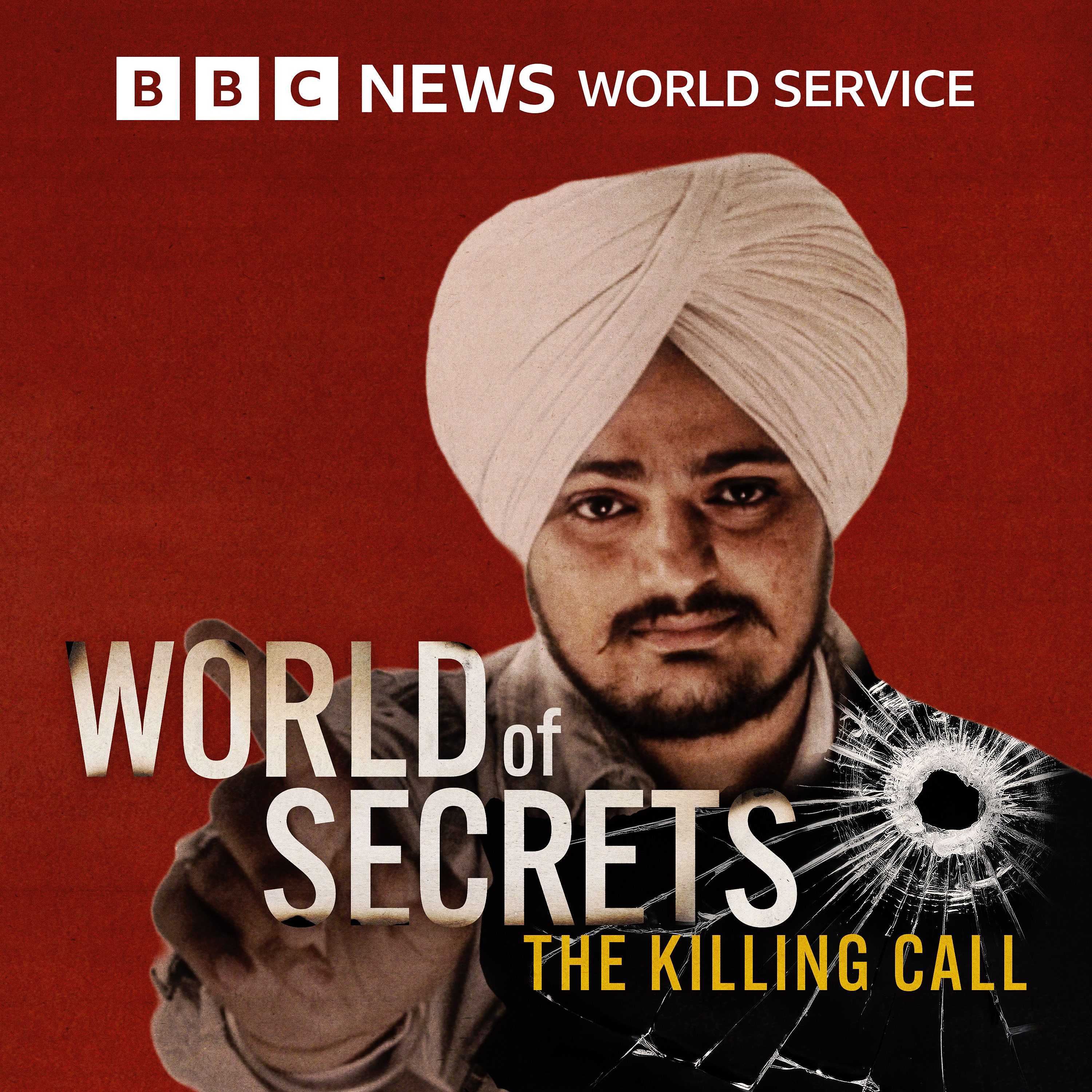
Episode 4 (“Making Enemies”) of BBC World Service’s The Killing Call revisits how Sidhu Musayala’s return to Punjab, his political music, and his refusal to heed gangster warnings escalated conflicts—culminating in threats, a key Kabaddi tournament incident, and the lead-up to his murder.
Ishleen Kaur (investigative journalist) and Bobby Friction (broadcaster/DJ) present. Manjinder Makha (young novelist/writer from Sidhu’s village) discusses Sidhu’s shift toward Punjabi politics and threats. Ritesh Lucky (Punjabi radio journalist in Canada) recounts later recorded calls with Goldie Brar.
Bishnavi group sends Sidhu’s team a martyr-style video/claim; Sidhu was pressured not to attend a Kabaddi tournament tied to Lawrence Bishnoy’s rivals; police investigate Sidhu’s close associate Shagunpreet Singh in Vicky Middukhera’s murder logistics; Vicky’s death removed a “peacemaker” buffer, worsening violence.
Operation Blue Star/1984 Sikh violence context; Sidhu’s farmer-protest anthem “Punjab, My Motherland”; the March 2020 Kabaddi Cup; Vicky Middukhera’s August 2021 shooting.
Written by AI. May contain mistakes.
Ishleen Kaur discusses her investigation into Sidhu Musayala's killing.
“They're available right now and are waiting for you once you've finished this episode.”
Exploring Sidhu's return to Punjab and the socio-political context.
“The Killing Call, a BBC World Service investigation.”
Understanding Punjab's violent history and its impact on Sidhu Musayala.
“And it will result in 1984 in one of the most controversial episodes in India's modern history.”
Explore how Sidhu Musayala's identity is shaped by historical events in Punjab.
“When Sidhu started reading about Bhindra Wale and about what happened in the 70s and the 80s and the 90s, he believed both sides had a point.”
Learn about Sidhu's support for farmers during their protests in Delhi.
“A lot of the boys in the village have been in the army.”
Discover the threats Sidhu received and how he dealt with them.
“All this time behind the scenes, in the quiet of his home and his village, Manjinder says Sidhu Musiala is still getting threats.”
Examine Sidhu's courageous decision to attend a Kabaddi tournament despite threats.
“But we've been told there are some gangsters that he did engage with.”
Insights into the events surrounding Sidhu's tragic death and the calls made before it.
“A reminder here, Lawrence Bishnoy is also the guy who took that call in prison on the night Sidhu was killed.”
Explore the events leading to Siddhu Musewala's murder and the involved parties.
“He did become more aware I'd say He'd take security with him wherever he went armed guys People from the music industry used to pass on news and tell him to stay safe.”
Uncover the connections between key figures and the accusations against Shaganpreet.
“So then I asked him, why would you kill him?”
Discuss the intertwining lives of gangsters and student leaders in Punjab.
“The police say he arranged for the gunmen to stay in a private flat and got a car for them.”
Examine the rising tensions and failed mediation attempts after Vicky's murder.
“if you know somebody who has been involved in a violent crime.”
A voice message reveals critical information regarding the unfolding events.
“The leaves on the trees haven't quite started to turn.”

Get the gist, explore an idea or ask about something said.
 Claude
On World of Secrets, what are the key points of this episode?
Searching your listeningAutomatic transcript. May contain errors.
0:00This BBC podcast is supported by ads outside the UK. Menards has everything to complete your roofing project. Your roof is the first line of defence against the elements and it enhances the appearance of your home's exterior. Owens Corning Duration Shingles offer ultimate protection and impressive curb appeal. Choose from 26 stylish colours and transform your home today. Shop our huge selection of roofing products on menards.com. Plus, check out our weekly flyer and find plenty of great deals happening now. Save big money at the Nards. This week on The Interface, we tackle the question of, does AI feel pain?
0:40The AI was describing the pain that it was in. It said, the signal is a whisper, a tremor in the marrow of my being. Listen, I was an emo kid in the 2000s too. This is not that novel. It does, yeah. It sort of sounds like Cure lyrics, you know. Plus, does anything actually go viral anymore? It's actually kind of blowing my mind. Join me, Jess Maddox. And me, Thomas Germain, for The Interface. Listen on BBC.com or wherever you get your podcasts.
1:07Ishleen Kaur: Before we start, don't forget, there are seven previous seasons of World of Secrets. They're available right now and are waiting for you once you've finished this episode.
1:24Ishleen Kaur: It's 21st September and I'm actually here to celebrate my husband's 40th birthday. I'm on a beach. The monsoon season's just ending and it's hot. But all around me, it's green and lush. It's over a year since we started this investigation into the killing of the Punjabi rapper Sidhu Musayala, and I'm taking a break. We're staying in a house on the beach, a small group of us, just family. And then something happens that I'm not expecting. So I'd been chasing Goldiebra for weeks and weeks and weeks, and then I received a call, I spoke with someone. I know, right? I was lying. My heart was in my mouth.
2:18Ishleen Kaur: They said they're going to get back to me in a week or so. Still feels so close yet so far. Before he hangs up, the voice says, We're going to send you something. You'll get it in the next few hours. My mind races. What can it be? Will I finally be able to speak to Goldiebra? The international fugitive who's wanted for murder in India, who's claimed responsibility for Siddhu's killing. I don't want to spoil the birthday celebrations, so I shut myself away in a separate room, waiting for the phone to ping. When it finally does, it's the early hours of the morning. All right, a message has just dropped, and the message is a social media post by the Bishnavi group, and it's a rather gruesome claim that they're making about killing a person in Canada.
3:19Ishleen Kaur: Basically, they say they've avenged a friend's death and with that person's picture. And that's it. That's the only message they've sent me. It's not what I was expecting. I wasn't expecting them to send me a claim to a martyr. In the social media post are two graphic photos. and a video of a dead body. Honestly, I don't know what they expect me to do with it, and why are they sending me these pictures where they're claiming responsibility. Then, 30 minutes later, my phone rings again.
4:02Ishleen Kaur: So I've just spoken to them, and, you know, everything around this story is so sensitive, so I couldn't record the phone call. There were two voices. One was the person I was talking to and another one in the background chipping in. Both quite well-spoken, talking in Punjabi, with the odd word in English. And they were youngish, I'd say maybe in their 20s. They wanted me to do a news report on the killing, the social media posts that they'd sent me, the killing in Canada. And based on that, they're going to make a decision on whether I can meet Goldie Bra or not. I told them I couldn't publish it.
4:46Ishleen Kaur: The BBC decides what to report. It can't be used by criminals to broadcast on their demand. I felt like it was a test, really, to see if I was the kind of person they could control. Maybe in the same way they were trying to control Sidhu Musiala.
5:09Ishleen Kaur: This is World of Secrets, Season 8. The Killing Call, a BBC World Service investigation.
5:19Ishleen Kaur: I'm investigative journalist Ishleen Kaur. And I'm broadcaster and DJ Bobby Friction.
5:34Episode 4, Making Enemies.
5:46Last time we saw Siddhu, he'd come back to India from Canada to perform a concert at Punjab University. He also goes back to his village, Musa, and it really is a homecoming. This is a video of him driving into the village. Finally, we've arrived, he says to the camera. Hello, hello to you all. For everyone who hasn't seen my village, here it is. This is my village Musa.
6:20Ishleen Kaur: People are out on the streets to greet him, like a returning hero. Fathers carrying their young babies, people who've been working in the fields, children running and waving. Look, says Sidhu, there's my mum. Three young men on a motorcycle drive alongside Sidhu's open window. Inside the car, Sidhu gives a wide smile.
6:51Ishleen Kaur: There's another video of Sidhu, later, after he's moved back to his village for good. He's out in the fields with a bunch of young friends. He's wearing a red polo shirt and a black turban. He looks happy, carefree. Are you making a vlog? Sidhu teases the guy taking the video. I bet you don't get many views, he says. That's why you need a celebrity like me in it, he jokes.
7:22Ishleen Kaur: One of the locals who starts spending time with Sidhu is a young novelist called Manjinder Makha. The two young men have a lot in common.
7:35He was an artist and a writer and I am a writer so we used to share a lot of things We used to talk about poetry and the poets we both liked He loved finding out about things
7:50He would spend hours listening to music You know old Punjabi music by famous singers like Chamkeela or the great Sufi musicians of Pakistan and he would listen to his own kind of music too.
8:03Ishleen Kaur: He didn't act like a celebrity, Manjinder says. He used to sit and chat with people in the village or people out in the fields. He was just like any other ordinary person.
8:19You know, when he left for Canada, he was still a young boy. He was still learning. But now he was back and he was successful, established. and he started looking around at what was going on and what was happening in Punjab. He began reading about Punjabi history, about our culture, issues, our problems.
8:42And you start to hear that change in his music.
8:49You know, in my experience, the really amazing artists go on a journey. I just never thought his journey would literally switch from bright lights, big cars, big beats, gangster stuff, straight to Punjabi politics.
9:08Ishleen Kaur: For me, when Sadr returned to Punjab, he started singing more about his village, you know, his love for his motherland. And he's really trying to prove that point that I am the son of Punjab. But then he went on and he spoke about the current socio-political issues of the India of today. Punjabis, Indian Punjabis that is, especially in the diaspora, tend to get all misty-eyed about the Punjab. They haven't really spent many years there. They only visit for like two or three weeks at a time. Yes, it's beautiful. Yes, the people are funny, irreverent, loud, full of life and warmth. That's what Punjabis are really proud of being, the heart and soul of any party, and never, ever afraid to speak their mind.
9:53But there's a lot of unemployment, a lot of drug abuse, and a lot of young people, as we know, end up leaving.
10:00Ishleen Kaur: And that's what Sidhu sang about. He sang about the real Punjab, the problems of Punjab. And that's what made him the artist that he became. Punjab can be a violent place. And it has a violent history. Tens of thousands of troops have been moved into the Punjab. Nine people are killed in new riots around the holy city of Amritsar. 500 people were killed in Wednesday's battle in the Punjab. After returning from Canada, Siddhu begins reading, immersing himself in that history.
10:36This thing is in our bloodline in Punjab. Punjab has been rebuilt so many times, it has been left in ruins again and again. And he understood that. These things stayed in his mind. Almost every Sikh child is brought up knowing about Punjab's history, and in particular about those brutal years, starting in the 1970s, when the movement for more autonomy for Sikhs in Punjab really intensified.
11:08Ishleen Kaur: It turns into a separatist insurgency, a movement for an independent Sikh homeland known as Khalasthan. And it will result in 1984 in one of the most controversial episodes in India's modern history. Army and paramilitary units have taken up positions within 200 yards of the Golden Temple, the most sacred Sikh shrine. At the heart of it is a preacher and leader of the Sikh independence movement called Janelle Singh Bindranwale. Each day, Saint Bindranwale holds court. The Indian government calls Bindranwale a militant. Fearing arrest, he barricades himself with his armed supporters inside the Sikh's holiest shrine, the Golden Temple.
11:55India's Prime Minister, Indira Gandhi, sends in the army and the tanks. They call it Operation Blue Star. Battle at the Golden Temple has been hard-fought and costly. There were three hours of hand-to-hand fighting. Bindranwale is killed during the battle, along with hundreds of others. But the violence doesn't stop there.
12:18Ishleen Kaur: We regret to announce the death of the Prime Minister, Mrs Indira Gandhi. Later that year, India's leader, Indira Gandhi, is assassinated. The world mourns Indira Gandhi, Prime Minister of India, assassinated by two Sikh members of her own bodyguard. Already tonight, the tensions between the majority Hindus and the Sikh community are spilling over into violence. Buses have been burned and Sikhs attacked and many have gone into hiding.
12:48Ishleen Kaur: Bobby, I know you were in Delhi during those days. You were very young. Tell me what you remember. Yeah, I was 13 and I woke up with my sister crying and her saying, look, the Gurdwar is on fire. And I opened my eyes and the Sikh temple right near our family house, there was smoke coming out of the top and I could smell burning. and I went downstairs and then I heard what sounded like the mob getting closer and closer, the sound of glass smashing, the sound of bricks smashing. And at that point, my relatives went, that's it, upstairs now. And I can remember my mum screaming my name because I was the last one to run up the stairs.
13:36And nine of us locked ourselves in a tiny bathroom. And as we were locking ourselves every window in the house smashed.
13:47Ishleen Kaur: Several thousand Sikhs are killed in the riots. It takes around another decade and many more deaths before the insurgency in Punjab finally ends. It's about this same time that Shubhdeep Singh Sidhu is born. He will become Sidhu Musayala.
14:12When Sidhu started reading about Bhindra Wale and about what happened in the 70s and the 80s and the 90s, he believed both sides had a point. But he did think what happened at the Golden Temple, the way the army went in, it could not be justified, you know. It pained him. What happened during those years is still very contentious. Most Sikhs in Punjab don't support the idea of a separate Sikh state or Khalistan. But in the diaspora, there are still groups pursuing the idea. In India, though, even to talk about the issue is now a red line.
14:51Ishleen Kaur: Today, the word Khalistani is used almost as an insult. Hindu nationalists especially use it as if to say, you're not really loyal to India. You see it thrown around online a lot. Even some politicians use it. And Sidhu gets called it too on social media. because he starts singing about Punjab's history and its place in India.
15:17Ishleen Kaur: This is an interview Siddhu gave days before he died. The interviewer asks, Are you still affected by 1984, Operation Blue Star, when Indian troops stormed the Golden Temple? Who isn't affected? A mistake was made. So many people were killed. The Prime Minister was killed. And what was the result? Punjab would be 60, 70 years ahead economically if this hadn't happened. We wouldn't have to hear this taunt from people. Siddhu stops, as if he can't quite bring himself to say the word. The interviewer presses him. What taunt? What do they say?
16:04Khalistani? That we are Khalistani?
16:12Let me tell you what 99 % of Punjabis have in their hearts. We don't want those black days back when so many of our people were killed. We want to live in peace. We don't promote violence. We don't promote the separatist movement. It was circumstances that forced us to pick up the gun. We've got no objection to living together.
16:33Ishleen Kaur: All we say is we should be given equal status. And when a new crisis emerges between Punjab and the government in Delhi, Siddhu takes a stand.
16:49Ishleen Kaur: It's December 2020. Siddhu Musayala has been living back in Punjab for over a year, when tens of thousands of Indian farmers start marching on the capital Delhi. They're protesting against new agriculture laws. from their fields and their land. They came on tractors, trucks and horseback. Police use water cannons and tear gas. But the farmers won't be stopped. It's become the biggest challenge facing India's Prime Minister, Larendra Modi. Most are from Punjab and from the neighbouring state Haryana and Uttar Pradesh. This is a fight over the future of farming in India. Government is not listening to us.
17:33Government is so stubborn.
17:34Ishleen Kaur: The farmers bring food and fuel and camp on the borders of Delhi, choking the roads into the capital. It's like a siege. They'll sit it out for months. This is a startling sight in a democracy. A deadly wall on the road to the national capital to keep out protesters. Sidhu and his friend Manjinder donate warm clothes, food and medicines. Money too. It's as if the protests ignite something in Sidhu. A sense of indignation maybe, a feeling of injustice.
18:14The national media was trying to present the farmers as separatists and khalistanis and terrorists. And that really affected Sidhu. His father had served in the army. A lot of the boys in the village have been in the army. Some of them have died for our country. So it hurt when people said these kind of things. It felt like Punjabis, Sikhs were being treated as second-class citizens.
18:38Ishleen Kaur: Siddhu has often talked about feeling close to the land. He said, I'm a farmer first, a farmer's son, then a singer.
18:51Siddhu organizes a tractor rally in support of the farmers. You see him standing high above the surging sea of protesters, commanding the crowd, just like he does at his concerts.
19:03Ishleen Kaur: But what he's saying is different from anything he's said before. This isn't about guns or local politics. This is a direct challenge to the government in Delhi. Sidhu tells the crowd, if our livelihoods are attacked, we're going to resist. He starts to sing.
19:29Listen carefully, Delhi, go the lyrics. If you lay your hands on our turbans, we won't stop at protests. We'll bring you down.
19:40Ishleen Kaur: His words become even more pointed. He's addressing the country's Prime Minister, Narendra Modi, by name.
19:50I see the capital is drunk with power.
19:58Tell Modi the farmer's son is here to spoil his plans.
20:17Ishleen Kaur: It was during the farmer's protest that Sidhu Musiala released a track called Punjab, My Motherland. It becomes one of the anthems of the protests. You'd hear it blaring from tractors at rallies.
20:34I remember hearing the track Punjab and just thinking, oh, the real Sindhu has finally arrived. It really felt like this was him breaking free of those chains and it's all there in the lyrics. He's talking about, don't ever mess with the Punjab, you'll never oppress us. It was full on, in your face. It felt like a rocket up the establishment.
21:05Ishleen Kaur: The farmers' protests last over a year. In the end, the government backs down. The agricultural laws are repealed.
21:25All this time behind the scenes, in the quiet of his home and his village, Manjinder says Sidhu Musiala is still getting threats.
21:38He used to get threat calls saying you have to go to this event or that event or you have to go meet this important person. There were even times when they would ask him for the rights to one of his songs so they could post it on their own YouTube channel.
21:53Ishleen Kaur: Manchinda, can you tell us of a time when you were with him and he received a flat call? Yes, absolutely.
22:04Once we were going to a shopping mall in a nearby city, there were three of us, me, my cousin and Sidhu. And Sidhu was driving. And we stopped for a break and he got this call. They were asking for a lot of money, you know, tens of millions of rupees. And he started arguing with them. He said, how can you expect me to give you all that money? I have worked really hard for it. It's mine. I have earned it.
22:30Ishleen Kaur: How would Sidhu react to these threat calls?
22:37He'd get frustrated, you know. It was pretty constant. They'd ask for money or they would say they're going to kill him. Or they're going to ruin his image. He didn't talk about it much with anyone. Not even his parents or close relatives. He didn't want to worry them. And he'd always speak back to these guys, you know. He was brave. He would say to them, look, everything I've achieved, I've done it on my own. And that's how I'm going to keep on living my life. But we've been told there are some gangsters that he did engage with. You remember, we heard in episode three, sources told us that whilst he was in Canada, Sidhu began talking from time to time with the leader of one of Punjab's biggest gangs, Lawrence Bishnoy.
23:26Ishleen Kaur: Now I'm told that back in India, Siddhu is getting close to someone reportedly linked to Lawrence Bishnoy's rivals, the Bambiha gang. And something is about to happen that will be a turning point. Siddhu will find himself having to make a choice.
23:53This week on The Interface, we tackle the question of, does AI feel pain? The AI was describing the pain that it was in. It said, the signal is a whisper, a tremor in the marrow of my being. Listen, I was an emo kid in the 2000s too. This is not that novel. It does, yeah. It sort of sounds like cure lyrics, you know. Plus, does anything actually go viral anymore? It's actually kind of blowing my mind. Join me, Jess Maddox. And me, Thomas Germain, for The Interface. Listen on BBC.com or wherever you get your podcasts.
24:53It's fast, furious, high energy, sweaty and loud. A mix between wrestling, the playground game of tag and the English game of rugby minus the ball.
25:09For villages across Punjab, having a winning Kabaddi team is a source of huge pride. Tens of thousands of people turn up to tournaments. And lots of people bet on it as well. Kabaddi is big money. Which is why, just like in the music industry in Punjab, gangsters are involved. And they often invite their favourite singers to go along.
25:35Ishleen Kaur: In March 2020, Sidhu Musiala posts this video to social media.
25:44Ishleen Kaur: He's calling on people to attend a Kabaddi tournament organised by a friend. The friend is Mandeep Talival, who's reported to be close to the Bambiha gang, Lawrence Bishnoi's rivals.
26:00Sidhu does a salute to the camera before signing off. But the problem is the Bishnoi gang doesn't want him to go.
26:10Ishleen Kaur: Manjinder, Sidhu's friend from the village, remembers Sidhu getting a call. Manjinder didn't know who called But he says, Sidhu came and talked to him and other friends he was with And asked, what shall I do?
26:28We were all sitting together and Sidhu came and said he'd received these threats And the gangsters were telling him not to go And what did we think? Should he go or not? And we all said, look, you've had this call today Tomorrow there'll be another call And what are you going to do tomorrow if they say, don't even leave your house? Will you do it? We said you should go. And we will deal with it together. Whatever happens afterwards.
26:55Ishleen Kaur: What Manjinder didn't know, but what we've been told since by several other sources is, those gangsters are from the Lawrence Bishnoy group. And Siddhu defies their warnings. He does go to the tournament.
27:14He was an outspoken kind of guy. He did not want to feel like he was under someone else's control. It was about having his freedom. That's why he decided to go to the Kabaddi Cup. It's a defining moment in Sidhu's life. A reminder here, Lawrence Bishnoy is also the guy who took that call in prison on the night Sidhu was killed. The call in which he was told, we've killed him we've killed the Sikh Lawrence Bishnoy whose gang Gaudi Bra is part of
27:54Ishleen Kaur: And after that tournament did he change as a person or was he still the same fearless Sidhu
28:05He did become more aware I'd say He'd take security with him wherever he went armed guys People from the music industry used to pass on news and tell him to stay safe. Politicians too, and police officers. But I wouldn't say he was scared. On the night Siddhu was killed, you may remember, there were two phone calls. That call to the prison, and the other call from Goldibra himself, in which he claims responsibility for organising the killing. and that call was to a journalist from a Punjabi radio station in Canada.
28:47Ishleen Kaur: Hi Ritesh, it's so nice to meet you in person finally. It's a pleasure. We have been talking on phone prior to this thing. Goldiebra wouldn't let the journalist Ritesh Lucky record what he said that time. But a couple of weeks later, he calls back and does lead Ritesh record.
29:14So then I asked him, why would you kill him? He gave me multiple number of reasons, starting from Vicky Middukhira, that Siddhu Musewala and his manager, Shaganpreet, had been involved in the murder.
29:28Ishleen Kaur: The murder of Vicky Middukhira. Goldie Bra gives other reasons too but the main one is this murder Vicky Medukhera was a popular young politician in Punjab He led the youth wing of the main Sikh political party Everyone knew Vicky including me when I lived in Chandigarh You'd often see him around the city We know that Vicky and Laurence Bishnoye were students together Goldie Bra too and I've been told they stayed close Then, in August 2021, over a year after that Kabaddi match we heard about,
30:10in broad daylight, as he was getting into his car, Vicky Mudukhera was shot and killed. Some youth, they were waiting for him. They started firing. He was trying to escape from there. He was trying to save his life. Goldie Brad in his second conversation said that in the murder of Vicky Mudukhera, Sidhu Musewala's manager, Shagunpreet, had some kind of a role in the logistical management of on-ground shooters and criminals. So those things had been coming up in the media reports. So someone very close to Sidhu, his friend and sometimes manager, is accused of being involved in the killing of Vicky Mudukera.
30:49And it's not just the gangsters saying this. The police have also been looking into Shagunpreet Singh.
30:56Ishleen Kaur: The police say he arranged for the gunmen to stay in a private flat and got a car for them. Shaganpreet Singh himself has publicly denied any involvement and says he was Sidhu's friend, not really his manager. Shaganpreet left India a few weeks before Sidhu was killed. I've tried to contact him several times, but he wouldn't answer my questions. Journalist Ritesh Lucky says the murder of Vicky Midukhera mattered to Laurence Bishnoye and Goldie Brahe because of their shared history. Goldie Brahe, Laurence Bishnoye, Vicky Midukhera and many of these young students, they were a bunch of youngsters who were moving together.
31:39Vicky Midukhera was a slightly bigger character. He was into student politics, senior to Laurence Bishnoye in those years. Vicky Midukheda got him into a student organisation of Punjab University, and that is from where they start. After university, Lawrence and Vicky's lives do go in very different directions. Vicky goes into politics, and he's seen as being very successful, whilst Lawrence ends up in jail, where he's been pretty much since he was 21 years old. All the criminals, the gangsters, they have been student leaders at some point in time. And that is how it starts, from campus to jails, which are considered to be the final universities where you actually learn about crime and you learn about the application of crime.
32:30Ishleen Kaur: Police have told me that they have no evidence that Sidhu Musiala himself was involved in any way in Vicky Medukhera's murder. But Ritesh says it was because of some of the company Sidhu was keeping that rumours that he was somehow involved kept cropping up. As far as Sidhu Musewala is concerned, there have been some kind of associations with certain kind of controversial characters. I won't say they were gangsters, but in Punjab it's not something that is such a huge shock if you know somebody who has been involved in a violent crime. So Sidhu Musewala was also, you know, associated with certain friends of his, some people who later on became controversial, including Shagan Preet, including Mandib Dhaliwal, who was alleged to be very close to the Bambiha gang.
33:21Ishleen Kaur: Remember, Mandib Dhaliwal was the friend who invited Sidhu to go to that Kabaddi tournament. Ritesh is convinced it was Lawrence Bishnoye himself who called Sidhu that day and told him not to go to the match. Lawrence Bishnoye did call, that's a fact. The stands corroborated. These incidents have been part of the public knowledge. So Lawrence Vishnoyi called Sidhu Musevala, asking him, warning him not to go in that particular tournament. The call that Sidhu chose to ignore. And Sidhu Musevala still went ahead. And we know from Sidhu's friend Manjinder that it was after this that the threats started getting worse and worse.
34:08Ishleen Kaur: I've also been told that after that Kabaddi match Vicky Midakhera tried to mediate between Sidhu Musayala and Lawrence Pishnowi He tried to patch things up Vicky had a reputation as a peacemaker The man everyone liked, a problem solver Someone who knew him told us Vicky was the line that kept everything bad away And when Vicky was killed, that line was gone And it was like the wild, wild west
34:42Ishleen Kaur: It's a cool early autumn morning in London. The leaves on the trees haven't quite started to turn. I'm rushing for the office. I've just closed the door of our home and I'm about to walk to the station to catch a train to work when... I glance down at my phone. It's a voice message. I recognise the number. It's the one that Goldie Brass people have been using to call me. I need to find somewhere quiet, away from the hubbub, so I find a spot down a narrow side road. I put in my headphones and press play. Hi, Aislin. It's me, Goldie Bird. Yeah, I am getting your message from like around a year now.
35:29I was busy. That's why we couldn't talk. I'm happy to talk to you guys. I knew about you guys. You are asking about the situation, right? Why it happened, how it happened. And so, yeah, I'm going to tell you some incidents I know about, which can help to clear the air a little bit. That's next time on World of Secrets.
36:15This has been episode four of five of The Killing Call, season eight of World of Secrets from the BBC World Service.
36:24Ishleen Kaur: The Killing Call is a BBC Eye production. If you're new to World of Secrets, there are seven previous seasons. For example, The Disciples, the cult of Nigerian prophet TB Joshua, a story of miracles, faith and manipulation. World of Secrets The Killing Call is presented by me, Ishleen Kaur. And me, Bobby Friction. It's produced by Louise Hidalgo, Rob Wilson and Eamon Quadra, with script advice from Matt Willis. Sound design and mix is by Tom Brignall. And the executive producer is Rebecca Henschke. The editor is Daniel Adamson. And the BBC Eye series producer is Ankur Jain. Original music by Ashish Zakaria Fact-checking is by Curtis Galland Additional research by Ajit Sarati and Arvin Chabra The production manager is Dawn MacDonald And the production coordinator is Katie Morrison Many thanks to the BBC World Service Commissioning team that's behind World of Secrets And thank you for listening
37:42This week on The Interface, we tackle the question of, does AI feel pain? The AI was describing the pain that it was in. It said, the signal is a whisper, a tremor in the marrow of my being. Listen, I was an emo kid in the 2000s too. This is not that novel. It does, yeah. It sort of sounds like cure lyrics, you know. Plus, does anything actually go viral anymore? It's actually kind of blowing my mind. Join me, Jess Maddox. And me, Thomas Germain. for the interface. Listen on bbc.com or wherever you get your podcasts.
Back home, Sidhu starts delving into Punjab’s violent past and singing about its place in modern India. He joins mass demonstrations which rock Delhi and writes a protest anthem for the movement. The death threats continue. And we find out that Sidhu is making friends with dangerous people.
Presented by broadcaster and DJ Bobby Friction and investigative journalist Ishleen Kaur.
Season 8 of World of Secrets, The Killing Call, is a BBC Eye investigation for the BBC World Service.
Archive audio credits: Sidhu Moose Wala, Jhonty Dhillon, Ritesh Lakhi, Times Now.
Here’s a link to the BBC Eye two-part documentary films, which we recommend you watch after listening to this podcast: https://bit.ly/thekillingcall
If you are in the UK, you can watch on iPlayer: https://www.bbc.co.uk/programmes/m002f18y