In short
Podcast Summary: Big Boss Interview - Episode #18: Lush CEO: I Enjoy Being a Woke Nerd
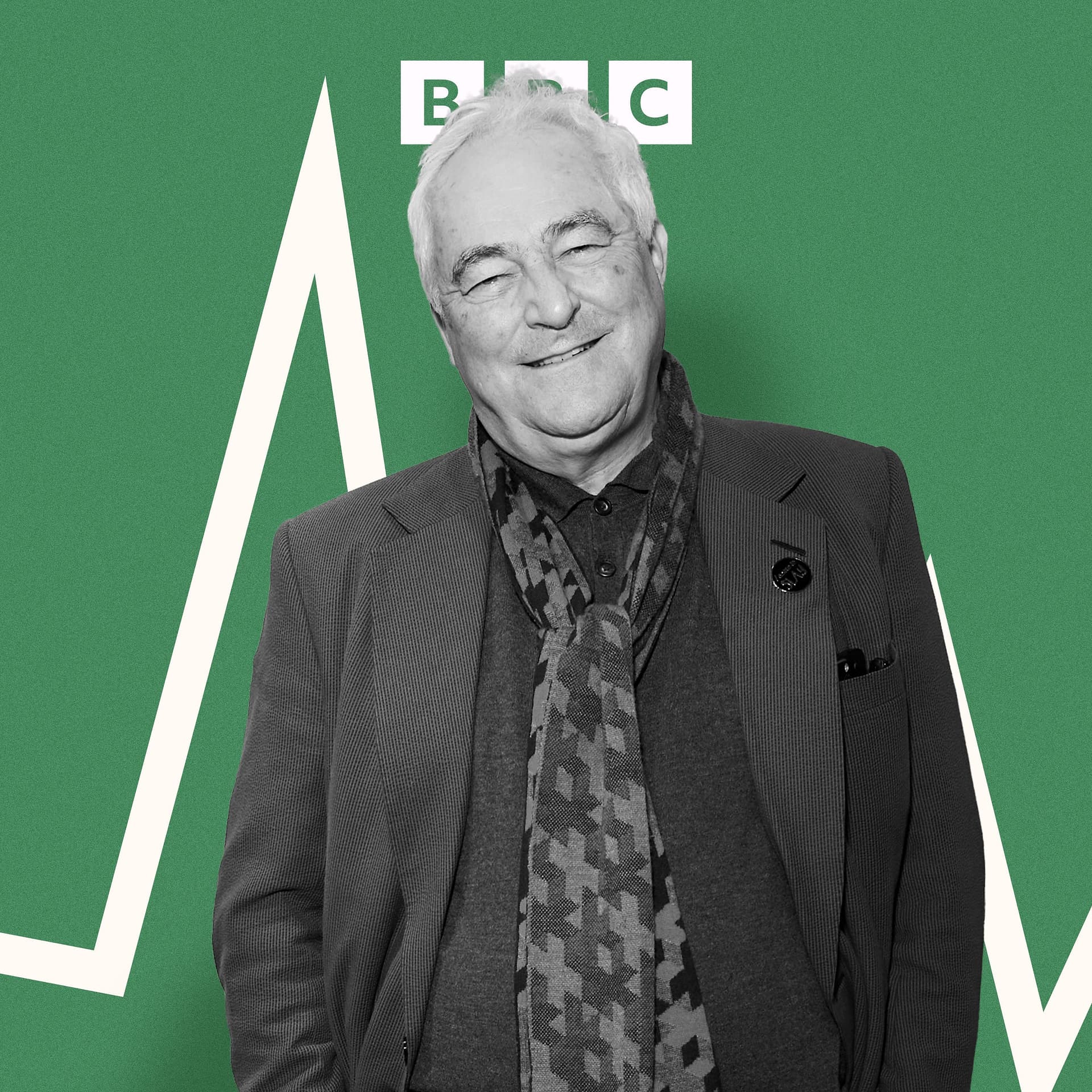
Episode Overview In this episode of Big Boss Interview, hosts Sean Farrington, Felicity Hannah, and Will Bain engage in an insightful discussion with Mark Constantine, the founder and CEO of Lush, a well-known cosmetics company. The conversation covers a variety of topics including the challenges of retail during the Christmas rush, the impact of being a family-run business, and Mark's views on activism and personal development.
Key Themes and Discussions
- Christmas Rush and Retail Challenges
- Preparation for Holiday Season: Mark likens the preparations for Christmas to "preparing for war," emphasizing the logistical challenges retailers face as they stock up for the influx of customers.
- Product Popularity: The demand for Lush products, especially bath bombs, rises dramatically during the holiday season. However, Mark notes that fragrance products have recently become more significant in sales.
- Family Business Dynamics
- Significance of Family Involvement: Mark highlights the importance of family-run businesses in the UK economy, discussing how his children are involved in Lush.
- Succession and Longevity: He reflects on the unique dynamics of family businesses, their challenges, and the importance of planning for succession to ensure longevity.
- Activism and Social Responsibility
- Ethical Stance Against Animal Testing: Lush has long been a vocal opponent of animal testing, with Mark recalling the company's decision to close their UK shops for 24 hours to protest against the war in Gaza.
- Social Media Withdrawal: Mark discusses Lush's decision to withdraw from social media to avoid contributing to issues like mental health crises among the youth, despite the financial cost of £9 million per year.
- Personal Development and Leadership
- Importance of Psychological Support: Mark shares how he works with a psychologist for personal development, underscoring the significance of accountability and clarity in leadership.
- Emphasis on Continuous Learning: He advocates for ongoing education and self-reinvention, especially for older business leaders, stressing the need to adapt to modern challenges.
- Insights on the High Street’s Future
- Morale and Confidence: Mark discusses the current state of the high street, noting a decline in shopper enthusiasm and the need for retailers to restore confidence and vibrancy.
- Retail Environment: He reflects on the need for better legislation to support businesses and improve the overall shopping experience for customers.
- Personal Interests and Hobbies
- Love for Birds and Poetry: Mark reveals his passion for birdsong and poetry, relating it to his approach to business and life. He maintains a collection of birdsong recordings and highlights its calming effects.
Key Takeaways
- The retail environment, especially during peak seasons like Christmas, requires resilience and strategic planning.
- Family-run businesses play a crucial role in the economy but come with their own set of challenges.
- Activism and social responsibility are integral to Lush’s brand identity, shaping its business decisions.
- Continuous personal development and education are vital for leaders to adapt to changing business landscapes.
- The high street must focus on engaging shoppers through positive experiences and collaboration among retailers to recover.
Conclusion Mark Constantine’s insights provide a compelling look at the realities of running a large, ethically-minded business in today's challenging retail environment. His passion for his products, commitment to ethical practices, and love for learning offer valuable lessons for business leaders and entrepreneurs alike.
Written by AI. May contain mistakes. Listen to the episode to check what was said.
Transcript
Automatic transcript. May contain errors.0:13Hello, welcome to Big Boss Interview. I'm Fliss Hanna, but I'm joined now by Will Bane who has been doing our latest Big Boss chat and will with a bit of a stalwart of the High Street, founder and CEO of Lush. Mark Constantine. Yeah, not many people who've got three decades on the High Street are there, Felicity. His career started before that as well, selling to The Body Shop. As you say, one of our longest serving retailers into his 70s now. And as people will hear, still as passionate about carrying on and running his cosmetics and smellies business as he ever has been. We talked about a whole range of things from their continuing kind of activism around no animal testing in their products and how they kind of do things differently.
0:54The importance, they think, of family businesses. So two of Mark's children work in the business with them as well. And we joked about him once being seen as the king of the bath bomb and whether the bath bomb is still king this Christmas. If you've been assaulted on the senses as you make it into one of their stores in the run up to Christmas, then you will know all about those as well. and Felicity pinged me right on. He picked me from a mile off as a person who runs to one of his shops on Christmas Eve to try and finish off their Christmas shopping. And he says he's ready and waiting for anybody like us to come in this Christmas as well.
1:30They're good stocking fillers, aren't they? Those bath bombs. And you're right, that's one of those shops that just makes you think of the high street because it's that smell of the lush shop. As you get closer and closer, it fills the whole shopping centre. And funnily, as we're here, actually not necessarily conscious decision, not a marketing ploy as I thought it was. So Mark will explain why you get that kind of sensory overload when you go into their stores as well. But as you say, Bliss, being such a stalwart of a shopping centre or high streets obviously had loads of interesting things to say along the lines of your previous interviews with James Daunt and Rupert Soames from the CBI as well about what's going on on our high streets, how to regenerate them.
2:07And here's Mark's central message about love, care, really wanting to actually be a retailer. Well, let's listen then. Mark Constantine, founder and chief executive of Lush. Thanks so much for being with us on the Big Boss interview. Oh, it's a delight. Really great to have you in. You've come in. I came to slay. Is that your approach to business? It says on your bag, on your buttonhole today. Yeah, cooperative slaying and responsive slaying, I think. But I just thought it was a great badge for today. I think if you're going to interview the man that's closest to Santa Claus, then he ought to be wearing an appropriate badge.
2:46Why do you see yourself as the closest to Santa Claus? Well, we sell an awful lot of presents at Christmas, especially to gentlemen like you coming on Christmas Eve and tell us they're regulars. You have identified that correctly already. How is it out there at the moment? It's very, very like war. you have your troops you have your supplies everything's organised, everything's ready and then it's just a question of when will the onslaught occur but those last few days can be just massive and so for us, we produce our product in England and that makes a big difference because we can switch it on, switch it off a little bit not that we ever switch it off come Christmas because we sell it invariably in those few days up to Christmas Day it will go absolutely crazy.
3:36And the key then for us as a business is to have the stock. If you're stupid and you lose your nerve, this is what I mean about keeping your nerve, you've got to have the stock. So each manager knows that. I mean, a lot of them are very experienced and they've got secret stashes of stuff. And what goes? What flies? Well, of course, the closer we get to Christmas, the more it is guys buying the product. And I spend a lot of my time making sure that the product's appropriate for them and they will get brownie points or as close as guys ever get brownie points. They will get brownie points once they give it.
4:14So obviously, you know, what builds their confidence is knowing that they came last time. They got a good steer and they did get, you know, a smile and a well done. And we had James Daunt on on this podcast from Wallsons and Daunt Books not very long ago, talking about just how dominant Christmas is for them as a business. Is it as dominant for you as well? Oh, yes, completely and utterly. I mean, there's very few British retailers where it's not dominant. And that's what our speciality is. Yeah. No, it's massive. It's massive. I mean, I can't automatically give you the percentage. But, I mean, five times August.
4:49And August is nice. So, yeah, so it's Briss. how important is the bath bomb? Slightly less important than it used to be but it's still a great thing I mean it's just such a lovely gift and it's guaranteed to give me relaxation and pleasure I raise it as a product because it feels like a barometer and a bit of your history there We've been called lots of different things we used to be called the soap shop then we were called the bath bomb shop obviously for everyone with a smelly shop but our main sales now fragrance really? Yeah people come and buy loads and loads of fragrance so that's the main category at the moment and I was just I've been, I'm quite nerdy I spend a lot of time studying with stuff and I can remember a conversation on the BBC with Clinton where he explained that the American economy had to be reinvented every 10 years so for example they don't sell cars to us all now, they sell tech to us now and then in 10 years' time it'll be something different.
5:52They have to reinvent their economy. I don't know that Trump quite knows that, but that's the basic principle. And it's similar in business. You can't, you know, I mean the lovely thing for Daunt is that he has authors writing him new books. He won't be selling the books he sold last year as briskly this year. So you need a constant set of newness, innovation. Really interesting. We'll come to a bit of that and about that and the landscape full stop as well. and I also definitely want to talk about the smell too but I also raise bath bombs because I read an interview with you from a couple of years ago now I think when you were talking about Anita Roddick from the body shop and your relationship with her and that being kind of one of the products that she didn't think flew particularly well she rejected all of the things that have made us successful so shampoo bars and all but that would give the impression that she wasn't good at what she did she was very good at what she did so she didn't I mean, I would always surrender to her judgment.
6:50I mean, she did say when she saw, my wife Mo and I had done the soaps, and she did say, if you set up a business just selling these, you do very well. But at that stage, they didn't want to buy more from us because it had got to a point they were a public company and we were dominating everything they did. So, you know, it was tricky for her to just take whatever she wanted. I just wondered how important she was. You talked in a later interview than that as well. I'm learning a lot from her. Well, how important she was. Well, I mean, massively important. You know, I was the main supplier and close, confident to someone who was running the fastest growing cosmetic business in the world at the time.
7:32And I mean, she was just great. I mean, she was just so brash and thrusting in a way, you know, like forthright in her opinions and everything else, which was, I can remember saying once about someone, I don't know, Mark, he's got no propensity for panic, which, you know, you do think yourself, well, have I? I mean, how am I doing? On the panic front. On propensity for panic. And panic being a good thing as well. Well, yes, I mean, as far as she was concerned. I mean, she was a bit of a stress carrier in that sense, but as long as you could do it, I mean, she had great confidence in me and the people around me, and that was fabulous.
8:12I mean, it's very interesting, isn't it? If the body shop had continued as a family affair, had her daughters and Gordon wanted to carry on, it's still been here very vibrant and full because family businesses last, I think, on average 50 years. I mean, they sold at 20 years old. They're not doing so well now at 30. I mean really a complete collapse so that shows that's pretty good for a public company a company that's being sold here and there but a good family company will last 90 years and that but she just didn't have that situation she had a partner from very early on went public very early on and of course once you do all that Gordon said it was the biggest mistake he ever made going public.
9:02Did you learn anything from that personally? I don't, well we haven't gone public And yeah, I mean, I would just say family businesses have their own challenges, but all business has challenges. That's the point, really, in a way. And what about that ability to have a route? Because your children work for the company as well. Two do, one doesn't. Yeah, but all three have and all three have the skills. They can all make a bath bomb. Do you like that dynamic? I personally do. Yes. But I can see that for them, it's a challenge. Yeah. I mean, it's not a challenge for me because I, you know, I really enjoy working with most people, but especially them.
9:43And I think that's what people are looking for. They're looking for succession. They're looking for how is that going to work out, which is what we, you know, we have to be very aware of, especially in the modern climate. And that robustness, that ability to have awkward conversations. So I think that's really interesting because it was something that I talked to Julian Dunkerton from Superdry about as well. And there's something about often in the kind of cycle of the business story, right, the person who's the founder, when it goes wrong, it seems to be that other people kind of come in and crowd out that person's opinion.
10:16Or they think that person's opinion isn't there anymore or that they've lost sight of being able to kind of modernize and move along. There seems to be sort of a range of things that go wrong that at their heart are not being able to talk back. I think re-education is important. I think it's vitally important. I have a business coach. I see her every week. I think that especially if someone I'm in my 70s, so for someone in their 70s who wishes to run a modern company, you cannot rely on past experience. Even really great past business experience, you cannot rely on it. Re-educate all the time.
10:48Re-educate. Study. I'm quite a nerd, so I like the studying. And I enjoy business, so it's not a challenge for me. But I can see in the future, certainly in business, people will return to university. They will return to studying perhaps two or three times in their career, especially as we all get older. So could I have done this 50 years ago, still been in my 70s and still running a business? I suspect not. But with modern medicine and modern thinking, I think you can much more. When did you think about getting the business coach? How long have you had it, he or she for? What happened was, sometimes I get overwhelmed and I don't know what to do.
11:29Welcome to my world. Yes. And so I basically had a little period of that. I think it was probably four years ago. And I wrote a little text to a fellow entrepreneur. And I just wrote, help. And she wrote back and said, what help do you need? And I went, I don't know, just help. So she then sent me, she said, well, I think this person may be able to help you. And she sent me Kate's number. And Kate was kind enough to take me on as a client. I've been constantly impressed since. I'm a little bit hempecked. What do you talk about? Accountability. She's going to laugh when she hears that. Accountability.
12:09She's been on at me about accountability. I don't particularly like to be accountable myself. And I run an organization where I lead people to do what they think is best most of the time. and so she thinks we should all be a bit more accountable. Basically, I often feel I'm being led round a maze and on the door it says clarity, which is what she's looking for in communication and above the door it says accountability. And the other day I thought I'd gone through the door and said to her, oh, look, I think I've gone through the door and she immediately picked something I'd only just said 10 minutes before and pointed out I hadn't.
12:44But the point is that if I've got challenges, I've got worries, I've got someone who she's a trained psychologist, very experienced in her field. Clarity and reinvention, two things you kind of talked about, they feel like they kind of bump up against each other a little bit sometimes. If you're constantly trying to think of something new, can you lose that clarity of what you are? And is that something that goes wrong on the high street? How conscious you have to be of the things that are luscious kind of touchstones while you're also doing that reinventing? People like you. new they love new i mean if we want to increase sales put a lot of new product out people love new so it's not it's not a question when i first very first opened right the king's road shop um i thought i had laid out like the fresh on the ice and then the bath bombs like oranges and all this stuff and i looked at it and i thought oh god what have you done mark you've you're not helping the customer here.
13:47So I put a couple of little triangles in the middle with some bottle product on, and people came in and they just ignored the bottle product and they went for all that stuff. And then we had all sorts of, you know, like designers like Jasper Conway and other people coming in saying, this is correct, you've done the right thing. So I think you can relax and let the customers make the judgment and do not, don't patronize them, do not think that they won't understand or they don't do this or they don't do that. You let them decide. Put your best wares out and see how you get on. How important are the feel and, of course, as you joked about earlier, the smell of the shops still now at a lush?
14:28The basic premise is we try to do as much naked product with no packaging as possible. That's just an environmental principle, OK? If you do naked product and it's smellies, the shop smells. people think we pump the smell out to the street no we don't in fact we get into trouble with landlords when they smell us no we're not doing that so you know it's just the fact that we have a lot of naked bath bombs we have a lot of naked product generally 70 % of our product has no packaging so it's not actually a conscious kind of marketing choice no it's too strong sometimes isn't it and people don't they find it offensive if they've got a good sense of smell.
15:11So no, it's not. But you can't limit it. And we're certainly not going to wrap everything in polythene to limit it. Yeah. Are there staff who kind of have to go and have a sit out the back for 20 minutes or whatever or sort of bathe themselves in something else? Well, I think you get very used to it. You become a little bit blind to it in that sense, that the brain smells it so much that it can't smell it anymore. What about High Street's full stop then? You're a real lover of them, aren't you? You were telling me before we started, you've walked kind of the high streets here in central London before we got cracking this morning as well.
15:42Yeah, I've done a couple of streets, yes. I did Bond Street. Well, I wouldn't exactly call them high streets. I did Bond Street, Nightsbridge. But only because, well, it's interesting. It's interesting to get out. But what can you learn from Harrods' Christmas window? You can learn that their windows are not good this year. Oh, no. And you can see that, I think generally what you learn is there's still a long way for retailers to go to build their confidence back. And that shows in every element. It shows in the stock they're holding. It shows in how long they're holding it. It shows in whether they're discounting early.
16:18It shows in what their windows look like. And in a way, you can see the morale in the shop window. You know, when they're feeling really sort of spontaneous and sparky, the windows are like that. I can give you a classic example. So what is the morale out there now? Let me just give you an example of breakdown and anxiety. So if you've got Tintin books over the years, there was a period of time where he broke down, Hergé, and the book that he produced during that time was set in snow. It was all white. And psychologists always sort of say this was the why. Well, I've just seen a whole set of white windows in Harrods.
16:59Every single window is absolutely white. Everything in it is white. And I would suggest to you that the people doing it are not feeling the best. Yeah. But that's just my gut analysis of those windows. I'm sure they would argue beautifully if they were here and say how beautiful and snowy they are. But they are very white. And so that feeling. So when you're a shopper and you're shopping. I'm using Harris. I would say one of the finest retailers in the world. but if you look generally if that feeling if you don't have the daunts in the high street and you don't have those people who know that people like to come into them and they're really engaged in that whole process then the high street itself suffers so what's wrong with the high street at the moment?
17:51When the shoppers come there isn't enough choice there isn't enough stock and people are a bit downbeat James Daunt in that interview with Felicity They also said they need good neighbours. I'm sure that's true for you too, right? Yes, we really look for good neighbours. I mean, the demise of the body shop is not good news for us. People sort of imagine that we're fierce competitors, but we're not at all. We like to see them there. We like to see everyone there. It's nice when, you know, I mean, Marks and Spencers and John Lewis having proper retailers at the head, and I'm not knocking the people before.
18:24That's good news for us because we're retailers. We're not interested in putting flats in or, do you know what I mean? We're interested in retail sales. So has that revival, say M &S is the big one, isn't it? That kind of extraordinary revival really over the last five years. Has that been good for High Street? Well, not enough because obviously they vacated so many spaces in that earlier period. I wonder how much they regret that now. I mean, Smiths, WH Smiths, I mean, you know, for me, I'm sorry to be critical of those people, but I don't think they're real retailers and I think they missed the point.
18:59Why not? Well, because they've sold all their high street brands to someone else to run because they couldn't make them successful. I think they could have made those successful if they had Daunt's attitude instead of whatever attitude they had. And I think that what happens with us all, we make mistakes. You make a series of mistakes, just sort of mean. And if you don't have the, if you're not going to be self-reflective enough you just flip off the end you know what I mean and the shops close which is what you know I mean I've been in the new Smiths and they're looking nice and so I mean but you know there was this wonderful chap who had a website didn't he with soggy carpets criticising Smiths you know it's just self-respect Smiths come on get your carpet sorted out you know what I mean it's just that stuff it's just really very basic things when you're retail does it come back to i don't know i'm trying to pluck a word but it's about love it's about care i think love of the customer i think uh i think you do have to like people you can't be a retailer i suppose you can i'm thinking of market traders that tell their customers off but for me personally um being able to serve people in that way I probably, when I ran at the very beginning, I was offered a job as footman to the Duke of someone or other, and would have quite suited me really, I quite like that kind of thing, I like to surf I like the Jeeves kind of feeling, I like that sort of hope that you're slightly superior but perhaps you're not I mean Jeeves is the hero if those are the things that can be controlled by you guys on the high street, if I lump you all together for a second.
20:46What are the uncontrollables that are kind of creating some of that downcast morale, I suppose? Actually, we were talking about Parliament earlier on and I had the good fortune to be able to address some MPs at Parliament last week and one of the things I pointed out, I think we'd had 43 different pieces of new legislation in two years. So you hear all this stuff about we're cutting red tape and that's the rhetoric, but that isn't what's happening. And in my opinion, a good government should be legislating. What on earth? It'd be a pretty poor beast, wouldn't it, that didn't legislate. But legislate for the right things.
21:25We don't need, what we need is good legislation on hair dyes, good legislation on preservatives, good legislation on sunscreens. They're the things that are a bit iffy. And we would like to know more. And we could have lots more research. Just explain that. well hair dyes have been suspected of causing cancer from for at least 100 years i've written a book on it other people have written books on it and so it's a frightening area to legislate whereas essential oils someone might get a slight irritation from one so don't need to legislate for that because we can look after that but you need legislation on the major health issues that's so interesting because a lot of the time we hear just constant calls really to deregulate to get rid of rules and regulations actually good sensible well thought through ones can aid business can aid growth can aid good retail and that's part of what you know we're an international company part of why we can do the international thing is we accept we accept our taxes and we accept legislation and we work within it that's our job not to be smart ass and try to avoid this or avoid that avoid the other work with it work through it get it done and that And so I suppose we would ask for good legislation because we like working within the framework.
22:43Well, on that, before we move on, we had Rupert Soames on the programme again talking with Felicity recently on the podcast, outgoing chairman of the CBR, the lobby group. And this is what he had to say about politicians and the government in particular. We all agree that the minimum wage is a good thing. But the fact is, particularly amongst the young, the very rapid increases in the minimum wage and the national insurance contributions, the lowering of those limits is making it massively more expensive to employ people, particularly the young. And we have the employment rights bill, which is going to make it massively riskier.
23:19And he also said to Felicity that he thought every time he spoke to MPs broadly, not just the government, that he was shocked by the lack of understanding they had about business. Is that a sort of shock that you share? Well, first of all, we were always paying the living wage and we worked with right away from the very beginning with the Living Wage Foundation. And these were clerics. And to be clear to people, because the governments have changed the language about this and now the minimum wage is called the living wage as well. You're talking about what people now call the real living wage.
23:52And that was invented by a set of clerics that were fed up with people coming in their churches and their synagogues and their temples in complete poverty. So they came up with that idea and it was wonderful. And I'm not knocking the government for taking that. It was a great idea. They took it. Great. And now they've increased the base salary. Surely we're not going to complain about that. The whole key here is that's part of the total economy. So I think that's good legislation. I'm delighted that my colleagues get paid that. I get paid a percentage rate of what they get. I'm delighted if we lift our petticoats up.
24:37That's good news. So it's good news for everyone. And it's good for the economy because you've got more money coming into the economy at the biggest point. If you think it's a triangular economy, the people who are getting these raises are at the bottom. The government is perfectly correct to think that if they increase the money at the bottom, things might well improve. Well, unfortunately, the poverty was so bad that it takes quite a bit to do that. So no, I don't agree with him at all. In fact, I absolutely disagree with him. I'm delighted to pay the extra money to get the staff up to a proper level.
25:13And I think we should celebrate that. And I think the government should celebrate it. What, I don't know, encourages more people to see it like you do? I mean, how do you work it into your business model? Well, let's talk about family businesses again, because what we're talking about there is how do you get a delivery of money to shareholders, right? I'm not into that sort of business. It's not my cup of tea. I think that, you know, family businesses are huge in Britain. They're much bigger quantity of people, much bigger employer than the city and all of this stuff. So we're not trying to deliver.
25:49And the thing about a family business is it gets the good times, it gets the bad times. When you get the good times, you take a nice holiday somewhere good. And when you have the more fallow times, you take that in your stride. That's why they last longer. Yeah. And as a result, then, have we become a bit too obsessed with, you know, the government's talked a lot about it, hasn't it, growth? Obviously, that's very important if you're a listed company because you're growing to try and grow shareholder return. They made a dreadful mistake. That, I would say, they don't understand. They don't understand the strength of family businesses, farming, the whole thing there.
26:27They're all family businesses. They don't understand any element of that. And they have been sold a belief in a greedy culture. Giving someone, one of your staff, more spending power. You can be one of my staff, all right? I'm 73. You worried about that? So what are you worried about? Well, you're going to be worried that we're going to sell to someone because we don't want to pay inheritance tax. which in our case will be 20 million or something like that. So we will sell to someone else, and all of your hard work and the company you love and the thing you did is all going to be sold downstream.
27:08That's the real worry on succession. That's your worry as a staff member. You're a little bit worried about me, but you don't actually care. You want to know, when you're not there, Mark, what's going to happen to me? I've been working for this company for 20 years, 30 years, whatever. I've put my life into it. I'd like my children to come, you know? that's what you'd like but why do you care about that as the boss because i respect the people that i work with they give a lifetime they don't it's not to do with the money is it it's that it's how you spend your time that's the key to everything i mean it's is we we have a finite lifetime and how we spend our time is important and and whether that's respected if you work for me and i then sell the company on and i have all the money and i disappear to the cayman islands yeah what does that do for you?
27:58does nothing for you and that in my opinion is not a responsible way to go about business, there's a much better way, you know, I think you've seen I did a poetry business book have you seen that? Which is just me trying to say look it's not like The Apprentice and it's not like Dragon's Den you don't sit there, the only people who sit there with a pile of money on their bedside table is my mum, right? you don't that doesn't the way it works all of this nonsense about oh can you give a three minute pricey of your business and we're going to just ask you a few questions that entertain the viewers no i mean business relationships i have are built up 10 20 30 years they're not they're not a click of the fingers and you know you should give at least two years of thought to it all and you think that's key to kind of your longevity well i hope so but i mean you know obviously your listeners are listening to a whole series of different people all full of their uh their own importance so uh one hopes so and just a final thought on that section then as well but but your argument i guess economically beyond being good for lush and being good business and being how you think it should be run as a company and what business is actually for and the point of it can it be good economics as well can it be good for the country as a whole family businesses give better returns on investment at every level the all of the parameters for family businesses are better and your listeners prefer to shop with family businesses you joked about your poetry book yes another one of your uh hobbies passions no i i i reach for poetry when you know i told you help um i'm i'm prone to that and uh and the thing about poetry is it's this wonderful distillation um of thought that that is it's a shorthand and it's great for business people so yeah so i i i worked with a poet and um and she knows how to collect an anthology um deb and and uh and we came up with this business poetry it's not business poetry okay well it is but it's it's It's If was Britain's favourite poem about four years ago, yeah, by Rudyard Kipling.
30:24That's a classic business poem. If you can bear to hear the words you've spoken, twisted by knaves to form a trap for fools, yeah, that's a business premise. And so there are many business premises. Another one that he did was a marvellous couplet, which is the rat at the rope and the moth in the cloak. and the rat at the rope, how they must love what they do. That decaying force is what you're dealing with all the time. If you take the body shop, Anita worked to build it up. And then there's always forces attacking it to bring it down. Yeah? So that's part of it. So, yeah, there's a lot of wisdom in poetry.
Read the full transcript
31:06I like it. One of your other collections is, am I right in this? Oh, Bird Sound, yes. Is that true? What do you mean, is it true? No, it's the largest in the world, your collection of birds out. No, it's not the largest in the world. It's the fourth largest in the world. There's a marvellous citizen science one from Holland that's number one. And then there's an American one that's number two. The British one's number three. And then we're number four. It's a private collection. It's basically we publish books on birdsong. I once had an interview with a German paper, right, who did not believe that I could be doing my cosmetics and be an expert in birdsong.
31:47So they brought along a load of sonograms, which are the things you read to know, to test me, to see, because they just couldn't believe it. I don't know why. I'm not, you know, I'm a nerd and I'm an overachiever. Well, for a long time on our radio station, on Radio 4, we had Tweet for the Day. Yeah, Tweet for the Day. And the first time I ever heard that was in Finland, which was 1980, where they play the bird song every day. How perfect is that? What a lovely way to start. What should be a tweet for the day? What is the most, you know, to get you in the mood for going to work for the day? Getting you in the mood.
32:25Well, I don't know. Is that the wrong term then? To prepare you for a day ahead? It is for you and for your listeners. For me, it's Blackbird's song is just breathtaking. How fortunate are we to have it? How soon will it start? Hopefully in January or February. How soon will it finish? Oh, God, it's June already. I just think it lifts our spirits it calms us down everything about Birdsong is as far as I'm concerned fabulous So we need a bit more nerdiness in Britain do you think? I am fiercely nerd I get up at 4 o 'clock and write books on Birdsong, I mean I'm just fiercely nerd, I can't help it Because you like it, because you've got into a habit of doing it both?
33:09Well I like learning stuff, I mean I've learned, I've just I did a book 17 years ago called The Sound Approach to Birding and the collection's called The Sound Approach and I've just we're just about to bring out second edition next spring I can't believe how much stuff I missed on the first book in 17 years there's been masses of stuff shall I just tell you one lovely story one of the pieces of research they worked out how to put little sensors into songbirds that measured their dopamine and And they, you see, so what happens with songbirds? So if you've got your field guides at home, right, let's take the Collins Field Guide.
33:51Everything that is before woodpeckers pretty much set in stone. You can learn that. Everything after woodpeckers, they learn it. They learn their own songs. So they change. It's all very, very plastic. And what they learned with these studies, they took finches. They know that the finch learns its song from its father. Then it practices it. they then isolated these finches with little dopamine patches in them measured the dopamine when the bird got the father's song right the dopamine level rose and when he got it wrong it reduced and that shows birds sing for joy well and they love learning too yeah things like you but they sing for joy but how wonderful is that is that where a big part of your passion is that where it kind of matches with Lush and, you know, the no wildlife testing?
34:45It's the senses. It's the senses. The sense of smell, visual, the sounds. I'm very, very interested in the senses. Massage. And that manifests itself in being, I mean, is this the right word? Are you an activist in that space? A conservation, a wildlife activist, would you say? I think a lot of people would say I was. I think people that I've upset. I don't know. Activism, it's a great word, isn't it? I mean, Anita, that was how she wanted to be defined as an activist at a funeral. It was the predominant word and everything about it was activism. I learnt a lot from her, but there's some things that just have to be done, aren't there?
35:30They just have to be done. Well, I'm interested because it seems more difficult actually. You're going to ask me about Gaza, aren't you? I can feel it coming. not necessarily actually but but you have been you have talked about that a lot and i just wonder really about it's not what i was going to say is it's not an easy time as the world's become more polarized it's a less and less easy time to talk about anything that you're active in yes you guys have have taken a strong stance on the war in gaza but also on on anything on environmental issues it feels like now you can put off a whole lot of people very quickly quicker perhaps than before or you tell me perhaps than before, by being active or being out there.
36:07And actually most business leaders as a result try and say absolutely nothing at all about anything that's happening in the world around them. And I just wonder how you balance that. Well, I'm often called left wing because I'm interested in compassion. I don't think being compassionate has a political stance. I think being kind, being sympathetic, being compassionate is something we're all capable of and all want to do in certain areas. Where it falls apart is where people want to be unkind to others. So you want to be unkind to an alien, someone with a different colored skin. You want to exploit nature and you don't see its value.
36:52So, yeah, and you're not going to get on very well with me if that's where you are. But could that have an impact on your business as well? You know, if someone says, I don't like what Mark Constantine thinks about you said Gaza. If Mark Constantine, I don't like, I don't agree with what Mark Constantine stands on Gaza. I'm not going to go into his shops anymore. Does that follow through? Absolutely. You should. That's what you should do. You shouldn't come in my shop because I'm going to take the profits that you're giving me and I'm going to do more of that. so no you absolutely shouldn't support me the only problem is who are you going to support um and and what are you supporting when you do that what what is your position um i think it's up to people if they want to fox hunt and they want to shoot pheasants and all the rest it's up to them but i don't approve of it yeah um it's not just me i mean i attract you know i mean i'm not a vegan but i have an awful lot of vegan staff um who give me a good telling off when they see me eating fish and chips uh they call me a fish and chipper crit that's why i get called um so uh i just think that i just think that being kind being compassionate being thoughtful of others whatever their sexual orientation whatever their their color I suppose really I like being woke okay I've been waiting all my life for a society that is empathic and sympathetic and I believe it's there in spades so do I think and that people will pay for it in the context of what we're talking about today it's up to them I don't mind whether they do or not will they still seek out brands the flip of what we were just talking about all the research indicates that all the research indicates indicates that nothing has changed that the new generations are even more passionate than they were before why wouldn't they be it's their future and within that kind of context you guys have made a conscious choice to use social media a lot less too haven't yeah well that does cost us a lot cost us about nine million a year not to be on social media um and and you could imagine you know your products doing very well on those very visual mediums because we attract exactly the people that are going to suffer from social media.
39:06That's why we would do very well, aren't we, if we had a TikTok shop, yeah? We'd do very well. But if you think about it yourself, I have a daughter. My daughter committed suicide. It would be the end of my life. All those, so what we're talking about here is suicide is the main cause of death in Britain of people under 35. It's the main cause of death in Japan, another major market for us, under 35. It's the second one in America. after gun crime. So do I want to be part of that? Even one person? No. And does anyone in the organisation know we don't? We have repeated debates. Should we go back on?
39:45Nine million a year, yeah? No. And now you've got people being sexually, young children being sexually exploited. So much is wrong with all of that. And we all know it. And that's where the legislation should be pouring in. We should copy Australia. Well, I, we've just, I know a colleague of mine was in Australia just recently asked in every interview she did about how we cope with that. You can cope with it. You can come off it and it can be great. You know, don't, it's one of the problems of social media that it blinds you to alternatives. And why do those young people still come to your stores then, do you think?
40:24Fun. It's fun. Is that the key to getting the high street back again? making shopping fun yeah it's fun and we love them you know i mean you know i i was in york last christmas and uh my my manager there was an ex disney princess and she sat on the floor with a whole load of kids all around her telling them all about the product or or they can make bath bombs or they can make potions or lotion and i'm very keen on all so i'm not keen on marketing where you choose your, you know, you're my choice. I mean, you are my choice at Christmas Eve, I would say. But otherwise, you're not my choice. I would like everyone from nine to 90, and I especially like mums and their daughters.
41:09They're my favourite group. Mark Constantine, founder, chief executive of Rush. Thanks so much for your time today. It's a real pleasure. Thanks for inviting me.
41:21Thanks for listening to Big Boss Interview. Remember, you don't just have to listen. you can get in touch with us. The email address is bigboss at bbc.co.uk. And hey, why not subscribe as well? And throughout 2026, you can hear all of these chats. Subscribe now on BBC Sounds. Thanks a lot.
From the publisher
Mark Constantine, founder and chief executive of Lush, discusses the Christmas rush, family run businesses, being "woke" and his love of birdsong in an amazing interview for Big Boss. He offers a festive perspective on the realities of retail during the Christmas season and describes the intense preparations for the holiday rush as akin to “preparing for war,” highlighting the logistical challenges and the need for resilience as customers descend on shops in the final days before Christmas.
He also discusses the importance of personal support in business, revealing that he works with a psychologist who helps him navigate the complexities of leadership and decision-making. He explains how regular sessions provide accountability and clarity, underscoring the value of ongoing self-development for business leaders.
Mark founded Lush with his wife, Mo, and their children have all been involved in the company in various ways. He reflects on the significance of family businesses in the British economy, outlining the strengths and challenges of running a family enterprise and considering succession, longevity, and the unique dynamics that shape these organisations.
Mark has followed in the footsteps of his business mentor and confidante Anita Roddick (Body Shop founder) and decided early on that you can run a business and be outspoken about the issues you care about. As well as shutting his shops in the UK for 24 hours to protest against the war in Gaza, Lush has also been vehemently opposed to animal testing from the outset, and even closed down its social media presence—despite costing the company £9 million annually in lost revenue. He explains the reasoning behind this move, citing concerns about the impact of social media on young people and the company’s commitment to ethical responsibility.
He also reveals a deep personal interest in both poetry and birdsong, describing the former as a source of wisdom and a means of distilling complex thoughts into concise, memorable lines, noting its value for those in business. He is a self-confessed nerd who loves learning and maintains one of the world’s largest private collections of birdsong recordings