In short
Big Boss Interview Episode #28: Holland & Barrett CEO: Social Media Self-Diagnosis Reshaping Health Retail
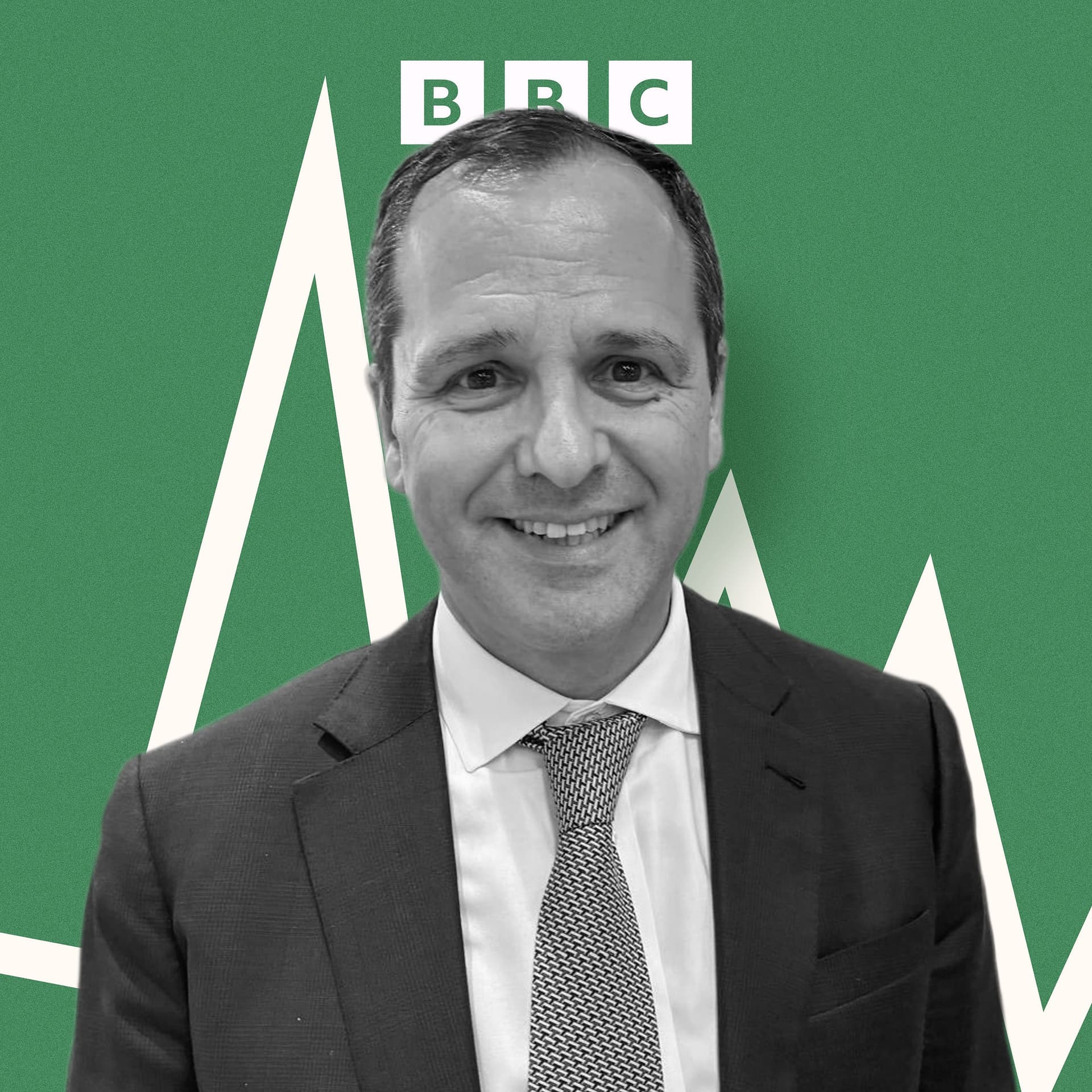
Episode Overview In this episode of "Big Boss Interview," Anthony Houghton, the Chief Executive of Holland & Barrett, discusses the evolving landscape of health retail influenced by social media and online self-diagnosis. The episode delves into the challenges and strategies of navigating consumer perceptions in a £110 billion global health and wellness market.
---
Key Themes and Discussions
- Changing Consumer Behavior
- Influence of Social Media: Houghton highlights how consumers increasingly turn to social media and influencers for health advice, often leading to self-diagnosis before entering stores or visiting websites.
- Evolving Expectations: Customers come pre-informed about their needs, which can result in misunderstandings regarding product efficacy and claims made by retailers.
- Holland & Barrett's Strategic Response
- Investment in Science: In response to changing consumer demands, Holland & Barrett has established a dedicated science team, leading to the reformulation of approximately 2,700 products.
- Regulatory Challenges: The company navigates strict regulations on health claims, which creates a gap between consumer expectations and legal marketing capabilities.
- Financial Performance and Investments
- Sales Growth: Holland & Barrett reported an 11% sales growth and digital sales up by 20%, indicating a successful transformation process despite significant investments (around £300 million) in store refits and supply chain enhancements.
- Profit Margins: The heavy investment has affected profit margins, but Houghton remains optimistic about future efficiencies restoring profitability.
- Physical and Digital Retail Integration
- Store Experience: Houghton emphasizes that physical stores remain central to the company's strategy, highlighting their complementary role to digital channels.
- Community Engagement: Collaborations with diagnostic providers to offer health tests and personal consultations enhance customer engagement and service offerings.
- Operational Challenges
- Cost Pressures: With rising minimum wages impacting operational costs, Holland & Barrett seeks to improve efficiencies without passing costs directly to customers.
- Employee Training: Investment in staff training is prioritized to ensure knowledgeable advice is provided to customers regarding health products.
- Health and Wellness Trends
- Growing Product Categories: Houghton notes significant growth in the demand for magnesium, creatine, and fiber supplements.
- Consumer Education: The importance of educating consumers on the actual benefits of products, especially regarding trendy topics like perimenopause, is acknowledged.
- Loyalty Programs and Customer Relationships
- Data-Driven Personalization: The loyalty program is a key tool for understanding customer preferences, allowing for personalized marketing and engagement strategies.
- Customer Trust: Building trust through transparency about product efficacy and responsible marketing is a core focus for Holland & Barrett.
- Future Outlook for Retail
- High Street Resilience: Houghton argues against the narrative that the high street is dying, asserting that successful retailers adapt and thrive by investing in their physical presence and customer experience.
- Career Opportunities in Retail: Emphasizing the diverse opportunities in retail, Houghton encourages younger generations to pursue careers in the sector.
---
Key Takeaways
- Navigating Misinformation: Retailers must address the gap between consumer beliefs stemming from social media and actual product efficacy.
- Commitment to Science and Education: Responsible retail requires continual investment in science and consumer education to maintain credibility.
- Balancing Digital and Physical Strategies: The interplay between digital growth and physical retail is crucial for providing comprehensive customer service.
- Employee Investment: Training staff and ensuring they are knowledgeable about products are essential for enhancing customer trust and satisfaction.
---
Conclusion Anthony Houghton’s insights reflect a proactive approach to the challenges facing health retail today, focusing on consumer education, responsible marketing, and the integration of physical and digital retail experiences. The commitment to quality and customer service positions Holland & Barrett favorably amidst the evolving landscape of health and wellness retail.
*For feedback or suggestions on future guests, contact the team at bigboss@bbc.co.uk.*
Written by AI. May contain mistakes. Listen to the episode to check what was said.
Chapters
Tap a time to open that second in VOHolland & Barrett's Growth Strategy
2:56 to 4:19
Discussion on Holland & Barrett's recent performance and growth strategies.
“Lots to talk about in a very interesting sector, very interesting part of our lives on the high street, retail, whatever that might be.”
Consumer Health Trends Post-Pandemic
4:19 to 5:43
Exploration of how consumer health and wellness perspectives have shifted post-pandemic.
Product Efficacy and Consumer Trust
5:43 to 7:18
The importance of product efficacy and ensuring consumer trust in health products.
“So talk about the core range of products in our business.”
Dedicated Science and Product Improvement
7:18 to 11:03
Discussion on Holland & Barrett's investment in a dedicated science team for product quality.
“They've looked at what it says on the packet.”
Navigating Regulatory Changes
11:03 to 12:20
How Holland & Barrett is adapting to regulatory scrutiny in the health supplement market.
“So it's never, you know, as new products come to market or as new science or new learnings or new testing comes to market, it'll never stop.”
Understanding Health Needs: The Perimenopause Example
12:20 to 14:04
Exploration of how Holland & Barrett addresses specific health needs like perimenopause.
Expanding Accessibility in Health Retail
14:04 to 18:08
Learn how Holland & Barrett is making wellness products accessible to all ages and health needs.
“It's not a product that has directly been linked to proving that it will help the perimenopause.”
Navigating Health Claims and Regulations
18:08 to 19:38
Discover the challenges faced in marketing health products under strict regulations.
“if they said you're not allowed to use that word on there, would that be beneficial for customers?”
Trends in Vitamins and Supplements
19:38 to 21:32
Explore the fastest growing products at Holland & Barrett and the importance of fiber.
“And actually, do people really understand how important fibre is to the diet and to the system?”
Pricing Strategies in Health Retail
21:32 to 23:57
Understand the complexities of pricing strategies and promotional offers in health retail.
“I was just reminded as I was looking at that product we were talking about before, there's a lot of 20 % off here, 15 % off there, use this code, buy one, get one, freeze.”
Show all 24 chapters
Customer Insights Through Loyalty Programs
23:57 to 25:57
Learn how loyalty programs enhance customer relationships and improve service.
“Oh, yeah, a lot more about our customer.”
Evolving Retail Strategies in a Changing Market
25:57 to 28:00
Examine how Holland & Barrett adapts its retail strategies to changing consumer behaviors and market demands.
“have that personal relationship with you it's not a copy paste it's a one-to-one relationship that you will have on your health and wellness journey with Holland and Barrett.”
Retail Location Strategy and Customer Trends
28:00 to 28:33
Learn how Holland & Barrett adapts its store locations based on customer behavior and market trends.
Impact of Working from Home on Health Retail
28:33 to 29:17
Discover how working from home has influenced consumer choices in health and wellness.
“Yeah, so there's no doubt working from home affected snacking and food for many people.”
Revitalizing the High Street Experience
29:17 to 30:28
Understand the changes in the high street landscape and the efforts to revitalize it.
“whether that's exercise, whether that's what they consume.”
The Role of Customer Service in Retail
30:28 to 31:28
Explore the significance of customer service and community engagement in retail.
“it and whether it's individual stores that have individual chains that have struggled or towns and their high streets not being what they once were once upon a time.”
Balancing Costs and Employee Wages
31:28 to 32:42
Learn about the challenges of rising costs and the commitment to fair wages for employees.
“Now, the challenge we've got is how do we make our stores more relevant?”
Investments in Technology and Infrastructure
32:42 to 33:56
Discover how investments in technology and infrastructure are shaping retail operations.
“other things that, you know, employment rights laws going through the political process along the way?”
Changes in Employee Pay and National Standards
33:56 to 35:18
Examine Holland & Barrett's approach to employee pay in relation to national living wage standards.
AI's Role in Retail and Customer Interaction
35:18 to 36:45
Understand the integration of AI in retail and its impact on customer interactions.
Innovative Health Services in Retail Stores
36:45 to 39:15
Learn about innovative health services offered in Holland & Barrett stores, including diagnostics.
“And that's why, for me, digital and retail complement each other.”
Accessibility and Affordability in Health Retail
39:15 to 40:00
Discuss the importance of accessibility and affordability in health-related retail services.
“There's this parallel, you know, everything, the system that you've talked about there, which sounds great for people if they can get involved in it.”
The Path to a Career in Retail
40:00 to 41:20
Explore career opportunities in retail, particularly for younger generations.
“Now, just to wrap up, so you mentioned 16 years old, Saturday job.”
Career Opportunities in Retail
42:00 to 43:39
Explore the potential career paths and optimism in the retail sector.
“And how do you provide that career path?”
Transcript
Automatic transcript. May contain errors.0:00This BBC podcast is supported by ads outside the UK.
0:30the highest B2B return on ad spend of major ad networks. Spend$250 on your first campaign on LinkedIn ads and get$250 credit for the next one. Just go to linkedin.com slash broadcast. That's linkedin.com slash broadcast. Terms and conditions apply. This message comes from Schwab. At Schwab, how you invest is your choice, not theirs. That's why when it comes to managing your wealth, Schwab gives you more choices. You can invest and trade on your own. Plus, get advice and more comprehensive wealth solutions to help meet your unique needs. With award-winning service, low costs and transparent advice, you can manage your wealth your way at Schwab.
1:10Visit schwab.com to learn more.
1:27Hello and welcome to the Big Boss interview podcast. I'm Will Bain. The health and wellness industry is valued at around£110 billion in the UK and our guest today runs a company that's been involved in this sector and been a mainstay of the British High Street for more than 150 years. Sean Farrington has been doing the interview and we're talking about Holland and Barrett, Sean. Yeah, after 150 years or more on the high street and the chief executive there, Anthony Horton is who I've been talking to. Unsurprisingly, a large amount of our conversation was about just what it takes for some of those supplements, all those products in those Holland and Barrett stores to get onto their shelves and what it is that can be on those labels, the questions customers might have about all of that because it's been a fast-growing market, as we hear lots of details about in this conversation.
2:21But also many people have lots of questions about it too. So we got into that. They've got a really interesting insight onto high street practices at the moment. We hear some confidence and backing of the high street that maybe sometimes can feel a little bit rare from other chains that have been around for a while as well. And we got a little bit into what it was like starting out in a shop himself at 16 years old and why he stuck with retail for so long. So plenty to come from Holland and Barrett. The chief executive there, Anthony Hort.
2:54Thank you for joining us. Yeah, thanks for inviting me. Lots to talk about in a very interesting sector, very interesting part of our lives on the high street, retail, whatever that might be. And we have the latest results from your performance at Holland and Barrett. So this is in the year up to the end of September last year as a private company. How do you tell the story? Yeah, no, I'm pleased. It's our third year of double-digit growth. So sales overall up 11%. Yeah, pleased with our retail performance, a very strong foundation of our business, and super pleased with our digital performance.
3:27So, you know, overall up 20%. Digital sales are now 21 % of our total sales. And in the UK in particular, it was 26 % growth. So digital and retail complemented each other really, really well. Our customer growth is there as well. And it was our biggest actual year in 155 years, our biggest year of investment. So, yeah, you sort of touch on the profit. In the last three years, we've invested about 300 million into the business, really firmly fixing the foundations. And we're coming out of the back of that. So, obviously, more to do. Always will be more to do. But I'm sort of sat here pretty pleased at the moment.
4:02And the UK is your biggest market, but not your only market. Yes, it is the biggest market. We're obviously in Ireland. We're in Benelux. and we're actually through partners in 21 countries actually so we're a lot more global international than people realize but yeah our home market at the moment is the uk and i so it's a business we're heading in the right direction you know and if i think back to the pandemic and we're still talking about the pandemic but the impact and shift in people's thinking about health and wellness post the pandemic was dramatic you know in a business like us we're in the right place at the right time and if you think about the pressure on the health systems we've got the nhs here in the uk you know it's a fabulous service but it's under pressure there's no doubt about it and more and more people are going to digital channels to and we see this all the time so almost self-diagnose they maybe see something from an influencer or see something on social media and then interpret that as their own health and wellness needs so you know we're trying to take a responsible position in this place and really get focused on preventative health because we've all got our own dna we've all got our own individual wellness needs but actually where do you go so us we're trying to make ourselves as accessible as possible so be that physical or digital but also how do we communicate in a way that's meaningful and individually it's personalized so what we're definitely seeing consumers you know customers take a lot more interest in their health and prevention is clearly better than cure you know we definitely see and the stats will show that people are living longer but not necessarily longer with good health so it's an important time I think and the focus on health and wellness has never been as strong.
5:42But do you have to be really careful when you say prevention about what it is you're selling and how much you are selling it for the purpose of prevention because there's a bit of a difference between something on a packet saying this prevents whatever and somebody seeing something from an influencer online looking for that product and then you're selling it but you're not saying it prevents things and people a lot of people in this very confusing and new world for a lot of people might not actually see the difference between those two things you're still selling that product yeah yeah no you're right and this is an area that we if we go back you know even as it's just three years ago and i've been in the business you know just just over seven years now but in this group role seven months but we took a decision to invest in in a dedicated science team we've got a very very talented science team and a very very capable product team that what we started the program on three years ago was reviewing our whole range of products and it's not that we you know what we have is healthier options in some case people want choice but absolutely we wanted to make sure that we present a product range that can deal with people's conditions, can support people's conditions, can help preventative health, but how do we make sure that it is efficacious and science-led?
7:04So talk about the core range of products in our business. There's about 4 ,500 SKUs. 2 ,700 of those have been changed in the last couple of years. Because? Because our science team have done the review. They've looked at what it says on the packet. They've made sure that if it says it's going to do something, it does something. They've got evidence to back it up. And our own brand in particular, so where we put Holland and Barrett on something, we've put over 1 ,000 SKUs now in the last 18 months where we've completely overhauled the products. When you say SKUs, by the way, it's SKUs. Sorry, I mean individual products.
7:41Just put an item on the shelf. A magnesium, a vitamin D, a vitamin C. So we definitely recognise that. We definitely recognise that there's lots of good content out across all the social channels, but actually some of the content isn't accurate. and some of the content, even though it's accurate, might not be relevant for that individual. So the other area we've doubled down on is training and development and we're still doing that. So at a time when, yeah, we've all got cost pressures, it's challenging how you balance the books, but we actually further invested in our colleague training. So our colleague training that sit in a contact centre that you can, from the comfort of your own home, have a consultation online, you know, but definitely on our front line in our 809 stores.
8:21So we never allow anybody to serve a customer and give advice until they've completed the training. So it's a significant investment. So we've got to be able to have a personal conversation with you when you're in the store so we can give you advice. When you talk about those items on the shelf that your team may be saying isn't applicable. So are you saying there's 2 ,000 items that were being sold that now aren't or what changed? It's just how we've upgraded them. You know, we've... What does that mean? The contents, we've made the ingredients better, the formulation better, the communication on the packet better.
9:02We just knew we could do a better job. And is that because the regulator is having to keep more of an eye on this kind of stuff? Is there a sense that these things maybe weren't good enough before? Nothing to do with the regulator from our point of view. It was us taking a responsible position. We can see that there's a need. where do customers go? And how do we make ourselves accessible to customers to help them with their health and wellness? You can walk into a Holland and Barrett today and speak to a colleague about multiple conditions and they're trained and if not, they've got access to the information.
9:37So it's not that I'm criticising where we were, but we can always do better. And as we invested in this dedicated science, fully qualified team and where we can make an improvement to a product of a range, we'll do that. and we'll continue to do that that's part of our you know our plan now so where did all that sort of fit in because towards the end of last year which the watchdog who often will keep a close eye on what's going on on our high street what's been sold whether it's prices or contents ingredient size those kind of things particularly with regards to regulations around it you know they found a few places not just holland barrett but it did include holland barrett were say selling a supplement a vitamin tablet that in its individual dose of the tablet was higher than the recommended overall intake for it and you on the back of that made adjustments because of that and said we'll actually make sure yeah all of the stuff that we do isn't at a dose that's higher than the regular and that is that's again part of the reason that we set this team up so we've got a science team we've got a regs team we've got a product team they're significant investment in in the organisation.
10:44And just as... To almost get ahead of that stuff so that you're needing others to call it out. To get ahead, but equally, there's always new learnings, there's always new science, there's always new products that come to market. So if we take a wrong turn, we've got to take a right turn really, really quickly. So when, I think at the time you said by the end of October we'll have, you know, got everything all done. Has that been met? Yeah, but it'll never stop. So it's never, you know, as new products come to market or as new science or new learnings or new testing comes to market, it'll never stop.
11:13It's almost a risk in the organisation. If you're running the business and you haven't got people monitoring this stuff in a health area of the market It absolutely could be but from point of view we want to take that responsible position and that's why it's an area that we've put money into we've invested it, it's an intentional decision we want to be trusted the products that we sell you consume or you put on your body and it makes a difference it can make a difference to your life, your living life every day so we have to take that responsible position for sure it was notable to me when i was looking at some of this stuff that which we're looking into that you know other competitors out there that the regulator have been looking at that which been looking at included the likes of timu that selling you know products that would be rivaling many of yours do you have any concerns about how you know rivals that are behaving out there the competition that you're up against when you sort of see what customers can do the second they go online?
12:11Yeah, my concern is all about what we're doing. You know, we're 150 business that's been trusted by millions of people. We can see that people are in desperate need of advice, help, information, so they can make their decisions. We've got such a wide span of control. We're available 24-7 digitally, but when you've got 800 stores in the UK and Ireland, we're pretty much in every town so what's important to me is that if a customer comes in and wants some help with their health and wellness if it's within our remit so we're not doctors yeah but we absolutely can support many of people's health and wellness needs what's important to me is that they can trust us and the training that we're doing with our colleagues the information we're putting on our website the information we're putting on our products is efficacious it's backed up can you give us a bit of insight into how you go about deciding what to put on your shelves what labels they might have because it in that world of efficacy or evidence of this of these things working people do have questions don't they over is this actually helping me or not if they see a trend online is this helping me or not and when I was just thinking of what some of the very latest conversations are not even trends that might be the wrong word but the perimenopause has been spoken about a lot more now in recent years clearly women having many more questions that need to be answered there and that is an example when i put that into your website so many products come up with perimenopause on the label and at a glance and you know i've not been in the market for this stuff i might think okay you know perimenopause supplement that is going to help me yeah with the perimenopause but that might not necessarily be the case had it yeah so i think we this is where we're really focusing right now so how do we make sense and how do we outfit so any of your wellness needs so you talk about perimenopause women's health in general men's health in general children's health in general you know some people used to think that health and wellness store you know in holland and bauer they used to think holland about was for older people that's just not the case you know health and health and wellness starts from when you're actually not even when you're conceived yeah so our focus is how do we make ourselves accessible and how can we communicate in a way that you understand how can we then give you the proof points that the products or the advice or the behavior or the lifestyle changes that we're advising actually work yeah you some people could walk into into a holland and barrett store and they can see lots and lots of products yeah and it's a little bit like when you go on the website so you say you talk about perimenopause if you can't make sense of the content what do you do you either make a judgment and you'll trust the label or trust the whatever you've read or trust the influence that you've listened to what we're trying to say is well actually we'll make somebody available so you can have a conversation with a qualified person to advise on the products that we sell and we don't only do that in the physical sense we definitely do that in the digital sense as well so if you go onto our website you can book a 15-minute consultation it's free there's no charge to have a conversation about a particular condition that you want to talk about so be that perimenopause be that anything within women's health men's health and would you Are your staff trained to sort of explain that, and these are my words, that the label of perimenopause on this supplement, for example, is there more to draw your attention?
15:53It's not a product that has directly been linked to proving that it will help the perimenopause. Because you can see when you click on the product, it does exactly that. It will say, this aspect of it, B6, contributes to hormonal regulation. Iron contributes to normal cognition. It doesn't use the word perimenopause in the explanation of what the actual tablet is doing. But yet, on the label, on the shelves, it will have that word. So I think that, so again, that is part of why a colleague can try and explain that more and have that conversation. Do you think customers know that when they see it?
16:27No, so I think it's a big opportunity for us. It's one of the things we're talking about now in terms of how do we show up? How do we let the public know that actually we're there to help? So whether it's joints. But also there, you know, there's something in this. When we look at what the Advertising Standards Authority might look at and, you know, they say what you can't be saying is perimenopause fixes, improves. So we have to. It is literally just one word here or there that looks differently. Do you think, does there need to be more of a change there so that. We have to continually work with the regulators.
17:05yeah the last thing we want to do is um is is is create a perception or make a statement or lead somebody down the down the wrong that's not what we want to do yeah i i say one of the one of the things that i often say about being part of this business we don't just sell stuff we sell stuff that makes a difference to people's lives yeah we really we are really trying to care help people care for themselves there's a but you but you'd have to be careful about putting that on a label what you've just said, wouldn't you? Overall, it can be a sell of a business, but you can't put that on the bottom.
17:37No, you're right, which is why we invest in the science team, we invest in the doctors, we invest in the research, we invest in... We've got to put time working with regulators, with the advertisement authority, with the health systems. We've got to do customer research. In one sense, we can look at our customer stats It's our best ever metrics last year, great, in terms of customer experience. We've been recognised independently, externally, great, great, great. But the customer research panels around how can we make it better, that's where the gold is. If the regulator said, or the NHS was able to give maybe a clearer view, saying we're not going to have words like perimenopause on a bottle and on a box because the second you actually look at the instructions, it doesn't actually mean very much.
18:29if they said you're not allowed to use that word on there, would that be beneficial for customers? It may be. It depends on – so the bits that's in the instructions or that's in the labels is going back to the symptoms. So how do we communicate in a way that customers understand? I think that's a challenge for all retailers. It's definitely, you know, in all categories, actually, in all products, but particularly in the health and wellness sector. It's, you know, and even people that work in it and do the research in it, it can be quite a complex subject. So the more we can do and the more we can work with the regulators to simplify things, to make it really, really clear.
19:16This is the symptom that I've got. These are these. This is the lifestyle changes or the products that can support those symptoms that will address those symptoms. the more we can get that joined up the better for everybody now i've mentioned perimenopause you've got the numbers from what you've seen year on year can you give us a bit of an insight you know what has been your your fastest growing product in the last year so so um well it's not in terms of the categories that we that we work in our vitamins and supplements is our core part of our business and that's definitely our um our you know in terms of right across the range and which one of those categories do you think that's within that has been the biggest like almost the 2025 trend for holland so magnesium is a big big product that we sell today that supports people with with sleep you'll see this it's certainly in the last couple of years the boom in sports products you know you the the arrival of creatine you know protein you know we One of the things we're talking about at the moment is that the majority of, from all the research we've done, the majority of people are deficient in fibre.
20:25And actually, do people really understand how important fibre is to the diet and to the system? So you mentioned magnesium as being one of those recent sort of big growth areas. and with that just you know from the research that's out there we still sort of see very specifically that there can be modest or uncertain benefits from magnesium so it you know it's not a it's not an automatic game changer for anybody listening to this important just for you know us to say that as we go along i wonder if there's so that's been a bit of growth is there something that just to this day continues to be the bestseller at holland the barrow you've been around 150 odd years you know i just sort of think whatever gregs do it's always the sausage roll at holland and barrett not a not a no so so vitamin d you know we in this country uh you know especially um always one of our best sellers vitamin c you know always one of our best sellers magnesium um you know always always one of us you know omega-3 fish oils with um regard to your prices on the website I was just reminded as I was looking at that product we were talking about before, there's a lot of 20 % off here, 15 % off there, use this code, buy one, get one, freeze.
21:42You can end up paying quite a stark difference for a tub of magnesium, for example. If you're just buying one tub or you're buying one tub in the shop or eight online, why is that? The promotional work, it's everywhere. It's in every sector. You know, and what we're trying to do is, you know, if we can get the very best price for our customers and the very best products for them that works for them, that trusts, we build that connection with that customer. We're meeting their needs. We get their loyalty. They come back. It's good. It's good for the customer and it's good for our business. We've got to be competitive.
22:18You know, in our sector, there's lots of people that are selling health and wellness products. And, you know, we absolutely are focused on our own business. We're focused on taking the responsible position. We're focused on investing in the areas that means we're going to continue to do the right things and improve our products. But if we are not competitive on price, and we will clearly have to be competitive on price, if a competitor is selling a similar product or the same product at a cheaper price, if we don't react to that, then... Why can't you just sell the individual tub at a much cheaper price?
22:50We can sell individual tubs. for the magnesium for example like when we had a bit of a look earlier and you know you can end up finding by the time you've got a 12 quid tub of magnesium buy one get one free and you spend over a certain amount to get your 25 off that actually you can massively reduce if you're somebody that takes this stuff daily that you can you know almost half the cost of what you're doing but some people might not be able to afford that entire outlay so they might wonder why can't i just pay that price we are constantly focused on how can we get the best price for the customer but at the same time we there's enough within the business there's an affordability question you know we've we've got to we've got to balance the books we've got to pay the bills yeah we've got the money that we make within the business we continue you can see from our results we're investing everything we make into the business into the foundations so we so we can grow and i and i'm sure a lot of people across the retail industry will very much running businesses working in them will sort of recognize that as well is there is there any danger that customers you might even notice it in in behaviors customers get a bit turned off from thinking every time they go in a supermarket they've got to pull out a loyalty card otherwise they're paying twice the amount the other day i was questioning myself should i be subscribing to a coffee shop or not because i was a bit worried i was you know massively overpaying for a coffee that i was getting and then you go online and everywhere you look it's codes it's percentages off it's join this loyalty scheme is there is there any sign that and then all the emails that come with all of that yeah that there's a risk there that customers don't want it for some um but we definitely don't see that um you know in the majority of cases we wouldn't have we wouldn't have invested in relaunching the loyalty program and in the way that we have what we're trying to do with our loyalty program is have a personal relationship with you has that changed you think All the years you've been in retail where now, not just the data involved, but do you know a lot more about your customer?
24:54Oh, yeah, a lot more about our customer. So you almost don't need so many. Do you maybe not need so many customers if you know the ones you've got so well? But the reason we know so much about the customers that shop with us is because of the loyalty program. So we can have a personal relationship with you. there would be no point me that the business sending me stuff on perimenopause me personally the products for me personally yeah but but actually but through the loyalty program the um the data that holland about would have about about me will be what my personal needs and wants are what are the things that i buy on a regular basis you know we can so yes we can talk about new products we can talk about offers we can remind you we can offer consultations we can have a constant conversation about your health and wellness needs through the whole of your life cycle so the loyalty program is the vehicle yeah that that's what that is it's the connection so it so you have that you know that that personal relationship and loyalty is it is everywhere yeah and loyalty is used in many different ways you know the way we're trying to use it so we can have that personal relationship with you it's not a copy paste it's a one-to-one relationship that you will have on your health and wellness journey with Holland and Barrett.
26:10We're not calling peak loyalty just yet then. It's very interesting. One of the many topics, the way retail has changed over the years, the way customers have changed their behaviours. You as Holland and Barrett, on our high streets, how many years? 150? 155. 155 years. That's no small number given the turbulence that the high street sees. How many stalls around? 809. 809. I'm not quizzing you, I'm just setting the context for the insight you have on. And that's just in the UK, you know, 235 in Benelux. And you have plans for expansion as well in the UK, do you? Yeah, yeah, yeah. We've opened nine stores already this year.
26:53And for me, we want to be where customers need us. Yeah, so we – and it's not about, for me, retail or digital. It's both. Yeah, internally you'll hear words like omni-channel. But the reality is, how do we make ourselves accessible to customers that they can buy what they want, what they need, when they want, how they want? Yeah, so we've got some customers that can't get to physical retail, where digital works really well. Many customers work very local to our retail stores because they're working in other shops, the councils, the offices. Here in the BBC, we've got a store literally here in this media park, you know just literally a few hundred meters away then you can pop in the the the opportunity that you have in a physical retail versus a digital retail is you can have that it's easier to have that personal one-to-one conversation and demographically do you do you notice when you look at a map of where your physical stores are are there certain gaps in the country where it's not you don't feel that the holland barrett store is what the people in the that community particularly want is that has that been the thing no i think i think we will relocate a store if we're if if the town has moved you know or we're in the so so what we do is we use data around populations you know we look at where the shops are we should look at where the public we're trying it be as easy and as most accessible as we possibly can has there been a trend from city centers to suburbs or to retail parks i just wouldn't the changing face of our high street hollander barrett will be at the forefront so it's where where people are so yeah have we you know have we moved from one part of a town to another have we moved to a retail park so a new shopping center that's open because actually that's where customers go yeah the working from home thing affect that you know the fact that so many did it and then so many went back in the office to Have you come to a conclusion about where it might be best for Holland and Marra?
28:53Yeah, so there's no doubt working from home affected snacking and food for many people. We definitely saw it in hospitality, for sure. It's not really affected us in that way. And you can see it in our figures and our growth. I think, you know, as I said earlier, post the pandemic, more and more people now are tuning into lifestyle, tuning into their health and wellness, whether that's exercise, whether that's what they consume. This prevention thing is, it's there, it's everywhere. You only have to look on social media and you get an advice. So from our point of view as a business, what we had was we were a 155-year-old company.
29:36And you go back a few years, certainly when I first joined the business, our store estate was massively underinvested. you know and we've does that mean you walk into a store and it doesn't feel it didn't yeah it didn't and we are almost through now you know by the you know by the end of this year we're pretty much through the whole refit program so if you there's a level of consistency that you'll see now with Holland and Barrett it's been a significant investment so our investment in refitting our stores or relocating our stores or upgrading our stores from that they may have been too small you know we've we've had situations where we've had two small stores in a town we've consolidate into into the right location where most people shop in a in a big store that can offer the full range of products that's you back in the high street so i mean if you want if it was back in the product that online might do enough of a job of course you're back in the product but but what what is it about the british high street you know we hear lots of struggles about it and whether it's individual stores that have individual chains that have struggled or towns and their high streets not being what they once were once upon a time.
30:40Has anything changed there, do you think, given the last few years have been when Hollander Barrett put the money back in? No, there's no doubt it's changing. There's no doubt the digital world is changing. But I think when people talk about, I see statements and headlines, the high street is dead, it isn't dead. It isn't dead, do you know what I mean? Why do you have that frustration? I can see you're almost head in your hands as you say it. Listen, probably deep down, I'm a shopkeeper at heart. Yeah, I started off as a Saturday, you know, I started my Saturday job, got the passion for customer service.
31:12Love it. Love being, I love the engagement with customers. And I always say, you know, we don't just, you know, that's part of the reason I'm passionate about this business, because we don't just sell stuff. It's customer service, but we're selling stuff that can make a positive difference to people's lives. And it's where people are. It's where people are working. People want experiences. Now, the challenge we've got is how do we make our stores more relevant? How do we make it? You know, this is about digital and retail together. How do we make it an experience? How do we make it somewhere that you want to go, that you trust, that is going to make a difference to your life, that's a positive difference, that's going to help you?
31:49So that's where we're focusing. So it's absolutely about products. Of course it's about product, but it's absolutely about accessibility again in terms of that physical or that digital that serves your needs. And people will shop in different ways. Many of our customers now are starting to shop both channels. So where they want to touch and feel the products and have a conversation, they may come into the store and have a – and that's where the majority of our business is, by the way, still right now. But if it's the same product that I'm buying every month or every three months, it may be that I use a subscriber to save.
32:23It may be that I just use the digital channel and get the home delivery. What we're trying to do is offer choice. And government policies alongside that. We've had a couple of big budgets the last couple of years. Has there been a ripple effect from national minimum wage changes to business rate changes, other things that, you know, employment rights laws going through the political process along the way? Has that weighed? Has it impacted us? Yes. Has it impacted us forever? Has there been different cost pressures forever? Yes. We took a decision to invest in our colleague pay. It's important to us that our colleagues play such an important role.
33:07How do I find a way of paying them more than the national living wage? And it's a big bill to swallow, but they are on the front line and they're the person that's having the conversation every day with the customer that's helping their customers' needs. we found a way does that mean we need to be more efficient in other areas yes where are the areas we can we can take cost out that can fund the front line can fund the store estate that we've got can fund the supply chain and that's you know part of the 300 million investment that i studied in the last few years that has been all about foundation work fixing the stores fixing the supply chain investing in technology investing in in the teams that can make sure that the products that we bring to market are products that work so we're not putting products to market that don't work that then we've got a hit on them so it isn't it is an ecosystem and we're in this we're in this this system but you still need a high street and a thriving around you it's no good is it holland and barrett being on its own when you when you look around those high streets that you go to so some some but there's lots of high streets that are still thriving and that there is investment we're not the only retailer that is investing um but but no that does that feel like that's changed like it has changed as you can you can you you can definitely see it's changed but you can also see there are retailers out there that are investing in their estate that have invested in convenience that have invested in an experience and and for us it's so far it's working you know and if it and if it changed we'd need to clearly you know we need to take a different decision but at this moment in time that investment in the high street for us has been working well we're on the area of wages there was the department for business um often puts out these things about the companies that for uh that whatever reason they just publish if a company hasn't been paying certain staff above the minimum wage and holland and barra ended up on that list last year for a couple of thousand workers that was a few that was a few years ago but the list in terms of when it's been sort of announced and and what happened there yeah this that was that was historical and that was sorted out straight away so now we when we are absolutely not in that position and for the last few years we've paid more than the national living wage and and actually as we go into the next and and actually by next yes by next week we will actually have communicated our our new wage rise which we are literally about to do within the business this week which again will be ahead of the national living wage so we're taking a you know it's the it's the majority of our workforce it's such an important part of our workforce and we've got to find ways to drive efficiency in the organisation that allows us to pay more than the national living wage As a retailer, what do you think when you hear many others in the retail business, the hospitality industry that you'll be sharing these high streets with so often when they talk about how much pressure the increase in the minimum wage has been putting on them Yeah, I see it, I feel it, we feel it Yeah.
36:08And and it's it's a you know, we we look at our costs on a on a daily basis and you can see, you know, you can see how we've invested and you can see where our from from a profit point of view, how we you know, the investment that's gone in in the in the last few years, how that's impacted our profits. but we've got to invest in our people so we've got to invest in that training because and our belief and my belief and we can see it in our sales growth our customer growth all the metrics that we're seeing for the future you know as the as those foundations are now in and those efficiencies come through in terms of the operation that's the efficiencies is what will move us back into profit seems quite contrary to a lot of what we hear about people customers will be using artificial intelligence particularly on something where they might be interested in going online getting answers there and maybe feeling like they don't need that person serving them in store but that doesn't sound well i think so so look we use ai in the business now um it's a significant part of our business but it's there's ai that there's there's there's the technology the automation the stuff that we do but there's definitely people that are involved in the regs and the science and and the translation so you talked earlier about when you look online there's at least it's There's a difference between looking at something online and reading it to having a conversation with a colleague in store.
37:28So I think it's both. And that's why, for me, digital and retail complement each other. How we improve our stores and take our stores to the next level, we've invested in a – we've got some trials going on at the moment in a number of stores. One of our stores in Cardiff, an experience store, for example, as we call it internally. um within that store we we can we went from two stores into one it's a bigger store than what you would normally see on the high street for holland and barrett it's got a yoga studio um that um that people use you know from 6 a.m in the morning actually and and after work so we do yoga we do pilates we've got a strategic partnership that we've done with randox so randox are a fabulous diagnostic business that um so if you really want to uh you you'll go in you'll go into a clinic you'll get some blood tests you'll you almost get your health mot if you like it's a private clinic yeah yeah you see you pay for that we've but but they they sort of really come to the fore post-covid as well as people are more and more wanting data points um and so in in that particular store you can go in you can get a blood test you can get your results depending on the results most of the most of the results will um we can help with because it may be a deficiency in supplements or it may be a lifestyle style of a behavioral change that that though that partnership with vandox has led to us we'll have by the end of this year 28 clinics in our stores and it's in for me it's how do we build this ecosystem so if i want to manage my health and wellness where do i go of course we they can go to the doctors and go to the nhs if they can get in but actually they can also go to holland and barrett but you need to be able to afford that Do you think that is an issue that we have?
39:16There's this parallel, you know, everything, the system that you've talked about there, which sounds great for people if they can get involved in it. And it's if they can afford it. And that stuff is expensive. Can some people afford it? Yes, they can. And they choose to invest their money in their health and wellness. But there's lots of things that, and I talked about the accessibility of products and the cost of product. That's something we're really, really focused on, on price. but advice we don't charge for. So you can go into the store or you can go online and you can have a conversation with a qualified person.
Read the full transcript
39:49We're not charging for that today. Our loyalty programme, we don't charge for that. So we're trying to work with you to get your information, to get your needs and wants, so we can offer you a personalised service. Now, just to wrap up, so you mentioned 16 years old, Saturday job. Yes. Where was that? So it was in Curry's, Curry's Retail, while I was doing my A-levels. Absolutely loved it. Yeah, so got the bug. I was selling TVs, videos, washing machines. And yeah, way back then, seems a long time ago, I was offered a trainee manager's job. Which way do I go? I just had such a passion for retail.
40:30But yeah, and I've been in it all my life. Are the opportunities still there at 16, do you think? I mean obviously the education system has changed Yes, fair But can people come into retail I mean we're the biggest employer outside of the government in retail And the beauty of retail And I have this conversation with people all the time Is that there's pretty much most jobs in retail So you want to go into finance, marketing, supply chain, commercial You know we have doctors in our business You know accountants So it depends on where you want to go And the diversity within retail is there, you know, and the pace, it's fast-paced, it's energetic.
41:15You've guessed there's ups and downs. You've got to be resilient. No two days are the same. And you've got to have a passion for it, you know, and an energy for it because it is relentless. Do you think as many younger people are going down that route? I mean, we certainly spent a lot of recent times talking about the cost of going to university, for example. But when you go around your stores, when you see your workforce and have done for many, many years, are there as many younger people coming through and staying within the retail industry? Yeah, well, we definitely see it within the organisation.
41:51We invest in training. We obviously have our own internal engagement stores. And all the metrics around what we're trying to do with the people is good. And how do you provide that career path? So there's many people that I see every day in our organisation that are much, much younger than me, that you see are going to be sat in senior positions around the organisation in the years to come. And we're not short of talent. The industry's not short of talent. This country's not short of talent. Do we embrace that enough? You know, when you hear about industrial strategies and we talk about big sectors being backed by big decisions for the government investment coming in, is retail held up high enough?
42:30I think we've got some fabulous retailers in this country, and I do, yeah. I see. Yeah, I'm an optimist. I have a positive outlook on this, and I think the opportunities are there if you want them, if you work hard. And, of course, the businesses have got a responsibility to create those opportunities and those career paths, but businesses of our size and scale have got those opportunities for sure. So, you know, if I had my time again, would I go at 16? Would I have took the same turn? I definitely would have took the same turn. I've got no regrets about being in retail and the businesses I've worked for, the people I've met.
43:06You know, we can see somebody... Service is a really, really big thing. And after this interview, actually, I'm going doing some store visits and the stores don't know I'm doing those visits because I don't like to do announce visits. I like to just turn up and walk in and see what it's like and get a real feel for are we really caring for customers? And are there opportunities every day? Yes, there are. Are we moving in the right direction? yes we are and you know I think for young people that want to come into and build a career retail is a fabulous sector to get into for sure Anthony Horton Chief Executive of Holland and Barrett thank you very much for your time thank you
43:49thanks for Sean and Anthony for that do send us your reviews and let us know if there's a big boss you would like to hear from on the podcast you can get in touch on email We're at bigboss at bbc.co.uk.
From the publisher
Anthony Houghton, Chief Executive of Holland & Barrett, joins the Big Boss Interview as social media and online self-diagnosis reshape how consumers approach health and wellness.
He describes a retail landscape where customers increasingly arrive in store — or online — having already decided what they need based on influencer content or digital health advice, not all of which is accurate or appropriate to their individual circumstances. In a £110 billion global health and wellness industry, the challenge for established retailers is navigating the gap between what customers believe products do and what they are legally permitted to claim.
Holland & Barrett’s response has been a major internal reset. Three years ago, the company invested in a dedicated science team to review its entire range. Of approximately 4,500 core products, 2,700 have since been reformulated or upgraded. More than 1,000 own-brand products have been completely overhauled in the past 18 months alone.
Labelling presents particular complexity. Products marketed for perimenopause, for example, may feature the term prominently on packaging to help customers find relevant items. Yet detailed ingredient information states that vitamin B6 contributes to hormonal regulation and iron supports normal cognitive function — without referencing perimenopause directly. Strict Advertising Standards Authority rules limit what retailers can claim about specific conditions, creating a disconnect between searchable labels and regulated ingredient statements. Houghton acknowledges many customers may not understand this distinction.
The transformation has coincided with strong financial performance. Holland & Barrett reported 11% sales growth — its third consecutive year of double-digit increases — with digital sales up 20% overall and accounting for 21% of total revenue. However, £300 million invested over three years in store refits, supply chain upgrades and internal capability building has weighed on profit margins. Houghton describes the investment as “fixing the foundations”, with efficiency gains expected to restore profitability as the transformation programme matures.
Despite digital growth, physical retail remains central to the strategy. The company operates 809 stores across the UK and Ireland, opened nine new sites this year and has completed a major refit programme. Houghton rejects suggestions that the High Street is dead, arguing that physical and digital channels are complementary rather than competitive. Stores now offer personal consultations, experiential elements such as yoga studios in selected locations, and partnerships with diagnostic provider Randox to deliver health MOT blood testing in a growing number of sites.
Cost pressures remain acute. Minimum wage increases affect the majority of staff across hundreds of stores. Holland & Barrett pays above the statutory National Living Wage and plans to announce another rise shortly. Rather than passing those costs directly to customers through price increases, the strategy focuses on driving operational efficiencies elsewhere. At the same time, the company has increased investment in colleague training — requiring staff to complete health and wellness training before advising customers — even as many retailers are cutting back.
Presenter: Sean Farrington Producer: Olie D'Albertanson Editor: Henry Jones
00:16 Will and Sean intro pod 01:40 Anthony Houghton joins BBI 02:00 The growth of H&B 03:30 Self-diagnosing via social media 05:17 Decision to invest in dedicated science team 05:56 2,700 products reformulated in last couple of years 08:42 Which? found supplement doses higher than recommended intake 12:31 Product & label concerns 18:40 Growth in magnesium, creatine and fibre. 23:40 Loyalty schemes 29:31 The High St isn't dead 34:00 Impact of National Living Wage 41:00 Retail as a career choice