
In short
Breaking Beauty Podcast Episode Notes
Episode Overview
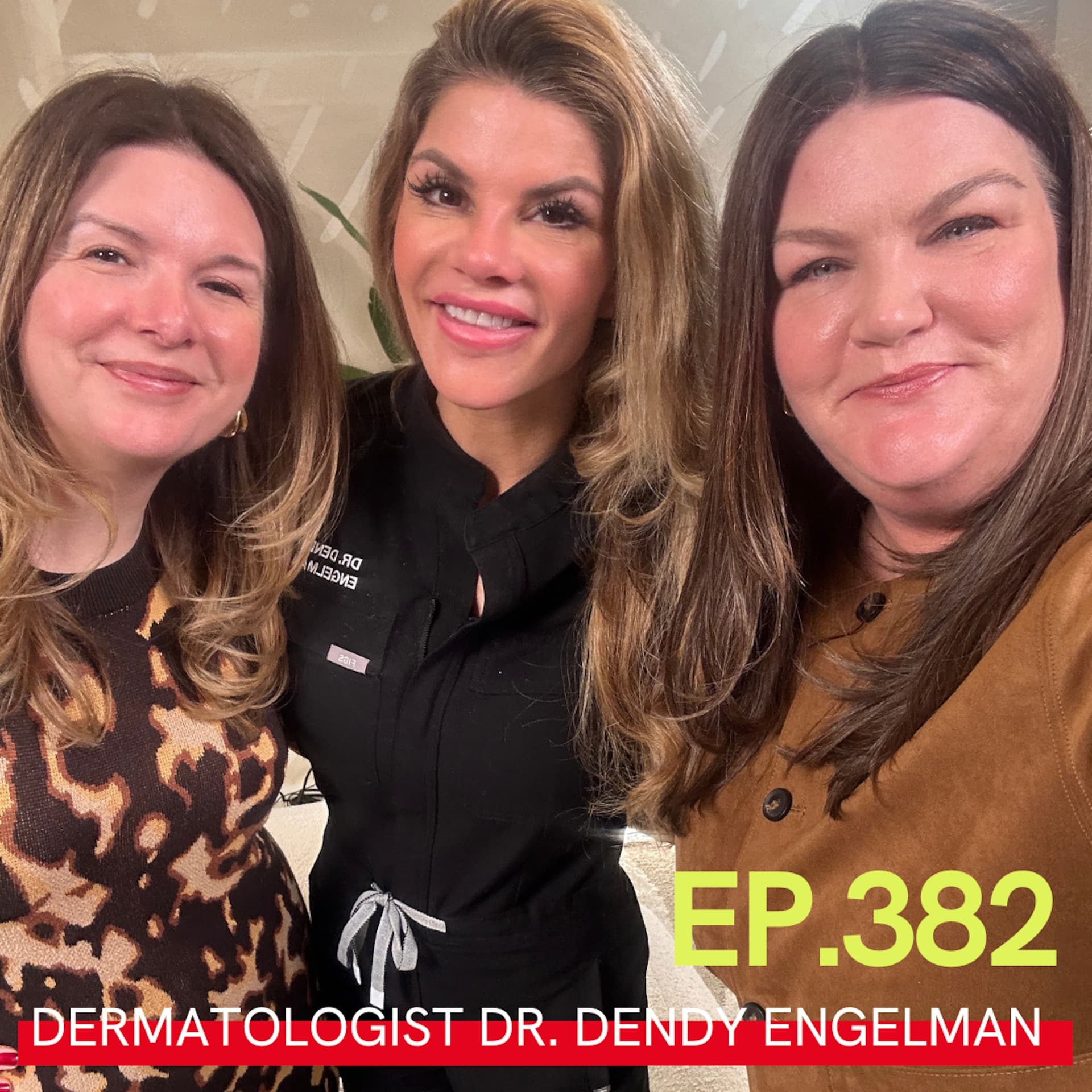
- Title: How-To Transition To Your Spring Skincare Routine Like a Dermatologist featuring Dr. Dendy Engelman
- Hosts: Jill Dunn and Carlene Higgins
- Guest: Dr. Dendy Engelman, board-certified dermatologist
- Release Date: Check the podcast feed
- Topics Covered: Spring skincare transitions, dermatological advice, skincare innovations, and trending treatments.
Introduction
- Jill and Carlene celebrate 8 years of podcasting.
- Discussion on the growth of the podcasting industry and trends.
- The episode focuses on transitioning skincare routines from winter to spring.
Guest Introduction
Dr. Dendy Engelman
- Experienced dermatologist and Mohs surgeon from Schaefer Clinic, Manhattan.
- Featured on popular media platforms and known for her expertise in both cosmetic dermatology and skin cancer treatments.
Key Concepts and Discussions
Transitioning to Spring Skincare
- Products to Avoid:
- Retinoids: Recommended to pause during warmer months to prevent photosensitivity, especially for outdoor activities.
- Thicker Creams: Avoid heavier emollients; opt for lightweight gels or lotions as humidity increases.
- Products to Embrace:
- Hyaluronic Acid: Best used paired with ceramides to prevent dehydration.
- Lightweight Moisturizers: Suggestions include Neutrogena’s Hydra Boost and Elizabeth Arden’s hyaluronic acid capsules.
Sunscreen Essentials
- Importance: Daily use is crucial year-round; higher SPF recommended during sunny months. Minimum SPF of 30 is advisable.
- Reapplication: Vital to reapply throughout the day, particularly after activities.
- Preferred Products:
- Arafatona Ageless: A tinted sunscreen with DNA repair enzymes, effective in reversing sun damage.
- CitySmart: Combines pollution protection, SPF, and antioxidants.
Layering and Ingredients
- Mixing Ingredients: Careful with benzoyl peroxide and retinoids; recommend using vitamin C in the morning and retinoids at night to avoid adverse reactions.
Targeting Hyperpigmentation
- Prevention: Emphasis on using tinted sunscreens, which have been shown to provide better protection against hyperpigmentation.
- Treatment Options:
- Azelaic Acid: Effective and safe for various skin types, even during pregnancy.
- Hydroquinone: Recommended under physician guidance for short bursts.
In-Office Treatments
- Popular Treatments:
- Fractionated CO2 Laser: For skin texture and tone improvement.
- PRP (Platelet-Rich Plasma): Used in conjunction with laser treatments for enhanced recovery.
- Salmon Sperm Facial: Gaining popularity for its skin-rejuvenating properties, effective for post-treatment recovery.
Trends and Innovations
- Skin Repair Enzymes: Discussion on the effectiveness of enzymes like photolyase for DNA repair and their preventive roles in skin cancers.
- Spicules in Skincare: Addressing the K-beauty trend; potential benefits and risks discussed, emphasizing the importance of professional application over at-home use.
Conclusion
- Emphasis on the importance of skincare routine adjustments with seasonal changes.
- Encouragement to follow Dr. Engelman and the podcast for continuous updates on skincare innovations.
Additional Resources
- Links to all discussed products available on the [Breaking Beauty Podcast website](https://breakingbeautypodcast.com/episode-recaps/).
- Subscribe to the newsletter for updates on products and treatments.
Social Media and Contact
- Follow the podcast on [Instagram](https://www.instagram.com/breakingbeautypodcast/?hl=en) and [YouTube](https://www.youtube.com/@breakingbeautypodcast/videos).
- Join the Facebook group and leave voicemails with questions or feedback.
Promo Codes
- Special promotions for listeners from sponsors mentioned in the episode.
Related Episodes
- Suggestions for similar content focusing on skincare and dermatology.
---
These notes summarize the insightful discussions from the podcast episode while organizing the key points in an accessible format for readers.
Written by AI. May contain mistakes. Listen to the episode to check what was said.
Transcript
Automatic transcript. May contain errors.0:00The following podcast is a dear media production.
0:07Welcome to Breaking Beauty, the podcast all about the breakthrough people, products, and moments in beauty. We're your hosts, Jill Dunn and Carlene Higgins.
0:20Welcome back to Breaking Beauty podcast, everyone. It's officially spring and we're here in your feeds like we are every Wednesday. Our podcast is officially eight years old. Hooray! Hey, Carleen, you and I were just in Austin together for the iHeart Podcast Awards. And even though we did not take home the hardware, it was an honor to be nominated. And congrats to Brooke DeVard. She won in our category. We love Brooke. She's been on our show before, host of Naked Beauty. Yeah. And it's just interesting. You and I were talking about how podcasts are like bigger than ever. it seems like we went to the after party and it was just like so many cool indie creators making a living off of podcasting and big celebrity names there to making a living from podcasting.
1:04And it's just like fun to be part of this community that we have been for eight years and we could have never really imagined that we'd be doing this eight years later and doing it every week. But we're so grateful. Absolutely. And I feel like just podcasts are like a new one is launching every week from a big personality as well. Like this is the trend, right? Like obviously, Michelle Obama, Amy Poehler, Chrissy Teigen. And we thought we saw that wave happen. You and I definitely were around for that, the celebrity podcasting era, but it's bigger and better than ever. And we're still here. Yeah.
1:37We're doing it. Happy to be a part of it. And for anyone new here, we're two beauty editors turned beauty podcasters sharing the breakthrough people, products and moments in beauty. And I hope you caught our spring 2025 damn good episode last week. That's where we put so many new products to the test. Those have become our most popular episodes. We do them once a month, actually. We try a lot of products. We don't mention anything mediocre. It's got to really make the grade with us and be like news breaking and perform. So definitely check that out in case you missed it. And I believe the Sephora Spring Savings event is just around the corner starting on April 4th.
2:17So if you need ideas, you can shop that episode right from our website at breakingbeautypodcast.com. And today's episode is for all of our skincare obsessed friends listening. The topic of the hour is how to transition your skincare to spring like a dermatologist does with Dr. Dendi Engelman. She's a board certified dermatologist and Mohs surgeon practicing at Schaefer Clinic Fifth Avenue in Manhattan. Yes. And this is Dr. Engelman's sophomore appearance on our show. We'll link to her first episode in our show notes and in our episode recap. And she's just so knowledgeable. We could honestly have her on time and time again.
2:55She's been featured on shows like The View, The Today Show, and in publications like Glamour, Marie Claire, InStyle. And she's co-authored numerous textbook chapters in dermatology and been published regularly in peer-reviewed journals. She's just a total pro. She's doing the absolute most. I mean, she specialized in completing a fellowship in Mohs micrographic surgery. It's such a highly specialized skill to be able to do those, you know, cancer surgeries. I think she's done over 10 ,000 of them. Wow. And she's also highly trained in cosmetic dermatology. I mean, she's always the first derm out there talking about, I feel like new ways to use filler, new ways to use neuromodulators.
3:38And she's just a girl's girl too. You know, she's from the South and she's still embracing those roots. And I love that about her. Yeah. The fact that she's an expert, but she really stays on top of the latest trends and techniques and all of that just makes her the perfect guest for our show. So we quiz Dr. Dandy on how to get your spring skincare routine on lock from ingredients that don't play nicely together to layering secrets and what to look for in an SPF. Plus, Dr. Engelman shares the skincare products she uses herself, like her favorite moisturizer of the moment. We also ask her about the beauty headlines of the moment.
4:19So products and treatments, you know, everything from salmon sperm facials that she does in her practice to K-beauty inspired spicule serums. Like, are those safe to be using at home? And we also ask her why it seems like every dermatologist is obsessed with DNA repair enzymes in skincare right now. So are those worth the hype? And we also learn about the innovative way she's treating the lines on her own neck. Yeah, she's her own guinea pig. Love it. So head on over to our YouTube page at Breaking Beauty Podcast and subscribe for free to watch this conversation with Dr. Dendi. and every single product we discuss, we will link to over on our website at breakingbeautypodcast.com.
5:02And we also have our monthly faves newsletter that's dropping tomorrow. So if you have not subscribed to our newsletter yet, please do. We've linked that in the show notes. We're going to be sharing some of our Sephora savings picks. We share directory faves, like where we're going to get our hair done, our nails done, everything did. And please subscribe so we can keep sharing our favorites with you. So without further ado, welcome back to the podcast, Dr. Dendi Engelman.
5:35Nuuly is one of our show partners this week. So Nuuly is a subscription clothing rental service that I got to check out. And I was really impressed because for just$98 a month, you get your choice of any six styles to choose from. There's access to thousands of styles from more than 400 brands, brands like Madewell, Levi's, Hill House Home. They even have one-of-a-kind vintage pieces at Newly. And they have inclusive sizing up to 5X as well as petite and maternity. And there's fast free shipping and returns and professional cleaning in Newly's state-of-the-art laundering facilities. So you don't even have to worry about laundry.
6:13Plus they have the option to buy what you love at a discount. And I really love that I get to be creative with my wardrobe and not commit to it, frankly. So I got to try a lot of different pieces from brands that maybe I wouldn't normally buy, like Free People. I got this like butter yellow button down. I got a really cute short dress from Hill House Home. And I am really enjoying just exploring style for the new season without out that commitment. It's also flexible. There's no fees, late fees, damage fees, or fees to pause or cancel. So it's no big deal if you lose a button, spill something, or you just want to take a break.
6:51And it's sustainable. Newly's orders are shipped in recycled, recyclable, and reusable totes with no plastic packaging. Newly is a great value at$98 a month for any six styles. But right now you can get$28 off your first month of Newly when you sign up with the code BEAUTY. Just go to Nuuly.com. That's N-U-U-L-Y.com. That's Nuuly with two U's and enter the code BEAUTY and sign up to get$28 off your first month. That's N-U-U-L-Y.com. Nuuly with two U's and use code BEAUTY. Nuuly subscription clothing rental. Change your clothes. We'll link to this offer in our show notes and our website. Now back to the show.
7:34Hi, I'm Sif Heider, the founder of Array. I'm a wellness entrepreneur and digital creator. And this is my show, the Dream Bigger podcast. Listen, I love dreaming big, but you know what I love more? Actually having the resources to make those big dreams happen. And hey, dreams can sometimes be private jets, but other times they can look a little something like having the best skin of your damn life or starting a successful business or delving into spirituality. So on this podcast, I chat with experts and thought leaders from different fields about their tips and tricks on doing exactly that. Remember to subscribe.
8:09We drop new episodes every Tuesday. So see you then.
8:21Welcome back to Breaking Beauty podcast, Dr. Dendi Engelman. Now we just discussed off mic that some people call you Dr. Dendi. Some people call you Dr. Engelman. Do you have a preference? I mean, you can call me whatever you like. You can also just call me Dendi if you want. But my Instagram is at Dr. Dendi, which kind of started as a joke. Because we always, you know, used to talk about in medical school, if there were someone who was, you know, doing something that wasn't necessarily medical, but they called themselves doctor, it was always doctor first name. Right. So Dendi is my grandmother's last name, but it's my first name.
8:55So it kind of started as a joke to me when I made my handle. Yeah. Okay. But it's easier. A lot of patients just default to it. Well, it's really great to catch up with you again. It's been a minute. And actually, the last time I saw you, I was at a wonderful rooftop party at the Schaefer Clinic and where you practice. I think that was like summer of 2023 and like Dorinda was there. And we were, I was like, dude, this is the best dermatology practice in the city, apparently. You have rooftop parties. I know that private terrace is great. I'm very lucky to work there. And we love, we love spring and summer parties.
9:28Yeah. You're welcome anytime. Do you often do that? We do them a lot when the weather's nice. We'll do them probably once a month. Either different brands host there or we'll have one just for Schaefer Clinic and invite our VIPs. And it's just special. I mean, obviously post-COVID, it was tough to figure out how to gather people. But it was outside, which was nice, and private to our office. So it became a hotspot. Okay. Well, we will be there next time. Yeah. Anytime. time. Speaking of which, the weather is warming up. And so we want to talk to you today about transitioning from your winter skincare routine to your spring routine.
10:05What products should you break up with and which products should you embrace? Well, you know, I always tell my patients we're going to stop a vitamin A derivative, a retinol or retinoid in the summer. We do know that those anti-aging ingredients in the vitamin A derivatives are wonderful for helping with fine lines, wrinkles, pore size, all the hyperpigmentation, skin tone, skin texture, but they do photosensitize you. So in the summer months, if you are going to be playing golf or tennis three times a week and really exposing your skin, then that may be one that we break up with just for the summer and have your summer fling.
10:43And then you can go back to it in the fall when we're not out in the elements as much. If you are oily or acne prone, certainly we want to stay away from thicker, more emollient creams that we may have leaned into over winter because I'll tell you even my oiliest patients were really suffering over the winter. It's been a brutal one in New York. Cold and dry. Yeah. And so people, you tend to increase your emollients in the dry winter months. But as the spring and summer months come in, the ambient humidity rises, and subsequently our skin doesn't need as much or thicker hydrators. So you can do more of a gel or lotion as far as the vehicle.
11:26Certainly hyaluronic acid is a great one. We always want to make sure it's coupled with some kind of ceramide or sealant in order to keep the hydration in the skin. Because if we're just using pure HA on the skin, it can actually dehydrate the upper levels of the skin because it's taking the moisture out of your skin and putting it into the environment. That phenomenon fascinates me because you always think of it being this miracle plumper. And then you're like, wait a minute, I look drier than ever. I'm crusting over here. You need a sealant, you said. So what would that look like in the spring?
11:56So either, you know, I love ceramide containing creams or capsules or, you know, even if you just use an over-the-counter skin lotion, like CeraVe or Cetaphil, it certainly will help to really lock in that moisture. And a lot of them now are formulated with multiple molecular weights of hyaluronic acid. So low and high, they tend to blend really well and not dehydrate. But when we're coming around with individual ingredients in certain containers, that often could be one of the more dehydrating of SKUs. So we want to make sure that we're leaning into ones that aren't undoing what we're trying to do, which is hydrate the skin.
12:34Right. Do you have a favorite hyaluronic acid serum that you think is legit? Yes. I mean, I love Neutrogenia's Hydra Boost. I think that's a really great one. I think it's great for those who, I feel like my oily and acne-prone patients feel like they can't use moisturizers. That's a great one that feels really lightweight and it's non-comedogenic, but it also is at a great price point. I do love the Elizabeth Arden hyaluronic acid capsules. I are coupled with ceramides that are bioidentical with the skin. So they really help to lift and plump, but also seal in that hydration. And those are great for travel too.
13:10I mean, you can just plop however many you're in a bag for however many days you're vacationing and you're set in a very small container. So those are two of my favorites. I want to ask you about sunscreen because obviously any dermatologist will say use it all year round. Do you up the level in the spring or do you tend to kind of keep it the same all year round? Yeah, I love that question. I mean, certainly you're right. You will not hear any dermatologist who's worth his or her salt who isn't saying that it's a 365 days a year practice and we want it just like you either put on deodorant or brush your teeth It's just part of your ritual because the amount of cumulative UV exposure is what really over time causes skin cancer and collagen breakdown and wrinkles and hyperpigmentation.
14:02So it's a long game. Yeah. So you just have it as part of your routine and never leave home without it. That said, you know, in January where we have like four hours of daylight, you know, you maybe want, you could lower it. I mean, certainly the American Academy of Dermatology recommends, and we as dermatologists recommend, a minimum SPF of 30, which is a change from when I was younger. And it was like, you know, the thought was anything above 15 is a waste. And I always thought that was funny because it's not like the price doubled when you got to a 30 or even more expensive at a 60. So it's like the higher the number, the better for protection.
14:38but certainly not only should I think the SPF go up when we're going to be in sunnier months or direct sun contact but the reapplication is key and so many people are like I don't know what happened I put it on before I left and then you had a three-hour brunch outside yeah and it's not actually where you're actively in the sun you know playing tennis or at the beach it's the sneaky stuff yeah of like I spent all day in Soho shopping and I don't know how I got this you know my melasma's back. Yeah, absolutely. That's because we weren't re-upping our protection. Yeah, absolutely. And that's why I kind of like all of the variants of SPF now because you can do your skincare in the morning, then do your SPF, and then your makeup might have some extra.
15:22And then I love the powder sunscreens. I think those are great for easy to have with you and your pocketbook. You can always travel with them. TSA is not going to take it. But it doesn't, you know, we're makeup girls. Like the last thing you want to do if your face is made up is reapply sunscreen that's a lotion. So that's a great way to like up your reapplication without wrecking your face. Yeah. And I think it's what's better about those versus like a spray. There are like SPF sprays out there. It's just like, it's more, you're actually getting it on your face with the powder, right? Versus the spray, which is like a bit willy nilly.
15:55I know my husband loves the sprays And I think it lulls you into a false sense of security that you've got SPF, you know, 85 on you. But the coverage is not as predictable. We've all been, we've all seen those like, you know, missed areas where it's just a swath of a burn. Where people clearly intended to protect their whole back. Yeah, for sure. But it didn't cover everywhere. So we don't want those moments. So, you know, the more we can make sure we're getting the intended product in the intended spot, the better. Have any face daily moisturizers with SPF impressed you lately? I mean, one of my favorites is, I have two of them.
16:34One is the Arafatona Ageless from Isden. And that's a tinted sunscreen that I really like. It's SPF 50. It's out of Barcelona, but it also has a DNA repair enzyme in it. And that helps to reverse sun damage and helps to correct some of the DNA mismatch that occurs over time when you have sustained ultraviolet radiation exposure. And in Europe, it is prescribed as a treatment for sun damage. Oh, wow. Here in the U.S., they don't lean into the fact that it has that enzyme because then it would need to be labeled as a drug. But it is effective in reversing sun damage. So not only are you preventing it going forward, but it's an active treatment to help enhance the health of your skin.
17:16And it's beautifully done. The formula is nice. It's zinc, which we all know back from growing up like the idea of like the lifeguard with the white nose. I mean zinc has come a long way and this is tinted with a very beautiful universal tint so it's not giving you that opacification that historically zinc containing sunscreens could. And so it just sits on the surface of the skin and protects but also is having that repair mechanism as well which is great. So I love that one. I love one called CitySmart because obviously we work here in the city and pollution is an environmental assailant that we don't think about really wreaking havoc on our skin.
17:57But pollution particles are 20 times smaller than our pore size. So it's like throwing a nickel in a basketball hoop. It's so easy to go in and penetrate deeply into the levels of the skin and then unleash free radicals which then can cause DNA damage. So CitySmart has SPF 50 and it's also zinc oxide, but it also has a pollution shield, which is like a semi-permeable membrane that helps to protect the skin. It doesn't clog pores and it's fully breathable, but it stays on until you wash your face. So that helps to protect from pollution and it also has antioxidants in it. So you're getting like a triple protection.
18:37That one's from the Prevage line, right? Prevage is such a sleeper hit. And I feel like back in the day it made a big splash. Yes. But then maybe it didn't, like, you don't hear about it as much, but that antioxidant that's in it, whatever it's called. The idobinone. I was going to say idobinone. Yeah. That is really a powerful antioxidant, especially if you, like, can't tolerate a vitamin C or something like that. Yeah. I love that line. I do. I agree with you. I think that they don't, like, they aren't horned enough sometimes because they really pioneered the whole space about, like, we didn't think about pollution.
19:12Yeah. And how much that, I mean, there are studies that show that if you live in a highly trafficked area in an urban setting, you're 20 % more prone to hyperpigmentation in the skin. Really? Just the way you live. Not controlling for like how much sun you get. It was just the pollution component of it. Interesting. So I would have thought that would maybe just be from walking outside a lot versus being in your car from A to B. Yeah, but if you think about like some, a lot of suburban places to have like more outdoor activities and more people, you know, here we are, we're always indoors. I mean, except for the rent out for lunch or something.
19:48But it is interesting that that was one of the findings. Yeah, absolutely. I feel like I would need that. I always think about this when I leave from a facial downtown and you're, you know, getting on the subway and you're just like, am I just reversing everything that just happened because the pollution is just going? Well, that's a good time to put on the CityShield because it really is like a mask. And we often will give patients if we've done like a laser resurfacing and we ask, how are you getting home? And if they're taking the train, we'll give them a mask and then tell them to wear their sunglasses.
20:24Not to like be a diva and like not show what you've done, but more for a physical protectant. Absolutely. Right. Designated dermatologist. People are getting home safe. Yeah. That's right. Can we call you a car? Exactly. There's a black car waiting for you behind the scenes here. That's awesome. Okay. And what about for spring? Are there ingredients that you don't like to mix or layer together? Why or why not? Yeah. I mean, historically in the dermatologic space, we obviously treat a lot of acne. And we know that benzoyl peroxide is a pesky molecule. And there is truth to the fact that when the weather warms up, that you do get excess sebum production.
21:07So warmer weather does create more oil output. That's where people will think they look shiny or greasy in warmer weather. They do. It's not just sweat. They're actually creating more oil. So when we're treating this kind of seasonally induced acne, often we love benzoyl peroxide as a prescription option for treating acne, but it doesn't play well with a lot of ingredients, in particular your retinols and vitamin C. often you need to make sure that you're spacing away. Vitamin A and vitamin C, depending on the formulation, often may not play well together. But the good news there is it's not that you can't use them in the same day.
21:46And we typically use vitamin C in the morning and then your vitamin A derivative at night. And that's okay space-wise because you've cleansed your face and they're not actively being mixed on the skin.
22:01this episode is brought to you in part by one skin so we've been talking today all about how to transition your skincare routine now that it's officially spring and one product that i highly recommend is by the brand one skin i don't know how many of you caught our episode a few weeks back with one of the founders of one skin it's actually been created by four female scientists which I think is so cool. She talks all about their proprietary peptide, which is scientifically proven to reach the deeper layers of the skin. So that's going to improve things like wrinkles, hydration, barrier function at the cellular level.
22:39They actually tested over 900 different proteins before they landed on the one in one skin. Now the product from them that I've been just living for is called the OS1 Face SPF 30. And what I love about this product is that I have very sensitive skin. So I like a mineral sunscreen. I actually have rosacea. And this one, even though it's a non-nano zinc oxide that they use, it is very sheer on. I really like it under makeup. Apparently it comes in a sheer tint as well. I've used the untinted. I don't notice any white cast whatsoever. And it also does include that proprietary ingredient, the OS1 senescence blocking peptides.
23:24So that's really great, especially when you're dealing with free radicals that come from the sun and also pollution. It contains those potent antioxidants. And of course, it's going to block UV rays. So this has really been a must for me as we transition into spring. And we have a promo code if you want to try this line for yourself. Visit oneskin.co slash beauty and use code beauty at checkout for 15 % off your first purchase. That's O-N-E-S-K-I-N dot co slash beauty and use code beauty for 15 % off your first order. We'll link to this offer in our show notes and on our website.
Read the full transcript
24:12what about stuff for hyperpigmentation because i think that's a big concern in the spring summer yes so is there anything because i think like there's some pretty strong treatments yes that are out there there are and you know melasma and states of hyperpigmentation are difficult to treat even in the best of hands i mean we have great results but it's not it's not a one-size-fits-all often. It depends on the depth of the pigment, people's skin type, what medications they're on. Certainly, we know that if people are on oral contraceptives, there's an increased risk of melasma. When you're pregnant, it's called colasma, which is the mask of pregnancy.
24:48But in these hormonal states and fluctuations, we can see that there's more pigment deposited into the skin. So the keys to that are, one, to wear sunscreen as if it is a medicine. And physical blockers are better for this because heat can stimulate it, infrared, you know, ambient lighting even. It's not even an ultraviolet. It's not solely ultraviolet radiation. So you think you're protected indoors. So why would you, you know, if you were just working from home, people often wouldn't put on their sunscreen. But you actually need to be protected indoors as well. And this is interesting. It needs to be tinted because the Iron oxide in tinted sunscreens actually gives more protection against hyperpigmentation than just a white or a clear zinc.
25:34Why is that? It's the way that it helps block the conversion and the stimulation of the melanocytes in the skin. Oh, interesting. So it's strange because a lot of people don't like tinted sunscreens. But in patients who have melasma, we found that if you just change to a tinted one, it actually helps to clear more readily. for active ingredients that help to lighten you know an easy one that's very well tolerated that even people who are like who are pregnant it's category b azelaic acid is good as a lightener hydroquinone in a you know i would say as prescribed by a doctor and monitored is is safe but in short you know bursts we don't want to be on it consistently throughout the year yeah i love chemical peels and i love lasering for it but you have to be careful obviously you can get like a paradoxical darkening with some of these.
26:23So you want to go to someone who like really manages hyperpigmented states because it is, it can be tricky. Sometimes we have to go on oral TXA in order to like clear it depending how deep the pigment is. And it certainly is a journey. I had a patch of melasma when I was a resident on my forehead. And then, you know, I think we kind of forgive it when we're looking in the mirror or like face to face, but it shows up so much worse in pictures. You know, people who look like they have a mustache, you really don't, or maybe you can cover it up, but the camera captures it so much more and patients will come in and be like, look at me in this picture.
26:57Like it reads much worse. Yeah. So with the hydroquinone, which you mentioned, is there a time of year that's better to do that or not? Because I know like peels, usually they would say there is a better time of year. So tell us about that seasonality. Yeah, I mean, we see so many different treatments come in and out of timing based on what the weather is giving us. So obviously, you know, right after the holidays, it tends to be like laser season until about May, or we'll do it right up before, depending on if people are traveling or where they're going for the summer. And that's not to say that there aren't people who I really trust to take care of their skin and do a peel or a major laser in the summer months.
27:44But by and large, I feel like it's just probably easier, unless they had a big event or something that they were getting ready for, to just do it when it's safest because we don't want to do any harm. And if somebody happened to be outdoors for too long after a laser and was sitting in brunch having a great time and forgot about, oh my gosh, and then they have hyperpigmentation. I only had one patient ever who, after I did like a CO2 resurfacing on her skin, she was not thinking. And we do get lulled into a false sense of security when we're indoors. And she was working from home, but by the window.
28:24And so one side of her face just hyperpigmented in the healing because it was like two days past Fraxel and it basically got a sunburn. Now we got her completely back to normal, but it was a little bit stressful for a bit that you've just undergone something. to look better. And then we're like created a new problem to address for a bit. So know that indoors by windows and in cars, we're not safe. There's still UV rays that are not filtered out and they can cause harm. So just because you're inside does not mean you don't need your sunscreen. That's happened to me in a car before for sure. And how about hydroquinone then?
28:59I would say if you can, I would skip it for June, July, August. Okay. Is there anything else when it comes to your personal routine that you would switch up come summer, like maybe a cleanser, the way you exfoliate, anything like that? Certainly. I mean, I think that, I mean, I love, I love wearing makeup. I'm a makeup girl. I, I tend to double cleanse all year round and like, because I use more of a balm or an oil-based cleanser to get, do the first step. And then I follow with this cleanser I love. I've used it forever. It's by a company called Epiance. It's called Lidic Gel. It just feels great.
29:37It has a little bit of salicylic acid in it and AHAs. It's also like very slightly mentholated. So it kind of gives you that like clean, clean feel. But guys, guys love it. Everybody I recommend it to is like, I really like that cleanser. And cleanser is one of those things where, I mean, you like it or not, but it's on your face for like 12 seconds. So it's not like you're in love, you know, you don't see tons of change, but it feels great. And it does like cleanse my skin very well. so that I need to try that yeah it's great and we'll link to everything on our website guys and you you can also use it like as a body wash too which is really nice okay but I switch you know I will not use as thick of a night cream I think that that's something that we all kind of transition into and then for body I feel like body's having a huge moment oh yeah I mean scalp care every mailer I get is for the scalp or for the body yeah it's like we just discovered that we have skin above our hairline and below our chin.
30:38So, you know, everybody's coming out with like either a vitamin C serum for the body or a retinol for the body, which is great. And they really do work. And I think before, you know, you weren't going to spend a hundred dollars of your tretinoin like trying to make it, you know, you would go through a tube a week, but now they're making it way more economical and also well tolerated so that you're not like red and peely and retinizing the skin of your body. I think it's a lower concentration. But those are certainly things that I'm way more mindful of using when I'm going to be showing more skin.
31:13What about the Decollete? Do you use like a specific product for that area or do you take your skincare all the way down? I do, but then I follow. I like Revisions Nectifirm. I think I think that's a really good one. Yeah. They do a great job. I also like Neck Correct by Skin Medica. I think that's a great one. They have this extract in there called Pericris or something like that, I think. And it works on the platysmal muscles to decrease that contraction. So these are the muscles that like pull your chin down. Yes. Right? The vertical muscles in your neck. So not the horizontal from Tech Neck.
31:50Right. But the vertical ones that mine are so strong. I've Botoxed them like seven times trying to make them lie. I look like a Gila monster. Stop. But that muscle is the most superficial muscle on the body. I mean, when you're in gross anatomy, which is gross, dissecting it from the skin is virtually impossible. I mean, it's almost like they're so, it's so superficial. It's right underneath the surface of the skin. And that's what makes us kind of go. But over time, it also, the way it attaches anatomically, it's up here, above, onto the face. so when it starts to as we're aging it pulls down so that's where the Botox if you put it in at the base of the mandible and along these platysmal lines it helps to like counteract a bit of a lift oh really yeah is this what's called plasma oh platysmal Botox yeah I saw that you're doing this on your yeah just on your Instagram that you're doing it you've done this on yourself then tell me do you interject your own neck yes with Botox yeah how do you what you You do that in front of a mirror?
32:51I do it in front of a mirror. I mean, mine are very easy because they're prominent. But that's an easy, easy muscle to Botox because it is so superficial. You literally, have y 'all ever gotten a PPD? Like when people are testing you for tuberculosis. Oh, no, I haven't. It's like a little tiny bleb under the skin when they test you and they see if it reacts or not. If you're in medicine or work in any medical facility, you have to be tested to make sure you don't have tuberculosis. So anyway, that's kind of how you inject here. It's very superficial. So it looks like after you inject, it looks like tiny little blebs under the skin, just temporarily.
33:28But that is very easy to hit because you can see where it is. And then you just inject it right under the mandible or the jawline where it's going to attach onto the skin. And you will see that improvement of this little pre-jowl where we all, I feel like the lower face as far as something that aesthetically people are coming in for. It is all day, every day. Like, you know, I think we've bought into, we're all on board for Botox from the cheekbones up and then like filler here, we get it. But this is like now the new thing. Completely agree. I also got blepharoplasty to be transparent, but I don't get Botox around my eyes.
34:07I'm not saying I never will, but I kind of like the lines there. I think it's very natural and I don't find it unattractive. But what I don't like for myself is the sagging in my lower face where it starts to look like I'm sad when I'm not sad. 100%. And where it's all just my face is going into my neck. So I'm more interested in that these days. And I'm just leaving my eyes alone. I love when patients come in and say, I don't want Botox here. Because I agree, looking at you, that is part of your aesthetic. You have a smiley eye. Yeah. It's really nice. And I think it's lovely. And so I think that's important for you to hear as a provider, like what you don't want changed.
34:54Because, you know, a lot of times, because there are so many people in aesthetics, it's kind of like paint by number. Right. And that is not how it should be because that takes away your uniqueness. Right. Now, I would be lying if I didn't tell you that a week ago I got a bunch of pictures back and I had that exact same thing. Yeah. I was animating. It was on camera. And, you know, I'm sure you all get it, like some kind of screen grab and you're like, what face was I making? But everything looked like I was frowning. Well, I was telling Jill that my son all of a sudden started saying to me when I was just resting face, he was like, why do you look so sad?
35:32Why do you look sad? And I was like, why is he asking me this now? Like, I'm not doing anything, you know. And then I realized the more I started to look that I think, you know, I just hit that point, that threshold, where all of a sudden my mouth is pointing downwards at the sides. So I did my DAOs, or the depressor angularis oris, that's the muscle that does that, depresses the angles of your mouth. After I got that back, I literally Botoxed them the next day because I was like, this has to go. And it does turn that frown upside down. Like it literally, because over time we do get this like kind of frowny face.
36:09And it doesn't make you look like the Joker. It just really, like I will show you in a minute after we finish a video of me. It looked like an upside down you. Like I was very strong in pulling those down. And now like when I get a frown, watch what I can, I can't do it. Right. Like it won't do. Obsessed. But wait till you see how bad it was a week ago. So we do have, you know, we have ways to combat that. But it is annoying that like everything for the lower face is going against us. This is getting more tense, pulling down. These are pulling down. We're resorbing bone. Like the whole scaffolding of our jaw is shrinking.
36:45So this is coming this way. In addition to losing all of our dermal components, the collagen, the elastin, the hyaluronic acid. So it's like this isn't easy. This is a chip shot. Botox, Botox, Botox, little filler. But here it's like many things. You got to build out the mandible. You got to Botox the masseter. You got to Botox the platysmal. You got to hit these. And it's like, then you got to help with the crepiness of the neck. Well, at the end of the day, it's really trying to replace surgery, which is a pretty big ass, right? It's trying to like the effects of a lower facelift. And it's not just one thing.
37:20That's a lot. Yeah.
37:33Fast Growing Trees is one of our show partners this week. So did you know that Fast Growing Trees is the biggest online nursery in the U.S. with thousands of different plants and over 2 million happy customers? They have all the plants your yard needs, like fruit trees, privacy trees, flowering trees, shrubs, and so much more. Whatever plants you're interested in, Fast Growing Trees has you covered. You can find the perfect fit for your climate and space and fast growing trees makes it easy to get your dream yard. So you can order online and get your plants delivered directly to your door without ever leaving home.
38:10Their alive and thrive guarantee ensures your plants arrive happy and healthy. Plus, get support from trained plant experts on call to help you plan your landscape, choose the right plants and learn how to care for them. And I just love that Fast Growing Trees has eliminated all of the guesswork and they're saving you from costly things like landscapers. And it really allows you to design your dream yard on your own terms. So this spring, they have the best deals for your yard up to half off on select plants and other deals. And listeners of our show get 15 % off their first purchase when using the code beauty at checkout.
38:51that's an additional 15 % off at fastgrowingtrees.com using the code beauty at checkout. Once again, for our listeners in the U.S., go to fastgrowingtrees.com and use code beauty. Now's the perfect time to plant. Use beauty to save today. Offer is valid for a limited time. Terms and conditions may apply. We'll link to this offer in our show notes and on our website. Now back to the show.
39:19we got a little off track there but want to ask you about in office treatments that you're excited about this spring is there anything new that we should know about like i want to erase the winter blase for my face what do i come to you and say do it beautiful i don't see any blase here but you know i do like that kind of reawakening that occurs when you're like okay we're all emerging from our hibernation and we're ready to like literally shed skin and get ready for fun in the sun without getting fun. Yeah. And so, you know, we still will do, I don't do any chemical peels personally, but my assistant does his work and those are always easy and great and like give you a little boost.
40:02I tend to lean into more aggressive things to help with evening out skin tone and skin texture. What would be like Fraxel or? Fraxel. I love fractionated CO2. I think it really does help to stimulate collagen and elastin and we can dial it up or down based on your tolerance for social downtime. So if you have a day, I'll give you a day. You know, if you have a week, we can do a week. But I do feel like that's a great investment and you literally only need to do it when we're not, where we're doing something to like refresh and prevent and kind of collagen bank as, you know, has become in vogue.
40:41Like for y 'all, you need one a year. That's it. Your skin looks good. You've been taking care of it. We're just keeping things where they need to be. And that's kind of what I do once a year. And it's nice versus it embarking on like, okay, a series six. You know, that's a lot for people to undergo. And even if each one has one day of downtime, that's still a week out of your life that you've had to like skip stuff. So I'd rather just bang it out. And most people can figure that out for like a one-time treatment. I really want to do PRP under the eyes. Okay. Yeah, we do that. And CO2, right? Yes.
41:18So tell me why that is so beneficial because, you know, some people can do blepharoplasty under the eye, but I've heard that the PRP is like incredible. Yeah, it's great. We're having a huge, huge... I mean, it is funny. You can just tell what's going viral based on the calls. Like the salmon sperm, you know, we were one of the first in New York to have that. And the phone was like ringing off the hook. It was so funny. And PRP, you know, I think fractionated CO2 around the eye on thin skin, whether it's neck or eye. Because those are the first signs, first areas to show signs of aging. But they're the easiest to reverse.
41:57because if you just build a little bit of collagen in thin skin, it translates clinically into much smoother skin. If you build the same amount of collagen on your cheek, it's not like you're going to see a huge lift. I mean, this is too heavy and the dermis is too thick. But here, it really, because the dermis is microns thick. So if you build more collagen in that area, it really smooths it out. So it's kind of the silver lining to these areas that are like the first to show signs of aging. we can reverse that so much easier. And then adding the PRP, it's just your self-proteins that have your own stem cells, your own growth factors in order to help like one, expedite healing and two, turbocharge the results.
42:40Okay. And the salmon facial, salmon sperm facial, I need to ask you about this because you offer them. You're one of the first people in the city to do that. So tell us like who is the best candidate for that? And then I'm also curious what your take is on the at-home products that now are claiming this. I know the PDRN, which is the active ingredient, which is a polydeoxyribonucleotide from salmon, is just a DNA derivative that they found that salmon's DNA was 97 % bioidentical with humans. So ideally, you know, it would be human, which you're getting from your PRP. But in order to create that in mass quantities, like you would have to get it from other people.
43:26And that's kind of yucky to think about like someone's like life of suctioned, out of post derived stem cells that weren't from you, you know, being slathered all over your. So this kind of takes that ick factor out of it. And they do it in a very like humane way where they're post spawn and they're going to die anyway. And that's how it's extracted. So, you know, for animal lovers out there, you know, that I think is important that it's ethically sourced, at least the one that we use. And it helps with recovery. So people who've done microneedling, microneedling with radiofrequency, skin resurfacing, all of it, it's amazing the difference because I've done this for 17 years.
44:06And I know how red people are going to get and how they're going to look post-treatment. And when you put this on, it's like a miracle recovery. The redness goes down. it really expedites the healing. So that's a win-win in New York. I mean, nobody has time to miss anything. And it boosts the benefits. And so I really was kind of skeptical at first as to how would I really feel about it. But I see a great difference in how patients recover and they all love it. Like everyone who's done it comes back for more. And apparently the PDRN has been used in Korea for like a decade. Yes. So it's well proven at this point.
44:462 ,000 journals that are, obviously we're not going to do anything experimental that isn't FDA cleared here. But it's not only safe, but also effective. And so it's been around for a long time. You know who else uses it in their skincare? Belmont. Oh, really? Belmont has been using it since day one. Oh, I love that brand. Yeah. Yeah. And it's funny because I think it was a little bit of smoke and mirrors there because it was, you know, it was one of those things where you just, it sounded a bit icky. So it wasn't like on the front lines in terms of their communications, but that is their key ingredient, always has been.
45:30And it's kind of like Biologique Recherche, where if you look too closely into their ingredients at one point, you know, it's like they come from the world of, you know, they're doing. We're putting placenta. Oh, yeah. Yeah. Right. And so, of course, now it's all that particular brand is transitioning to vegan. But Belmont. That's good to know. Thank you. I learned something. And I think that's like why it's so expensive as well. Yeah. I mean, I really do like it. and I love Valmalt, so that makes sense. But that's such a luxury one. And that, to me, I love that sensorial experience with theirs.
46:07Yeah. What are your thoughts on spicules in skincare? Maybe you can quickly explain what they are and why you think they're good or not. Another K-beauty trend. Yeah, K-beauty trend. With like the tiny little particles that almost feel like... Harden. It starts out as almost like a moisturizer or a putty and then it hardens into the spicule that frankly feels kind of like glass on your skin. Yeah, there's one that we have at the office called Cell Story. Yes, we tried that one. And it feels like shards of glass that you put into your skin. And I mean, I will eat shards of glass if you told me I would make me look better.
46:42But like, it's hard to say, especially in that because it's like seven steps and everything else is luxurious and lovely. And then we put numbing cream on the patient just so because we don't want it to be like this beautiful thing and then you're in agony for one of the steps but you know I never try anything numbed because I want to be able to like explain in the worst case yeah and I was like I'm not gonna lie that did not feel good yeah like you were you know yeah being cut a million times I do like the results I think it's good I think you know the same concept of creating micro injury in the skin through CO2 or other different devices is the same thought of like, just like microneedling, like creating a controlled injury that then tricks your body into thinking it needs to heal something.
47:30And when we heal something, we create collagen and elastin. That said, I'd love to see microscopically. Yes, I know. I'm worried about the micro injury to the skin, where it's like, then they have dilated vessels and, you know, people with rosacea, I think that would really flare them. I don't feel like it should be made for mass. I feel like back bar for people who know, like say someone had acne scarring and they're pretty durable in their skin, maybe that's a great place for it. But when you put things into just the consumer's hand where, especially in America, it's like if a little is good, more is better.
48:04If you recommend it twice a week and they do it every night, like you can't control for the potential harm that could occur. Yeah. And the one thing I would say about the liquid microneedling that I thought was interesting is that you could use on active acne versus microneedling where you cannot go near anyone that has any kind of breakout at all. So for texture that way, it's good. But then I agree these at home ones, I'm not so sure, like these VT Riedel shots and things that look, they almost make them look like a syringe, frankly. I don't know that I would be that comfortable using it all the time.
48:38Yeah. You know? I mean, I feel like that too with a lot of at-home microneedlers. It's like either you're not really doing anything because we do know that in order to get into the dermis, like you need pinpoints of blood. But I don't want people doing that at home. That's too much trauma, you know, for you to be inducing and potential for infection or irritation or hyperpigmentation or scarring. So I tend to try to encourage my patients to like leave the heavy lifting to me. And then at home, we're going to do like lovely, nourishing, supportive skincare to augment what we've done in office. But like you don't need to be the home alchemist who's like mixing up your own potions and ordering 70 % gycolic from the internet and burning your face, you know?
49:26Yeah. Yeah. The December issue of New Scientist was actually dedicated entirely to skincare. And they came out with quite a few articles that we won't have time to go over them all. But I wanted to ask you, this whole world is exploded of exosomes and growth factors and all of that. Peptides. Do you think that that's making the grade? I love this question. I think it's kind of the Wild West right now. It was like that a bit with PRP at first because we knew that there was something there, but you couldn't really get the concentration right. There weren't results that you could count on often. And the variation with PRP for patients is like, even though it's my blood draw and my self-proteins, I might be really dehydrated on a Monday and not get the same results that I would get a month later.
50:16It's still a variable. Right. Exactly. And so if you want true science that is dependable, I don't know that we're there yet with it, but I do think there's real promise in those categories. It's real buzzy. People love to talk about exosomes. Patients will ask me for them post-procedure. And I don't even know what they are truly looking for as an added benefit, but it's very invoked. They know what to ask for. But I do think that they show promise. I will say that. Yeah. But I would like to see more studies to like really have it more reliable as far as results and concentrations and like where we see like true indication for them.
50:58I just want to circle back because at the beginning of our conversation, you mentioned the skin repairing enzymes in products. And I've heard a lot of dermatologists talking about these recently. What has impressed you and what are they exactly? well the one that i was talking about out of barcelona is a dna repair enzyme and we know that when we have ultraviolet radiation exposure we have free radical formation that can then cause cellular damage and we get this dna mismatch where the c's and t's and the a's and g's of the double helix if you remember that yeah like fifth grade science get kind of mispaired and so this enzyme comes and reconnects them in a proper way so that there aren't bad outcomes like skin cancer or premature aging and collagen breakdown.
51:48And so I think that there's a lot of promise in that space of finding these kind of corrective ways to work on a cellular level. And I love that we're alive in this time, at least in skincare, not politically. There's so many cool things that We're like sitting on, you know, I feel like we're going to look great and feel great, hopefully, for so much longer than we ever maybe were intended because we've figured out these little hacks. Would it be on the label as clearly as skin repairing enzymes or is it, are we looking for a word? Are we looking for? Yeah, let me. When I Googled it, it said photolyase.
52:30Photolyase. Yes. And T4 endonucleus V. Rolls right off the tongue. Yeah, I know. just like Arafatona. Are those the two main ones? Yes. Okay. Would they actually be on a label? Often. Really? Okay. They are. But I mean, you can tell that that's clearly like not a U.S. brand because like the name sounds Latin and it's not very well, like it's not beautifully marketed as to what it does. Right. But those who know it, physician dispense predominantly as well. So we're able to like walk them through that. But I feel like most of the U.S. companies who would be marketing would certainly call that out.
53:10But it may be one that's also a deterrent because it may then get them categorized as a drug and have to be cleared through the FDA. So from what I've read, well, I assume the photo is like activated by light. Is that right? Would that be? You know, ACE is like what's at the end of any enzyme. And so what it does is breaks down whatever's in front of it. Essentially, I assume that it's breaking down the enzyme that was then causing DNA damage. So it's like stopping that process. Yeah, this sounds like it would be very powerful to prevent like a skin cancer. Yeah, I mean, it's great. And it's a treatment in Europe that people who are covered in actinic keratosis, which are precancers and have had a history of squamous cell carcinoma, they prescribe this.
53:57is like not only is it preventative, but it's also correcting and hopefully preventing subsequent skin cancer. So it's cool. I mean, it's really neat technology. Well, thank you so much for sharing all of your amazing intel with us and helping us switch our routine to spring, leaving winter behind us. So thank you so much. Thank you. Thank you. Thanks for listening. You can find details on every product mentioned in today's episode, along with our exclusive promo codes on our blog at breakingbeautypodcast.com. While you're there, be sure to sign up for our newsletter. Every episode will be delivered directly to your inbox so you won't miss a single thing.
54:35And get social with us. Let us know what you think of the episode. You can follow us on Instagram at Breaking Beauty Podcast. And did you know we also have a private Facebook group? Just search Breaking Beauty Podcast chat room. You can even leave us a voicemail at any time with questions or feedback at 1-844-227-0302. And don't forget to subscribe to us wherever you get your podcast fix. Spotify, Stitcher, Google Podcasts, and Apple Podcasts, where you can show us some love by writing a review. See you next Wednesday.
55:22Please note that this episode may contain paid endorsements and advertisements for products and services. Individuals on the show may have a direct or indirect financial interest in products or services referred to in this episode.
From the publisher
As seen on the Today Show, Good Morning America and more, board-certified dermatologist Dr. Dendy Engelman is on the front lines of *everything* to do with the buzziest skincare innovations and latest in-office cosmetic treatments. This week, we find out what she’s swapping out of her own skincare routine now that spring has officially arrived.
Plus, Dr. Dendy helps us break down some of the juiciest skincare headlines – like does salmon sperm in your moisturizer really do anything? What are DNA repair enzymes exactly? And could your workouts make hyperpigmentation worse?
You’ll hear about:
- Which ingredients make sense for warmer weather, and which ones you should put on pause for now
- Dr. Dendy’s go-to serums for hydration – even for the oiliest skin types (including one that won’t break the bank)
- The sunscreen that she personally swears by that’s prescribed for protecting and reversing sun damage in Europe (!)
- The neck and decollete cream that she thinks is actually worth the money (especially when you’re showing a little extra skin right about now!)
- The new way that she’s using neuromodulators – and she’s her own guinea pig!!
- Plus, the viral facial that has the phone ringing off the hook at her office these days
For any products or links mentioned in this episode, check out our website: https://breakingbeautypodcast.com/episode-recaps/
Get social with us and let us know what you think of the episode! Subscribe and watch this episode on our YouTube channel and find us on Instagram, Tiktok, Twitter. Join our private Facebook group. Or give us a call and leave us a voicemail at 1-844-227-0302.
Sign up for our newsletter here
Related episodes like this:
- The Top 5 Retinol Questions, Answered
- Derm Hot Takes! The Real Deal on Those Viral Hypochlorous Acid Skin Sprays, the Most Legit At-Home Skincare Devices and the Unsexy Vitamin C Serum You Need To Know About Now
- Are You Applying Your Sunscreen the Right Way? Plus Myth-Busting Those Rage-Bait SPF Headlines, Tanning on Trial and More With Board-Certified Dermatologist Dr. Michelle Henry
PROMO CODES: When you support our sponsors, you support the creation of Breaking Beauty Podcast!
One Skin
Visit oneskin.co/BEAUTY and use code BEAUTY at checkout for 15% off your first purchase.
Nuuly
Nuuly is a subscription clothing rental service that’s all about helping you have fun and get creative with your style. Nuuly is a great value at $98 a month for any 6 styles, and right now you can get $28 off your first month when you go to nuuly.com and enter the code BEAUTY.
Fast Growing Trees
Fast Growing Trees makes it easy to order online, and your plants are delivered to your door in just a few days. This Spring they have the best deals for your yard, up to half off on select plants and other deals. Visit FastGrowingTrees.com/beauty and get 15% off your first purchase when using the code BEAUTY at checkout.
*Disclaimer: Unless otherwise stated, all products reviewed are gratis media samples submitted for editorial consideration.*
Hosts: Carlene Higgins and Jill Dunn
Theme song, used with permission: Cherry Bomb by Saya
Produced by Dear Media Studio
See Privacy Policy at https://art19.com/privacy and California Privacy Notice at https://art19.com/privacy#do-not-sell-my-info.


