In short
Consulting for Equity to boost sales and business ROI (targeting 4X sales) using a structured discovery-to-recommendations process, avoiding “trading dollars for hours.”
Guests
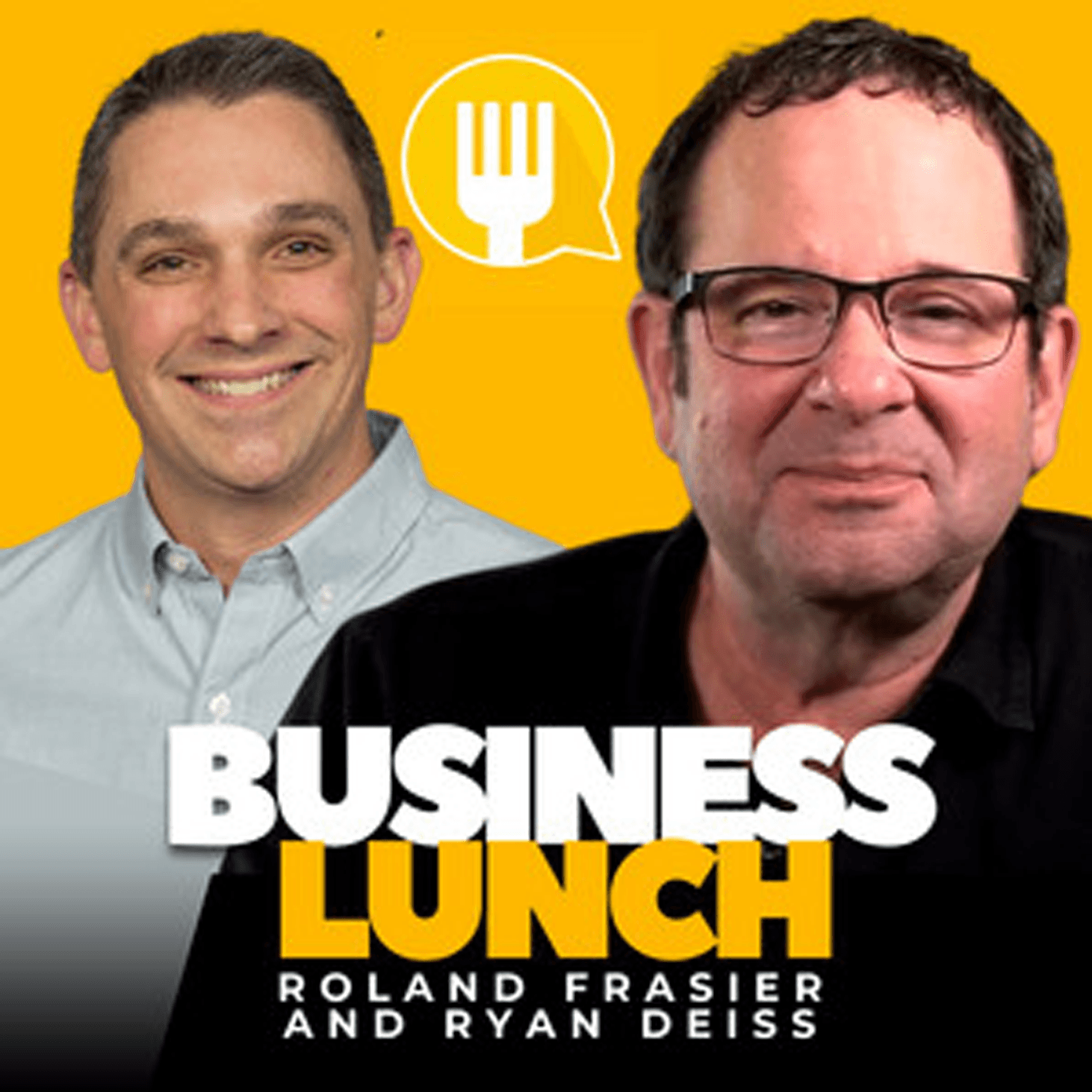
Roland Frazier and Ryan Dice (business partners). They run “Consulting for Equity,” typically a 4-hour (sometimes 8-hour) consult for about $50k, aiming for 5–10x return. Background implied: experience across portfolio companies and industries; generalist approach across marketing, sales, fulfillment, and innovation.
Key claims
Leadership must align on the exact problem before solutions. Use a safe, facilitated discovery with “stop/start” input and listening-only (no recommendations) for ~2 hours. Then synthesize into 1–3 bottlenecks and apply “131” (one issue, three solutions, one recommended). Share findings via report + Loom to reduce emotional pushback; then discuss action steps, owners, and success metrics.
Notable examples
A client in a saturated, competitive market with falling sales; ads targeted too far down Eugene Schwartz awareness (mostly product-aware). Fix: narrow ICP from “everyone” to ideal, most profitable customers; adjust messaging/offer and broaden awareness to reach less-targeted “blue ocean” prospects.
Written by AI. May contain mistakes. Listen to the episode to check what was said.
Chapters
Tap a time to open that second in VOUnderstanding the Consulting Process
0:46 to 3:40
Discussion on the consulting approach used to drive significant business ROI.
“Roland Frazier here and my business partner and good friend Ryan Dice, who is joining me for this business lunch, as he often does.”
Identifying Key Problems in Business
3:40 to 8:00
The importance of aligning on problems to be solved in a consulting engagement.
“So that's kind of the context of the background.”
The Discovery Phase: Asking the Right Questions
8:00 to 12:07
How to conduct effective discovery sessions to uncover challenges and opportunities.
“And it's important during this part that you do create a safe space.”
Gathering and Confirming Insights
12:07 to 14:00
The process of gathering insights and confirming them with the client to ensure alignment.
“I can I can go more into where we go from there.”
Understanding the Consulting Discovery Process
14:00 to 16:14
Learn how consultants gather initial information from clients to identify key issues.
“Fathom or something, take notes for you or designate a person to do this.”
Defining Major Issues with 131 Process
16:14 to 20:48
Explore the method of narrowing down challenges and proposing solutions using the 131 framework.
“It's the making sure that you're not offering any suggestions or recommendations.”
Presenting Findings and Recommendations
20:48 to 24:42
Discover how to effectively present findings to clients while managing their emotional responses.
“We were trying to get the executive team in, but the way that we keep that dominant personality or even that, that fixed idea from happening is to say, let's just have discussion.”
Sales Challenges in Competitive Markets
24:42 to 28:00
Understand common sales challenges faced by businesses in saturated markets and how to address them.
“So sorry for all the humming and humming.”
Identifying Your Ideal Customer Profile
28:00 to 30:40
Learn how to define and focus on your ideal customer to enhance marketing effectiveness.
“it was effectively everyone on the planet.”
The Importance of Open-Minded Discovery
30:40 to 34:10
Understand the necessity of being open to new ideas and thorough discovery in consulting.
“It's not actually true, but in this case, it was absolutely the right call.”
Show all 16 chapters
Navigating Stakeholder Concerns
34:10 to 38:10
Explore strategies to address and manage stakeholder pushback during strategic changes.
“that they've got, who is aware of a solution to the problem they've got, and then who is basically in market to actively purchase.”
Achieving Consensus for Action Steps
38:10 to 42:01
Learn how to achieve consensus on action steps and determine accountability for success.
“and then we give them the things that we have.”
Achieving Consensus in Teams
42:01 to 44:00
Learn effective strategies for fostering consensus and accountability in teams.
“Hopefully they speak up, discover the narrative around it, and then question again, not them, not their viewpoint, but what is something that they believe about it that you can go, ooh, I see why they could believe that.”
The Parking Lot Conversation Technique
44:01 to 46:58
Discover the importance of one-on-one follow-ups for unresolved team discussions.
“And I think if you follow this kind of process in your company, or if you're a consultant, when you consult, you'll find that you get fantastic results.”
Closing Thoughts and Engagement
46:59 to 48:00
Understand the benefits of implementing the discussed processes and how to engage with the hosts.
“to run and it will always create positive results.”
Closing Thoughts and Engagement
48:01 to 48:42
Understand the benefits of implementing the discussed processes and how to engage with the hosts.
“And we will see you next time on the Business Lunch.”
Transcript
Automatic transcript. May contain errors.0:00Yeah. And I think just to further set the context, this is really relevant to you. If you're in consulting, obviously, we'll kind of open up our playbook a little bit for how we go about delivering value.
0:30And that is incredibly important because, you know, when we first started talking with this particular client, I don't believe it was everybody on the leadership team completely agreed on the problem that was being solved for.
0:45Hey, everybody. Roland Frazier here and my business partner and good friend Ryan Dice, who is joining me for this business lunch, as he often does. And we are going to talk about some fun stuff today because we just did a consult together. So I don't know if you guys know, but we do. We don't like trading dollars for hours. And therefore, we're not in a consulting business, at least not a traditional consulting business. We do something called Consulting for Equity, where we go in and do typically a what we call a half day consult, which is four hours of time. And sometimes it goes goes to eight.
1:26It'll be a full day. But we go into a company and we help them with whatever things that they are trying to improve. And Ryan and I just did one, and it's typically fifty thousand dollars for us to come in and do this. And so it's a significant investment by the company. But we work with companies where it'd be kind of hard for us not to provide at least a five, if not ten times return on that. So, you know, we're looking for him to get, you know, a pretty significant 250 to half a million dollar minimum, minimum benefit from what we do. But think about like our ability to just come in and see things from a different perspective with all the experience and the portfolio companies and the consulting that we have done.
2:10It's not that hard to add that value. And I'm not saying that as a pitch or a brag. I'm saying, you know, we really have a pretty good opportunity to come in and get perspectives from a lot of people and a lot of different companies. So this is a company that we've known the founders. We've known it going through some significant changes and management changes. And we were referred in to this company to come back and basically help them see what they could do to boost sales. And sales had been falling off. And it's in a highly competitive industry. And the things that were working before, particularly during the pandemic, and I think you guys, a lot of you that are watching or listening might experience this too, is that things were kind of scary there at first, you know, end of 2019, going into 2020, then free money from governments, you know, everybody stuck at home, lots and lots of opportunity, lots of innovation, and pretty good years for most of the companies across every type of business that we know, even restaurants, even real estate agencies and things like that, that we have interest in did well during the pandemic.
3:29And now high interest rates, high inflation, election uncertainty, and no more free money from government is creating challenges for a lot of people. And it's translating into challenges for businesses. So that's kind of the context of the background. And we were asked to come in and basically take a look holistically and just say, how do we get from our current sales of X to, I think it was 4X, four times the current sales in order to hit goals that they wanted to hit. And so I'm going to let Ryan, so that I don't dominate this, I'm going to let Ryan talk a little bit about how we first assessed that with our initial conversations and then what we have done in terms of analyzing this so that you guys can see, because there's some very common things that they're having challenges with that I think will apply to almost everyone who is in our audience today.
4:28So Ryan, do you want to talk a little bit about the, like, we're basically saying, okay, where are you now? Where do you want to go? They told us. And I think let's talk about the first thing that we ask about looking into. Yeah. And I think just to further set the context, this is really relevant to you if you're in consulting, obviously. We'll kind of open up our playbook a little bit for how we go about our process and how we go about delivering value. It's also, I think, going to be incredibly valuable to you because we're going to be giving you the process if you're a business owner and if you want to go through a similar process yourself, because so much of this is about asking the right questions.
5:08And so, yeah, step one is exactly what you said, which is to figure out what exactly are we solving for? And that is incredibly important because, you know, when we first started talking with this particular client, I don't believe it was everybody on the leadership team completely agreed on the problem that was being solved for. And so some people are like, oh, we need to solve for, you know, growth and new customers. Others thought like that, oh, no, It's more of a specific marketing strategy issue. And all on the board. And I'll tell you, that is priority number one. Step number one is you have to get alignment on the problem to be solved.
5:41I have walked into too many meetings, whether it's a consulting session or even in our own executive groups, that we're dragging on and on and on and on and on without seeming to have any resolution and realize, like, crap, do we even know what we're solving for? And so that is the first thing. And yeah, when we're in there, sometimes it's crystal clear. Sometimes it will take the first hour of a consult. And I will tell you that sharpening the axe, that's that's time well spent. Where we typically go after that, that the next step is to talk to the relevant, you know, and usually when we're doing this, it's not just with the CEO and you don't want it to just be with the founder.
6:20You want to make sure you've got, yeah, a voice of all of the, you know, ideally everybody on the executive team. And the question that you asked that I love, and it's a simple question, but it's going in there and saying, what are the things that you think are working that you should we should keep doing and double down? And what are the things that are not working and we should stop doing? And so it really is one of those, you know, keep stop things. And it's just, and I like it because it's binary, but it also gives a tremendous amount of context into this. These are the things that everybody generally agrees are not working.
6:58These are the things that everybody agrees are working. That's instructive in and of itself. But the most interesting part is where there's disagreement. And that always comes up. Yeah, I like phrasing it as what are the things that you're doing that you're like, why the heck are we doing that? because I think that like, and that's from personal experiences in companies is like, why are we doing this? We, we know this doesn't work or this is dumb, or this is absolutely known to be inefficient. Why are we doing this? It seems wrong and getting in a safe environment where all the stakeholders are there and able to speak up so that they can say that like they can answer that question, because I think that's what's going on in a lot of people's heads.
7:44And a lot of consulting is just basically bringing out thoughts and communications that have been swept under the rug. Right. And so I think that, you know, what are we doing now? What are we doing now that's working? That seems like easy. But rather than saying what's not working, it's what are you actually frustrated that we're still doing? You know, so go ahead. And it's important during this part that you do create a safe space. And I think, you know, we typically are doing these virtually now at this point. And so we talk in the past, it'd be a full day meeting. And the problem with the full day meeting is by the end of the day, certainly by like two o 'clock, everybody's just zonked like their brains are mush.
8:24And so the second half of the day we found just really wasn't that valuable. So we shortened it to a half day. But even that there's something really powerful about having a solid two hours of just pure discovery and then being able to go away and think about it and the process. So that's usually what the first couple of hours is, is number one, let's get crystal clear on the problem that we're solving for. Let's pull everybody on the team and find out what's your stops and what are your starts. We should stop doing this. We should start doing this. I think we're doing this and we shouldn't be doing it.
8:56We're not doing this and we should start doing it. But during that period, it's important if you're not doing it in person. And if you are doing it virtually, that that you do have everybody on Zoom. And I get it. A lot of us have Zoom fatigue. Two hours on Zoom is not necessarily my favorite way to spend two hours. But it's really important while you're doing this that you're looking at the faces of everybody who's on the screen. Because from time to time, you'll hear somebody say, yeah, I think we should just, you know, stop doing this. I don't think it's working. And you'll see a face on the screen and they'll cringe a little bit.
9:27And you need to be looking for that. And it's why, you know, we love doing this in tandem. them. So oftentimes, you know, Roland, he's asking the question and I'm really trying to look at the faces and we're both taking notes. And so because we have two sets of eyes, you can notice those kinds of things. And when you do, and this is important, whether you're a consultant or an executive, you need to lean into it. You need to kind of enter the danger a little bit and just call the person out respectfully and say, Hey, you know, Bob, I noticed when, you know, Tom said this thing, you winced a little bit.
10:03You know, is that like they say something that maybe you don't totally agree with? Or is that just kind of indigestion? And that discussion and prompting it, that's where the gold is. And that's where the gold is if you're from, if you're on the outside coming in and it's absolutely where the gold is once, you know, if it's your own team. So that really is kind of the first two hours of discussion. I mean, that is diving into the discovery and the outcome. What we're trying to get from those first two hours is we've identified the problem to be solved. What is that overarching goal that is numerical that we know when we achieved it?
10:41Usually, it's going to be some type of lag measure. It's going to be an increase in revenue. It's going to be an increase in customers. It's going to be a decrease in churn. It's going to be an increase in company valuation. It's going to be an increase in efficiency, productivity, Maybe it's prepping for an exit because it's more of an exit advisory type thing. So we want to get clear on the goal. We want to get clear on kind of the state of play. How does everybody agree we should stop, we should start? And the outcome of that is to see like what are kind of the issues and challenges that are upstream that are actually causing us to not hit that goal?
11:19And kind of the question there is like what would need to be true that isn't true today? that if it were true, this goal would just magically be achieved. Ultimately, we're big believers in theory of constraints. We're big believers that if you're not getting what you want, it's because there is some type of throughput issue. Usually it's going to be on the customer client acquisition side. So on the growth sales and marketing side, on the fulfillment capacity side, or it could be on the innovation side. Like those are kind of the three value drivers in business. So we got to figure out, you know, where is that and distill it down into what are one to three issues and challenges that we feel like we can identify and address within a reasonable period of time.
12:06So that's kind of the outcome of that first one. I can I can go more into where we go from there. role. Anything that you would add to that discussion? No, I think that's exactly the way that we do it. And I think it's something like even if you want to self-consult, taking notes here and thinking about this would be good. And Ryan and I were brainstorming what to talk about at Founders Board. I think this is what I'd like to talk about, Ryan, is kind of going through this process and showing people how to do that. I think it could be helpful for them. and I think it's a great idea to a nice exercise.
12:41So then, um, so what we do basically is we start there and then we listened, uh, which is one of the hardest things. And again, one of the reasons that consultants seem brilliant is they just go in and they talk to everybody and they get everybody's take on what's working and what's not. And they listen and then they spit that back to the, to the team to say, these are the things that are going on that are out there. So what I heard was this. Yeah. What I heard you say was this. Is that accurate or did I mischaracterize it? That's yeah. During this first two hours, the one rule is you're not allowed to make a single recommendation or suggestion.
13:20period into story you do not make a single recommendation and this is tough i know for me because i like to think out loud i like to think in real time um but i'll tell you as a as a consultant and as a leader so like you said if you're if you're doing this internally self kind of self-consulting the worst thing that you can do is to make a recommendation before you have fully discovered, you know, all of these things. Um, yeah, I interrupted. I'm sorry. The next thing is I demonstrated what not to do. And we've learned it all. Ask us how we know. Um, the, uh, the, the next thing is, uh, as you are going, you can, you could do this on zoom and have Otter or Fathom or something, take notes for you or designate a person to do this.
14:07Um, we, we generally do both. And as you are hearing what people are saying, you want to ideally write down quotes, you know, little snippets and word blurbs of what they're thinking so that when you start to process so that after you've gathered this information during this first time, and that's really most of what happens during that first two hours. It's just, you know, getting an inventory of the issues and then getting on the same page as to where we want to go. So what we then do is basically gather all of those thoughts and then send them back to the client to confirm that this is what they heard also.
14:57Because it might be, no, I didn't, nobody really talked about it. Well, actually four people did, you know? And that I think can be very helpful in just getting everybody literally on the same page. You know, if you have a page with all the thoughts, that's very helpful. So doing that, the other thing that we'll sometimes do is take all of those and throw them into a program. I can't remember the name of it. That'll give us a thought bubble that will basically say, these are the things that kept coming up. You know, the bigger words are the things that came up the most. And that can sometimes help if there's difficulty in figuring out what do we want to approach.
15:32So based on all of that, what we as consultants do, Ryan and I will then say, okay, so this is, these are all the things those people said. What do you see as the big issues? You know, okay, yeah, I agree. Or how about this one too? Or is that really, and we go through that so that we can then give back to them a list of, here's a lot of the different quotes of what people said. And here are the, what we believe are the major issues to be solved for to achieve the goal that you stated that you wanted to achieve. Does that sound right? Yeah. And what we want to do in what we deliver to the client.
16:13So the first kind of session, first two hours is the discovery. It's the learning. It's the listening. It's the making sure that you're not offering any suggestions or recommendations. But at some point, you do need to offer some suggestions and recommendations. That really is kind of the next phase. And like Roland said, we'll go back and forth. We'll share our own notes, our own ideas. Where do we agree? Usually we're pretty much on the same page. We're kind of hearing the same thing. Sometimes it's like, oh, no, that's a good point. But what we want to do next is get clear on what are the big issues or challenges that we know for a fact we need to overcome.
16:45Those upstream issues or challenges that are presenting the company that if they were overcome, if these bottlenecks were addressed, then they would achieve the result that they want. And like I said, sometimes it's one big thing. Sometimes it's two. Sometimes it's three. We really don't want to get it into like five, six, seven, a half a dozen of these things. We really want it to get down to kind of like one to three major issues and challenges. So we'll get clear on that. We'll state that. And then we go through a process called 131. And 131 is not something that we invented. I think it was created by somebody at IBM way back in the day.
17:18But it is a way of kind of showing your work and how you're thinking through an issue. And so what 131 stands for is one issue or challenge, three possible solutions, and then one recommended solution out of those three. So what it shows is, number one, this is the issue or challenge that we're solving for. These are three possible ways that one could solve for this solution. And very often, those three possible solutions are coming from that previous discussion. So we might say, OK, so it turns out that there is a lack of clarity around who your ideal customer is, who the ideal client is. What I heard is, you know, it could be A, it could be B, it could be C.
17:59So those are the three possible solutions. Now, you might also want to mention we also considered these. But when you come up with three possible solutions, you're you're again, you're showing your work. You're showing that you've done some research. You're showing what you've considered. But then you're saying this is the one that we think it should be. And here's why. So the one issue or challenge, the three possible solutions, and then ultimately of the three possible solutions. And it could be again, it could be four, it could be five. What is the one your one recommended solution? And so we'll go through this one through one process for all of the issues and challenges.
18:32And we'll put all this, you know, along with kind of a list of start stop items, kind of a list, you know, the stated goal. We'll put all this into a report of findings. And then once we kind of have what we think is a good one, you know, list of these one three ones, that's when we'll say, OK, what do we believe are some overarching action steps that one could take if they accepted kind of these recommendations? And then we'll kind of just put together an action list. So what you have there is a statement of the goal that everybody agrees to, a statement of the general state of play. You know, like Roland said, like here's some of the quotes that people said.
19:10This is where everybody generally agrees that we are now. The three issues, you know, one to three major issues, challenge bottlenecks that need to be addressed. And then a breakdown, the one through one of how we would address each of those challenges. And then a list of action steps can get into what we then do with that document and how we present it. them, but anything you would add or say to kind of that piece, Roland? Excuse me. No, I think that's basically it. The key is not to have too many issues, not to let any one person dominate. One of the best things about not letting somebody make suggestions and recommendations is if there is a dominant personality as there frequently is.
19:58And very often it's the founder or the CEO and also someone who has an authority position that can cloud or color the responses that you're going to get from the other people. So that's, I think, in addition to, hey, let's not make conclusions or recommendations until we understand the problem and we understand all the data that applies to the problem, right? then that's the first thing so that we don't, we have a complete understanding of the issues, but also let's not color the input by having, if you notice what most consultants do is they're like, okay, CEO person that hired me, I'm going to go and leave you and walk the floor and talk to everybody and find out what they think.
20:42And the reason that those are typically done that way is so that there isn't that color. So we, we try not to do that because we're not walking floors and things like that. We were trying to get the executive team in, but the way that we keep that dominant personality or even that, that fixed idea from happening is to say, let's just have discussion. Let's just free form this for a little bit and get everybody's thoughts and opinions. So, and we go through that like each person. So if there's six people on, I think there were six people on the meeting that we did. Um, and it's basically just going around and asking each of them to do that.
21:20So that's a kind of a focused, brief conversation with each of the people that are, you know, that you've decided to be a stakeholder in the consult. And then we're left now with this, with this ability to have recommendations from the one three ones that we can prioritize, like we can discuss and prioritize. Go ahead, Ryan. And, and, and I think the point is, when it comes to the recommendations that we make back to the client after that initial meeting, because you show the work and because it's positioned as these are our ideas and we want to show you our thought process, because if you feel like that you don't like this idea, then there was likely a failure in the thought process.
22:01So let's have a discussion around what we missed, what were some failed assumptions that we made, some information we didn't have. We're not presenting this as a, this is absolutely what you should do. We're presenting the initial report of findings as this is what we believe based on everything we've heard, but this is a kickoff point for the next discussion topic. And this is why we like breaking up the first two hours of listening, us being able to process, us being able to submit back, and then another hour and a half to two hours of discussion around these ideas. But the way that we submit the report of findings is we don't schedule another meeting and say, hey, everybody, let's discuss this.
22:38For one, it's kind of a waste of everybody's time. But two, what you then get is people's response in real time, which isn't always the ideal response. Like there, now you're going to get a response based on emotion. You might get a response, um, that, that could be defensive in nature because maybe a recommendation is that they make a significant change to their sales motion. Well, the sales manager is probably going to have sales leaders probably have problems with that. Right. And if you present it in real time in a group, there's a really good chance that you spend a lot more time in that kind of next follow-up meeting, trying to unwind to all of the emotional garbage before you get to the issue.
23:18So what we do is we produce the report findings. We share the report findings with the client, and then we'll produce a loom video where we're walking through it. And this could be a 30, 40 minute loom video. That's fine. They can watch it on 2x speed if they want to. And it can be distributed to everybody who needs to see it in the meeting. And then they can consume it. They can internalize it. They can have whatever emotional stuff they want to have. And we simply say, let us know if there's any questions, if there's any concerns before we hop on the next meeting, let us know what those are.
23:46If you fundamentally disagree with anything, you know, let us know leading up to the meeting, because when we get to the meeting, we kind of want to discuss around the edges of this and, you know, get into some of the nuanced detail and get into next steps. So it does provide that opportunity for people to receive it without also having feeling the need to immediately deliver an emotional response. And that was a huge breakthrough for us. And I think it's important, again, even if you're doing this internally as a team. This is why memos and things like that still work and are still important.
24:16To be able to say, in light of all these things, here's what I think we should do, and here's how I came to this conclusion, which is what the 131 gets you. This is how I came to this conclusion. And now what we have is a starting point, a jumping off point for, okay, what are we going to do next? And so anything you'd add to that, And then we can talk about how the second half of the meeting goes. No, no, I think that's it. I have no idea why I can't get my throat clear. So sorry for all the humming and humming. But so in this case, the issue was we're not getting the level of sales that we need.
24:57So the issue that you decide is the important issue, like this is something that we need to fix. Um, well, if you're not getting enough sales, then it's either a traffic problem, a quality of, so traffic problem could be the number of leads, or it could be the quality of the leads. And then the, or it could be a conversion problem that we're not able to take the traffic that we get and convert. And in this case, um, it appeared that the, um, the issue was that it's a very, very saturated market. And so there's not enough traffic that is affordable and the traffic is not converting at as high a rate as it needs to hit the goal.
25:47So it's kind of looking at both of those things, which isn't uncommon. And so one of the first places that we ask questions then, and we can extrapolate kind of the how from this and let me know if I miss anything, Ryan. But I mean, we can extrapolate this into a more general, how do you approach this? But I think that some of the questions are obvious. So we need more sales. Great. What do you need for sales? We need more customers or clients. Okay, great. How do customers happen? Well, currently, they happen because we run ads to these sources. We have some affiliate traffic, and we have some organic SEO type traffic coming.
Read the full transcript
26:30Okay, great. That's your sources of leads. How do each of those things convert? How are you generating there? What's the cost of acquiring a customer? These are kind of basic things that hopefully your team knows, right? But we're going to go over those things and we're going to ask questions about that because we know that if you want more sales, that's a problem. If you've got great sales, but you're not making money, then it's probably a cost issue, right? Or it's an offer issue. You need to change your margin somehow, and you're going to look at different things. So, you know, there's some pretty basic sets of problems that kind of recur.
27:08In this case, we're looking at a sales challenge. So one of the first things that we did was looking at effectively, it's not there. This company was unable to acquire customers at an acceptable cost, at an acceptable volume to grow past where they are right now. Would you say that's accurate, Ryan? Yeah, bingo. They were in a market that was very competitive, very saturated. And the specific corner that they had carved out was actually in decline. It wasn't growing anymore. So they didn't have the organic benefit to grow. So we asked them to provide us with their ICP. Who's your avatar or your ideal customer profile that you're going after?
27:52and they did have them, which most people don't. So that's a really, really good, you know, initial things like, okay, great. But as we started to look at them, it was effectively everyone on the planet. And that is a challenge because marketing to everyone with, you know, if you market to everyone, then how do you really speak to any one particular type? So you want to talk about that a little bit, Ryan? Yeah, I mean, it happens to a lot of businesses as they scale. And certainly as products and services improve, as you begin to find that, oh, we can serve this audience over here, is that you widen the aperture of who you can serve and who you're talking to so wide that you're now effectively talking to nobody.
28:38And so, yes, in this case, and it happens a lot, you find that like, ah, our acquisition costs are too high. Well, why are acquisition costs so high? Well, you know, we're targeting everybody. Well, OK, that's always going to be more expensive than than being a little bit more focused and narrow. That's also why your conversion rates are so low. So what we needed to do with them was to to drill in and ask the question, the people that you're getting right now, who are the ones that are converting the highest, staying the longest and are generally getting the best results? Right. What if we just got more of those?
29:13Which is, to me, part of the initials, right? In the ICP, it's not customer profile, which I think is what this particular company had fallen into, is that it wasn't ideal customer profile. It was, these are customer profiles, which is really what they tell you to do first in marketing schools. We'll create avatars of the people that you want. I want everybody. So here's six avatars of everybody that I want. But is that ideal? And once you've got some business history and some data, you can have your FP &A person, if you've got one of those, or your CFO or your finance person or your bookkeeper or your data scientist or yourself do the analysis to say, who are our, as Ryan said, who are our most profitable customers that are the lowest cost acquisition that stay around the longest and have the highest lifetime customer value, right?
30:05If we can figure out who those people are, that's our ideal. now we've truly got an icp instead of a cp yeah and people don't realize that when you target a very specific audience think about that as a bullseye if you aim for the bullseye and you miss just slightly there will still be people on that outer rung who aren't the ideal who will still be attracted to it and so if you narrow the aperture of who you're talking to you are actually talking to more people than if you try like paradoxically you're talking to more people than if you try to talk to everybody so yeah that was the very first thing and that can be tough because it feels like a loss.
30:40It feels like we're going backwards. It's not actually true, but in this case, it was absolutely the right call. We also needed to touch on things like, okay, well, if that's the case, then what's kind of the solution category that we're suggesting? We need to do some offer and some messaging tweaks and pivots around that. And I think what's important is it's different for everyone. And you want to be weary of any consultant. And again, this is internally as well, who they have a specific methodology. They've got something that they do and they just want to come in and work their particular playbook.
31:16If you're clear on the problem to be solved and if you know that this person's playbook will in fact resolve that issue, then that's great. But if it's unclear, you cannot go in there with some paint by numbers playbook. You really do have to go in there, do the appropriate discovery, figure out what the issues and challenges are and then have an open mind about how to solve it. You need somebody who's way more of a generalist in these issues, meaning they understand the full scope of business from, you know, the early advertising, marketing, you know, sales all the way through to the end. And this is just probably going to be somebody with a little bit of gray hair, you know, somebody who's been in a lot of different industries, who's going to be able to to make those connections and give you that outside perspective that you don't have because you can't read the label from inside the jar to use a, you know, hackneyed, cliched phrase.
32:04um so yeah that's that is our process that we go through and being open-minded to to discovery realizing that um if and i think this is really important there's a there's a couple of truths that are worth stating from the beginning uh and that is number one we are not going to come away from this deciding just to maintain the status quo and i think that's really really important because every time we do one of these jobs there's always somebody who's like yeah but these suggestions seem like they're a little bit hard. It's going to be a lot of work and it's a little bit risky. Can't we just kind of maybe tweak and modify a little bit of what we're doing right now?
32:41The reality is, is if it was a simple tweak, if it was a simple optimization, the company would have already done it. Typically, if we're coming in from the outside, if you're realizing that some big changes need to be made, then the only unacceptable decision is to keep doing the same thing. You must choose to do something new and different. Now, how you roll out that new and different is important. We don't want to pull the business out by the roots. We don't want to throw the baby out with the bathwater. We want to first do no harm. And how we execute, that kind of gets into the execution phase.
33:18But you've got to be, number one open to doing something new. And I would say, you know, in addition to that, I mean, you got to kind of be open to letting some plates that we're spinning fall, letting some sacred cows go by the wayside. We've got to bring as little dogma into this, you know, as possible and just acknowledge that, hey, what we did got us here and it's going to require something different to get us to the next phase. And if everybody goes into it with that open mind, then you can achieve good results. If people go into it wanting to make sure that above all else, we just keep doing what we're doing, it's not going to be effective.
34:00Yeah. And we had a discussion with one of the stakeholders that we were talking about, and it's a fair question. It's the recommendation was we looked at the market using Eugene Schwartz's, basically the who is unaware, who is aware of the problem that they've got, who is aware of a solution to the problem they've got, and then who is basically in market to actively purchase. Those are the four things, correct? Yeah, unaware, problem aware, so they know they've got a problem. Solution aware, they're looking at a category of solution to solve that problem. Product aware, they actually know that your product exists and other products.
34:45And then most aware, they know your product. They're excited about your product. They need a reason to buy now. Those are kind of the five levels of awareness. Yeah. So kind of looking there, we looked at what was currently being done and everything that was being done was very, very far down that awareness scale. And so that they were really not only aware, not only problem aware, not only solution aware, but, you know, I'd say probably that really, if I look at the ads that were being run, they were in the final thing more than anything else. They were most aware and product aware was where all their advertising was targeting, which is the smallest group.
35:33And again, they were targeting the smallest group while also kind of talking to everybody, meaning nobody, in a group that was in decline. And where everyone else, all of the competitors were hitting the same thing, including with investment fund money, right, that doesn't have to have a return because they're building value or brand or whatever. So what we basically came up with was that it didn't make sense to continue to do that, that you needed to be higher or broaden the awareness zone of who you were trying to get to and really find the blue ocean of people that weren't already being hit by all of this ads and that could be served.
36:17And so one of the stakeholders said, you know, well, that that's going to require us to have a completely different business model. And and words are very important as a recovering attorney. I can tell you they're really, really important. But as a human communicating, we know that that that words are really important. So I think it's important in a non confrontational way to say, how would that have to change our business model? And the answer was, well, if these people aren't even aware of the solutions that are around to solve the problems that they've got, they're aware of their problem, but they don't have any idea what the solutions are, then there's going to be education that they need this, which is actually not the case if they're problem aware.
37:07There's going to be all kinds of training because they will have never done simple things like send a broadcast email. And that's a big assumption because the number of people that may be aware of an issue that they've got but not ever sent a broadcast email, that's an assumption leap that you want to be careful. Right. So so it was important to respect the stakeholder who had a legitimate concern. I mean, like in their mind, it's like, oh, my gosh, you guys are saying don't go after these people, go after these people. And these people don't even know anything about how to do the stuff that that our solution sells.
37:53You know, so that seems like insane amounts, you know, 17 levels of work to get there. And I like how you address that with them. I started by saying, well, tell me how that changes the business model. And then we realized that it didn't. It's our business model is we find people who need the things that we have, and then we give them the things that we have. So we're really just talking about changing the ICP, which isn't changing the business model. And if we change the ICP, we're going to probably adjust our messaging, but that's kind of, then you're kind of good. And, uh, and you also had some really good comments there as well.
38:35If you, if you remember to share. Yeah. I mean, I think it's important. Like, so the goal, when you get pushback on it, so we're now in the second phase, again, we did the two hour discovery meeting. We've produced the report of findings. We've sent that out to them. We're now having a discussion about what we think should happen. This is when you're going to need to be able to defend some of your positions because you have now put it out there. You've said, this is what I think we need to do. And so, and you put it up for scrutiny. And so you want to make sure that when people do push back because they have some concerns, which they will, because again, if you're doing it right, there's going to be change.
39:09If you do it right, some sacred cows are going to have to die. And if you do it right, that means that some people are going to have to alter their opinion on things. That is always going to produce some friction and some resistance. So when it happens, your goal, whether you're the consultant you're the leader is to try to figure out and unpack what is the story that somebody is telling about this. And that's why your question about just saying like, okay, so why do you think, because we don't necessarily believe that this should be a major impact on the business model, but I hear you talk to me about why you think that it is.
39:41And then you want to make sure that they feel heard. You're not telling them, no, you're wrong and you're stupid. And let me argue the point. Unpack for me a little bit. I want to know what is the story that somebody is telling themselves? What's the narrative they have about the situation that is causing them to come to this conclusion? I don't want to attack them directly. I want to maybe question the story. Now, once they said that, what I said to this person, I said is, hey, I think you have a false belief around this and can have permission to push back a little bit. Now, that's a bit of a bold statement, but you're allowed to say it because again, we've had this extensive discussion.
40:19We spent two full hours of just hearing, listening, you know, and then respectfully, we asked them to explain their position and having heard their position. But I do want to make it clear that I think that there's a, that there's a false belief. So I don't say you're wrong. It's, I think you have a false belief about that. And I said, yeah, I think, I think what you, what you believe right now is that if we make the following changes, that's going to be a fundamental shift to the business model. It's actually not. It's a shift to the marketing message. It shouldn't impact all of these other things.
40:50And furthermore, what I heard you say was that we're going to basically have to redo everything, all the messaging, completely new website design. Wow. I'm sorry. I didn't mean to come off. In fact, the way this would be rolled out is we would test it with a landing page. You just saw the relief wash over and he's like, oh, okay. Now I see it. But again, because I didn't, the attack can't be on them personally. It's not you're wrong. It's, I think you may believe something about this that just isn't the case because we've done a poor job of explaining it. That is how we get past some of these things without bringing in the emotion and without getting defensive.
41:25And it's critical. This two hour meeting that follows up the report of findings is largely, and again, not just consulting. If you're doing this internally as a company and you're reviewing a memo, it's about getting buy-in. It's about getting alignment because if you don't have buy-in and you don't have alignment from all of these key stakeholders moving forward, it's not going to get done. If just one person is there to poison that well, if one person is there to friction along the way and you don't have full buy-in from everybody, it's just not going to be the effective rollout that you want it to be.
41:57So yeah, that's what we're doing. Who's got an issue or challenge? Hopefully they speak up, discover the narrative around it, and then question again, not them, not their viewpoint, but what is something that they believe about it that you can go, ooh, I see why they could believe that. Let me introduce some new evidence to suggest otherwise. Yeah. And then I'll hop, just so we don't get too long here, I'll hop, unless you've got something else you want to add there, to once you have had the discussion and you have a consensus on the way to go, then it's going to be what are our action steps and who is the owner of each of the action steps and how will we determine success or next step, you know, not success, success or I guess learning, right, which is failure.
42:52Yeah. And how are we going to hold the people accountable for that, right? That's going to be next on the list. Um, then in terms of consensus, I just want to say, uh, you will very often not have everyone in complete agreement. Uh, consensus will be the general, um, you know, feeling of the parties as to what is right, but everyone's going to have reservations and doubts. And you may even have people that are completely opposed. And what you need to do here in terms of getting this buy-in is either have them agree, have them disagree and commit to following what's going on, or have them basically exit the team that's doing this.
43:42not necessarily out of the company, but certainly if you don't have 100 % commitment to move forward in the ways that are agreed to, you're setting yourself up for failure there. So it's best just to have somebody else, you know, have that person exit the team and then move on. And that's really the first part of this process. And I think if you follow this kind of process in your company, or if you're a consultant, when you consult, you'll find that you get fantastic results. Anything you want to fill in before we sign off for today? Yeah, just on the reaching consensus, there's this concept and it's delivered at different levels, but it's the parking lot conversation, right?
44:26And so sometimes if you can tell as a consultant or as a leader that somebody that you're not getting consensus, they're not doing it, I would not demand consensus and buy-in in that group setting. In the case of this particular individual, it was apparent to both of us, at least, and I think to everybody in there, that going back to three options, agree, become a true believer, that's A. B is disagree and commit, and C is recuse. I can't buy into this, so I'm just going to opt out of this whole thing. I believe from that conversation with this individual that he opted for A, became a true believer in that moment, right?
45:05If it's B, or if you aren't quite sure, and we're still going to do this with this individual because they are an important stakeholder, you want to follow up with them one-on-one and say, hey, I just want to say, number one, I completely respect and appreciate that you spoke up. I know it's not easy in this setting to kind of push back and be like, I don't get it. I don't understand. I kind of disagree. So thank you for doing that. But I want to confirm, like, did what we said, like, are you fully bought in? If you're not and you disagree, I wanted to have that conversation, you know, just you and I, and that's kind of that parking lot conversation.
45:37So the formal meeting is over. Hey, before you drive on the car, let's have this conversation. If you do still sense some reticence there, then that's when, you know, it might be appropriate to kind of suggest, Hey, you know, if everybody else has bought into this and you're not, I think you need to make that known to the team and just kind of recuse yourself from it. That's okay. But we do need full buy-in to this. And if you're going to say, no, no, I'm in, then as far as anybody else is concerned from the outside looking in, you're as much of a true believer as I am in this. And if you can't make that commitment, I understand.
46:07You just maybe can't be on this team that's going to roll this out. But if you're going to have that follow-up conversation, do it one-on-one, do it privately. Don't call somebody out. Don't ask them to make a commitment in a group setting. It's not fair to them and it's awkward for the group. But beyond that, yeah, I mean, you now have done all the stuff. You did the initial data gathering. You created the report of findings, you let everybody poke holes in it, had the discussion. Yeah. That, that last bit is just, okay, this is what we think should happen. A general to do. Now that's going to need to be turned into a formal project plan and all those other things.
46:36Um, but, but this bit that we showed you is the important bit and it can be done in about two, two hour virtual meetings with a break in between do the report of findings, uh, and it can be really efficient, really effective. Yeah. Yeah. And then some on going to follow up. Exactly. Yeah. So hopefully that was helpful to you guys. I think, like I said, if you're a consultant, you can use it as a process. If you are a company and you want to self-diagnose or self-consult, then it's a great process to run and it will always create positive results. I mean, I've not ever seen it not. So that's really what we wanted to talk about today.
47:15if you are interested in having a consult with us, Ryan and I do that, feel free to reach out to either of us. We're on all the socials. Usually it's forward slash our name. And also if you have comments, thoughts about the process, things that you think would be better ways to do it, things you do that are better or that you have found have had great results or are different, but maybe not necessarily better. We would love to hear from you. So please reach out and let us know and we will see you next time. Oh, by the way, also, if you enjoy this, please share it with your friends because we would love to have even more visitors we'd like to get from top 20 podcasts to the top podcast.
47:56So I know that's going to be a lot of work. That's in the business category. So anyway, thank you guys. And we will see you next time on the Business Lunch.
48:17Hey, business owners. I've got a quick question for you. Do you feel like you're missing the data you need to make strong business decisions? If so, it's probably time to build a CEO dashboard. It's an easy way to get everyone in your company literally on the same page, focusing on the numbers that matter. So the scalable company put together a free spreadsheet template that will give you everything you need to deploy your own dashboard. And to make it even easier, Ryan Dice recorded a short training on how to use it. If you want to get your hands on the template, go to businesslunchpodcast.com slash dashboard.
48:46That's businesslunchpodcast.com slash dashboard, and you can download it for free.
From the publisher
In This Episode Of Business Lunch: We open our consulting for equity playbook right after wrapping a real $50,000 half day consult. They walk through the exact process step by step: getting the leadership team aligned on the problem to be solved, the 1 3 1 framework, the report of findings, and how to get buy in without losing the room. If you consult, this is a process you can run tomorrow. If you own a company, it works just as well as a self consult.
Chapters:
0:00 A real consult opens the playbook
1:00 Consulting for equity and the half day consult model
2:24 The client and the four times sales goal
5:21 Step one is alignment on the problem to be solved
6:25 Keep doing, stop doing, start doing
10:22 Value drivers and the theory of constraints
17:22 The 1 3 1 framework and the report of findings
22:26 Send recommendations before the meeting
24:52 Leads, conversion, and the ICP trap
34:18 The awareness scale and where the ads were aimed
38:36 Handling pushback without attacking the person
44:15 Agree, disagree and commit, or recuse
Listen to Business Lunch:
Apple Podcasts: https://podcasts.apple.com/us/podcast/business-lunch/id1442654104
Spotify: https://open.spotify.com/show/0iWSA89TaD263zhXETdSvZ
Follow Roland Frasier:
Instagram: https://www.instagram.com/rolandfrasier/
LinkedIn: https://www.linkedin.com/in/rolandfrasier/
TikTok: https://www.tiktok.com/@rolandfrasier
Facebook: https://www.facebook.com/RolandFrasierPage/
Everything else: https://msha.ke/rolandfrasier/
Follow Ryan Deiss:
Instagram: https://www.instagram.com/ryandeiss/
LinkedIn: https://www.linkedin.com/in/ryandeiss/
Visit: https://www.scalable.co
Mentioned in this episode:
Build Your CEO Dashboard
Get one report every week of the key metrics you need to know with the CEO Dashboard!