
 Ask ChatGPT

- Podcasts
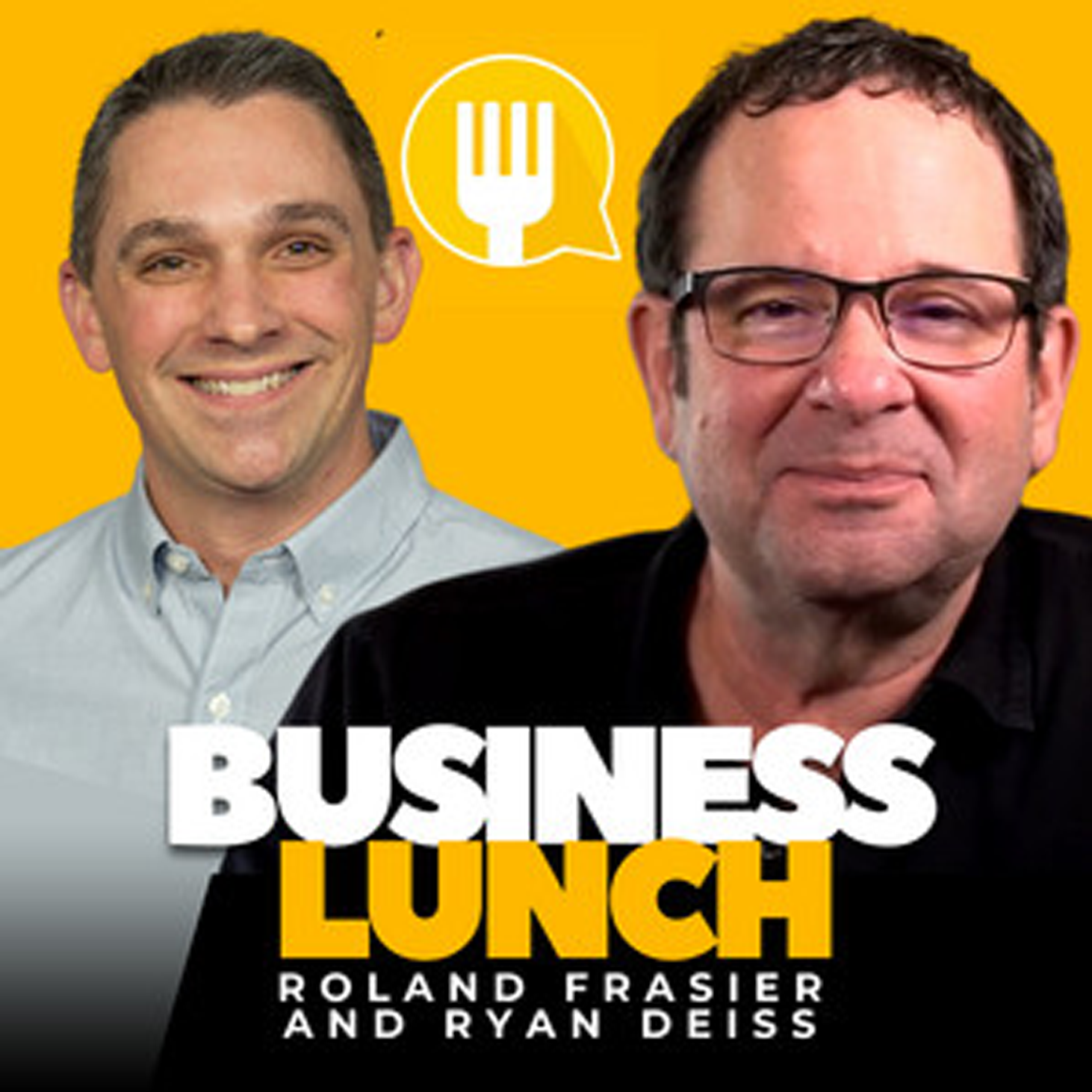
- Business Lunch
- Poppi's $300M Earn Out Is Now $12M: Why the Founders Still Won and How to Structure Yours
Business Lunch19 Nov 2026 · 46m · 23 chapters
Poppi's $300M Earn Out Is Now $12M: Why the Founders Still Won and How to Structure Yours
In short
PepsiCo cut the Poppy earn-out from a headline $300M to about $12M, sparking claims the founders were “hosed.” The hosts argue the deal was still strong and explain how earn-outs work and how to structure them.
Guests
Roland Frasier and Ryan Deiss (hosts). No other guests appear in the transcript.
Guest/subject background
Poppy founders Allison and Steven Ellsworth; Poppy was originally launched as Mother Beverage, later sold 25% on Shark Tank (2018) for $400K, then diluted to ~12% equity by the time of Pepsi’s acquisition. Pepsi integrated Poppy into its distribution; CEO admitted distribution upending hurt some sales.
Key claims
Social media confuses headline sale price ($1.95B) with founders’ actual proceeds (~$150M cash post-tax) and the earn-out’s conditional nature. Earn-outs often fail (41% pay nothing). The earn-out was tied to three-year retail growth volume Pepsi controlled.
Notable examples/terms
brand voice “ring-fencing” kept founder control; earn-out negotiation advice includes top-line metrics, pre-agreed budget/resources, accounting allocation protections, and pro-rata/tranche structures.
Written by AI. May contain mistakes.
Chapters
0:45
Initial Thoughts on Poppy's Deal
Discussion about Poppy's significant earn-out reduction and its implications.
“and I think didn't, wasn't it like close to$2 billion?”
2:15
The Journey of Poppy
Exploring the rise of Poppy, its branding changes, and Shark Tank rejection.
“I've tried all the flavors and I, I find it to have like a weird aftertaste, so I don't care for it.”
3:45
Breaking Down the Numbers
Analyzing the financial aspects of Poppy's sale and earn-out structure.
“I think there's some average, on average of the companies that go public or sell, the original founder owns about 10%.”
5:15
Understanding Earn-Outs
Clarifying what earn-outs are and why they often fail to meet expectations.
“So they did sell to somebody on shark tank in 2018, 25 % for 400 K.”
7:15
Negotiating a Better Deal
Discussing strategies for sellers to negotiate favorable terms in deals.
“what this earn out is going to be worth because bear in mind, from Pepsi's perspective and from Pepsi's investors' perspective, as this number goes down, it's good for them.”
9:15
The Impact of Distribution Control
Examining how Pepsi's control affected Poppy's growth and earn-out potential.
“And then there's all kinds of other things.”
11:15
Assessing the Deal's Fairness
Debating whether the founders of Poppy made a poor decision or a fair deal.
“It's not like this company is in the tank.”
14:00
Deal Overview and Brand Voice Protection
Explore the key provisions of the deal and how brand voice was protected.
“well in this deal and it was a good deal overall and nobody was an idiot and nobody was unfair I was looking to see if there were any provisions to protect the brand.”
15:00
The Impact of Founders on Brand Value
Discuss the influence of founders on brand popularity and decisions made post-sale.
“is that that brand was super popular largely because of the brand voice of the founders.”
17:00
Understanding Earn-Outs and Their Challenges
Unpack the concept of earn-outs and why they can be problematic in acquisitions.
“that if there's this hockey stick going forward, you get to participate in it.”
Show all 23 chapters
19:00
Red Teaming the Deal: Misaligned Incentives
Analyze potential misaligned incentives that can arise in earn-out deals.
“we're no longer going to be valued based on how much larger we're going to be five years from now.”
24:40
Structuring Earn-Outs for Mutual Benefit
Explore strategies to align seller and buyer incentives in earn-out agreements.
“And, um, and if Poppy performs really well, then Pepsi stock hopefully has, you know, an impact from that.”
28:00
Protecting Yourself in Earn Out Agreements
Learn key strategies for protecting your interests during earn out negotiations.
“And again, I don't know that they didn't do this or that they did, but that would be another thing that I would be thinking about to protect myself.”
29:08
Critical Terms for Earn Out Success
Discover essential terms to insist on for a successful earn out structure.
“And so along those lines, let's get on the seller side.”
30:58
Aligning Buyer and Seller Incentives
Understand the importance of aligning incentives between buyers and sellers in deals.
“promotions that you were going to do that were signed off on in advance, just like, you know, you have to sign off generally on, um, the use of name, image, and likeness and things.”
32:47
Challenges of Earn Out Structures
Explore the potential pitfalls of all-or-nothing earn out structures.
“And I, this is where I would argue that you are actually aligned because if Pepsi's paying a$300 million earn out, things have gone extremely well.”
35:34
Disincentives in Smaller Deals
Learn about the unique challenges faced in smaller business acquisitions.
“Um, if they grow at 24%, then we're not paying the Serena million.”
38:04
The Strategic Buyer vs. Private Equity
Understand the differences between strategic buyers and private equity in earn out negotiations.
“the deal, particularly in smaller deals, because I think that's important.”
41:20
Overall Assessment of the Poppi Deal
Get insights into the overall success of the Poppi acquisition and lessons for sellers.
“So what do you think, I guess, you know, you know, 30 ,000 foot, what's your take on the situation?”
42:00
Analyzing the Poppi Transaction
Learn about the dynamics of the Poppi deal and its implications for founders.
“I think everybody probably won on this deal.”
42:48
Lessons on Earnouts for Sellers
Explore key considerations for sellers when negotiating earnouts.
“That being said, the lessons still for sellers when it comes to earnouts are there.”
43:59
Structuring Earnouts Effectively
Understand the importance of properly structuring earnouts to maximize potential payouts.
“I think where that's going to show up is in the earn out.”
45:09
Negotiating Pro Rata Earnouts
Discover strategies for negotiating earnouts to ensure better outcomes.
“And structure them intelligently based on all the things we talked about.”

Ask about this episode
Get the gist, explore an idea or ask about something said.
 Claude
On Business Lunch, what are the key points of this episode?
Searching your listeningTranscript
Automatic transcript. May contain errors.
0:00Ryan Deiss: Hey everybody, Roland Frasier and Ryan Deiss here for another episode of the Business Launch Podcast. Ryan, how are you doing today? Dude, I am so good. I've been hanging out on the beach day drinking, so this should be a fun episode. You told me you were going to get ripped before you came on here, and you seem coherent, so I'm very disappointed.
0:17Roland Frasier: I know, me too. Yeah, I can't quite back up the ripped, but no. Honestly, I worked this morning, got to go out to the beach for a little bit, and I get to hang out with you. I'm very excited to get to do that. Nice.
0:29Ryan Deiss: Actually, I am too. We have something cool to talk about today that I think applies to a lot of people. This is the title of the article that kind of inspired today's podcast. But the headline is PepsiCo cuts Poppy earnout value to 12 million as growth falls short. and I think didn't, wasn't it like close to$2 billion? The sale of Poppy is a drink company that got really popular and it has an interesting story behind it too because it wasn't doing great and I think then they changed the name and brought in a branding company and it just like crazy. Yeah, they went on Shark Tank
1:05Roland Frasier: and were like totally rejected. Like everybody was like, I hate your idea. I think you're stupid and you're a disappointment to your family. It was basically the feedback. But yeah, no, it was a great success. I got the numbers here. There was a$1.95 billion deal. Apparently, like$300 million of that was like tax stuff to Pepsi. So the founders and the early investors only got, and this is important, only got about$1.65 billion. Cash? No. No. Well, so there was$300 million that was left over for this earn out. But apparently, like of the initial thing, yeah, that was basically mostly cash. It was mostly liquid.
1:53Ryan Deiss: Oh, was it really? So the earn out was only$300 million? Because that's actually a pretty great deal.
1:59Roland Frasier: This is what's cracking me up about this whole thing is if you're on social media, if you're kind of like on like business social media, everybody is crapping on this deal. And they're like wow these these founders are miserable failures um poppy sucks and pepsi is awful and really what you kind of have and this is where i sort of wanted to get your feedback on it um i agree that poppy sucks as a product or as a company as a product okay company you know i'm sure they're great i hate yeah um are we speaking to them as like about like as human beings like
2:30Ryan Deiss: every no no no no no even wonderful human beings can make an absolutely crap product okay great
2:36Roland Frasier: Yeah. I don't know. I don't know that I've ever had it. Um, what is it? Is it like, it's like a,
2:42Ryan Deiss: it's a, it's like a soft drink that's supposed to taste good, but you know, compared to other drinks to me and my, you know, and, and of course some people may say this is subjective because it's just what I think, but you know, I say it's objective because it's what I think, but no, I'm just kidding. Um, I personally don't like it. I've tried all the flavors and I, I find it to have like a weird aftertaste, so I don't care for it. Um, but it, it got crazy popular and they did well and they sold it and good for them. And if they got a bunch of cash, you know, then they did great. Um, unless you're wrestling with understanding the difference between what we call a headline price, which is the price that's always published in this case, it was 1.95 billion and, uh, the price of what you actually get as founders and investors, which is frequently significantly less than that.
3:30Ryan Deiss: And very often subject to what we call an earn out, which we can explain.
3:33Roland Frasier: Yeah, and that's really the story here. So you had the initial oomph, which not a bad deal, right? I mean, and to be clear, I don't think the founders owned 100 % of the company's husband and wife team. Let's say that they only owned 10%. I think there's some average, on average of the companies that go public or sell, the original founder owns about 10%. I think in this case they owned more. But let's say it was only 10%. Let's say they only, like it didn't sell for the 1.95 as advertised. It was 1.65 billion. And then you subtract the 300 million from that. So now we're talking, because that was the earn out, which we'll get to in just a second.
4:22Roland Frasier: That's the headlines. So the headlines are basically this 300 million that they were supposed to get. Pepsi has already basically said now that that's really only going to be worth about 12 million. And that's what everybody's saying is like their$300 million earn out is only going to be worth about 12 million. Maybe it's worth nothing. Therefore, everybody sucks. I want to come back to that.
4:42Ryan Deiss: But like, just can I can I supplement with with breaking news from from your favorite AI answer engine?
4:48Roland Frasier: Yes, please do.
4:50Ryan Deiss: Okay, so it says that the founders, Allison and Steven Ellsworth, saw the following payout. Founder equity at sale was about 12%. Okay. My estimate was 10%.
5:03Roland Frasier: So nice to know it wasn't that far off.
5:04Ryan Deiss: That was good. Yeah. And I think that's typical. They originally owned 100 % of the business, originally launched, unfortunately, as Mother Beverage before selling 25 % to the Shark Tank. So they did sell to somebody on shark tank in 2018, 25 % for 400 K. Uh, and then that guy's, uh, venture fund, uh, with some other celebrity institutional backers, which you get from shark tank, basically diluted them down to about 12%. And then on the sale, the post tax cash proceeds to them was about 150 million. So that, that gives us a, and then they had up to 300 million in earn out in a pool. And that was tied to three years retail growth volume milestones under Pepsi's distribution network.
5:56Roland Frasier: Yeah. So that's where we are. Yep. So first, I think there's a couple of takeaways from this. And I'm glad we got to the real story because a lot of people are basically treating this like all the founders, they just got hosed. They didn't make any money on this deal.
6:13Ryan Deiss: That's what the article seems to imply, that Pepsi is terrible and it always happens. And I think they cited, it was either there or something else I saw, another article, but it was basically, they went through five or six of these beverage type deals and even a couple of CPG deals. And we're like, look, the founder never gets, they never get what they're supposed to get. Right.
6:34Roland Frasier: And here's the facts on the ground about earnouts. On average, one in four deals carry an earn out. And on average, you only, you know, the seller is only going to get about 21 cents of any dollar that is earned, like that is promised in an earn out. Yeah. The stats say
6:57Ryan Deiss: 82 % of earn outs fail to reach anywhere close to the potential.
7:02Roland Frasier: And 41 % pay nothing at all. So in this case, what we have is a possible$300 million earn out that now, according to Pepsi, because Pepsi is a public company. Every quarter, they're supposed to report what this earn out is going to be worth because bear in mind, from Pepsi's perspective and from Pepsi's investors' perspective, as this number goes down, it's good for them. It's a balance sheet improvement. So what you had was 300 million sitting on a balance sheet and it goes like 268 million, 112 million, and now it's marked all the way down to 12 million. And that's the thing that everybody's looking at is like, blah.
7:39Roland Frasier: So I think first things first, this entire deal, you had about 15 % of the deal, of the value of the deal, the actual value of the deal, and really the headline value, so a little bit less, was represented as an earn out. So my question to you, if you're doing a deal as a seller, are you happy with 15 % being in an earn out? And I know there's like...
8:05Ryan Deiss: Yeah, you don't even have to disclaim. To me, if you are negotiating the deal the correct way, you get as much as you possibly can in cash before you ever even start talking about earnouts or any kind of deferred compensation or notes or any of those things. It's just how much cash do I get? And you and I know because we just went through a process with someone that we were helping with something like this. And it was all about what can we get on the cash up front? And if we can't get the cash that we need to get up front, we're not moving forward with the deal. And if we can, then everything else is gravy.
8:42Ryan Deiss: And that's really the way to look at that. So if I, the earn out is a stretch goal and it's when you've gotten to the point where you've gotten, if you're a good negotiator, every dime of cash that you can possibly get from the buyer. And now it's basically, no, they've said no, right. We just can't do it. We can't find it. You know, and you, you're like, come on, come on. You know, that's, that's the Ryan, that's one of the 300 methods to get more money. Come on. Exactly. You haven't been able to be successful with that or any of the other methods. And now you're like, okay, well, what else can I get?
9:17Ryan Deiss: And then there's all kinds of other things. There's roll-in equity and a million other things. Earn-out is probably one of the most commonly known and possible. And on earn-outs, it's typically 10 % to 40 % of the total headline price is earn-out. It's typically paid or vests or calculated over a one to four year period. And in the middle of that for both of those numbers is probably average, which is kind of where this deal was. And we know that 41 % of the time it doesn't happen, which kind of makes sense because like that's not terrible because it's a stretch goal. It's just like when you do good, better, best in your forecast for your budget, right?
9:58Roland Frasier: Well, their earn out was only 15%. I mean, that's my thing.
10:01Ryan Deiss: so i'm looking and i'm like they did good to start with they did a great deal right exactly
10:06Roland Frasier: these these founders they got what was it 138 something million like 150 i think they said about okay 150 ish million you know they had to pay taxes on that poor i mean that sucks right um capital gains you're down to like 120 what are you gonna do yeah you're how you gonna spend all i mean this is almost nothing right almost nothing but people are saying like oh they were due 300 million, they weren't. They were doing about 12 % of 300 million. And let's be clear, any serious seller is going to look at that 300 million, especially under these terms and say, we're probably never going to get that.
10:45Roland Frasier: It's a flyer, especially when, and this is important, Pepsi as a part of this earn out, and the sellers knew this, these are not unsophisticated people. Pepsi moved Poppy into their own distribution and their CEO admitted, and I love this quote, it had, quote, a bit of an impact. The reason that like some of the sales were down is because they completely upended their distribution. But it's worth pointing out that their growth year over year was still double digits. It's not like this company is in the tank. It's not like this brand is, you know, is utterly like worthless. It's just what it sounds like to me is that the, the sellers did a really good job negotiating a pretty good price and they wanted an outsized price.
11:34Roland Frasier: And Pepsi basically said, fine, we'll give you your number, but you need to hit these bizarro growth targets that we effectively have total control over. Right. I mean, and so it was like you have to hit these earnings targets and this is important they weren't even revenue targets they were earnings targets like bottom line profit targets were pepsi controlled
11:59Ryan Deiss: distribution well it was volume it said said that the earn out provision was tied to three-year retail growth volume retail growth and volume so it doesn't sound like which is smart it was that it was okay okay was at least that's a big no no you don't want to tie it to profit bingo i was
12:16Roland Frasier: going to say, because if you're going to do an earn out as a seller, if you're sticking around, you're going to have almost no control whatsoever over net. You might have some control over top line. But in this case, man, they didn't really have much control over top line because Pepsi immediately rested distribution control over them. That's like, if I were to say, okay, I'm selling my golf clubs. I got golf clubs for sale. The buyer's like, cool. I'm not going to pay you anything for your golf clubs, but I'm going to give you an extra 50 grand if I break 80, like with your golf clubs. But by the way, I'm going to like swap out the driver and the putter and the wedges.
12:55Roland Frasier: I'm going to only play in hurricanes. Like, and what do you know? I like, I shot a 112. So sorry, you don't get the extra money. Like it just, like these circumstances, when you don't have any control over it as the seller, you can't reasonably expect to receive the proceeds from that. And that was the situation here. So I guess I'm looking, I'm like, everybody's positioning this like the founders are idiots and Pepsi sucks. And I guess my question is like to you, cause I know, you know, these kinds of deals better than anybody else. Is that true? Or is this just kind of typically how these things go down?
13:37Ryan Deiss: is is what true this the headline statement about pepsi the founders the founders are idiots
13:42Roland Frasier: for doing this deal and lose out on this money the sellers and pepsi sucks because they clearly don't know how to integrate and and scale something that they bought yeah we we don't
13:54Ryan Deiss: know the answer because we don't have the inside story but my my impression is that everybody did well in this deal and it was a good deal overall and nobody was an idiot and nobody was unfair I was looking to see if there were any provisions to protect the brand. And there actually were. They're not like in terms of how many end caps are you going to get in the, how much distribution in shelf space and all that kind of stuff. Because it's a giant company and they're constantly adjusting. So if they had 20 deals with 20 companies they bought and they always had to have shelf space for them and nobody was buying it, that would be terrible.
14:32Ryan Deiss: So they're never going to agree to that. They were both represented by very experienced counsel. And there was brand voice ring fencing, meaning that Pepsi absorbed Poppy into the brand, but they continued to maintain the brand voice. and the founder, Allison, maintained she was the brand voice and had control over that and came into Pepsi. And what my guess is that the big, big fall off is that that and this is something that Pepsi took a risk with, is that that brand was super popular largely because of the brand voice of the founders. So there was this giant founder, spokesperson, brand voice dependency, and she stepped back mid-2026 to focus on their new venture, Jetty, and manage her family office.
15:23Roland Frasier: They've got a brand new beverage venture. She's probably going to direct her personal brand towards that one.
15:28Ryan Deiss: Yeah. So they kind of made the decision, I think, as much as anything, hey, we've kind of done everything we can do. and we're going to make more by not, you know, by willing, willingly abandoning the brand voice role and the potential 300 million that's going to come from that to go and see if we can do another deal that we control a hundred percent of and, you know, until they get investors again, and we'll sell that to Pepsi too. And my guess is Pepsi is very happy with the deal. And these guys are very happy with the deal. And I mean, anytime you sell your company and you get to devote your life to your family office in your next entrepreneurial dream, and you got$150 million in cash.
16:10Ryan Deiss: I feel like you're doing good. I don't think there's a villain here. I think there's just social media influencers trying to make a story.
16:19Roland Frasier: And again, like Pepsi said, they're still, despite their acknowledging, we sort of fumbled a little bit of the distribution integration. They basically came out and said that. And yet they're still up sales wise, double digits. Yeah.
16:38Ryan Deiss: Well, the goals that you're going to set in like, cause I think this is the other thing people don't think about is the, it's not like business as usual gets you the earn out. It's if business exceeds usual, because they've already paid you the cash. If you're doing a deal like this, where it's only 15%, they've pretty much paid you all the cash for the value that exists right now today. Right. And you're agreeing that if there's this hockey stick going forward, you get to participate in it. And if you don't, I mean, to me, nobody should be disappointed. I know, you know, like I can think of an earn out that we did that we knocked it out of the park and hit the cap because there was a cap on how much we could get on the earn out.
17:18Ryan Deiss: And that was great. And we would have been disappointed if it hadn't happened. But, you know, I look at the follow on of what the second bite was worth to us And it ended up being nothing for us. And I'm still very, very happy with the deal we did.
17:34Roland Frasier: Correct. And that's the thing. They're looking at it because people are like, oh, the founders lost out on$300 million. No, they didn't. They had 12 % of the company. So it was, which I'll admit, still a lot of money. But it was$30 something,$36 million, whatever, that they quote unquote lost out on. But they made the strategic decision to reinvest into a brand, into a new brand that they think will probably net them out more than that 30 something million dollars. Pepsi understands that they're not in the business of building, you know, consumer brands on the backs of these, you know, founder, influencer brands.
18:12Roland Frasier: they're doing it through when they acquire these companies, they're going to scale them through improved distribution, through improved cost of goods sold, because they're going to have, I'm guessing they're going to just slightly be able to improve like the unit economics of a fricking poppy as Pepsi than the poppy founders would. Yep. I mean, do you think that's a stretch to think that?
18:39Ryan Deiss: No, and Pepsi has not got the viral presence to do what those guys did. And also, I think it had its big spurt. Correct. They bought on the back end of the spurt.
18:51Roland Frasier: They shifted from a growth. They did what companies do. When companies realize at some point they're going to shift from a growth stock to a value stock, we're no longer going to be valued based on how much larger we're going to be five years from now. We're now going to be valued based on EBITDA, on earnings. They're doing the same thing, but on a brand perspective for what is the portfolio value of this particular brand. And when they acquire a growth brand into a value brand, they understand that it's going to grow more slowly. but that's fine because they're going to so dramatically improve the unit economics and the bottom line of that particular brand beyond what the founders would have been able to do with their lack of distribution and not having the infrastructure from a, you know, manufacturing standpoint.
19:43Ryan Deiss: So devil's advocate, let's, let's see if we can red team this and support the idea that someone didn't do as well as they should or screwed somebody or whatever. Do you have any thoughts on what that would look like?
20:02Roland Frasier: We're going to assume that everybody sucks in this nearly$2 billion deal.
20:07Ryan Deiss: If we were trying to make the argument, we're the red team. We're saying, okay, how can we get to, or if you were forced, it happens to attorneys all the time. They have to support a terrible position, right? You know?
20:25Roland Frasier: So because here's the scenario, right? Like, so I'm going to attempt to answer your question, but first I'm going to lay out the scenario just to, just to make it clear how difficult this scenario is because you have such misaligned incentives. And I think it's, this is worth acknowledging when you go into an earn out deal. So what you have now, there's$300 million, which is about 15 % of the stated of the value of this deal that's still floating around out there, which by the way, probably nobody expected to get because it was just a, come on, give us this. So there you go. We're already playing with monopoly money.
21:03Roland Frasier: So that's out there. And the way, by the way, that this is earned is the founders, the sellers, they have to drive this incredible growth, except, and this is important, they have no control whatsoever over the distribution. They have limited control over the brand. because Pepsi is still going to pull the purse strings in terms of the budget. And they likely have to achieve outsized growth from what they were even, you know, projecting realistically internally to achieve. Because probably what they said is, these are our growth numbers, what we think we're going to do if we don't do this deal, which everybody knows is horse crap.
21:42Roland Frasier: That is an inflated number, okay? On Pepsi's side, after the sale is made, they now have to say, well, we sure do want to achieve these growth numbers because when we do, we get to pay out an extra$300 million in cash today. or we could just grow at a reasonable rate just slightly below these trigger amounts, still be pretty good, still hit the numbers that we need to hit as executives to hit our bonuses and know that as soon as this earn out is, you know, passed, we could kind of take this thing to the moon, whatever we want. I guess what I'm saying is, dude, I didn't see any scenario under which this earn out would have been hit.
22:24Roland Frasier: Everybody was disincentivized to do it.
22:27Ryan Deiss: hmm if i i think that like the the first thing if i'm thinking about uh would be i could blame the deal makers and say you know we all know that earnouts are really really tough we know a high percentage of the time they don't pay anything and they almost always pay less than
22:48Roland Frasier: we thought 41 they pay nothing they usually found money yes but it's still money that we'd like to
22:54Ryan Deiss: get, what is something that doesn't cost Pepsi that would get us paid? And so maybe steer the earn out into roll in into Pepsi stock, um, because it doesn't cost Pepsi cash money to issue the stock. It's a balance sheet transaction. So that would be something that would be like of value to the sellers that I think would be something you could consider.
23:26Roland Frasier: But be a non-balance sheet item for Pepsi.
23:30Ryan Deiss: Well, they would issue the stock at a value that would probably be significantly less than market value. It probably would be good for both of them in that Pepsi wouldn't have to pay$300 million. It doesn't cost them$300 million cash to issue the stock. and it is an asset that's worth something to the founders where the earn out might be nothing. And in this case -
23:59Roland Frasier: Yeah, so let me repeat back what I think I heard you say. If you, as a seller, are going to push for an aggressive earn out and you know that as the seller, you're not actually going to have much control over the achievement of that earn out. Which in this case, clearly any rational actor would have had to look at this and say, okay you got to do all these volume goals and all this other stuff except wait for it you have no control of distribution yep right so clearly now i'm not super incentivized to try to double down personal brand wise to like oh let's run take this thing to the moon when i still don't control distribution and pepsi's not incredibly incentivized to do that because if they pull it off they're gonna have to pay 300 million right so but what you're saying is if the sellers had said let's put the earn out in pepsi stock now maybe pepsi's a bit more incentivized to make this work out because they probably got some treasury you know some stock laying around the treasury they can give you for almost nothing yep um and then you know it while it may not make them uber incentivized they're not as disincentivized to do it.
25:10Ryan Deiss: Yeah. Yeah. I think it aligns better for both. And, um, and if Poppy performs really well, then Pepsi stock hopefully has, you know, an impact from that. If they're giving them good news, news typically drives the, you know, the stock prices. So that could be good. The, the other thing.
25:28Roland Frasier: Sorry, Kenny, I think that might propose a question, um, to ask on like, when you're doing an earn out is, I love this positioning. So if you're the seller saying, you know, okay, Mr. and Mrs. Buyer, this transaction is done. We, you know, we want to do earn out. We want to make more. What's your, what do you incentivize by? Like, what's your compensation? You know, is it stock value increase? Is it, is it this? Like, how can we make it to where our earn out is tied to you also winning is I think what you're saying there, because surely an executive at Pepsi is going to be way more incentivized by the stock value increase of Pepsi than they are of - Because they own the stock too.
26:12Roland Frasier: Of course. Yeah, of course. Than they are by any particular brand increasing in sales. Yeah. And so just that question right there of when we're on the other side of this deal, how do we make sure incentives are aligned as opposed to misaligned? Because yeah, to your point, the mistake that would have been made to the extent that there was one would have been that obviously you had misaligned incentives on the earn out front post-sale. Yep. Okay, cool. I hadn't thought about that.
26:38Ryan Deiss: This is why you're the pro at this. The other thing that I would think about is while you're probably not, I would ask, but you're probably not going to get shelf space and an end cap and feature kinds of agreements because that affects the entire product mix of the company. And that's changing all the time. What you could do is, and what we did in one of the deals like this that we did that you'll probably remember is that you agree on the budget and the operational team for the earn out period so that you do control that. And so I don't know that this was or wasn't done, but that would be the other thing would be that you are planning out your campaigns as to what's going to happen.
27:30Ryan Deiss: You know, who are the celebrities you need to sign on the trust agents, the marketing pushes, the channels, the events, anything like that, including promos and such. And you basically say, this is our three-year budget if we're on a three-year earn out. And you and your marketing team have the opportunity then to do exactly what you would have done had you not sold. And you're in charge of that. So that puts you in a whole lot better spot to achieve whatever was likely to happen. And again, I don't know that they didn't do this or that they did, but that would be another thing that I would be thinking about to protect myself.
28:12Ryan Deiss: They did a good job with the brand voice ring, keeping her there, letting her be that. I don't know what were the constraints that were imposed upon her, but the tighter you've got your non-sale forward-looking marketing and promotions campaign together, the better. And then the other thing would be protecting on the accounting side from allocations, because we've seen deals where you're integrated and now you get hit with an allocation that goes across all brands and divisions, and you didn't have any impact on that. So you would generally say, for accounting purposes, make the allocation. For earn out purposes, the allocation has to be disregarded or has to be capped at the pre-sale expense ratio or absolute number.
29:06Ryan Deiss: Does that make sense?
29:07Roland Frasier: Totally. And so along those lines, let's get on the seller side. So we're doing a deal and for us to get our number, or just because maybe we think we feel like we've got our number, but we feel like there's some extra, you know, you know, a little extra, extra loving out there that we can, that we can get, um, from an earn out perspective, what are some terms that you would really insist on in terms of the earn out? I heard you, and I'll say a couple of things that I thought I heard you say, and you can correct me and add to number one, let's make sure that it is a function of top line, not bottom line.
29:47Roland Frasier: Uh, number two, let's make sure that we're negotiating in what the budget is going to be um and that specifically that the budget and the resources and and as much as possible the the the people the human capital that's going to execute upon those resources would be the same people that would be involved if the sale didn't happen especially if what you know so we're going to insist upon the budget ideally the team if if we're going to be held accountable to it we're going to have control over that. And then I guess I'm trying to remember what, I feel like there was another one that you said.
30:27Ryan Deiss: Allocations.
30:27Roland Frasier: Oh yes. Yeah. And that there's not going to be any sort of surprise allocation, which is a bit of a function of budget, but, and really that gets taken care of if you're top line, not bottom line, but yeah, that you're not going to get hit with allocations that are either going to drop you below your threshold or just remove the resources that you would need to grow from a cash flow perspective.
30:50Ryan Deiss: Yep. Yeah. The, the other couple things, yes, all of those things. Yes. Um, the, the other couple of things it would go to budget, but because it's an approval process generally to get, you would also ideally have planned promotions that you were going to do that were signed off on in advance, just like, you know, you have to sign off generally on, um, the use of name, image, and likeness and things. You want to get that in advance because you don't want there to be a disincentive, uh, that's out there for some reason or some personal issue with somebody that you don't get along with.
31:24Roland Frasier: So Poppy's saying, look, you know, Pepsi buys a Superbowl ad every year. I want Pepsi featured in the Superbowl ad Yeah. Being an extreme example of a promotion baked in ahead of time.
31:33Ryan Deiss: Yeah, exactly. Yeah. And the same thing for market expansion. Like if you had market expansion plans, then, you know, are those expansions going to be honored? If there's acquisitions that are in process or were planned, those things would be something that I would, you know, argue should be accounted for if they didn't happen. If, you know, you were in the middle of, you know, three acquisitions that were planned and Pepsi then basically says, you know, nah, we're not, that's too small for us. We're not interested. I'd be like, yeah, but that was part of the growth. And you might not get those things, but I bet if you ask for all the things we just talked about, and we'd probably think about eight or 10 more once we were in a deal that would be specific to the deal, you know, you're probably going to get some of them.
32:17Ryan Deiss: Yeah.
32:17Roland Frasier: Well, and the nice thing is they're like, well, we can't do this and this. Like, well, if you can't do this and this, then that can't be an earn out. Let's put that back in the, in the initial payout. Yeah. Right. I mean, And so all of these things become different. You know, if you think about it as like, it's a balloon, right? And so they want to squeeze the front of the balloon to push more of the air to the end, which is the earn out. And when you start basically applying some of these different constraints to the earn out, what it can do is basically you squeezing that balloon and shoving some of the air to the other side and just evening it out a little bit.
32:51So put on your buyer hat.
32:56Roland Frasier: Uh, cause obviously we do that too. If we're doing an acquisition and we've got an earn out, so a seller's insisting on an earn out, are you expecting to pay it in full or are you thinking, yeah, fine, we'll give them their earn out, but they're not going to hit it.
33:11Ryan Deiss: Um, I, I want them to hit it. And I, this is where I would argue that you are actually aligned because if Pepsi's paying a$300 million earn out, things have gone extremely well. Everybody that participated in the deal is getting promotions and raises and bonuses and Pepsi's making more than 300 by a fair amount on the deal. So I actually, as a buyer, want the earn out to be realized. I'm not trying to think about ways to kill it because if it's properly negotiated and structured, it is actually in everyone's interest for the earn out to be met.
33:46Roland Frasier: Thank you. Because I'm watching, and again, these are all these like Monday morning social media quarterbacks that I'm seeing on the deal. Who've never done a freaking deal. And I'm thinking, and they're talking about how, well, obviously, you know, private equity has done, you know, Pepsi has done this. Maybe it's a little bit different if it's an institutional versus a strategic. But man, definitely, if you're talking about a strategic, you're telling me they're going to put this thing together. The person who did that deal internally, they want that deal to work. And so they're going to try to structure that deal so that on the other side, everybody's incentivized for this thing to happen.
34:23Roland Frasier: like that shows good for everybody they want everybody to be happy so they're they're not going to intentionally put together a deal with misaligned incentives i do think that sometimes well-intentioned people when you've got conflicting people will will wind up at a deal where you turn up with with misaligned incentives and maybe that happened here maybe it didn't but i don't believe that actual deal makers go into this go into deals at this scale trying to come up with misaligned incentives. They're just, it's not their money.
34:53Ryan Deiss: They don't care enough. That's what I was going to say. The same thing is true at a company like Pepsi, certainly more than a smaller company. But at Pepsi, they don't care if the 300 million gets paid or not. I mean, the acquisitions team is a completely different group of people than the operations team. The operations team is not, I can't, I don't know for sure because I don't know Pepsi's internal workings, but I can't think that anything but successful performance by the division that was acquired is ascribed to the ops team. I don't think that an earn out payment is going to affect their bonuses.
35:28Ryan Deiss: And I don't think they ever look at it or care.
35:30Roland Frasier: Could you imagine a deal like this going through and the VP, SVP of this particular division saying, yes, we just acquired this poppy thing, ops team, here's the deal. Um, if they grow at 24%, then we're not paying the Serena million. So I need you to figure it out. I know it's a complex, I know it's a complex thing, but let's try to only grow at like 17, 18%. Right.
35:55Ryan Deiss: Right.
35:55Roland Frasier: So we got to pay it. It's the freaking way.
35:58Ryan Deiss: Which is also, which that, that's a good point though, that you raised or it, it triggers the thought that people, you know, and this isn't a deal that we just went through where this was the case is that an all or nothing earn out is not ideal. So you ought to not have, if the target's 25 % and you hit 24.999, that you'd get nothing. It should be pro rata. So we're saying, you know, it's 300 million if you hit 25%, but if you hit half of 25%, then it should be something. Maybe it's not half of the 300.
36:34Roland Frasier: Maybe a tranchet or something like that, but yeah, There's got to be something for the voice, something for the effort.
36:40Ryan Deiss: Exactly. I agree. But I will say, the one that was just written when we first got it was written as all or nothing. And it was like, really? Like nothing? We hit, I think it was 17 % or something like that. It's like, we hit 16.9 % and you're like, nah, tough. Particularly when it's a smaller company, I do think that if the founder and it's a founder and a CEO and a small team, They're definitely looking at that. And so you got to be careful because I do think that consciously or subconsciously that it could happen that they are definitely thinking about, gosh, if we just go a little bit slower.
37:21Ryan Deiss: I don't think it's happening at Pepsi, but I think it's happening at a small HVAC company, maybe under$10 million company. I think people are thinking, hey, I got to pay an extra$2 million on this deal. you know, we bought a$10 million company and it's a 20 % earn out. I got to pay an extra 2 million. I mean, I've got the choice of doing this or that. And one way probably means we have to pay two. And one way we don't. And half of that's mine because I own 50 % of the company. You've created a terrible disincentive. And then I would be concerned in that case. So I'd be very, I would be mindful of the degree of incentive alignment and how it impacts any particular individual in the deal, particularly in smaller deals, because I think that's important.
38:08Roland Frasier: Which is what I think a lot of our listeners would be dealing with. They're probably not doing$2 billion deals with multinationals. So do you think, because I think you bring up a good point, because I truly am. I'm giving Pepsi and everybody the benefit of the doubt of being good people. Good people are not. I'm not prepared to make a formal declaration of shenanigans, I guess is what I'm saying. And it seems like everybody on Instagram is prepared, which makes for maybe a boring podcast, but like, I like to think it makes for lots of clicks. Yeah. I like to think people are listening to this to learn, not, not just to like, you know, be enraged, but the, um, but I, but I do think that there's a slight difference between, um, a strategic buyer and a private equity buyer and a really small buyer.
38:58Ryan Deiss: I would even call that an owner operator buyer.
39:01Roland Frasier: An owner operator buyer, a less sophisticated buyer, you know, let's say, because a strategic like a PepsiCo certainly is. They just want the dang thing to work. They're going to have a deal team that's going to acquisition team, internal M &A team that's going to do the deal. They're going to integrate it. Ops team is going to run with it. They got to hit their goals, whatever. Everybody just wants it to work. Private equity, you know, between the two, and I know we're drawing with like painting with very broad brushes here and making judgments, you know, across large chunks of humanity. But in your experience is when it comes from an earn out perspective, are you more or less likely to get paid and earn out with a strategic versus an institutional private equity?
39:50Roland Frasier: Or is it dependent upon like the size of the buyer?
39:53Ryan Deiss: I haven't really seen a difference. Private equity is the most usually sophisticated financial engineering group of people that you're going to sell to. They're typically called financial buyers. They're, you know, gonna, if they're running the typical playbook, they're going to acquire it using a lot of debt, hope that it grows and then pile on a whole lot more debt, take out dividends and distributions, and the company's going to have a really hard time, you know, in a lot of situations continuing to operate if it's not hitting all of its performance goals. And, um, that, so I, I don't think you, I don't think they're thinking or that you're, you know, like in terms of playing with the earn out or not, I think they're, they all want the deals to win, but the, probably your, your best bet is a strategic or a family office, um, more than an owner operator, because that money is going to be directly coming out of their pocket if they have to pay it.
40:48Ryan Deiss: And then the private equity people are just much more financially oriented and might be concerned about, it might help them much more than it would Pepsi or a family office to have the liability reported at 12 million instead of 300 million as they go to get financing to do their financial engineering. So just in terms of incentives, is I'd say you're better off probably with strategic or family office. That's just an opinion though.
41:23Roland Frasier: Yeah. So what do you think, I guess, you know, you know, 30 ,000 foot, what's your take on the situation? And then what do you think are the lessons for possible small business sellers?
41:41Ryan Deiss: I mean, I think we talked about it really. I mean, it's all the things that we talked about. So not to re-summarize.
41:48Roland Frasier: I guess I'm asking you to re-summarize.
41:50Ryan Deiss: Yeah, no.
41:52Roland Frasier: You don't want to do it? Fair enough.
41:54Ryan Deiss: Well, I mean, I feel like we talked about it.
41:56Roland Frasier: Do you think anybody got, I mean, so I guess I'll take a stab at it. I don't think anybody gets screwed. I think everybody probably won on this deal. Sounds like it was a good transaction for all involved. I don't know the inner workings of Pepsi. We'll find out if this is a brand that lasts or if they kind of overpaid for what was a short-term trend. but as a company, these are bets that they make, right? They don't create new brands from scratch. They're not like, it's not what they do as a company. They wait for them to pop up and they acquire them and some win and some lose. So it just seems to me like a really very incredibly normal deal.
42:32Roland Frasier: And as far as the founders are concerned, they did great.
42:35Ryan Deiss: Their investors did great.
42:37Roland Frasier: Everybody did really well on this deal. and we should see it as a success story, not as some cautionary tale.
42:48Ryan Deiss: Agree.
42:49Roland Frasier: That being said, the lessons still for sellers when it comes to earnouts are there. And I think if I were going to try to summarize it into one thing, when you're looking at the earnout as a seller, just look at what's being proposed and are they clearly trying to incentivize you to stick around and to be a part of the business at the next stage? Or is it kind of clear that maybe they don't want you around? And as long as you also don't want to be around, great. But if you kind of do, if you do want to be around, if you want to play a role in the next phase of the business growth, if you want another bite of that Apple, let's say you sold 80 % or 70%.
43:37Roland Frasier: You're still holding a lot back, aside from the earn out that you want to be able to make if it sells again. And you want to be a part of that. You want to just play it at a bigger game. Just make sure that the earn out that you have is clearly incentivizing you to do the work that you know how to do well. And that it's clear that they value it. because if they don't, I think where that's going to show up is in the earn out. Yep. If they don't value at the next level, you're going to see it in the earn out more than just about anywhere else. Yep.
44:09Ryan Deiss: Agree.
44:11Roland Frasier: Cool. Anything else that you would add to this year's discussion?
44:15Ryan Deiss: I think we did it. I think earn outs are great. I think properly negotiated and structured, it's a way to potentially get more if the company does the things that we hope it's going to do, tying them not to profits, but some of these things like revenue and growth goals or volume increases or things like that, anything but profits. Because profits is so manipulable, it needs to be a manipulable number that it's tied to. But I wouldn't poop on earnouts just because most of the time they don't turn out to be paid. I'd say that they are designed for that. They are designed to be paid only when exceptional circumstances exist and occur.
45:00Ryan Deiss: And by definition, that exceptional only happens ever so often. So yeah.
45:06Roland Frasier: So at the same time, earn out's good, earn out's fine, but don't count on them. Yeah.
45:11Ryan Deiss: And structure them intelligently based on all the things we talked about. Because I do see lots of them structured terribly, right? So that's an important thing.
45:22Roland Frasier: Yeah. Like you said, and what you said in terms of earn outs not being binary, you know, you hit or you didn't, you know, it's something I know that's come up, but I don't know that we've ever talked about. So I think that's kind of the one takeaway that people get. Just that one thing can make people a lot of stinking money because it's not that hard to negotiate, you know, after the fact of like, hey, what about some kind of pro rata earn out? And then negotiate away from that. That Roland Frazier is why you get the big bucks.
45:51Ryan Deiss: Nice. Actually, we get the big bucks, but yeah.
45:54Roland Frasier: I know. But I mean, you get them and then sometimes you share them with me. It's fun.
45:58Ryan Deiss: I like it. Awesome. Well, thank you guys for being here today and we will see you next time on Business Lunch.
From the publisher
PepsiCo paid $1.95 billion for Poppi and has now marked the founders' $300 million earn out down to about $12 million, and business social media decided the founders got hosed. Roland Frasier and Ryan Deiss run the real numbers instead: about 12 percent founder equity after the Shark Tank dilution, roughly $150 million in cash after tax, and an earn out that was only 15 percent of the headline price. Their read is that everybody won. An earn out is a stretch goal on top of the cash, not money you are owed, and on average it pays about 21 cents on the dollar, with 41 percent paying nothing. Then they get practical about structuring one that can actually pay: tie it to top line or volume and never to profit, ask what the buyer's own people are incentivized by, consider taking it in buyer stock, lock in the budget and the operating team for the earn out period, protect against surprise allocations, and never accept all or nothing when pro rata is there for the asking.
The report that started the conversation: https://www.thestar.com.my/business/business-news/2026/10/14/pepsicocuts-estimates-for-poppi-payout-while-soda-sales-slump
0:00 Welcome, and the headline: PepsiCo cuts Poppi's $300 million earn out to $12 million
3:12 Headline price versus what the founders actually got: 12 percent equity, about $150 million after tax
6:34 The earn out stats: one in four deals, 21 cents on the dollar, 41 percent pay nothing
7:39 Cash first, earn out as a stretch goal: was 15 percent of the deal in an earn out a good deal?
10:34 Pepsi took over distribution, and why an earn out tied to profit is a big no
13:15 Did anyone get hosed? Roland's read: everybody won, and the founder brand voice dependency
16:33 Business as usual does not pay an earn out, and why Pepsi buys growth brands as value brands
19:44 Red team: the misaligned incentives on both sides of this earn out
22:29 Roland's fix: take the earn out in buyer stock, and ask what the buyer is incentivized by
26:40 Lock in the budget and the team, pre approve the promotions, and protect against allocations
29:07 Ryan Deiss recaps the seller's earn out checklist, plus expansion plans and planned acquisitions
32:50 The buyer's hat: a strategic wants to pay the earn out, and who actually pays (strategic, PE, owner operator)
35:57 Never all or nothing: make the earn out pro rata, especially in deals under $10 million
41:21 Lessons for small business sellers: the earn out tells you whether they want you around
44:11 Closing: earn outs are designed to pay only when things go exceptionally well
Listen to Business Lunch:
Apple Podcasts: https://podcasts.apple.com/us/podcast/business-lunch/id1442654104
Spotify: https://open.spotify.com/show/0iWSA89TaD263zhXETdSvZ
Follow Roland Frasier:
Instagram: https://www.instagram.com/rolandfrasier/
LinkedIn: https://www.linkedin.com/in/rolandfrasier/
TikTok: https://www.tiktok.com/@rolandfrasier
Facebook: https://www.facebook.com/RolandFrasierPage/
Everything else: https://msha.ke/rolandfrasier/
Follow Ryan Deiss:
Instagram: https://www.instagram.com/ryandeiss/
LinkedIn: https://www.linkedin.com/in/ryandeiss/
X: https://x.com/ryandeiss
Visit: https://www.scalable.co
More from Business Lunch
All episodesWe use cookies.They keep VO running smoothly and help us improve it. Privacy policy